Some places on Earth are so jaw-dropping, so massive, or so wildly unique that they don’t just attract visitors — they shatter records. From towering skyscrapers to underwater worlds and hidden caves, these destinations have earned their fame the hard way.
Whether you’re a thrill-seeker, a nature lover, or just someone who appreciates the extraordinary, this list has something to make your jaw drop. Get ready to explore 15 of the most record-breaking attractions our world has to offer.
Burj Khalifa – Dubai, UAE
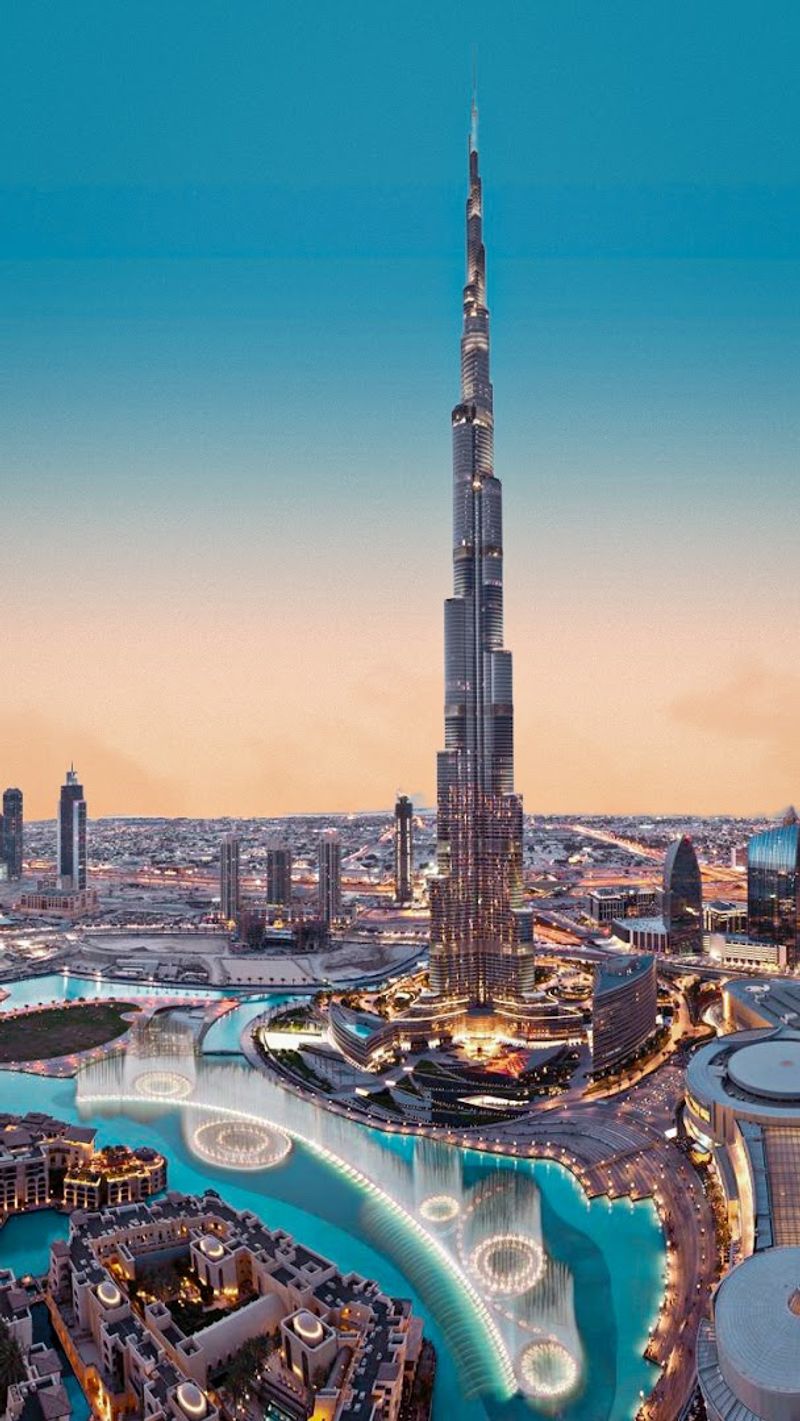
Standing at 828 meters, the Burj Khalifa doesn’t just scrape the sky — it absolutely owns it. Completed in 2010, this Dubai giant holds the title of the tallest building on Earth, and nothing else has come close to stealing that crown.
Engineers worked for six years to bring this record-breaker to life.
The building has two observation decks: “At the Top” on the 124th floor and “At the Top SKY” on the 148th floor. From up there, the city looks like a toy set, and on a clear day, you can spot the Arabian Gulf shimmering in the distance.
The views alone are worth the trip.
Fun fact: the Burj Khalifa has 163 floors, 57 elevators, and over 26,000 glass panels on its exterior. More than 12,000 workers were on-site daily during its construction.
The building also holds records for the highest occupied floor, the highest outdoor observation deck, and the longest elevator travel distance. It’s not just a skyscraper — it’s a record collection stacked 828 meters high.
Times Square – New York City, USA
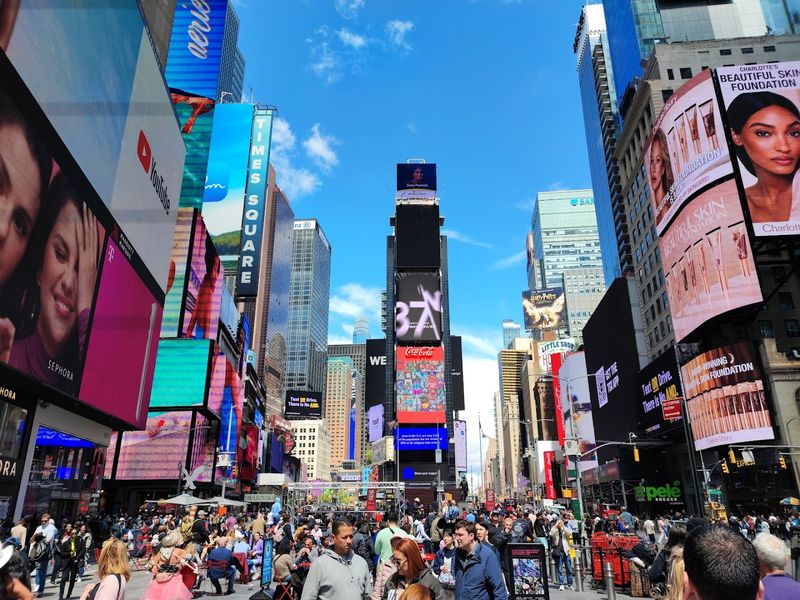
Welcome to the crossroads of the world, where the billboards are bigger than most buildings and the crowd never seems to thin. Times Square pulls in over 130 million visitors every year, making it one of the most-visited spots on the entire planet.
That’s not a neighborhood — that’s a phenomenon.
Originally a rundown district, Times Square transformed dramatically in the 1990s into the glittering entertainment hub it is today. Broadway theaters, flagship stores, and some of the largest digital screens ever built all compete for your attention at once.
The sensory overload is kind of the point.
Every New Year’s Eve, roughly one million people pack into Times Square to watch the iconic ball drop — an event broadcast to over a billion viewers worldwide. The ball itself is covered in 2,688 Waterford crystal triangles and weighs nearly 12,000 pounds.
Whether you visit in January or July, the energy here is relentless and electric. Times Square proves that a place doesn’t need to be ancient or natural to break records — sometimes sheer spectacle is enough to put you on the global map permanently.
Great Barrier Reef – Australia
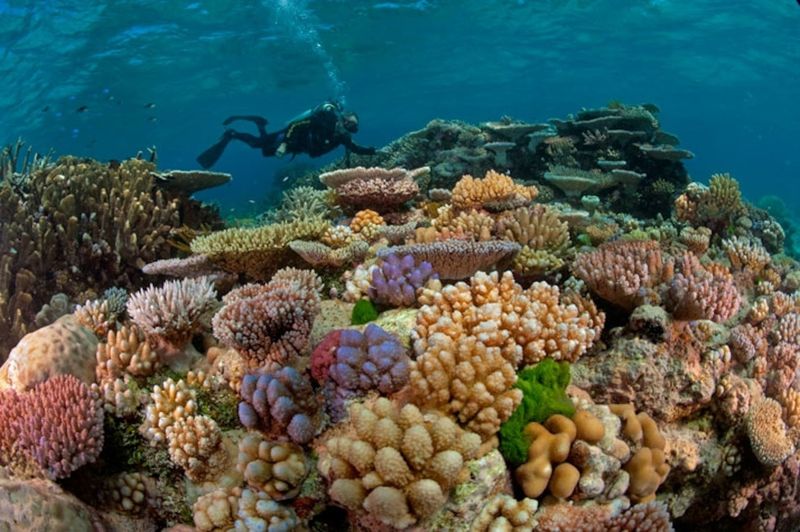
Stretching over 2,300 kilometers along Australia’s northeastern coastline, the Great Barrier Reef is so massive it can actually be seen from outer space. It’s the largest coral reef system on Earth, made up of nearly 3,000 individual reefs and 900 islands.
No other living structure on the planet comes close to this scale.
Snorkeling or scuba diving here feels like stepping into a living painting. Over 1,500 species of fish, 4,000 types of mollusk, and six of the world’s seven sea turtle species call this reef home.
The biodiversity is genuinely mind-blowing, and first-time visitors often struggle to describe what they saw underwater.
The reef was designated a UNESCO World Heritage Site in 1981, recognizing its extraordinary universal value. However, rising ocean temperatures have caused significant coral bleaching in recent decades, making conservation efforts more urgent than ever.
Scientists from around the world study the reef to better understand climate change and marine ecosystems. Visiting responsibly — using reef-safe sunscreen and not touching the coral — helps protect this living record-holder for future generations.
The Great Barrier Reef is proof that nature’s greatest achievements are worth fighting to preserve.
Mount Everest – Nepal/Tibet
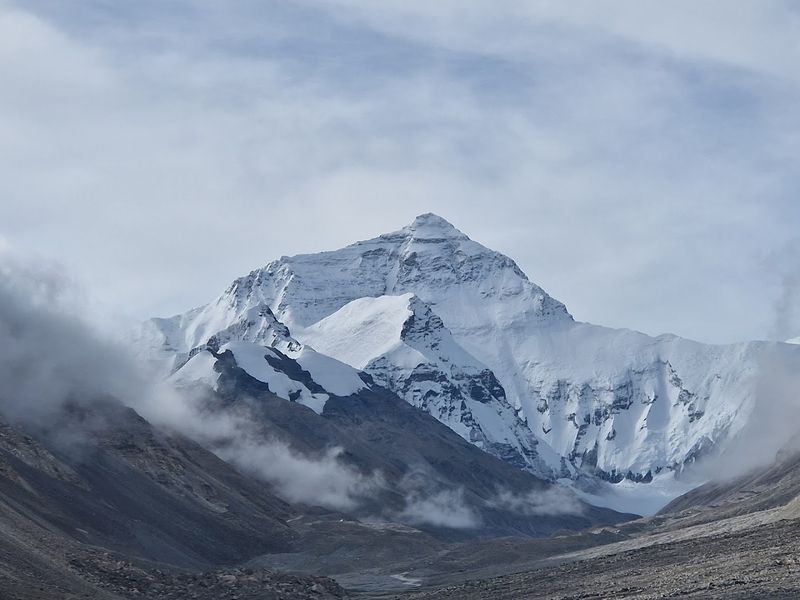
At 8,848.86 meters above sea level, Mount Everest is the highest point on the surface of Earth — a fact that has sent thousands of ambitious climbers scrambling toward its summit since Edmund Hillary and Tenzing Norgay first reached the top in 1953. Every year, hundreds attempt the climb, and the mountain’s legend only grows.
The extreme conditions near the summit are almost incomprehensible. Temperatures can plunge to minus 60 degrees Celsius, winds can exceed 200 kilometers per hour, and the air contains only one-third of the oxygen found at sea level.
Climbers must spend weeks acclimatizing their bodies just to survive the ascent.
But you don’t have to be a mountaineer to experience Everest’s magic. The Everest Base Camp trek is one of the most popular hiking routes in the world, drawing trekkers from every continent.
From Base Camp, the sheer scale of the mountain is humbling in a way photos simply cannot capture. The surrounding Khumbu region also offers rich Sherpa culture, ancient monasteries, and jaw-dropping Himalayan scenery.
Whether you’re chasing the summit or just the view, Everest delivers an experience that no other mountain on Earth can match.
Eiffel Tower – Paris, France
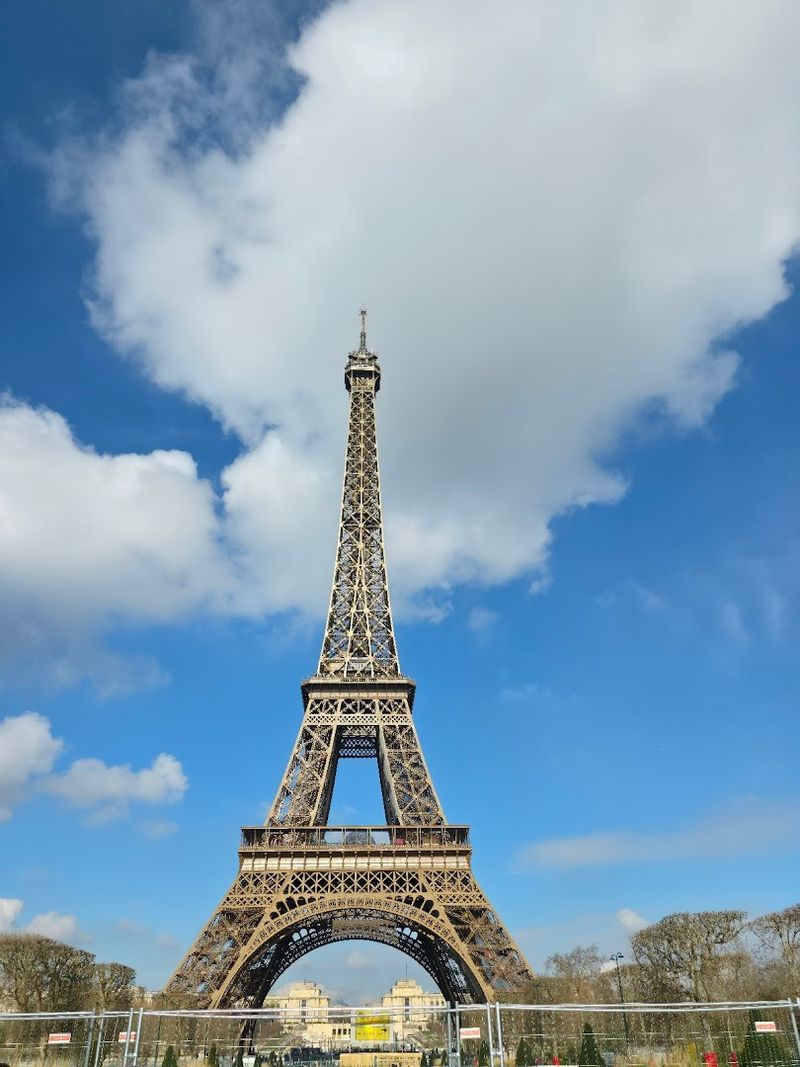
Gustave Eiffel’s iron masterpiece was actually built to be temporary. Constructed as the entrance arch for the 1889 World’s Fair, the Eiffel Tower was supposed to be torn down after 20 years.
Lucky for us, its usefulness as a radio transmission tower saved it — and the rest is history.
When it was completed in 1889, the Eiffel Tower stood as the tallest man-made structure in the world at 300 meters. It held that record for 41 years until New York’s Chrysler Building surpassed it in 1930.
Even without the record, the tower’s cultural pull has never weakened. It welcomes around 7 million visitors annually, making it one of the most-visited paid monuments on Earth.
The tower’s design uses over 18,000 iron parts held together by 2.5 million rivets. It actually grows about 15 centimeters taller in summer because heat causes the metal to expand.
At night, it sparkles with 20,000 light bulbs that flash every hour on the hour. Visiting Paris without seeing the Eiffel Tower is a bit like going to a concert and skipping the main act — technically possible, but deeply unsatisfying.
It remains the gold standard of iconic landmarks worldwide.
CN Tower – Toronto, Canada
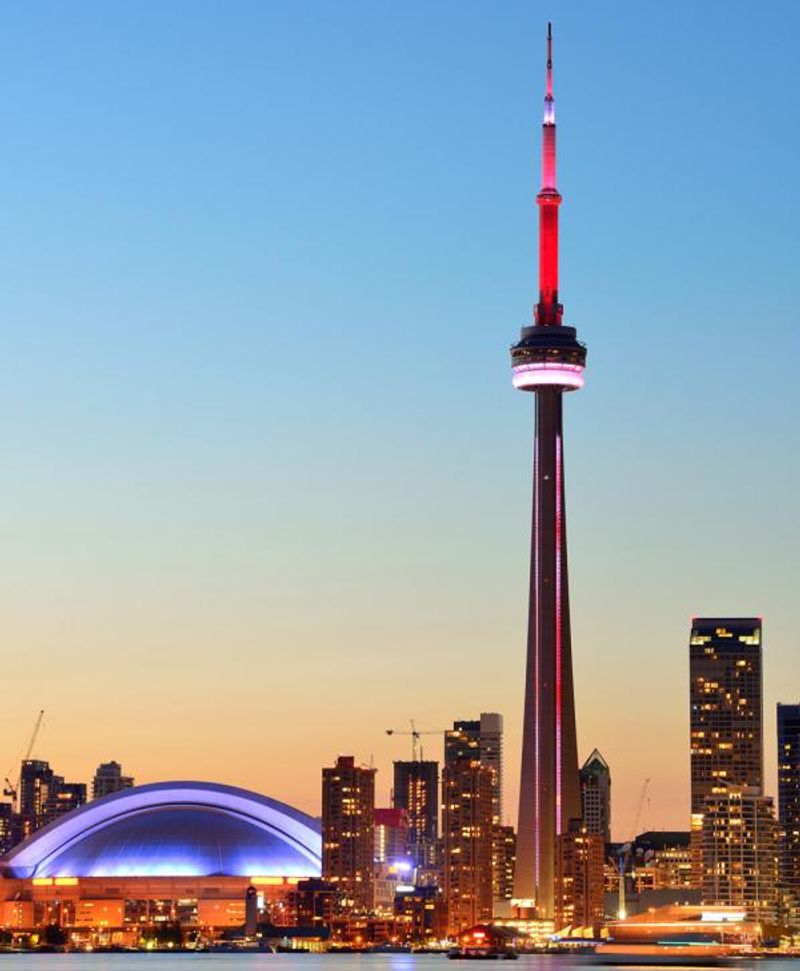
For 34 years, the CN Tower was the tallest free-standing structure in the world — a record it held from 1976 until 2010 when Dubai’s Burj Khalifa finally edged it out. Standing at 553 meters, this Toronto icon remains the tallest free-standing structure in the Western Hemisphere, and locals couldn’t be more proud of it.
The CN Tower was originally built as a communications hub to broadcast television and radio signals across southern Ontario. What nobody expected was that it would become one of Canada’s most beloved tourist attractions.
Over two million people visit it every year, and it’s hard to blame them — the views of Lake Ontario and the Toronto skyline are genuinely spectacular.
Thrill-seekers can try the EdgeWalk, where visitors are harnessed and walk hands-free along a ledge 356 meters above the ground. The glass floor in the observation deck is equally nerve-wracking for those afraid of heights.
There’s also a revolving restaurant that completes one full rotation every 72 minutes, letting diners enjoy a slow, scenic meal high above the city. The CN Tower proves that even after losing a world record, a landmark can still remain absolutely extraordinary in its own right.
Chimelong Ocean Kingdom – China
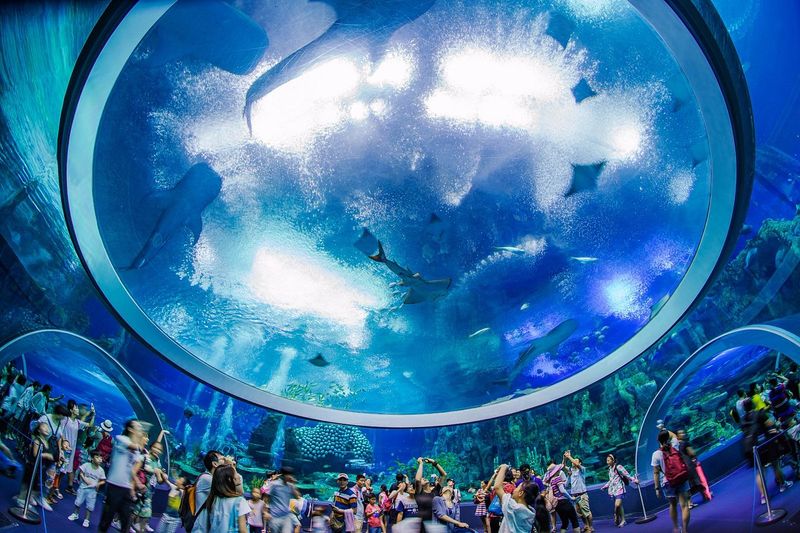
Chimelong Ocean Kingdom in Zhuhai, China, isn’t just a theme park — it’s a Guinness World Records hall of fame disguised as a family vacation destination. The park holds multiple records, including the world’s largest aquarium, the world’s largest water screen, and the world’s largest dome projection screen.
That’s a lot of “worlds” for one address.
The centerpiece aquarium tank holds a staggering 12.87 million gallons of water and is home to whale sharks, manta rays, and thousands of other marine species. Watching a whale shark glide past a floor-to-ceiling window is one of those experiences that genuinely stops you in your tracks.
Kids and adults alike press their faces against the glass with the same wide-eyed wonder.
Since opening in 2014, Chimelong Ocean Kingdom has consistently ranked among the most visited theme parks globally, often outperforming many well-known Western parks in annual attendance. The park combines record-breaking exhibits with thrilling rides, live shows, and immersive marine-themed environments.
It’s a place where every corner seems designed to make your jaw drop just a little further. For anyone who thinks they’ve seen everything a theme park can offer, Chimelong Ocean Kingdom is a very convincing argument to the contrary.
Amazon Rainforest – South America
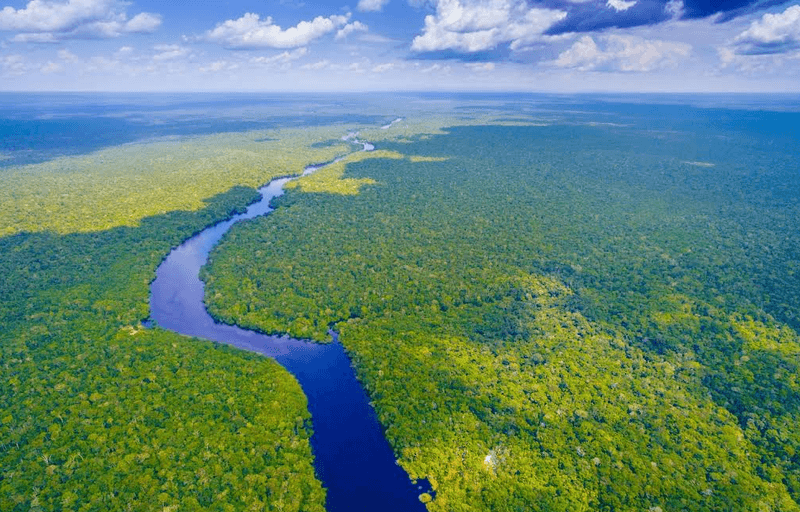
Covering over 5.5 million square kilometers, the Amazon Rainforest is the largest tropical rainforest on Earth — and it’s not even close. It spans nine countries, with Brazil holding the largest share, and produces roughly 20 percent of the world’s oxygen.
Scientists sometimes call it the “lungs of the planet,” and that nickname is absolutely earned.
The biodiversity here is staggering. The Amazon is home to an estimated 10 percent of all species on Earth, including over 40,000 plant species, 1,300 bird species, and more types of fish than the entire Atlantic Ocean.
New species are still being discovered regularly, which makes every research expedition feel like a treasure hunt.
Eco-tourism in the Amazon has grown significantly in recent decades, with travelers venturing deep into the jungle to spot pink river dolphins, giant anacondas, and brilliantly colored poison dart frogs. Local indigenous communities also offer cultural experiences that provide unique perspectives on life within the forest.
However, deforestation remains a serious threat, and responsible tourism plays a role in supporting conservation. The Amazon isn’t just a record-holder — it’s one of the most important ecosystems keeping our entire planet alive and in balance.
Angel Falls – Venezuela
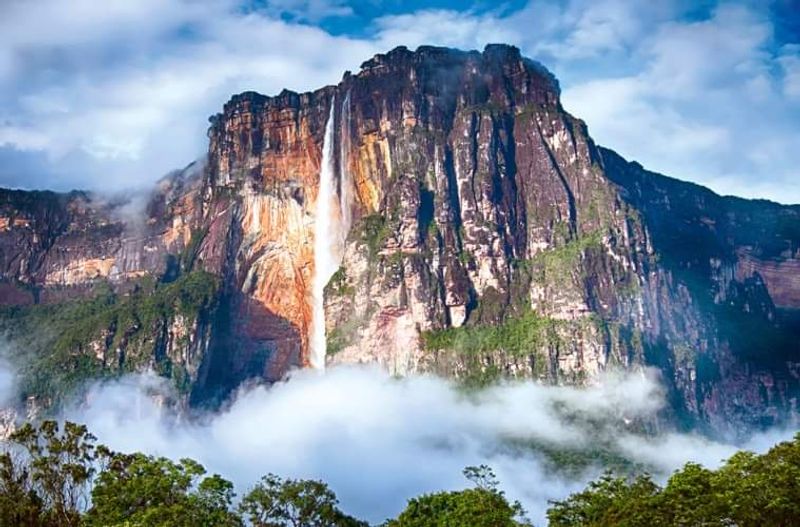
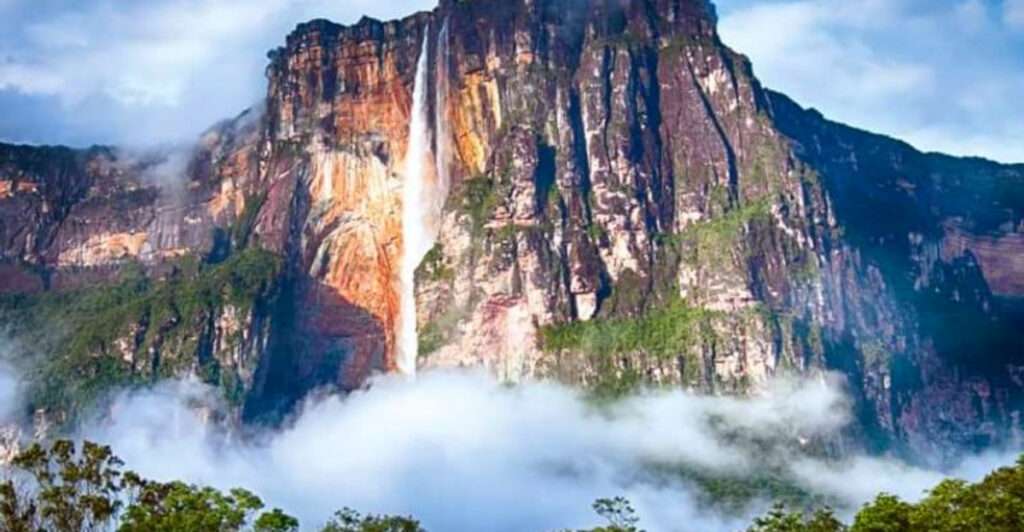
Plunging 979 meters off the edge of Auyán-tepui mountain, Angel Falls is so tall that the water actually turns into mist before it reaches the ground. That’s not poetry — that’s physics.
Named after American aviator Jimmie Angel, who flew over it in 1933, this Venezuelan giant holds the undisputed title of the world’s tallest waterfall.
Getting there is half the adventure. Angel Falls sits deep inside Canaima National Park, a UNESCO World Heritage Site accessible only by small plane and dugout canoe through the jungle.
There are no paved roads, no tourist buses, and no shortcuts. The remoteness is exactly what makes it feel so wild and untouched.
The best time to visit is during the rainy season, from June to November, when the falls are at their most powerful and the water flow is dramatic. During dry season, the flow can reduce significantly, sometimes breaking into thin streams.
Indigenous Pemon communities live near the falls and refer to the waterfall as “Kerepakupai Merú,” meaning “waterfall of the deepest place.” Standing at the base, drenched in spray and surrounded by jungle, is the kind of experience that rewires your understanding of just how spectacular the natural world can truly be.
Las Vegas Strip – USA
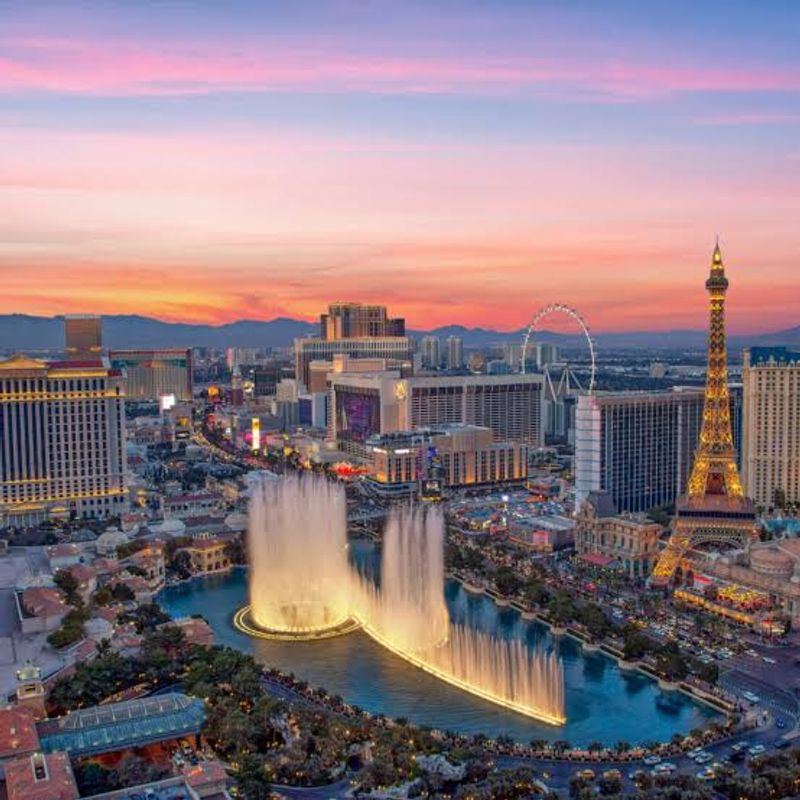
Nowhere else on Earth packs this much spectacle into a single stretch of road. The Las Vegas Strip runs about 6.8 kilometers along Las Vegas Boulevard and is lined with some of the most lavish, over-the-top hotel-casinos ever built.
It’s a place where a replica Eiffel Tower, a miniature New York skyline, and a giant pyramid all coexist within walking distance of each other.
The Strip draws around 40 million visitors annually, rivaling Times Square as one of the most-visited tourist destinations in the world. The concentration of entertainment here is genuinely unmatched — world-class shows, celebrity chef restaurants, rooftop pools, and casino floors the size of small towns.
There’s almost no reason to leave once you arrive.
Las Vegas wasn’t always this glamorous. In the 1940s, it was a dusty desert town, and the first resort hotels were modest compared to today’s mega-resorts.
The Bellagio’s famous fountain show alone uses 22 million gallons of water and is choreographed to music. The sheer ambition behind every building on the Strip is hard not to admire.
Love it or find it overwhelming, the Las Vegas Strip is a record-breaking monument to human entertainment and the relentless pursuit of making everything bigger and brighter.
Tokyo Skytree – Tokyo, Japan
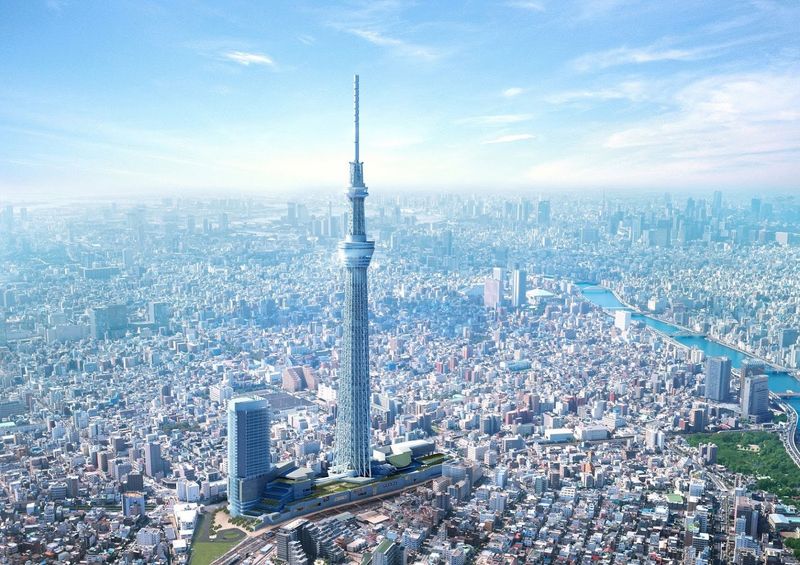
Tokyo Skytree holds the title of the world’s tallest tower, standing at a precise 634 meters — a height that’s no accident. In Japanese, 634 can be read as “Musashi,” the old name for the region where Tokyo stands.
That kind of thoughtful detail is very on-brand for Japan, a country that treats engineering as an art form.
Completed in 2012, the Skytree serves as a broadcasting tower for digital television and radio signals across the Kanto region. But its observation decks — located at 350 and 450 meters — have turned it into one of Tokyo’s most popular tourist attractions.
On a clear day, Mount Fuji is visible from the upper deck, sitting serenely on the horizon about 100 kilometers away.
The tower’s design was inspired by traditional Japanese architecture, particularly the five-story pagoda style, which is known for its earthquake resistance. Tokyo sits in one of the world’s most seismically active zones, so engineering the Skytree to withstand major earthquakes was a critical challenge the designers met brilliantly.
At night, the tower lights up in different color schemes that rotate by season. Visiting the Skytree feels like stepping into the future while being quietly reminded of Japan’s deep and enduring past.
Great Wall of China – China
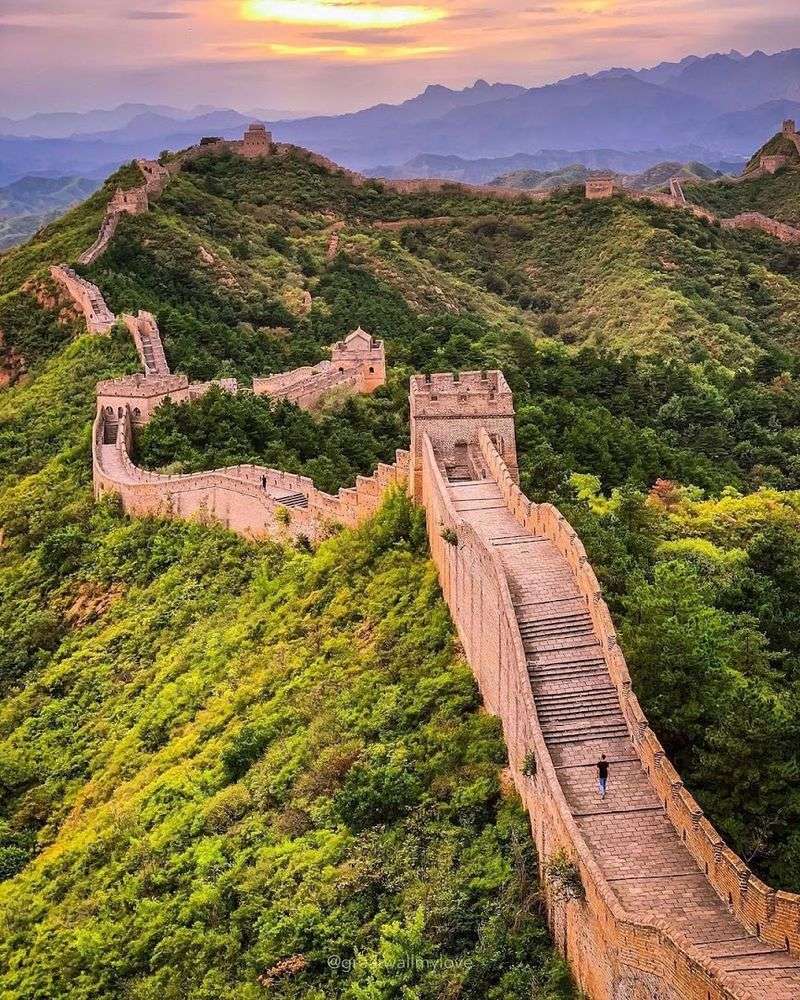
Built over many centuries by millions of workers, the Great Wall of China stretches an almost unbelievable 21,196 kilometers across northern China. That’s longer than the distance from New York to Sydney — and it was all built by hand.
No cranes, no bulldozers, just human labor, ingenuity, and an extraordinary amount of determination.
Construction began as far back as the 7th century BC, though the most iconic sections were built during the Ming Dynasty between 1368 and 1644. The wall was designed to protect Chinese states from northern invasions, and while it had mixed military success, it succeeded spectacularly as a symbol of national strength and ambition.
Today, it’s a UNESCO World Heritage Site and one of the New Seven Wonders of the World.
The most visited section, Badaling, sits about 70 kilometers northwest of Beijing and sees millions of tourists annually. Other sections like Mutianyu offer a more peaceful experience with stunning mountain scenery and fewer crowds.
Contrary to popular belief, the Great Wall is not visible from space with the naked eye — that myth has been officially debunked. What it is, undeniably, is the longest structure ever built by human hands, and walking along its ancient stones is a deeply humbling experience.
Dead Sea – Jordan/Israel
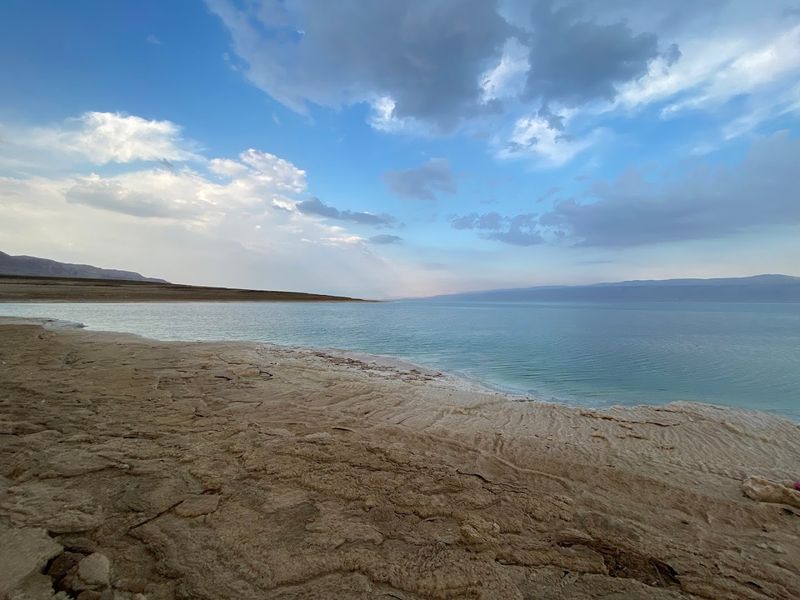
Forget swimming lessons — at the Dead Sea, floating is basically mandatory. With a salt concentration of about 34 percent, the water is so dense that your body simply rises to the surface whether you want it to or not.
It’s one of the most genuinely weird and wonderful physical experiences you can have on this planet.
Sitting more than 430 meters below sea level, the Dead Sea holds the record as the lowest point on Earth’s surface. It borders Jordan to the east and Israel and the West Bank to the west, and its shoreline is one of the most surreal landscapes you’ll ever encounter — crystallized salt formations, mineral-rich mud, and an almost otherworldly stillness.
The high mineral content of the water and surrounding mud has been celebrated for its supposed skin benefits since ancient times. Cleopatra reportedly had Dead Sea mud shipped to Egypt for her beauty routines, which is either impressive logistics or very early influencer marketing.
Unfortunately, the Dead Sea is shrinking at an alarming rate — dropping about one meter per year due to water diversion from the Jordan River. Conservation efforts are underway, but time is genuinely running out to preserve this remarkable record-holder in its current form.
Six Flags Qiddiya – Saudi Arabia
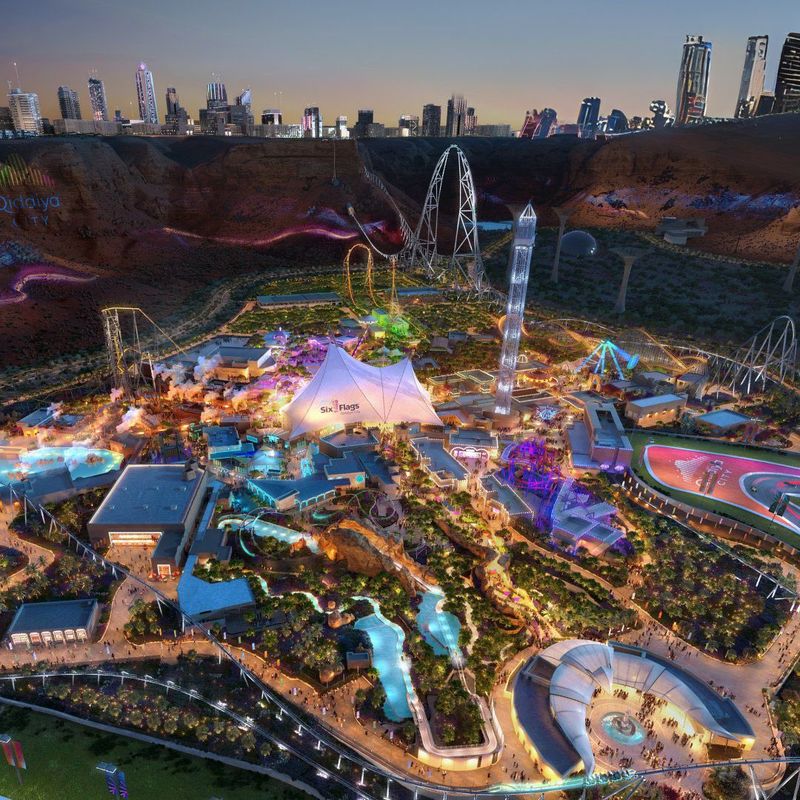
Roller coaster fans, meet your new obsession. Six Flags Qiddiya in Saudi Arabia is home to Falcon’s Flight, officially certified as the world’s tallest, fastest, and longest roller coaster.
It reaches a top speed of 250 kilometers per hour, drops 160 meters, and covers 4 kilometers of track — all while soaring over the edge of a cliff. Yes, a real cliff.
The park opened as part of Saudi Arabia’s ambitious Vision 2030 program, a nationwide effort to diversify the economy and develop world-class entertainment infrastructure. Qiddiya itself is a massive entertainment city being built from scratch near Riyadh, and Six Flags is one of its flagship attractions.
The scale of ambition here is genuinely extraordinary.
Beyond Falcon’s Flight, the park features dozens of other rides, themed zones, and attractions designed to make it a major global destination. It represents a new era of record-breaking theme parks — ones built not just for regional visitors but for international thrill-seekers willing to travel specifically for the ride.
For anyone who thought roller coasters had reached their limit, Falcon’s Flight is a 250-kilometer-per-hour reminder that the limits of human engineering — and human appetite for adrenaline — are still very much being pushed.
Son Doong Cave – Vietnam
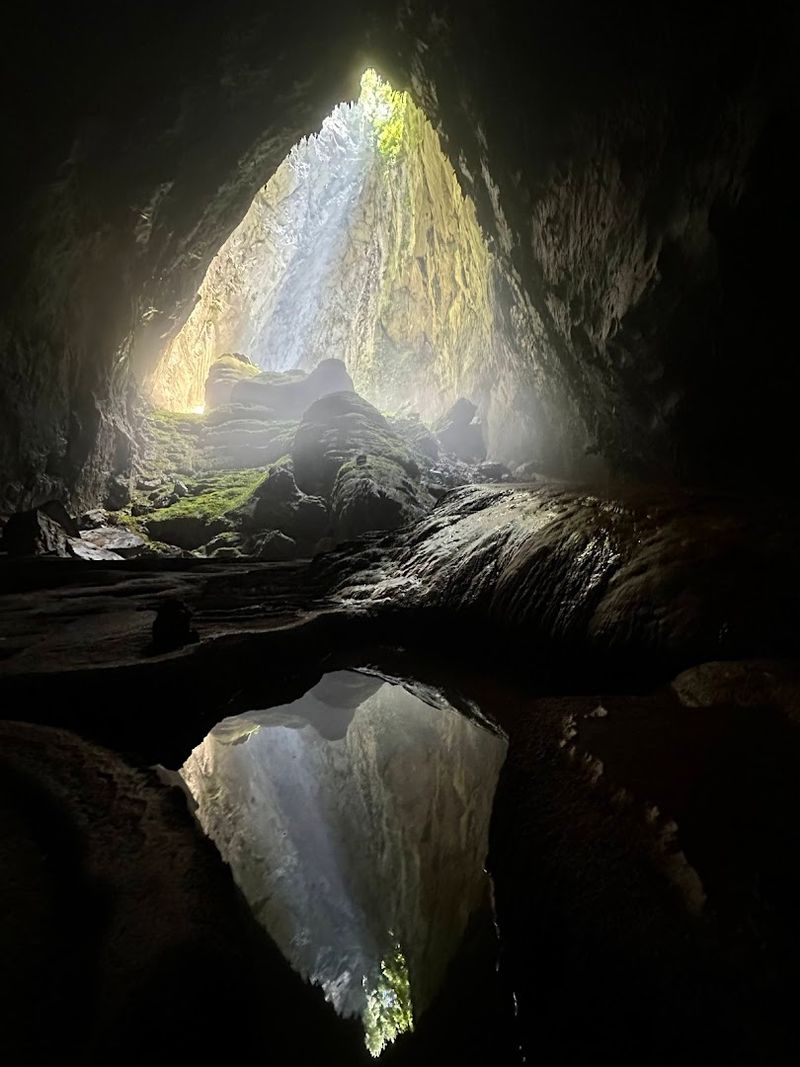
Somewhere beneath the jungle of central Vietnam hides a cave so enormous it has its own weather system, its own river, and a jungle growing inside it. Son Doong Cave, discovered by a local farmer in 1990 and explored by scientists in 2009, is officially the largest cave in the world by volume.
Some of its chambers are tall enough to fit a 40-story skyscraper inside.
Located in Phong Nha-Ke Bang National Park, Son Doong stretches over 9 kilometers in length and reaches heights of 200 meters in places. Massive “dolines” — collapsed sections of the cave ceiling — allow sunlight to pour in, creating surreal patches of jungle growing in complete darkness underground.
Clouds actually form inside the cave due to the humidity and air movement. It’s basically an entire ecosystem hidden from the outside world.
Access to Son Doong is strictly limited to protect its fragile environment. Only a few hundred visitors are permitted each year, and expeditions require professional guides, specialized equipment, and several days of trekking.
The rarity of the experience is part of what makes it so extraordinary. Those lucky enough to visit describe it as the most humbling, otherworldly place they’ve ever stood — a record-holder that feels less like a tourist attraction and more like a secret the Earth kept for itself.
Share this story