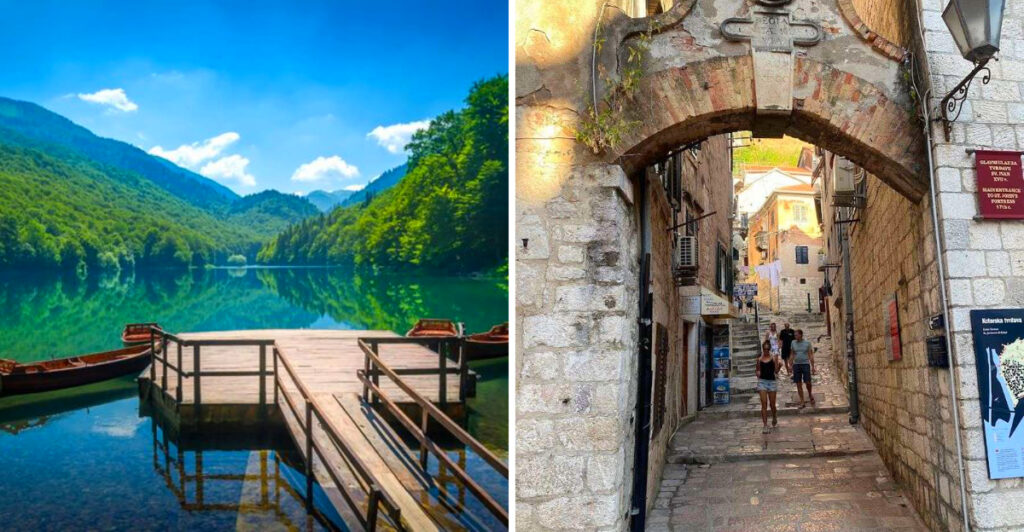
Tucked between Croatia, Bosnia, and the Adriatic Sea, Montenegro is one of Europe’s best-kept secrets — and it won’t stay hidden for much longer. This tiny Balkan country packs ancient walled cities, glacier-carved canyons, and crystal-clear lakes into an area smaller than Connecticut.
Whether you’re chasing history, adventure, or just a jaw-dropping view, Montenegro delivers every single time. Get ready to discover 15 places that prove this underrated gem deserves a top spot on your travel list.
Kotor Old Town
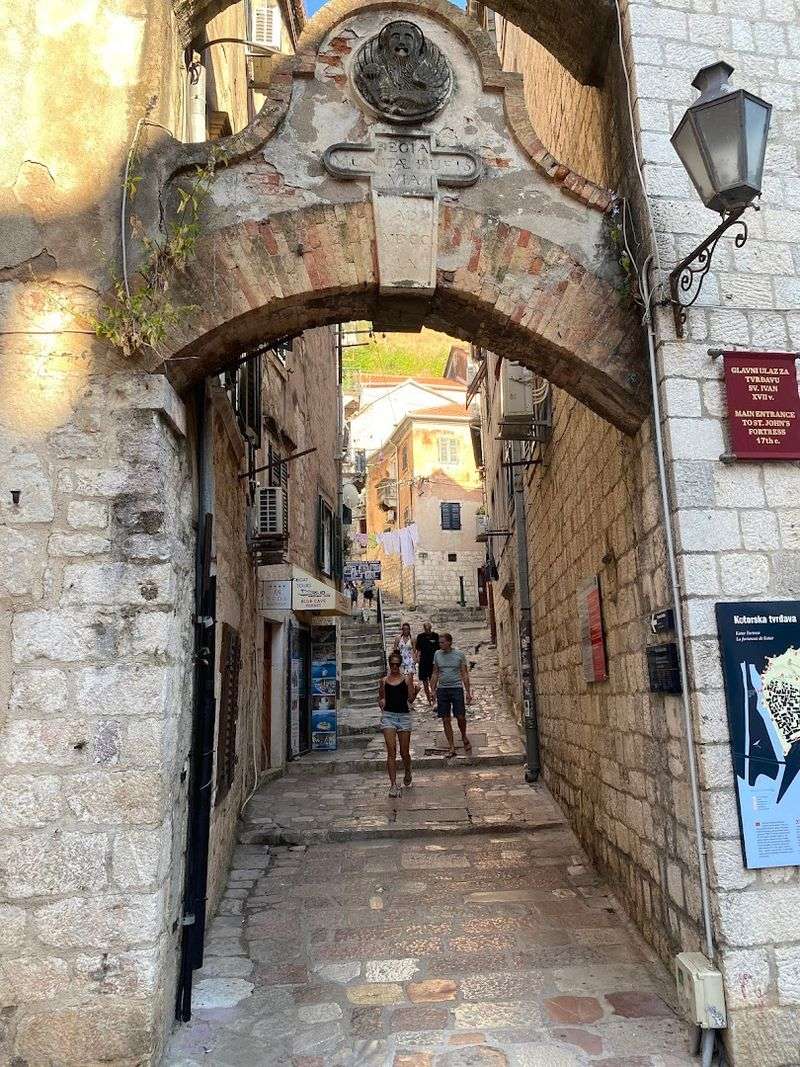
Step through the ancient gates of Kotor Old Town and you’ll feel like you’ve accidentally walked onto a movie set — except everything here is completely real. This UNESCO-listed medieval town sits snugly between steep limestone mountains and the shimmering Bay of Kotor, creating a setting so dramatic it almost feels theatrical.
The cobblestone streets twist and turn unpredictably, revealing hidden squares, centuries-old churches, and stone buildings that have stood since the 12th century.
One of the best things you can do is climb the fortress walls above the city. The hike takes about 30 to 45 minutes, but the panoramic views over the bay make every sweaty step worth it.
Early morning is the best time to go — the light is golden and the crowds haven’t arrived yet.
Kotor is also wonderfully walkable. You can spend hours wandering without a map and still stumble upon something amazing.
Local cats are basically the unofficial mascots of the town, lounging on doorsteps and posing for photos without a care in the world. Kotor manages to feel both grand and cozy at the same time — a rare combination that keeps visitors coming back.
Perast
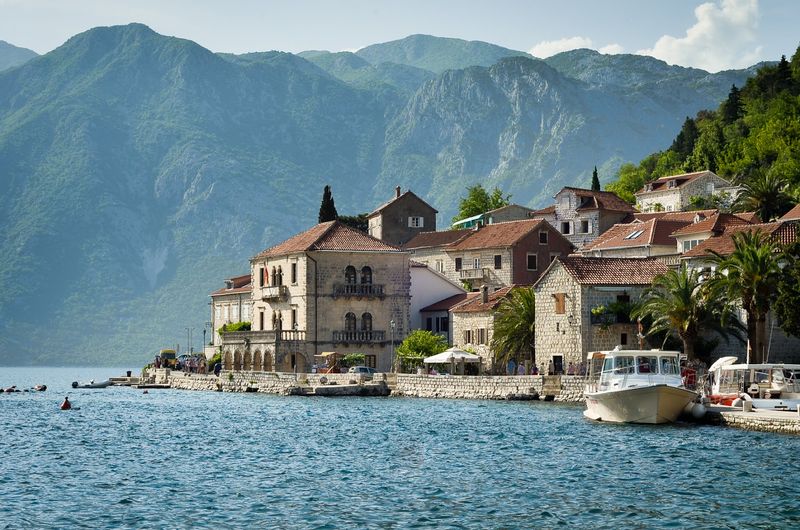
Perast is the kind of place where time moves slower — and honestly, that’s exactly the point. Sitting quietly along the shores of the Bay of Kotor, this tiny Baroque village has fewer than 400 residents but more charm per square meter than most cities ten times its size.
Elegant stone palaces line the waterfront, many of them dating back to the 17th and 18th centuries when Perast was a prosperous maritime hub.
The undisputed star of the show is Our Lady of the Rocks, a man-made island just a short boat ride from shore. According to local legend, sailors built the island by dropping stones into the sea every time they passed by safely.
The church sitting on it is filled with intricate silver votive plates and stunning religious artwork — a surprisingly moving experience for even non-religious visitors.
Perast has no major tourist infrastructure, which is honestly a big part of its appeal. There are a few excellent restaurants serving fresh seafood right on the water.
Grab a table, order something local, and just sit with the view. No agenda needed.
It’s the kind of quiet that actually refreshes you rather than boring you.
Budva Old Town
Budva wears two very different outfits depending on what time of day you visit. By night, the modern side of town pulses with music, beach clubs, and a social energy that rivals Ibiza.
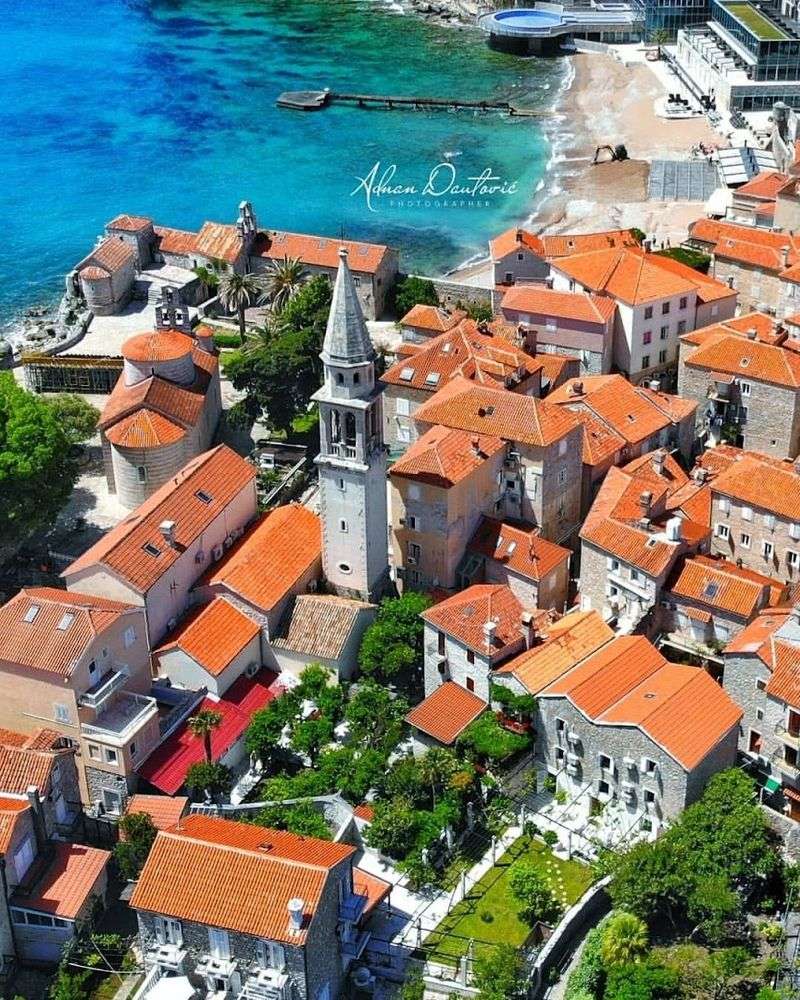
But step inside the ancient walls of Budva Old Town, and you’re suddenly in a completely different world — quiet, atmospheric, and dripping with history.
The Old Town is perched on a small peninsula and enclosed by medieval walls that have been standing since the 5th century BC. Inside, narrow stone alleys lead to charming squares, Orthodox and Catholic churches sitting side by side, and local shops selling handmade jewelry and regional wine.
The Citadel at the top offers sweeping sea views that are genuinely hard to forget.
What makes Budva work so well as a destination is the contrast. You can explore ancient ruins in the morning, lounge on sandy beaches in the afternoon, and dance the night away if that’s your thing.
The beaches just outside the walls — especially Mogren Beach — are some of the most beautiful on the Adriatic coast. Budva is proof that a place can be both historically rich and wildly fun without compromising either quality.
Sveti Stefan
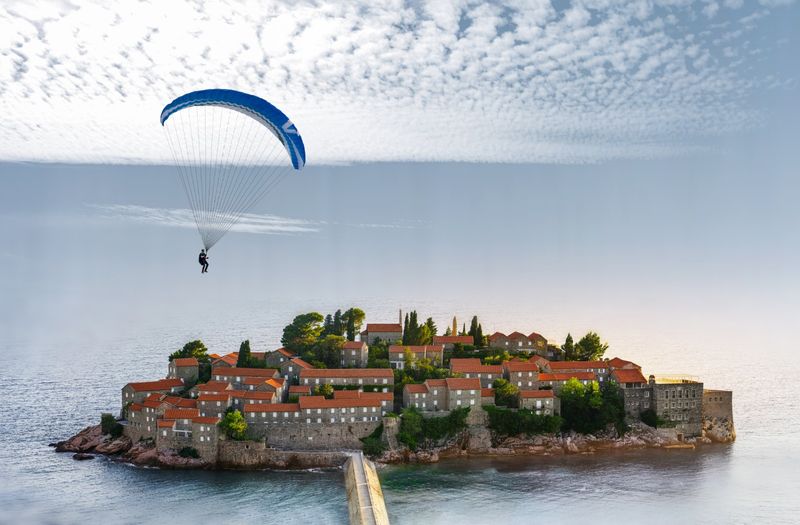
Few sights in Europe stop you in your tracks quite like Sveti Stefan. Perched on a tiny rocky island and connected to the mainland by a slender sandy causeway, this place looks less like a real destination and more like something a concept artist dreamed up after a very good day.
The pink-tinged sandy beaches on either side of the causeway only add to the surreal beauty of the scene.
Originally a 15th-century fishing village, Sveti Stefan was transformed into a luxury resort in the 1960s and has since hosted some seriously famous guests — Sophia Loren, Sylvester Stallone, and even royalty have stayed within its stone walls. Today it operates as the ultra-exclusive Aman Sveti Stefan resort, meaning most visitors experience it from the shore rather than the inside.
Here’s the good news: the view from the beach is arguably better than anything you’d see from inside the resort walls. Grab a spot on the public beach, settle in with a cold drink, and just admire the scenery.
Sunrise here is particularly spectacular — the island seems to glow. Even if you only spend an hour at Sveti Stefan, you’ll understand immediately why Montenegro keeps showing up on every “hidden gems of Europe” list.
Durmitor National Park
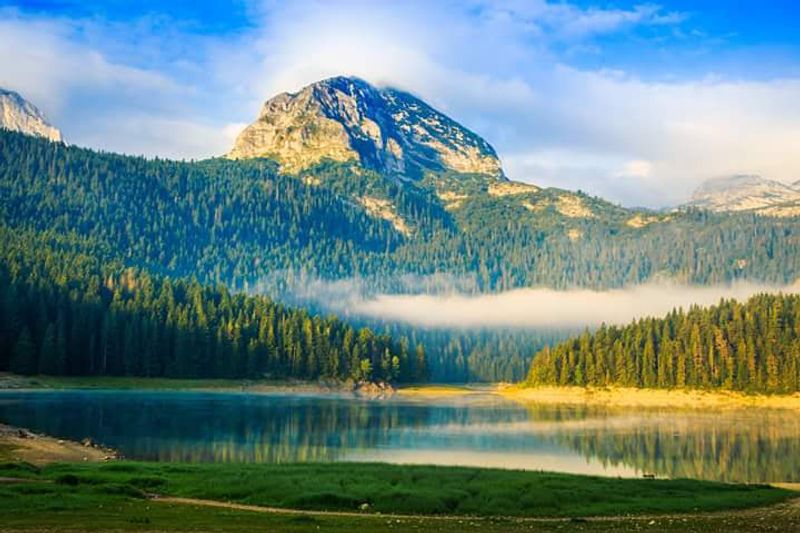
Forget the coast for a moment — northern Montenegro is hiding something spectacular. Durmitor National Park is a UNESCO World Heritage Site that covers over 390 square kilometers of mountains, glacial lakes, and dense forests that look like they belong in a fantasy novel.
The park is anchored by 48 glacial lakes, the most famous being Black Lake, whose still dark waters reflect the surrounding peaks like a mirror.
Adventure seekers have a lot to celebrate here. Hiking trails range from gentle lakeside walks to challenging summit climbs that reward you with views stretching across multiple countries on a clear day.
In winter, Durmitor transforms into a ski destination, drawing visitors who want something more off-the-beaten-path than the Alps.
The park is also home to the legendary Tara River Canyon, which cuts through the landscape at depths of over 1,300 meters — making it one of the deepest river canyons in the world. Whitewater rafting on the Tara is one of the most popular activities in all of Montenegro, and for good reason.
The combination of heart-pumping rapids and jaw-dropping scenery is genuinely hard to beat. Durmitor proves that Montenegro’s magic isn’t limited to its coastline.
Lake Skadar
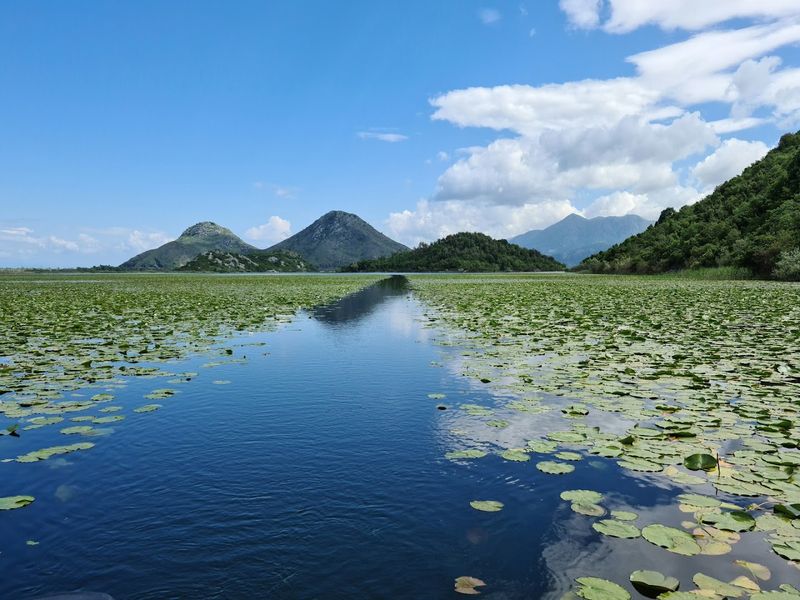
Sprawling across the border between Montenegro and Albania, Lake Skadar is the largest lake in the Balkans — and one of the most quietly beautiful places you’ll ever visit. The lake covers between 370 and 530 square kilometers depending on the season, and its surface is often covered with floating white and yellow water lilies that bloom spectacularly in summer.
It looks like a painting that someone forgot to put behind glass.
Wildlife thrives here in impressive numbers. The lake is a major habitat for the Dalmatian pelican, one of the world’s rarest birds, along with over 270 other bird species.
Birdwatchers consider it one of the top spots in all of Europe. Boat tours wind through narrow channels flanked by reeds and wildflowers, offering a peaceful pace that feels miles away from the tourist trail.
The surrounding villages are equally charming. Virpazar is the main gateway town and has a lovely small-boat harbor, a couple of excellent fish restaurants, and a relaxed local vibe that’s genuinely refreshing.
The regional wine — particularly the local Vranac red — is absolutely worth trying with dinner. Lake Skadar rewards travelers who slow down and pay attention to the quieter details.
Lovćen National Park
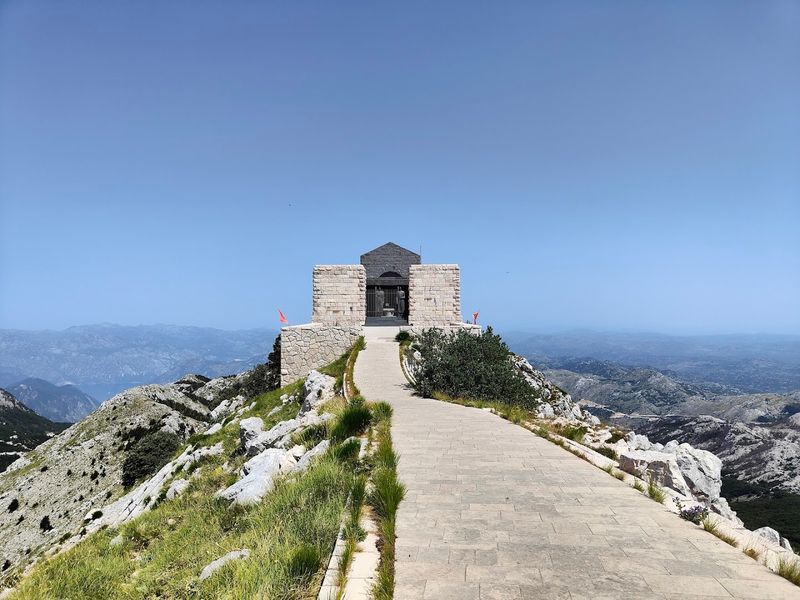
There’s a road in Montenegro that locals call one of the most exciting drives in Europe — and once you’ve navigated the 25 hairpin bends of the Lovćen serpentine road, you’ll completely understand why. Lovćen National Park sits above Kotor and acts like a dramatic natural balcony over the entire Bay of Kotor and the Adriatic beyond.
On a clear day, the views are almost incomprehensibly beautiful.
At the heart of the park stands the Njegoš Mausoleum, perched at 1,657 meters above sea level on the summit of Mount Lovćen. Built to honor Petar II Petrović-Njegoš — Montenegro’s most celebrated poet and philosopher — the mausoleum is reached via 461 steps carved into the mountain.
Inside, a golden mosaic and a massive statue of Njegoš create an atmosphere that feels genuinely monumental.
The park itself is great for hiking, with trails that wind through beech forests, past mountain meadows, and along ridgelines with non-stop panoramic views. It’s also a fascinating place culturally — Lovćen has been central to Montenegro’s national identity for centuries.
Visiting here gives you a much deeper understanding of what makes this country tick beyond its beaches and old towns. Pack a jacket; it gets surprisingly cool at altitude even in summer.
Ostrog Monastery
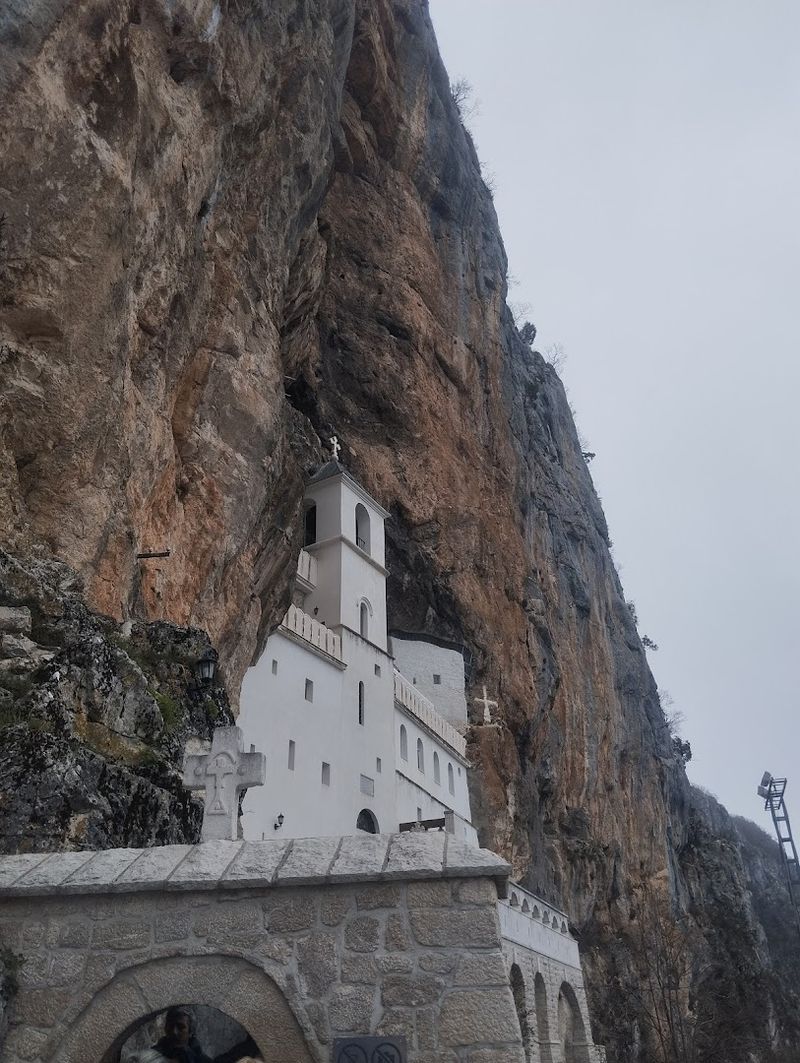
Built directly into a vertical cliff face in the 17th century, Ostrog Monastery looks physically impossible — and yet there it is, gleaming white against dark gray rock, about halfway up a mountain in central Montenegro. It’s one of the most visited religious sites in the entire Balkans, drawing around a million pilgrims and tourists every year.
That number says everything about how powerful this place feels in person.
The monastery was founded by Saint Basil of Ostrog, whose relics are kept in the Upper Monastery and are believed by many to have miraculous healing properties. Pilgrims travel from across the region — some even walking barefoot up the mountain road as an act of devotion.
The spiritual energy here is palpable, even if you’re visiting purely as a curious traveler rather than a believer.
Getting there involves a winding mountain road with some genuinely steep sections, but the approach itself is part of the experience. As the monastery comes into view against the cliff, most people instinctively slow down and go quiet.
The Upper Monastery’s cave chapels are tiny and intimate, carved directly into the rock. Visiting Ostrog isn’t just a sightseeing stop — it’s the kind of place that stays with you long after you’ve left Montenegro.
Tara River Canyon
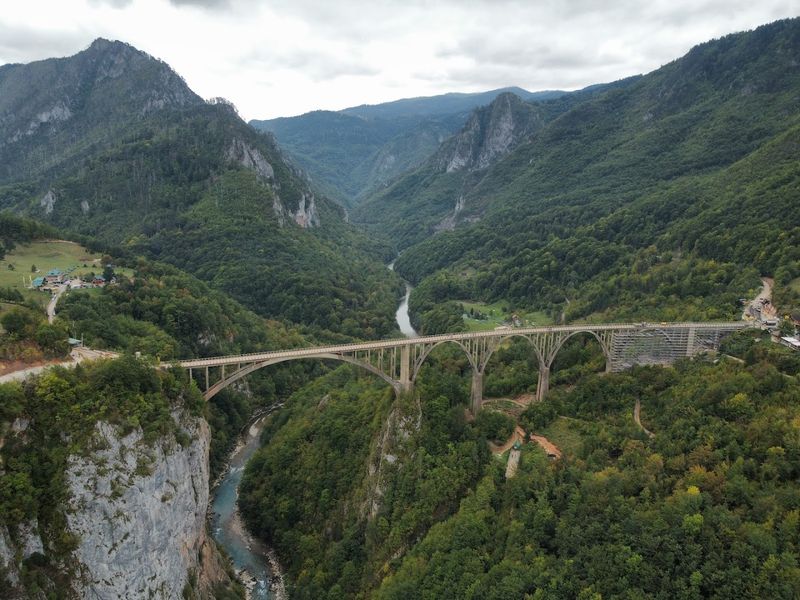
At over 1,300 meters deep and stretching roughly 82 kilometers in length, the Tara River Canyon earns its nickname as the Grand Canyon of Europe — and it’s not being modest. The canyon cuts through the heart of northern Montenegro with a force that’s almost impossible to visualize until you’re standing at the edge of it.
The river at the bottom runs a brilliant shade of turquoise green that looks digitally enhanced but is completely natural.
Whitewater rafting on the Tara is the headline activity, and it’s every bit as thrilling as it sounds. The rapids range from calm floats through stunning scenery to genuinely exciting white-water sections that’ll have your adrenaline pumping.
Most multi-day rafting trips include camping along the riverbank, which means you wake up to canyon walls towering above you — an experience that’s hard to top.
The Đurđevića Tara Bridge, built in 1940, spans the canyon at a dizzying height of 172 meters and is worth a stop on its own. During World War II, one of its engineers blew up a section of the bridge to prevent Nazi forces from crossing — a story that adds a layer of historical weight to an already dramatic structure.
The Tara Canyon is Montenegro at its most raw and spectacular.
Cetinje
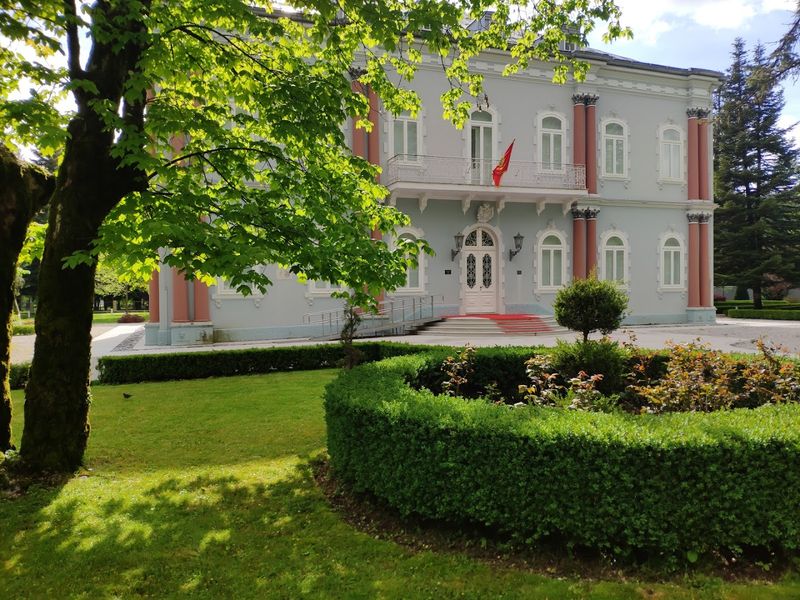
Cetinje doesn’t shout for attention the way Kotor or Budva do — and that’s precisely what makes it so interesting. Sitting at the foot of Mount Lovćen, Montenegro’s historic royal capital is a compact, walkable city that punches way above its weight in terms of cultural depth.
For a place with a population of only around 13,000 people, it has a remarkable number of museums, royal residences, and 19th-century embassy buildings crammed into a small area.
This was once the capital of the Kingdom of Montenegro, and the legacy of that era is visible on nearly every street. The Cetinje Monastery, founded in 1484, is one of the most important religious and cultural sites in the country.
It houses a collection of priceless relics and manuscripts that tell the story of Montenegro’s long and fiercely independent history.
The National Museum of Montenegro occupies several historic buildings and covers everything from fine art to royal history to ethnography. Entry is affordable and the collections are genuinely fascinating, especially for anyone curious about the Balkans.
Cetinje also has a refreshingly unhurried atmosphere — locals sit in cafes, kids play in the central square, and nobody seems to be rushing anywhere. After the coastal tourist bustle, that kind of calm feels like a genuine gift.
Ulcinj
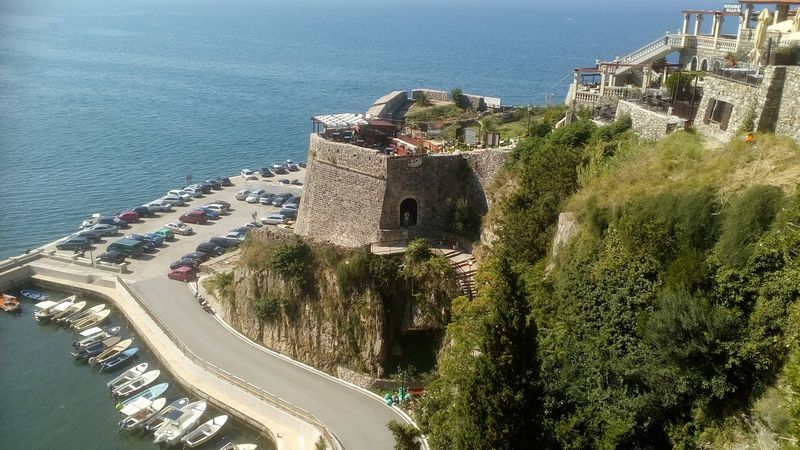
Ulcinj sits at the southernmost tip of Montenegro’s coastline, and it has a personality all its own. Unlike the polished resort towns further north, Ulcinj has a rougher, more authentic edge — shaped by centuries of Venetian, Ottoman, and Albanian influence that gives it a cultural flavor unlike anywhere else in the country.
Walking through the Old Town feels like piecing together a puzzle made from multiple different histories.
The big draw here is Velika Plaza, or Long Beach — a 13-kilometer stretch of sandy beach that is, by a significant margin, the longest beach in the entire Adriatic. It’s wide, uncrowded, and lined with wild dunes rather than wall-to-wall sunbeds.
For anyone who’s tired of elbow-to-elbow beach experiences, Ulcinj feels like a revelation.
The town also has a lively local market scene, excellent grilled fish restaurants, and a relaxed pace that encourages you to slow down and stay longer than planned. The Old Town fortress at sunset, with its views over the water toward Albania, is one of Montenegro’s most underappreciated photo opportunities.
Ulcinj is the kind of place that rewards travelers who are willing to venture a little further south and trade polish for genuine character. It’s a hidden gem within a hidden gem.
Biogradska Gora National Park
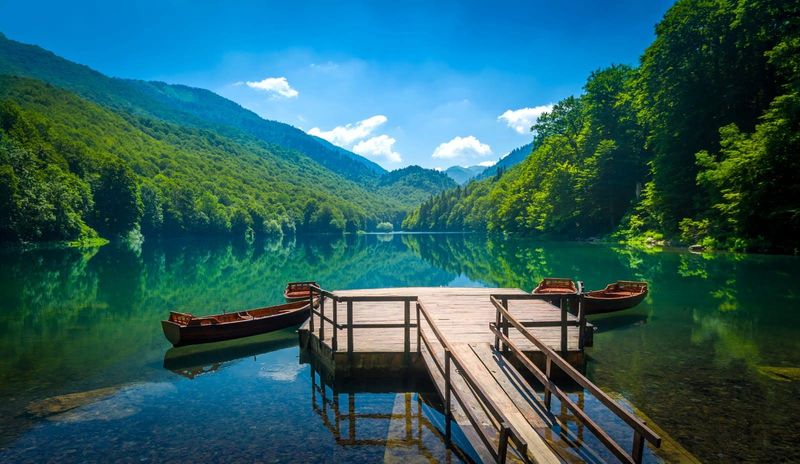
Somewhere in the mountains of central Montenegro, there’s a forest that has never been logged, never been cleared, and never been significantly disturbed by humans — and it shows. Biogradska Gora National Park is home to one of only three remaining primeval forests in Europe, and walking through it feels genuinely unlike anything else on the continent.
The trees here are ancient, massive, and draped in moss, creating an atmosphere that is equal parts beautiful and slightly eerie in the best possible way.
At the center of the park sits Lake Biograd, a glacial lake with water so clear and still that it perfectly mirrors the surrounding forest. There are walking paths around the lake that are easy enough for most fitness levels, making this one of the more accessible wilderness experiences in Montenegro.
The park is also home to bears, wolves, and deer — though sightings are rare and the animals tend to stay well clear of visitors.
The park sees far fewer tourists than Durmitor, which means you can often walk for long stretches without encountering another soul. That sense of genuine solitude is increasingly rare in European nature reserves.
Biogradska Gora is the perfect antidote to over-tourism — a place where nature is still fully in charge, and humans are simply quiet guests passing through.
Herceg Novi
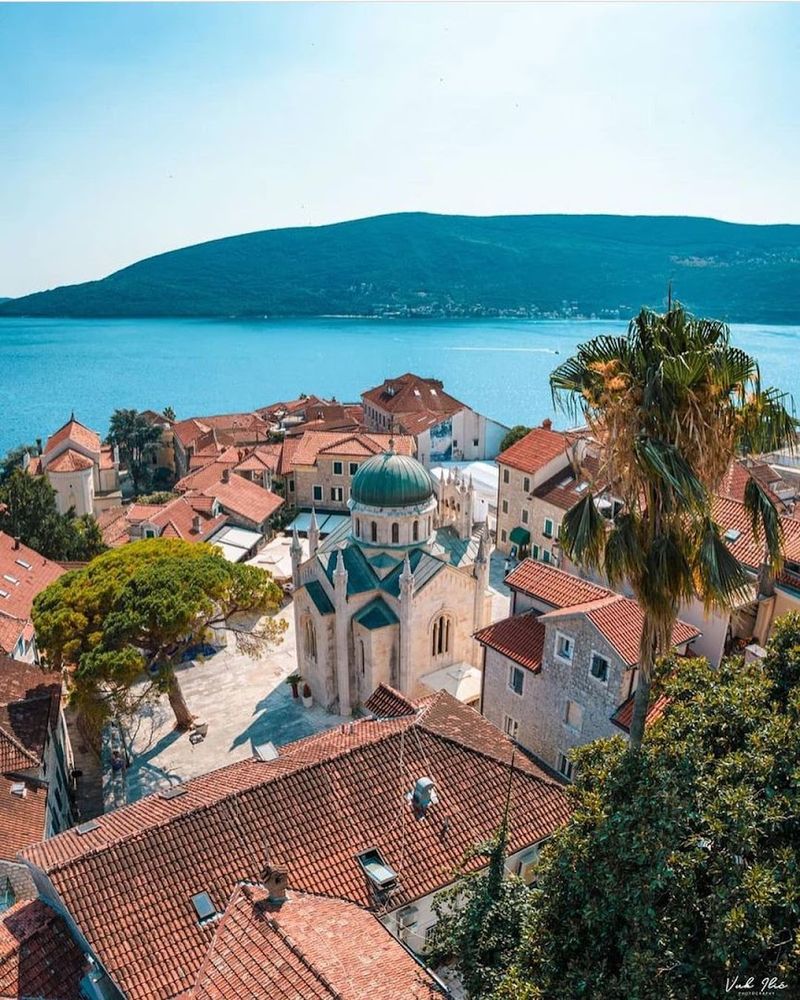
Herceg Novi has a nickname that locals are quietly proud of: the City of Stairs. The town is built on a steep hillside at the entrance to the Bay of Kotor, and navigating it means climbing and descending an endless network of stone staircases that connect its neighborhoods, squares, and viewpoints.
It sounds like a workout — and it is — but the views you get at every turn make it completely worthwhile.
The Old Town is a lovely mix of Ottoman, Venetian, and Austro-Hungarian architecture, reflecting the many powers that have controlled this strategic coastal position over the centuries. The Kanli Kula fortress, a 16th-century Ottoman stronghold, now hosts open-air concerts and film screenings in summer — one of the more enjoyable ways to experience history anywhere in Europe.
Bougainvillea spills over stone walls everywhere, adding splashes of hot pink and purple to the gray stone backdrop.
What really sets Herceg Novi apart is its relaxed, local atmosphere. It hasn’t been as heavily developed for tourism as Kotor or Budva, which means you’ll find genuine neighborhood restaurants, local bakeries, and everyday life playing out on its terraced streets.
The waterfront promenade is excellent for an evening walk. Herceg Novi is the kind of place that quietly grows on you the longer you stay.
Stari Bar
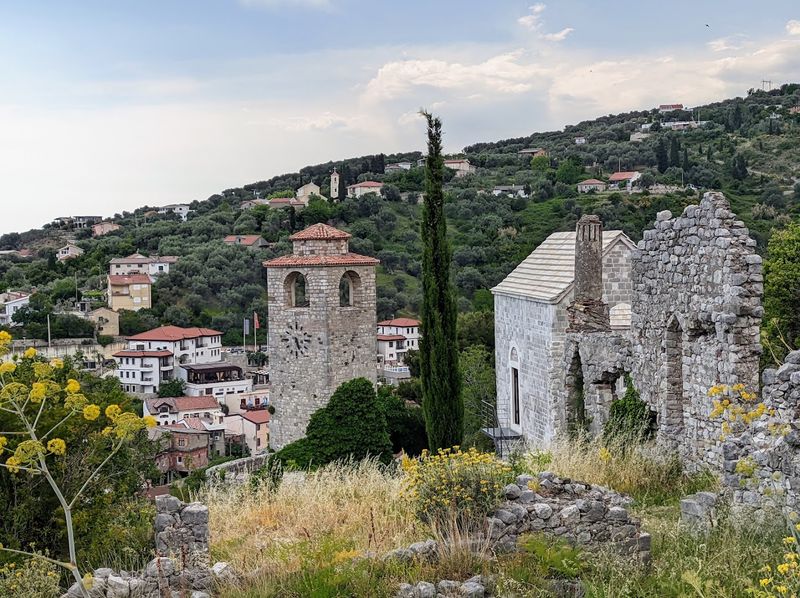
Hauntingly beautiful might sound like a travel cliche, but Stari Bar earns the description honestly. This abandoned medieval town sits at the foot of Mount Rumija, partially in ruins and partially reclaimed by vegetation, creating an atmosphere that is genuinely unlike anywhere else in Montenegro.
Walking through its crumbling archways and collapsed stone buildings feels less like a tourist attraction and more like a private archaeological discovery.
The site has been continuously inhabited for over 2,500 years, and the layers of history are literally visible in the stonework. Byzantine, Ottoman, and Venetian influences all left their mark here before a catastrophic earthquake and Austro-Hungarian bombardment in the late 19th century left much of the town in ruins.
Today, only a small caretaker community remains within the old walls.
One of the most remarkable things in Stari Bar is a 2,000-year-old olive tree that still grows within the ruins — reportedly one of the oldest living olive trees in the world, and still producing fruit. That single detail somehow captures everything that makes this place special: life continuing quietly amid the wreckage of history.
Stari Bar sees a fraction of the visitors that Kotor or Budva attract, which means you can often explore its atmospheric ruins in near-total peace. That solitude makes it even more memorable.
Kotor Serpentine Road
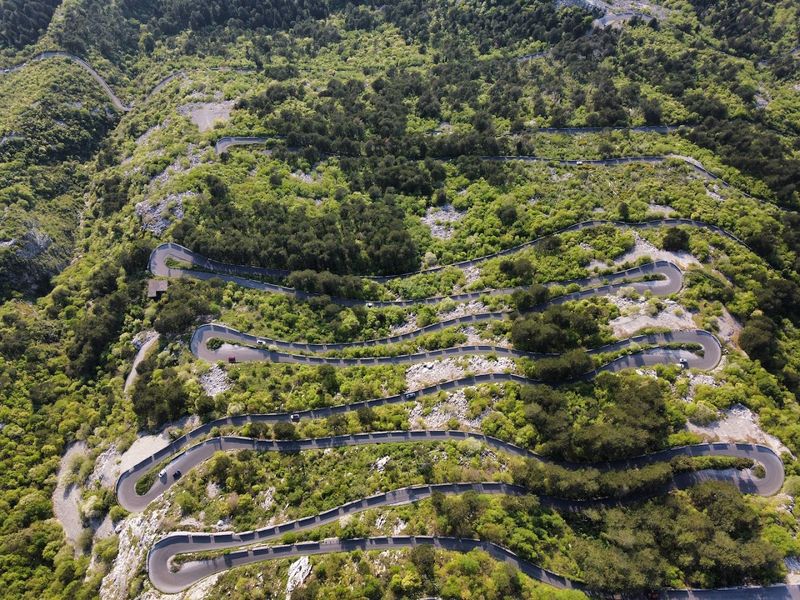
Twenty-five hairpin bends. That’s what stands between the coastal town of Kotor and the mountain plateau above it — and every single one of those bends delivers a view more spectacular than the last.
The Kotor Serpentine Road climbs roughly 1,000 meters in a very short horizontal distance, which means the views unfold rapidly and dramatically as you ascend. Most people pull over multiple times on the way up simply because they can’t help themselves.
The road was originally built in the 1880s under Austro-Hungarian rule, and it remains one of the most impressive feats of mountain engineering in the Balkans. Driving it feels like a physical experience rather than just a commute — the combination of tight turns, steep drops, and expanding panoramas keeps your attention completely focused.
Cyclists also tackle it regularly, which earns them considerable respect from everyone else on the road.
At the top, the entire Bay of Kotor spreads out below you like a geographic masterpiece — the winding inlet, the medieval town, the surrounding mountains, all visible at once in a single sweeping view. It’s the kind of perspective that makes you understand why Montenegro keeps being described as a hidden paradise.
The serpentine road isn’t just the way to get somewhere else — the journey itself is the destination, and it delivers every single time.
Share this story