There is a full-scale Western town tucked inside a museum in Oklahoma City, and most people have no idea it exists. The floors creak, the storefronts look lived-in, and the whole place carries the faint scent of a barn, which tells you right away this is not your average display case situation.
The National Cowboy and Western Heritage Museum is one of those rare places where history feels genuinely close enough to touch. Whether you grew up watching Western films or you just want to spend a few hours somewhere genuinely surprising, this museum delivers in ways that are hard to predict from the outside.
The Address, the Building, and the First Impression
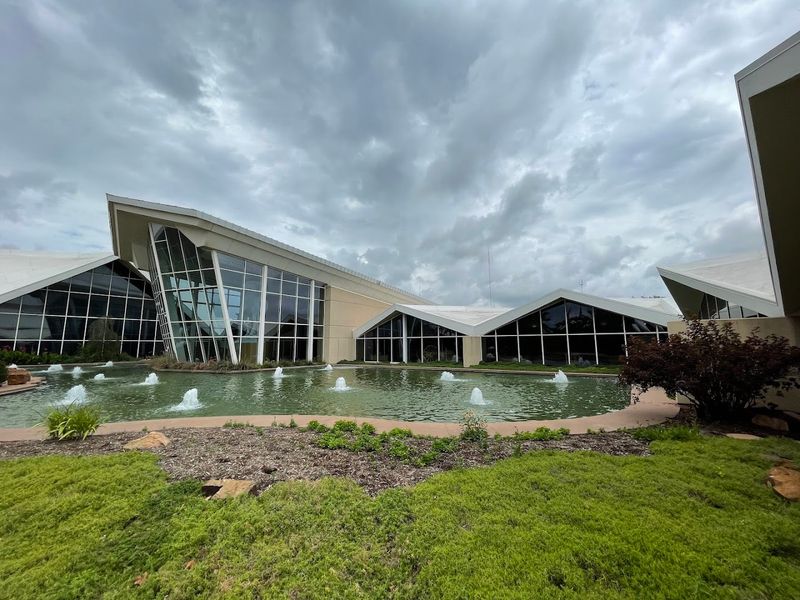
The National Cowboy and Western Heritage Museum sits at 1700 NE 63rd St, Oklahoma City, OK 73111, and the building itself sets a strong tone before you even reach the front door.
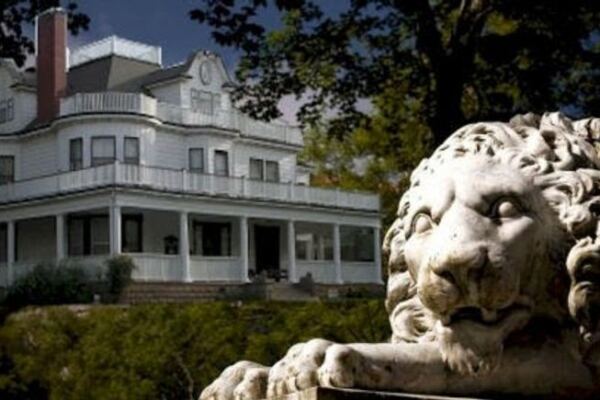
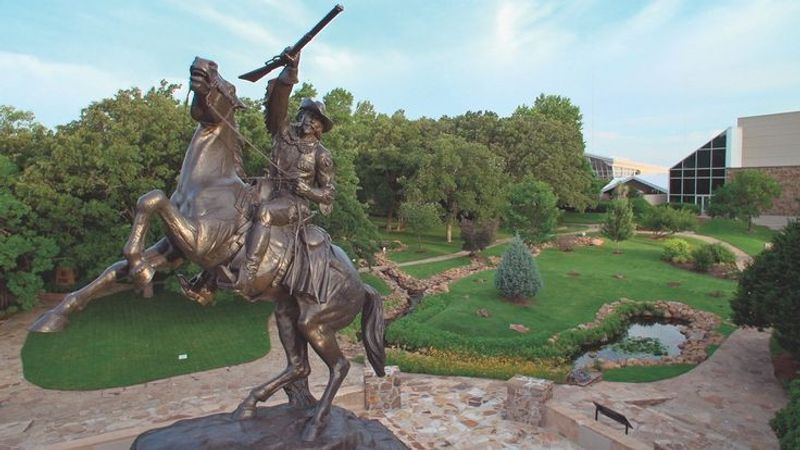
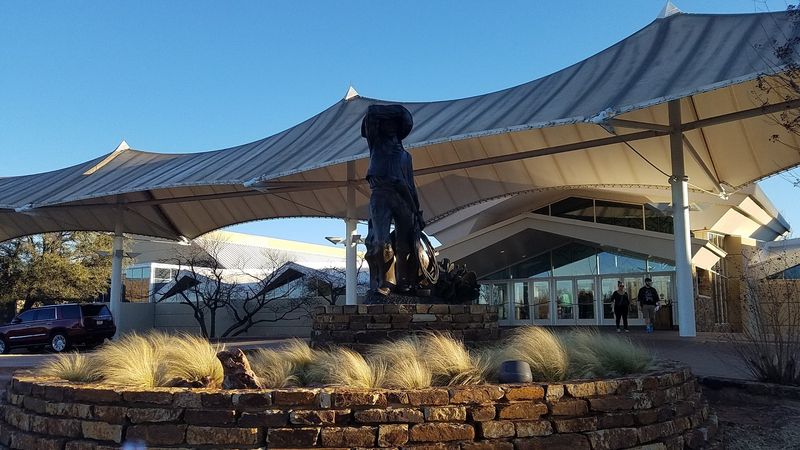
The architecture is bold and deliberate, a sweeping structure that feels like it was designed to hold something important. The grounds are landscaped with outdoor sculptures and open spaces that hint at the scale waiting inside.
On my first visit, I underestimated how much time I would need. The parking lot is generous, which is always a good sign, and the entrance area is clean, well-organized, and staffed by people who genuinely seem happy to be there.
Admission runs around $25 for adults, which might give you pause at the ticket window. Spend even one hour inside, though, and that number starts to feel like a bargain.
The museum opens at 10 AM most days, with Sunday hours starting at noon, so planning ahead saves you a wasted trip to a locked door.
The 14,000-Square-Foot Ghost Town Inside the Museum
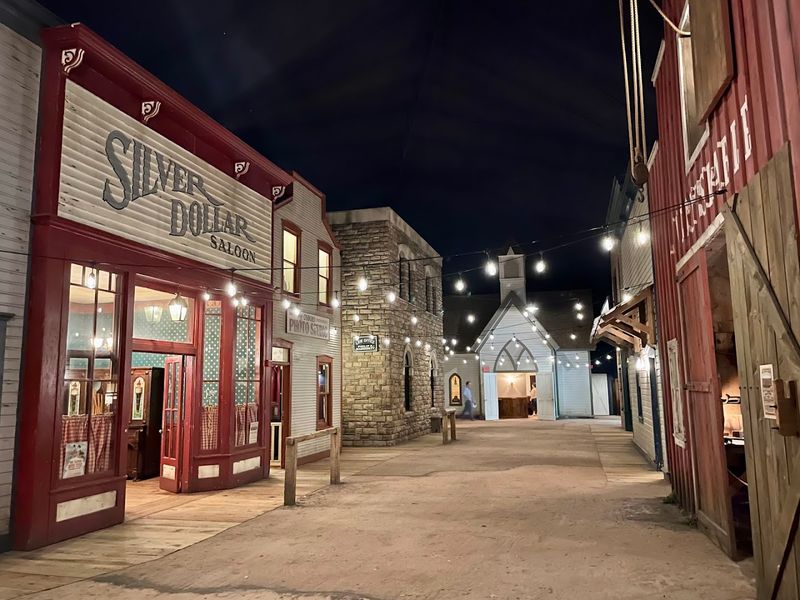
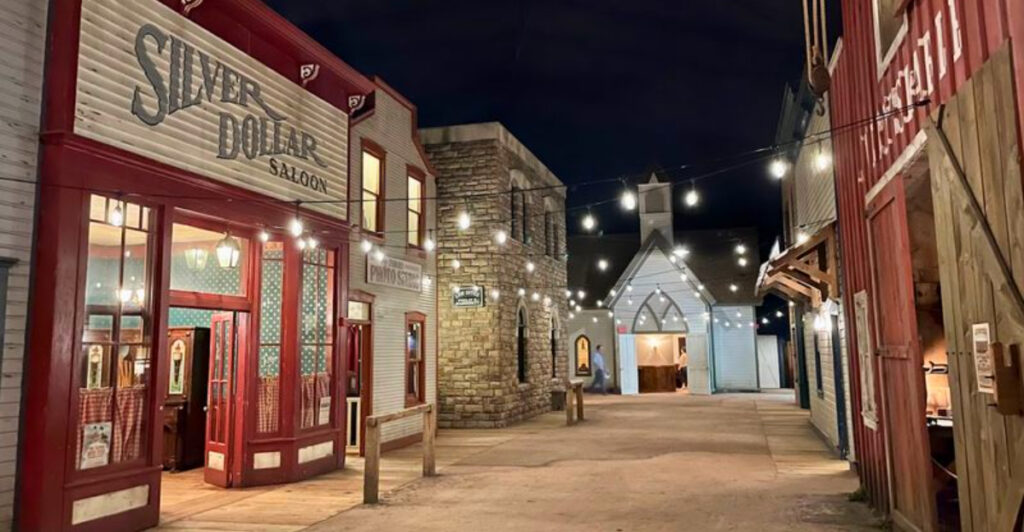
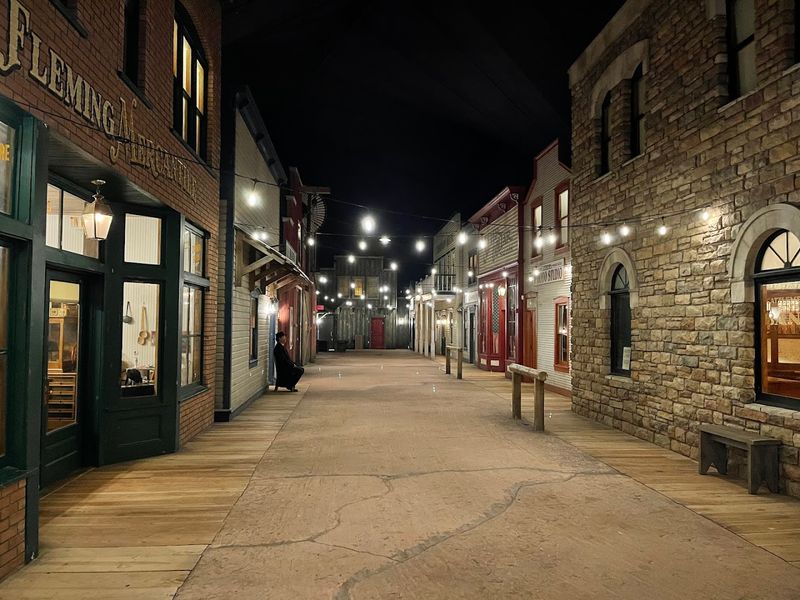
Right in the heart of the museum, there is a recreated frontier town that covers roughly 14,000 square feet of floor space, and it is the kind of thing that stops people mid-step.
The storefronts are full-sized. The wooden facades are weathered and detailed.
A jail, a general store, a bank, and a church all line the walkway, and the whole scene is lit and staged to feel like an actual town that simply ran out of residents one afternoon.
The smell is part of it too. There is a faint, earthy barn-like scent that drifts through the space and does more for the atmosphere than any lighting trick could manage on its own.
Visitors from outside the United States often react the most visibly here, since many grew up seeing the American West only through films and cartoons. The town makes those images feel real and grounded in actual history rather than Hollywood shorthand.
Kids slow down in this section without being asked to, which is honestly the best review any exhibit can receive. The detail work rewards a slow pace, so resist the urge to rush through it.
The Art Collection That Rivals Any Gallery
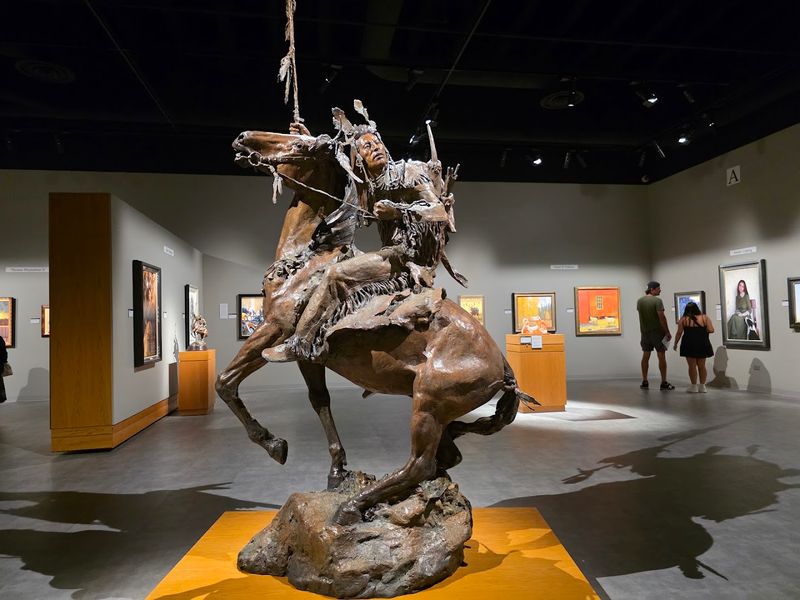
Turn left after you walk through the entrance and you enter a wing dedicated entirely to Western art, and the quality on the walls will genuinely catch you off guard if you were not expecting it.
The paintings are large, luminous, and painted with a level of realism that makes some visitors lean in to check whether they are looking at a photograph. Scenes of open plains, cattle drives, and frontier life are rendered with careful attention to light and movement.
The collection spans generations of artists who dedicated their careers to capturing the American West before it changed beyond recognition. Frederic Remington and Charles Russell are among the names represented, and seeing their work at this scale is a different experience from seeing it reproduced in a textbook.
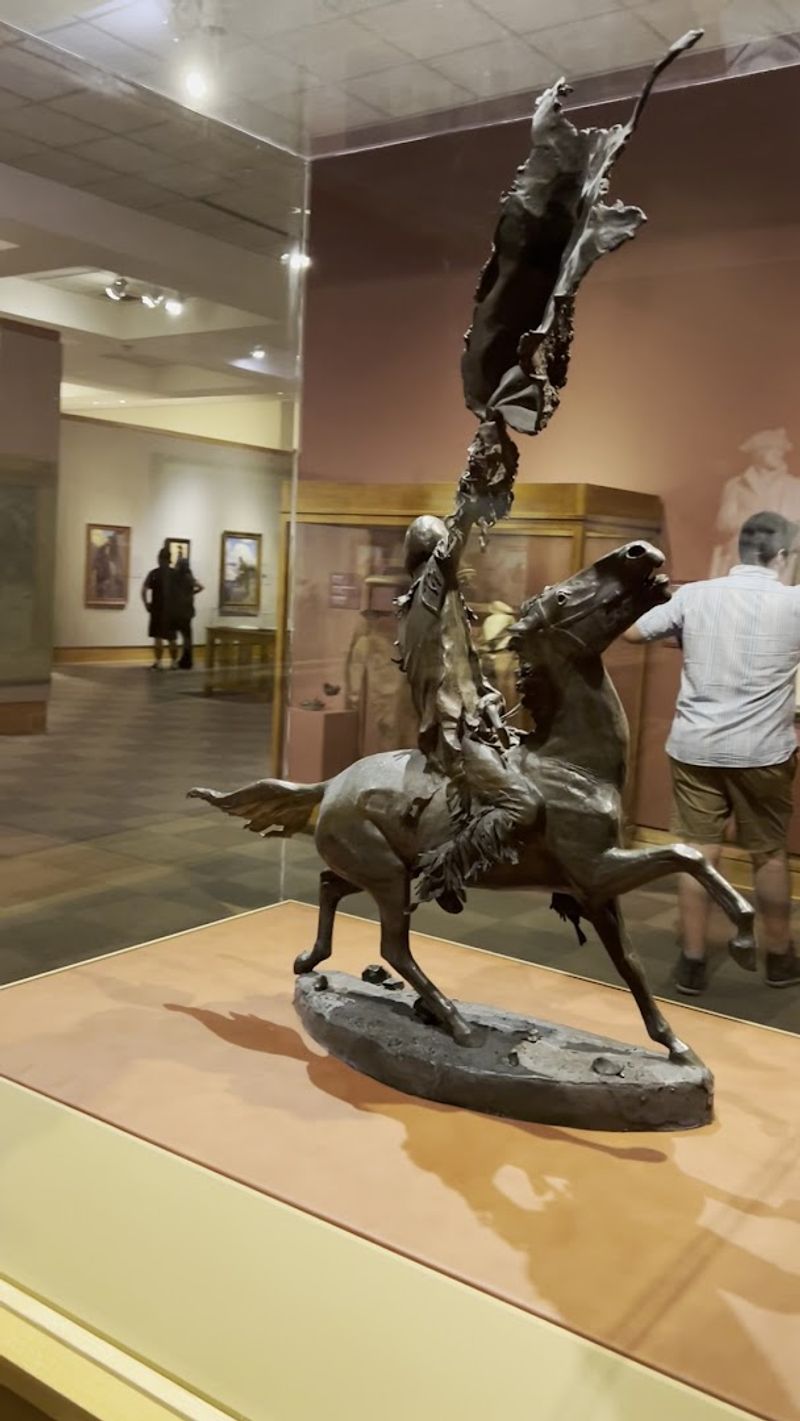
Sculptures are placed throughout the gallery as well, bronze figures of cowboys, horses, and Native American subjects that carry real weight and presence. The curation feels thoughtful rather than crowded, giving each piece enough space to breathe.
This section alone justifies the admission price for anyone who appreciates visual art, and it tends to be quieter than the rest of the museum, which makes the viewing experience even better.
Native American History and Culture on Display
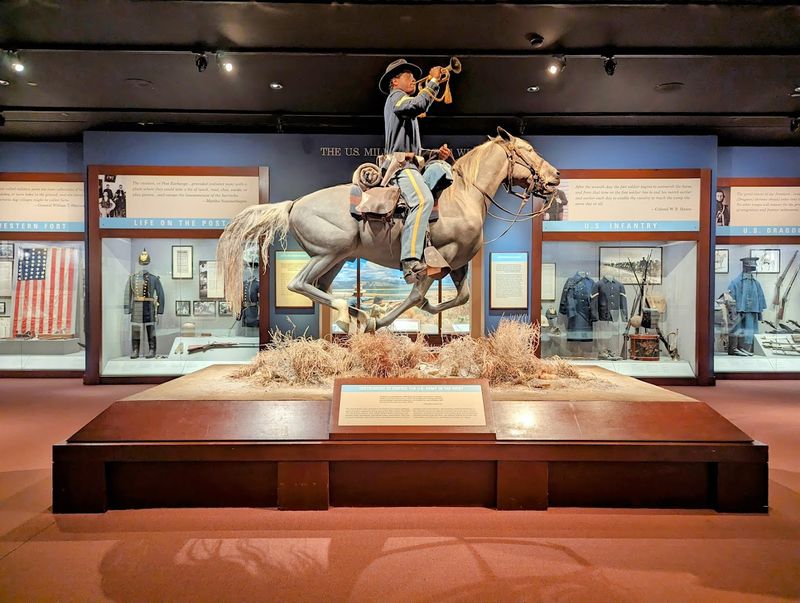
A significant portion of the museum is dedicated to Native American history, and this section carries a weight and seriousness that feels appropriately handled.
The exhibits cover a wide range of nations and traditions, presenting artifacts, artwork, clothing, and historical context that place Indigenous culture at the center of the Western story rather than at the margins. Beadwork, pottery, ceremonial objects, and photographic records fill the cases with real care.
What struck me most was how the museum avoids treating Native American history as a footnote to cowboy culture. The two histories are presented as deeply connected and equally important, which reflects a level of curatorial maturity that not every Western-themed institution has reached.
The displays tell stories of trade, conflict, survival, and artistry across centuries, and the educational panels are written clearly enough for younger visitors to follow without losing the depth that adult visitors expect.
The collection of Native American art, including paintings and sculptures by Indigenous artists, adds another dimension that keeps this section from feeling like a catalog of the past. It feels alive and relevant in a way that good museum work always manages to achieve.
The Rodeo Hall of Fame and Professional Bull Riding History
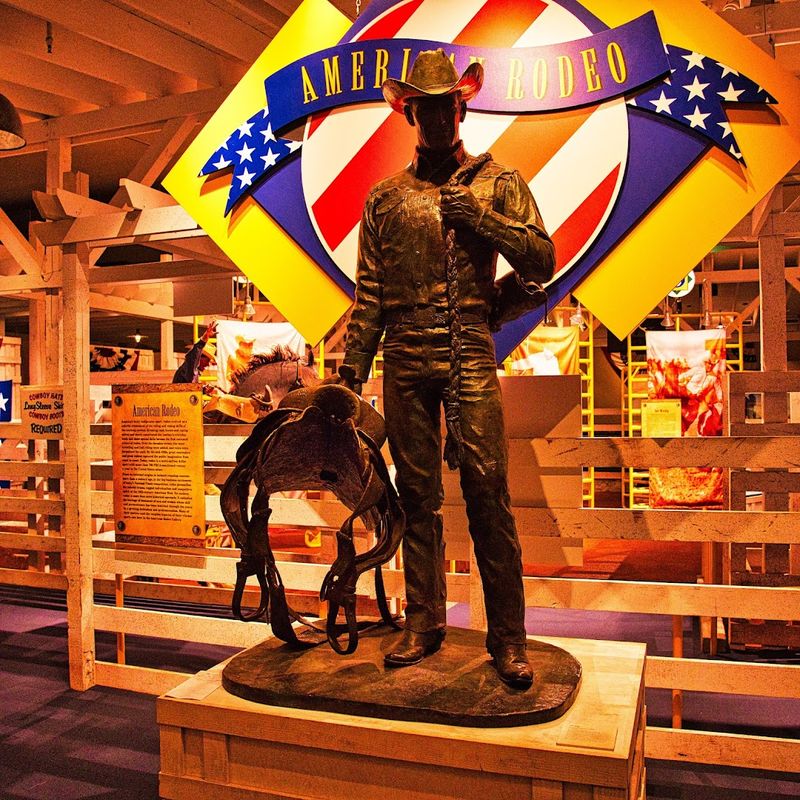
The rodeo section of the museum is loud in the best possible way, not in terms of actual sound, but in terms of visual energy and personality.
Trophy saddles gleam under the lights. Championship buckles are displayed in rows.
Portraits of legendary rodeo competitors line the walls, and the overall effect is something between a sports hall of fame and a working cowboy’s dream closet.
Professional Bull Riding gets its own dedicated space here, and the depth of information available is impressive. The sport has a rich competitive history that most casual observers never get to explore, and the museum lays it out in a way that is accessible and genuinely exciting.
The rodeo exhibit was one of the sections where I found myself spending more time than planned, reading about individual riders and their careers, the evolution of the sport, and the culture that surrounds it at every level from small-town arenas to national championships.
For families with kids who have even a passing interest in cowboys or competition, this section tends to be a highlight. The combination of flashy gear and real athletic history hits a sweet spot that holds attention surprisingly well for a museum display.
Hollywood Westerns and the History of the Genre
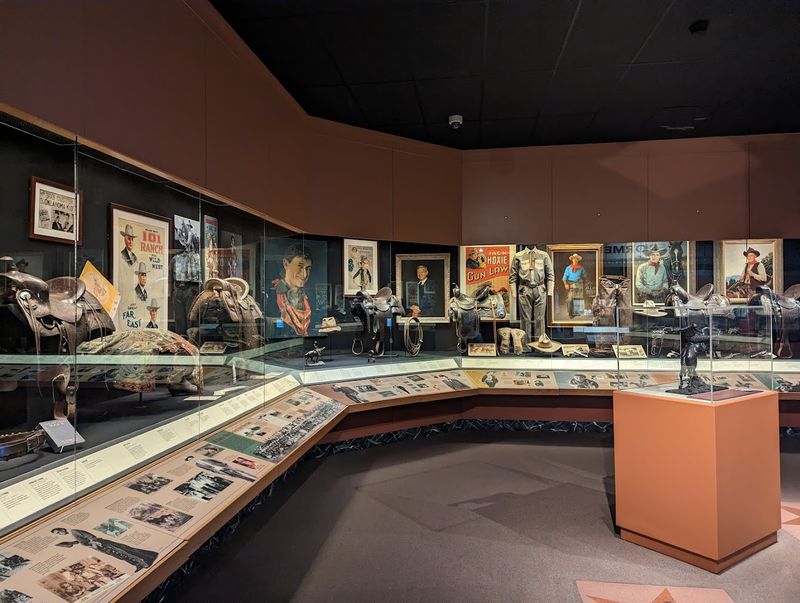
There is a full section of the museum devoted to the history of Western films, and for anyone who grew up watching John Wayne or Clint Eastwood, it carries a particular kind of nostalgic pull.
Costumes worn by famous actors, prop firearms, original movie posters, and behind-the-scenes photographs trace the arc of the Western genre from its earliest days in silent film through its golden era and into its modern revivals. The curation connects Hollywood mythology back to the real historical figures and events that inspired it.
What makes this section work is the honest conversation it opens up between fiction and fact. The museum does not pretend that Hollywood always got the history right, but it uses the films as a doorway into the real stories behind them.
Younger visitors who have never seen a classic Western film still find plenty to engage with here, especially the physical props and costumes, which have a tactile appeal that photographs on a screen can never fully replicate.
The section also covers Western television series, which adds another layer of cultural history for visitors who grew up with shows rather than films. The whole wing moves quickly and rewards attention to detail at every turn.
Firearms, Saddles, and the Tools of the Frontier
The collection of firearms at this museum is one of the most extensive I have seen in any institution dedicated to Western history, and it is presented with clear historical context rather than as simple spectacle.
Rifles, revolvers, and shotguns from the era of westward expansion are displayed alongside information about their makers, their owners, and their role in shaping the frontier. The craftsmanship on some of these pieces is remarkable, with engraved metalwork and carved stocks that reflect the skill of 19th-century gunsmiths.
Saddles get equal attention here, and rightly so. The variety on display spans working ranch gear, parade saddles decorated with silver and tooled leather, and competition equipment used by rodeo champions.
Each one tells a story about the person who used it and the landscape they worked across.
Spurs, lariats, branding irons, and other everyday tools of frontier life fill out the collection and give the whole exhibit a grounded, practical quality. These were working objects, not decorations, and the museum treats them with the respect that comes from understanding what they meant to the people who carried them.
This section connects the romantic image of the cowboy to the actual labor and skill the lifestyle demanded every single day.
The Immersive Experience That Changes How You See the West
The immersive show at the museum is a separate ticketed experience, and based on what I saw and heard from other visitors during my time there, it is worth every cent of the additional cost.
The presentation uses large-scale projection and sound to walk audiences through the progression of cowboy culture from its earliest roots to its place in modern American identity. The pacing is well-judged, moving through historical periods without rushing or lingering too long on any single chapter.
What the show does particularly well is convey the emotional reality of life on the frontier, the isolation, the physical demands, the community bonds, and the sense of possibility that drew so many people westward in the first place.
The production quality is high enough that it feels cinematic rather than educational, which keeps the energy in the room up from start to finish. Families, solo visitors, and groups all seem to respond to it with the same kind of quiet, focused attention that good storytelling earns.
Several visitors I spoke with said the immersive show reframed their understanding of the entire museum after seeing it. Watching it early in your visit, rather than saving it for the end, might actually be the smarter approach to getting the most from the day.
The Museum Grill, Gift Shop, and Practical Visitor Tips
After a few hours on your feet, the Museum Grill offers a welcome break without requiring you to leave the building and lose your momentum.
The menu leans toward American comfort food with a Southwestern twist. The tortilla soup is flavorful and warming, the southwest chicken wrap is generously sized, and the chef salad holds up well as a lighter option.
Nothing on the menu is trying too hard to be clever, which is exactly what you want from a museum cafe.
The gift shop is genuinely good, which is not always the case at heritage institutions. Books on Western history, art prints, handcrafted jewelry, and cowboy-themed items for kids fill the space without feeling cluttered or kitschy.
Budget a little extra time here at the end of your visit.
On the practical side, Thursday and Friday hours extend to 9 PM, which makes those evenings a smart choice for visitors who want to avoid the busiest daytime crowds. Sundays open at noon and close at 5 PM, so plan accordingly.
The museum also offers free admission on Veterans Day, and group rates are available. The parking lot is large and free, which removes one of the usual friction points from a day out in Oklahoma City.
Why This Museum Belongs on Every Oklahoma Road Trip
Oklahoma has no shortage of places worth visiting, but the National Cowboy and Western Heritage Museum sits in a category of its own when it comes to cultural depth and sheer variety of content.
The museum covers Native American history, frontier life, rodeo culture, Western art, Hollywood history, and everyday cowboy tools all under one roof, and it does so with a consistency of quality that is rare at any price point. The 4.8-star rating across more than 6,000 reviews is not an accident.
First-time visitors consistently underestimate how long they will stay. Two and a half hours is a common estimate going in, and four hours is a common reality coming out.
Comfortable shoes are not optional here, they are essential.
The outdoor sculptures and landscaped grounds add another layer to the experience on days when the weather cooperates. Children have access to a small outdoor playground as well, which gives families a natural rest stop mid-visit.
The museum sits in Oklahoma City and is easy to reach by car from most points in the state. Whether you are passing through on a road trip or making it a dedicated day out, the National Cowboy and Western Heritage Museum earns its place at the top of any Oklahoma itinerary without needing to oversell itself.
Share this story