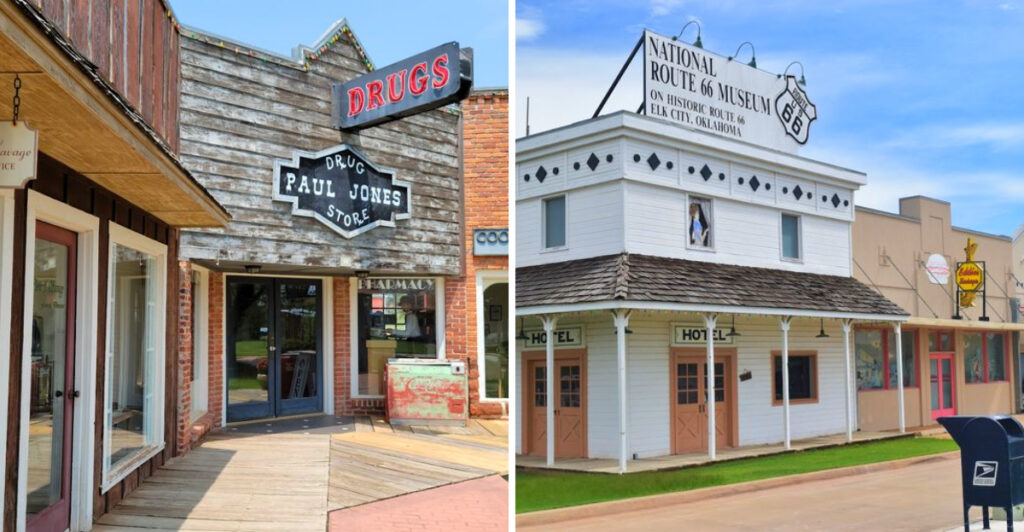
There is a place in western Oklahoma where an entire frontier-era town has been carefully reconstructed, building by building, so visitors can walk its streets and peer through windows into a world that existed over a century ago. The Old Town Museum Complex in Elk City sits right along the historic Route 66 corridor and draws travelers, history fans, and curious families from across the country.
What makes it genuinely special is the sheer scale of it: vintage cars, a restored caboose, a working blacksmith shop, pioneer artifacts, and full-sized storefronts all sharing the same grounds. This is not a dusty single-room exhibit but a sprawling outdoor and indoor experience that can easily fill two hours or more.
The Address, Setting, and First Impressions
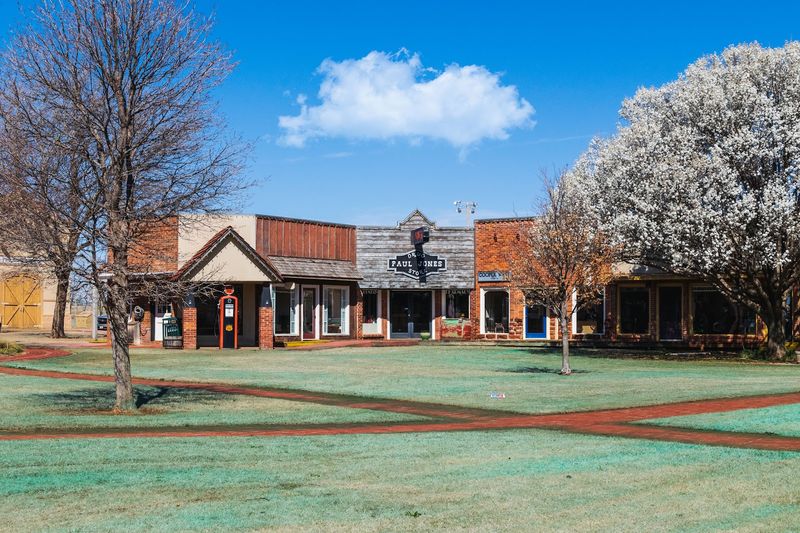
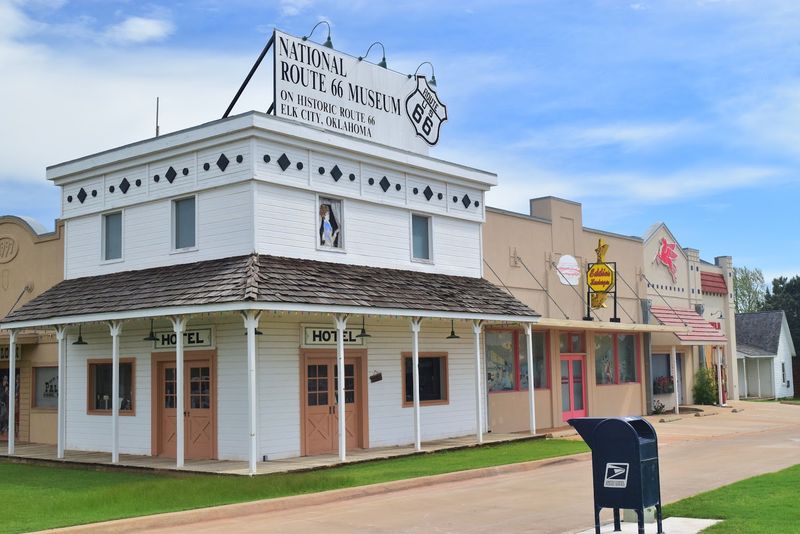
The first thing that strikes you at 2717 W 3rd St, Elk City, Oklahoma 73644 is just how much ground this place covers. The complex sits along the western stretch of the legendary Route 66, and the moment you pull up, rows of authentic-looking storefronts and weathered wooden facades stretch out in front of you.
The grounds are clean, well-maintained, and clearly cared for by a team that takes real pride in the place. Parking is generous, and the layout is easy to navigate, which matters when you are trying to cover everything the complex has to offer.
Admission is a very reasonable five dollars per person, and if you have already visited the National Route 66 and Transportation Museum on the same property, entry to the Old Town section is included. The knowledgeable volunteers stationed throughout the grounds are quick to point you in the right direction and genuinely enjoy sharing the history behind each building and exhibit.
The Reconstructed Frontier Town Streets
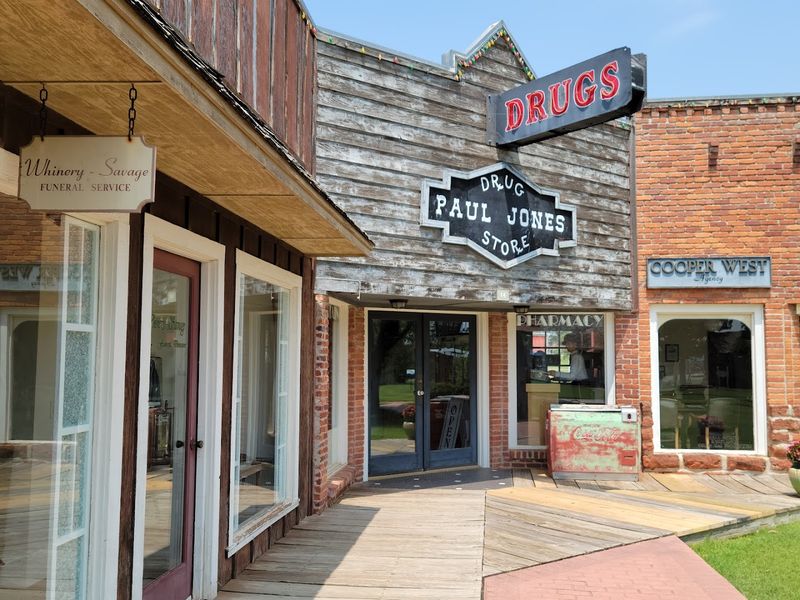
Walking through the reconstructed town streets here feels less like touring a museum and more like wandering onto a film set, except every detail is rooted in genuine history. The buildings represent a turn-of-the-century Oklahoma community, complete with a general store, a dentist office, a barbershop, and other storefronts that defined daily life in the late 1800s and early 1900s.
Each structure has been outfitted with period-accurate displays visible through large windows, so even visitors who explore only the outdoor areas get a remarkably rich experience. The craftsmanship in the window arrangements is impressive: tools, furniture, clothing, and household items are arranged to tell a story without a single word of narration.
The boardwalk-style pathways connect the buildings naturally, guiding you from one era to the next at a comfortable pace. Families with young children find the open layout especially welcoming because kids can move freely without worrying about tight corridors or fragile displays.
The whole street setup rewards slow, curious exploration rather than a quick walk-through.
The National Route 66 and Transportation Museum
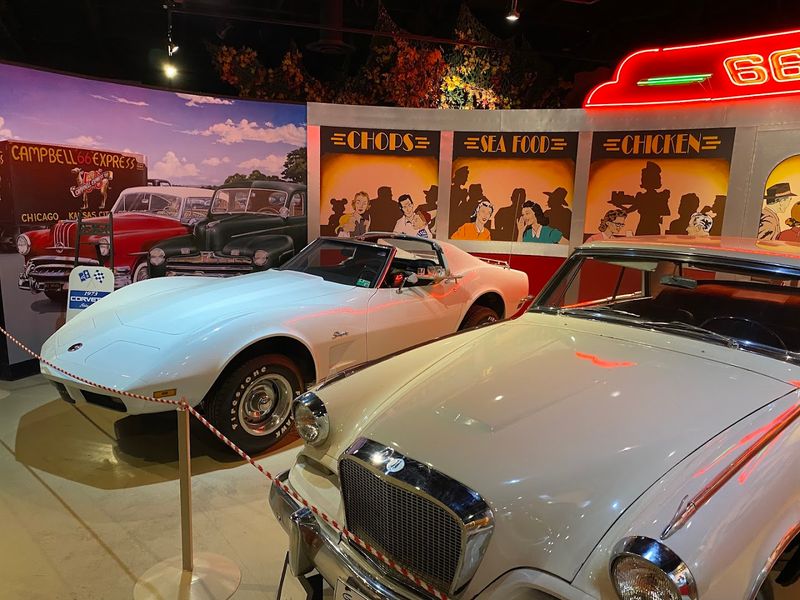
Few stops along the Mother Road pack as much variety into one building as the National Route 66 and Transportation Museum, which shares the complex grounds. The collection inside spans decades of American travel history, from horse-drawn wagons to mid-century automobiles, all presented in a way that feels organized rather than overwhelming.
Vintage cars and trucks gleam under the exhibit lights, and the interactive elements scattered throughout the hall keep younger visitors fully engaged. There is even a classic fire pole that kids can slide down, which tends to become the highlight of many family visits.
A short film shown before the main tour helps set the historical context and is genuinely worth watching before you explore the rest of the building.
Route 66 metal signs are available in the gift shop at some of the lowest prices found anywhere along the highway, with some going for as little as eleven dollars. The cut-away vintage vehicles converted into theater-style seats for the film screening area are a creative touch that perfectly captures the drive-in spirit of mid-century America.
The Vintage Vehicle and Farm Equipment Collection
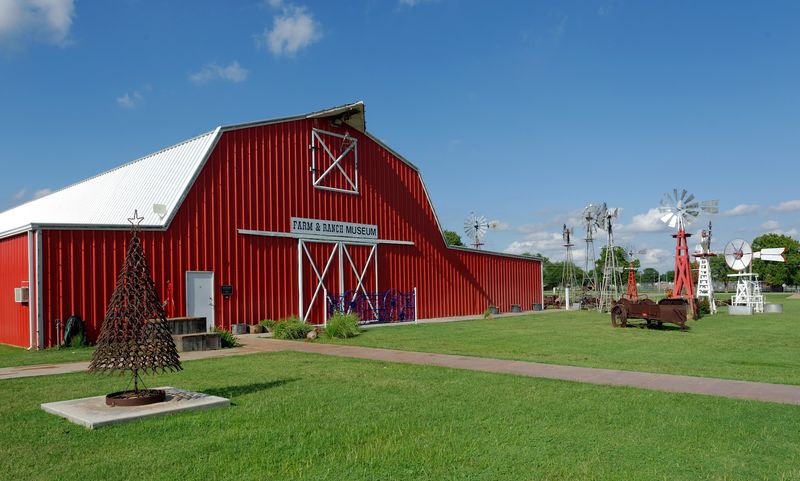
For anyone who appreciates old machinery, the vehicle and farm equipment collection here is genuinely hard to beat. Tractors in various states of restoration stand alongside horse-drawn plows, threshing machines, and hand tools that were once essential to survival on the Oklahoma plains.
The collection of tractor seats alone is worth a look, with dozens of different styles and eras represented in a display that is oddly fascinating once you start paying attention to the design variations. Old cars and trucks are scattered across the property in various groupings, some fully restored and gleaming, others preserved in their original weathered condition to give a more honest picture of what time does to metal and rubber.
A motorhead could easily spend an hour in this section alone, tracing the evolution of agricultural and automotive technology across several generations. The outdoor placement of many pieces means you can examine them up close without ropes or barriers getting in the way.
Plaques and information boards provide context for the less obvious items, so you never feel lost among the hardware.
The Pioneer and Cowboy Artifact Exhibits
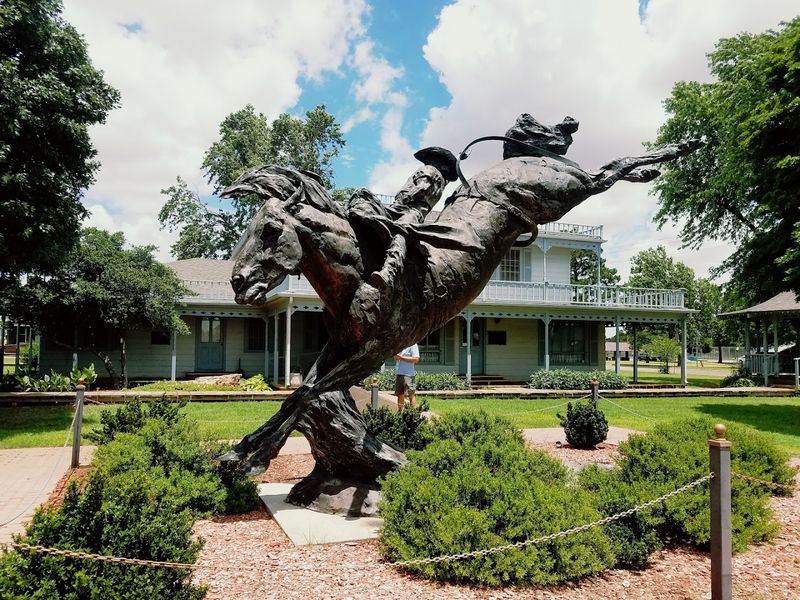
The bi-level Victorian home at the heart of the complex houses one of the more personal collections on the property, filled with pioneer and cowboy artifacts that bring individual human stories to the surface. Saddles, spurs, lariats, and leather gear are displayed alongside domestic items like sewing kits, cooking tools, and handmade quilts that tell you just as much about frontier life as any weapon or work tool.
Some of the gadgets on display look almost unrecognizable at first glance, and figuring out their original purpose becomes a small game that keeps the visit entertaining. There is also a wall art piece made from human hair, a genuine Victorian-era craft tradition that surprises nearly every visitor who encounters it for the first time.
Native American artifacts and cultural items are also represented in the collection, adding depth and perspective to the broader story of life on the southern plains. The curation feels thoughtful rather than random, connecting objects across different communities and time periods to paint a fuller picture of the region’s layered past.
History rarely feels this tactile anywhere else in Oklahoma.
The Restored Caboose and Railroad History
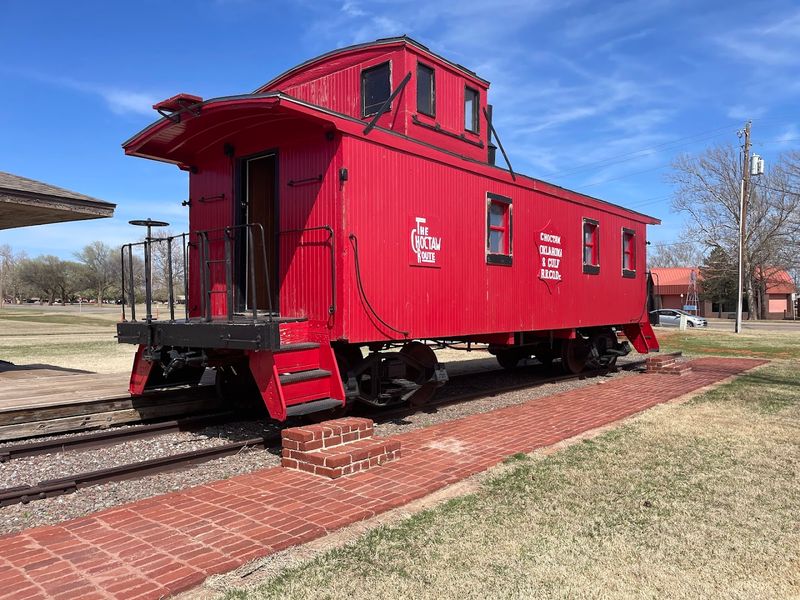
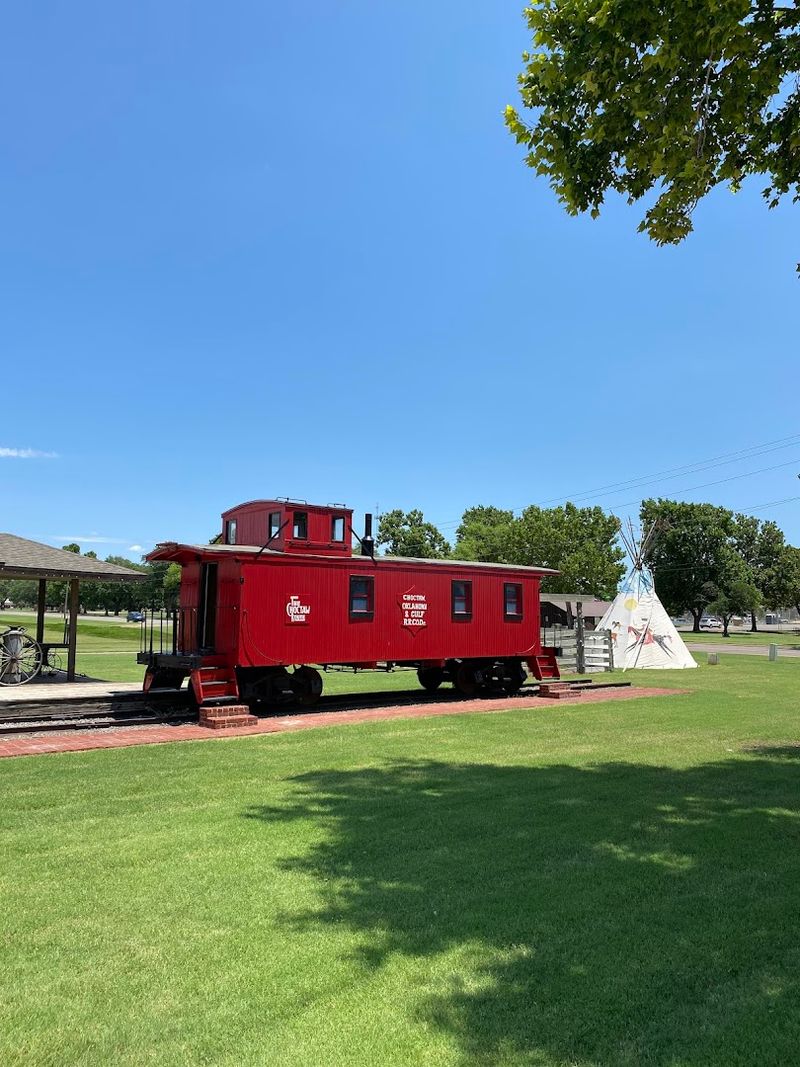
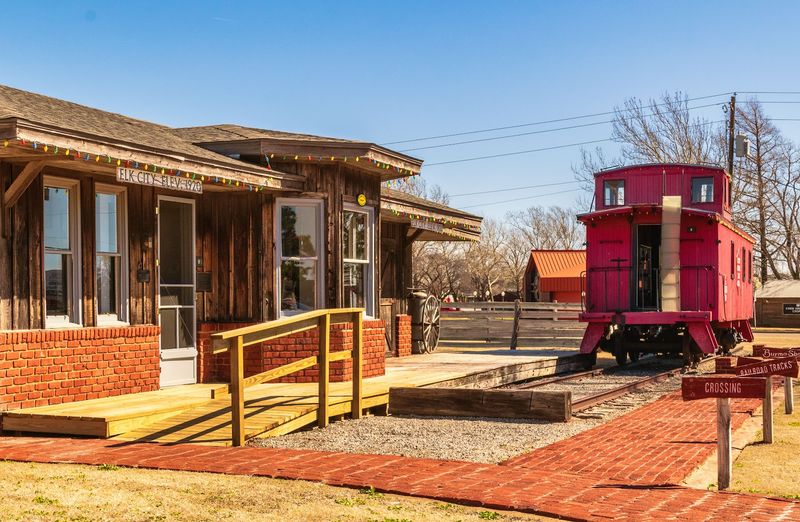
Railroad history played a massive role in shaping small towns across the American west, and the restored caboose at this complex stands as one of the finest examples of railroad preservation you are likely to find at a regional museum. The exterior has been brought back to a condition that makes it look almost ready to roll, with clean lines, intact hardware, and paintwork that has clearly received serious attention.
The interior is equally well-preserved, giving visitors a real sense of the cramped but functional space that railroad workers called home during long hauls across the country. Sitting inside the caboose, even briefly, shifts your perspective on just how demanding life on the rails actually was during the steam and early diesel eras.
The caboose anchors the transportation theme that runs throughout the entire complex, connecting the horse-drawn era to the automobile age and beyond. It is a satisfying piece of the larger story the museum tells, and it photographs beautifully against the open Oklahoma sky.
More than one visitor has called it the best-refurbished caboose they have ever seen, and that reputation holds up on closer inspection.
The Blacksmith Shop and Live Demonstrations
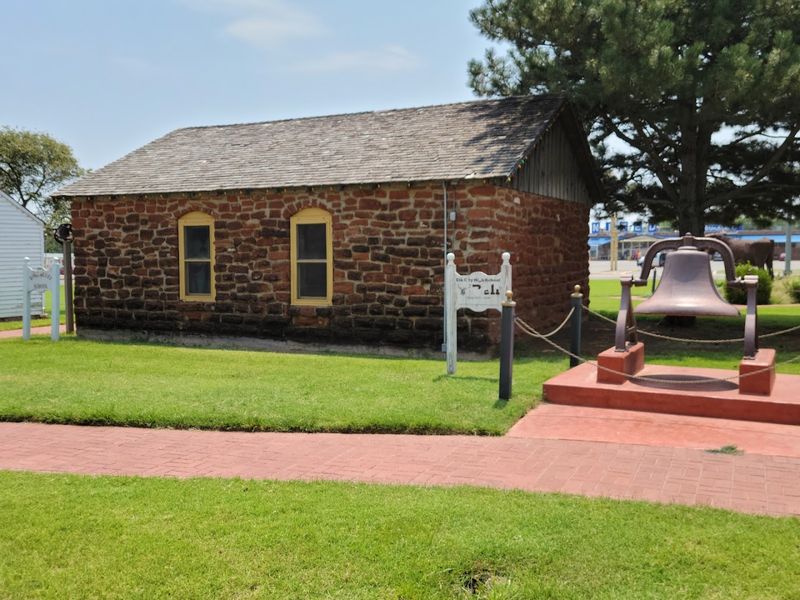
There is something almost magnetic about watching a blacksmith work, and the shop at this complex delivers that experience in a setting that feels completely authentic. The forge, the anvil, the hand tools hanging on the walls, and the smell of hot metal combine to create an atmosphere that no photograph can fully capture.
On days when live demonstrations are scheduled, a skilled craftsman works through the basic techniques of shaping metal by hand, explaining each step in plain language that both adults and children can follow. The heat radiating from the forge is real, which adds a sensory dimension that most museum exhibits simply cannot replicate.
Even on days without a live demo, the blacksmith shop itself is worth a long look. The layout mirrors a working shop from the frontier era, with every tool in its logical place and explanatory signs filling in the historical context.
Blacksmithing was the backbone of any self-sufficient community in the 1800s, and this exhibit makes that point without ever feeling like a lecture. The whole setup has a raw, hands-on energy that sets it apart from the more passive displays elsewhere on the property.
Family-Friendly Features and Kid Appeal
Bringing kids to a history museum can sometimes feel like a gamble, but this complex seems to have figured out the formula. The mix of open outdoor spaces, climbable or touchable exhibits, and genuinely exciting objects like vintage fire trucks and a real fire pole means children stay engaged from the moment they arrive.
The fire pole inside the transportation museum is a crowd favorite among younger visitors, and the cut-away vehicles used as theater seating turn a simple film screening into a memorable novelty. A four-year-old and a fourteen-year-old can both find something here that genuinely holds their attention, which is a harder balance to strike than most museums manage.
Snacks and drinks are available on the property, which is a practical detail that parents especially appreciate during longer visits. Restrooms are distributed across the grounds rather than concentrated in one spot, making it easier to manage a long afternoon without constant backtracking.
The accessible pathways and parking mean the complex works well for visitors with mobility considerations too. Families consistently leave with more photos and memories than they expected to collect in a single afternoon.
The Gift Shop and Souvenirs
The gift shop at this complex punches well above its weight for a regional museum store. Route 66 metal signs are priced at around eleven dollars, which is notably lower than what most highway-side shops charge for the same items, and the selection covers a wide range of designs and sizes.
Beyond the signs, the shop carries a solid mix of local history books, postcards, keychains, and themed merchandise that leans into the Route 66 and frontier heritage of the area. Nothing feels cheap or generic, and the curation reflects the same care that goes into the exhibits themselves.
The theater-style seating made from cut-away vintage vehicles inside the shop area is one of those details that makes you stop and appreciate the creativity involved in running a place like this. You can browse the merchandise and then settle into a car seat to watch a short historical film, which is a surprisingly enjoyable combination.
The staff behind the counter are friendly and happy to answer questions about the items on sale or about the broader history of the complex. It is the kind of shop that makes you want to pick up something meaningful rather than just a generic trinket.
Practical Tips for Visiting and What to Expect
The Old Town Museum Complex at 2717 W 3rd St in Elk City, Oklahoma is open Monday through Saturday from 9 AM to 5 PM and is closed on Sundays. Admission runs five dollars per person, and the price-to-experience ratio here is genuinely hard to argue with given how much ground the property covers.
Plan for at least two hours if you want to see the major highlights, and budget closer to three if you want to read every placard, watch the introductory film, and explore the outdoor buildings thoroughly. The end of March and other shoulder-season periods tend to be quieter, which means more time with the exhibits and easier conversations with the knowledgeable volunteers on duty.
Comfortable walking shoes are a practical necessity since the grounds cover a significant area and the pathways mix paved and unpacked surfaces. The phone number for the complex is 580-225-2207 if you want to confirm hours or ask about upcoming demonstrations before making the trip.
More information is available at the city’s official museum page. Bringing a camera is strongly recommended because the photogenic details here are everywhere you look, from the reconstructed storefronts to the gleaming caboose against the wide Oklahoma sky.
Share this story