Not every museum is a marble-floored building full of ancient pottery and hushed voices. Some of the most memorable places to visit in America are dedicated to canned meat, bad art, and bones.
I took a road trip last year with no real plan, and somehow ended up at three museums on this list. Trust me, the weird ones are always worth it.
The Museum of Jurassic Technology, Los Angeles, California
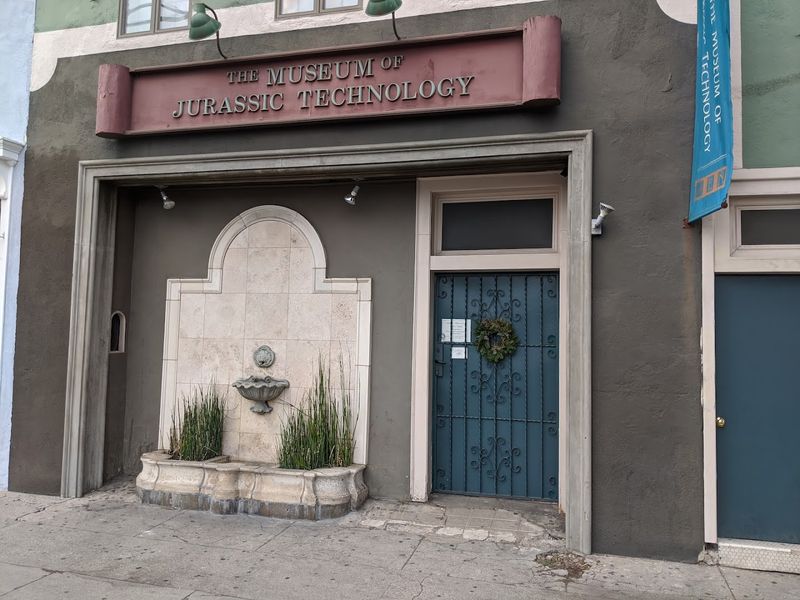
Nobody walks out of the Museum of Jurassic Technology with the same story. That is kind of the whole point.
Located in Culver City, this Los Angeles gem blurs the line between fact and fiction so skillfully that visitors spend half their time genuinely unsure what they just saw.
The exhibits range from oddly scientific to completely fantastical, and the museum never tips its hand either way. It has won awards, baffled critics, and earned a devoted following of people who love art that refuses to explain itself.
There is a rooftop tearoom where you can decompress after your brain gets scrambled by the galleries below. Admission is affordable, and the experience is the kind you will bring up at dinner parties for years.
Go with an open mind and zero expectations.
You will leave with a lot of questions and zero regrets.
Mütter Museum, Philadelphia, Pennsylvania
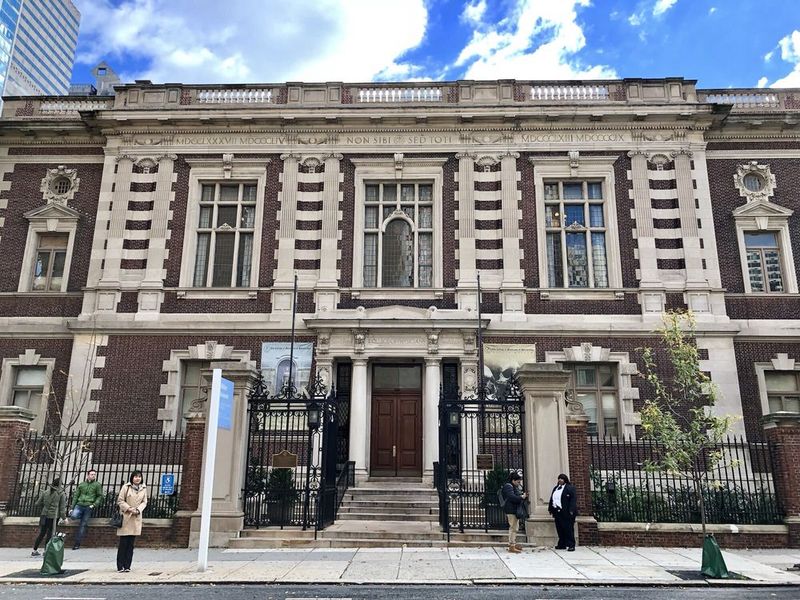
The Mütter Museum is the kind of place that makes you rethink everything you thought you knew about the human body. Run by The College of Physicians of Philadelphia, it holds one of the most jaw-dropping medical collections in the world.
We are talking about a giant colon, a wall of skulls, conjoined twin casts, and preserved specimens that are equal parts educational and shocking. I went in expecting a dusty old medical library and walked out completely floored.
The museum does a remarkable job of treating its collection with dignity while still making the subject genuinely fascinating for everyday visitors. It is not for the faint of heart, but it is absolutely for the curious.
Plan to spend at least two hours here.
You will want time to linger, read every label, and quietly marvel at how strange and resilient the human body truly is.
International Cryptozoology Museum, Portland, Maine
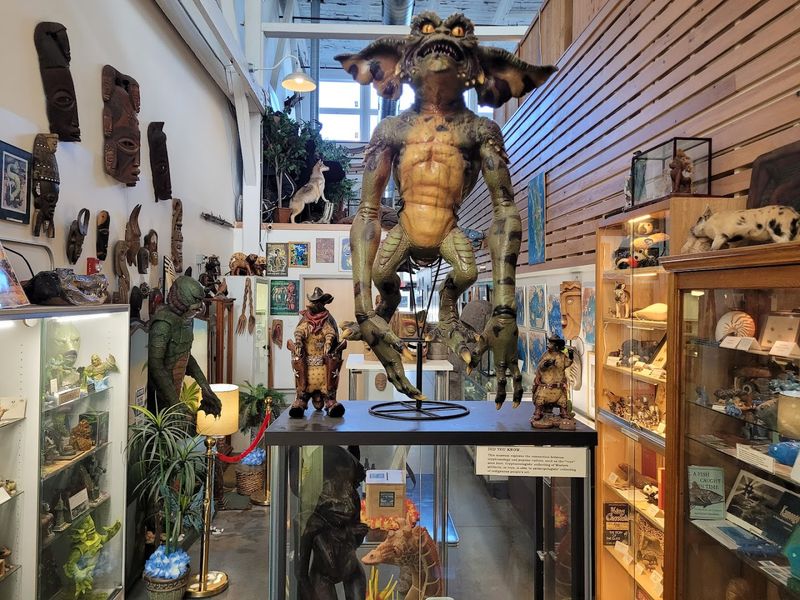
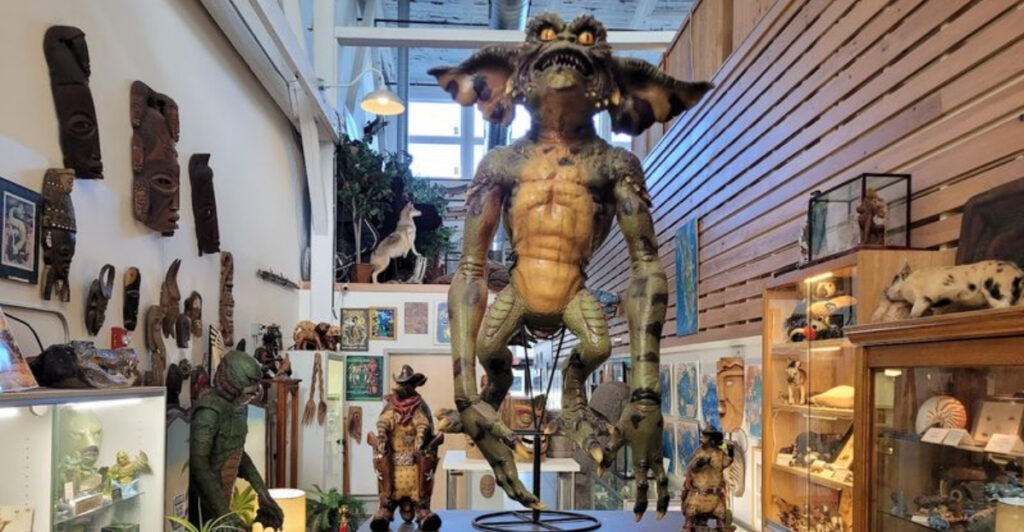
Bigfoot has a museum, and it is better than you might expect. The International Cryptozoology Museum in Portland, Maine, was founded by Loren Coleman, one of the most well-known names in the field of studying creatures that may or may not exist.
The collection covers everything from Bigfoot casts and hair samples to sea serpent reports and lesser-known cryptids most people have never heard of. Even hardcore skeptics tend to find themselves surprisingly absorbed once they start reading the exhibits.
What makes this place special is how seriously it takes its subject without ever losing its sense of fun. It is open seven days a week, and admission is budget-friendly.
Kids go absolutely wild for it, and adults who think they are too cool for cryptids usually end up buying something from the gift shop.
Consider this your official permission to believe, just a little.
Museum of Bad Art, Boston, Massachusetts
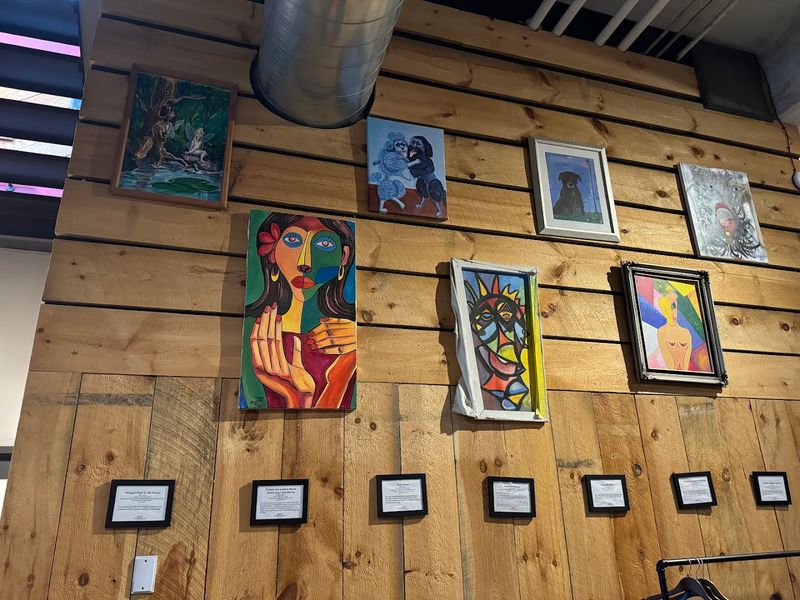
Art criticism takes a hilarious detour at the Museum of Bad Art. Dedicated entirely to work that is, in its own words, too bad to be ignored, this Boston institution has built a cult following around spectacularly failed paintings and drawings.
The collection started when a founder pulled a painting out of a trash pile near his home. That painting, a woman in a field with a suspicious sense of confidence, became the crown jewel of an entire movement.
Now the gallery lives inside Dorchester Brewing Co., which means you can pair your questionable art experience with a cold beer.
Pieces are selected not for being accidentally funny but for showing real ambition that went sideways in the most glorious way possible. It is genuinely one of the most joyful museum experiences in America.
Go ready to laugh, because holding it in would be its own kind of tragedy.
SPAM Museum, Austin, Minnesota
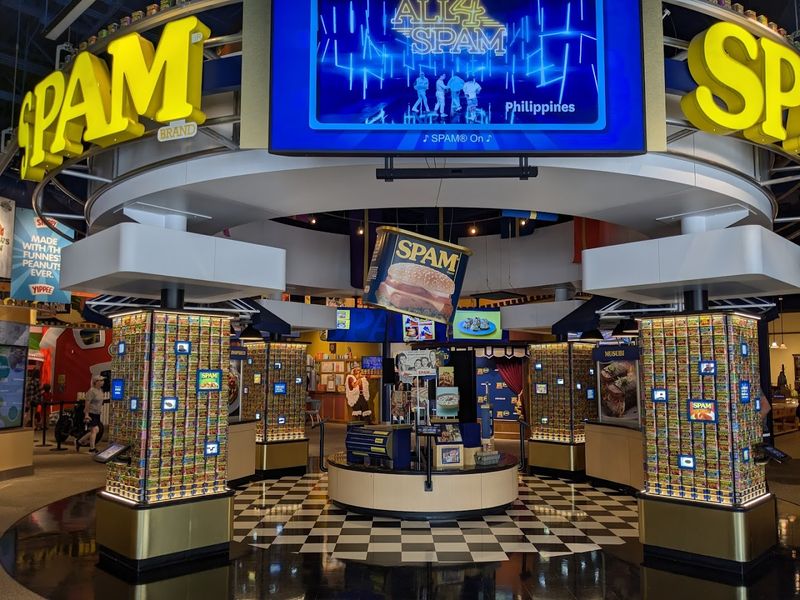
Canned meat getting its own museum sounds like a punchline, but the SPAM Museum in Austin, Minnesota, is a surprisingly well-produced attraction. It covers the full history of one of America’s most polarizing pantry items, from its World War II rise to its current global fan base.
The exhibits are slick, the branding is everywhere, and the whole thing is free to enter. Yes, free.
You can walk through decades of advertising history, see SPAM-inspired art, and learn that the product has a genuinely fascinating global story, especially in Hawaii and South Korea where it is treated like a delicacy.
I cannot promise it will change your feelings about the actual food, but it will absolutely change your feelings about the museum. This is the kind of only-in-America stop that makes road trips legendary.
Grab something from the gift shop.
A SPAM-branded item makes an unbeatable conversation starter.
National Mustard Museum, Middleton, Wisconsin
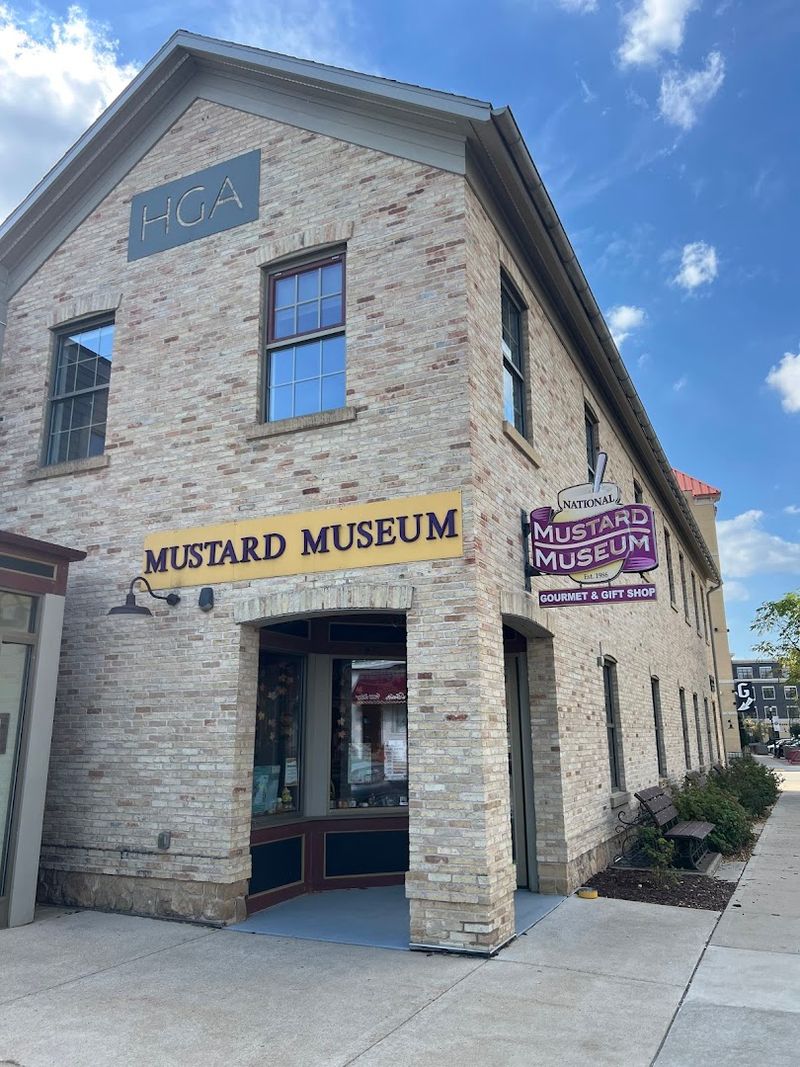
One former assistant attorney general quit his job to open a mustard museum, and honestly, respect. The National Mustard Museum in Middleton, Wisconsin, houses the world’s largest collection of mustards and mustard memorabilia, with over 6,000 mustards from more than 70 countries on display.
Walking through the shelves feels like a condiment fever dream in the best possible way. There are stone-ground mustards, fruit mustards, beer mustards, and mustards that have absolutely no business existing but somehow do.
The museum also hosts an annual event called Mustard Day, which is exactly as festive as it sounds.
Admission is free, and the gift shop sells hundreds of mustards you can actually take home and eat. It is open seven days a week, making it an easy road trip detour.
Whether you are a mustard enthusiast or a total skeptic, this place will convert you into at least a mild fan.
Museum of the Weird, Austin, Texas
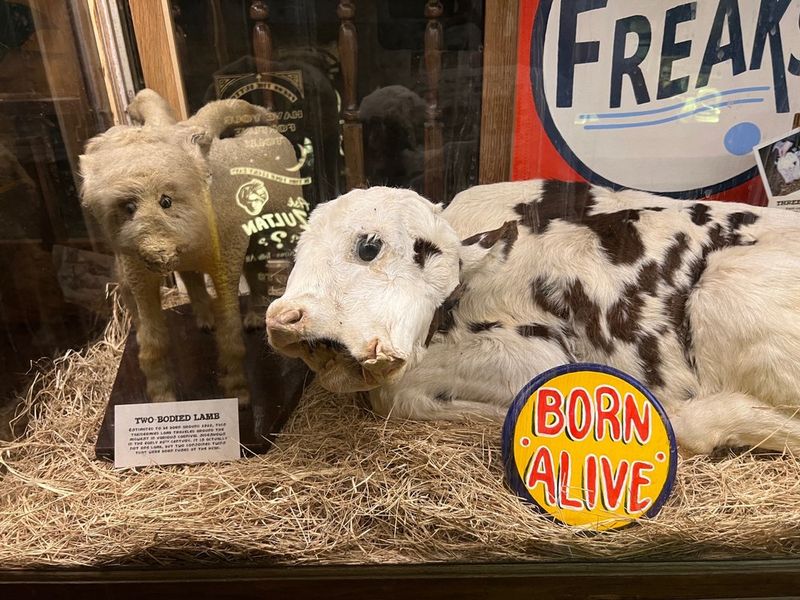
Austin has kept it weird for decades, and the Museum of the Weird is basically that slogan made physical. Tucked into the famous Sixth Street entertainment district, this place leans hard into classic sideshow culture with real artifacts, oddities, and displays that feel like they belong in a traveling carnival from 1910.
There is a genuine Fiji mermaid, shrunken heads, a frozen woolly mammoth replica, and enough strange taxidermy to haunt your dreams for a week. The vibe is part museum, part funhouse, and entirely committed to the bit.
It opens at 10 a.m. seven days a week, so you have no excuse to skip it if you are already in Austin. The staff are enthusiastic and clearly love what they do, which adds a lot to the experience.
This is one of those stops where you end up staying twice as long as planned and leave genuinely delighted.
Salt and Pepper Shaker Museum, Gatlinburg, Tennessee
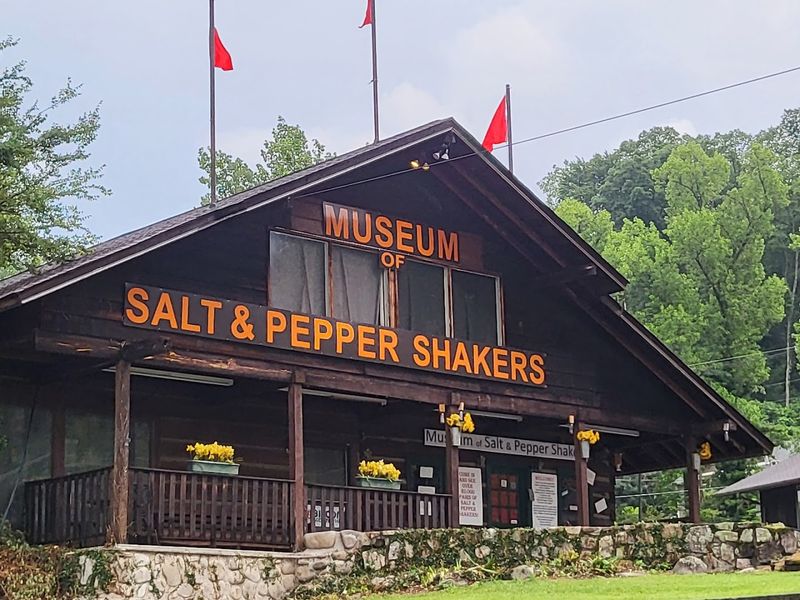
Over 20,000 salt and pepper shaker sets fill the shelves of this Gatlinburg gem, and the sheer variety will short-circuit your brain in the most delightful way. There are shakers shaped like toilets, aliens, presidents, vegetables, and things that defy all reasonable categorization.
The museum was founded by Andrea Ludden, who started collecting after receiving a pair as a gift and never really stopped. That origin story feels deeply relatable to anyone who has ever let a hobby get wildly out of hand.
Gatlinburg is already a magnet for quirky tourism, but this museum manages to stand out even in that crowd. Admission includes a free pair of shakers to take home, which is a genuinely sweet touch.
Winter hours are listed on the official site, so check before you go.
It is the kind of stop that costs almost nothing and delivers a surprisingly large amount of joy.
The Kazoo Museum and Factory, Beaufort, South Carolina
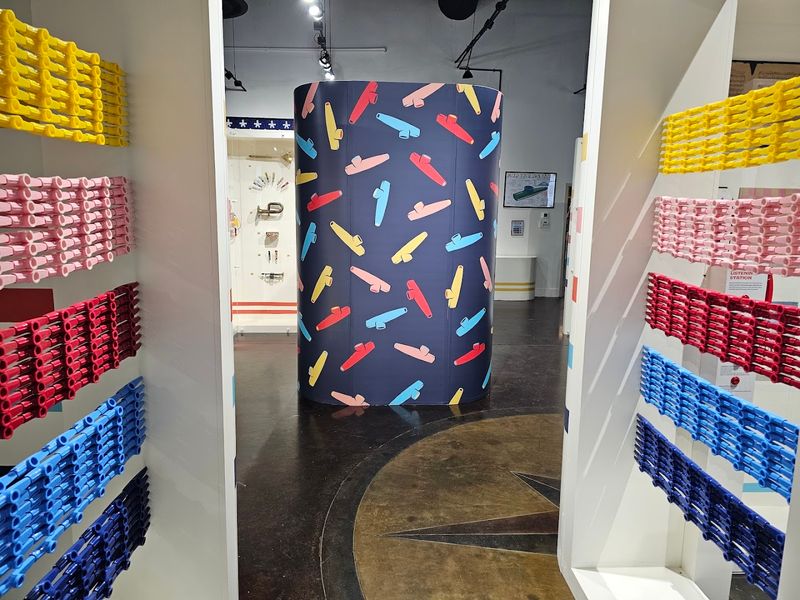
The kazoo is the instrument everyone has played and nobody has taken seriously, which makes a museum dedicated to it pure comedy gold. The Kazoo Museum and Factory in Beaufort, South Carolina, takes that underdog status and runs with it in the most charming way possible.
Visitors get a look at the history of the instrument, see how kazoos are actually manufactured on-site, and can pick up a custom-made kazoo to take home. The factory tour is genuinely interesting, not just a gimmick.
Watching the production process gives the whole visit an unexpected layer of craft and care.
The official site calls it a Beaufort must-see, and locals seem to agree. Tour hours are listed online, so planning ahead is easy.
It is a short visit but a memorable one, and the gift shop is exactly as delightful as you are hoping.
First-timers almost always leave humming something.
Museum of Osteology, Oklahoma City, Oklahoma
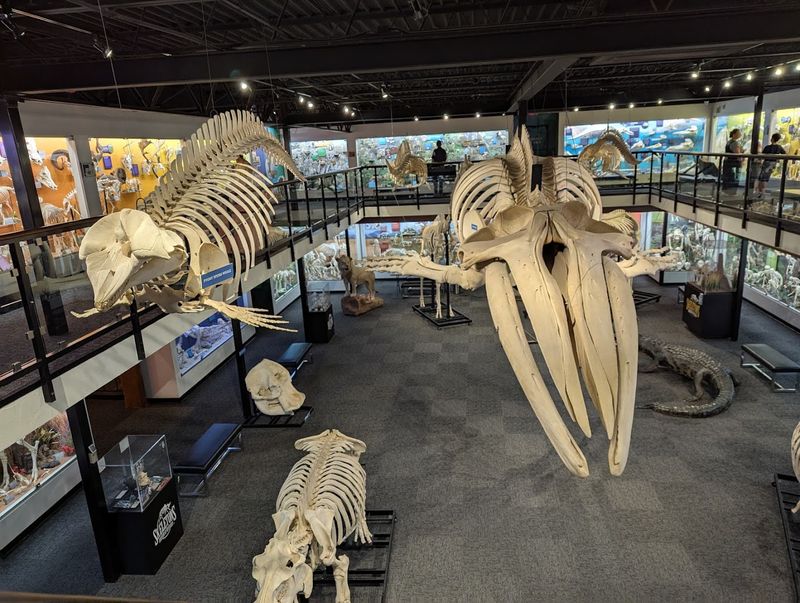
Bones get the spotlight they deserve at the Museum of Osteology in Oklahoma City. The collection features real skulls and skeletons from hundreds of animal species, displayed in a way that manages to feel both scientific and surprisingly beautiful.
The museum was founded by Jay Villemarette, who built the collection himself and clearly has a deep passion for comparative anatomy. Walking through the galleries, you start noticing things you never would have otherwise, like how similar a human hand looks to a bat wing when you strip everything else away.
It is not a morbid experience at all. It is genuinely one of the most engaging science-based museums in the country, and it works brilliantly for all ages.
Kids especially love the interactive areas.
Admission is reasonable, hours are posted on the official site, and the gift shop sells real bones and skulls if you want to take something truly unusual home.
National Museum of Funeral History, Houston, Texas

Death is the one subject nobody wants to talk about, which is exactly why a whole museum dedicated to it feels so refreshing. The National Museum of Funeral History in Houston holds the largest collection of authentic historical funeral service items in America, and it handles the topic with real thoughtfulness.
There are antique hearses, presidential funeral exhibits, fantasy coffins from Ghana, and displays covering mourning customs from different cultures and centuries. It sounds heavy, but the museum does an impressive job of making the subject feel more fascinating than gloomy.
The ticket page lists current opening hours, and the museum is very much active and welcoming visitors. First-time visitors almost always comment on how much warmer the experience feels than they expected.
It challenges the way most people think about death and grief, and it does so without ever being preachy.
This is one of those visits that genuinely sticks with you.
Museum of Every Day Life, Glover, Vermont
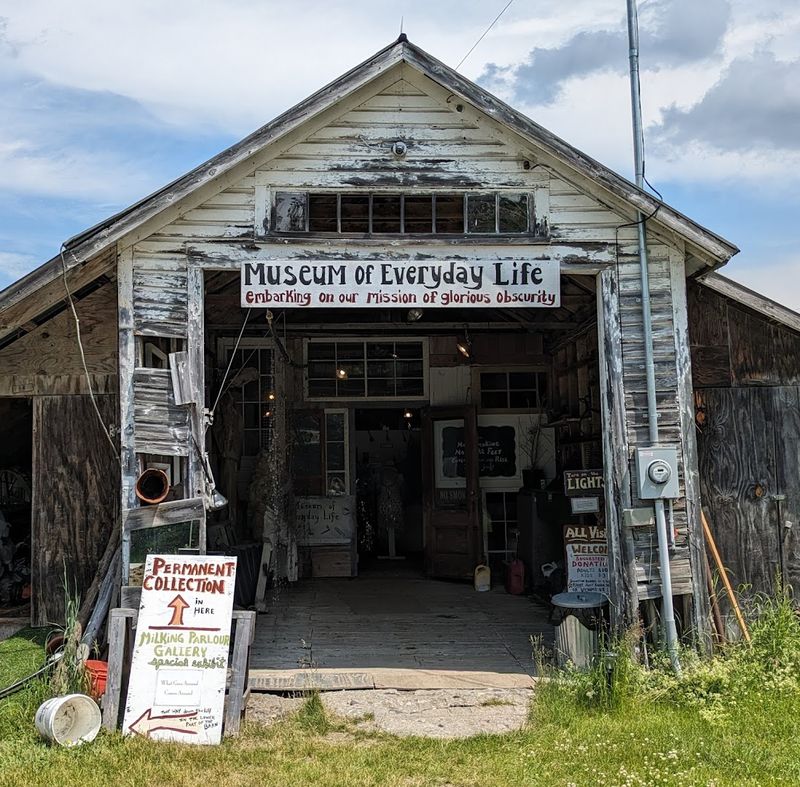
Most museums work hard to show you something rare. This Vermont barn does the opposite, and somehow that makes it the most original museum on this entire list.
The Museum of Every Day Life in Glover celebrates ordinary objects, the kind of things people use without thinking and throw away without ceremony.
Past exhibitions have focused on things like toothbrushes, pencils, and erasers, treated with the same seriousness usually reserved for fine art. The effect is genuinely moving once you settle into it.
You start looking at the stuff in your own pockets differently.
The museum is self-service and open from 8 a.m. to 8 p.m. daily, which is a wonderfully relaxed way to run things. There is no gift shop, no audio tour, and no gift-wrapped narrative.
Just objects and the quiet reminder that ordinary life is worth paying attention to.
It is small, free, and quietly unforgettable.
Glore Psychiatric Museum, St. Joseph, Missouri
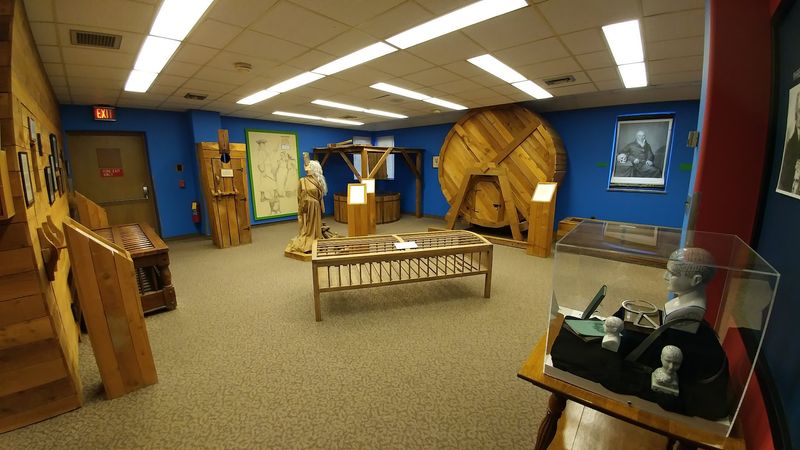
Some museums make you laugh. This one makes you think hard about how far society has come and how long it took to get here.
The Glore Psychiatric Museum in St. Joseph, Missouri, is part of the larger St. Joseph Museums complex and sits on the grounds of a former state psychiatric hospital.
The exhibits cover centuries of mental health treatment history, including tools and methods that are genuinely difficult to look at. It is not entertainment in the traditional sense, but it is one of the most thought-provoking stops on any Missouri road trip.
Patient artwork is displayed throughout, adding a deeply human layer to what could otherwise feel purely clinical. The museum is open seven days a week at the Frederick Avenue location.
Visitors consistently describe it as haunting but necessary.
It is the kind of place that stays in your head long after you leave, for all the right reasons.
Share this story