Florida is way more than theme parks and crowded beaches. Hidden between the palm trees and coastal breezes are charming cities packed with history, natural beauty, and unforgettable experiences.
Most visitors rush past these gems without a second glance, and honestly, that’s their loss. Whether you’re craving cobblestone streets, crystal-clear springs, or sugar-white sand dunes, Florida has a surprise waiting around every corner.
St. Augustine
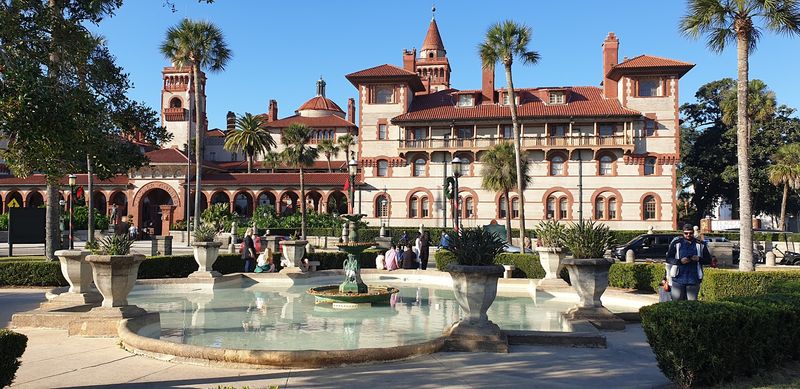
The oldest city in the United States sits quietly on Florida’s northeast coast, daring you to ignore it. Founded by Spanish explorers in 1565, St. Augustine has more layers of history than a good lasagna.
The narrow cobblestone streets feel like walking through a time machine.
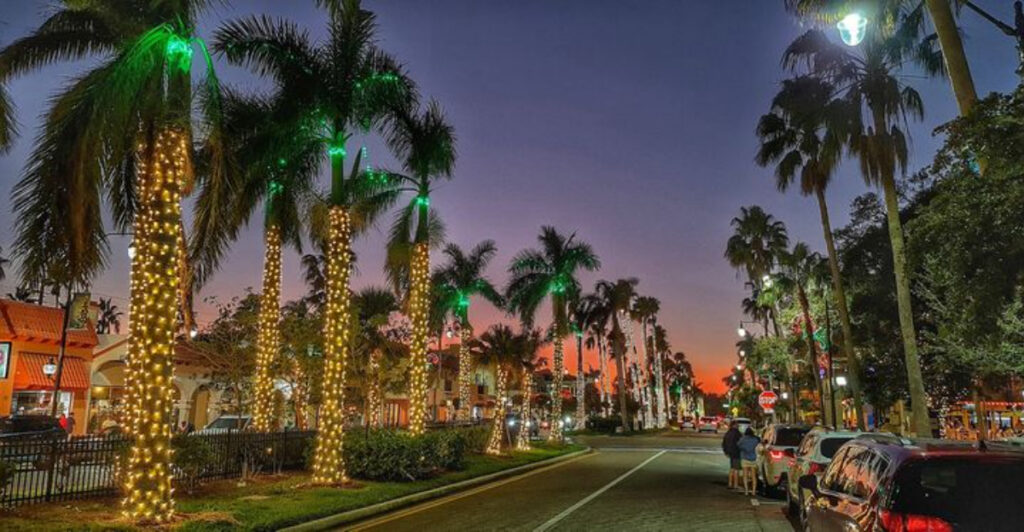
Castillo de San Marcos, a 17th-century stone fort overlooking the bay, is genuinely jaw-dropping. The city also lights up brilliantly during its famous Nights of Lights festival every winter.
Millions of tiny white lights transform the whole downtown into something magical.
Beyond history, the food scene here punches well above its weight. Fresh seafood restaurants line the waterfront, and quirky cafes hide in every alley.
St. Augustine rewards slow walkers and curious explorers who aren’t in a hurry to get anywhere fast.
Naples
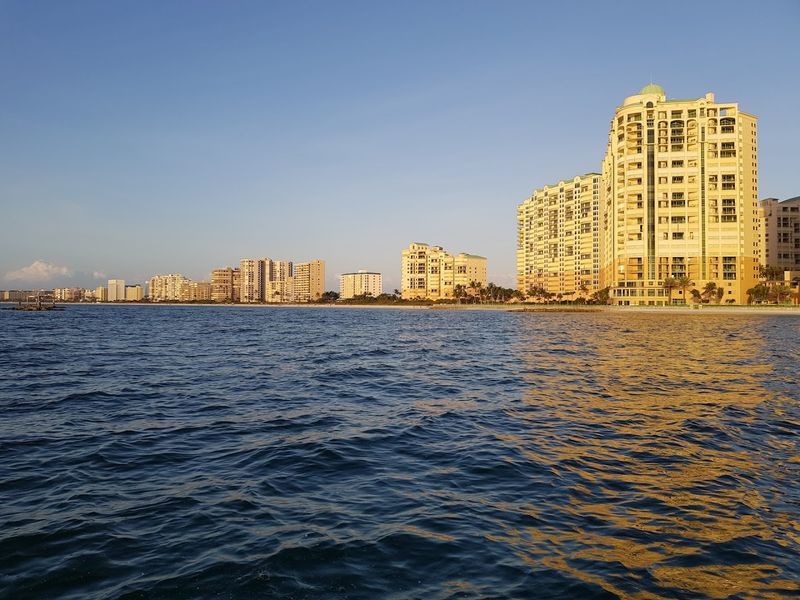
Naples has a reputation for being fancy, and honestly, it earns every bit of it. The pristine white-sand beaches here consistently rank among the best in the entire country.
Sunsets over the Gulf of Mexico from the Naples Pier are the kind you want framed on your wall.
The Third Street South shopping district is lined with art galleries, upscale boutiques, and outdoor cafes that practically beg you to sit down and stay awhile. Despite its polished exterior, Naples has a surprisingly laid-back vibe once you scratch the surface.
Nature lovers will find plenty to celebrate here too. The Naples Botanical Garden spans 170 acres of stunning tropical landscapes.
Nearby Corkscrew Swamp Sanctuary offers boardwalk trails through ancient cypress forests that feel completely untouched by modern life.
Sarasota
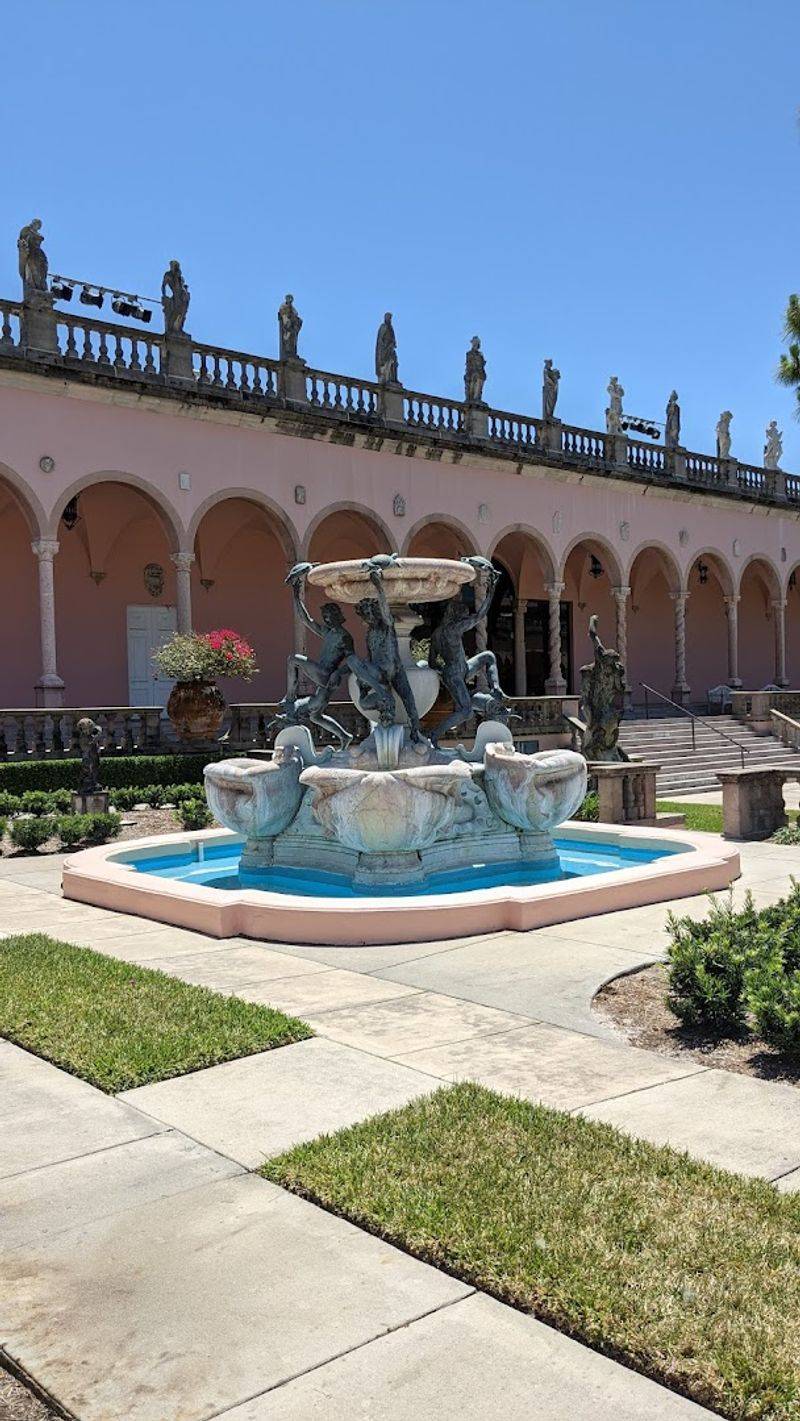
Sarasota wears its arts identity like a badge of honor, and rightly so. This Gulf Coast city was once the winter home of the Ringling Brothers Circus, and that theatrical spirit never quite left.
The John and Mable Ringling Museum of Art is one of the finest art museums in the American South.
Siesta Key Beach, just a short drive away, boasts sand so white and powdery it squeaks under your feet. Scientists have confirmed it’s some of the purest quartz sand on Earth.
That’s not marketing fluff, that’s actual geology being impressive.
Downtown Sarasota buzzes with live performances, farm-to-table restaurants, and a thriving farmers market every Saturday morning. The Selby Botanical Gardens add another burst of color to an already vibrant city.
Sarasota is proof that culture and coastline can coexist beautifully.
Key West
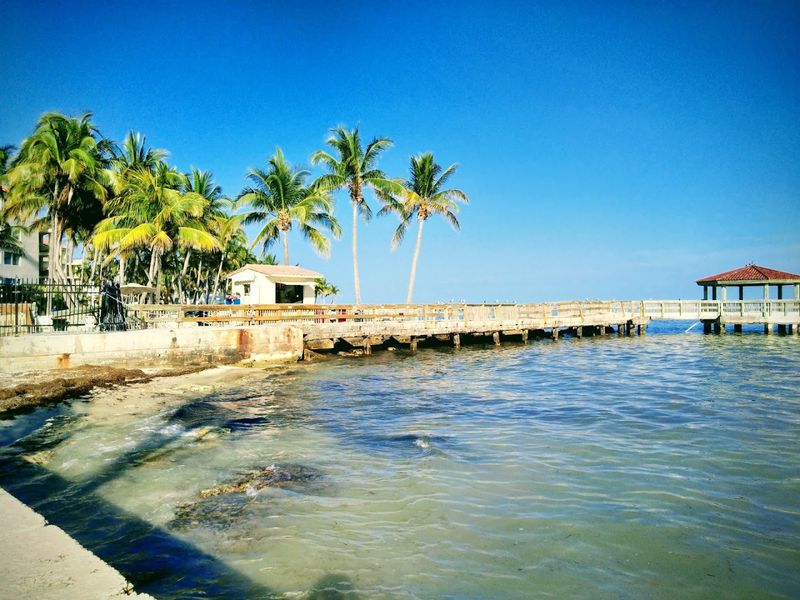
No road in Florida ends more dramatically than the one that leads to Key West. Perched at the very tip of the Florida Keys, this island city operates on its own relaxed timezone called “island time.” Ernest Hemingway called it home, and his six-toed cats still roam the grounds of his famous house museum.
Duval Street is the heartbeat of Key West, packed with bars, restaurants, and street performers who compete loudly for your attention. The nightly Sunset Celebration at Mallory Square draws crowds who cheer and clap as the sun melts into the Gulf.
It sounds cheesy, but it’s genuinely wonderful every single time.
Snorkeling and diving around the nearby coral reefs reveal an underwater world bursting with color. Key West is unapologetically weird, wonderfully warm, and completely unforgettable once you’ve experienced its particular brand of magic.
Destin
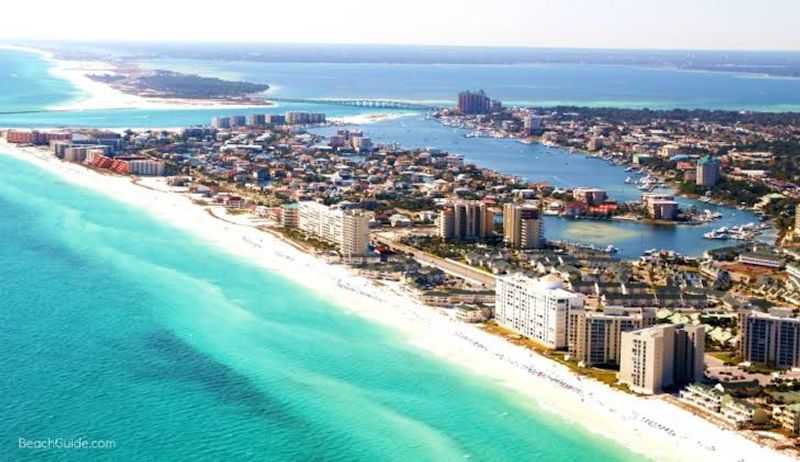
Emerald-green water and blindingly white sand make Destin look like someone photoshopped a Caribbean beach onto the Florida Panhandle. The color of the water here is genuinely startling the first time you see it.
Locals call it the “World’s Luckiest Fishing Village,” a nickname earned over generations of deep-sea fishing culture.
Destin Harbor Boardwalk is the social hub of the city, lined with seafood shacks, souvenir shops, and boat tour operators ready to take you out on the water. Sunset cruises from the harbor are among the most popular activities, and the views absolutely justify the hype.
Henderson Beach State Park offers a quieter, more natural escape from the busy tourist strips. Families love the calm, shallow waters near Crab Island, a popular sandbar hangout spot.
Destin manages to be both a party destination and a genuinely beautiful natural wonder at the same time.
Amelia Island
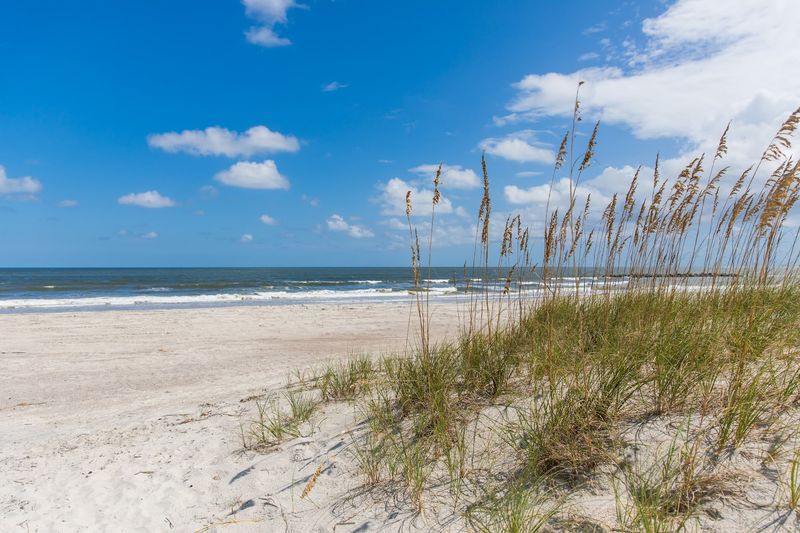
Eight flags have flown over Amelia Island, making it one of the most historically contested pieces of land in North America. That rich, complicated past gives this barrier island a depth that most Florida beach towns simply don’t have.
The charming downtown of Fernandina Beach, located on the island’s northern tip, is packed with Victorian architecture and local character.
Wild horses occasionally roam sections of the island, adding a surreal, storybook quality to morning beach walks. The Cumberland Sound offers calm paddling waters for kayakers who prefer their adventure at a peaceful pace.
Fort Clinch State Park preserves a remarkable Civil War-era brick fortress that history buffs absolutely love.
The local restaurant scene leans heavily on fresh Atlantic seafood, and the shrimp caught here are legendary among food lovers. Amelia Island feels like a secret even though it absolutely shouldn’t be kept one.
Apalachicola
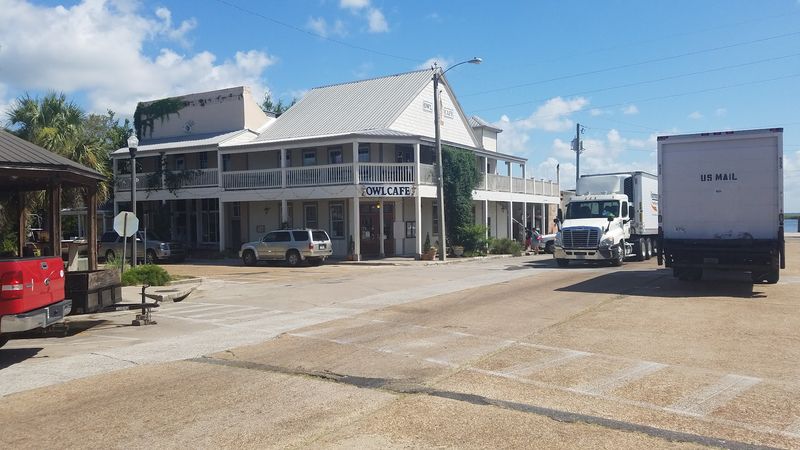
Oyster lovers treat Apalachicola the way pilgrims treat sacred ground. This tiny fishing town on Florida’s Forgotten Coast produces some of the most celebrated oysters in the entire country, thanks to the remarkably clean waters of Apalachicola Bay.
The whole town has a slow, salty, deeply authentic energy that’s increasingly rare in modern Florida.
Historic downtown Apalachicola is a beautifully preserved collection of 19th-century commercial buildings, antique shops, and art galleries. The John Gorrie Museum commemorates a local doctor who invented the first ice-making machine in the 1840s.
That’s right, air conditioning owes a small but meaningful debt to this quiet little town.
The surrounding Apalachicola National Forest is massive, wild, and practically untouched by tourism. Paddling through the river’s tannin-stained waters feels genuinely remote.
Apalachicola is the Florida that existed before theme parks arrived, and it’s absolutely worth the detour.
Boca Grande
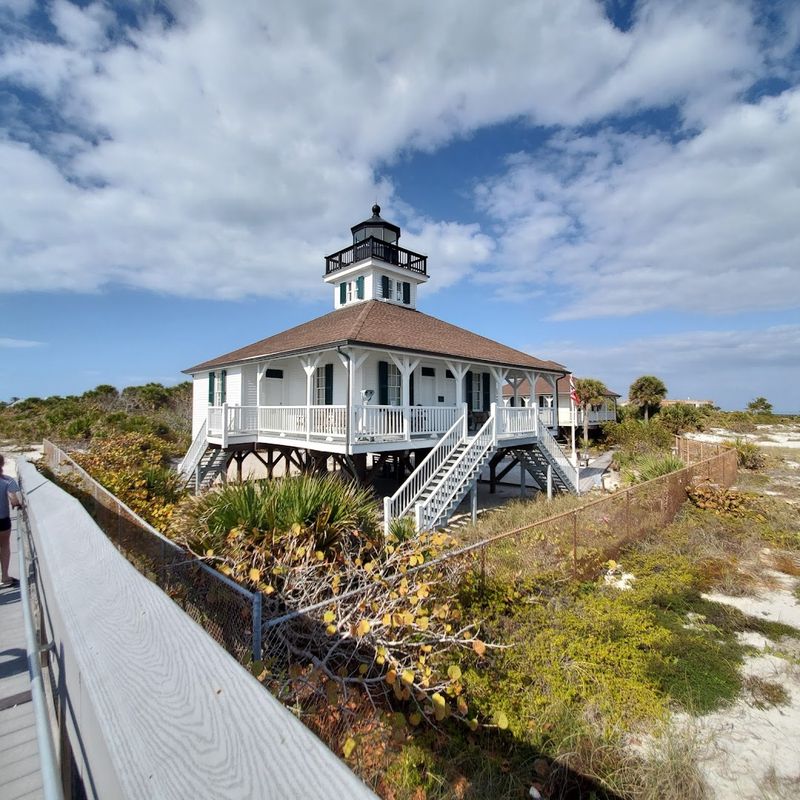
Getting to Boca Grande requires crossing a toll causeway onto Gasparilla Island, and that slight inconvenience is basically a genius crowd-filtering system. The island is small, quiet, and refreshingly free of chain restaurants and big-box stores.
Old Florida charm survives here in a way that feels almost miraculous given how developed the rest of the coast has become.
Tarpon fishing around Boca Grande Pass is legendary among serious anglers, drawing fishing enthusiasts from around the world every spring. The historic Boca Grande Lighthouse stands at the island’s southern tip, beautifully restored and open for tours.
Renting a bicycle and cruising the island’s flat, shaded roads is the preferred mode of transportation for both locals and visitors.
The beach on the Gulf side is wide, uncrowded, and genuinely pristine. Boca Grande moves at a pace that feels like a gift in an era of constant busyness.
Once you visit, you’ll understand why people guard this place fiercely.
Mount Dora
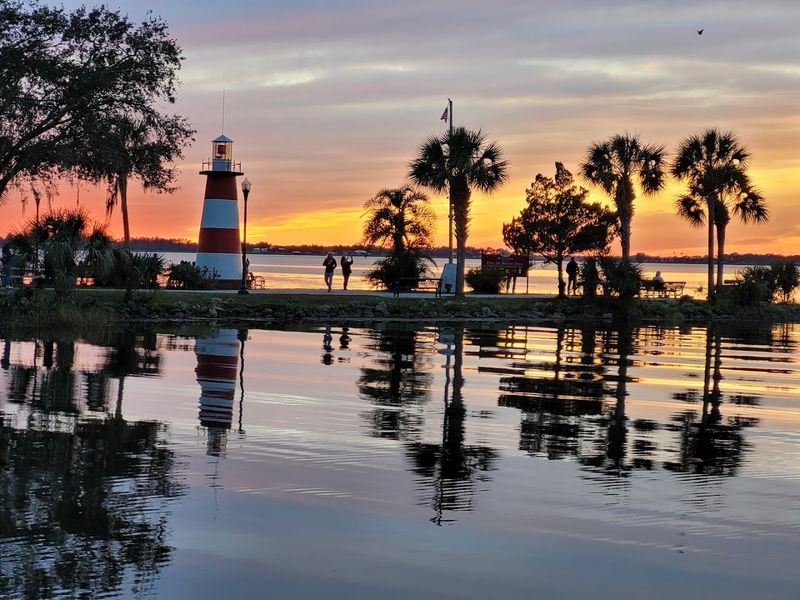
Sitting at the improbable elevation of 184 feet above sea level, Mount Dora is officially one of Florida’s hilliest cities, which sounds funny until you realize how flat the rest of the state is. This small lakeside town in Central Florida has cultivated a reputation as the antiques capital of the South.
Brick-lined streets are loaded with vintage shops, art galleries, and independent bookstores.
The historic downtown wraps around Lake Dora, offering gorgeous waterfront views and boat tours that explore the interconnected chain of lakes in the area. Mount Dora’s festival calendar is packed year-round, including a famous arts festival every February that draws hundreds of artists from across the country.
The tree-canopied residential streets are full of beautifully maintained historic homes that architecture enthusiasts adore. This town has the kind of unhurried, bookish, slightly eccentric personality that makes it endlessly likable.
Mount Dora is Central Florida’s best-kept secret, and locals are perfectly happy keeping it that way.
Crystal River
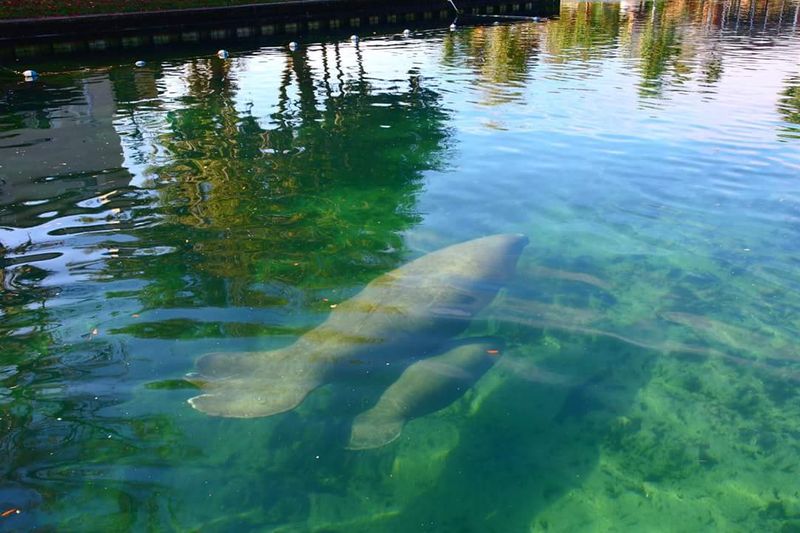
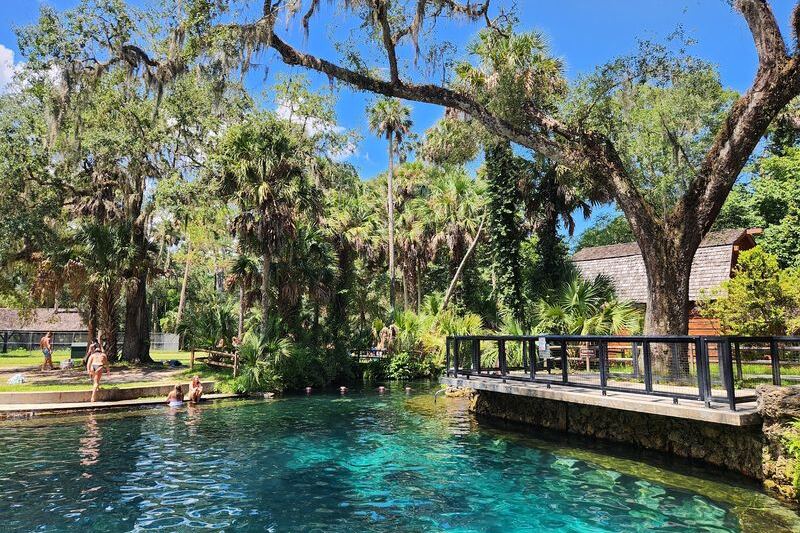
Crystal River is the only place in the entire United States where you can legally swim with wild manatees in their natural habitat. That single fact makes it one of the most extraordinary wildlife destinations in the country.
Every winter, hundreds of West Indian manatees gather in Kings Bay to warm themselves in the naturally spring-fed waters.
The springs here maintain a constant 72 degrees year-round, which is perfect for both manatees seeking warmth and humans seeking a refreshing swim. Kayak and canoe tours navigate the clear, shallow waterways through stunning natural landscapes draped in Spanish moss.
The visibility underwater is remarkable, making every snorkeling experience feel like watching a nature documentary from the inside.
Beyond manatees, Crystal River offers fantastic fishing, birding, and paddleboarding. The town itself is small and unpretentious, focused entirely on celebrating its extraordinary natural surroundings.
Crystal River is a wildlife lover’s paradise hiding in plain sight.
Fernandina Beach
Fernandina Beach sits on the northern tip of Amelia Island and serves as the island’s spirited downtown hub. The city claims the title of birthplace of the modern American shrimp industry, a fact locals mention with genuine pride at every opportunity.
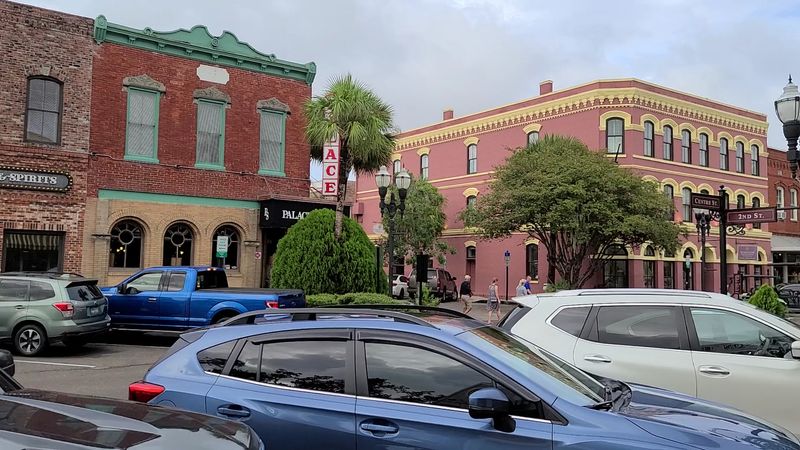
Centre Street, the main commercial drag, is a wonderfully preserved stretch of Victorian-era storefronts housing restaurants, pubs, and boutiques.
The Palace Saloon, established in 1903, holds the distinction of being Florida’s oldest continuously operating bar. Sitting on a barstool there with a cold drink feels like participating in a long, unbroken tradition.
The nearby shrimp boat docks add an authentic, working-waterfront texture that tourist-focused towns often lose.
Fort Clinch State Park, just north of downtown, provides excellent camping, hiking, and history all wrapped in one beautifully maintained package. Fernandina Beach has a confident, unhurried identity that doesn’t feel manufactured for tourists.
It’s the real deal, start to finish.
Winter Park
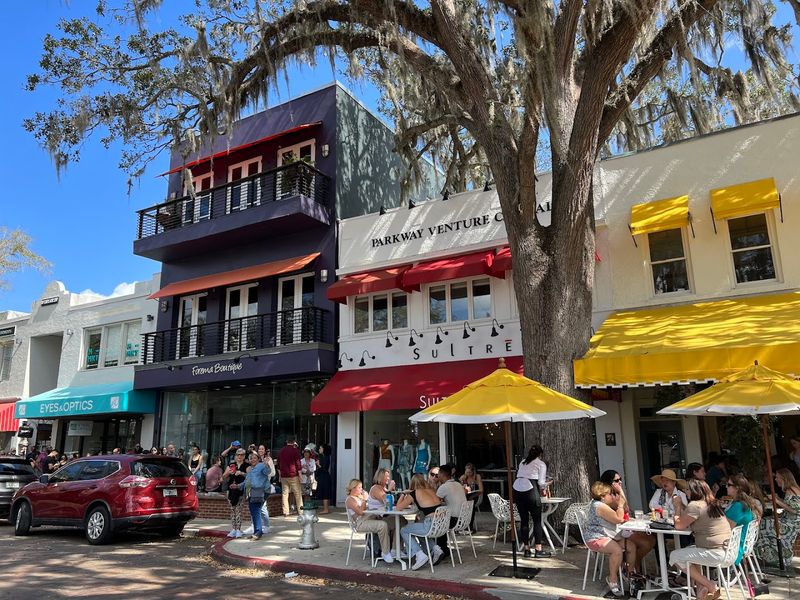
Winter Park is Orlando’s sophisticated neighbor, and it has absolutely no interest in competing with theme parks. This refined city built its identity around art, education, and a canal system that connects a stunning chain of lakes right through the middle of town.
The Scenic Boat Tour, operating since 1938, is one of Central Florida’s most charming and underrated experiences.
Park Avenue is a tree-shaded boulevard of independent boutiques, acclaimed restaurants, and the Charles Hosmer Morse Museum of American Art, which houses the world’s largest collection of Louis Comfort Tiffany glass. The stained-glass chapel interior alone is worth the trip from anywhere in Florida.
Rollins College, one of Florida’s most beautiful campuses, anchors the city’s academic and cultural life. Farmers markets, art festivals, and outdoor concerts fill the calendar throughout the year.
Winter Park proves that Florida has room for elegance alongside all the sunshine and theme park spectacle.
Coral Gables
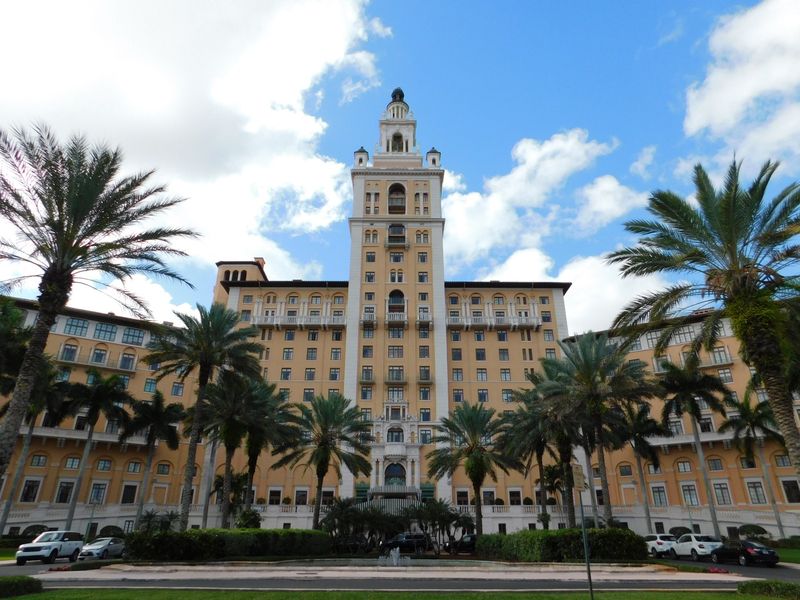
George Merrick built Coral Gables in the 1920s with a Mediterranean Revival vision so ambitious it bordered on obsession. The result is one of the most architecturally distinctive cities in the entire United States.
Banyan-shaded boulevards, ornate plazas, and Spanish-style buildings create a streetscape that feels transplanted directly from southern Spain.
The Venetian Pool is perhaps the most remarkable public swimming facility in America, a stunning lagoon carved from a coral rock quarry in 1923 and fed by natural spring water. Miracle Mile, the city’s main commercial street, is lined with bridal boutiques, restaurants, and independent shops that give it a refined, old-world feel.
The University of Miami campus adds youthful energy to Coral Gables’ otherwise stately atmosphere. Biltmore Hotel, a National Historic Landmark, towers over the city like a grand reminder of Florida’s roaring 1920s ambitions.
Coral Gables is Miami’s classiest, most architecturally rewarding neighborhood that somehow functions as its own complete city.
Bonita Springs
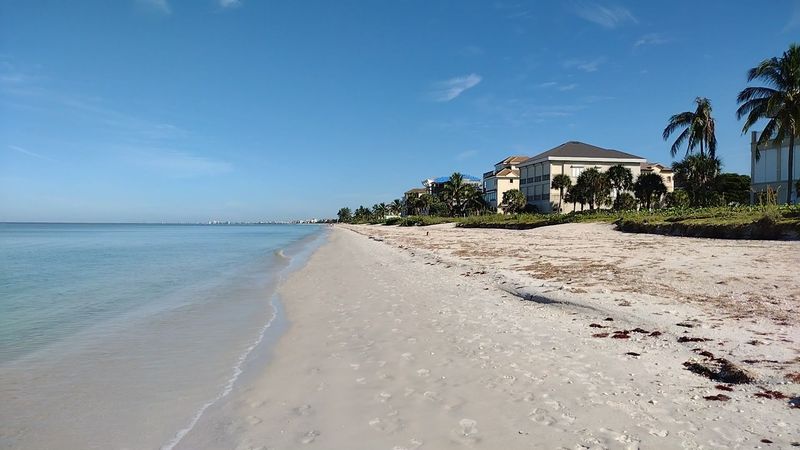
Bonita Springs sits in a sweet spot between Naples and Fort Myers, soaking up the best qualities of both without fully belonging to either. The city’s crown jewel is Barefoot Beach Preserve, consistently ranked among Florida’s top natural beaches.
The sand is soft, the water is calm, and the gopher tortoises that wander the dunes make for surprisingly delightful company.
The Imperial River winds through town, offering fantastic kayaking and canoeing through mangrove tunnels that feel like green cathedrals overhead. Lovers Key State Park, just across the bridge, adds more pristine natural beach and excellent wildlife watching to an already impressive natural resume.
Downtown Bonita Springs has been quietly developing a genuinely fun restaurant and arts scene over the past decade. The city hosts a popular outdoor art festival every winter that draws serious collectors and casual admirers alike.
Bonita Springs rewards visitors who take the time to look past the highway and explore what’s hiding underneath.
Anna Maria Island
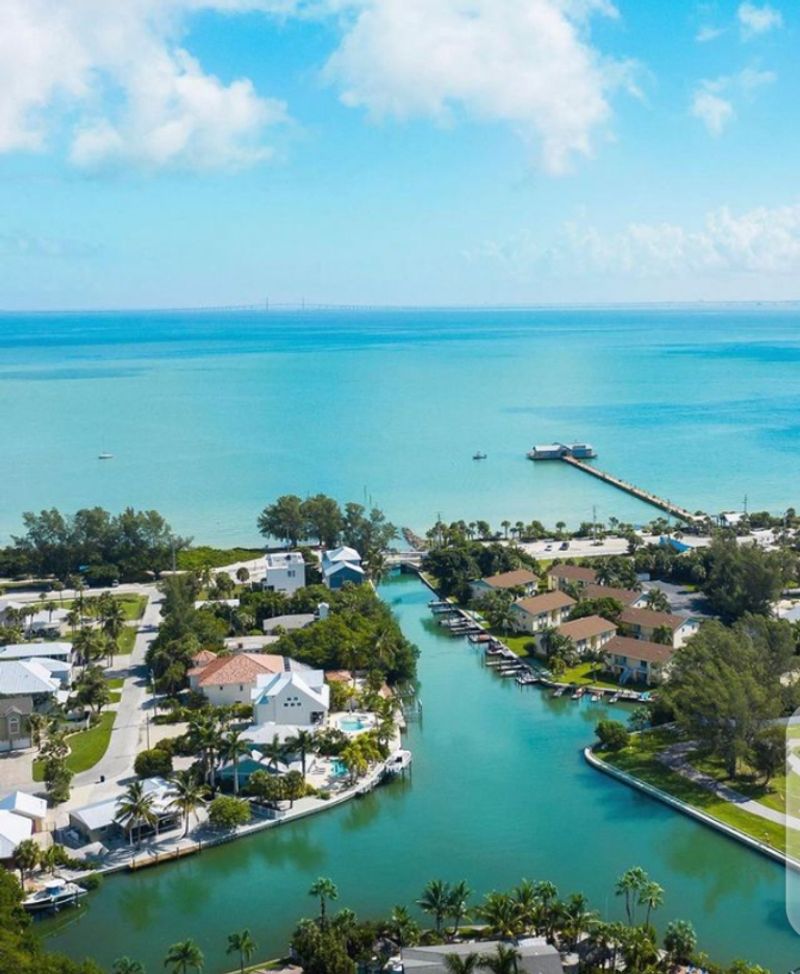
Anna Maria Island is what Florida beach towns looked like before high-rise condos showed up and ruined everything. This seven-mile barrier island has strict building height limits that keep the skyline low and the atmosphere wonderfully unhurried.
Colorful old Florida cottages line the streets, and golf carts outnumber cars in many neighborhoods.
The Historic Bridge Street Pier at the island’s northern end is a gathering spot for fishing, people-watching, and catching sunsets that paint the sky in impossible colors. Pine Avenue, the main commercial street, is packed with locally owned restaurants, ice cream shops, and boutiques that have been serving visitors for decades.
The Gulf waters here are exceptionally calm and shallow, making Anna Maria Island one of the safest and most family-friendly beaches in the state. Dolphins frequently swim close to shore, thrilling beachgoers of every age.
Anna Maria Island is old Florida at its most lovable and most photogenic.
Venice
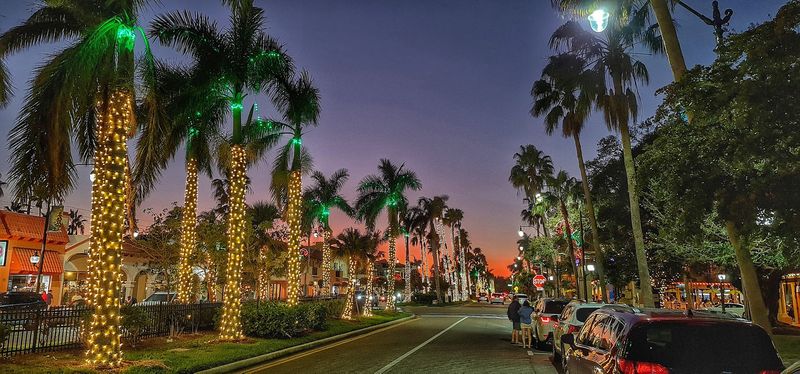
Venice has earned the wonderfully specific nickname “Shark Tooth Capital of the World,” and it takes that title very seriously. Millions of fossilized shark teeth wash ashore on Venice Beach every year, making it one of the most unique beachcombing destinations anywhere on the planet.
Kids and adults alike spend hours hunched over the dark sand searching for prehistoric treasures.
Beyond the teeth, Venice is a genuinely beautiful Gulf Coast city with a charming downtown modeled after its Italian namesake. Venice Avenue is lined with Mediterranean-style buildings housing art galleries, restaurants, and independent shops that give the area a European-inspired warmth.
The Venice Theatre, one of the largest community theaters in the United States, keeps the city’s cultural life vibrant year-round. Caspersen Beach, just south of the main beach, is the best spot for serious shark tooth hunters.
Venice is equal parts outdoor adventure, cultural destination, and irresistible small-city charm.
Dunedin
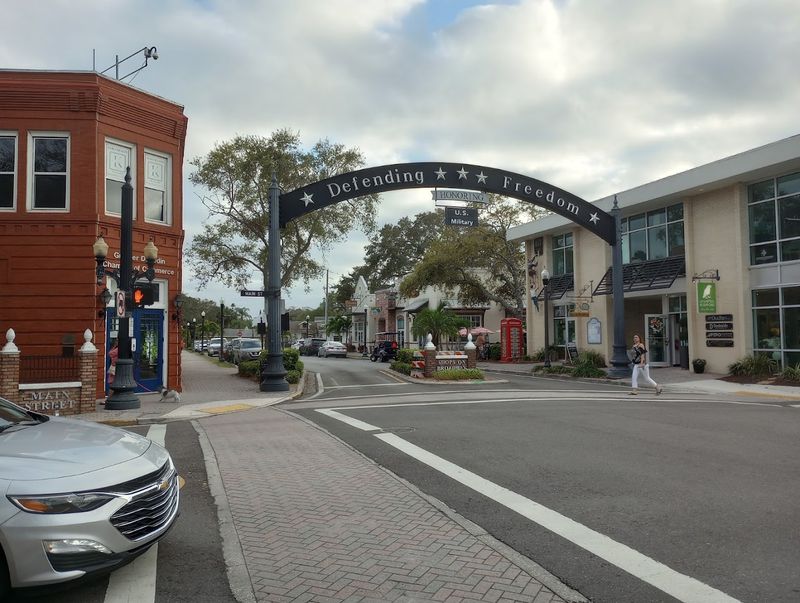
Dunedin was founded by Scottish settlers in the 1870s, and this Gulf Coast gem has never stopped celebrating that heritage with enormous enthusiasm. The city hosts one of the largest Highland Games festivals in the American South every spring, complete with kilts, bagpipes, and athletic competitions that look absolutely spectacular.
The Scottish connection gives Dunedin a personality that stands out immediately from every other Florida beach town.
Main Street is a walkable, lively stretch of craft breweries, seafood restaurants, boutiques, and live music venues that buzz with energy most evenings. The Pinellas Trail, a paved multi-use path, runs directly through town, making cycling a popular and practical way to explore the area.
Honeymoon Island State Park, reachable by a short causeway from Dunedin, offers some of the most stunning and least-crowded Gulf beaches in the Tampa Bay region. Dunedin is fun, friendly, fiercely independent, and completely worth an extended stay.
Tarpon Springs
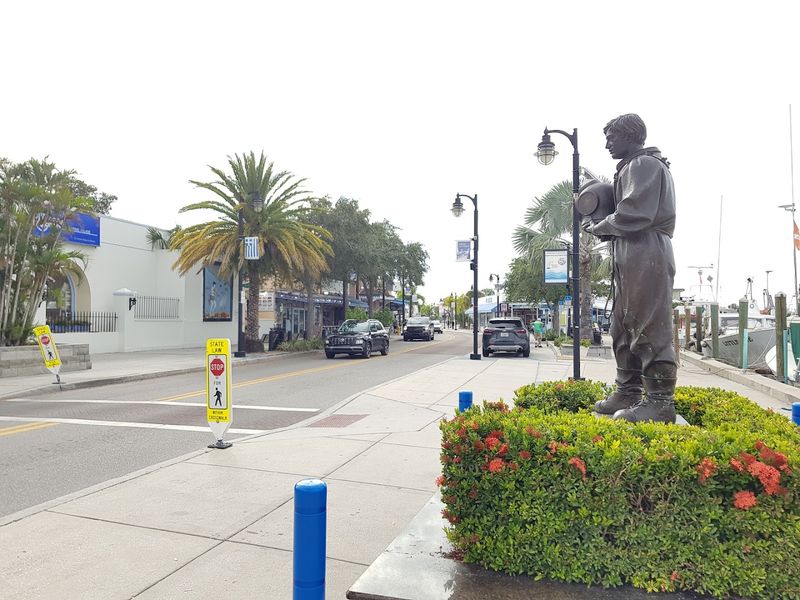
Tarpon Springs has the highest percentage of Greek Americans of any city in the United States, a demographic fact that has shaped every corner of this fascinating Gulf Coast community. Greek sponge divers arrived here in the early 1900s, turning the natural sponge industry into a thriving enterprise that still operates today.
The famous Sponge Docks remain the city’s most distinctive and photographed landmark.
Walking along Dodecanese Boulevard near the docks, the smell of fresh baklava and grilled octopus drifts out of Greek bakeries and tavernas that have been feeding visitors for generations. The Epiphany celebration every January, when young men dive into Spring Bayou to retrieve a blessed cross, draws thousands of spectators to what feels like a genuine cultural event rather than a tourist performance.
St. Nicholas Greek Orthodox Cathedral is architecturally stunning and spiritually significant to the community. Tarpon Springs is authentically different from every other Florida city, and that difference is its greatest strength.
Palm Beach
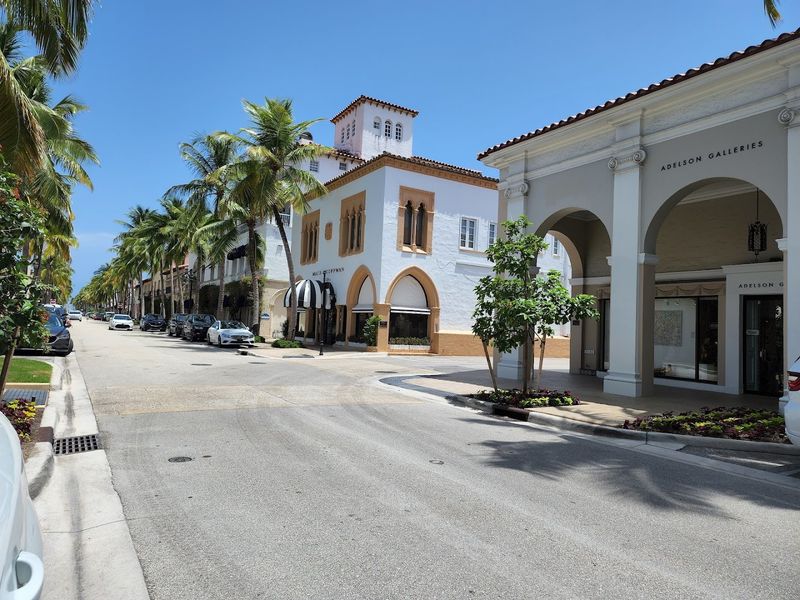
Palm Beach operates at a level of elegance that makes other wealthy Florida cities feel slightly underdressed. Worth Avenue, the city’s legendary shopping street, has hosted the world’s most exclusive luxury brands since the 1920s.
Henry Flagler essentially invented modern Palm Beach when he extended his railroad here and built the lavish Breakers Hotel, which still stands in magnificent form today.
The Breakers is not just a hotel; it’s a 538-room Italian Renaissance palace sitting directly on the Atlantic Ocean. Strolling along the oceanfront Lake Trail offers breathtaking views of both the Atlantic and the Intracoastal Waterway.
The palatial estates lining the island’s streets represent some of the most valuable real estate in the entire country.
The Norton Museum of Art gives Palm Beach serious cultural credibility beyond its reputation for conspicuous wealth. Even window shopping on Worth Avenue is a genuinely pleasurable experience.
Palm Beach is extravagant, beautiful, and strangely fascinating whether or not you can afford anything on the menu.
Share this story