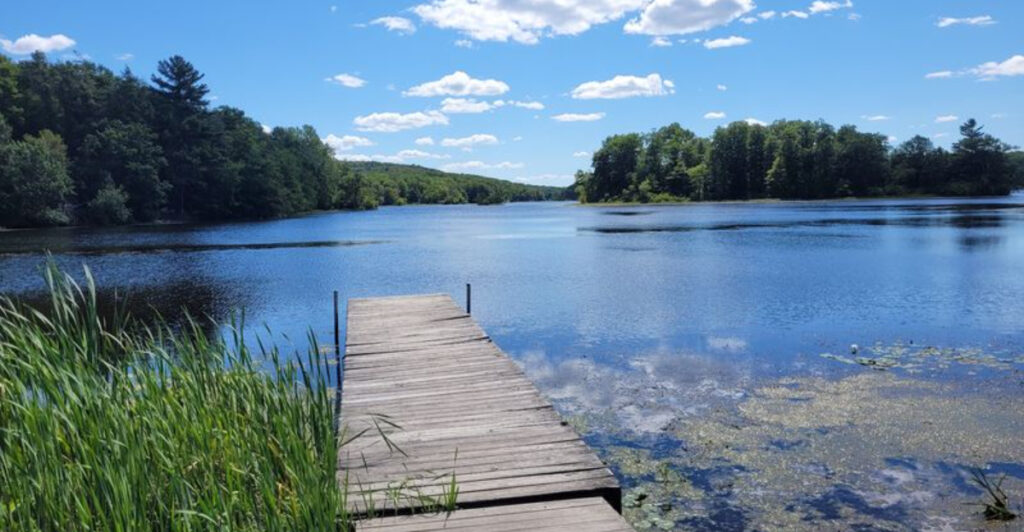
Tucked into the highlands of northern New Jersey, there is a lake that most people outside the region have never heard of, and that is exactly part of its appeal. The water stays calm, the surrounding forest stays dense, and on a quiet weekday morning, the whole place has the kind of stillness that feels almost too good to be real.
Black bears have been spotted along the shoreline trails. Lily pads drift across the shallower coves.
This is not a manufactured resort destination with a gift shop and a valet parking lane. It is a genuine, working natural area that has been drawing hikers, paddlers, anglers, and families for decades, and it keeps earning that loyalty every single season.
Read on to find out what makes this northern New Jersey lake worth the drive.
The Lake Itself: What You Are Actually Looking At
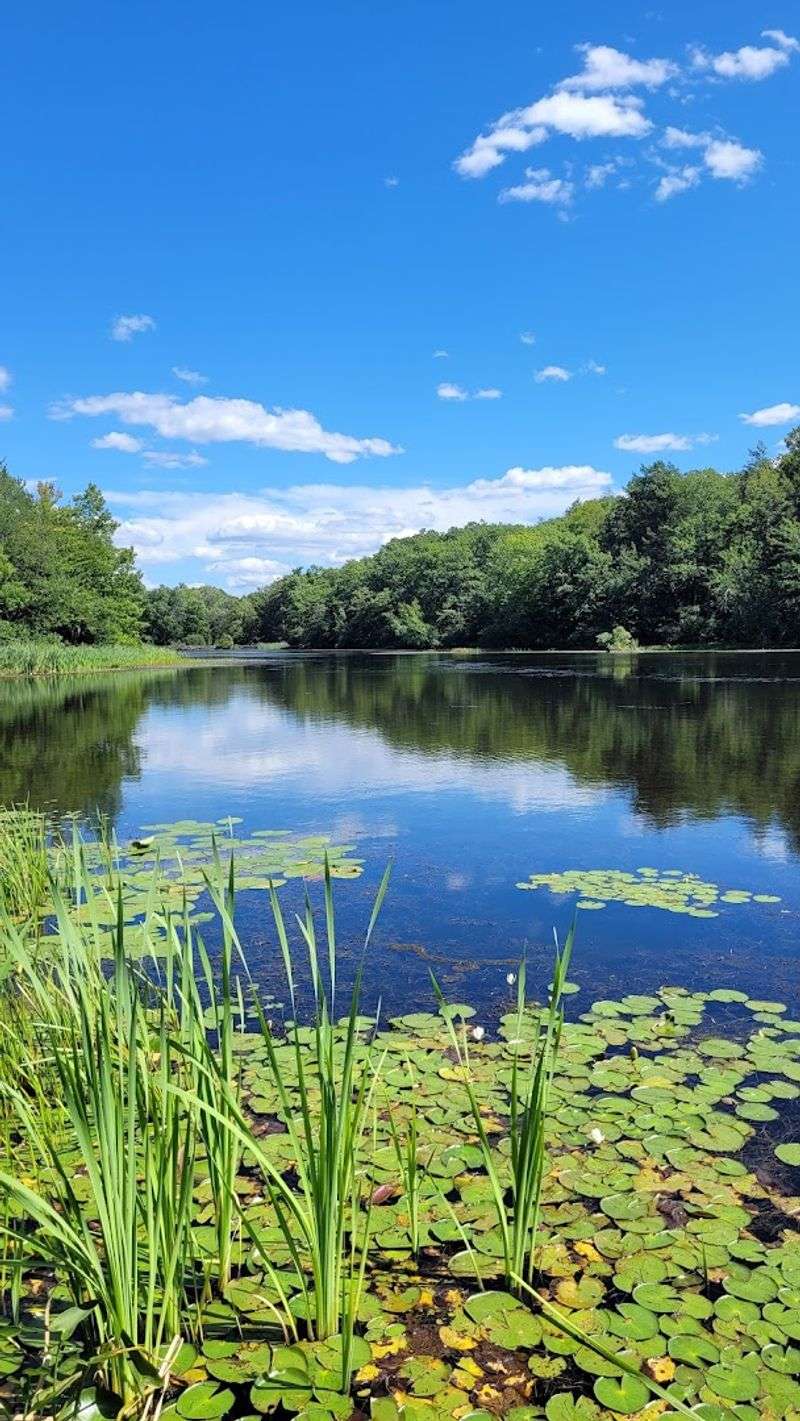
Wawayanda Lake covers a substantial surface area and is framed on all sides by mature forest, giving it that untouched, far-from-civilization quality that photographs so well.
Lily pads spread across the shallower sections near the edges, particularly in the coves, and small islands dot the water at various points around the lake. Those islands are accessible by kayak or canoe and make for a natural resting point during a longer paddle.
The deeper center of the lake tends to stay clearer of underwater vegetation, while the shallower sections closer to shore have more aquatic plant growth. That is worth knowing before you plan your swim route.
The lake holds a variety of fish species, which keeps anglers coming back regularly. A trout stamp is required for certain fishing, so checking the current New Jersey fishing regulations before the trip saves a lot of hassle at the water’s edge.
Getting There Early Is Not Just a Suggestion
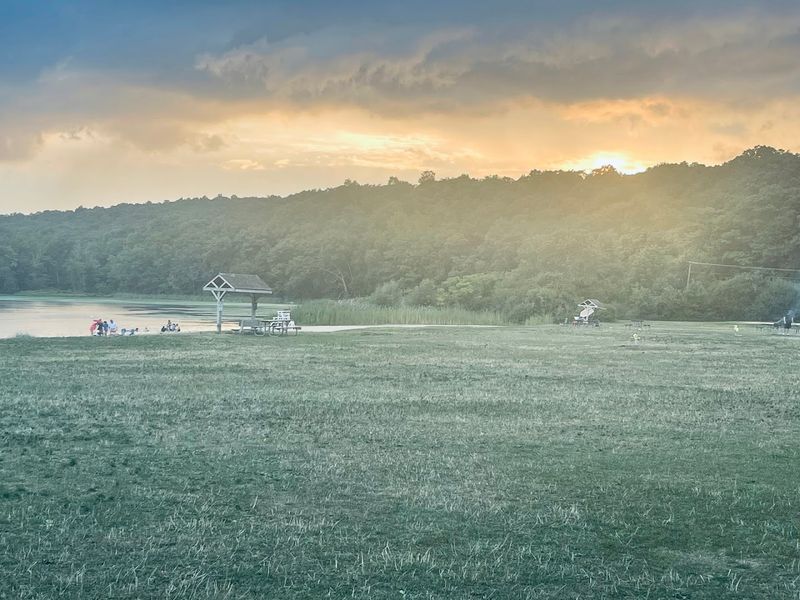
On weekends, the parking lot at Wawayanda fills up faster than most people expect. The park opens at 8 a.m., and by 7:50 on a busy Saturday morning, there are already a dozen or more cars waiting at the gate.
Park management controls entry by counting the number of people coming in, which keeps the area from becoming uncomfortably packed the way it used to in past years. When capacity is reached, no additional entry is permitted, and that applies even to people who only want to hike the trails.
Arriving early is the single most reliable piece of advice that applies to every type of visit, whether the plan is swimming, picnicking, paddling, or hiking. Weekday visits are noticeably less crowded and offer a completely different experience in terms of space and quiet.
There are multiple parking areas near the lake, including a large main lot and two smaller secondary lots further along the access road.
The Beach Area and Swimming Setup
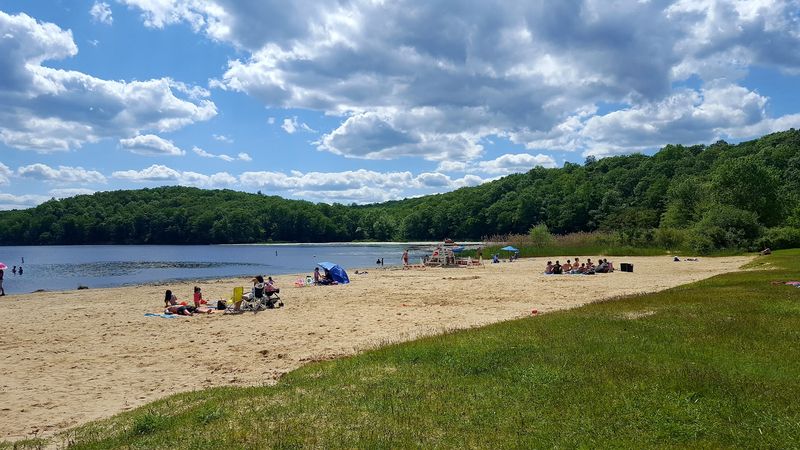
A designated swimming area with a small beach has been set up along one section of the lake, complete with a lifeguard on duty during operating hours.
Swimming is permitted from 10 a.m. until 5 p.m., so there is a clear window for water activities. The beach area is fenced off to define the safe swimming zone, and the water in that section is generally cleaner and more open than the vegetated shallower areas elsewhere around the lake.
The water in the main swimming zone does not have the heavy underwater plant growth that you find in other parts of the lake, which makes it more comfortable for swimmers who prefer clear conditions underfoot.
The lake is not particularly deep overall, which makes it a reasonable option for families with younger children who want to get in the water without the concerns that come with deeper open-water swimming.
Paddling Options on Calm Water
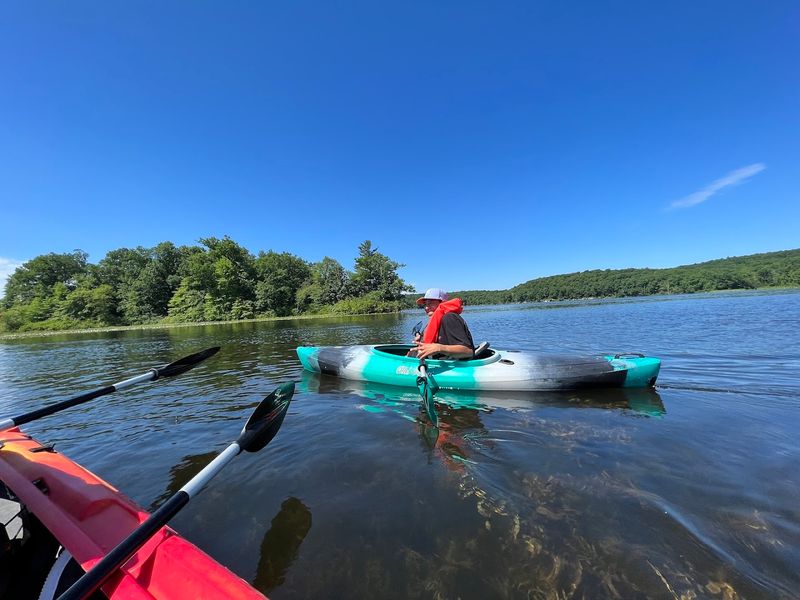
Wawayanda Lake is well suited for non-motorized watercraft, and motorized boats are not permitted on the water, which keeps things quiet and manageable for paddlers.
Kayak, canoe, pedal boat, and stand-up paddleboard use are all part of the lake experience. Rentals have been available at the park, though availability can vary by season and day of the week, and weekends have sometimes been excluded from rental operations.
Checking current rental availability directly with the park before arrival is always a smart move, especially if paddling is the main reason for the trip. The calm, flat water makes the lake accessible even for first-time paddlers who have never been on a kayak before.
The small islands scattered across the lake serve as natural stopping points for a rest. Paddling the perimeter of the lake gives a completely different perspective on the surrounding forest and the way the water changes character from one cove to the next.
Trails That Take You Deep Into the Woods
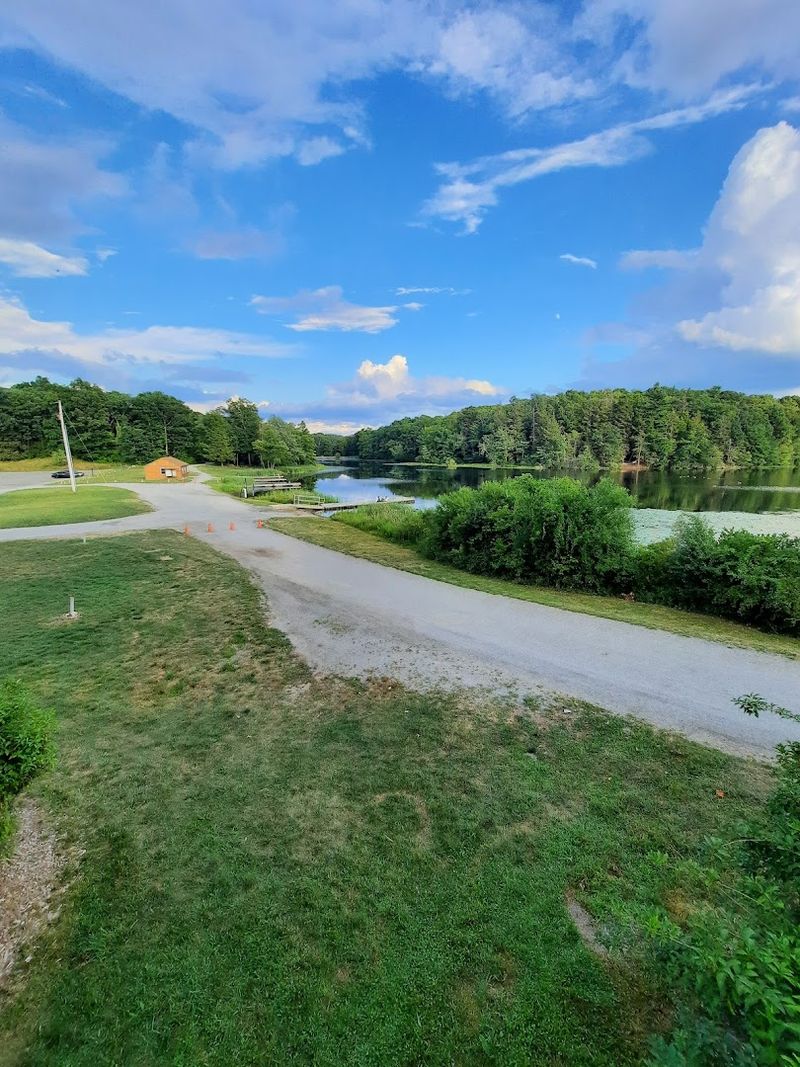
The trail system at Wawayanda State Park is one of the more substantial ones in northern New Jersey, with routes that range from easy lakeside loops to longer, more demanding treks through varied terrain.
The lake loop trail runs approximately 7.6 miles and can take around three hours to complete with a slower group, though that estimate stretches longer with children in tow. The terrain changes throughout, mixing flat sections with rockier, rooted stretches that require some attention underfoot.
The park is dog-friendly and mountain bike-friendly, which broadens the appeal considerably. Picking up a trail map from the ranger station before heading out is strongly recommended, as cell service in the area can be unreliable.
Bringing plenty of water and bug spray is not optional here. The mosquito population is genuinely active, particularly near the wetter, shadier sections of the trail, and anyone who skips the bug repellent will notice it quickly.
Picnicking, Grilling, and Spending the Full Day
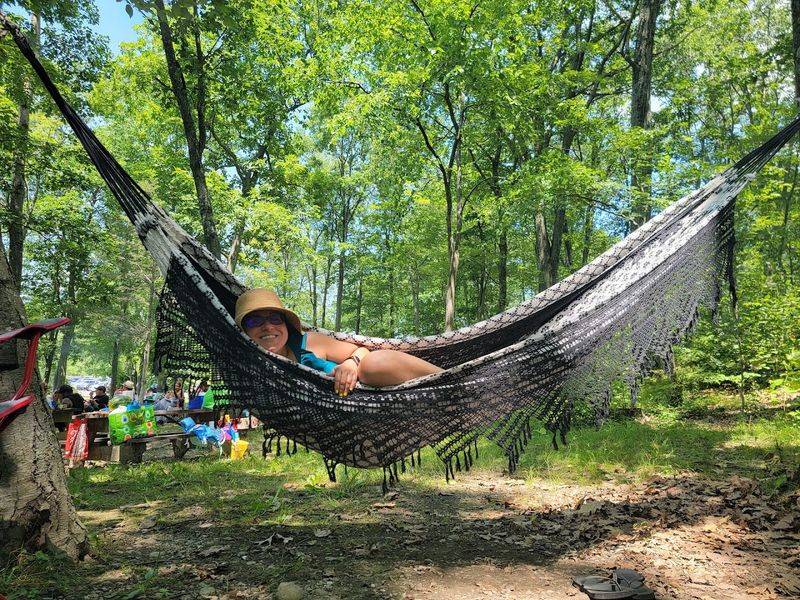
The park has a solid setup for full-day family visits, with picnic tables scattered across shaded areas near the lake and public grills available for use.
The shaded picnic spots make a real difference on hot summer days, allowing families to eat, rest, and cool down without baking in direct sun. Bringing a personal grill is also an option and often a good idea on busy weekends when the public grills are already claimed by earlier arrivals.
The park operates on a carry-in, carry-out policy, meaning all trash must leave with the visitor. There are no trash cans for disposal on site, so packing enough bags for cleanup is part of the preparation.
Hammocks are popular among people who arrive early and stake out a good tree setup near the water. The tree spacing in several areas of the park is well suited for hammock hanging, and a shaded spot near the lake on a calm day has a hard-to-argue-with appeal.
Fishing at Wawayanda: What to Know Before You Cast
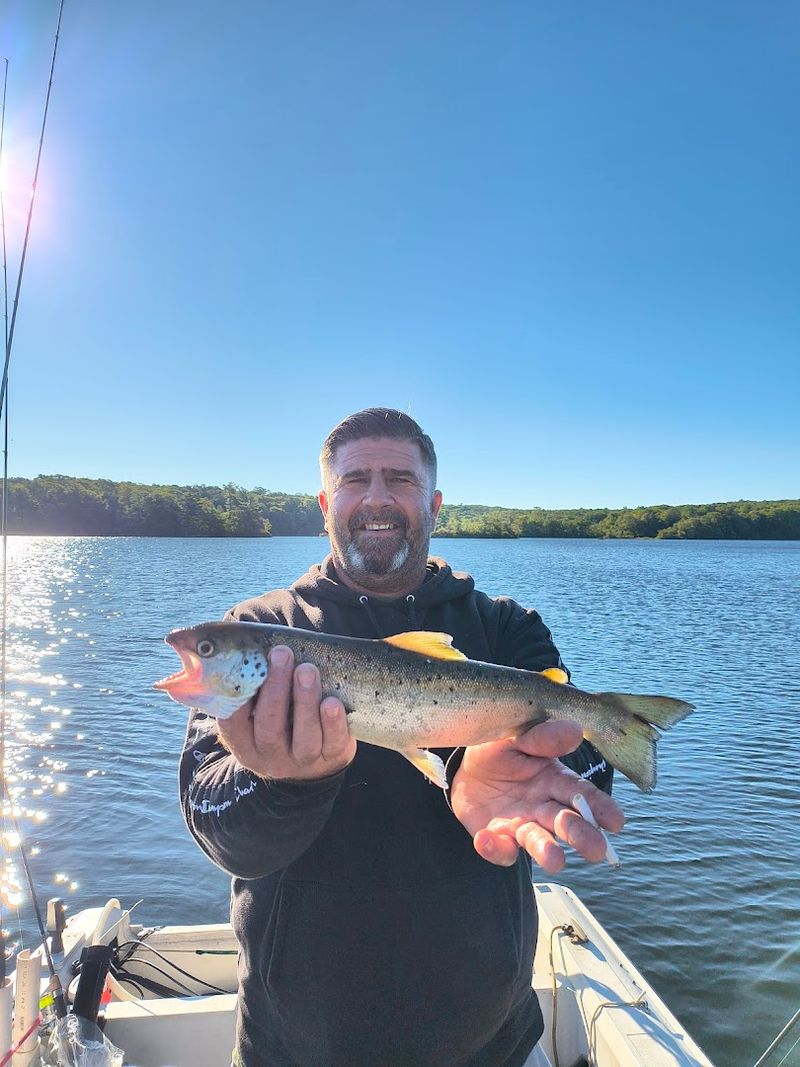
Wawayanda Lake has a reputation as a productive fishing spot, with multiple species present in the water including trout, which requires a special stamp in addition to the standard New Jersey fishing license.
Anglers who plan to target trout in deeper water from a boat should confirm that boat rentals are actually available before making the trip, since rental availability has changed from season to season without always being updated on the park website.
Shore fishing is accessible from several points around the lake, and the variety of fish species keeps the experience interesting regardless of what is biting on a given day. Early morning fishing before the swimming area opens tends to offer the most peaceful conditions.
The lake has attracted people who describe it as genuinely productive for catching a range of freshwater species. It is not a stocked-and-done situation but a lake with an actual ecosystem that supports consistent fishing throughout the warmer months.
Wildlife On The Lake
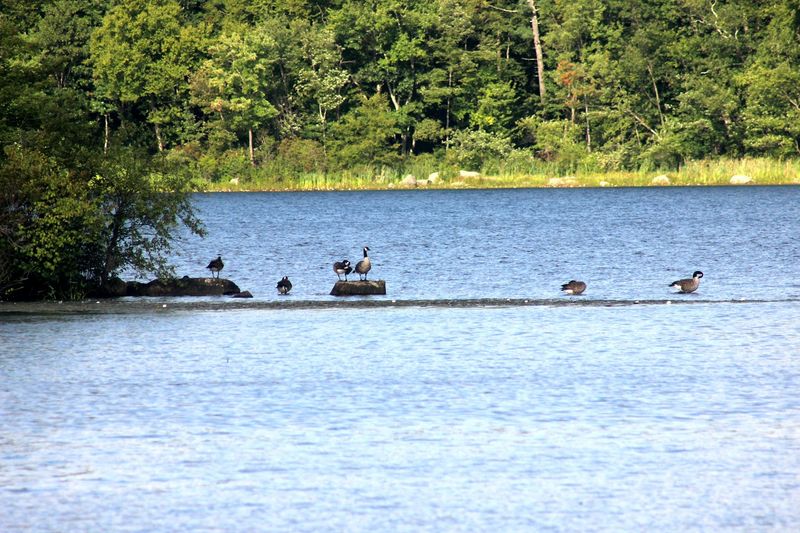
The wildlife at Wawayanda extends well beyond the black bears that tend to get most of the attention. The lake and surrounding forest support a broad range of species that reward anyone who takes the time to slow down and look around.
The lily pad areas near the shoreline attract wading birds, including great blue herons, which are a common sight in the early morning before boat traffic picks up. Turtles are frequently spotted basking on logs near the quieter coves.
The forested trail system provides habitat for songbirds, woodpeckers, and raptors, making the park a worthwhile destination for anyone with an interest in birds. The mix of open water, wetland edges, and mature forest creates the kind of habitat diversity that supports a high variety of species in a relatively small geographic area.
The fish population visible in the shallower sections of the lake also draws attention from osprey, which are occasionally seen hunting over the open water.
Practical Tips That Actually Make a Difference
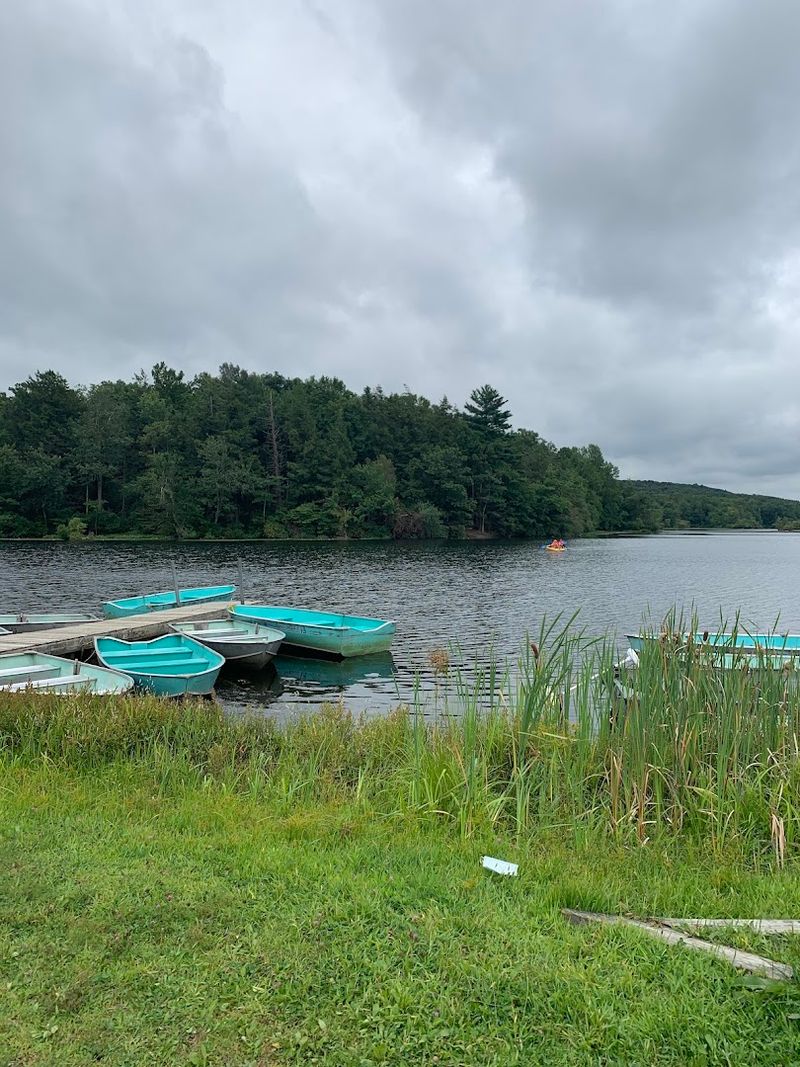
A few practical details can make the difference between a smooth visit and a frustrating one at Wawayanda. Entry has historically been free, though that can change, so checking the current New Jersey State Park fee schedule before the trip is worth a minute of time.
Bug spray is non-negotiable, particularly for trail hiking. The mosquito presence is consistent and dense in shaded, humid sections of the trail, especially during mid-summer.
Sunscreen matters for the beach area, where shade is limited compared to the picnic zones.
Nearby stores, including a Shop Rite and a Walmart, are located a short distance from the park, making it easy to grab anything forgotten at home without a long detour. Clean bathrooms are available on site, though the facilities have received mixed notes over the years and are described as functional rather than impressive.
The park closes at 6 p.m. in summer, with the beach area closing at 5 p.m., so planning the day with those cutoffs in mind keeps things running smoothly.
Why This Lake Keeps Drawing People Back Year After Year
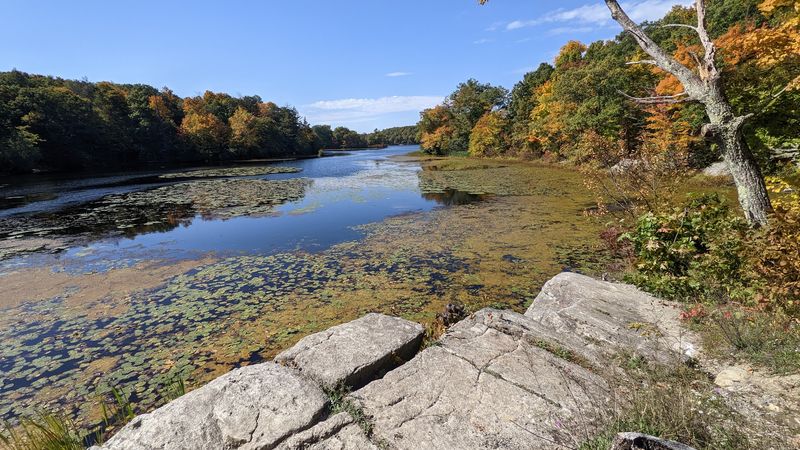
Wawayanda Lake has the kind of staying power that comes from being genuinely good at multiple things rather than excellent at just one.
It works as a swimming destination, a paddling spot, a hiking trailhead, a fishing location, and a family picnic area all at once, which is a combination that is harder to find than it might seem. The cleanliness of the water and the available parking are consistently noted as reasons people return rather than trying somewhere new each season.
The park has been a destination for hikers who have been coming back for over three decades, which says something about the consistency of the experience. Boy Scout camping trips, family reunions, solo fishing mornings, and first-time paddlers have all found a place here.
For anyone within a reasonable drive of Vernon Township, Wawayanda Lake is the kind of place that earns a permanent spot on the list of go-to outdoor destinations, not because it is flashy, but because it simply delivers.
Where Exactly You Will Find This Place
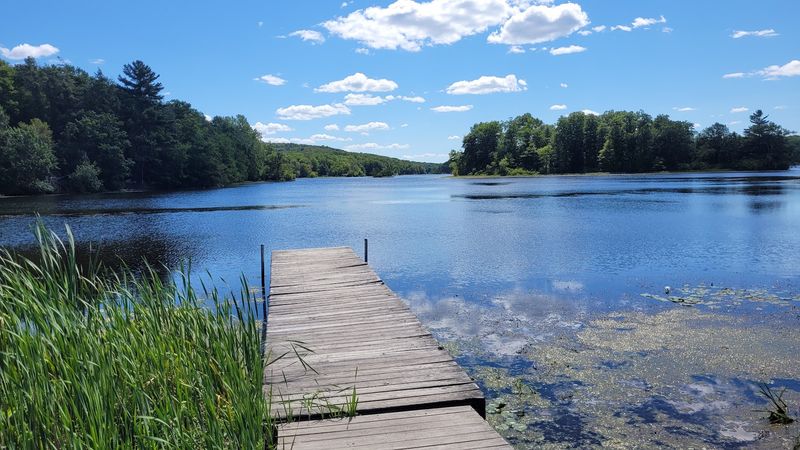
Wawayanda Lake sits inside Wawayanda State Park in Vernon Township, NJ 07422, in the northwestern corner of New Jersey, not far from the New York border.
The park covers thousands of acres of forested land, and the lake itself is the centerpiece of the whole operation. Getting there involves driving through winding roads lined with tall trees, which sets the tone well before you even reach the parking area.
The address is straightforward enough, but the experience of arriving feels like crossing into a different world entirely. Vernon Township is part of Sussex County, a region known for its rural character and green ridgelines.
No tolls, no traffic lights every hundred feet, just open road and tree cover. The park draws people from across New Jersey and neighboring states, and it is easy to understand why once you pull into the lot and get your first look at the water.
Share this story