Europe is a continent where every country tells its story through food. From the sun-soaked coasts of the Mediterranean to the cozy kitchens of Central Europe, each region has developed its own unique flavors, traditions, and techniques over centuries.
Whether you are a seasoned traveler or a curious home cook, exploring European cuisines is one of the most delicious adventures you can take. Get ready to discover 15 incredible food cultures that deserve a spot on every food lover’s bucket list.
1. Italian Cuisine
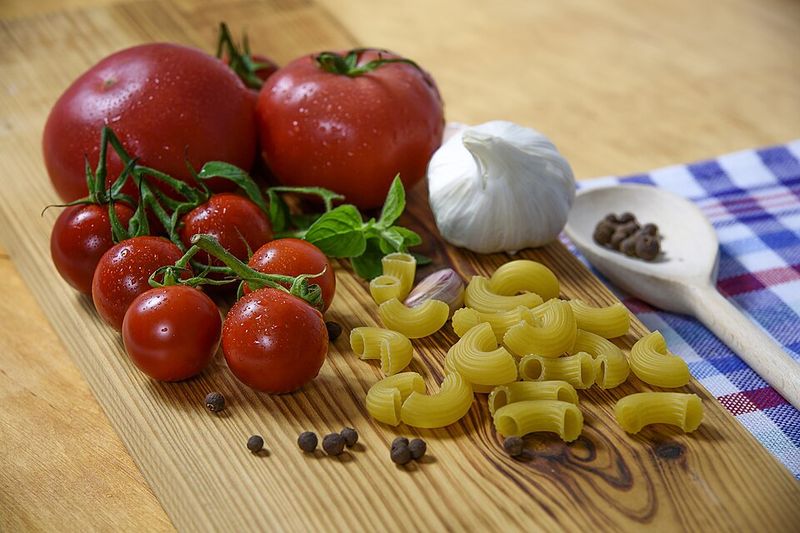
Ask almost anyone to name their favorite food, and there is a good chance Italy comes up first. Italian cuisine has earned its legendary status through centuries of simple, honest cooking that lets quality ingredients shine.
Handmade pasta, slow-cooked ragus, and pillowy gnocchi are just the beginning of what this food culture has to offer.
Wood-fired pizza from Naples, creamy risotto from the north, and fresh seafood dishes from coastal regions all show how diverse Italian cooking truly is. Each region has its own specialties, meaning you could eat Italian food every day for a year and never repeat a dish.
Tiramisu, panna cotta, and cannoli round out a cuisine that satisfies from starter to dessert. Italy proves that great cooking does not need to be complicated.
Fresh ingredients, family recipes, and a whole lot of love are the real secrets behind every memorable Italian meal.
2. French Cuisine
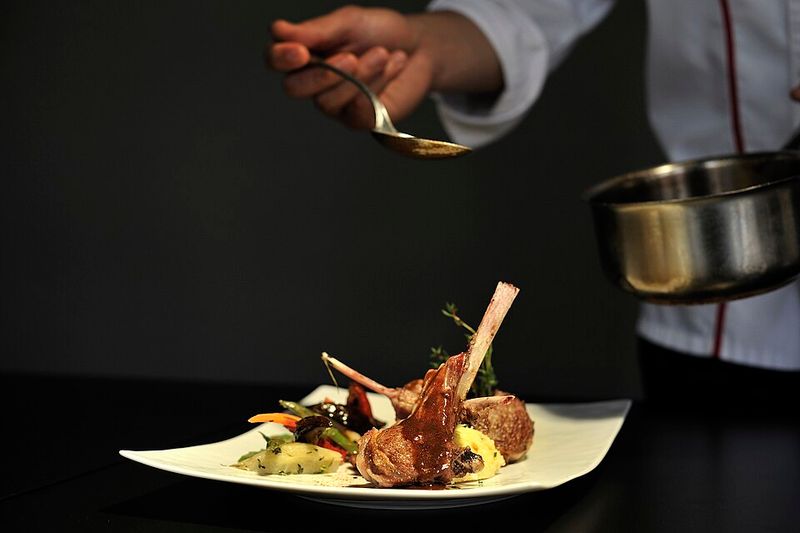
French cuisine is often called the foundation of modern cooking, and for good reason. Culinary schools around the world still teach classic French techniques like braising, sauteing, and making mother sauces.
The discipline and artistry behind every French dish are what set this cuisine apart from all others.
From buttery croissants at a Parisian bakery to the rich depths of boeuf bourguignon simmering on a stovetop, French food is built on layers of flavor and careful preparation. Cheese boards alone could keep a food lover busy for weeks, with hundreds of regional varieties to explore.
French pastries deserve their own spotlight entirely. Eclairs, tarts, macarons, and mille-feuille represent the pinnacle of baking craftsmanship.
UNESCO even recognized French gastronomic culture as an Intangible Cultural Heritage of Humanity in 2010. Eating French food is not just a meal; it is a full sensory experience worth savoring slowly.
3. Spanish Cuisine

Spanish food was practically invented for sharing. The tapas culture, where small plates of food are ordered throughout an evening, turns every meal into a social event.
Pulling up a chair at a lively Spanish bar and ordering round after round of patatas bravas, gambas al ajillo, and croquetas is one of life’s great simple pleasures.
Paella, Spain’s most iconic dish, originated in the Valencia region and was traditionally made with rabbit and vegetables over an open fire. Today it comes in seafood, mixed, and vegetarian versions that are all equally satisfying.
Jamón ibérico, cured from free-range pigs, is considered one of the finest foods in the world.
Spanish cuisine also shines in its desserts and drinks. Churros with thick hot chocolate, crema catalana, and a cold glass of sangria complete the experience.
Bold, generous, and deeply communal, Spanish food mirrors the warm spirit of the people who make it.
4. Greek Cuisine
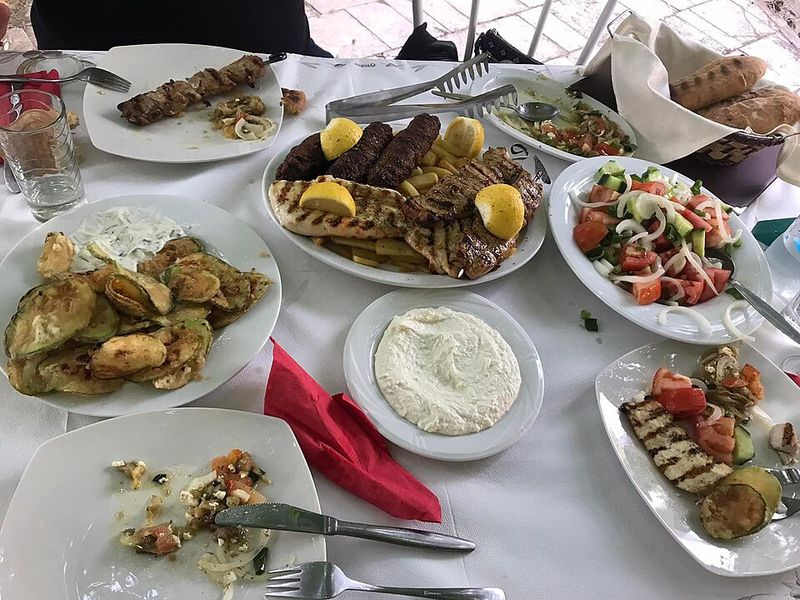
Greek cuisine is one of the oldest food traditions in the world, with roots stretching back thousands of years. Olive oil is the backbone of nearly every dish, used generously in cooking, dressing, and dipping.
The combination of fresh vegetables, legumes, herbs, and grilled meats makes Greek food one of the healthiest cuisines on the planet.
Moussaka, a layered bake of eggplant, spiced meat, and creamy bechamel sauce, is a must-try comfort dish. Souvlaki, tender grilled skewers served with warm pita and cool tzatziki, is the kind of street food that ruins all other street food for you.
A simple Greek salad topped with a thick slab of salty feta is deceptively satisfying.
Spanakopita, dolmades, and fresh grilled fish round out a cuisine that celebrates the Mediterranean way of life. Baklava drizzled with honey makes the perfect sweet finish.
Greek food is fresh, flavorful, and built to be enjoyed outdoors with good company.
5. Turkish Cuisine
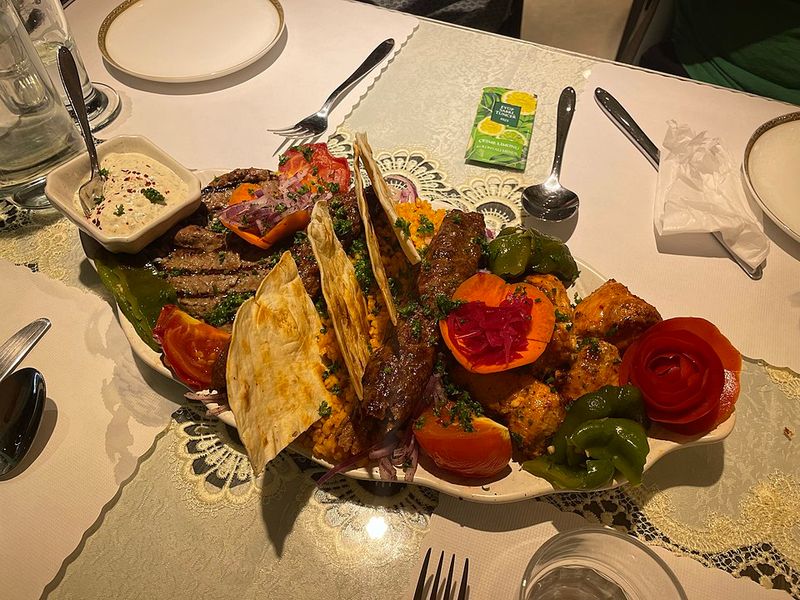
Turkish cuisine sits at the crossroads of Europe and Asia, and that geographic position shaped every bite. Centuries of Ottoman influence created a food culture of extraordinary variety, blending Middle Eastern spices, Central Asian cooking methods, and Mediterranean freshness into something entirely its own.
Few cuisines in the world can match its depth and range.
A traditional Turkish meze spread alone could fill an entire meal, with dozens of small dishes like hummus, stuffed grape leaves, ezme, and cacik appearing before the main event even arrives. Lamb kebabs cooked over charcoal, tender and smoky, are the kind of food that stays with you long after the meal is over.
Turkish breakfasts are legendary, featuring olives, cheeses, tomatoes, cucumbers, eggs, and fresh bread all at once. Baklava layered with pistachios and soaked in syrup is a dessert worth traveling for.
Turkish tea served in tiny tulip glasses ties every meal together with warmth.
6. Bosnian Cuisine
Bosnian cuisine is one of Europe’s best-kept secrets, and food lovers who stumble upon it tend to become instant devotees. Sitting at the meeting point of Ottoman, Mediterranean, and Central European influences, Bosnian food has a richness and character that feels unlike anything else on the continent.
Sarajevo, the capital, is a city where the smell of grilled meat drifts through the old bazaar streets at almost any hour of the day.
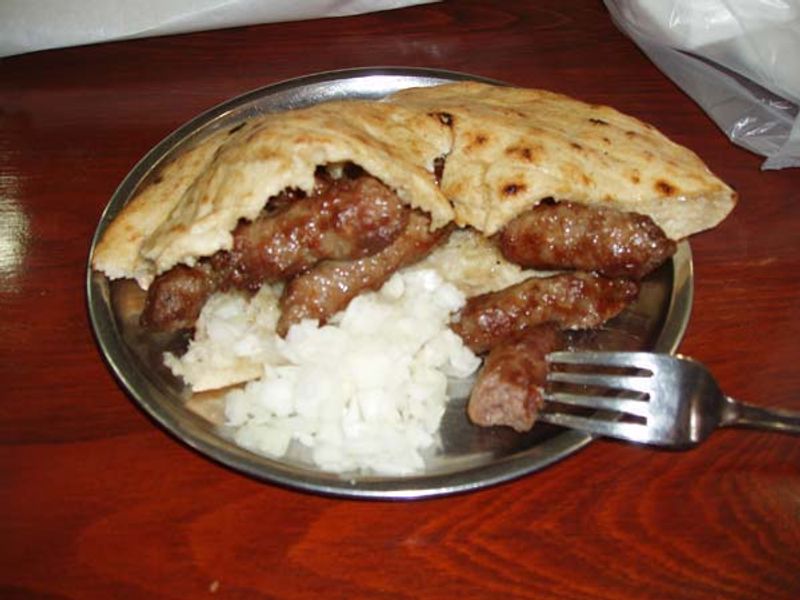
Cevapi are small, hand-rolled grilled sausages made from a mix of beef and lamb, served tucked inside pillowy somun flatbread with raw onions and a generous smear of kajmak cream. They are the national street food of Bosnia and Herzegovina, and one bite explains exactly why.
Burek, a flaky phyllo pastry spiraled and filled with spiced minced meat, is the kind of breakfast that keeps you going all day.
Bosanski lonac, a slow-cooked pot stew layered with meat and vegetables, reflects the Bosnian talent for patient, low-and-slow cooking that develops incredible depth of flavor. Finish with a small cup of strong Bosnian coffee and you have experienced one of Europe’s most genuine and rewarding food cultures.
7. German Cuisine
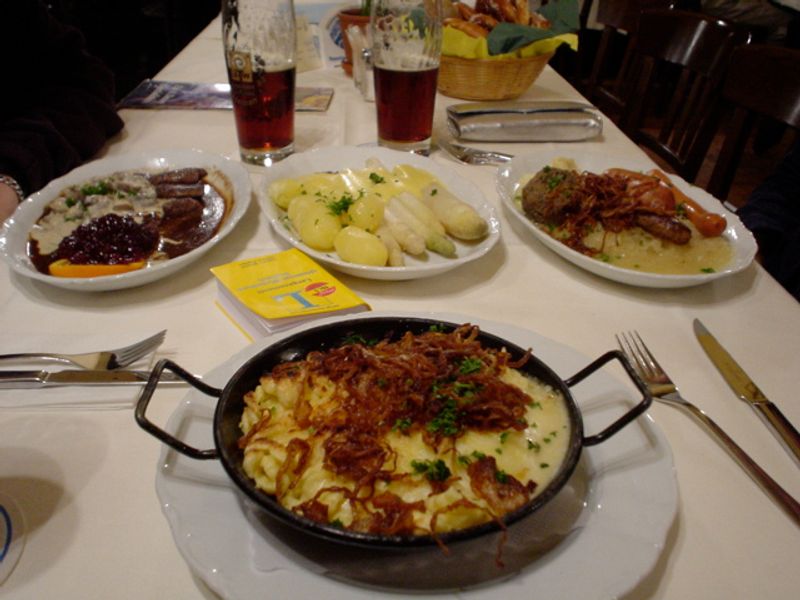
German food has a reputation for being hearty and filling, and it absolutely lives up to that description. Sausages alone are a national institution, with over 1,500 varieties produced across the country.
Whether it is a smoky bratwurst grilled at a street market or a delicate weisswurst served with sweet mustard at a Munich breakfast, Germans take their sausages seriously.
Schnitzel, a thin breaded and fried cutlet, is one of Germany’s most beloved exports. Served with a squeeze of lemon and a side of potato salad, it is simple, crispy, and completely satisfying.
Sauerkraut and pretzels are the kind of sides that make every main dish taste even better.
German cuisine also has a gentler, sweeter side. Black Forest cake layered with cherries and cream, strudel filled with warm apples, and pfeffernusse spice cookies show that German bakers know exactly what they are doing.
Pair everything with a cold German lager and the experience is complete.
8. Portuguese Cuisine
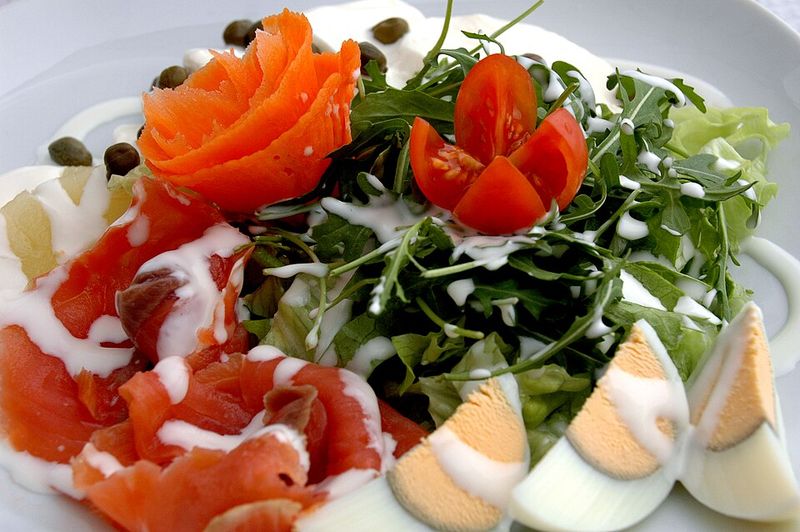
Portugal is one of Europe’s most underrated food destinations, and anyone who has eaten their way through Lisbon or Porto knows this is a serious oversight. Portuguese cuisine is rooted in the sea, shaped by centuries of maritime exploration that brought spices and ingredients from around the globe back to a small Atlantic nation.
The result is food that is humble, soulful, and deeply flavorful.
Bacalhau, or salted dried cod, is the national obsession. Legend has it there are 365 ways to prepare it, one for each day of the year.
Grilled, baked with cream, or mixed into fritters, bacalhau appears on nearly every menu in some form. Caldo verde, a simple potato and kale soup with a slice of chorizo, is the kind of dish that warms you from the inside out.
No visit to Portugal is complete without a pastel de nata, the iconic custard tart dusted with cinnamon. Flaky, creamy, and slightly caramelized on top, these little tarts have become famous worldwide for very good reason.
9. Hungarian Cuisine
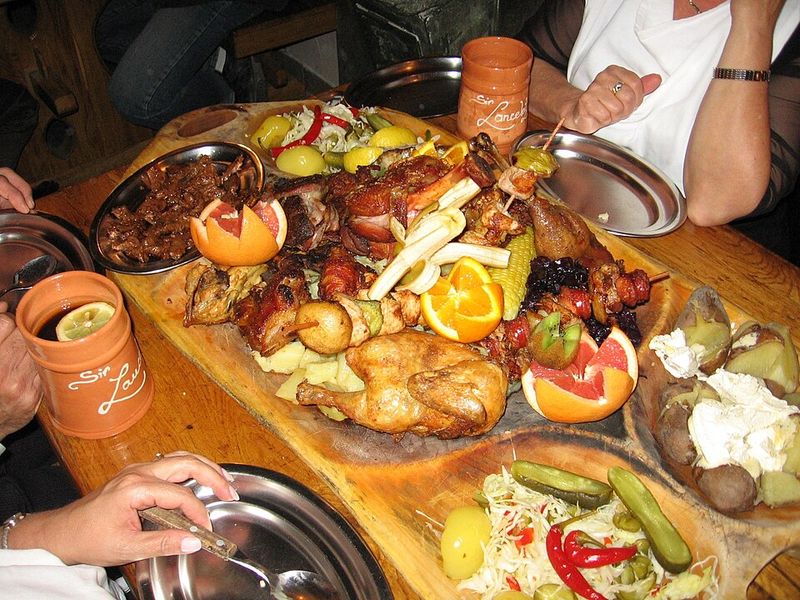
Paprika is to Hungarian cuisine what olive oil is to Italian cooking. This vivid red spice, ground from dried peppers, colors and flavors nearly every traditional dish in Hungary and gives the cuisine its unmistakable warmth.
Goulash, the country’s most famous export, is a slow-cooked beef and vegetable stew that has traveled the world but tastes best in its homeland.
Chicken paprikash served over egg noodles and topped with a generous dollop of sour cream is pure comfort in a bowl. Lángos, a deep-fried flatbread topped with sour cream and grated cheese, is the kind of street food that makes you forget every diet you have ever been on.
Hungarian soups are also worth mentioning, particularly the tangy fisherman’s soup called halaszle.
For dessert, Dobos torte, a layered sponge cake with chocolate buttercream and caramel topping, showcases the elegant side of Hungarian baking. Hungary may not always make the top of food travel lists, but it absolutely should.
10. Polish Cuisine
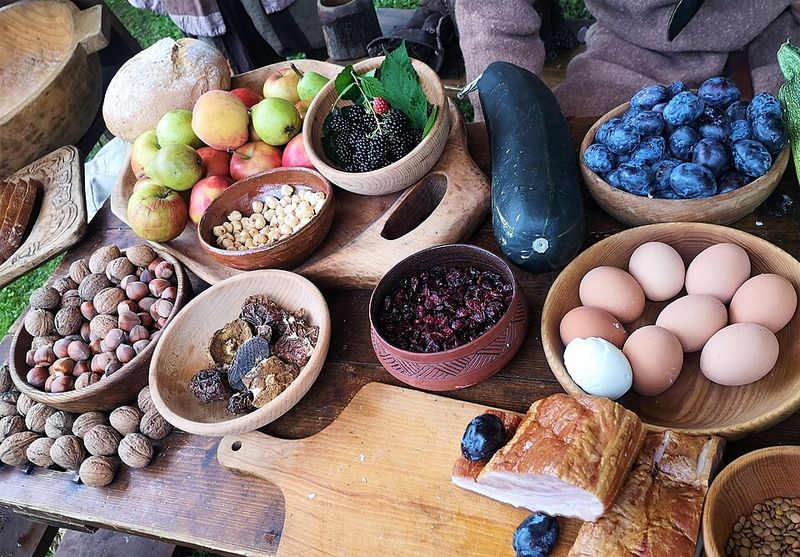
Polish cuisine is the kind of food that feels like a warm hug on a cold winter day. Built on filling, slow-cooked recipes passed down through generations, it reflects the resourceful and community-centered spirit of Polish culture.
If you have never tried a freshly made pierogi, you are genuinely missing one of Europe’s great comfort foods.
Pierogi are soft dough dumplings stuffed with everything from mashed potato and cheese to sauerkraut, meat, or sweet fruit fillings. Boiled and then pan-fried in butter with caramelized onions, they are the kind of dish that disappears from the plate before you even realize how many you have eaten.
Bigos, a slow-simmered hunter’s stew made with sauerkraut and various meats, is another deeply satisfying classic.
Polish soups are outstanding, from tangy zurek made with sour rye to vibrant red borscht. Poppy seed cake and szarlotka apple cake round out a cuisine that is honest, nourishing, and genuinely delicious in every bite.
11. Austrian Cuisine
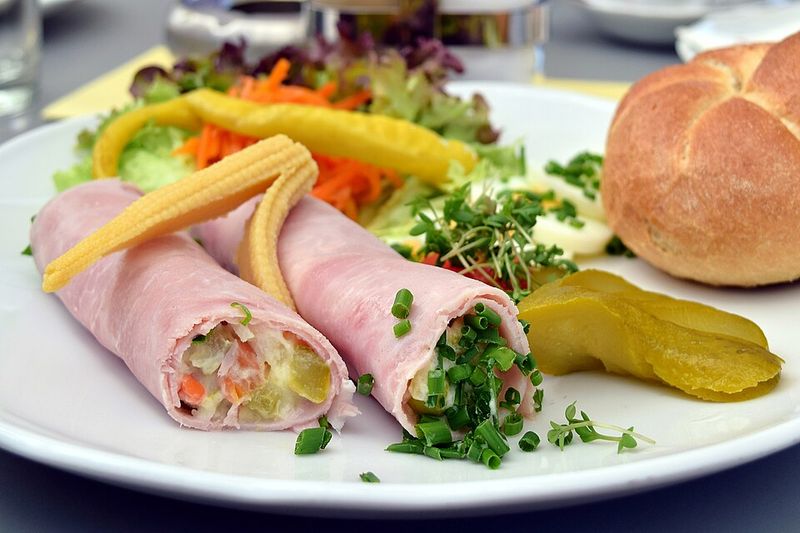
Austria sits at a fascinating culinary crossroads, blending the hearty traditions of Central Europe with the refined elegance of its imperial past. Vienna was once the capital of one of history’s greatest empires, and that legacy shows up beautifully on the plate.
Austrian cuisine manages to be both deeply comforting and impressively sophisticated at the same time.
Wiener Schnitzel is the crown jewel of Austrian cooking, a paper-thin veal cutlet breaded and fried to golden perfection, traditionally served with lingonberry jam and a wedge of lemon. Tafelspitz, tender boiled beef served with creamy horseradish sauce and roasted potatoes, was supposedly Emperor Franz Joseph’s favorite dish and remains a beloved Sunday tradition.
Austrian pastry culture rivals that of France. Sachertorte, a dense chocolate cake with apricot jam and chocolate glaze, was invented in Vienna in 1832 and is still served in the original Hotel Sacher today.
Apfelstrudel, apple-filled flaky pastry dusted with powdered sugar, is another icon worth every calorie.
12. Belgian Cuisine
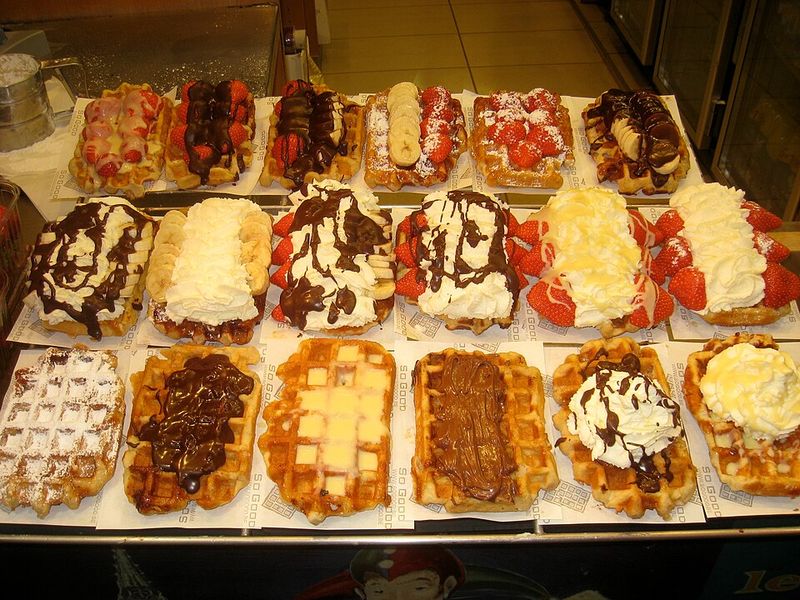
Belgium punches well above its weight in the food world. For such a small country, it has given the world some of its most beloved food exports, and Belgians are genuinely proud of their culinary identity.
One of the biggest food myths to debunk right away is that French fries are actually Belgian in origin, invented in the country’s Wallonia region long before they became an American staple.
Belgian frites are served in paper cones with a generous scoop of thick mayonnaise, and they are crispier, fluffier, and far superior to most versions you will find elsewhere. Waffles come in two distinct styles: the light, crispy Brussels waffle and the denser, caramelized Liege waffle packed with pearl sugar.
Both are extraordinary in their own right.
Belgian chocolate is world-famous for a reason, with praliniers crafting truffles and filled chocolates to an almost artistic standard. Pair any of this with a glass of complex Trappist beer and you have one of Europe’s most underappreciated food cultures fully on display.
13. Dutch Cuisine
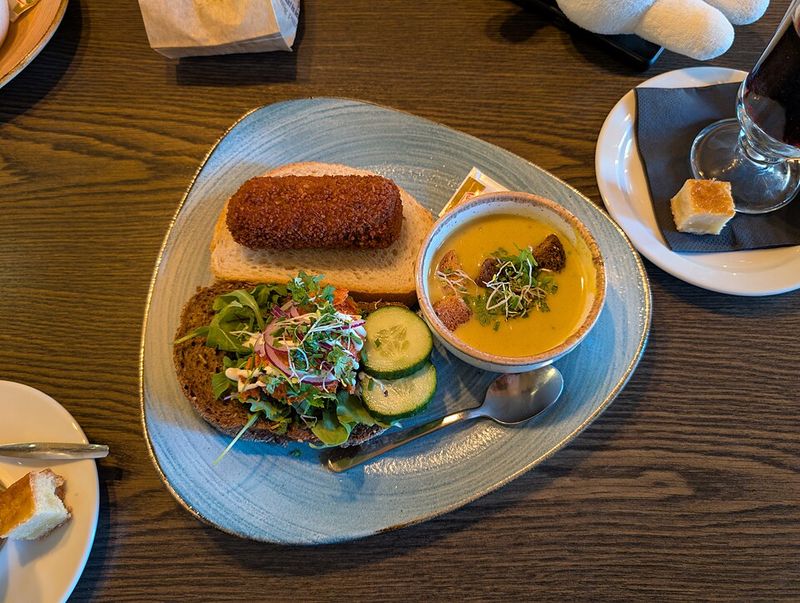
Dutch cuisine does not always get the global attention it deserves, but those who have spent time in the Netherlands know there are some real culinary treasures hiding in plain sight. The Dutch approach to food is refreshingly no-nonsense, prioritizing quality ingredients and satisfying portions over complicated preparation techniques.
Simple, done well, is the Dutch food philosophy in a nutshell.
Aged Gouda is one of the Netherlands’ greatest contributions to global food culture. The older the cheese, the more intense the flavor, developing a firm texture and almost butterscotch-like caramel notes that pair brilliantly with mustard and crusty bread.
Herring served raw with chopped onions and pickles, eaten by tilting your head back and dropping it in, is a Dutch street food ritual that visitors either love or find deeply challenging.
Stroopwafels, thin crispy waffle cookies sandwiched together with caramel syrup, are dangerously addictive. Warm one over a cup of coffee and the caramel softens into something truly special.
Bitterballen, crispy fried snacks filled with creamy beef ragout, are the perfect bar snack to round out any Dutch food experience.
14. Scandinavian Cuisine
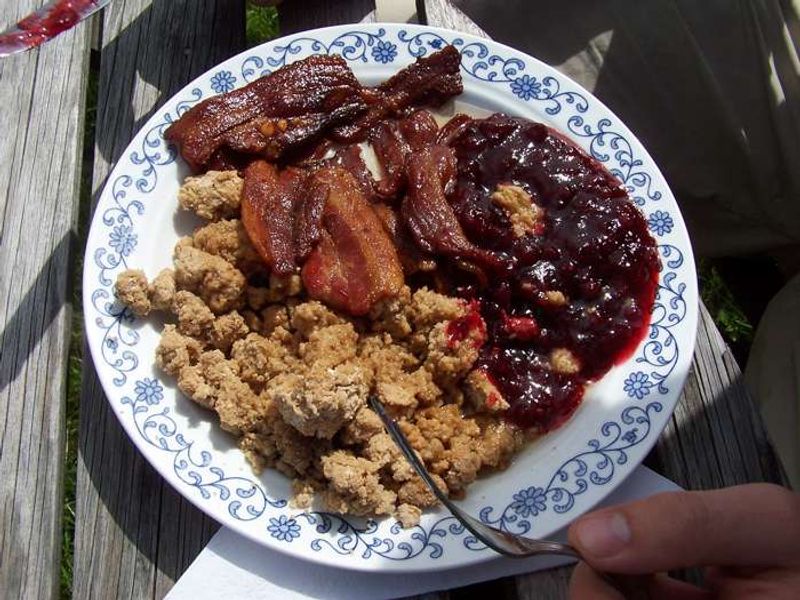
Scandinavian cuisine had a quiet moment that turned into a global revolution. When Copenhagen’s Noma restaurant redefined what Nordic food could be in the early 2000s, the world suddenly started paying attention to a cuisine that had been quietly evolving for centuries.
Rooted in seasonality, preservation, and respect for natural ingredients, Scandinavian cooking is as thoughtful as it is delicious.
Smørrebrød, the open-faced Danish sandwich loaded with toppings like pickled herring, smoked salmon, roast beef, or egg salad on dense rye bread, is an art form in itself. Swedish meatballs served with creamy gravy and bright lingonberry sauce have achieved global fame, and rightfully so.
Gravlax, salmon cured with salt, sugar, and dill, is a masterclass in how simple preparation can produce extraordinary results.
Scandinavian baking is another highlight, from Norwegian cardamom buns to Swedish cinnamon rolls that smell like a dream. The Nordic philosophy of using every ingredient at its seasonal peak results in food that is clean, honest, and quietly impressive in every way.
15. Czech Cuisine 🇨🇿
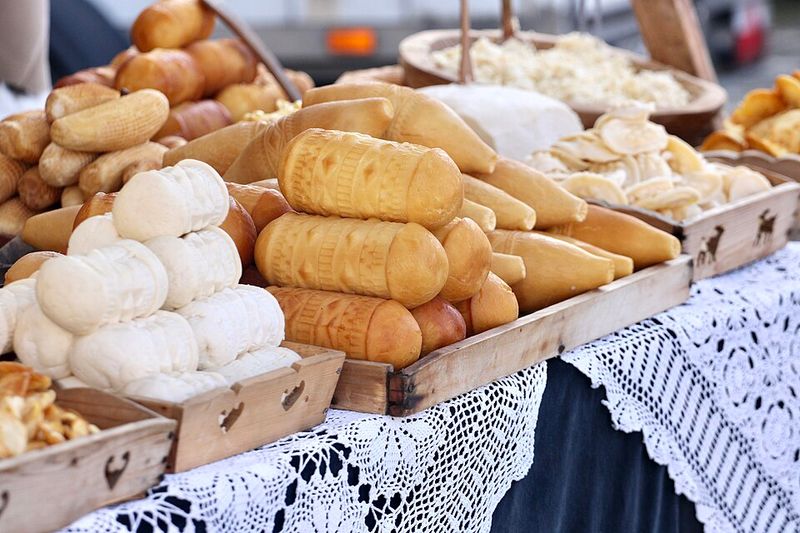
Czech cuisine is hearty, satisfying, and built for the kind of appetite that comes from a long day of exploring cobblestone streets. Prague is one of Europe’s most visited cities, yet its food culture often gets overshadowed by the architecture and nightlife.
That is a mistake worth correcting, because Czech cooking delivers bold flavors and generous portions that will win over any hungry traveler.
Svickova is the dish every first-time visitor should order. Slow-braised beef tenderloin served in a creamy root vegetable sauce, topped with a dollop of whipped cream and cranberry jam, and accompanied by soft bread dumplings, it sounds unusual but tastes absolutely magnificent.
The dumplings, called knedliky, are used throughout Czech cooking to soak up rich sauces and gravies.
Roasted pork knee served with sauerkraut and mustard is a pub classic that pairs perfectly with a glass of Czech Pilsner, the style of lager that the rest of the world has been trying to imitate for over 180 years. Czech beer culture and food culture are inseparable and equally worth celebrating.
Share this story