Whether you ride for fitness, adventure, or just the joy of fresh air, the United States has some truly incredible bike trails waiting to be explored. From coastal paths with ocean views to forested rail trails cutting through mountain valleys, every state offers something special for cyclists of all skill levels.
These 50 trails represent the very best each state has to offer, handpicked for their scenery, accessibility, and overall riding experience. Grab your helmet, pump up your tires, and get ready to discover your next favorite ride.
1. Alabama – Chief Ladiga Trail
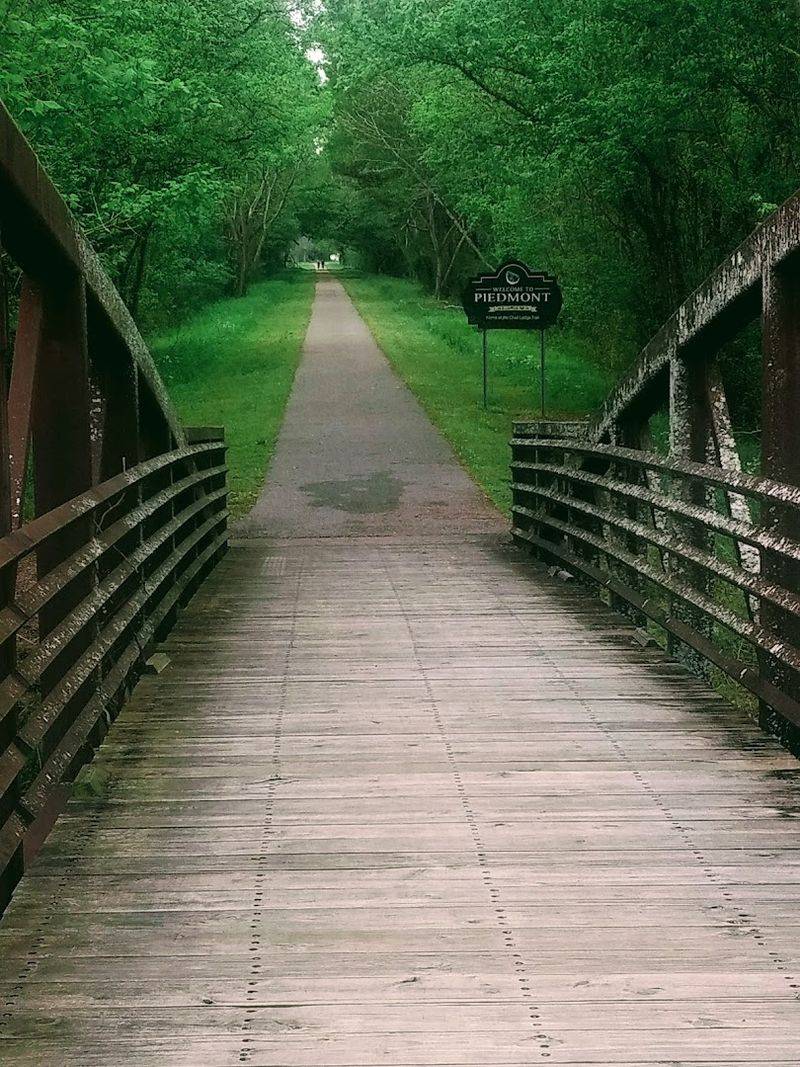
Stretching 33 miles through the rolling foothills of the Appalachian Mountains, the Chief Ladiga Trail connects Anniston to the Georgia state line in eastern Alabama. Cyclists love this trail for its smooth, well-maintained pavement and peaceful woodland scenery that changes beautifully with each season.
The trail passes through small towns like Piedmont and Jacksonville, where riders can stop for food and water. Elevation changes are gentle enough for beginners but still engaging for experienced cyclists looking for a relaxed long-distance ride.
Named after a Creek Nation chief, the trail carries real historical significance. When connected to Georgia’s Silver Comet Trail, riders can complete a jaw-dropping 95-mile journey across two states.
2. Alaska – Tony Knowles Coastal Trail
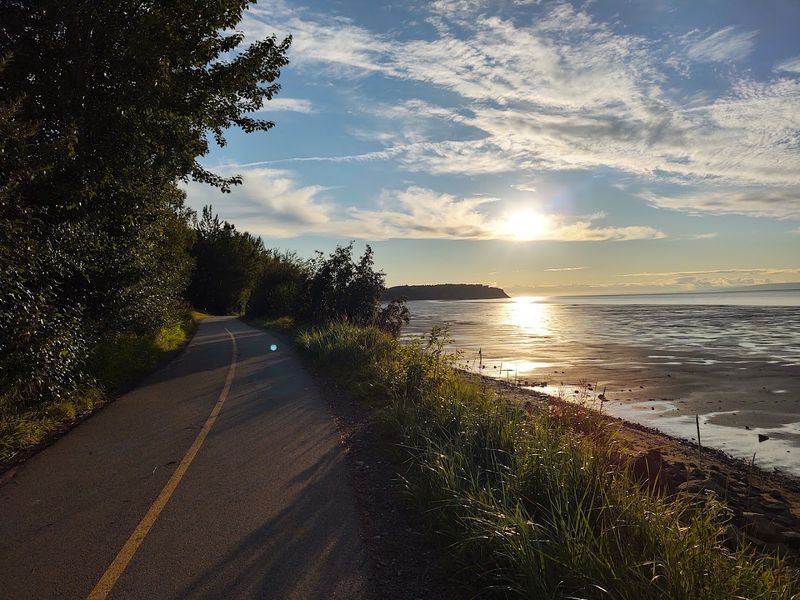
Few bike trails in America offer the kind of scenery that greets riders on the Tony Knowles Coastal Trail in Anchorage. This 11-mile paved path hugs the shoreline of Cook Inlet, delivering stunning views of the Alaska Range, Denali on clear days, and the shimmering waters below.
Wildlife sightings are common here. Moose, eagles, and beluga whales have all been spotted along the route, making every ride feel like a nature documentary come to life.
The trail connects Kincaid Park to downtown Anchorage, passing through Earthquake Park and several beach access points. It is well-maintained year-round, and many locals use fat-tire bikes to ride it during snowy winter months.
3. Arizona – Arizona Canal Trail

Running through the heart of the Phoenix metropolitan area, the Arizona Canal Trail offers an urban cycling experience that is both practical and surprisingly scenic. The trail follows the historic Arizona Canal for miles, shaded in spots by mature trees and framed by desert-adapted landscaping.
Cyclists, joggers, and families fill this path on weekends, making it one of the most actively used trails in the Southwest. The flat terrain makes it extremely beginner-friendly, and the smooth pavement is ideal for road bikes and casual cruisers alike.
Connections to other valley trails mean riders can string together long routes across the entire Phoenix area. Early morning rides are especially popular here, when temperatures are cooler and the desert light turns everything golden.
4. Arkansas – Arkansas River Trail
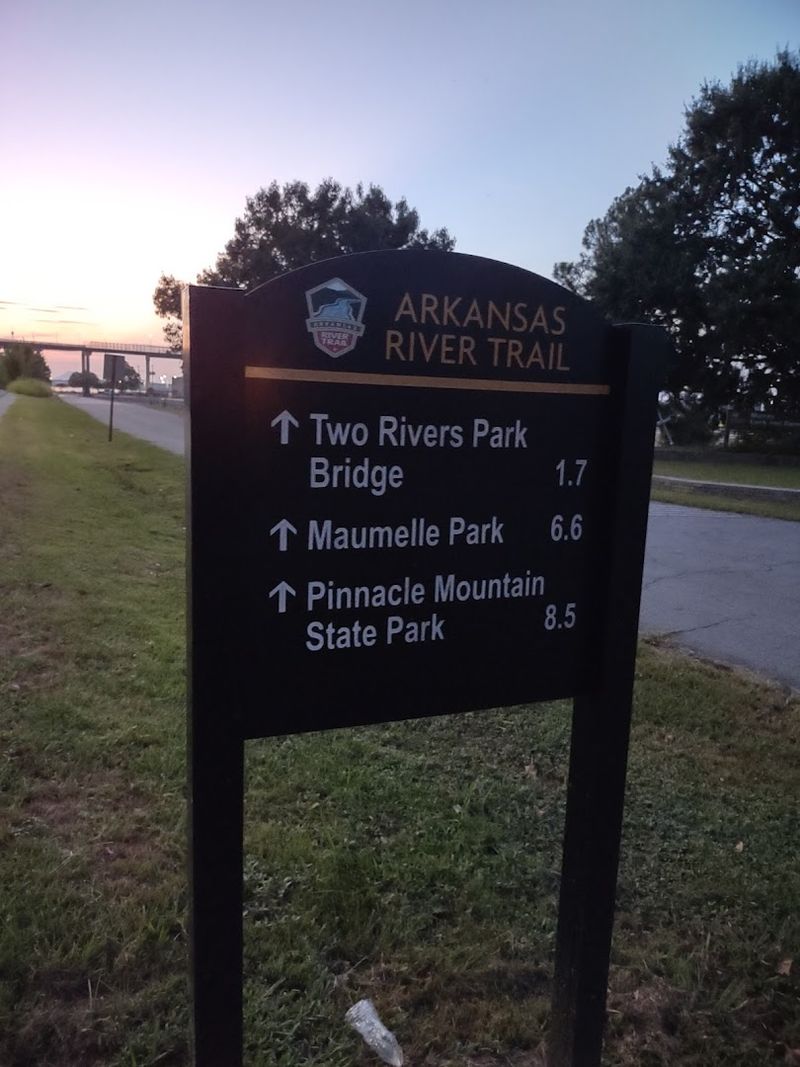
Wrapping around the Arkansas River through Little Rock and North Little Rock, the Arkansas River Trail forms a scenic 15-mile loop that showcases the best of the state capital. The trail crosses the river via two pedestrian bridges, giving riders dramatic views of the water and the surrounding cityscape.
Riverfront parks, public art installations, and outdoor amphitheaters line the route, making it as culturally rich as it is physically rewarding. The mostly flat terrain is welcoming for all fitness levels, from casual weekend riders to fitness-focused commuters.
Sunset rides here are absolutely worth planning around. The golden light reflecting off the river while the Little Rock skyline glows in the distance creates a memory that is hard to forget.
5. California – American River Bike Trail
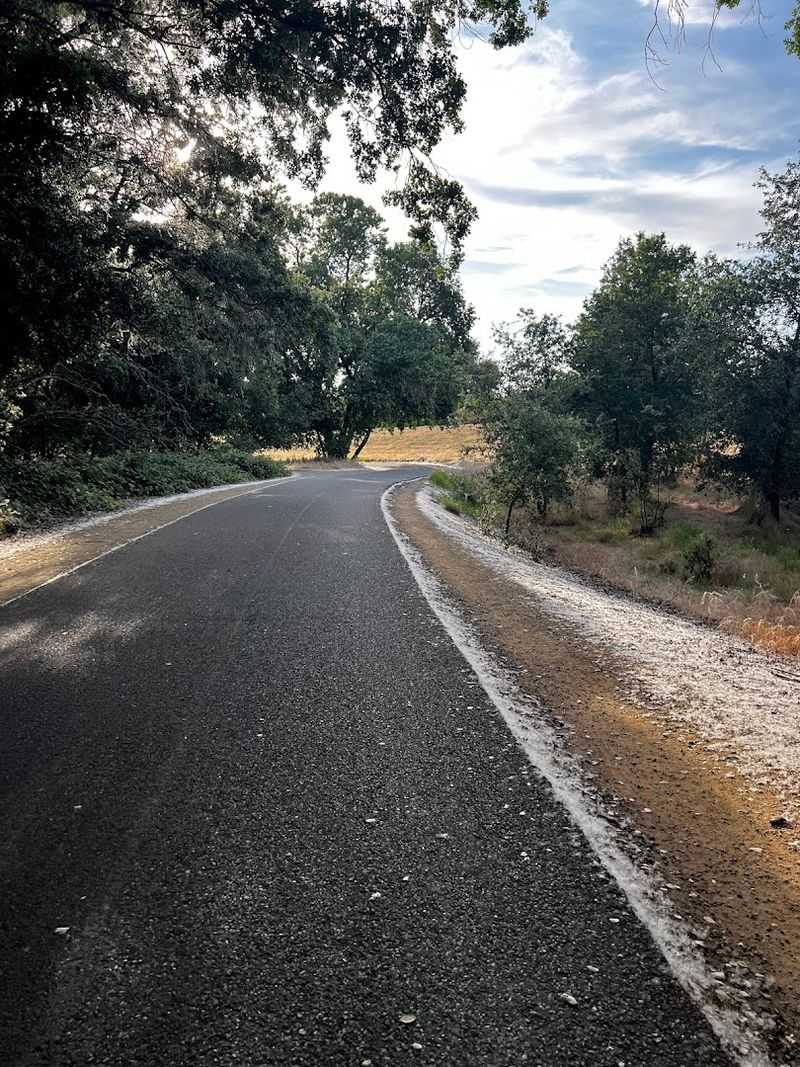
Locals call it the Jedediah Smith Memorial Trail, but most people simply know it as the American River Bike Trail. This iconic 32-mile path follows the American River from Old Sacramento all the way to Folsom, passing through some of Northern California’s most beautiful riparian landscapes.
Towering oaks, cottonwoods, and willows shade much of the route, keeping temperatures manageable even in the heat of summer. Deer, herons, otters, and osprey are regularly spotted along the riverbanks, giving the trail a genuine wilderness feel despite being close to a major city.
The trail is well-marked and mostly flat, making it accessible for all riding levels. Folsom Lake at the eastern end is a perfect turnaround spot with swimming and picnic areas.
6. Colorado – Colorado Trail
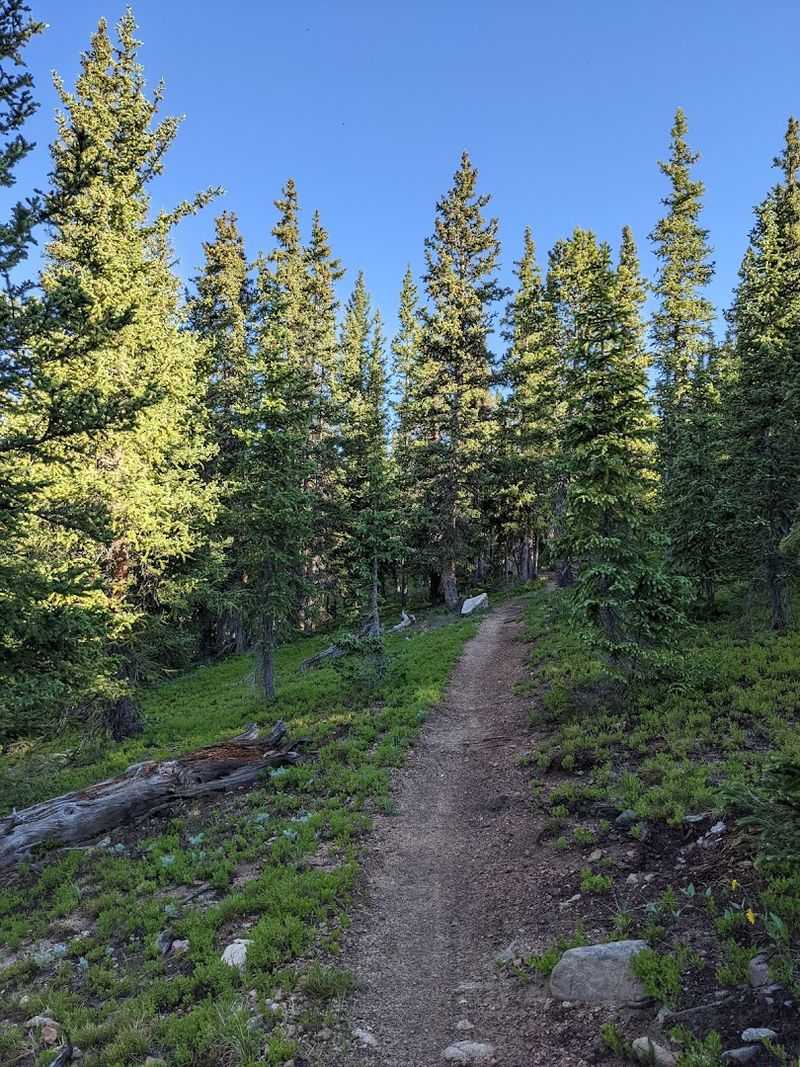
At nearly 500 miles long, the Colorado Trail is a bucket-list ride for serious mountain bikers across the country. Stretching from Denver to Durango, it climbs through eight mountain ranges, six wilderness areas, and some of the most breathtaking high-altitude terrain on the planet.
Most cyclists tackle it in sections rather than all at once, spending days or weeks camping along the route. The trail regularly exceeds 12,000 feet in elevation, so proper physical preparation and altitude awareness are essential before setting out.
Every turn reveals something extraordinary, from wildflower-covered meadows to jagged granite ridgelines and crystal-clear alpine lakes. This is not a casual trail, but for those ready for the challenge, it delivers an experience that redefines what cycling can be.
7. Connecticut – Farmington Canal Heritage Trail
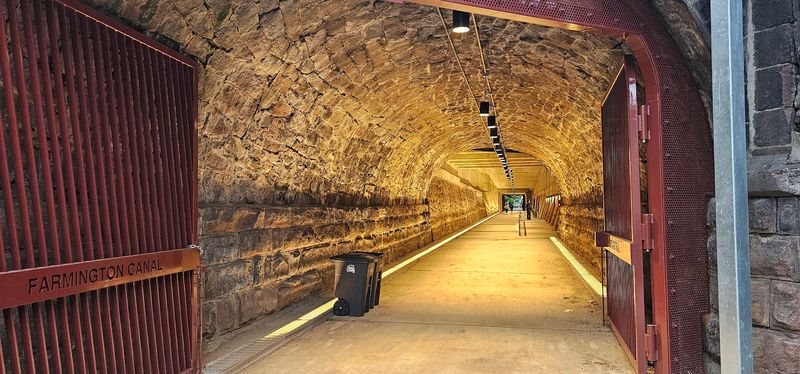
Built on the bed of a 19th-century canal, the Farmington Canal Heritage Trail carries a rich sense of history beneath every tire rotation. The trail runs about 84 miles through central Connecticut and into Massachusetts, passing through charming New England towns and protected natural areas.
The surface is smooth and mostly flat, which makes it one of the most accessible long-distance trails in New England. Fall is the absolute best time to ride, when the surrounding maple and oak trees explode in brilliant shades of red, orange, and gold.
Towns like Cheshire and Hamden have made the trail a centerpiece of their communities, with restaurants, bike shops, and parks clustered conveniently along the route for easy pit stops.
8. Delaware – Junction and Breakwater Trail
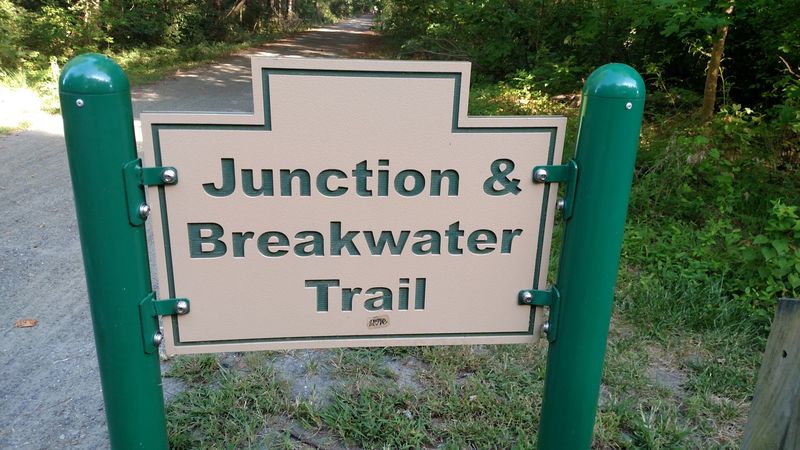
Connecting the beach towns of Rehoboth Beach and Lewes, the Junction and Breakwater Trail is Delaware’s most beloved cycling route. This 5.7-mile trail winds through a mix of coastal wetlands, scrubby pine forests, and open fields that feel surprisingly wild for a trail so close to the shore.
The surface is compacted stone dust, which works well for hybrid and mountain bikes but may challenge those on skinny road tires. The flat terrain makes it easy for families and beginners, and the proximity to the beach makes it a perfect pre- or post-swim adventure.
Migratory birds flock to the wetlands along the route, making it a favorite among birdwatchers who also happen to love cycling. The trail is especially lovely during the golden hours of early morning.
9. Florida – Pinellas Trail
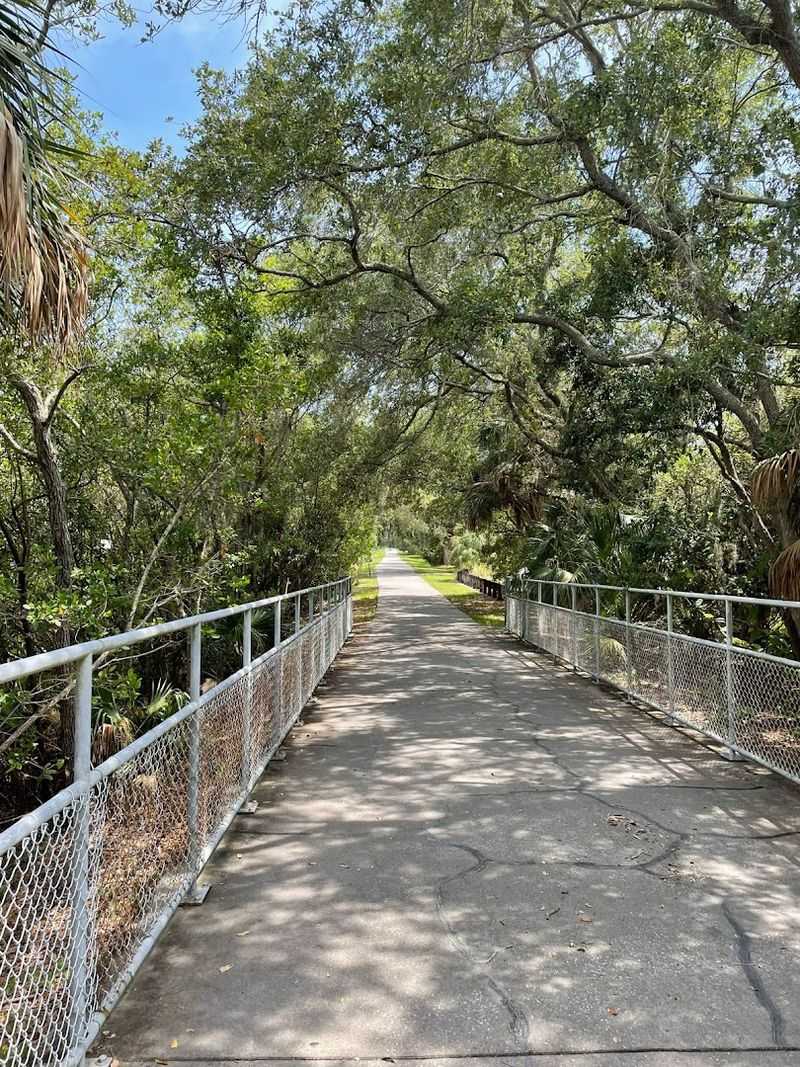
Running 38 miles through Pinellas County from St. Petersburg to Tarpon Springs, the Pinellas Trail is one of the longest urban trails in the southeastern United States. Built on a former railroad corridor, it passes through neighborhoods, commercial areas, parks, and stretches of natural Florida landscape.
The flat terrain and year-round warm weather make it a cycling paradise, drawing both locals on daily commutes and tourists looking to explore the area on two wheels. Sections near the water offer views of Tampa Bay and the Gulf Coast that are hard to beat.
Cyclists can easily spend a full day on the trail, stopping at local restaurants, coffee shops, and waterfront parks along the way. The trail is well-lit and heavily used, making it feel safe at all hours.
10. Georgia – Silver Comet Trail
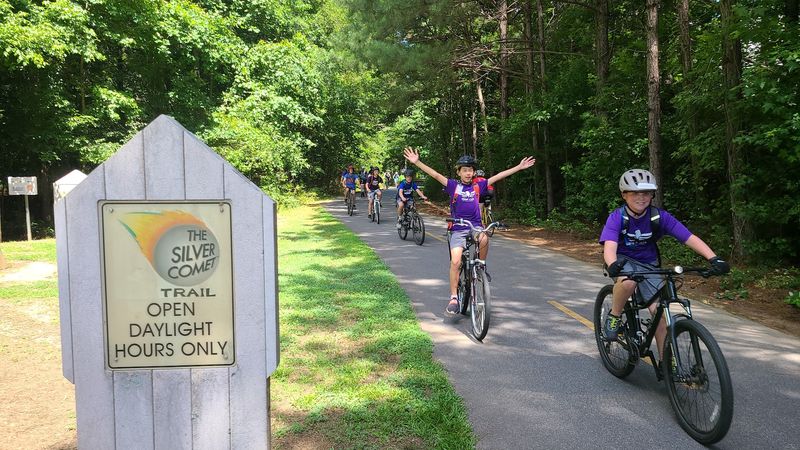
Starting just west of Atlanta, the Silver Comet Trail covers 61 miles of smooth, car-free pavement through some of Georgia’s most peaceful rural landscapes. Named after a famous passenger train that once ran this route, the trail follows the old railroad bed through Cobb, Paulding, and Polk counties.
Tunnels, old trestles, and historic depots along the way remind riders of the trail’s railroad origins. The terrain is gently rolling with no major climbs, making it suitable for riders of nearly every experience level.
At the Alabama state line, the trail connects seamlessly to the Chief Ladiga Trail, creating a combined route of nearly 95 miles across two states. This cross-state connection is one of the coolest features of both trails combined.
11. Hawaii – Ke Ala Hele Makalae Coastal Path
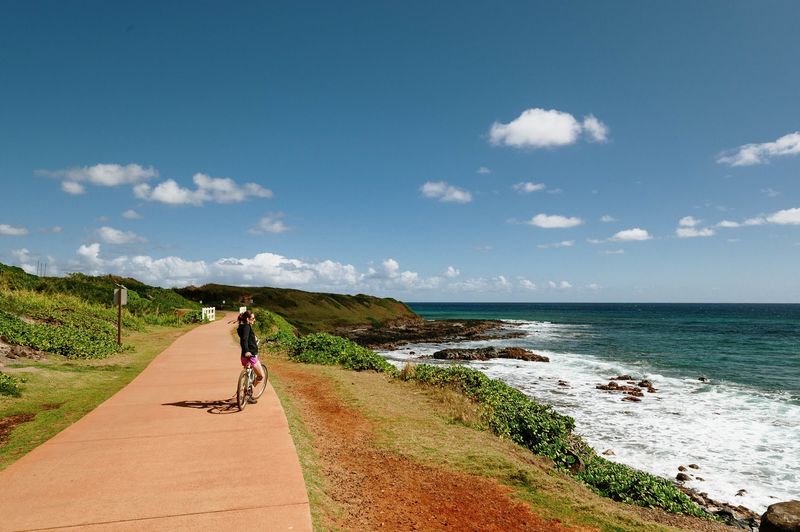
Translating roughly to “the path that goes by the coast,” Ke Ala Hele Makalae lives up to its name in the most spectacular fashion. This 8-mile paved trail runs along the eastern shore of Kauai, weaving between the ocean and the island’s interior through some of the most visually stunning scenery in the United States.
Sea turtles, monk seals, and tropical fish are visible from the path, and the sound of waves crashing against lava rock accompanies riders throughout the journey. Sunrise rides here are genuinely life-changing.
The trail passes through several beach parks and connects small communities on Kauai’s east side. It is flat, well-maintained, and open to cyclists, walkers, and inline skaters looking to soak in paradise.
12. Idaho – Route of the Hiawatha
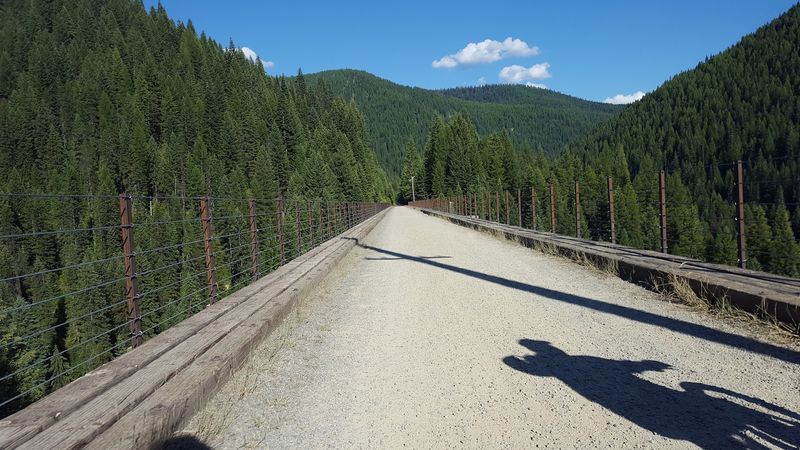
Carved through the rugged Bitterroot Mountains along an old Milwaukee Road railroad bed, the Route of the Hiawatha is one of the most thrilling and unique cycling experiences in the entire country. The trail features 10 tunnels and seven sky-high trestles, with the longest tunnel stretching nearly 1.7 miles through solid mountain rock.
Riders need a headlamp for the tunnels, where temperatures drop significantly and the darkness creates an almost otherworldly atmosphere. The 15-mile downhill route loses about 1,000 feet in elevation, making it manageable even for younger or less experienced cyclists.
Set near the Idaho-Montana border, the surrounding scenery is breathtaking, with old-growth forests, mountain streams, and wildflower meadows stretching in every direction. Shuttle services make the return trip easy.
13. Illinois – Illinois Prairie Path
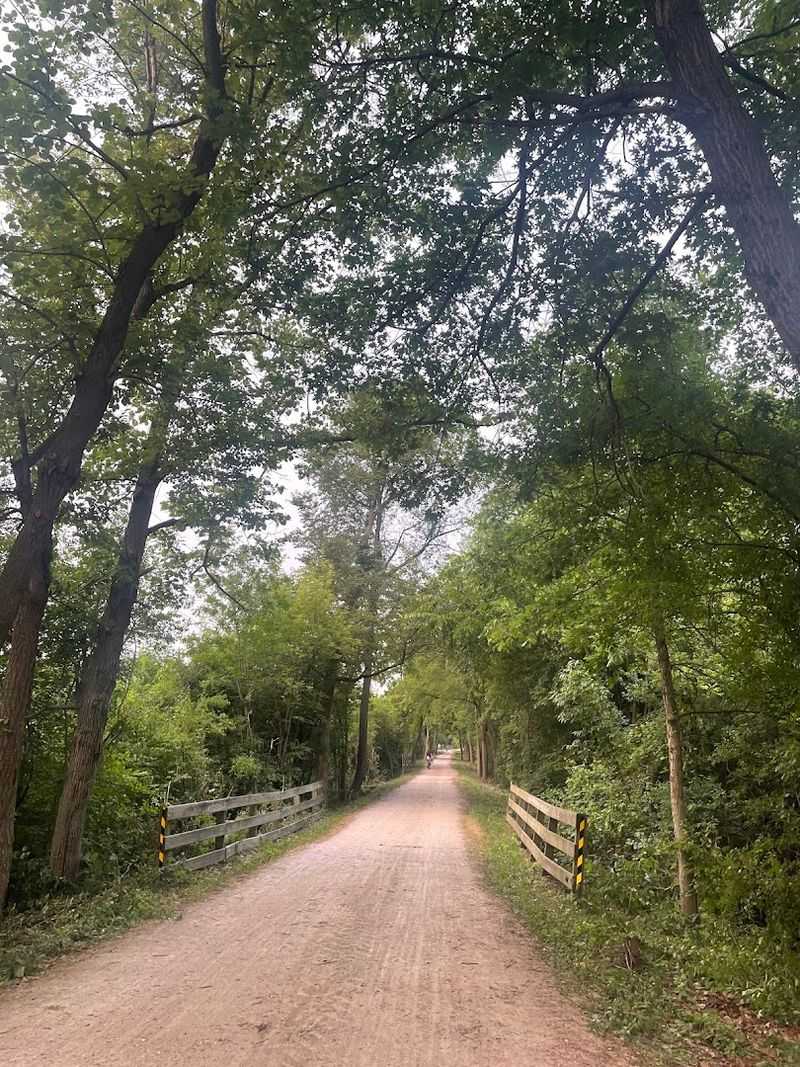
Considered one of the first rail-trails ever created in the United States, the Illinois Prairie Path holds a special place in the history of American cycling infrastructure. Established in the 1960s from an abandoned electric railway corridor, it now stretches across more than 60 miles through DuPage and Kane counties west of Chicago.
The trail passes through forest preserves, prairies, wetlands, and quiet suburban neighborhoods, offering a surprisingly diverse range of landscapes for a mostly flat ride. Spring wildflowers and fall foliage are particular highlights along the route.
Multiple branches and connections mean riders can customize their route and explore different sections on different days. The crushed limestone surface works well for hybrid bikes and is comfortable for most casual riders.
14. Indiana – Monon Trail
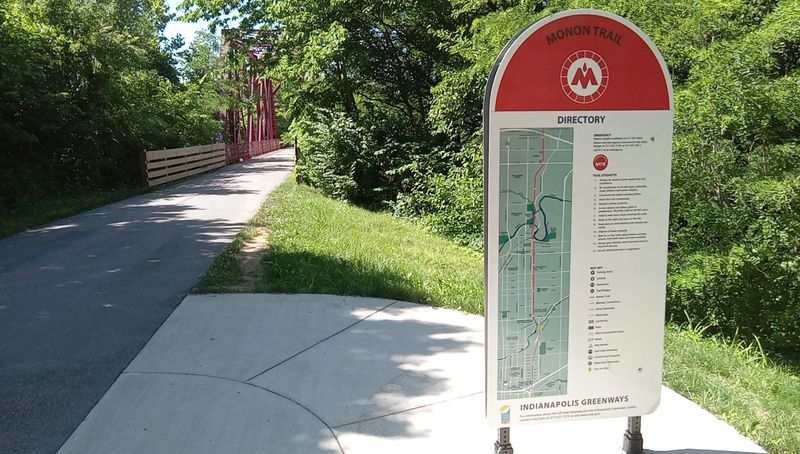
Running 27 miles from downtown Indianapolis to Sheridan, the Monon Trail is Indiana’s most popular and heavily used cycling corridor. Built on a former railroad right-of-way, it cuts through some of Indianapolis’s most exciting neighborhoods, including Broad Ripple, Carmel, and Westfield.
The trail is lined with restaurants, breweries, coffee shops, and boutiques, making it as much a social experience as a physical one. On warm weekends, the Monon buzzes with energy from cyclists, runners, dog walkers, and families pushing strollers.
The paved surface is smooth and well-maintained throughout, and the flat terrain makes it accessible for riders of all ages. Recent extensions have pushed the trail further north, and plans for additional connections continue to expand its reach across the region.
15. Iowa – High Trestle Trail
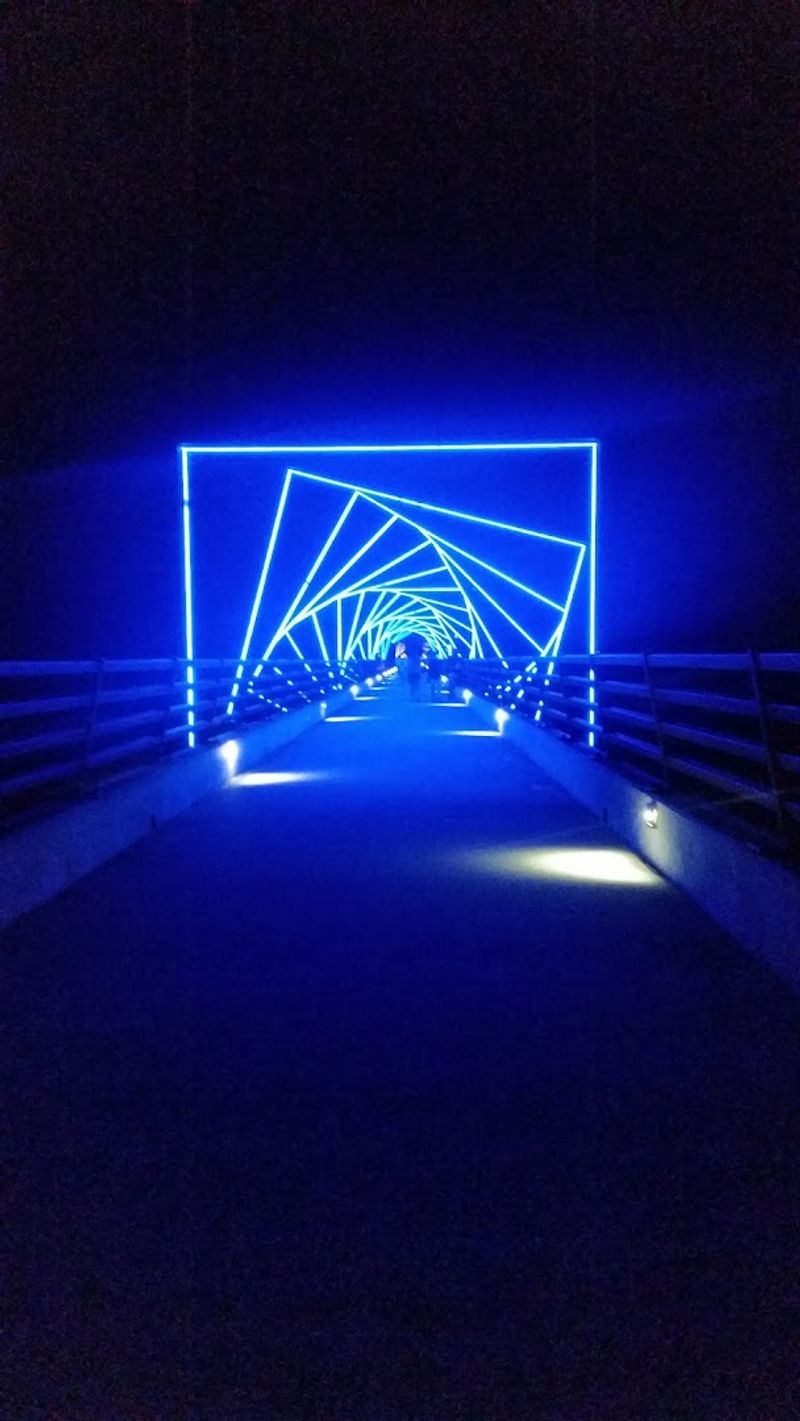
No bridge in American trail cycling is more iconic than the High Trestle Bridge on Iowa’s High Trestle Trail. This 13-story, quarter-mile-long structure spans the Des Moines River valley and is decorated with steel frames that create a mesmerizing tunnel effect as you ride across it.
The bridge is lit with blue LED lights at night, drawing cyclists from across the country who want to experience the crossing after dark. It is genuinely one of the most visually stunning moments available on any bike trail in the nation.
The surrounding 25-mile trail winds through Iowa farmland and small towns with a peaceful, rolling character. The towns of Woodward and Madrid serve as popular starting points, each with parking areas and local amenities nearby.
16. Kansas – Prairie Spirit Trail
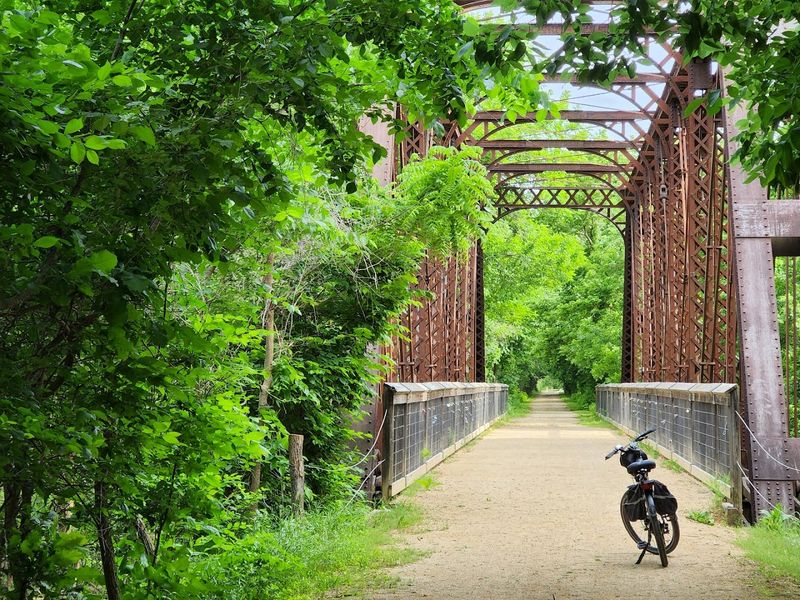
Kansas may not be the first state that comes to mind for cycling adventures, but the Prairie Spirit Trail changes that perception quickly. This 51-mile trail runs from Ottawa to Iola through the heart of the Flint Hills region, cutting through open prairie, farmland, and small rural communities.
The wide-open sky above the Kansas prairie creates an almost meditative riding experience, with unobstructed views stretching for miles in every direction. Sunsets here are legendary among cyclists who have made the trip.
The crushed limestone surface is well-maintained and suitable for hybrid and mountain bikes. Small towns along the route, including Garnett and Welda, offer rest stops, water, and a chance to experience genuine small-town Kansas hospitality along the way.
17. Kentucky – Legacy Trail
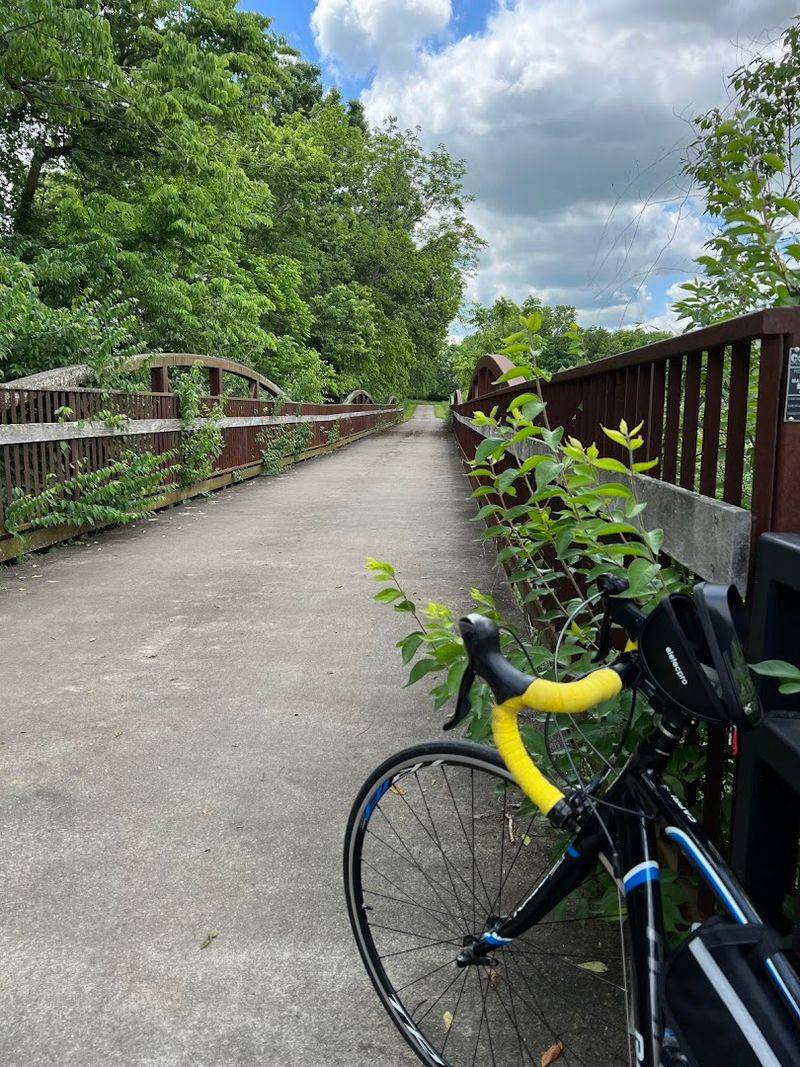
Few cycling experiences capture the spirit of Kentucky quite like riding the Legacy Trail through the heart of Bluegrass Country. This 14-mile paved trail connects downtown Lexington to the Kentucky Horse Park, passing through landscapes that look like they were painted by hand, with rolling green pastures and elegant horse farms on both sides.
The trail was built in honor of the 2010 World Equestrian Games and has since become one of the most beloved recreational paths in the state. Signage along the route tells the story of the region’s deep equestrian heritage.
The smooth surface and manageable terrain make it ideal for families and casual riders. An extension to the north has recently added more miles and connected the trail to additional park spaces around Lexington.
18. Louisiana – Tammany Trace
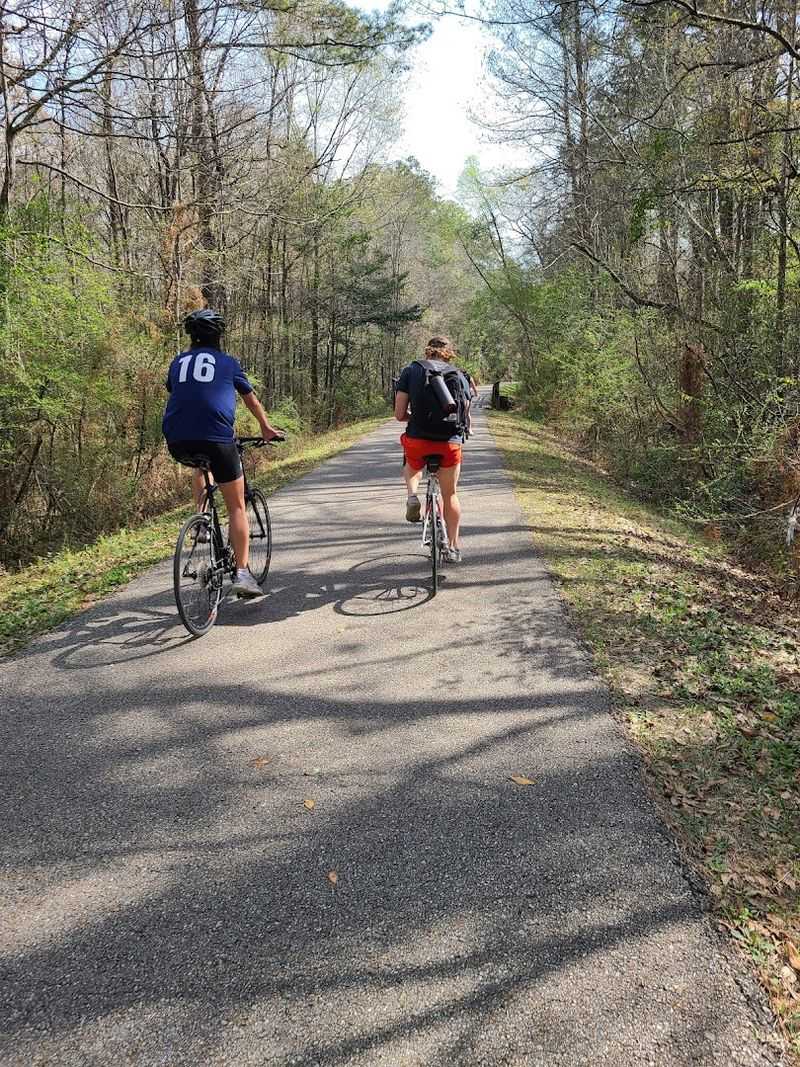
Stretching 31 miles across St. Tammany Parish on Louisiana’s north shore, the Tammany Trace is a gem of Southern cycling culture. Built on a former Louisville and Nashville Railroad corridor, the trail connects Covington, Mandeville, Abita Springs, and Slidell through a landscape of live oaks, cypress swamps, and open meadows.
The canopy of moss-draped oaks covering long sections of the trail creates a cool, cathedral-like atmosphere that feels uniquely Louisiana. Abita Springs is a popular midpoint stop, known for its artisan brewery and charming downtown area.
The terrain is mostly flat and the pavement is smooth, making it a comfortable ride for all experience levels. The trail connects to the Lake Pontchartrain Causeway area near Mandeville, offering stunning views of the lake on clear days.
19. Maine – Eastern Trail
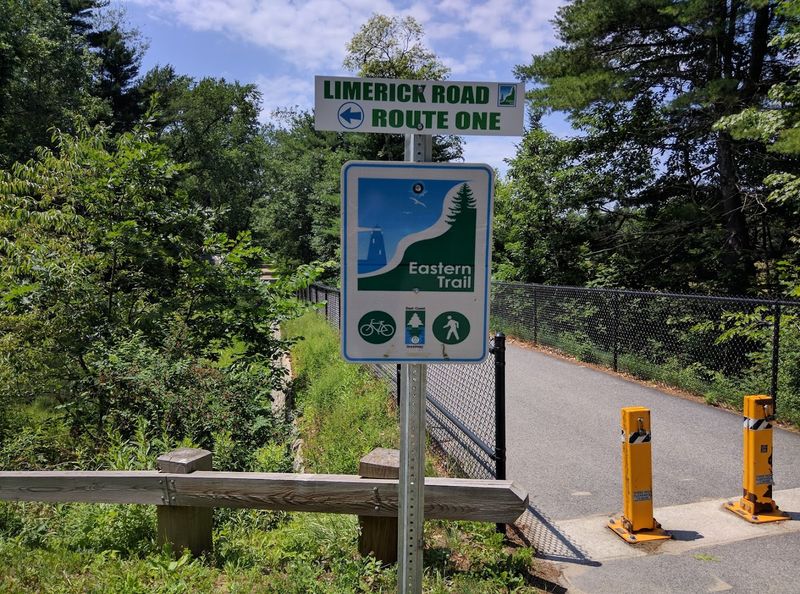
Working its way through the coastal communities of Southern Maine, the Eastern Trail is an ambitious multi-use path that will eventually stretch from South Portland all the way to the New Hampshire border. Currently, about 65 miles of the trail are open, weaving through forests, farmland, and charming seaside towns.
The trail passes near iconic Maine destinations including Old Orchard Beach, Kennebunkport, and the Biddeford Pool area, offering riders a taste of the Maine coast without fighting beach traffic. The mix of paved and unpaved sections means a hybrid or gravel bike is the ideal choice.
Volunteers and local trail organizations have poured enormous energy into building and maintaining this route. Their dedication shows in the quality of the trail surface and the thoughtful connections to local communities.
20. Maryland – Capital Crescent Trail
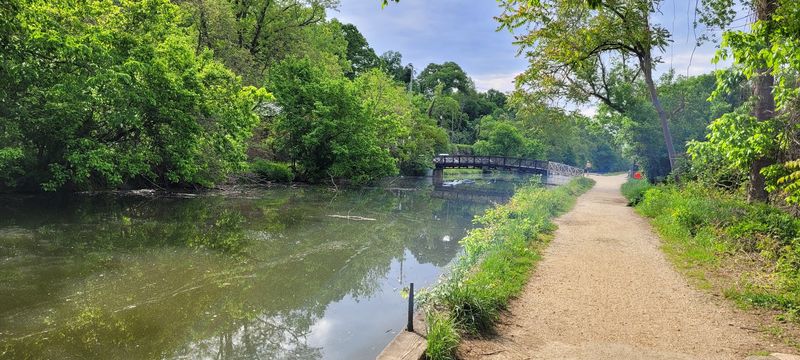
Connecting Georgetown in Washington, D.C., to Silver Spring, Maryland, the Capital Crescent Trail is one of the most scenic and heavily traveled rail-trails on the entire East Coast. The 11-mile paved section runs through a lush green corridor of trees that feels like a nature preserve despite being surrounded by one of the most densely populated regions in the country.
The trail follows the old Georgetown Branch of the B&O Railroad, and remnants of the rail history are still visible in places. Cyclists share the path with joggers and walkers, and the atmosphere is energetic on weekend mornings.
The Georgetown end connects directly to the C&O Canal Towpath and the Rock Creek Trail, giving riders access to hundreds of additional miles of car-free cycling in the D.C. area.
21. Massachusetts – Minuteman Bikeway
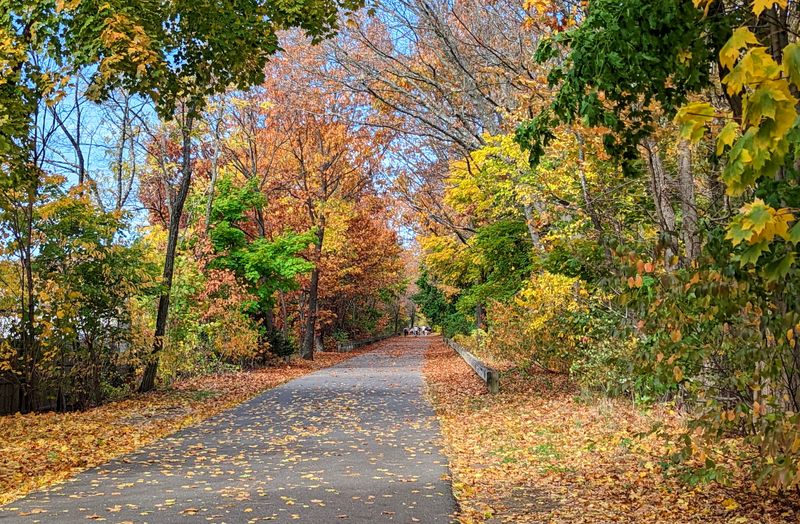
History and cycling collide in the most satisfying way on the Minuteman Bikeway, a 10-mile paved trail that follows the path of the first battles of the American Revolution through the towns of Cambridge, Lexington, and Bedford. Interpretive signs along the route tell the story of April 19, 1775, when colonial militiamen stood against British troops.
The trail is smooth, flat, and extremely well-maintained, making it one of the most pleasant rides in all of New England. Historic sites including Lexington Battle Green are just steps from the trail, perfect for combining a bike ride with a history lesson.
Fall transforms this trail into something magical, with brilliant foliage overhead and crisp air that makes every pedal stroke feel effortless. It is a favorite of both local commuters and weekend recreational riders.
22. Michigan – Kal-Haven Trail
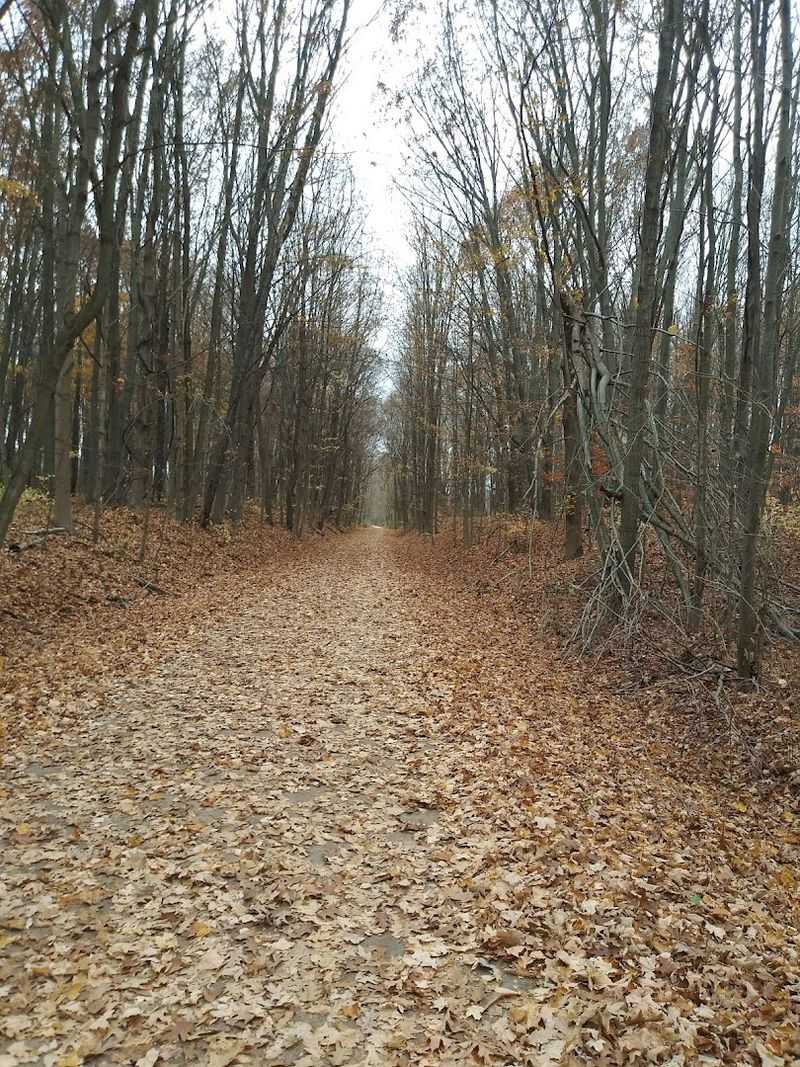
Running 34 miles between Kalamazoo and South Haven on the shores of Lake Michigan, the Kal-Haven Trail is one of Michigan’s most beloved outdoor corridors. The trail passes through a mix of hardwood forests, farmland, wetlands, and small towns that perfectly capture the character of southwest Michigan.
South Haven is the ultimate reward at the western end, a charming lakeside town with sandy beaches, seafood restaurants, and a lively harbor scene. Many cyclists time their rides to arrive at sunset for a view of Lake Michigan that rivals anything in the Midwest.
The crushed limestone surface is comfortable for hybrid bikes and suitable for most recreational riders. Blueberry farms along the route make summer rides especially sweet, with roadside stands offering fresh-picked fruit at peak season.
23. Minnesota – Paul Bunyan State Trail
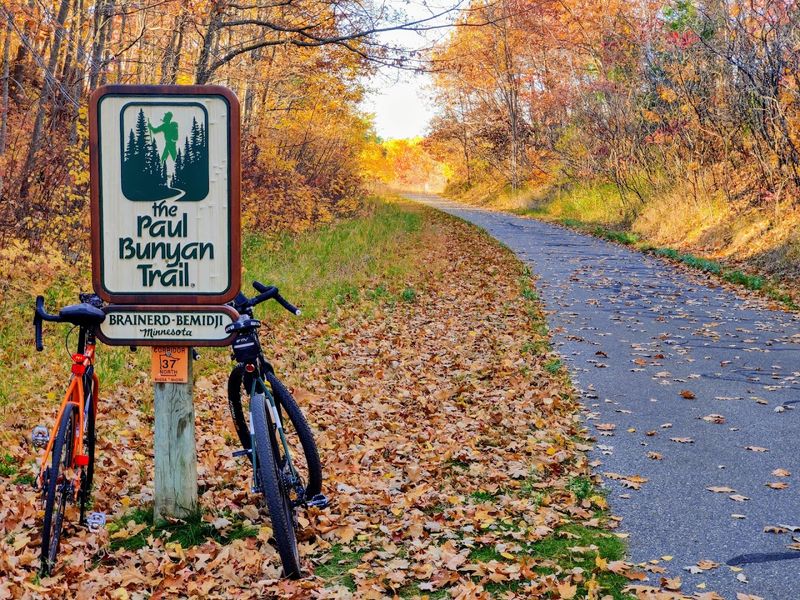
Named after the legendary lumberjack of American folklore, the Paul Bunyan State Trail stretches an impressive 120 miles through the heart of Minnesota’s lake country from Brainerd to Bemidji. It is one of the longest paved trails in the entire United States, and every mile offers a window into the wild beauty of northern Minnesota.
Pine forests, shimmering lakes, and small resort towns line the route, creating a ride that feels more like a cross-country adventure than a day trip. The trail passes through several state forests and connects to dozens of additional recreation areas along the way.
The relatively flat terrain makes the distance manageable even for intermediate riders, and the trail is popular with touring cyclists who split the journey over multiple days. Brainerd serves as a well-equipped starting hub.
24. Mississippi – Longleaf Trace
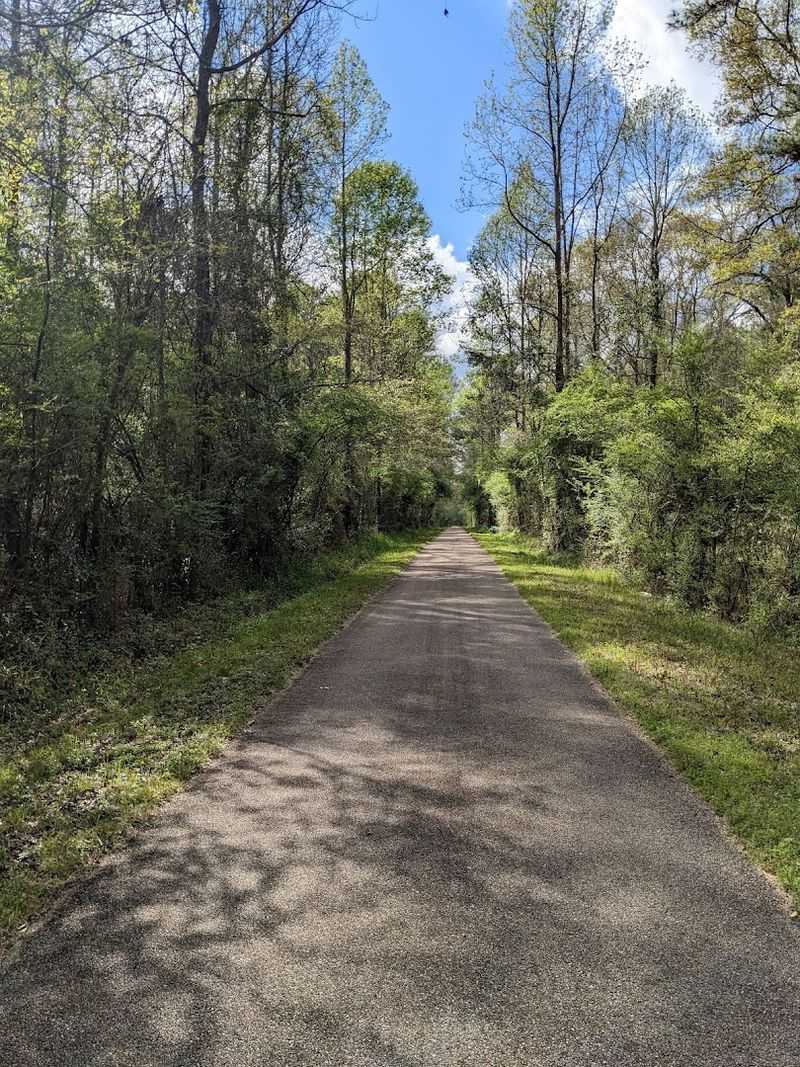
Cutting through the piney woods of southern Mississippi, the Longleaf Trace is a 41-mile paved trail connecting Hattiesburg to Prentiss through a landscape dominated by towering longleaf pine trees. The trail is named for the once-vast longleaf pine forests that covered much of the American South before logging transformed the region.
The riding experience here is peaceful and immersive, with the scent of pine and the sound of birdsong accompanying cyclists through long stretches of forest. The mostly flat terrain makes it accessible for casual riders and families.
Hattiesburg serves as the northern trailhead and offers plenty of dining and lodging options for those planning overnight trips. The trail is well-signed and maintained, and local cycling groups regularly organize group rides and events throughout the year.
25. Missouri – Katy Trail
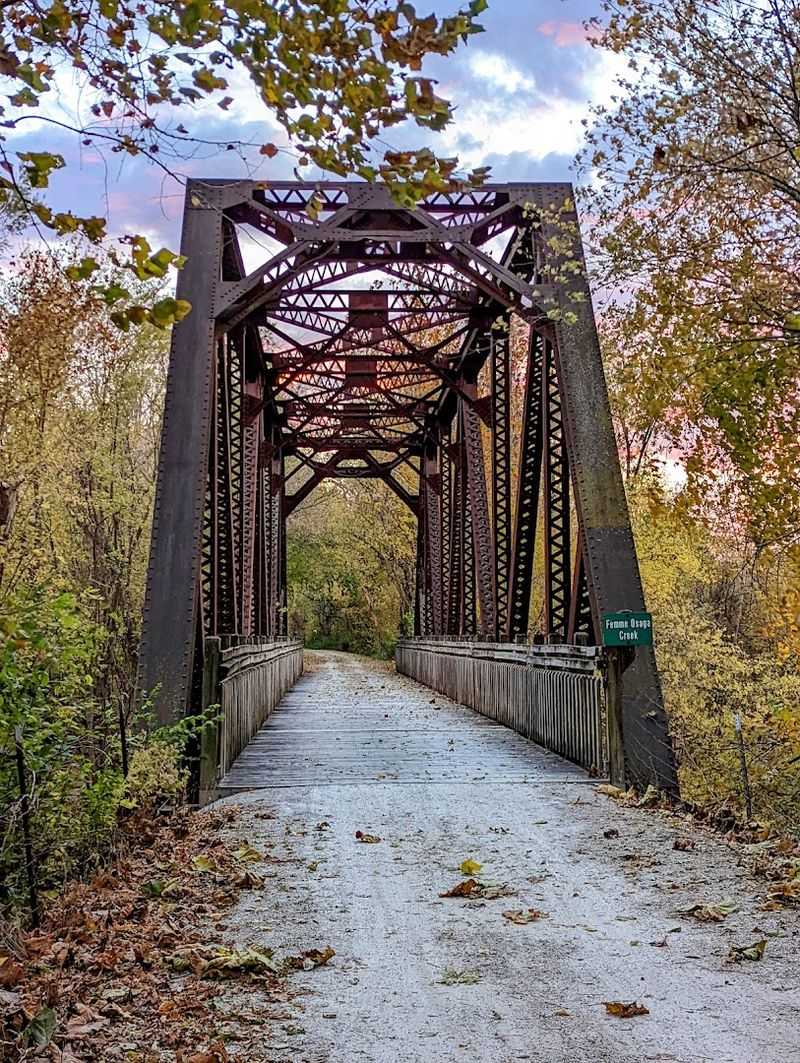
At 240 miles, the Katy Trail is the longest rails-to-trails conversion in the United States, and it earns every bit of its legendary reputation. Following the Missouri River across the state from Clinton to Machens, it passes through river bluffs, wine country, and historic small towns that feel frozen in a gentler era.
The trail corridor was once a Missouri-Kansas-Texas Railroad line, and the old depot buildings in towns like Rocheport and Hermann have been lovingly restored as trail amenities. Wineries near Rocheport are a particular favorite stop for adult cyclists looking to extend their ride into a full weekend experience.
The crushed limestone surface is suitable for hybrid bikes, and the flat to gently rolling terrain makes multi-day touring accessible for most fitness levels. This is truly a world-class trail.
26. Montana – Bitterroot Trail
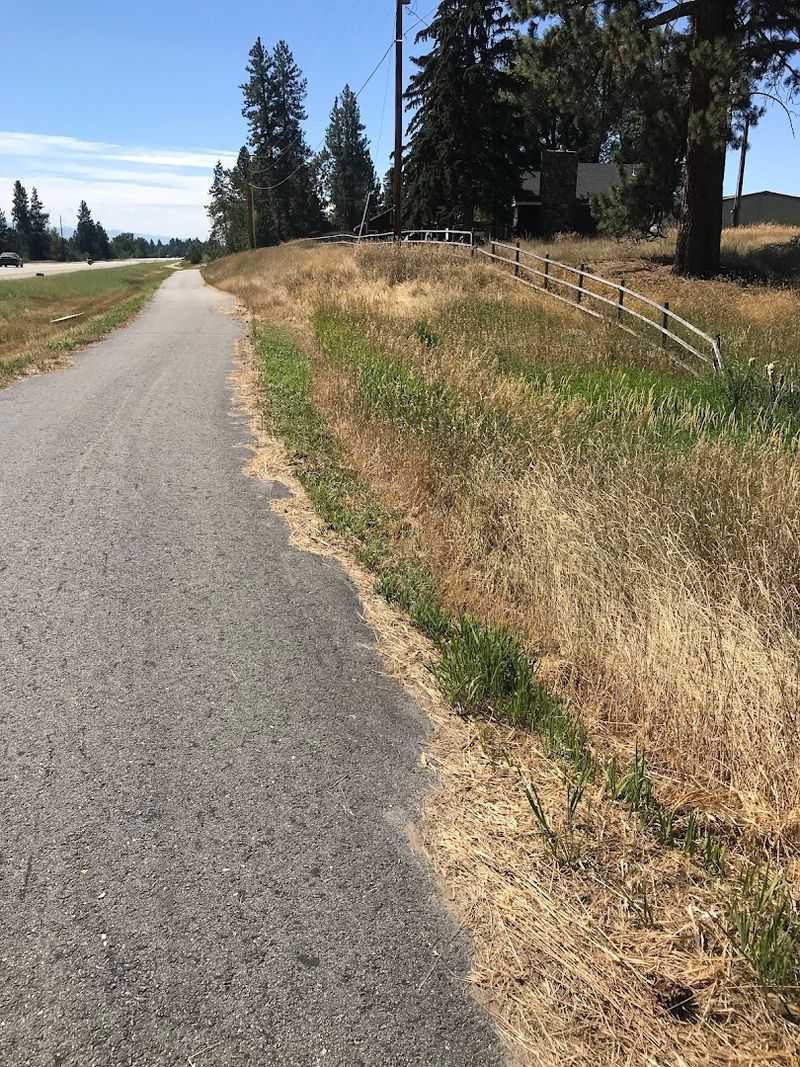
The Bitterroot Valley in western Montana is one of the most scenically dramatic places in the American West, and the Bitterroot Trail puts cyclists right in the middle of it. This paved path runs about 50 miles through the valley between Missoula and Hamilton, with the jagged peaks of the Bitterroot Range forming a spectacular western horizon throughout the ride.
Wildlife sightings are common here, including deer, osprey, and even the occasional black bear spotted in the forested edges of the trail corridor. The valley’s ranching heritage is visible in the working farms and historic barns that dot the landscape.
The mostly flat terrain makes the trail accessible to a wide range of cyclists, and the connection to Missoula’s urban trail network at the northern end means riders can extend their journey in multiple directions.
27. Nebraska – Cowboy Recreation and Nature Trail
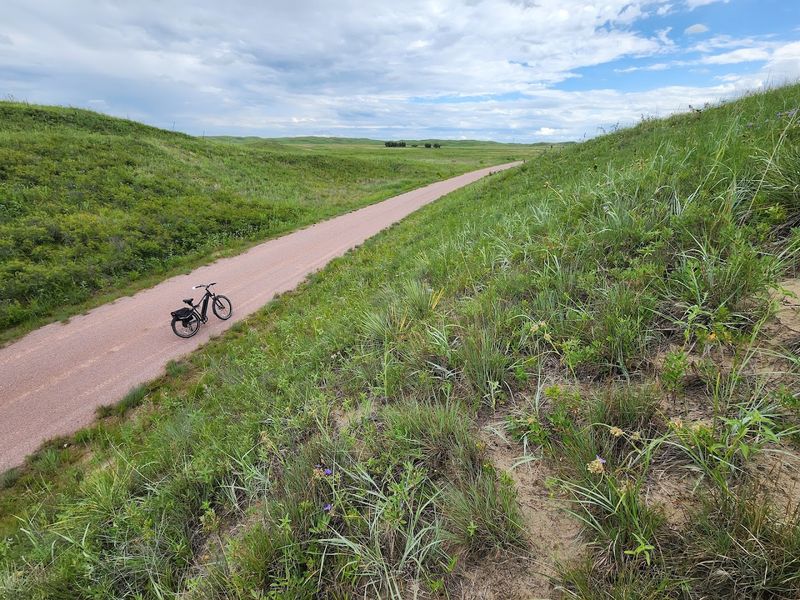
Nebraska’s wide-open spaces come alive on the Cowboy Recreation and Nature Trail, a 321-mile route stretching from Norfolk to Chadron through the heart of the state’s iconic Sandhills. This is one of the longest rail trails in the nation, and it rewards those willing to embrace its remote, unhurried character.
The trail passes through some of the least-populated land in the continental United States, with miles of grassland, prairie potholes, and cattle ranches stretching in every direction. That solitude is actually a big part of its appeal for adventurous touring cyclists.
Small Nebraska towns along the route provide water, food, and genuine Midwestern hospitality for long-distance riders. The surface varies between crushed limestone and packed gravel, so a hybrid or gravel bike handles the conditions best.
28. Nevada – River Mountains Loop Trail
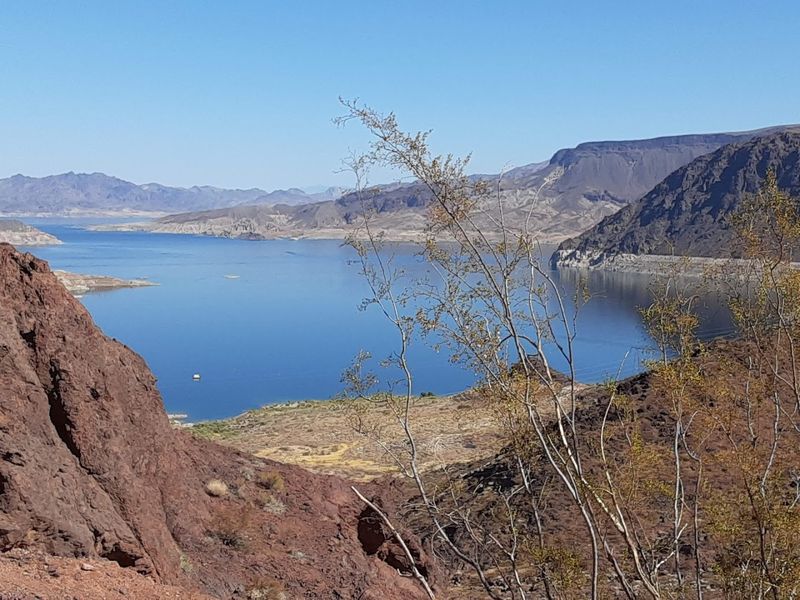
Circling the River Mountains near Boulder City and Henderson, the River Mountains Loop Trail is a 35-mile paved loop that delivers some of the most dramatic desert scenery you can experience from a bike seat. Views of Lake Mead, the Las Vegas Strip in the distance, and the rugged volcanic peaks of the River Mountains make this a visually unforgettable ride.
The trail gains and loses elevation throughout, with some challenging climbs that reward riders with sweeping panoramic views at the top. Sunrise and sunset rides are particularly spectacular when the desert light paints everything in shades of orange and purple.
Well-maintained trailheads with parking and restroom facilities make it easy to access the loop from multiple entry points. This trail is a must-ride for anyone visiting the Las Vegas area who wants to experience Nevada beyond the casino floor.
29. New Hampshire – Northern Rail Trail
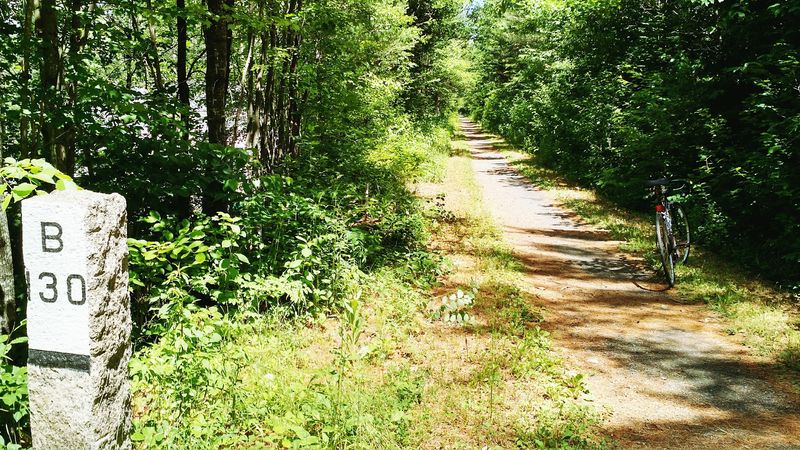
Winding 58 miles through the lakes and forests of central New Hampshire, the Northern Rail Trail is a quiet gem that rewards riders with some of the most authentic New England scenery in the region. The trail follows an old railroad corridor from Boscawen near Concord all the way to Grafton, passing through small towns and rural landscapes largely untouched by development.
The Blackwater and Newfound rivers run alongside portions of the trail, offering cool, shaded riding and the occasional perfect swimming hole on hot summer days. Fall foliage transforms this trail into an absolute masterpiece of color.
The surface is a mix of crushed gravel and packed dirt, making a hybrid bike the ideal choice. The trail connects several small communities that welcome cyclists with local shops and friendly hospitality.
30. New Jersey – Delaware and Raritan Canal Trail
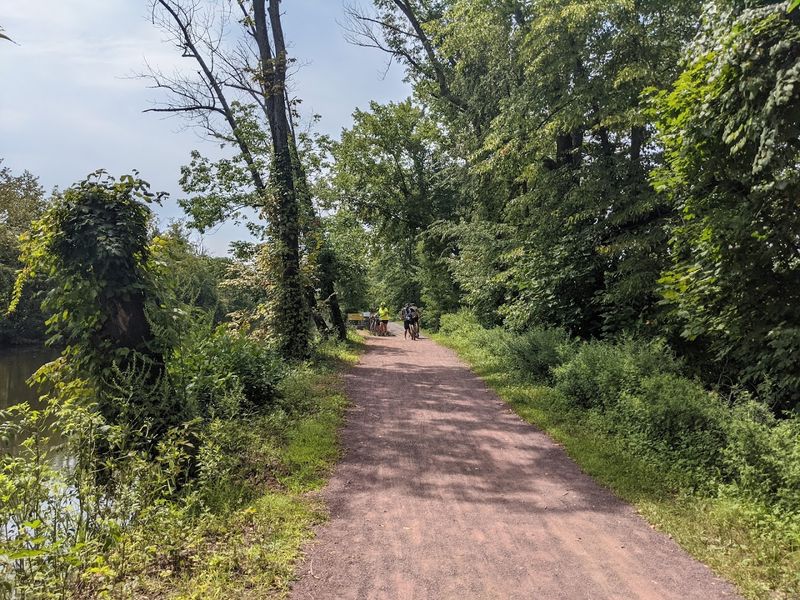
History runs deep on the Delaware and Raritan Canal Trail, a flat, tree-shaded towpath that follows a 19th-century canal for nearly 70 miles through central New Jersey. The trail connects Frenchtown on the Delaware River to New Brunswick on the Raritan, passing through Princeton and a string of charming canal towns along the way.
The packed gravel and dirt surface is gentle on wheels and legs, and the complete absence of road crossings in long stretches makes it feel genuinely car-free and peaceful. Princeton University’s campus is just minutes from the trail, adding a touch of intellectual prestige to the riding experience.
Herons, turtles, and river otters frequently appear along the canal banks. The flat terrain and historical character make this trail a favorite for both casual cyclists and history enthusiasts exploring New Jersey’s past.
31. New Mexico – Paseo del Bosque Trail
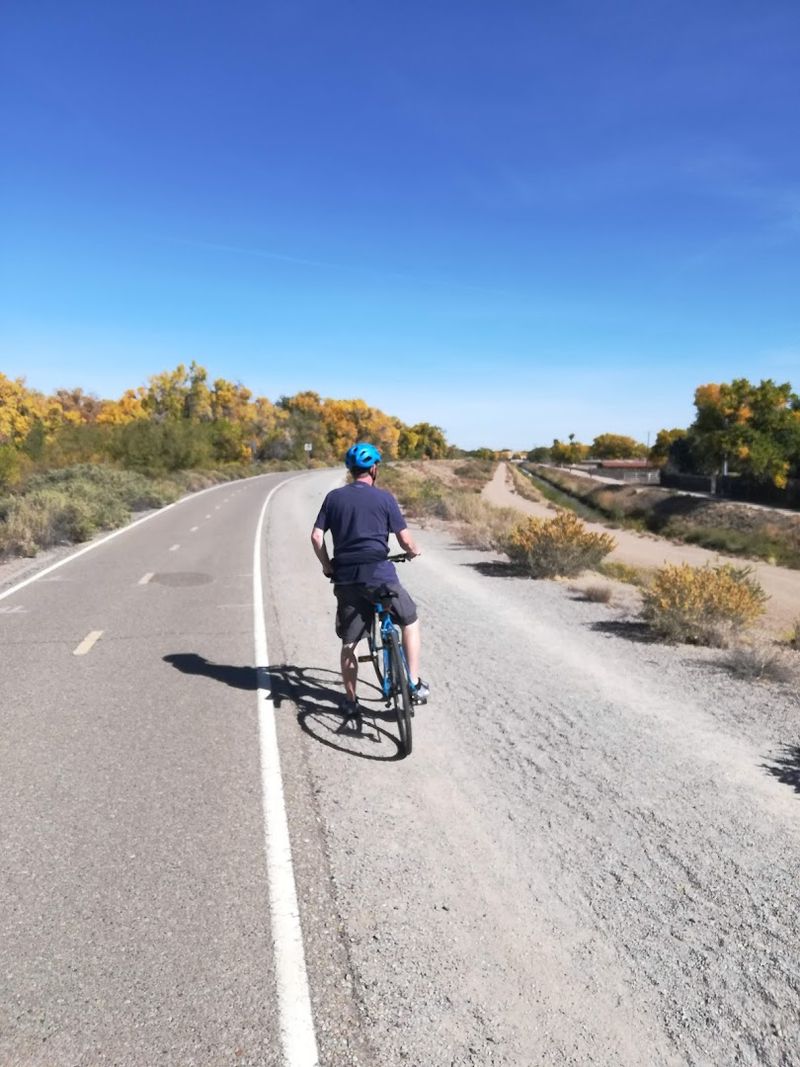
Running 16 miles along the Rio Grande through the heart of Albuquerque, the Paseo del Bosque Trail is a stunning urban cycling corridor that feels nothing like a city trail. The path winds through the bosque, a dense ribbon of cottonwood forest that flanks the Rio Grande and transforms into a sea of gold every autumn.
Sandhill cranes, roadrunners, red-tailed hawks, and coyotes are frequently spotted along the trail, and the sound of the river keeps company with riders throughout. The flat terrain and smooth pavement make it accessible and relaxing for all fitness levels.
The Albuquerque Balloon Fiesta in October adds a surreal element to fall rides, with hundreds of hot air balloons drifting overhead as cyclists pedal through the cottonwoods below. It is one of the most uniquely New Mexican experiences imaginable.
32. New York – Hudson River Greenway
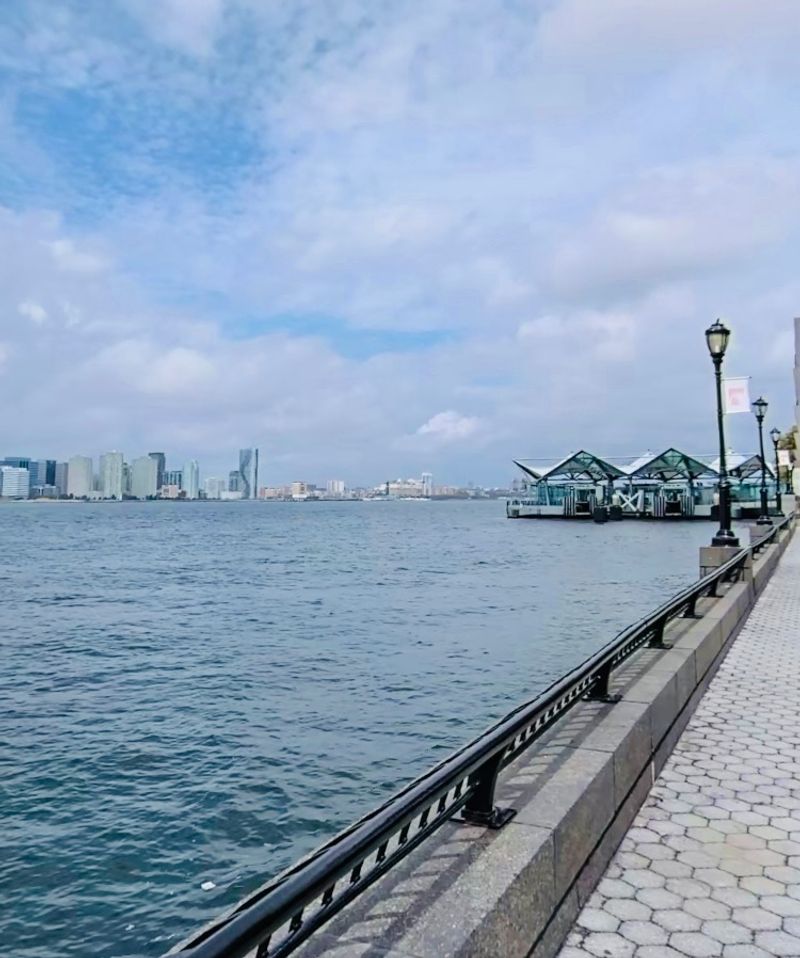
Stretching 11 miles along the western edge of Manhattan, the Hudson River Greenway is the busiest bike path in the entire United States, and for very good reason. The views it delivers, of the Hudson River, the New Jersey Palisades, the Statue of Liberty, and the Manhattan skyline, are simply extraordinary for a recreational trail.
The wide, well-maintained path runs from the tip of Lower Manhattan all the way to the George Washington Bridge at the northern end of the island. Connections to the Brooklyn Bridge and other borough trails make it a central hub for cycling across New York City.
Even on crowded weekend afternoons, there is something electric about riding alongside the Hudson with the energy of the city all around you. This trail captures the spirit of New York in every pedal stroke.
33. North Carolina – American Tobacco Trail
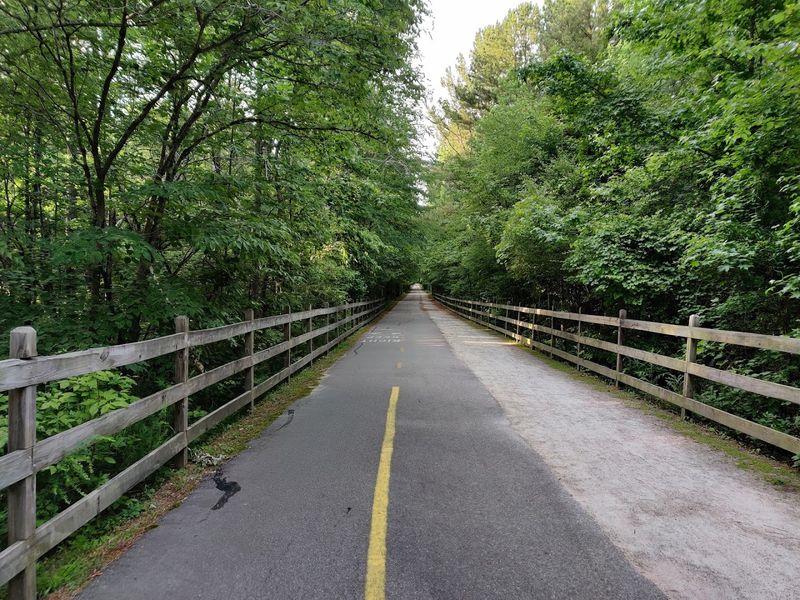
Following a former railroad corridor south from Durham, the American Tobacco Trail covers 22 miles of varied terrain through Wake, Chatham, and Durham counties in central North Carolina. The trail gets its name from the tobacco industry that once dominated this region, and the rural landscapes along the southern sections still carry that agricultural character.
The northern urban sections near Durham are paved and heavily used by commuters and recreational riders, while the southern portions transition to compacted gravel for a more rugged feel. The contrast between city and countryside makes the full trail an interesting and varied experience.
Wildlife including white-tailed deer, wild turkeys, and red foxes are commonly spotted along the quieter southern miles. Plans for trail extensions continue to push the route further south toward the town of Apex.
34. North Dakota – Maah Daah Hey Trail
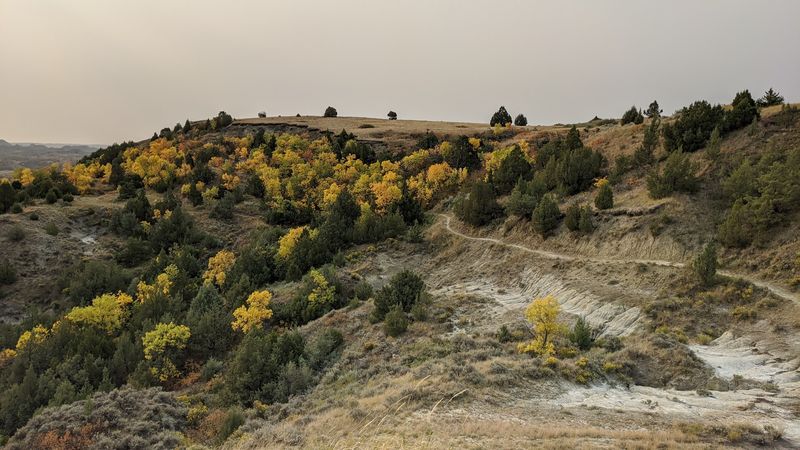
Few trails in America put you in the middle of such raw, ancient landscape as the Maah Daah Hey Trail in North Dakota’s badlands. Stretching roughly 144 miles through the Theodore Roosevelt National Park area, the trail crosses terrain sculpted over millions of years into a surreal world of colorful buttes, deep canyons, and open prairie.
The name comes from the Mandan language and means something like “an area that has been or will be around for a long time,” a fitting description for these timeless landscapes. Bison, wild horses, and prairie dogs are commonly encountered along the route.
This is a challenging, technical trail best suited for experienced mountain bikers with solid fitness and navigation skills. Those who take on the challenge are rewarded with an experience that feels unlike anything else in American cycling.
35. Ohio – Hockhocking Adena Bikeway
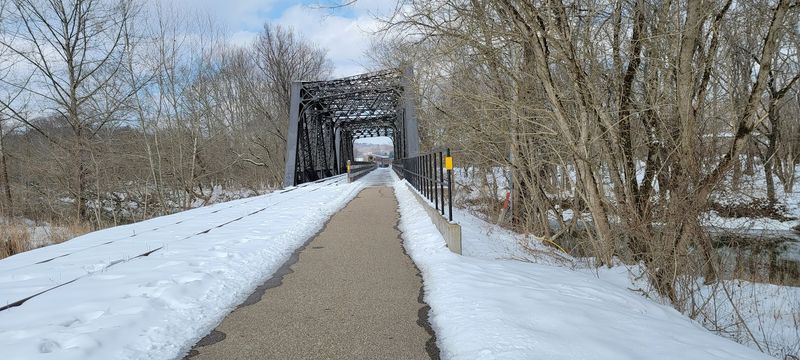
Tracing the course of the Hocking River through the scenic hills of southeastern Ohio, the Hockhocking Adena Bikeway runs 26 miles from Athens to Nelsonville through one of the most underrated cycling landscapes in the Midwest. The trail follows an old railroad bed through a valley where forested ridges rise steeply on both sides.
Athens is home to Ohio University, and the trail benefits from that college-town energy, with a lively cycling culture and plenty of cafes and bike shops nearby. The river is a constant companion throughout the ride, offering peaceful views and the occasional great blue heron standing motionless in the shallows.
Fall is absolutely the best time to ride here, when the hardwood forests turn brilliant shades of orange and red. The mostly flat terrain makes the trail accessible for riders of all experience levels.
36. Oklahoma – Oklahoma River Trails
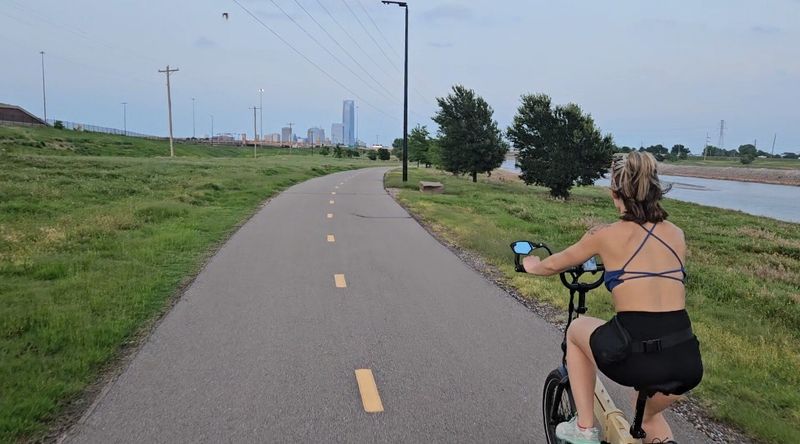
Running along the Oklahoma River through the heart of Oklahoma City, the Oklahoma River Trails form a 5-mile paved loop that has become the centerpiece of the city’s growing urban cycling scene. The trail connects several riverside parks and passes by world-class rowing venues that have hosted national and international competitions.
The flat, smooth path is ideal for casual family rides, fitness training, and commuting, and the river views give the route a polish that belies its urban setting. Kayakers and competitive rowers on the water below add a dynamic energy to the riding experience.
Oklahoma City has invested heavily in trail connectivity in recent years, and the Oklahoma River Trails now link to a broader network of paths reaching into surrounding neighborhoods and parks. Sunset rides with the city skyline glowing in the background are a local favorite.
37. Oregon – Banks-Vernonia State Trail
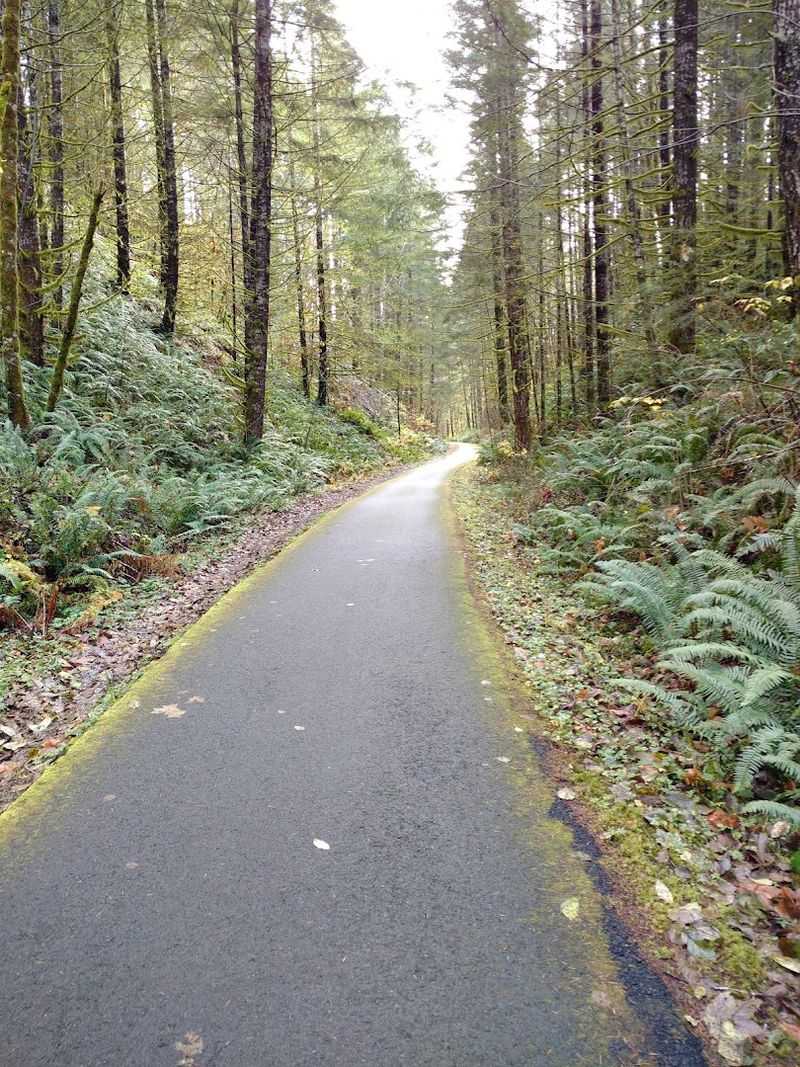
Cutting through the dense forests of the Oregon Coast Range between the towns of Banks and Vernonia, the Banks-Vernonia State Trail is a 21-mile paved path that captures the lush, misty magic of the Pacific Northwest. Towering Douglas firs, western red cedars, and big-leaf maples line the route, creating a green tunnel of extraordinary beauty.
The trail crosses several impressive trestle bridges, including the Buxton Trestle at 80 feet above the forest floor, which delivers a genuine thrill for cyclists crossing it for the first time. The route has moderate elevation changes, with the midpoint town of Vernonia sitting at the highest point.
Oregon’s frequent rainfall keeps the forest impossibly green, and riding here on a misty morning feels like cycling through a fairy tale. The trail is well-maintained and open year-round for adventurous all-weather riders.
38. Pennsylvania – Great Allegheny Passage
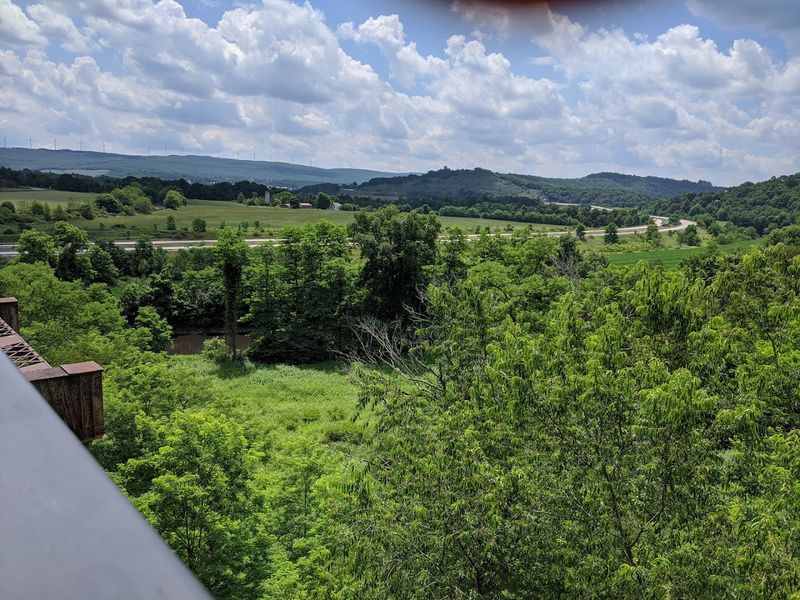
Stretching 150 miles from Pittsburgh to Cumberland, Maryland, the Great Allegheny Passage is one of the crown jewels of American rail-trail cycling. The trail follows river valleys through the heart of the Allegheny Mountains, passing through former coal and railroad towns that are rich with industrial history and Appalachian character.
At Cumberland, the trail connects directly to the C&O Canal Towpath, creating a combined off-road route of nearly 335 miles all the way to Washington, D.C. This Pittsburgh-to-D.C. connection is considered one of the greatest cycling journeys in the eastern United States.
The crushed limestone surface is comfortable and well-maintained, and the gentle river-grade elevation makes the long distances surprisingly manageable. Small towns like Ohiopyle, with its famous waterfall and whitewater rapids, are perfect mid-ride stops for food and sightseeing.
39. Rhode Island – East Bay Bike Path
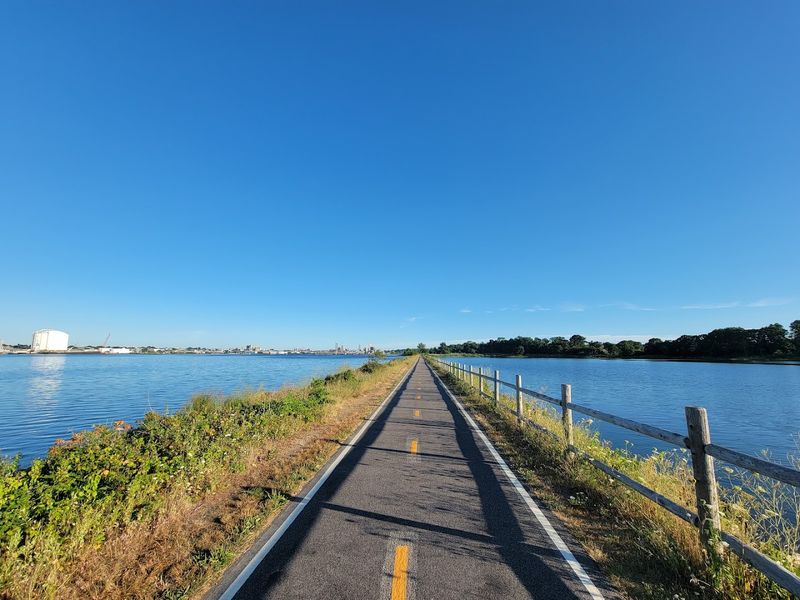
Rhode Island may be the smallest state in the country, but the East Bay Bike Path punches well above its weight in terms of scenery and charm. This 14.5-mile paved trail runs along the eastern shore of Narragansett Bay from Providence to Bristol, offering water views, historic architecture, and classic New England coastal atmosphere throughout.
The trail passes through the towns of Barrington, Warren, and Bristol, each with its own distinct character and a collection of waterfront parks, seafood restaurants, and historic sites worth exploring. Bristol’s Independence Park at the southern end is a particularly lovely finishing point.
The flat terrain makes this trail perfect for families and less experienced riders. July Fourth in Bristol is an especially festive time to ride, as the town hosts one of the oldest and most celebrated Independence Day parades in the nation.
40. South Carolina – Swamp Rabbit Trail
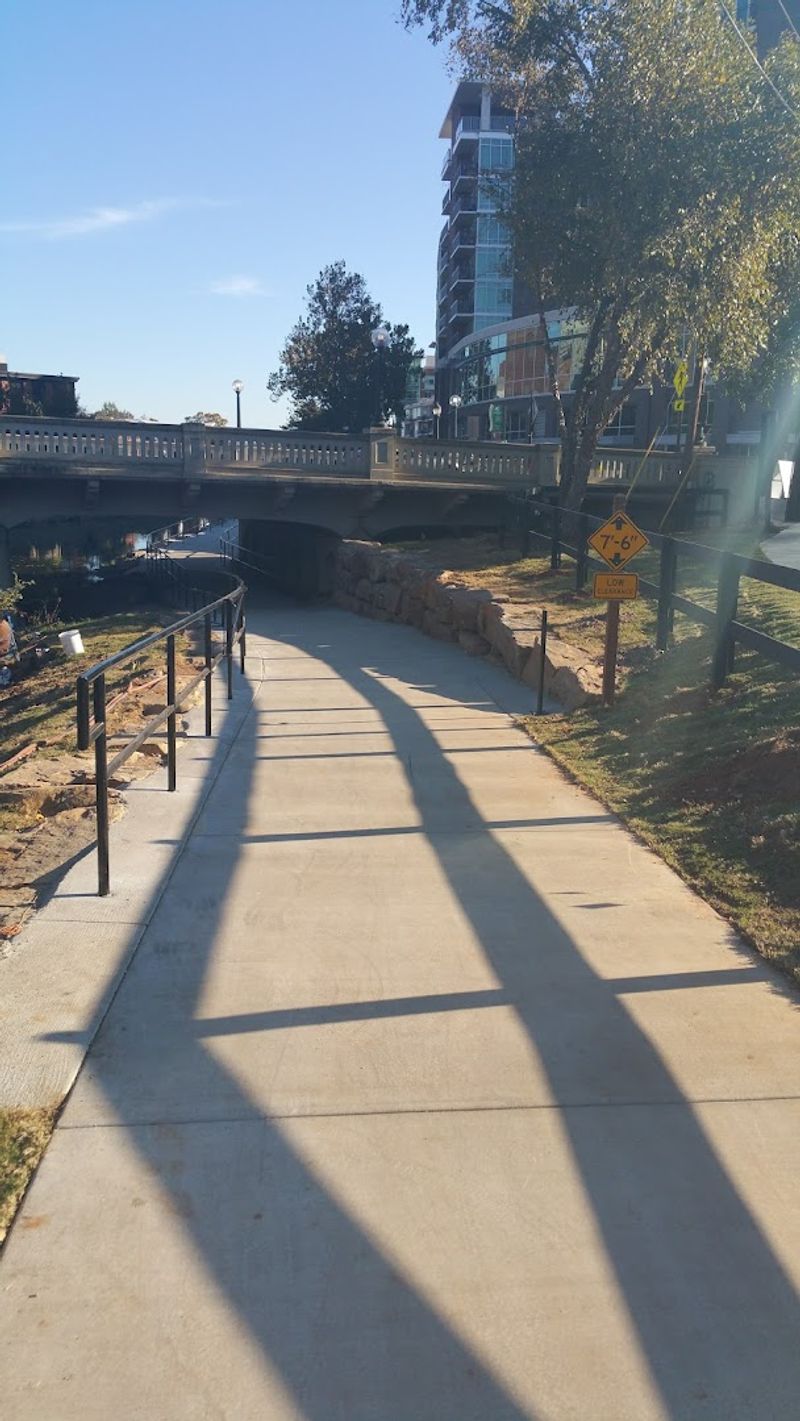
Greenville, South Carolina, has built a national reputation as one of America’s most bike-friendly cities, and the Swamp Rabbit Trail is the centerpiece of that reputation. This 22-mile paved trail connects downtown Greenville to the town of Travelers Rest through a corridor of forests, riverside parks, and vibrant neighborhoods.
The trail passes through some of Greenville’s most popular destinations, including Falls Park on the Reedy and the West End neighborhood, where breweries, restaurants, and shops cluster right along the path. Weekend mornings on the Swamp Rabbit feel like a community celebration.
The terrain is gently rolling rather than flat, which adds a bit of satisfying challenge without overwhelming casual riders. The trail takes its quirky name from the Swamp Rabbit Railroad that once operated through this same corridor decades ago.
41. South Dakota – Mickelson Trail
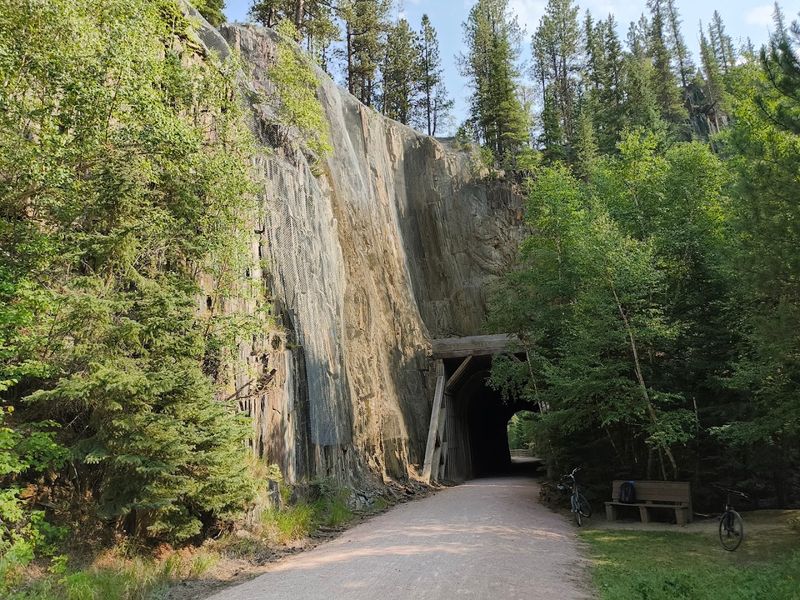
Winding 109 miles through the heart of the Black Hills from Deadwood to Edgemont, the Mickelson Trail is one of the most spectacular cycling routes in the Great Plains region. The trail passes through ponderosa pine forests, granite canyons, and open meadows that showcase the remarkable diversity of the Black Hills landscape.
Four tunnels and 100 converted railroad bridges are among the trail’s most memorable engineering features, each one a reminder of the railroad history that shaped this region. The town of Deadwood at the northern end is a living museum of Wild West history and a perfect base for a multi-day cycling trip.
Named after former South Dakota Governor George S. Mickelson, the trail is well-maintained and suitable for hybrid bikes.
Wildlife including wild turkeys, pronghorn, and white-tailed deer are commonly spotted along the route.
42. Tennessee – Virginia Creeper Trail
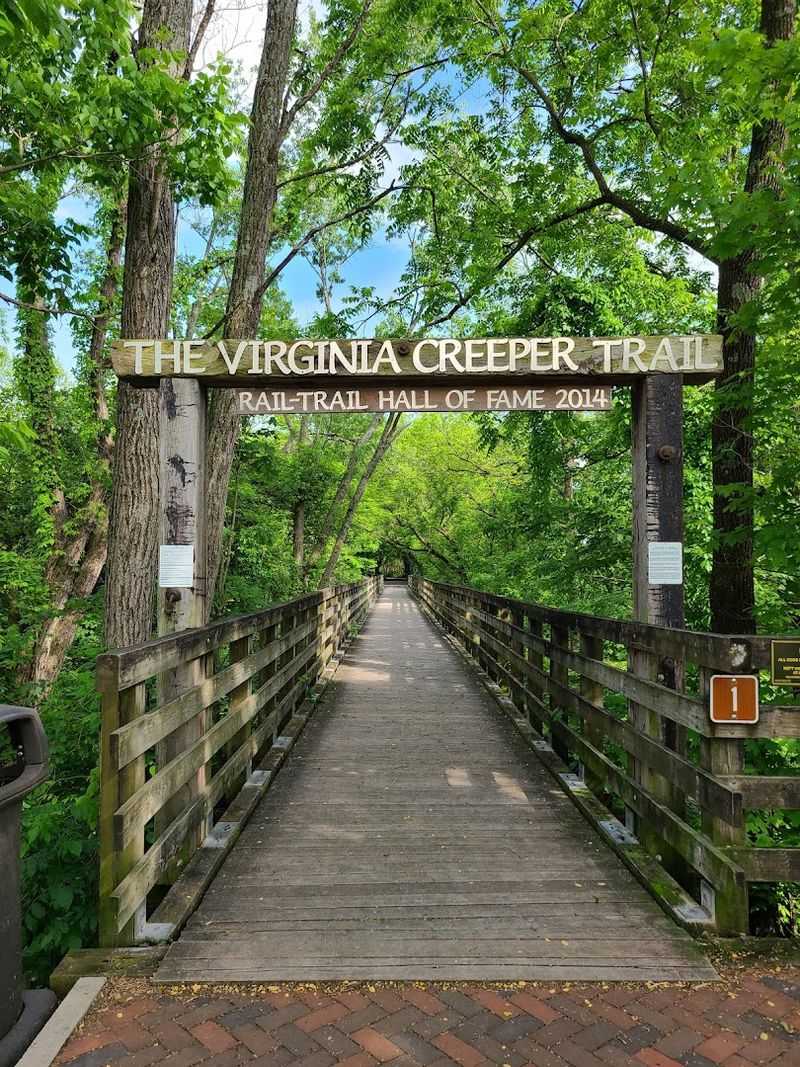
Shared between Tennessee and Virginia, the Virginia Creeper Trail is one of the most celebrated cycling destinations in the entire Appalachian region. The 34-mile trail runs from Abingdon, Virginia, to Whitetop Station near the Tennessee border, following an old railroad grade through some of the most gorgeous mountain scenery in the eastern United States.
The downhill section from Whitetop to Damascus is legendary, dropping nearly 1,700 feet over 17 miles through dense hardwood forest, creek crossings, and 47 wooden trestles. Shuttle services are widely available, making the one-way downhill run accessible for riders of all fitness levels.
Damascus, known as “Trail Town USA,” sits at the intersection of multiple long-distance trails and is a welcoming hub for outdoor adventurers. The trail is especially magical in spring when wildflowers carpet the forest floor on both sides.
43. Texas – San Antonio River Walk Trail
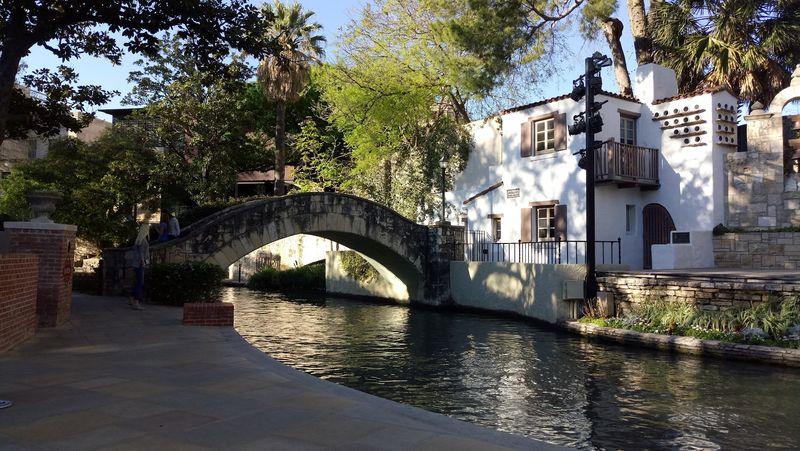
San Antonio’s famous River Walk is known worldwide as a dining and entertainment destination, but the cycling trail that runs alongside the San Antonio River offers a completely different and equally rewarding experience. The trail extends far beyond the touristy downtown section, stretching south through the Museum Reach and Mission Reach corridors for a total of about 15 miles.
The Mission Reach section is particularly impressive, a restored natural riverway that connects four of San Antonio’s historic Spanish colonial missions through native plantings and wildlife habitat. Great blue herons, turtles, and even river otters have been spotted along this beautifully restored stretch.
The flat, paved surface makes the trail accessible to all riders, and the mix of urban energy near downtown and peaceful nature along the Mission Reach creates a ride with genuine variety. This is Texas history and nature combined into one unforgettable route.
44. Utah – Jordan River Parkway Trail
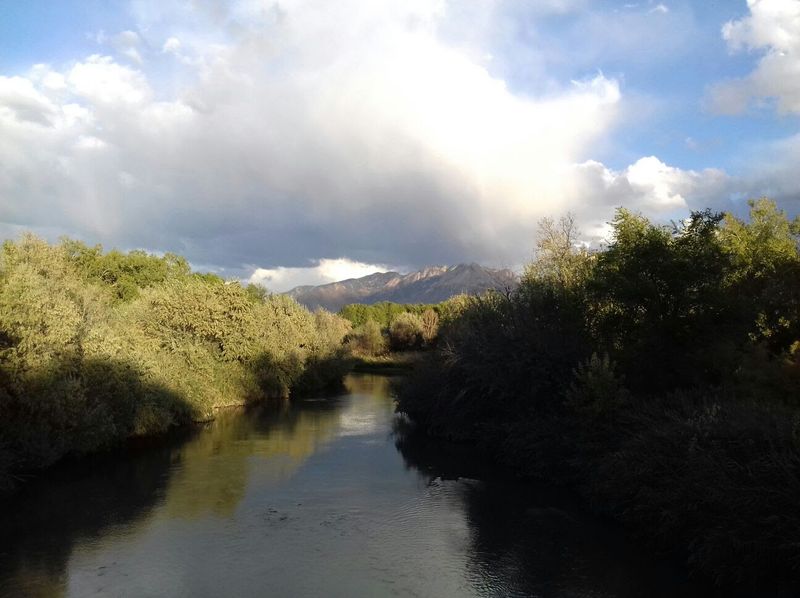
Flowing north through the Salt Lake Valley from Utah Lake to the Great Salt Lake, the Jordan River is the backbone of one of Utah’s most important recreational corridors. The Jordan River Parkway Trail follows this route for about 45 miles through the urban heart of the Salt Lake Valley, connecting dozens of parks, nature preserves, and communities along the way.
The Wasatch Mountains form a dramatic eastern backdrop throughout the ride, with snow-capped peaks visible from much of the trail even in late spring. Wildlife including herons, white pelicans, and mule deer can be spotted in the riparian areas along the river.
The mostly flat, paved surface makes this trail accessible for commuters, families, and recreational riders alike. It serves as a green corridor through an otherwise dense urban environment, offering a genuine sense of escape just minutes from downtown Salt Lake City.
45. Vermont – Island Line Rail Trail
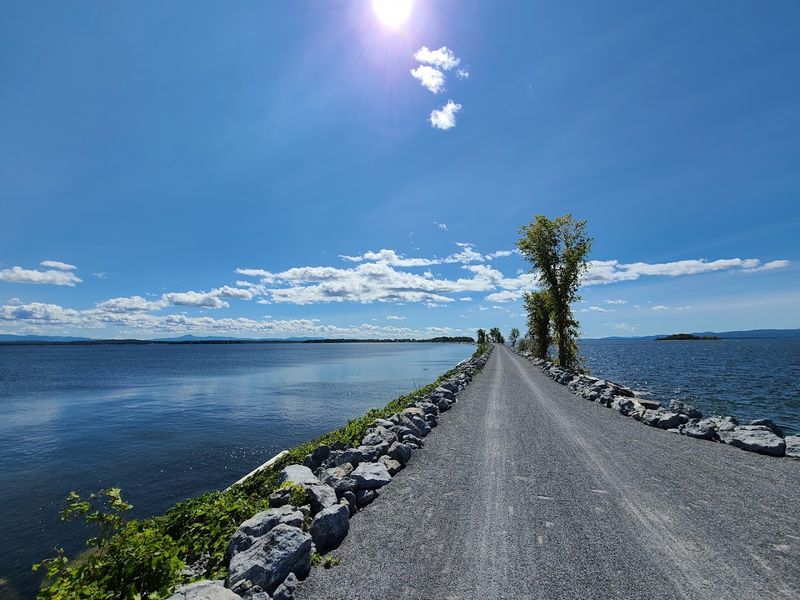
Few cycling experiences in New England are as purely joyful as the Island Line Rail Trail along Lake Champlain in Vermont. This 14-mile paved trail runs from Burlington north along the lakeshore to Colchester, hugging the water’s edge with views of the Adirondack Mountains across the lake that stop you in your tracks.
The highlight is the bike ferry at the northern end, which carries cyclists across a gap in the old causeway to South Hero Island, adding an adventurous twist to the ride. The ferry runs seasonally, and the island itself is worth exploring with its farms, orchards, and quiet country roads.
Burlington is one of America’s most bike-friendly cities, and the trail fits perfectly into its vibrant outdoor culture. Sunset rides along the causeway, with the Adirondacks turning pink and gold across the water, are absolutely unforgettable.
46. Virginia – Mount Vernon Trail
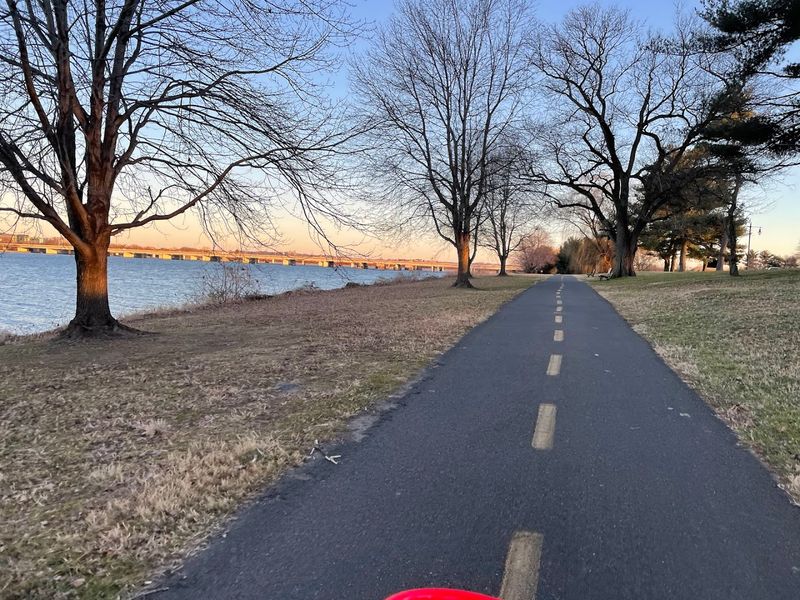
Connecting Arlington Memorial Bridge near the Lincoln Memorial to George Washington’s Mount Vernon estate, the Mount Vernon Trail is a 18-mile paved cycling route steeped in American history and blessed with extraordinary scenery. The trail runs along the Virginia bank of the Potomac River, offering continuous views of the Washington, D.C., skyline across the water.
Passing through Gravelly Point, where planes from Reagan National Airport fly directly overhead at remarkably low altitudes, is one of the most thrilling and uniquely American cycling moments anywhere. The contrast of natural beauty and urban energy is constant throughout the ride.
The southern end of the trail at Mount Vernon delivers one of the most historically significant destinations reachable by bike in the entire country. The estate, gardens, and riverside setting make it a worthy goal for any cycling adventure in the D.C. area.
47. Washington – Burke-Gilman Trail
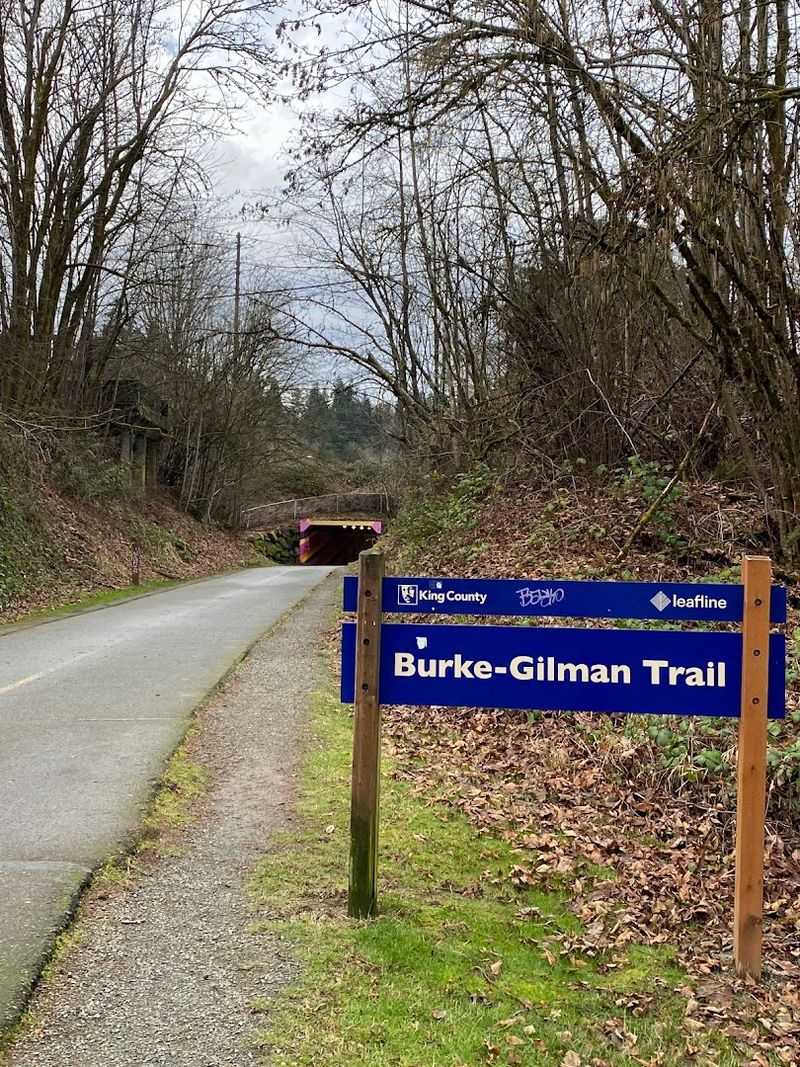
Weaving through Seattle’s urban fabric from Ballard to Bothell, the Burke-Gilman Trail is one of the most beloved and heavily used cycling corridors in the Pacific Northwest. This 27-mile paved trail follows an old railroad right-of-way through the University of Washington campus, along the shores of Lake Washington, and through a string of lively neighborhoods.
The section along Lake Washington is particularly stunning, with views of the water and the Cascade Mountains on the eastern horizon that remind you exactly why Seattle is considered one of the most beautiful cities in America. The trail connects to the Sammamish River Trail at the eastern end, adding another 10 miles of car-free riding.
Cyclists share the path with runners, skaters, and walkers, creating a vibrant community atmosphere that reflects Seattle’s outdoor-oriented culture. Espresso stops are never far away, because this is Seattle, after all.
48. West Virginia – Greenbrier River Trail
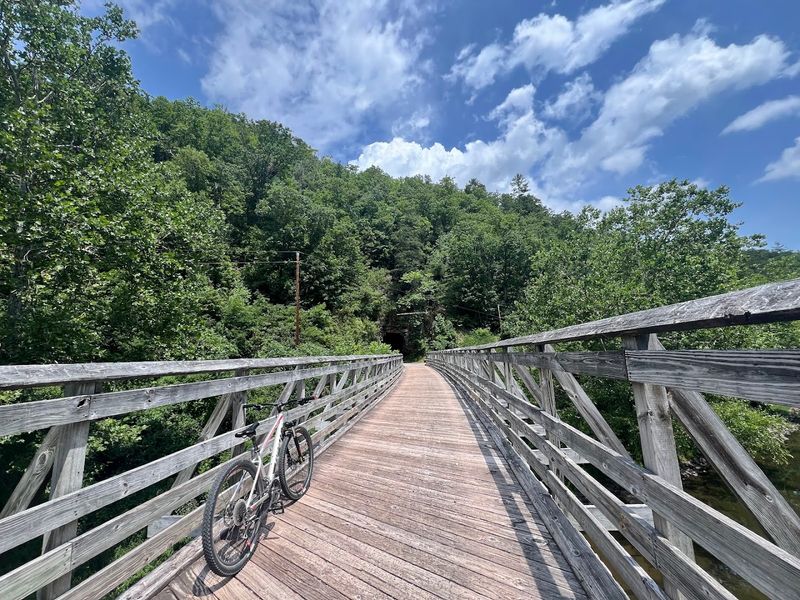
Running 78 miles along the Greenbrier River through the mountains of Pocahontas and Greenbrier counties, the Greenbrier River Trail is widely regarded as one of the most beautiful rail trails in the entire eastern United States. The trail follows the river’s course through a narrow valley flanked by forested ridges, limestone cliffs, and quiet meadows.
Two tunnels and 35 bridges add character and excitement to the ride, and the river itself is a constant, sparkling companion throughout the journey. Swimming holes, fishing spots, and quiet riverside campsites make multi-day trips here especially rewarding.
The crushed limestone surface is well-maintained and suitable for hybrid bikes. The remote character of this trail means you can ride for miles without seeing another soul, which is either peaceful or adventurous depending on your perspective.
Either way, it is profoundly beautiful.
49. Wisconsin – Elroy-Sparta State Trail
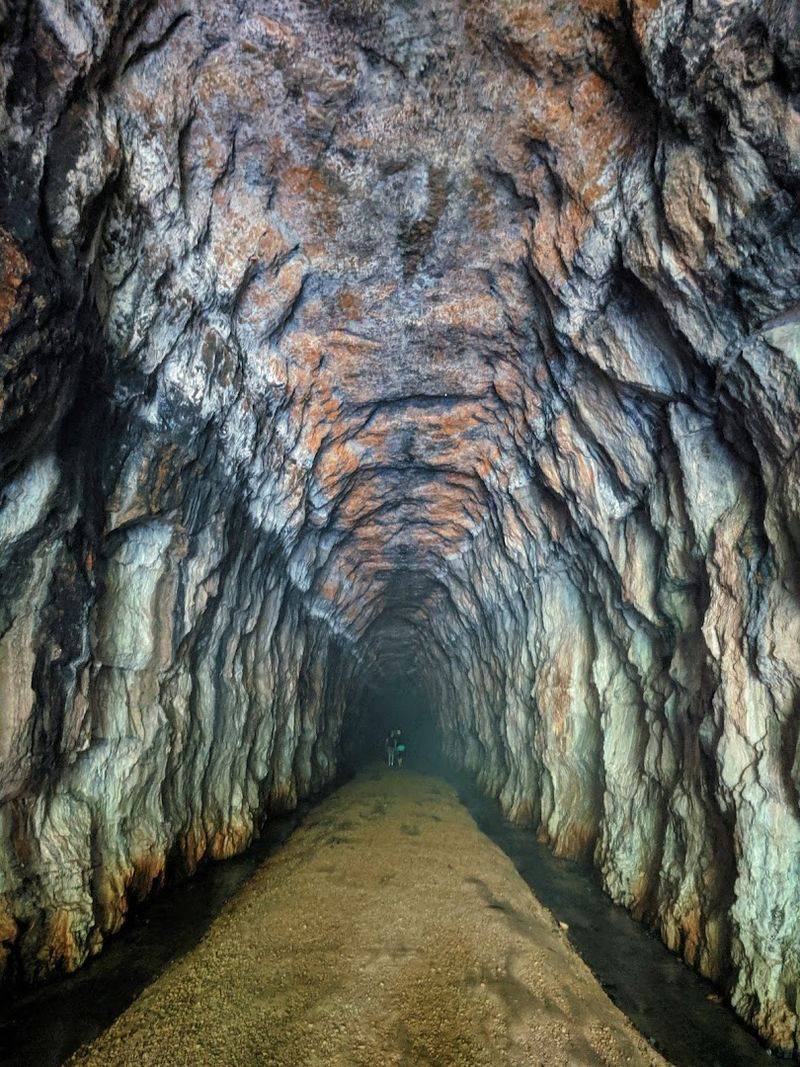
Opened in 1967, the Elroy-Sparta State Trail was the very first rail-trail converted for recreational use in the United States, making it a landmark in the history of American cycling infrastructure. The trail runs 32 miles through the rolling Driftless Area of western Wisconsin, and its three original railroad tunnels are the most famous features on any trail in the state.
The longest tunnel stretches nearly 3,810 feet through solid rock, and the temperature inside drops dramatically regardless of the season outside. Every cyclist is required to walk their bike through the tunnels, which adds to the mysterious, exploratory feeling of the experience.
The surrounding Driftless landscape, with its unique unglaciated hills and valleys, provides a scenic backdrop that is unlike anything else in the Midwest. Small Wisconsin towns along the route offer classic supper clubs, ice cream shops, and genuine rural charm.
50. Wyoming – Medicine Bow Rail Trail
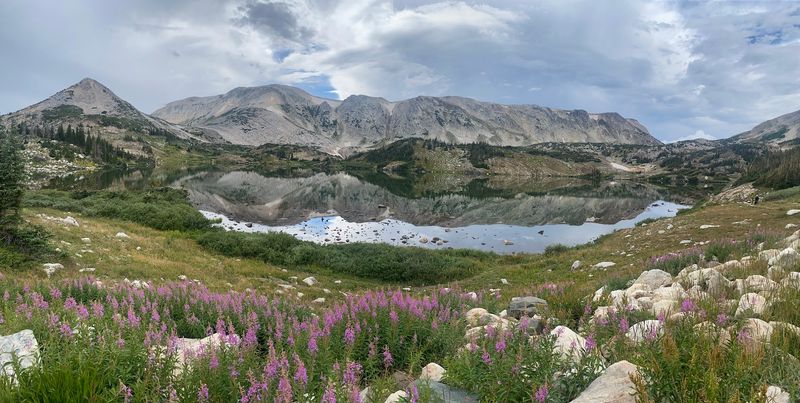
Tucked into the Medicine Bow National Forest in southeastern Wyoming, the Medicine Bow Rail Trail offers a remote and rewarding cycling experience that feels a world away from crowded urban paths. This 25-mile route follows an old railroad grade through a high-elevation landscape of pine forests, open meadows, and sagebrush flats, sitting at elevations between 8,000 and 9,000 feet.
The thin air at altitude adds a physical challenge that experienced cyclists will appreciate, while the sweeping views of the Snowy Range Mountains reward every labored breath. Pronghorn antelope and elk are frequently spotted grazing in the meadows along the route.
The trail is best ridden in summer and early fall, as snow can linger at this elevation well into late spring. The remote setting means self-sufficiency is important, so packing extra food, water, and tools is strongly recommended before heading out.
Share this story