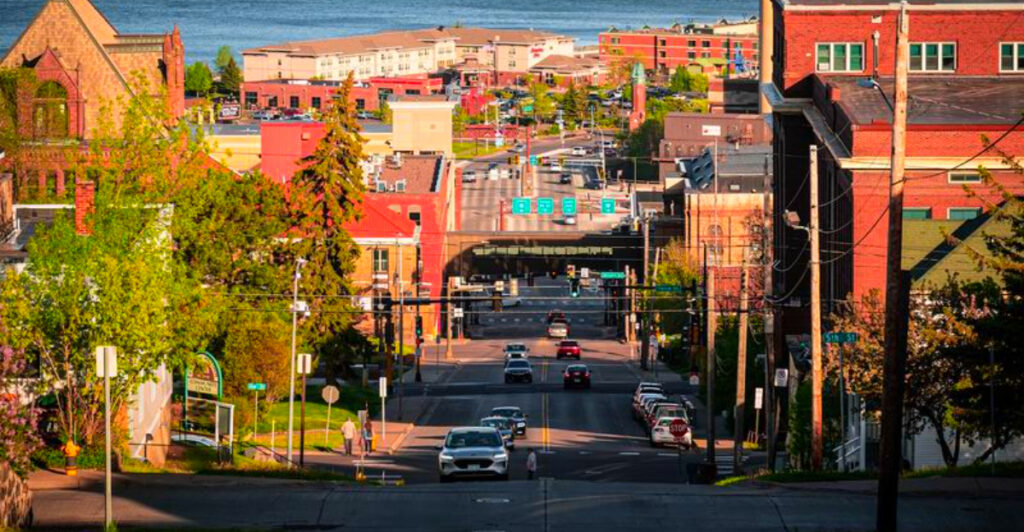
Some towns hand you a simple grid. These places hand you a steering wheel, a hill, and a small lesson in geography.
Across the country, certain streets climb so sharply, bend so suddenly, or drop so fast that a short drive can turn into a map-checking comedy routine, and that is exactly what makes them memorable. Keep reading and you will get a lively tour of nineteen American towns where the pavement refuses to behave, shaped by bluffs, ridges, river valleys, glacial leftovers, and mountains that clearly did not consult urban planners first.
1. San Francisco, California
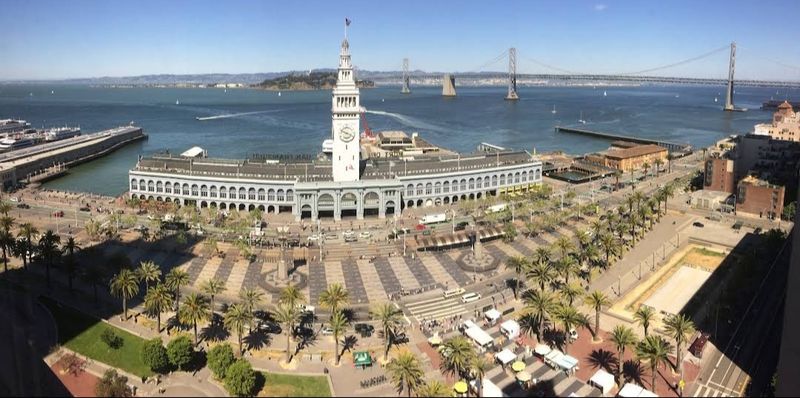
This city wastes no time reminding you that gravity is still in charge. San Francisco stacks neighborhoods over famous hills, so ordinary errands can involve startling grades, quick drops, and intersections that feel designed for brave brakes.
Streets such as Filbert and Lombard have become attractions because their slopes look almost theatrical.
The terrain shaped everything from transit choices to building placement. Cable cars were not just charming additions, but practical answers to extreme elevation.
Even on foot, you notice how blocks can change pace instantly, with one corner feeling manageable and the next looking like a stair workout in disguise.
That constant vertical drama gives San Francisco its unmistakable street personality.
2. Pittsburgh, Pennsylvania
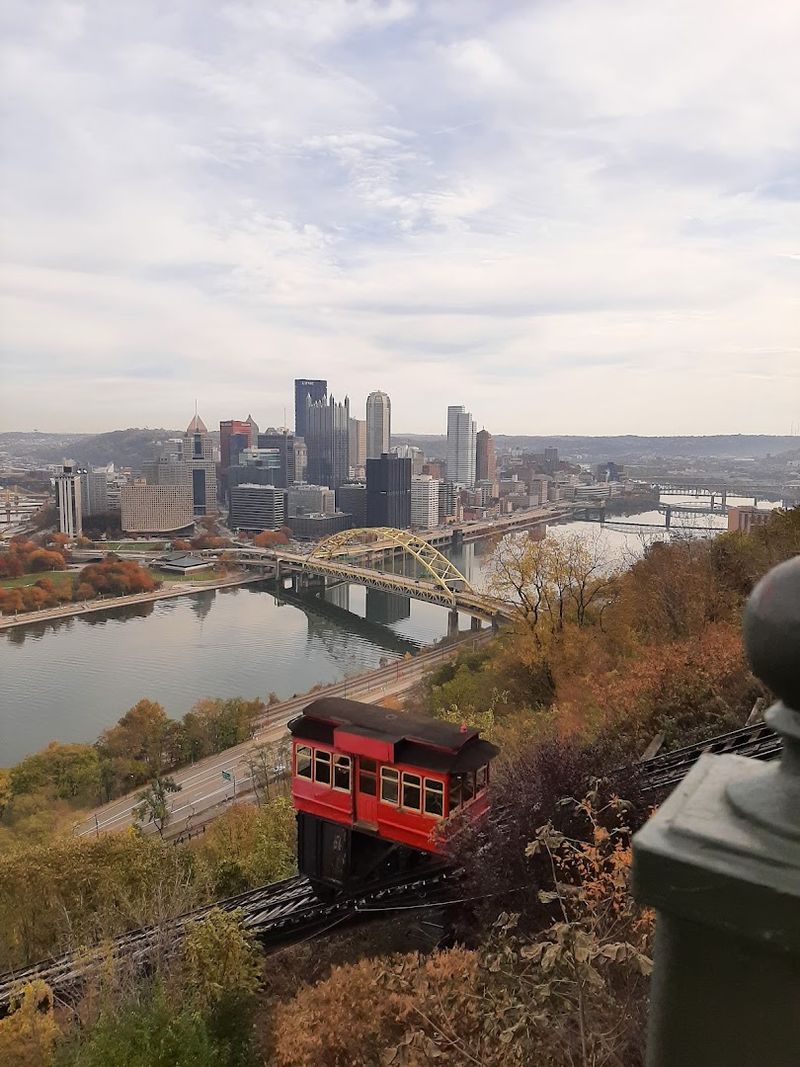
Pittsburgh plays by hillside rules, not flatland logic. Built where rivers meet steep slopes, the city sends streets twisting upward, ducking downward, and curving around terrain that often seems to have made the final decision.
A route that looks simple on a map can turn into a puzzle of bridges, inclines, and oddly angled intersections.
The city is famous for sudden elevation changes between neighborhoods. Some roads climb hard enough to make stair streets feel perfectly reasonable rather than unusual.
Longtime locals treat these shifts like routine, while visitors quickly learn that a short distance here does not always mean an easy drive.
That rugged layout is exactly why Pittsburgh feels so distinctive block after block.
3. Seattle, Washington
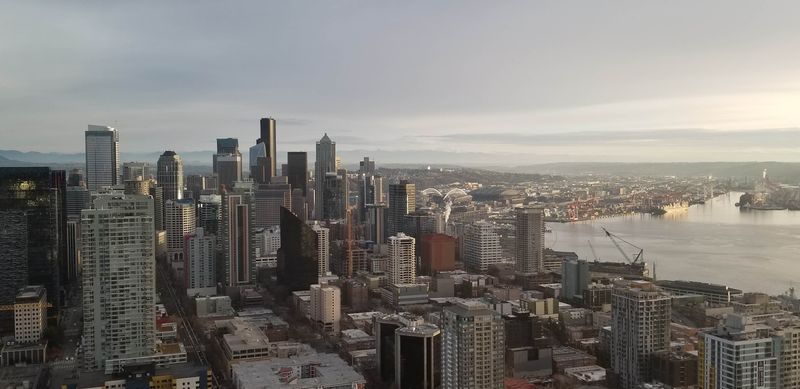
Seattle can switch personalities in one block flat, then suddenly very much not flat. Glacial shaping left the city with abrupt slopes, ridges, and uneven grades that interrupt the tidy image many people expect from a modern Northwest city.
One moment you are cruising easily, and the next you are on a street with a serious opinion about uphill travel.
Neighborhoods like Queen Anne make those changes especially obvious. Streets climb sharply, views open quickly, and the street grid starts behaving more like a suggestion than a promise.
Drivers, cyclists, and walkers all learn the same lesson here: always respect the next corner.
Seattle stays interesting because the terrain keeps rewriting the route in real time.
4. Cincinnati, Ohio
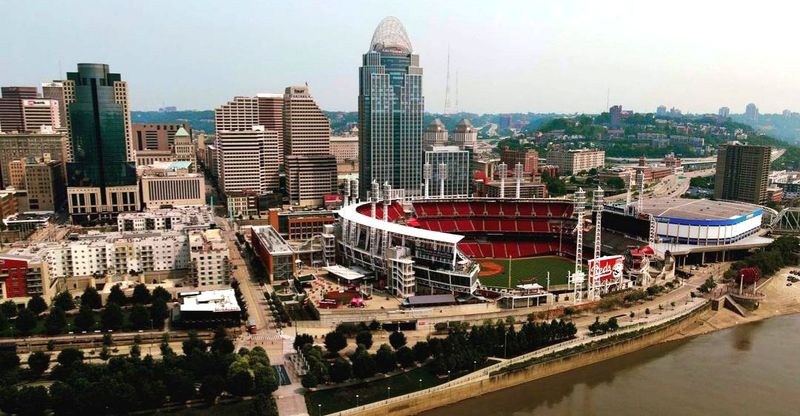
Cincinnati turns basic street planning into a full uphill assignment. Its position among hills creates roads that rise abruptly, neighborhoods perched above downtown, and routes that often feel more vertical than horizontal.
Some inclines are steep enough to make you wonder if the city accidentally paved a ramp and decided to keep it.
Historic hillside development left a network of streets, steps, and switchback style connections. That layered geography helped shape where homes, business districts, and transit lines could sensibly go.
The result is a city where navigation always involves elevation, not just direction.
Cincinnati stands out because its streets do not merely cross the landscape. They negotiate with it every single day.
5. Duluth, Minnesota
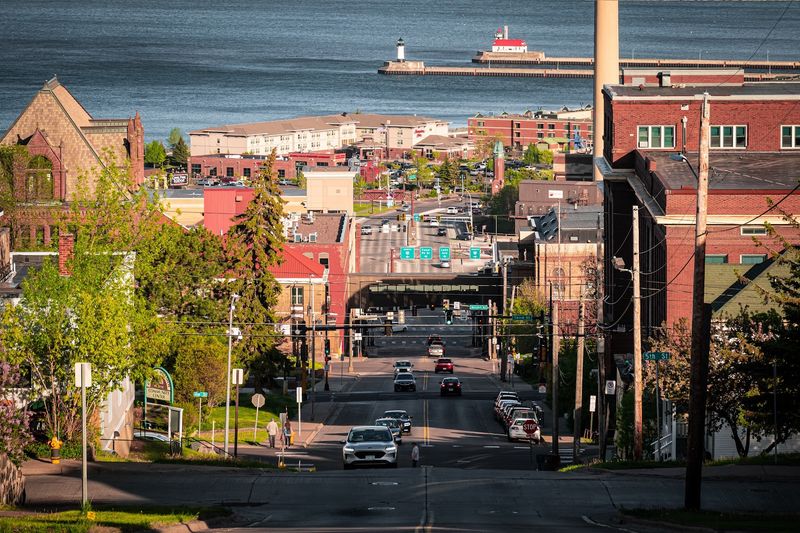
Duluth makes uphill feel like the default setting. Rising quickly from Lake Superior, the city stretches from shoreline streets to much higher neighborhoods, creating long climbs that seem determined to test every vehicle and every pair of walking shoes.
The change in elevation is not subtle, and the street network never pretends otherwise.
Because the city develops along that slope, many roads point directly into the hill. Views over the lake are a bonus, but the real story is how sharply the terrain organizes daily movement.
Even a routine trip can involve a serious ascent followed by a very committed return downhill.
Duluth earns its place on this list by making vertical distance part of normal local geography.
6. Chattanooga, Tennessee
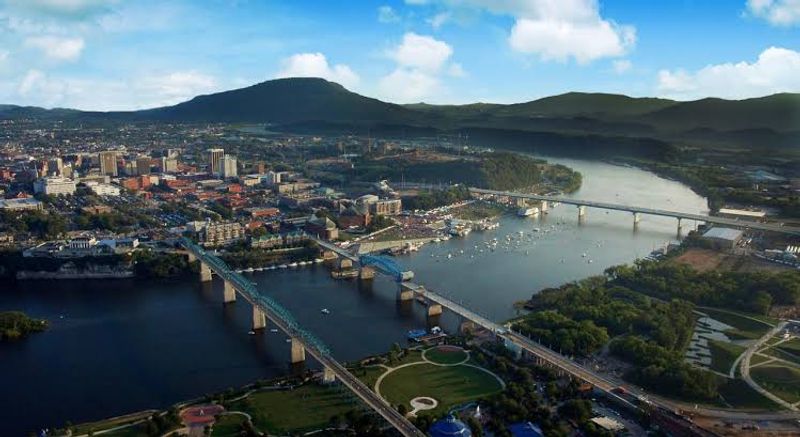
Chattanooga keeps the mountains in the conversation at all times. Surrounded by elevated terrain and shaped by the Tennessee River corridor, the city includes streets that tilt, climb, and curve in ways that make the downtown grid feel pleasantly unsettled.
Even short drives can include more elevation change than visitors expect.
That unevenness is especially clear where flatter central streets give way to nearby hillside neighborhoods. Roads adapt quickly to the land rather than forcing a perfect pattern onto it.
The result is practical, distinctive, and occasionally a little dramatic when a harmless errand suddenly includes a serious uphill section.
Chattanooga works because its street layout reflects the terrain honestly, with no attempt to hide the slopes.
7. Wheeling, West Virginia
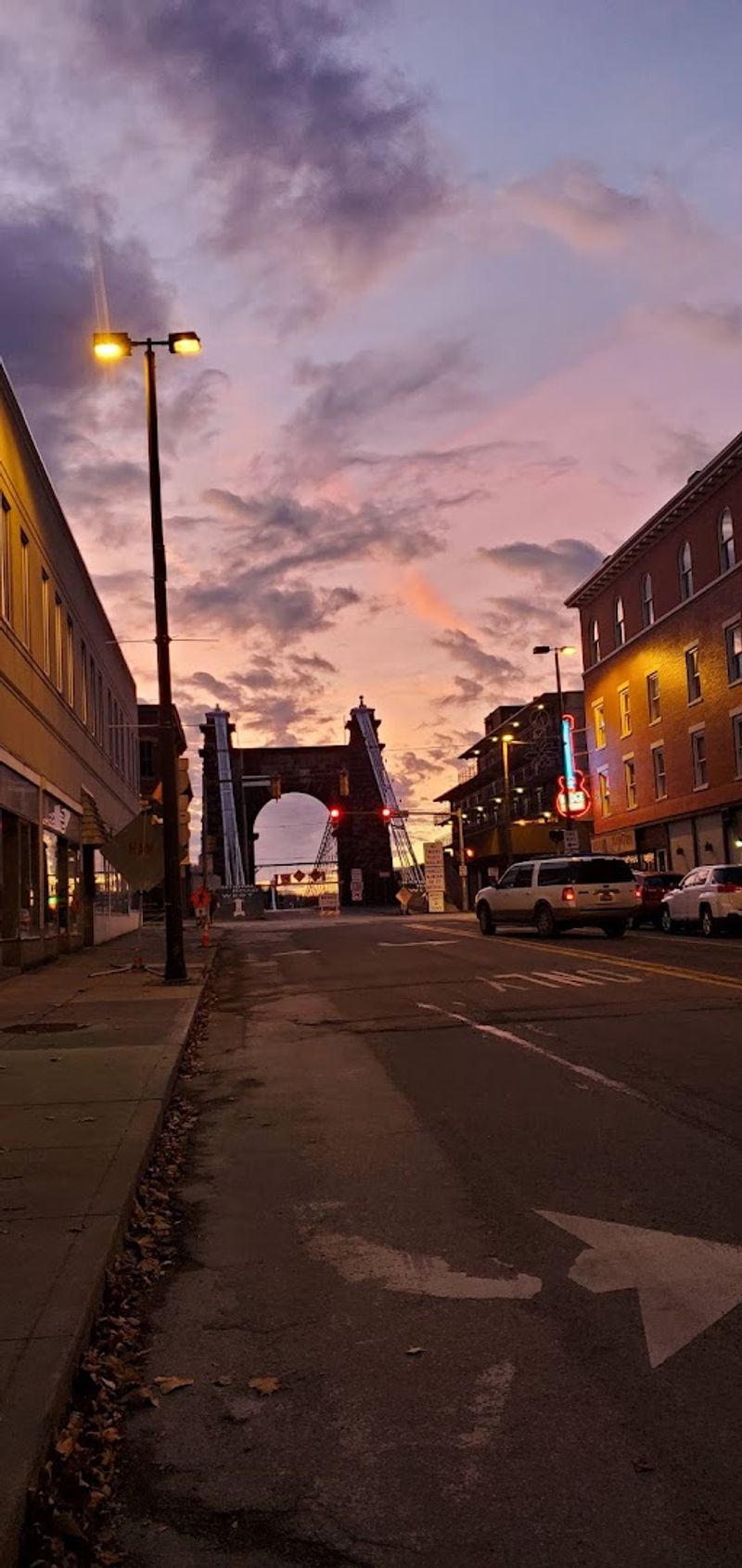
Wheeling looks like it was built wherever the hills allowed a narrow opening. The city sits in a tight river valley, and its streets often squeeze along steep slopes before climbing into neighborhoods that seem stacked one above another.
Some roads appear carved directly into the hillside, with very little room to waste.
That compact geography creates sharp grades and winding routes that reward attention. Older streets follow the contours of the land instead of flattening or straightening it, which gives the whole place a layered, historic layout.
It feels practical, but never especially predictable.
Wheeling is a strong reminder that topography can be the real planner, while the pavement simply tries to keep up.
8. Scranton, Pennsylvania
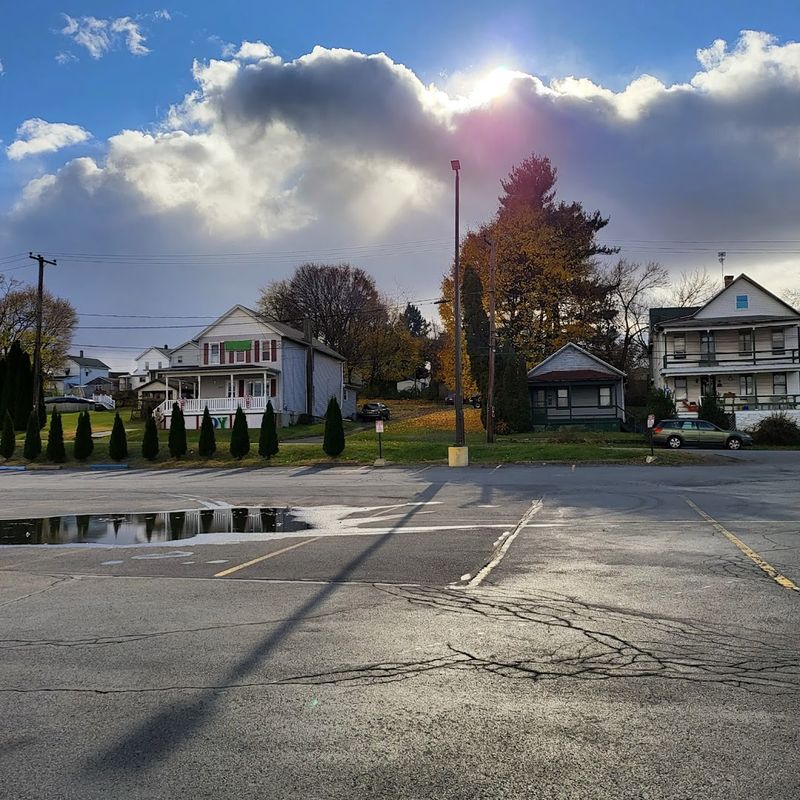
Scranton keeps every drive slightly off balance, and that is part of the charm. Built among ridges and valleys, the city has streets that rise, dip, and angle across uneven ground in ways that keep the layout from ever feeling truly flat.
You notice the elevation shifts almost immediately, especially outside the most regular blocks.
Its industrial history grew around terrain that demanded flexibility. Roads and neighborhoods settled into available spaces between slopes rather than following a neat, uninterrupted plan.
That produces a street network with plenty of character and a few stretches where your internal level might politely disagree with the pavement.
Scranton stands out because elevation is not background scenery here. It is a daily part of getting around.
9. Spokane, Washington
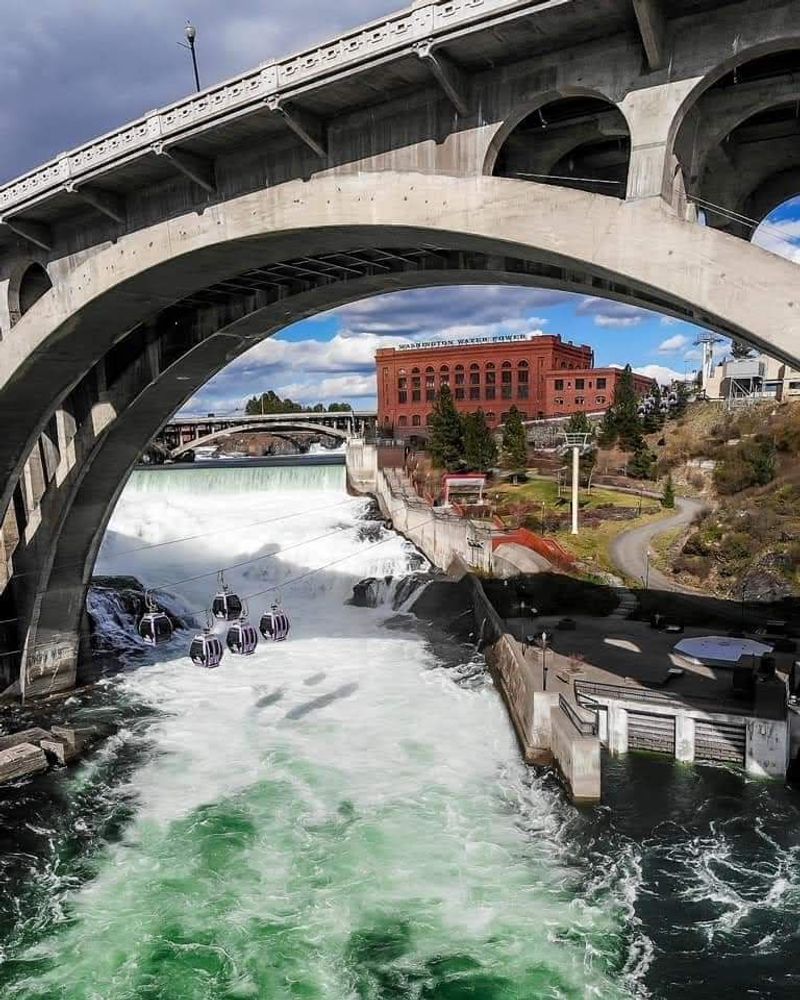
Spokane never seems interested in staying level for long. Its rolling terrain creates a steady rhythm of rises and drops, so moving across town often means crossing one grade after another instead of cruising a uniform surface.
The effect is not chaotic, but it keeps the city from feeling predictable.
Different neighborhoods show off different versions of that unevenness. Some streets tilt gently, while others make their point more directly and reshape how blocks connect.
That constant variation changes views, routing, and even how the city feels from one district to the next without needing any grand urban theatrics.
Spokane earns attention because no single slope defines it. The whole city participates in the up and down routine.
10. Los Angeles, California (Hollywood Hills area)
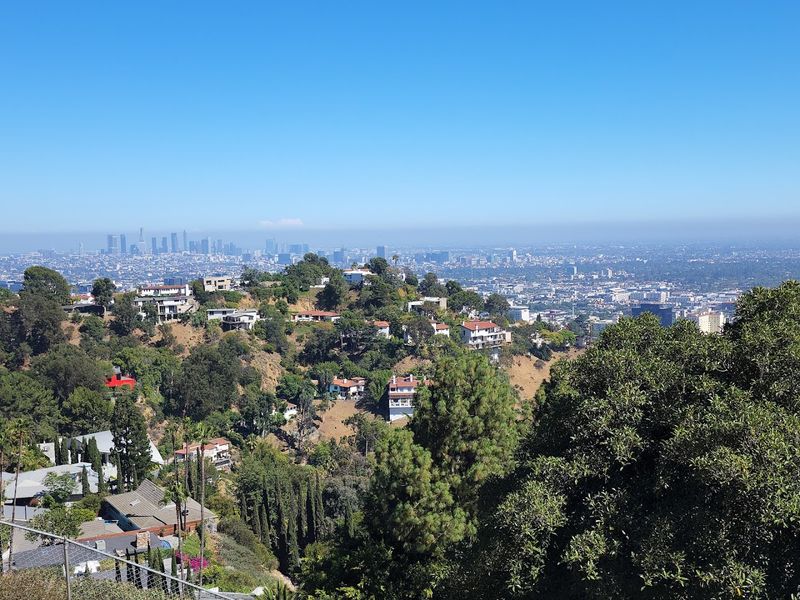
Past the postcard flatness, Los Angeles gets surprisingly serious about hills. In the Hollywood Hills area, narrow roads twist upward at sharp angles, hugging slopes and threading between homes placed wherever the terrain allowed.
Some streets look barely wide enough for confidence, let alone easy turning.
The difference between basin and hillside is immediate. Gridded expectations disappear, curves multiply, and steep grades become the main event.
Road design here often prioritizes fitting the land over creating a comfortable driving experience, which explains why a short route can suddenly feel like a practical exam with scenery.
The Hollywood Hills deserve this list because they reveal a much steeper, more irregular Los Angeles than most visitors first imagine.
11. Portland, Oregon
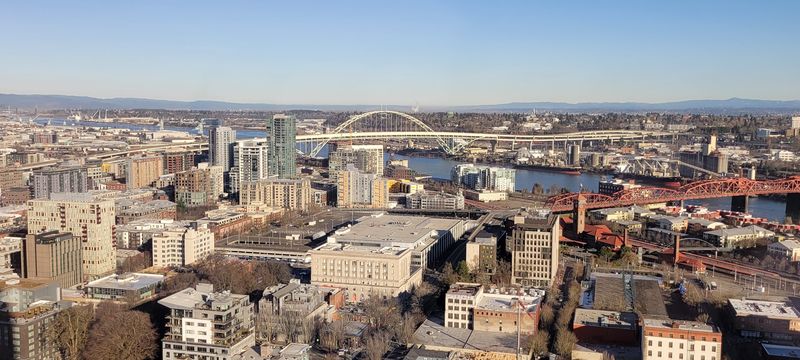
Portland likes to hide its steep side until you head for the west hills. There, streets curve, tilt, and climb with impressive commitment, turning simple neighborhood drives into careful exercises in elevation management.
The city still feels orderly, but the hills clearly inserted several amendments into the plan.
Those upper areas trade a straightforward grid for roads that respond to slopes, ravines, and ridge lines. The payoff is broad city views, but the route getting there often includes dramatic grades and a few turns that demand full attention.
It is charming, practical, and occasionally humbling for anyone on foot.
Portland belongs here because its uneven streets reveal a less relaxed version of a city often associated with easygoing navigation.
12. St. Paul, Minnesota
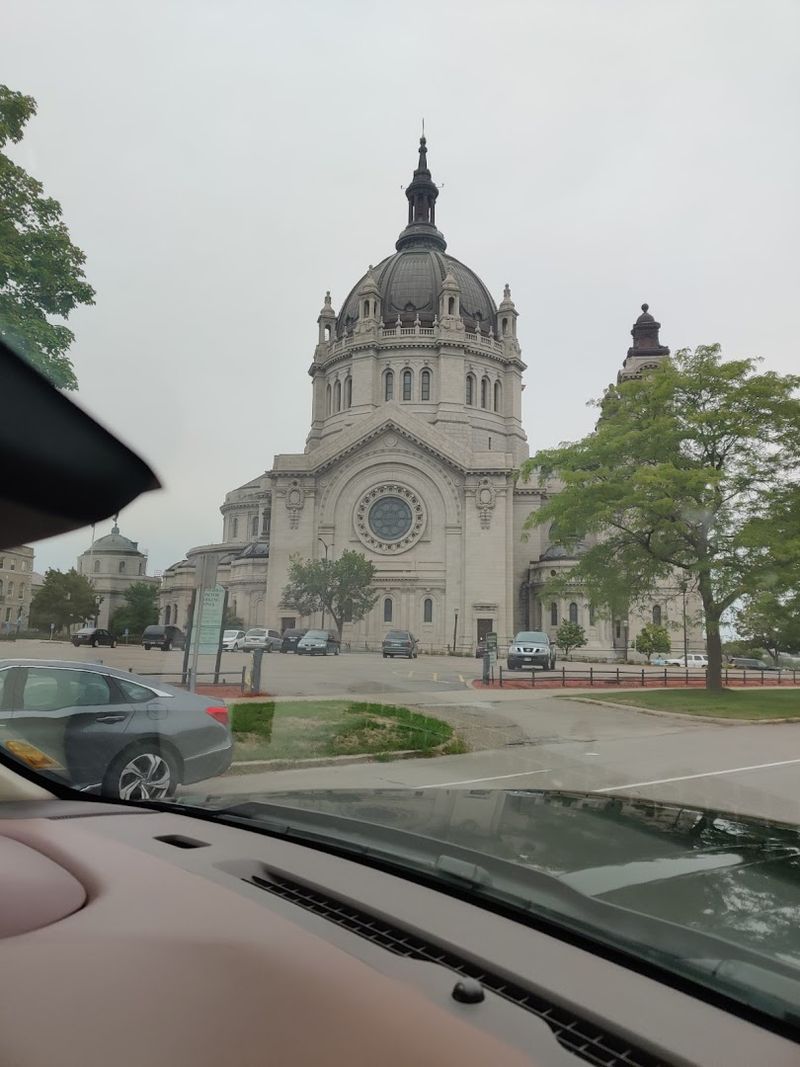
St. Paul breaks up the expected grid with bluffs, riverbanks, and abrupt elevation shifts. That geography gives the city streets that dip unexpectedly, climb toward overlooks, and bend around landforms that refused to cooperate with straight planning.
It feels orderly in parts, but never uniformly flat.
The Mississippi River valley plays a major role in that layout. Roads near the bluffs often reveal how strongly the terrain directed neighborhood growth and street connections.
One section may seem conventional, then a nearby stretch tilts sharply enough to remind you that the landscape still has final approval rights.
St. Paul makes this list because its uneven streets are woven into the city pattern, not tucked away as occasional surprises.
13. Asheville, North Carolina
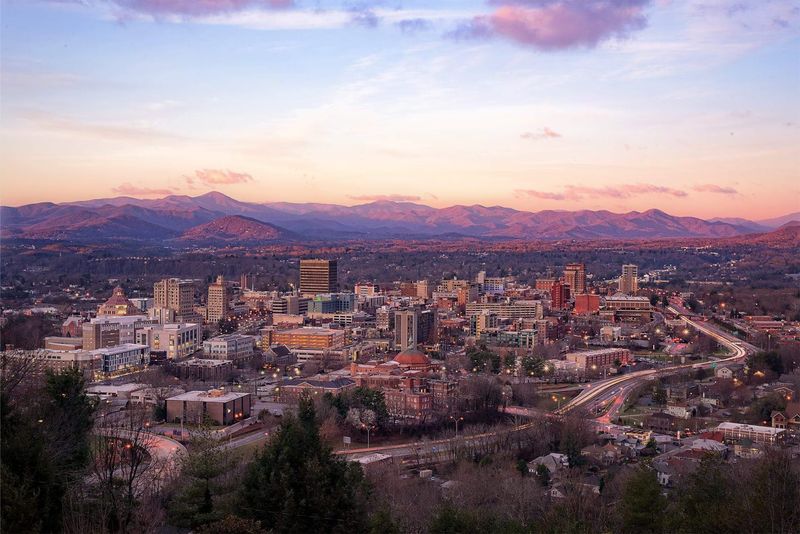
Asheville treats elevation change like a local habit rather than a special feature. Set among mountains, the city has roads that wind, climb, and drop enough to make even short drives feel like they cover more ground than the mileage suggests.
Flat stretches exist, but they rarely dominate the experience.
The terrain influences everything from neighborhood layout to road width and curve patterns. Streets often follow the contours instead of resisting them, which gives Asheville a layered appearance with districts perched at different heights.
It keeps navigation interesting without turning the place into pure chaos.
Asheville deserves notice because its streets reflect mountain geography in a direct, everyday way that visitors notice almost immediately.
14. Juneau, Alaska
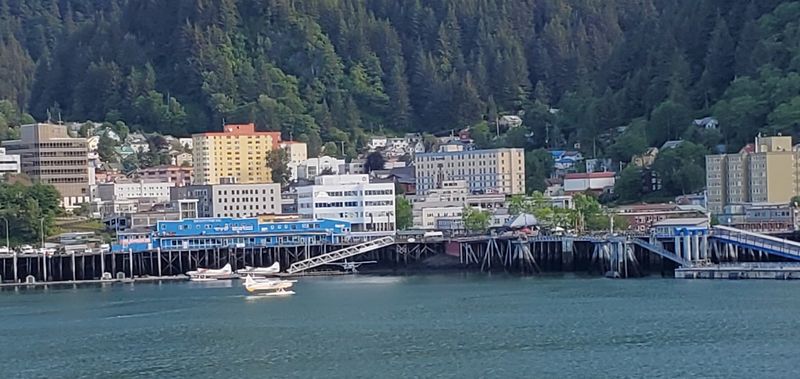
Juneau does not have much flat land to spare, and the streets know it. Wedged between mountains and water, Alaska’s capital builds where it can, producing roads that adapt tightly to slope, shoreline, and whatever space the terrain permits.
The result is a layout that feels practical first and level second.
That geography creates frequent grade changes and unusual neighborhood positioning. Some streets run along narrow strips, while others push uphill into limited buildable areas.
You can see how every road had to negotiate with the landscape before becoming part of the town, which gives Juneau a very distinctive structure.
Juneau earns its spot easily because uneven streets are not an exception here. They are part of the basic blueprint.
15. Galena, Illinois
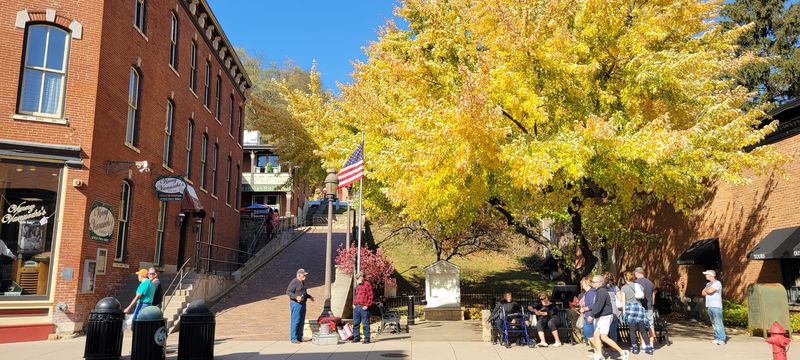
Galena proves that a historic town can also be a reliable leg day. Its preserved streets rise and fall with the natural landscape, creating walks and drives that rarely stay level for long.
The setting gives the town visual charm, but also a very real relationship with hills.
Main streets and side streets alike reflect the terrain rather than hiding it. Buildings, sidewalks, and road grades work around slopes that were already there, which helps explain why the layout feels organic instead of rigid.
Visitors quickly notice that a short stroll can involve more elevation than expected.
Galena belongs on this list because its uneven streets are central to the town’s structure, not just a scenic extra.
16. Jim Thorpe, Pennsylvania
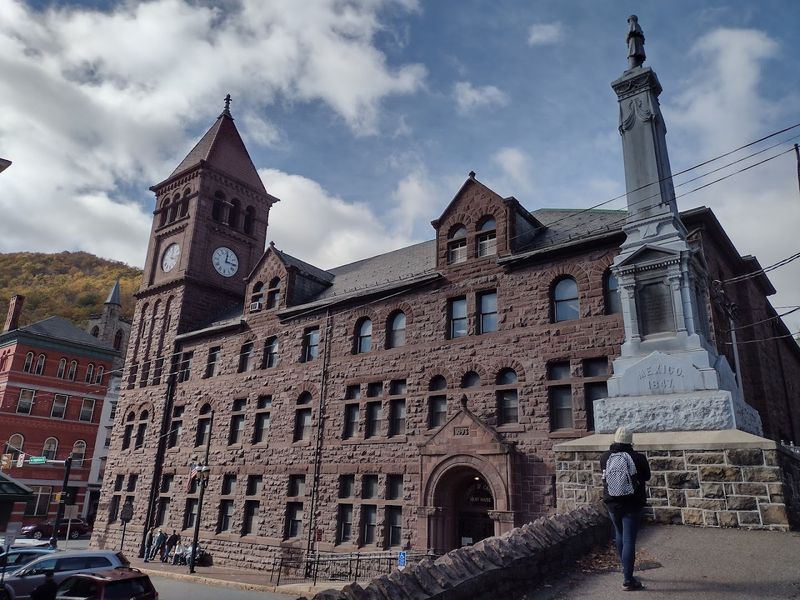
Jim Thorpe stacks itself into a steep valley with remarkable determination. Streets follow the contours of the land, which means routes bend, climb, and squeeze into layered spaces that make the town feel distinctly vertical.
It is compact, historic, and never casually flat.
That topography affects how blocks connect and how visitors move through the center. Roads and walkways respond to hillside constraints rather than idealized planning, so you get a layout that feels tightly fitted to the landscape.
The result is memorable, attractive, and occasionally a persuasive argument for comfortable shoes.
Jim Thorpe stands out because the entire town seems arranged in tiers, with streets acting less like lines on a map and more like negotiated paths.
17. Butte, Montana
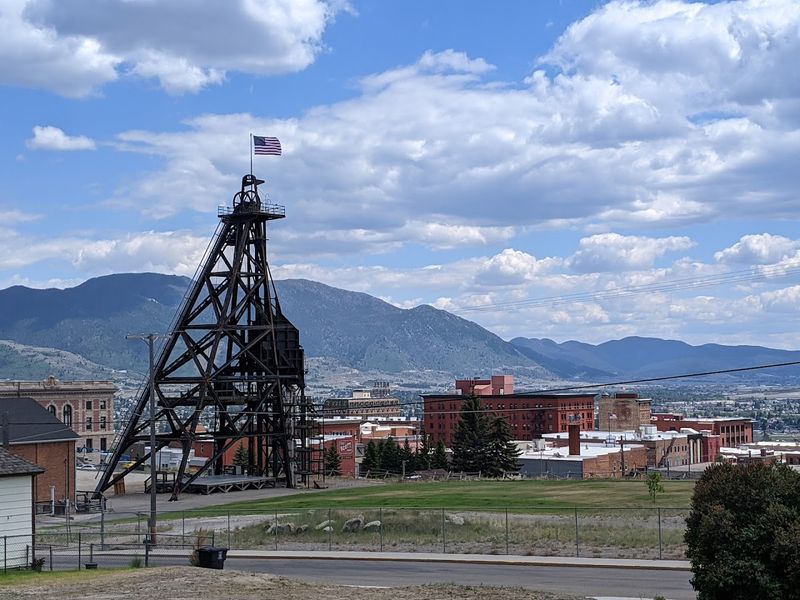
Butte tilts with confidence, as if level ground were merely optional. Built on a hillside with a strong mining era identity, the city has streets that angle in different directions and create a dramatic, layered look across town.
The terrain gives nearly every neighborhood a visible slope story.
Those grades affect how blocks line up, how buildings sit, and how routes connect across the hillside. Instead of a perfectly settled street pattern, Butte offers one shaped by elevation and history working together.
It is visually distinctive and practical in a way that never quite lets you forget the land underneath.
Butte makes this list because its uneven streets are not isolated features. They define the town’s overall structure from block to block.
18. Eureka Springs, Arkansas
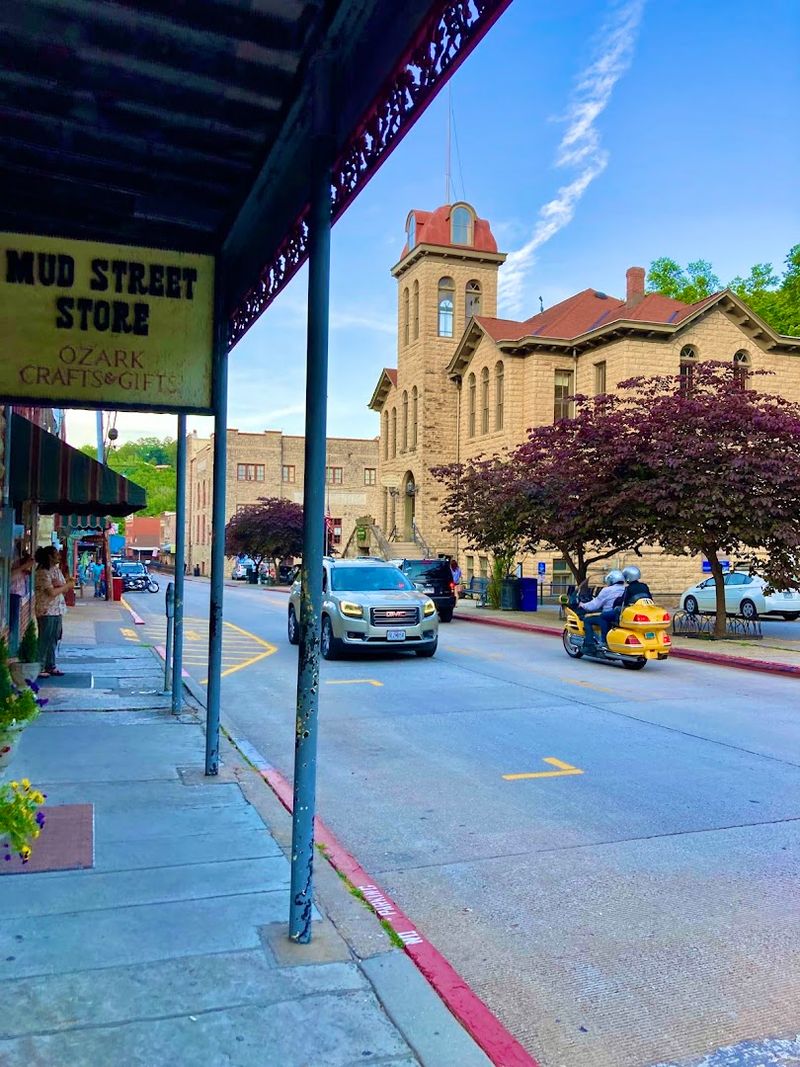
Eureka Springs seems to have skipped the grid memo entirely. Known for winding, irregular streets in the Ozarks, the town bends around steep terrain with a layout that feels delightfully independent from standard planning rules.
Curves, climbs, and unexpected connections are part of the package.
The streets reflect the hills so closely that straight lines often lose the argument. Historic development followed the available contours, producing a network that is compact, scenic, and occasionally determined to send you the long way uphill.
It is charming, but also very clearly shaped by geography first.
Eureka Springs deserves a place here because its uneven streets are inseparable from the town’s identity and explain much of its unusual, memorable layout.
19. Harpers Ferry, West Virginia
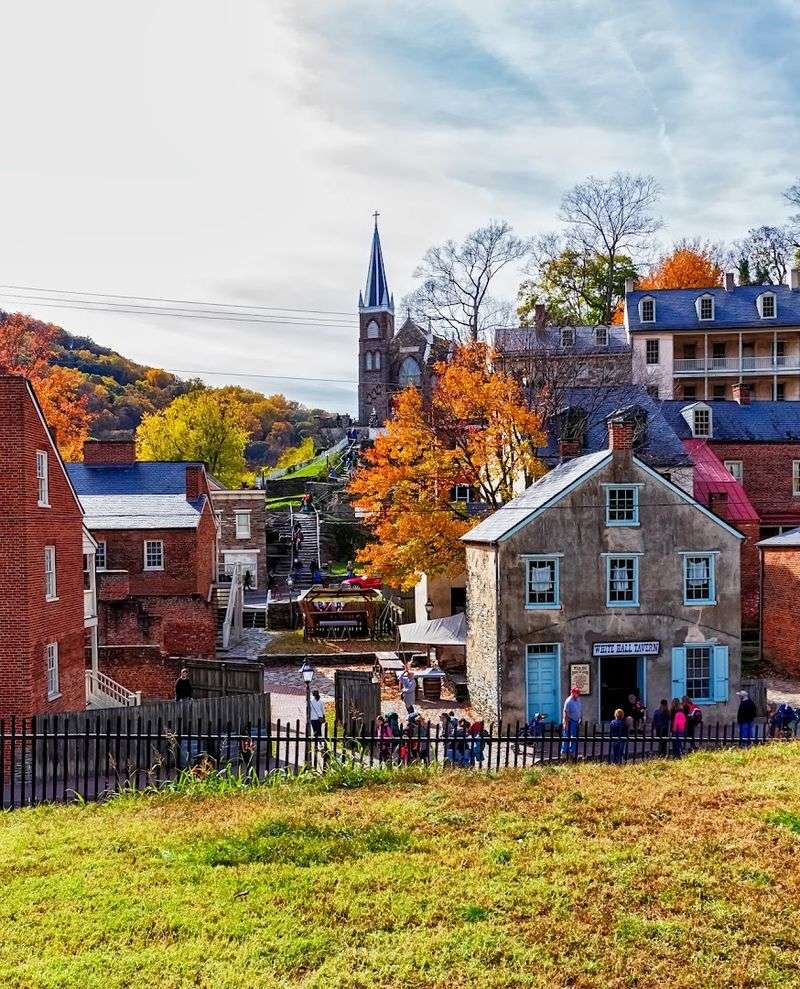
Harpers Ferry had very little room to spread out, so it built upward and inward. Set where rivers meet steep hills, the town’s street network is compressed, layered, and shaped by every available contour.
Flat, spacious planning was never really on the table here.
That tight geography creates abrupt changes in elevation and unusual connections between streets, paths, and historic structures. The result is a compact place where moving a short distance can still involve a notable climb or descent.
You can read the terrain directly in the street pattern, which is always a sign of a memorable town layout.
Harpers Ferry closes this list well because its uneven streets feel inseparable from the landscape that surrounds and constrains them.
Share this story