Not every great national park has a three-hour parking line and a gift shop the size of a grocery store. Some of the most stunning landscapes in the country sit quietly off the tourist radar, waiting for the travelers bold enough to skip the postcard stops.
I stumbled onto this truth during a road trip through Nevada, when I pulled into Great Basin National Park expecting nothing and left completely floored. These 14 parks prove that the best experiences often come without the crowds.
North Cascades National Park, Washington
Less than three hours from Seattle, North Cascades somehow stays one of the country’s least-visited big mountain parks. That is not a knock on it.
That is the whole point.
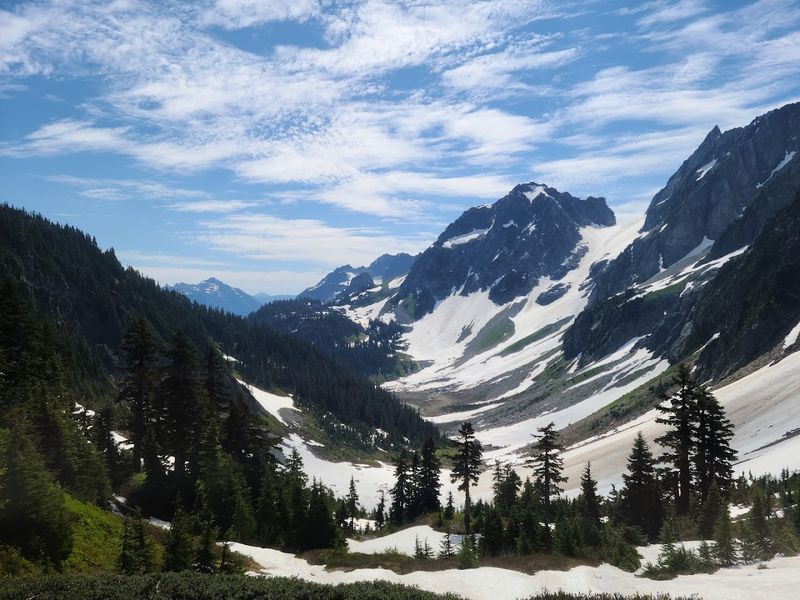
The park holds over 300 glaciers, more than anywhere else in the contiguous U.S. outside Alaska. Jagged peaks rise over forested valleys in every direction.
Yet the trailheads rarely feel shoulder-to-shoulder the way they do at flashier alpine destinations.
What really sets it apart is how fast the noise disappears once you step in. There is no choreographed experience here, no shuttle system herding you from one overlook to the next.
The wilderness genuinely feels like it is running the show, not the other way around. Rangers I spoke with said many visitors come once and quietly reroute their entire vacation plans to come back.
Hard to blame them when the mountain world still feels this raw and unclaimed.
Isle Royale National Park, Michigan
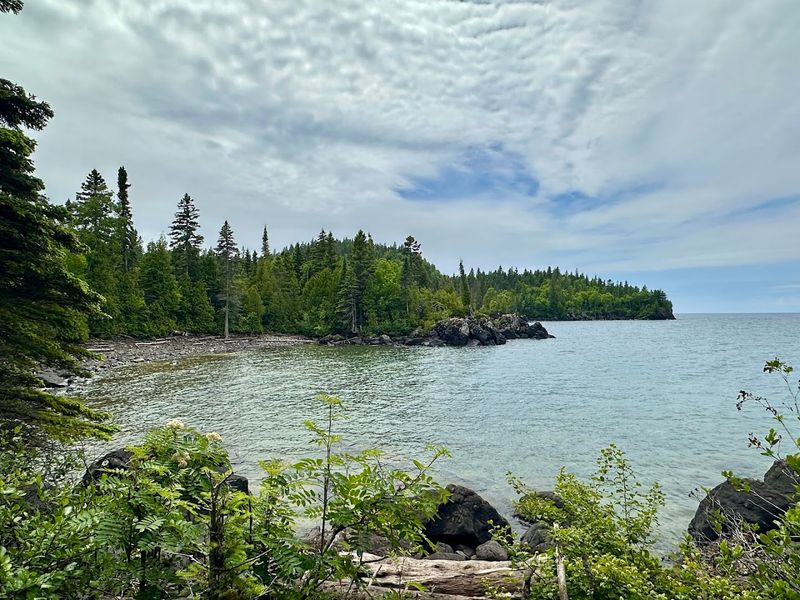
Getting to Isle Royale requires a ferry or floatplane across Lake Superior, and honestly, that inconvenience is the park’s best feature. The effort filters out casual visitors before they even arrive.
Once you land, the island feels genuinely cut off from the mainland in the best possible way. No roads connect it to the rest of Michigan.
Wolves and moose have played out one of the longest predator-prey studies in scientific history right here, which gives the place a quiet ecological gravitas that few parks can match.
Backpackers, paddlers, and divers all find their own corner of this place. Campsites book up, but they never feel like a festival.
The National Park Service itself describes it as a refuge from rush, and for once, the official language actually delivers on its promise. Cross the lake and the daily noise genuinely stays behind.
Great Basin National Park, Nevada
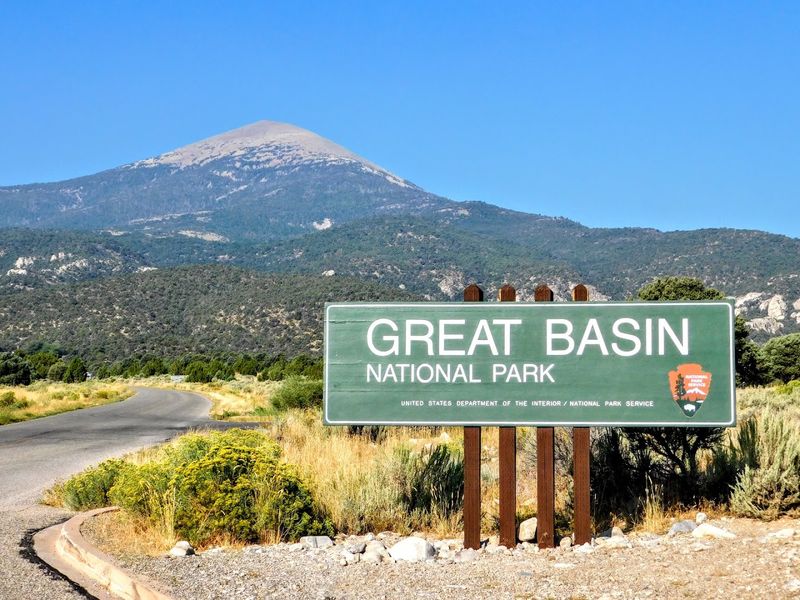
Most Southwest road trips skip Nevada entirely, which is exactly why Great Basin feels like a secret someone forgot to post about. I pulled in on a whim and ended up staying two extra nights.
The park packs in bristlecone pines that are thousands of years old, a cave system full of stalactites, and some of the darkest night skies in the lower 48. That combination sounds like it should be overrun with visitors.
It is not.
Trails stay quiet even on weekends. The Lehman Caves tour runs in small groups, so you actually hear the guide instead of craning over strangers.
And the night sky situation is not just a talking point. On a clear evening, the Milky Way is so bright it looks almost theatrical.
Great Basin rewards the travelers who do not need a famous name on their itinerary to feel like the trip was worth it.
Guadalupe Mountains National Park, Texas
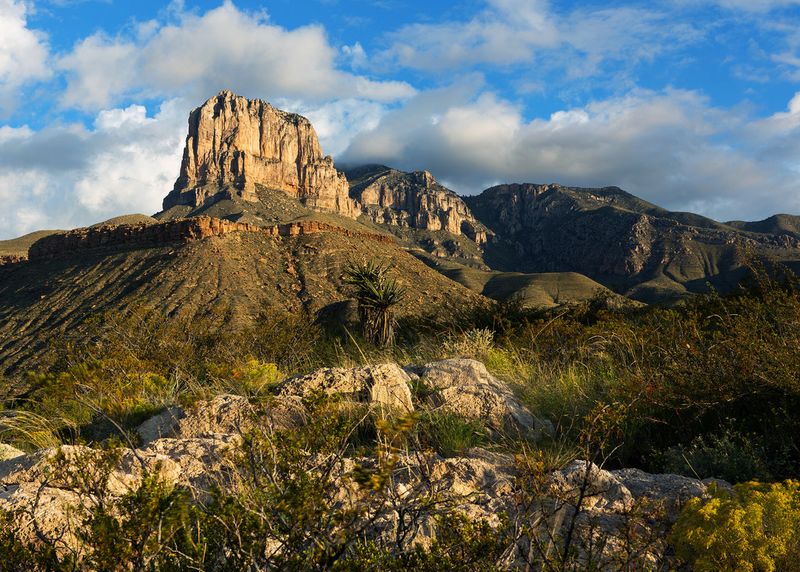
Guadalupe Mountains holds the highest point in Texas and protects the world’s most extensive Permian fossil reef. Yet it regularly ranks among the least-visited national parks in the country.
Texas-sized irony right there.
The park is built for long hikes and wide-open desert views rather than drive-through tourism. There are no shuttle buses, no food concessions, and no crowds waiting to photograph the same rock formation.
Just trails, wind, and the occasional mule deer wandering past.
The rawness here is the main attraction. Guadalupe Mountains still feels elemental in a way that some over-visited parks have lost.
The Guadalupe Peak trail rewards hikers with a summit view that stretches into New Mexico and makes the climb feel genuinely earned. For travelers who want their national park experience to feel a little less curated and a lot more real, this desert corner of Texas delivers without apology.
Congaree National Park, South Carolina
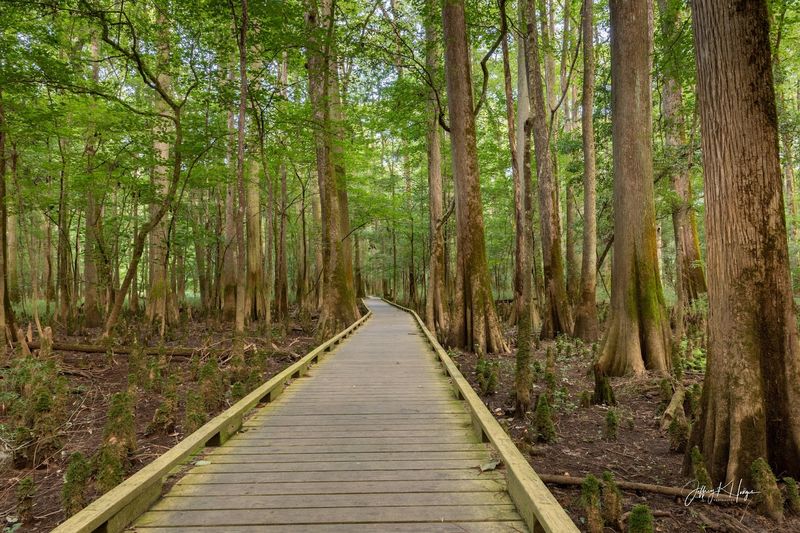
Congaree does not announce itself with dramatic peaks or famous geysers. It works differently, pulling you in slowly with towering old-growth trees and water that barely moves.
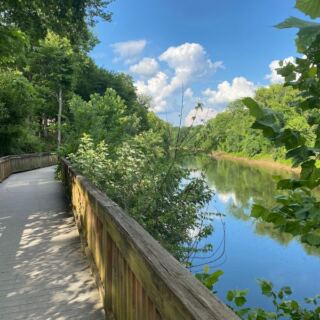
The park protects the largest intact expanse of old-growth bottomland hardwood forest left in the southeastern United States. Champion trees stretch overhead while the boardwalk trail winds through floodplain that floods regularly and feels ancient every single time.
Birding here is exceptional, with species counts that rival parks ten times its size.
What makes Congaree feel so peaceful is the atmosphere it creates without trying. The canopy muffles outside noise almost immediately.
Conversations tend to drop to half volume without anyone deciding to be quiet. A slow paddle through the waterways or a long walk on the elevated boardwalk delivers a stillness that feels genuinely restorative.
This is the park for people who find peace in green shadows rather than mountain summits.
Voyageurs National Park, Minnesota
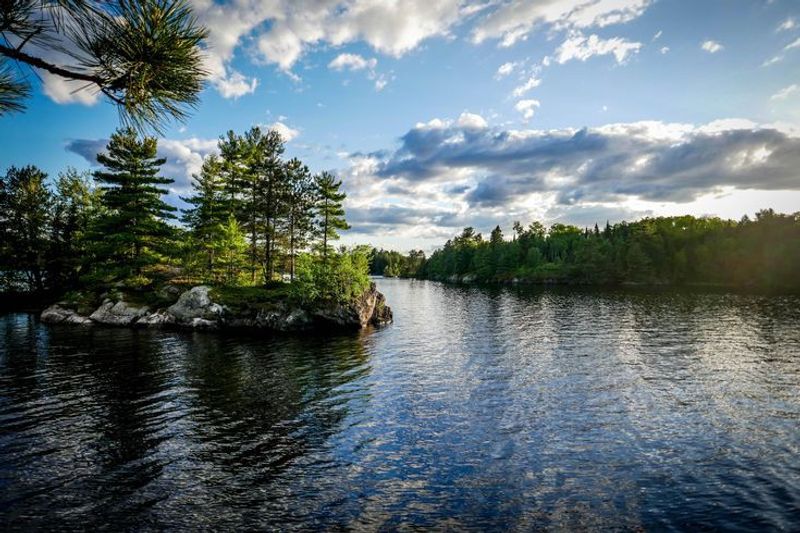
Voyageurs breaks the standard national park mold in one very practical way: you cannot drive to most of it. Boats replace cars here, and that single fact changes everything about the experience.
Spanning 218,000 acres of lakes, forests, and waterways in northern Minnesota, the park rewards anyone willing to rent a canoe or houseboat and head out past the launch ramp. Campsites accessible only by water stay quieter than anything reachable by road.
The wildlife, including beavers, otters, and occasional wolves, operates on its own schedule rather than the tourist calendar.
Aurora viewing is a legitimate draw here too. On clear nights in the right season, the northern lights reflect off the lake surface in a way that makes the whole scene feel slightly unreal.
Voyageurs is proof that removing the highway from the equation removes most of the chaos right along with it. Pack a dry bag and go.
Black Canyon of the Gunnison National Park, Colorado
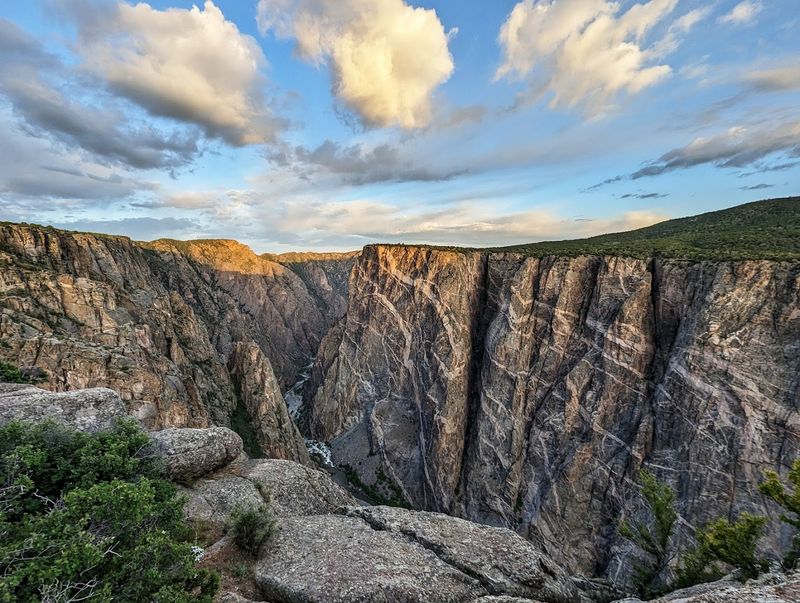
The walls of Black Canyon drop nearly 2,700 feet in some places, and the rock at the bottom is two billion years old. That is not a typo.
Two. Billion.
Despite that geological drama, Black Canyon of the Gunnison rarely shows up on the crowded Colorado park circuit. The overlooks deliver views that genuinely stop people mid-sentence, yet the parking lots stay manageable.
Trails range from easy rim walks to serious inner canyon descents that require a free permit and a decent respect for gravity.
The mood here runs darker and more contemplative than the pastel canyon parks that dominate travel feeds. That is not a complaint.
The deep shadows, narrow gorge, and roaring river far below create something that feels more like an encounter than a tourist stop. Black Canyon rewards visitors who prefer their landscapes intense and their crowds thin.
Both conditions are reliably met here.
Lassen Volcanic National Park, California
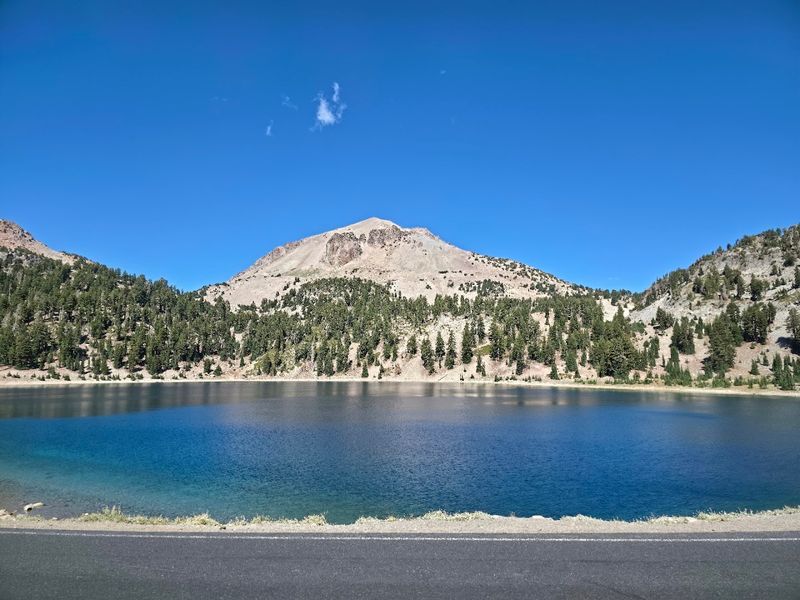
Lassen has boiling mud pots, steaming ground vents, fumaroles, alpine lakes, and a peak that erupted as recently as 1917. Yet somehow California tourists keep driving straight past it toward the more famous parks.
The hydrothermal features here rival anything in Yellowstone for sheer weirdness, but the visitor numbers do not come close to matching. That means you can actually stand at the edge of a bubbling pool and take it in without fifty people jostling for the same photo angle.
The Bumpass Hell trail leads through the largest hydrothermal area in the park and remains one of the most genuinely strange walks in the American West.
Lassen also offers solid hiking, good camping, and reliable snowpack for winter sports. It is the kind of place that does everything well without getting credit for any of it.
California’s loss is the quiet traveler’s gain. Show up and enjoy the elbow room.
Chiricahua National Monument, Arizona
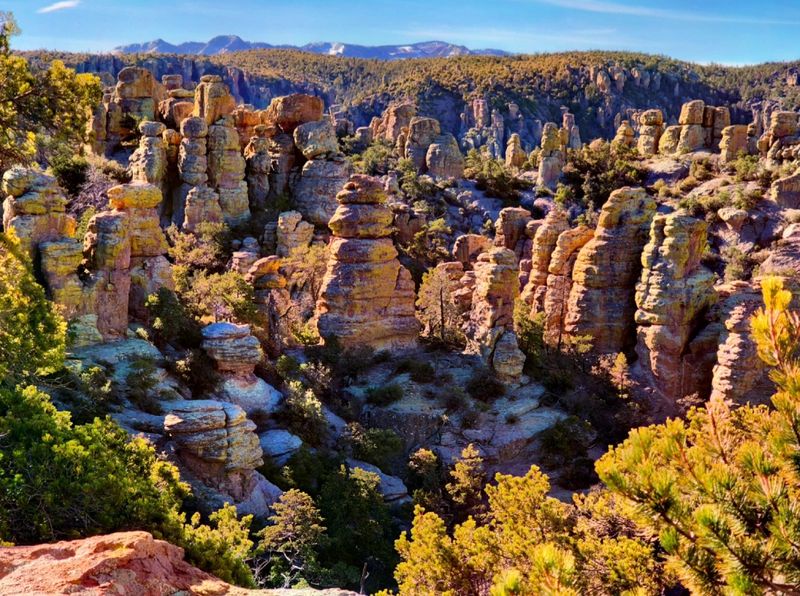
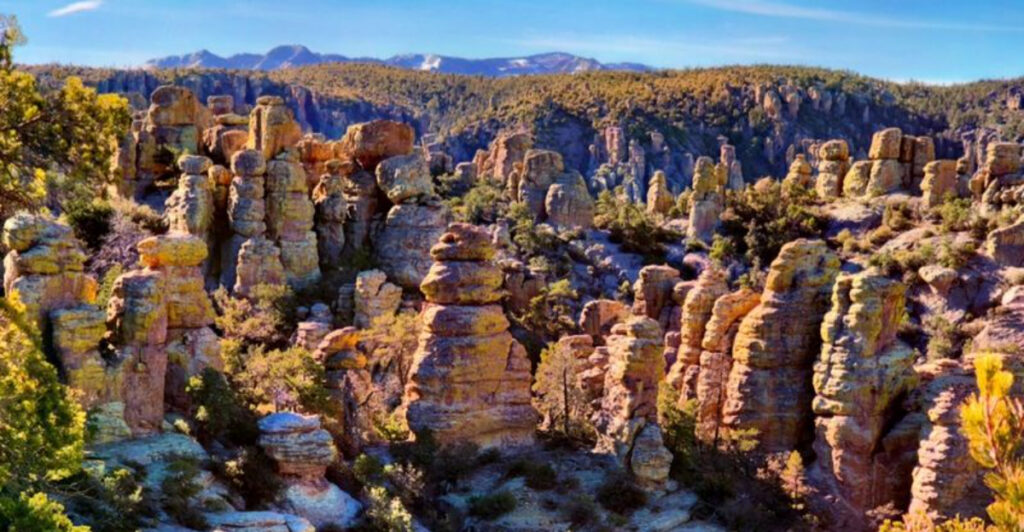
Chiricahua sits in the southeastern corner of Arizona, tucked into a mountain range most road maps barely bother to label. The rocks here are the main event, and they are genuinely bizarre in the best way.
Rhyolite pinnacles shoot hundreds of feet into the air. Balanced rocks sit stacked in formations that look structurally improbable.
The park calls itself a Wonderland of Rocks, which sounds like marketing speak until you actually walk through it and realize the description is just accurate.
Unlike the red-rock parks that attract massive crowds, Chiricahua still feels like a discovery. The biodiversity is remarkable too.
This sky island habitat draws rare birds and wildlife found almost nowhere else in the U.S., which makes it a serious destination for birders and naturalists. Dark skies, quiet trails, and formations that look like something a very creative geology professor designed on a whim.
Chiricahua earns every bit of attention it gets.
Cedar Breaks National Monument, Utah
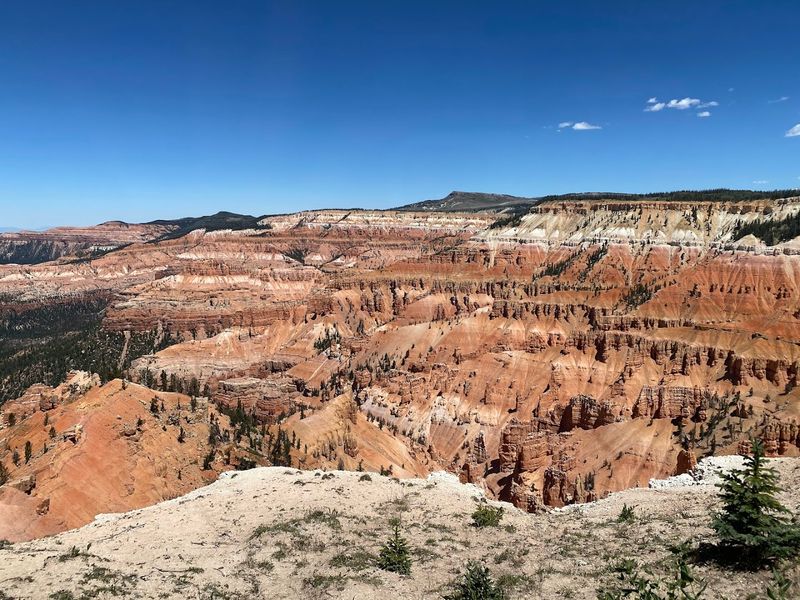
Cedar Breaks sits above 10,000 feet and looks down into a half-mile-deep natural amphitheater filled with hoodoos, spires, and colors that shift through pink, orange, and deep red depending on the light.
It has everything people drive hours to see in southern Utah, just without the bumper-to-bumper entrance queues. The elevation keeps summer temperatures cooler than the desert parks below, which makes afternoon walks genuinely pleasant rather than a test of hydration discipline.
Bristlecone pines and wildflower meadows fill the rim area during summer months.
Night sky quality here is exceptional. Cedar Breaks is a designated International Dark Sky Park, and the altitude cuts down atmospheric interference enough to make stargazing feel like a different activity entirely.
For travelers who have done the southern Utah loop and want something calmer but equally dramatic, Cedar Breaks is the obvious next move. It has the color and the scale.
It just skipped the fame.
Fossil Butte National Monument, Wyoming
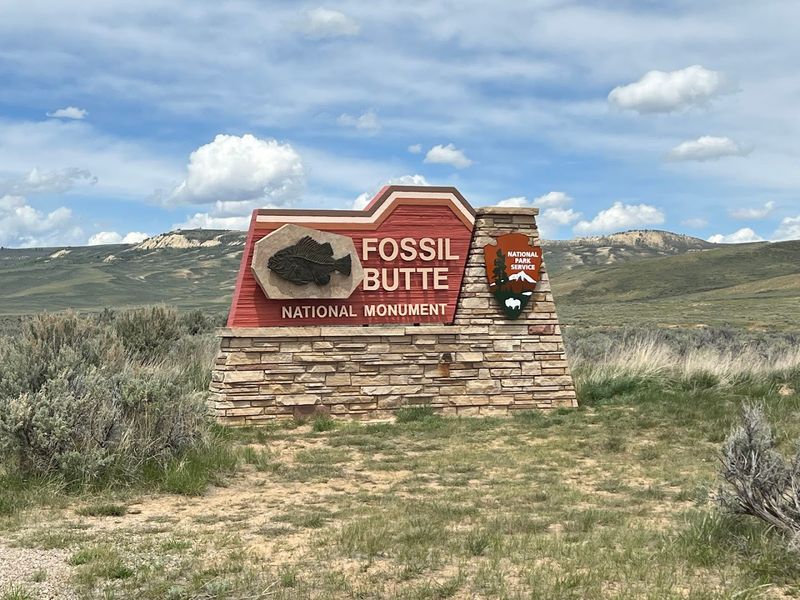
Fifty-two million years ago, a subtropical lake covered southwest Wyoming. Today, Fossil Butte preserves the remnants of that vanished world in extraordinary detail, including fish, turtles, stingrays, insects, and early horse ancestors locked in ancient stone.
The visitor center displays genuine fossils found right here, not replicas shipped in from somewhere more famous. The quality and variety of specimens is legitimately world-class.
Paleontologists have been pulling remarkable finds out of these hills for over a century and the layers keep delivering.
Trails are short and manageable, crowds are minimal, and the landscape has a spare, wide-open quality that feels honest about what Wyoming actually looks like. This is not a park that tries to impress with dramatic scenery.
It earns its place through deep time and scientific weight. Fossil Butte is the rare destination that makes you feel genuinely smarter for having visited, without making the experience feel like homework.
Florissant Fossil Beds National Monument, Colorado
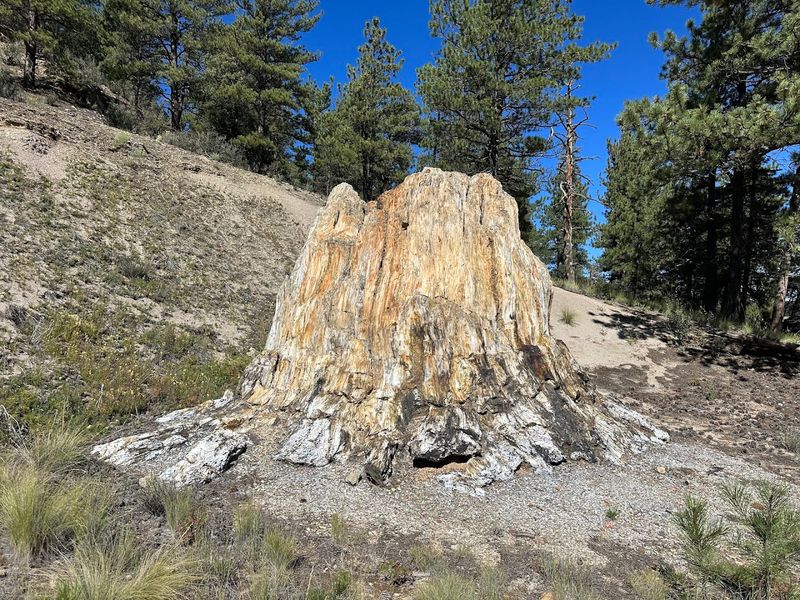
Florissant sounds like a fancy French neighborhood. It is actually a Colorado meadow sitting on top of one of the most fossil-rich sites on Earth, and almost nobody talks about it.
Petrified redwood stumps up to 14 feet wide sit right along the trails, remnants of a forest buried by volcanic activity 34 million years ago. The insect and plant fossils found here are so finely detailed that researchers still actively study them.
The variety of species preserved in the shale layers here has reshaped scientific understanding of ancient ecosystems.
The pace at Florissant is genuinely slow, and that is a feature rather than a flaw. Trails are gentle, the meadows are pretty, and the sense of personal discovery feels real rather than manufactured.
No shuttle required, no timed entry, no three-week-out reservation system. Just walk in, find a 34-million-year-old stump, and take a moment to appreciate how absurdly old the world actually is.
Bandelier National Monument, New Mexico
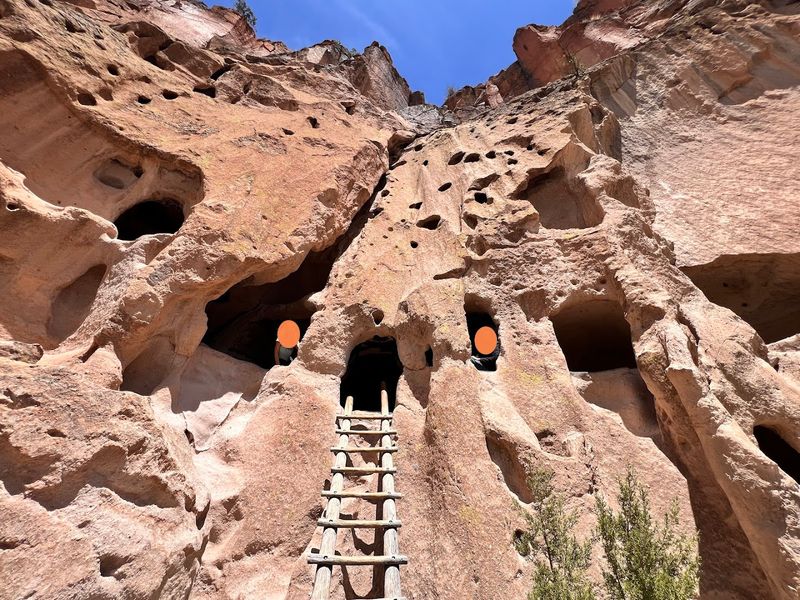
Bandelier hides in a canyon just 40 miles from Santa Fe, yet it operates on a completely different frequency from the city’s tourist bustle. The quiet here feels earned rather than accidental.
The park protects over 33,000 acres of canyon and mesa country tied to ancestral Pueblo history. Dwellings carved directly into soft volcanic rock line the canyon walls, and visitors can climb wooden ladders into cave rooms that people actually lived in.
The petroglyphs and masonry ruins scattered throughout the landscape add layer after layer of human story to an already striking setting.
What separates Bandelier from the bigger archaeological parks is the reflective mood it creates. The canyon scale keeps things intimate.
Tour groups come and go, but the trails between sites tend to clear out quickly. Spending a morning here feels less like touring a landmark and more like wandering through a place that still holds something.
New Mexico has no shortage of remarkable sites, but Bandelier earns a long, unhurried visit.
Capitol Reef National Park, Utah
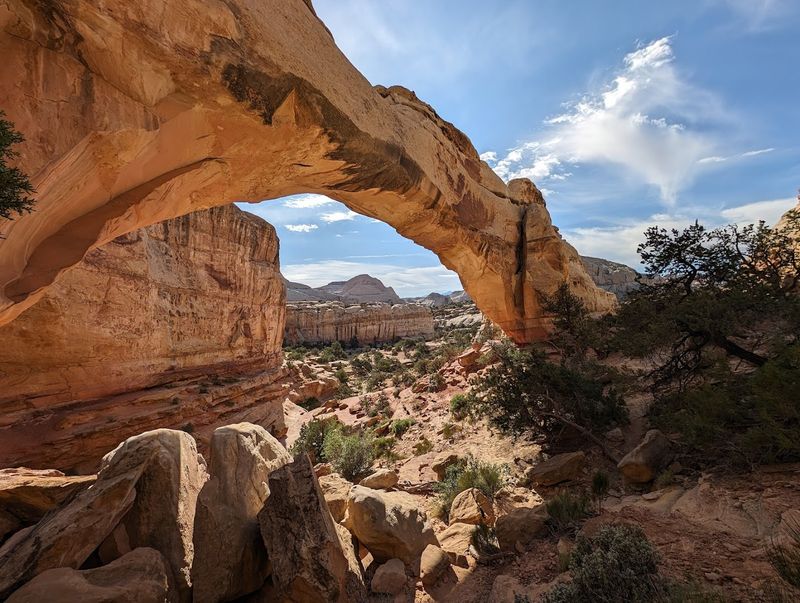
Capitol Reef protects a nearly 100-mile-long wrinkle in the Earth’s crust called the Waterpocket Fold, a geologic feature so dramatic it seems like the landscape lost an argument with itself millions of years ago.
The park sits between Bryce Canyon and Canyonlands on the southern Utah map, which means most visitors drive straight through without stopping. Their loss is a genuine gift to everyone who does pull over.
The scenic drive is free, accessible by regular car, and lined with cliffs, domes, and canyon walls that shift color through the day.
The fruit orchards planted by early Mormon settlers still produce in season, and visitors can pick their own. That detail alone makes Capitol Reef feel different from every other red-rock park.
The NPS calls it a hidden treasure, which is unusually candid for official park language. For once, the description fits perfectly.
Skip the hype, find the Fold, and take your time.
Share this story