Europe is full of famous cities, but some of its most magical places are the ones most people have never heard of. Tucked between mountains, canals, and ancient walls are tiny towns that look like they were pulled straight from the pages of a storybook.
These hidden gems offer cobblestone streets, colorful buildings, and centuries of history — without the massive tourist crowds. If you’re ready to discover Europe’s best-kept secrets, this list is a great place to start.
Albarracín, Spain
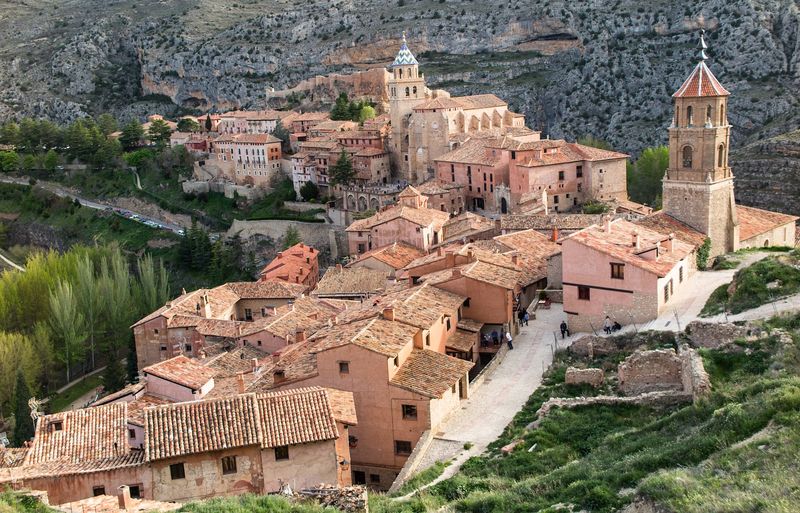
Walk into Albarracín and you might genuinely check your watch to see if you’ve traveled back to the Middle Ages. This small walled town in eastern Spain is built into a rocky hillside, with terracotta-pink houses and twisting alleyways that feel completely frozen in time.
Sunset here is something else — the whole town shifts into warm amber and rose tones that would make any photographer lose their mind.
Albarracín’s history stretches back over a thousand years. Its medieval walls, watchtowers, and cathedral have survived remarkably well, giving the town an authenticity that bigger Spanish destinations simply can’t match.
Crowds are rare, so you can actually wander the plazas and narrow streets without bumping into tour groups every five steps.
The town also sits near a stunning natural park, making it a solid base for outdoor adventures too. Local restaurants serve hearty Aragonese food that warms you up after a day of exploring.
Albarracín isn’t trying to impress anyone — and that’s exactly what makes it so impressive. It’s a place that rewards slow travel and genuine curiosity more than any highlight reel ever could.
Hallstatt, Austria
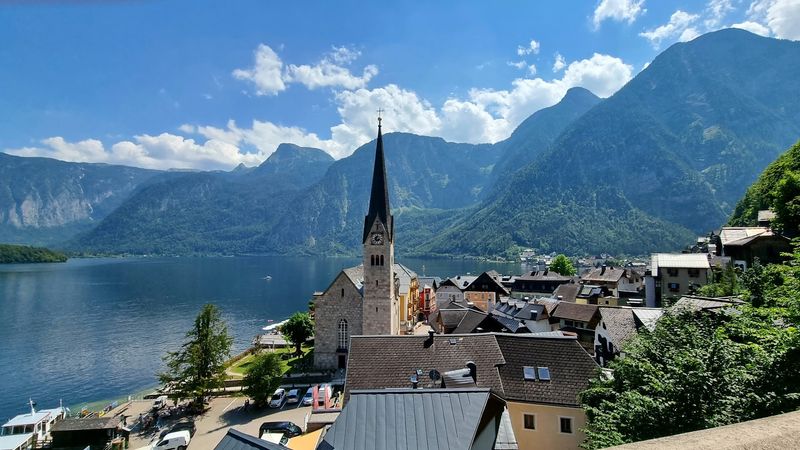
There’s a reason Hallstatt inspired the fictional kingdom in a popular animated film — it looks almost too perfect to be real. Pastel houses cling to the edge of a glassy lake, with the Alps rising dramatically behind them.
The reflection on the water is so crisp that the whole scene looks mirrored, like the village exists twice.
Most visitors come as day-trippers and leave by afternoon, which means staying overnight is your secret weapon. Once the tour buses pull away, Hallstatt becomes a quieter, more intimate experience.
Morning mist rolls off the lake, church bells echo through the valley, and the whole place feels like it belongs to you alone.
Winter is especially underrated here. Snow-dusted rooftops and frozen shorelines transform the village into something out of a snow globe.
The salt mine above the town is also worth a visit — it’s one of the oldest in the world and offers a surprisingly fascinating underground tour. Hallstatt may be gaining fame, but it still delivers magic in spades for those who visit thoughtfully and take their time soaking it all in.
Giethoorn, Netherlands
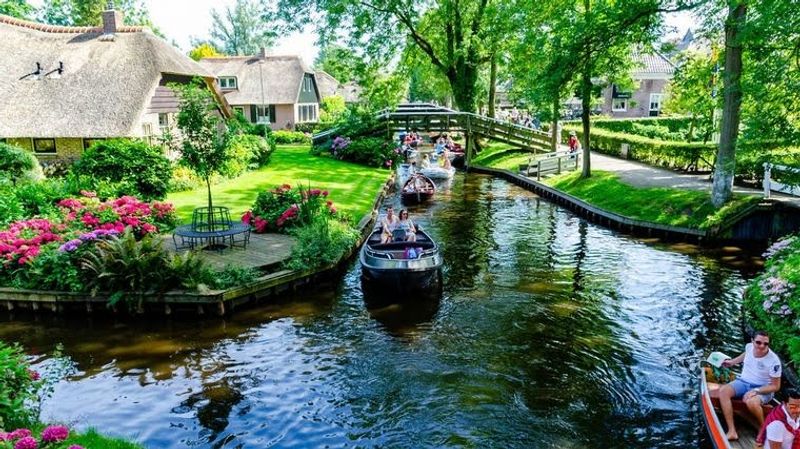
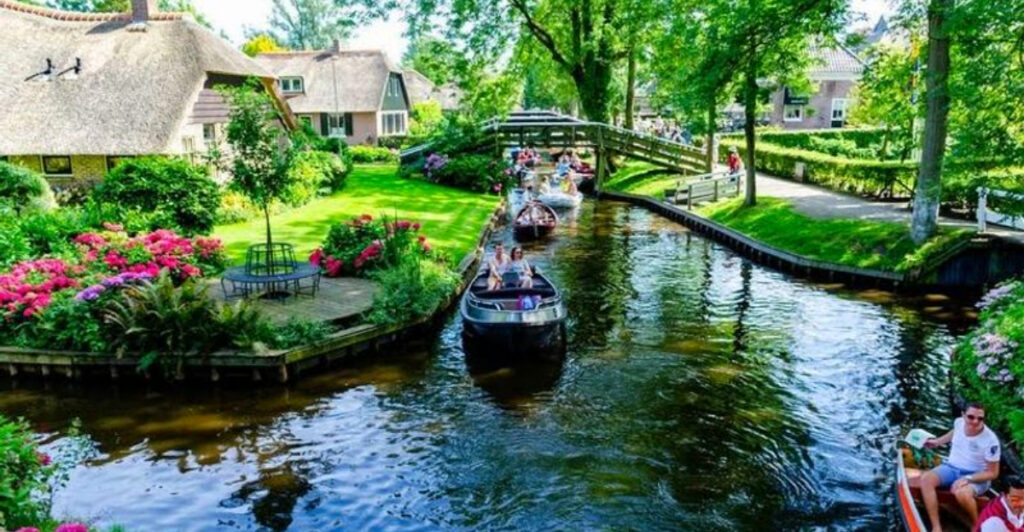
Forget roads — Giethoorn doesn’t need them. This quietly remarkable Dutch village is connected almost entirely by canals and footbridges, making it one of the most unusual places you can visit in all of Europe.
Over 170 small bridges link thatched-roof cottages and blooming gardens, and the only engines you’ll hear are the soft hum of electric boats drifting past.
The silence here is the first thing that hits you. No car horns, no traffic rumble — just birdsong, water lapping against wooden docks, and the occasional creak of an old bridge.
It’s the kind of quiet that actually feels restorative rather than boring. Renting a boat and exploring the canals yourself is by far the best way to experience it.
Spring and early summer are peak seasons when the gardens burst into color and the whole village looks like a painting. However, visiting in autumn brings golden reflections on the water and noticeably fewer tourists.
Local cafes along the canal banks serve warm drinks and Dutch pastries that taste even better when enjoyed waterside. Giethoorn is genuinely one of a kind, and it earns every bit of wonder it inspires.
Kotor, Montenegro
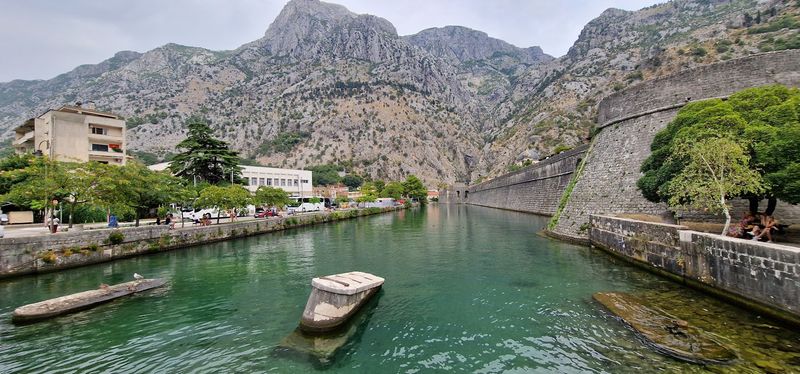
Kotor earns its fairytale status the hard way — by combining jaw-dropping natural scenery with genuinely ancient architecture in a way that feels almost unfair. Squeezed between towering limestone mountains and the deep blue Bay of Kotor, this walled medieval city is a UNESCO World Heritage Site that still manages to fly under the radar compared to Croatia’s coastal hotspots next door.
Inside the old town walls, the streets twist and turn in ways that make every corner a small surprise. Hidden squares appear out of nowhere, centuries-old churches sit between tiny cafes, and cats — Kotor is famously full of cats — lounge on every warm stone surface.
The city has embraced its feline residents so enthusiastically that there’s even a cat museum dedicated to them.
Climbing the fortress walls above the town is non-negotiable. The hike takes about 45 minutes and rewards you with views so dramatic they look digitally enhanced.
Outside of July and August, Kotor is remarkably peaceful and affordable. The food scene leans heavily on fresh seafood and Montenegrin flavors that are hearty and satisfying.
Kotor is the kind of place that makes you wonder why it took you so long to find it.
Bibury, England
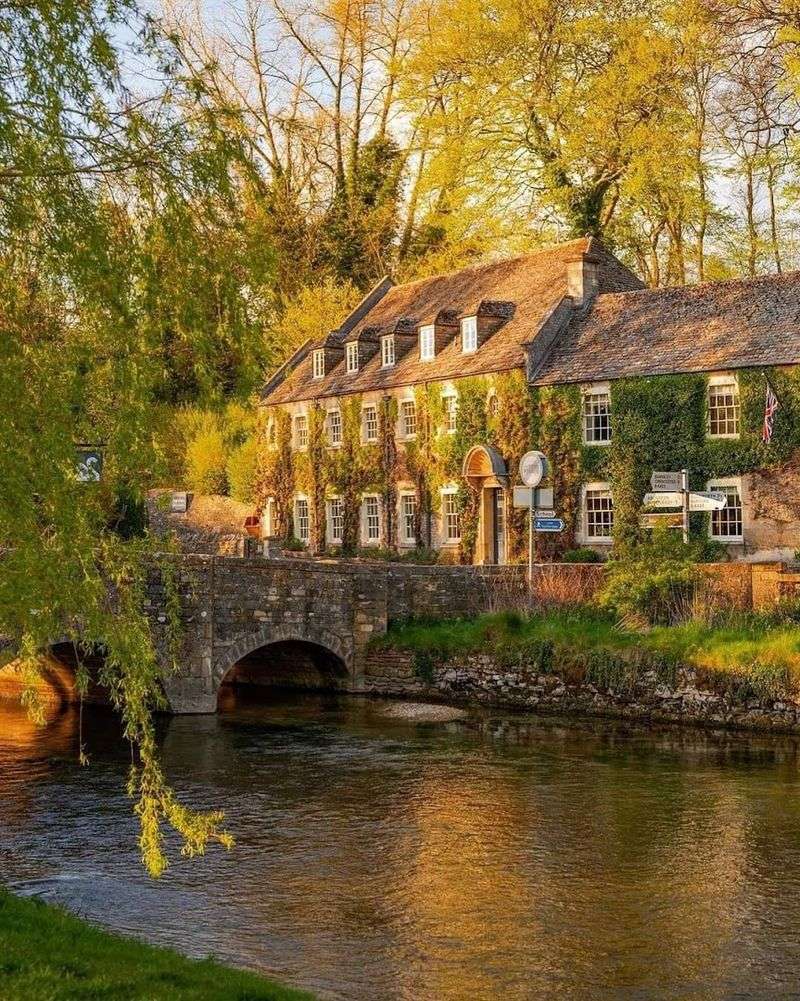
William Morris once called Bibury the most beautiful village in England, and honestly, the man had a point. Nestled in the Cotswolds, this tiny Gloucestershire village is anchored by Arlington Row — a line of honey-colored stone cottages built in the 14th century that look so perfectly quaint they’ve appeared on British passports.
Yes, really.
The River Coln runs gently alongside the main path, and a water meadow called Rack Isle sits between the river and the cottages, giving the whole scene an almost theatrical sense of calm. Swans drift past, trout dart beneath the clear water, and the air smells like cut grass and old stone.
It’s the kind of English countryside moment you’ve seen in films but assumed was exaggerated.
Bibury works best as a slow-paced half-day visit paired with nearby Cotswold towns like Bourton-on-the-Water or Burford. The village pub serves classic British comfort food that hits exactly right after a riverside walk.
Weekday mornings are the quietest time to visit, when the light is soft and the crowds are thin. Small as it is, Bibury packs an enormous amount of charm into every square meter of its stone-walled streets.
Gruyères, Switzerland
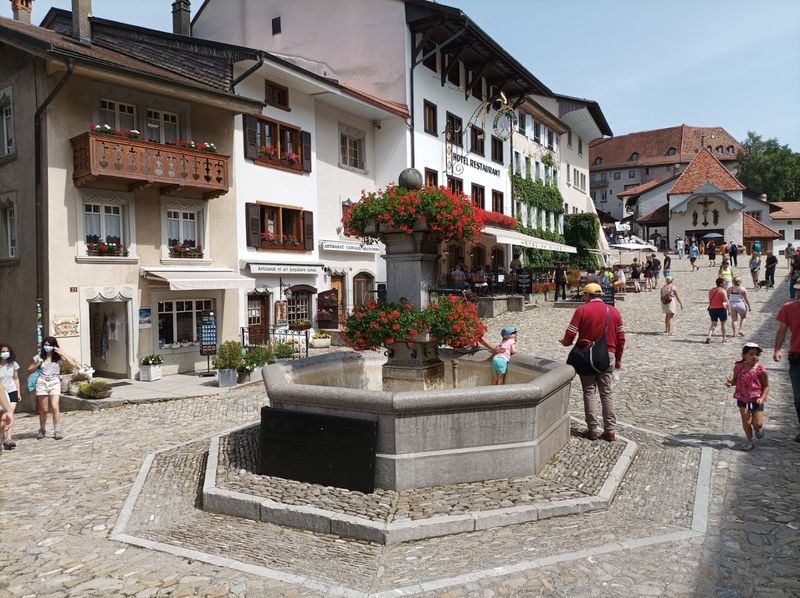
Perched on a hill like it owns the entire Swiss countryside below it, Gruyères is the kind of medieval town that makes you want to sit down, order something cheesy, and never leave. The town’s single cobblestoned main street is lined with colorful buildings, flower boxes, and restaurants serving fondue so rich it should probably come with a warning label.
The castle at the top of the hill dates back to the 13th century and is genuinely worth exploring. Inside, you’ll find medieval furnishings, tapestries, and sweeping views across rolling green pastures and the Alps beyond.
What makes Gruyères different from other Swiss destinations is how compact and unhurried it feels — the whole town is essentially one street, which means you can explore it fully without a map or a plan.
Here’s a quirky fact: Gruyères is also home to the HR Giger Museum, dedicated to the Swiss artist who designed the creature in the Alien film franchise. It’s a wildly unexpected contrast to the medieval surroundings and makes the town feel refreshingly layered.
Pair the castle visit with a stop at the nearby cheese dairy for a behind-the-scenes look at how authentic Gruyère is made. It’s one of those rare places that delivers on every level.
Reine, Norway
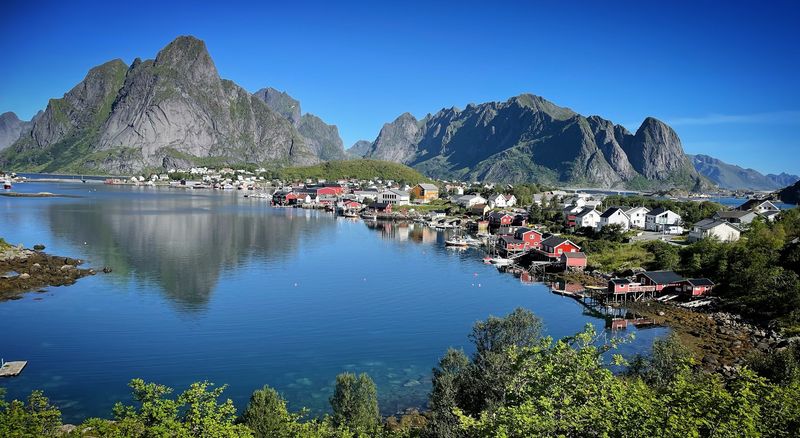
Some places earn the word “dramatic” and some places just are it — Reine is firmly in the second category. Sitting at the foot of jagged mountain peaks on the Lofoten Islands, this tiny Norwegian fishing village has a landscape so extreme it almost looks like a film set.
Red wooden cabins called rorbuer line the water’s edge, their reflections rippling in the deep, dark fjord below.
Getting to Reine takes effort — it’s a long drive or ferry from the Norwegian mainland — but that journey is part of what makes it special. The road through the Lofoten Islands is considered one of the most scenic drives in Europe, with every bend revealing something more breathtaking than the last.
Arriving feels genuinely earned.
Reine shifts personality with the seasons in the most spectacular way possible. Summer brings the midnight sun, when the sky glows orange and pink at 2am and sleep feels optional.
Winter offers the northern lights dancing above snow-capped peaks, which is every bit as magical as it sounds. Seafood lovers are in for a treat — the local stockfish and fresh cod are legendary in Norway.
Reine is remote, raw, and completely unforgettable for anyone willing to make the trip.
Saint-Paul-de-Vence, France
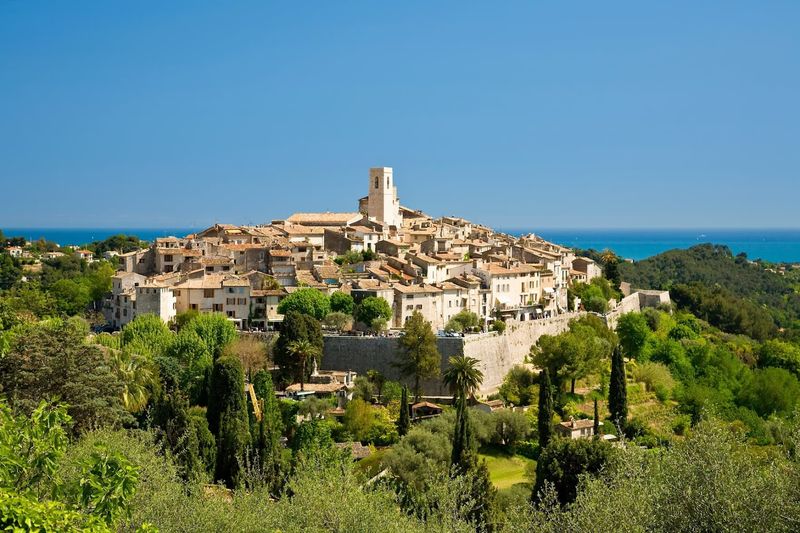
Picasso, Matisse, and Chagall all spent time here — and once you see Saint-Paul-de-Vence, you’ll understand why artists kept showing up. This hilltop medieval village on the French Riviera sits above a landscape of olive groves, lavender fields, and distant sea shimmer, offering the kind of light that painters chase their whole careers.
The stone ramparts date back to the 16th century and still circle the village completely.
Inside the walls, narrow lanes wind between art galleries, ceramic studios, and shaded cafes. The famous La Colombe d’Or restaurant has hosted everyone from Picasso to Yves Montand, and its walls are lined with original artwork given by artists in exchange for meals.
Even if you don’t eat there, peeking through the courtyard gates is worth it.
Unlike Cannes or Nice, Saint-Paul-de-Vence moves at a gentler pace and rewards wandering without a plan. The village is entirely walkable, and every turn opens onto something beautiful — a fountain, a chapel, a view that makes you stop mid-step.
Late afternoon light turns the stone buildings gold, and the evening quiet that settles over the village is pure magic. It’s a place that quietly earns its place on any European fairytale list.
Rastoke, Croatia
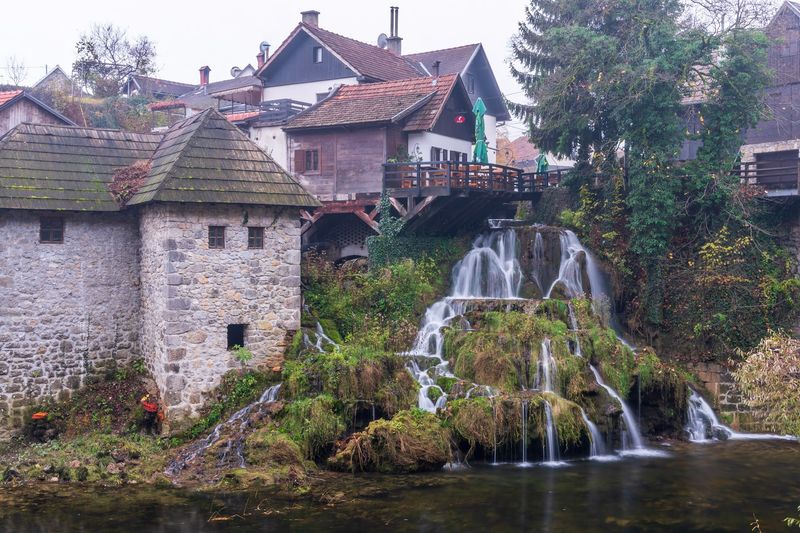
Only in Rastoke can you eat breakfast with a waterfall literally flowing beneath your feet. This extraordinary Croatian village is built directly over the point where the Slunjcica River tumbles into the Korana, creating a series of cascades and pools that wind between wooden mill houses and mossy stone bridges.
The whole place looks like someone designed it specifically to break the internet.
Often called a mini version of Plitvice Lakes, Rastoke offers similar turquoise water drama on a far more intimate scale. You can walk across bridges just centimeters above rushing water, peer into old working mills, and follow trails that weave between the falls.
The sound of rushing water is constant and completely soothing in a way that’s hard to describe until you’re standing in the middle of it.
Most visitors to Croatia rush straight to Dubrovnik or Split without knowing Rastoke exists, which means it stays refreshingly quiet. The village sits just off the main road between Zagreb and Plitvice, making it an easy stop on a road trip through the region.
Local families run small guesthouses and restaurants here, serving homemade food beside the water. Rastoke is proof that Croatia’s most memorable moments aren’t always on the coast.
San Marino, San Marino
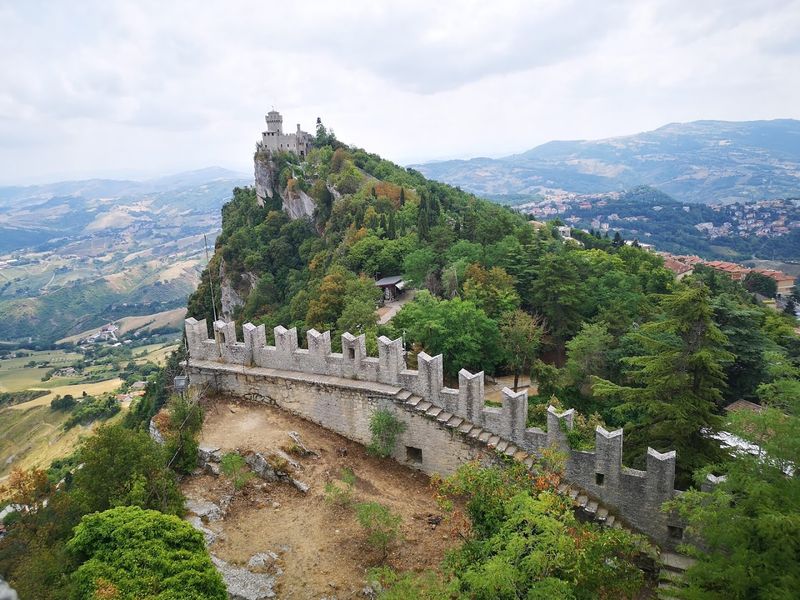
San Marino holds a record that almost no other place on Earth can claim — it’s the world’s oldest surviving republic, founded way back in 301 AD. Sitting on top of Mount Titano in the middle of Italy, this tiny independent nation feels like a medieval fortress city that somehow never got the memo that history had moved on.
Its three iconic towers peer over the Italian countryside like stone sentinels standing eternal watch.
Walking between the towers along the ridge is one of the most underrated experiences in all of Europe. The views stretch endlessly across the Emilia-Romagna plains, and on clear days you can spot the Adriatic Sea glittering in the distance.
The cobblestone streets inside the walls are lined with armor shops, gelaterias, and museums — it’s touristy in the best possible way.
Because San Marino is a sovereign country, crossing its border feels like a genuine passport-stamp adventure, even though the whole nation is smaller than many city parks. Visitors can pick up official San Marino stamps in their passports at the tourist office, which is a legitimately cool souvenir.
Most travelers heading through the Rimini area skip it entirely, which is genuinely their loss. San Marino is small, proud, and absolutely worth the detour up the mountain.
Share this story