There is a bakery in Hoboken, New Jersey, that people travel hours to visit, not just for something sweet, but for a piece of television history. Thanks to a long-running reality show and a baker with a personality as big as his custom cakes, this spot went from a neighborhood staple to a bucket-list destination that draws fans from across the country and beyond.
The story of how a single Italian bakery on a quiet street became a nationally recognized name is part family legacy, part pop culture moment, and entirely worth knowing. Whether you have been a fan for years or are just now hearing the name, what happens inside this bakery goes far deeper than frosting.
From a Family Recipe to a Famous Name
Carlo’s Bakery did not become famous overnight. The business has roots that go back to the early twentieth century, and the Valastro family has been running it for decades, keeping Italian baking traditions alive through every generation.
The bakery is named after Carlo Guastaferro, who originally owned it before the Valastro family took over. Buddy Valastro Sr. purchased the business and passed it down to his children, making it a true family operation long before it became a television fixture.
That generational depth is part of what gives the bakery its identity. The recipes and techniques were handed down carefully, and the staff has long operated with the kind of consistency that comes from years of practice rather than corporate standardization.
When the current owner, Bartolo “Buddy” Valastro Jr., took over as a teenager after his father passed, he carried that legacy forward with a determination that would eventually catch the attention of television producers and change the bakery’s trajectory entirely.
The TV Show That Changed Everything
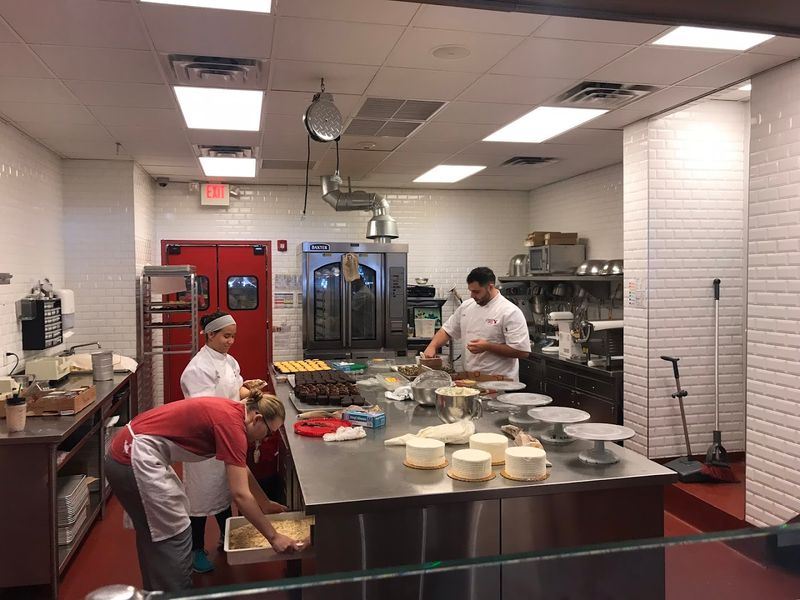
“Cake Boss” premiered on TLC in 2009 and turned Carlo’s Bakery into a household name almost immediately. The show followed Buddy Valastro and his family as they designed and built some of the most elaborate custom cakes imaginable, from towering sculpted replicas to gravity-defying architectural pieces.
The series ran for multiple seasons and attracted millions of viewers who tuned in not just for the cakes but for the family dynamics, the humor, and the genuine craftsmanship on display. It was the kind of reality television that felt rooted in something real, because it was.
After the show took off, the bakery in Hoboken transformed from a beloved local institution into a destination that people planned entire trips around. Fans who had watched every episode wanted to see the actual shop, the actual cases, and the actual family behind the screen.
That kind of connection between a television audience and a physical place is rare, and it turned a modest New Jersey bakery into something with genuine national reach.
What the Display Cases Actually Look Like
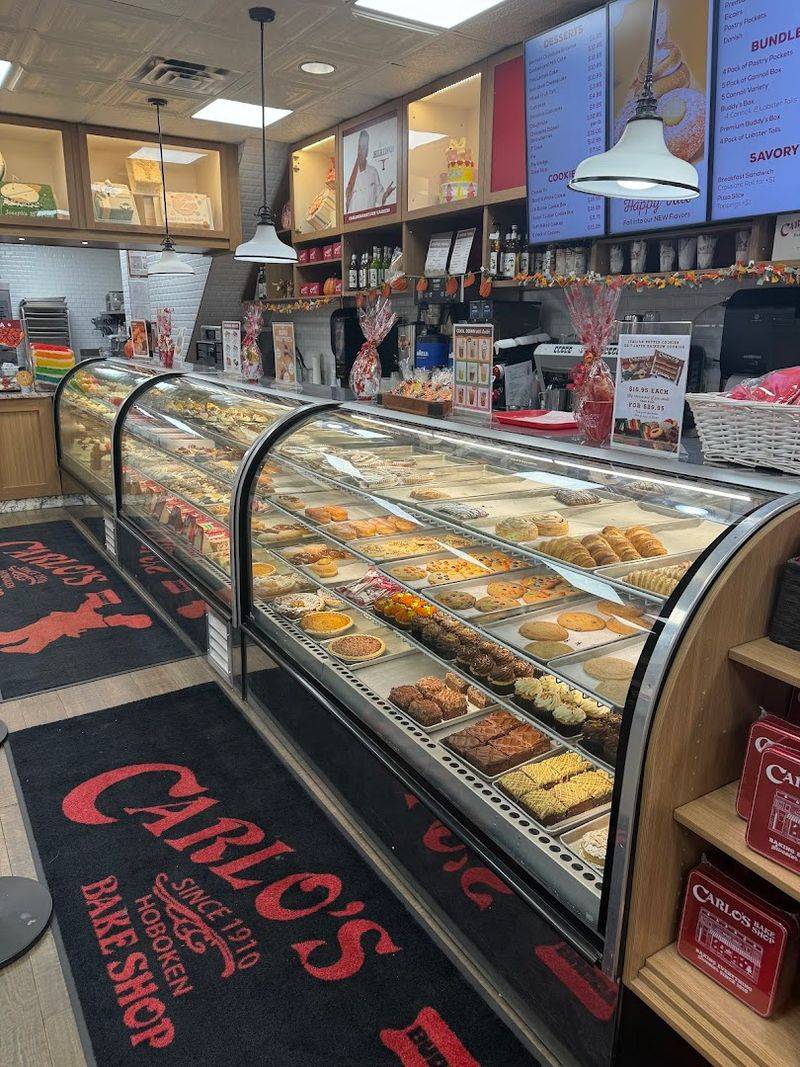
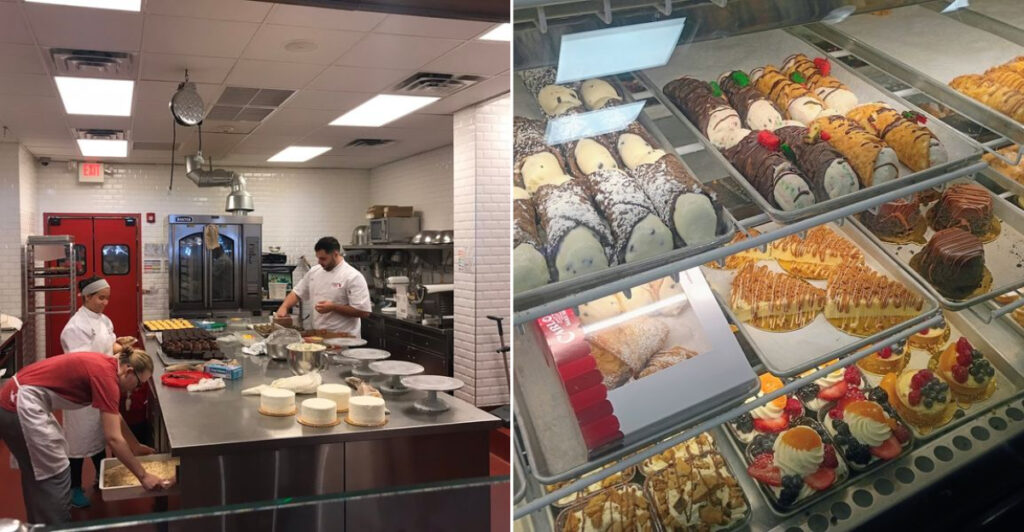
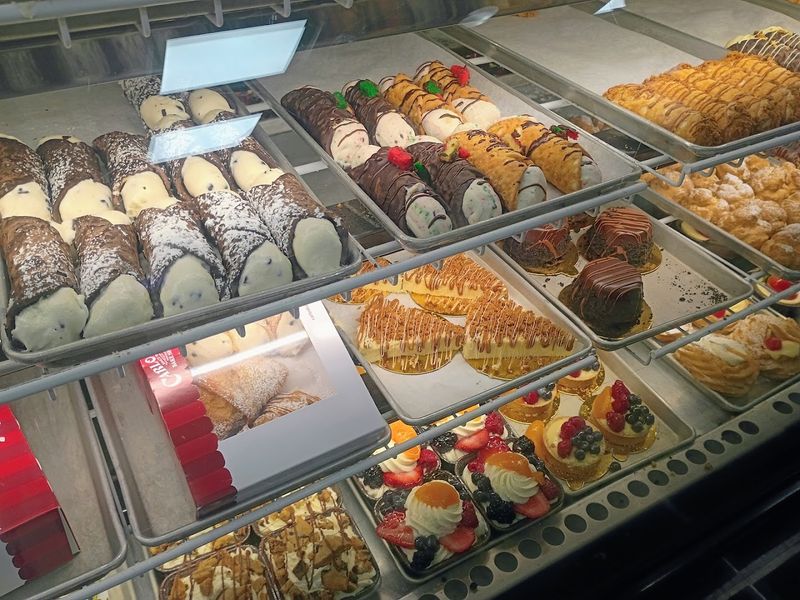
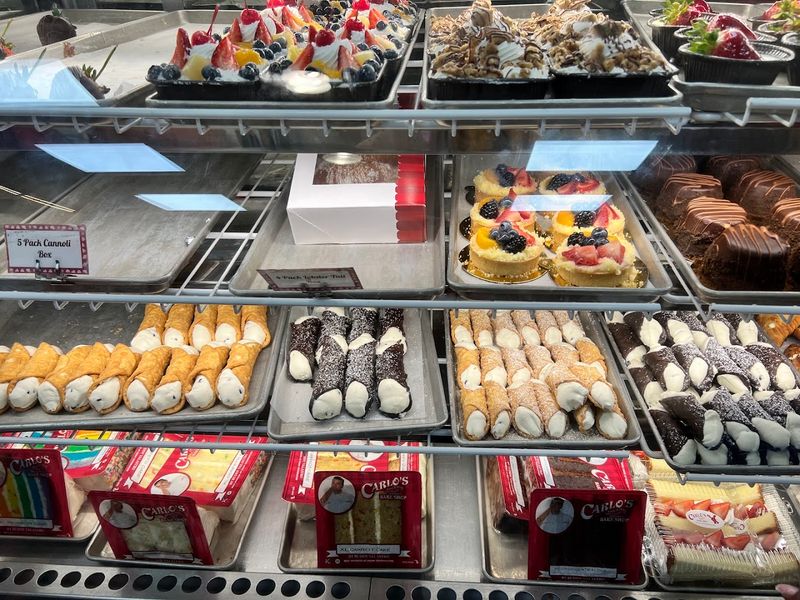
The display cases at Carlo’s Bakery are the first thing that pulls people in once they are through the door. Rows of Italian pastries fill the glass cases, with cannoli, eclairs, lobster tails, sfogliatelle, and an assortment of cookies arranged in a way that makes choosing feel genuinely difficult.
Beyond the pastries, the shop carries full decorated cakes, which are often the most photographed items in the store. These are not simple sheet cakes.
They are layered, designed, and finished with the kind of detail that reflects the training and pride the Valastro family has put into the craft over generations.
Individual cake slices are also available in sealed packaging, which is a practical option for those who want a taste without committing to an entire cake. The variety is broad enough that repeat visits still feel like a new experience.
Breakfast sandwiches and other non-pastry items are also on the menu, giving the shop more range than a traditional Italian bakery might offer.
The Cannoli Conversation
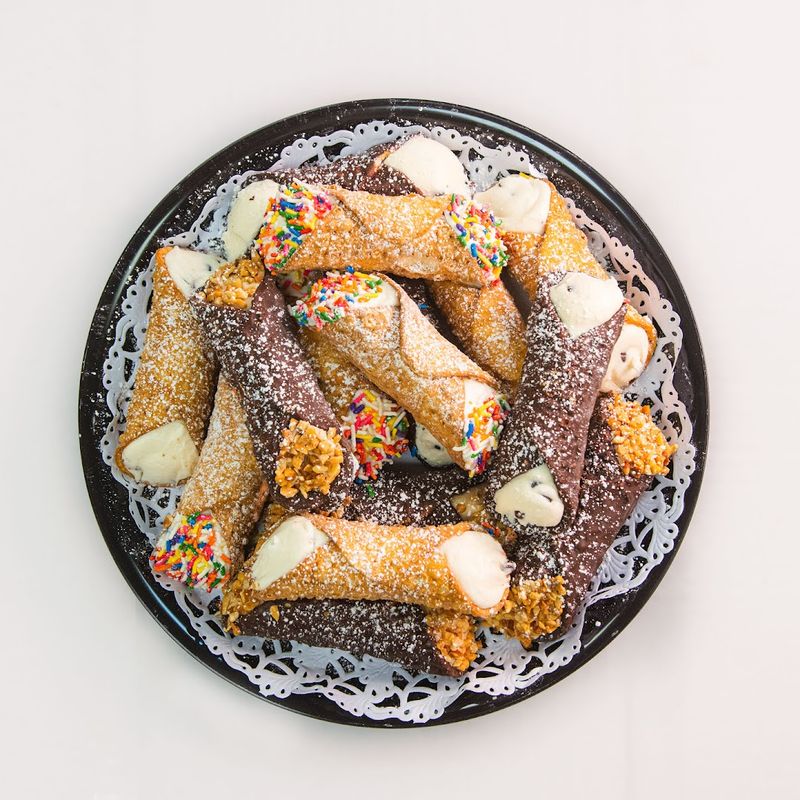
Few items carry more weight at an Italian bakery than the cannoli, and at Carlo’s, they are among the most talked-about offerings on the menu. The classic shell and cream combination has kept people coming back for years, and it remains one of the top reasons people make the trip to Hoboken specifically.
Cannoli at Carlo’s come in the traditional style, with a crispy shell and a filled cream center, and the shop also rotates specialty flavors depending on availability. Pumpkin spice and peanut butter versions have appeared on the menu at various times, giving regulars something new to try alongside the classics.
For best results, eating the cannoli at the shop rather than taking them home is the smarter move. Pastries like these are at their best when fresh, and the shell can lose its texture over time, especially during transport.
The cannoli at Carlo’s are priced at a premium compared to a typical neighborhood bakery, which reflects both the location and the brand recognition that comes with the Carlo’s name.
The Cake Displays That Stop People Cold
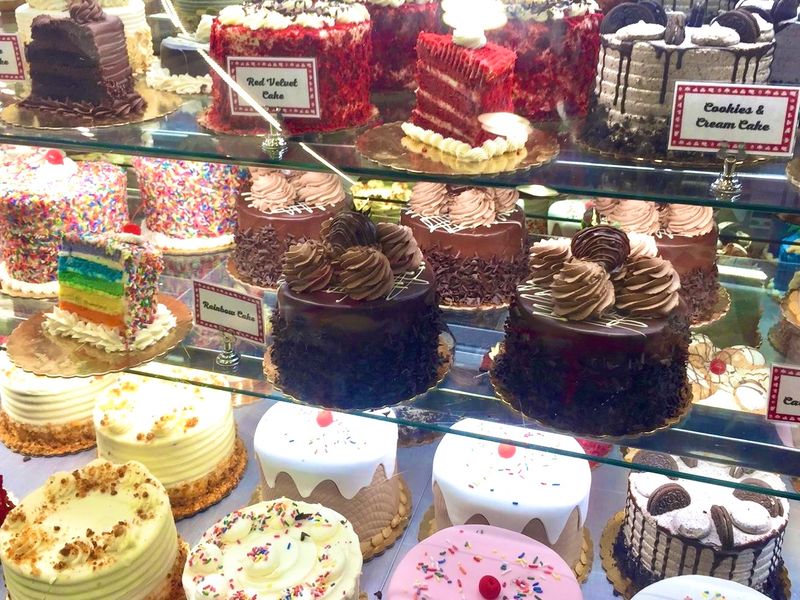
Walk past the pastry cases and the custom cake displays at Carlo’s Bakery and it becomes clear why the shop became a television subject in the first place. These are not decorative props.
They are actual cakes built with sculpted fondant, hand-painted details, and structural engineering that makes them look more like art installations than desserts.
The cakes change regularly, reflecting seasonal themes, current trends, and the creative direction of the team working behind the counter. Some designs take multiple days to complete and involve techniques that most home bakers would not recognize from standard cookbooks.
Spending time looking at the cakes is genuinely worthwhile even for people who are not there to buy one. The craftsmanship on display tells the story of the bakery’s identity better than any sign or menu description could.
Custom cake orders are available through the bakery, though lead times and pricing vary depending on complexity. For anyone planning a major event, checking the Carlo’s Bakery website well in advance is strongly recommended.
When to Go and What to Expect
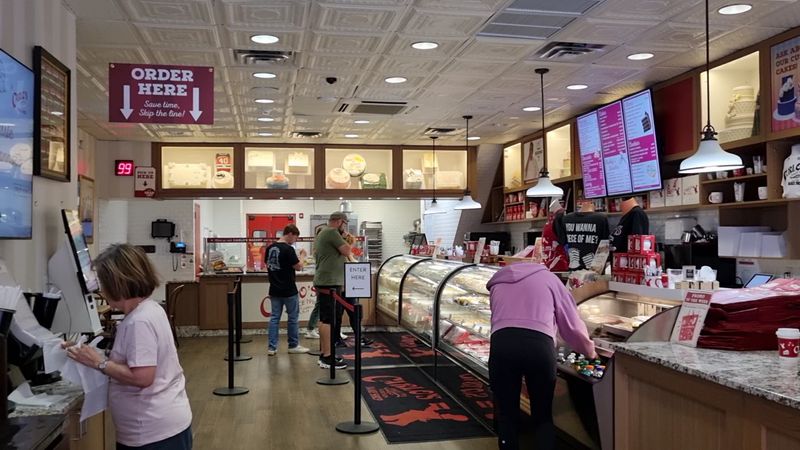
Carlo’s Bakery in Hoboken is open seven days a week. Monday through Thursday, hours run from 8 AM to 9 PM.
Friday and Saturday hours extend to 10 PM, and Sunday also closes at 10 PM, giving visitors a solid window across the entire week.
Early weekday mornings tend to be the quietest times to visit. Arriving around 8 or 9 AM on a Tuesday or Wednesday typically means little to no wait, shorter lines at the counter, and a more relaxed browsing experience overall.
Weekend afternoons can get significantly busier, especially when the weather is good and foot traffic on Washington Street picks up. Planning around those peak hours makes the visit more enjoyable and gives more time to actually look at the displays without feeling rushed.
The shop uses a kiosk ordering system, though it is worth confirming with staff directly what is currently available, as the kiosk does not always reflect real-time inventory accurately according to those who have ordered there in person.
A Bucket List Stop for Cake Boss Fans
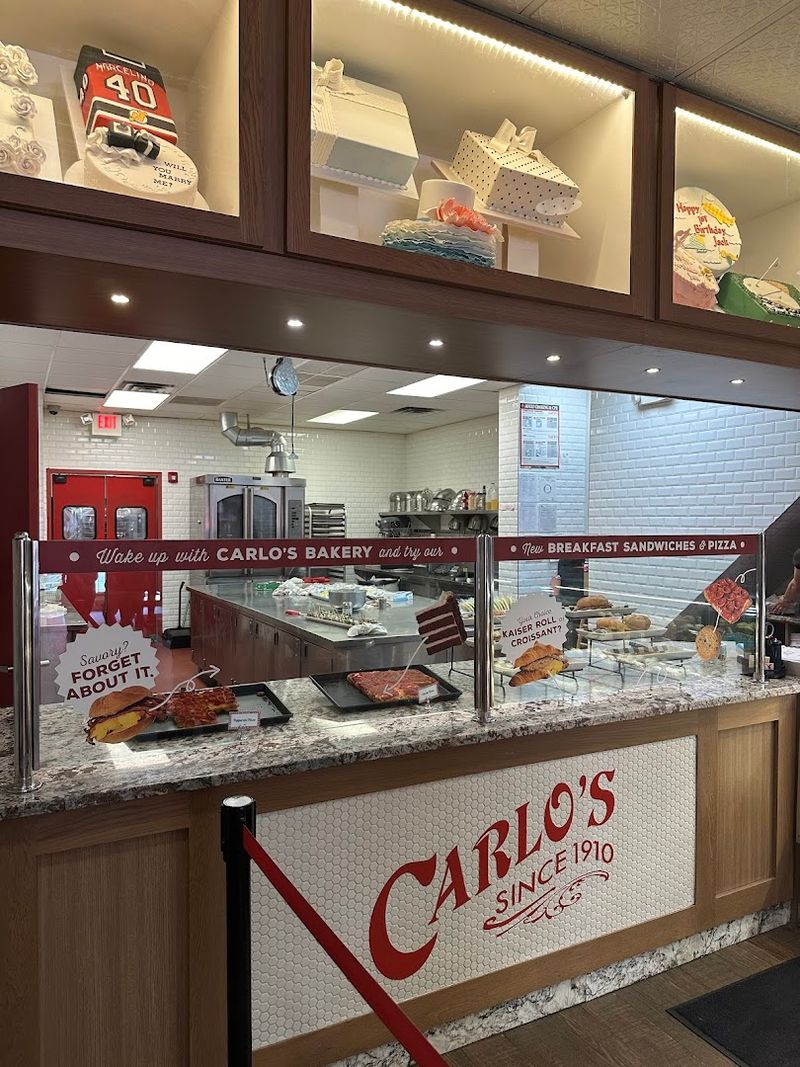
For fans of “Cake Boss,” Carlo’s Bakery in Hoboken holds a specific kind of significance that goes beyond a typical bakery visit. This is the actual shop from the show, the same building, the same counters, the same family name above the door.
People have traveled from Puerto Rico, Canada, across the United States, and from Manhattan to tick this stop off their personal bucket lists. The bakery regularly sees visitors who grew up watching the show and are now bringing their own families to experience it in person.
That emotional connection to the place is real and it shapes the entire atmosphere of the shop. There is a sense of recognition when you walk in, a feeling that you have seen this space before even if you are visiting for the first time.
Managing expectations is part of the visit. The shop is a working bakery, not a theme park attraction, and the experience is best when approached with that in mind rather than expecting a full television production.
The Hoboken Neighborhood Around the Bakery
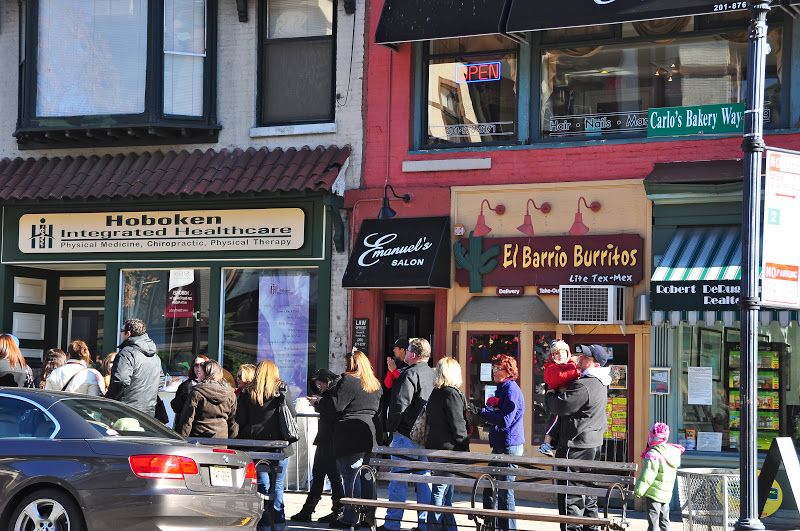
Hoboken is a city worth spending more than a few minutes in, and Washington Street is a good place to start. The main commercial strip runs through the heart of the city and is lined with restaurants, cafes, boutiques, and local businesses that give the neighborhood a lively, walkable character.
The city itself sits directly across the Hudson River from lower Manhattan, and on clear days the skyline is visible from several points around town. Hoboken has a long history as a working-class immigrant community, with a particularly strong Italian American presence that shaped much of its culture and food traditions.
After visiting Carlo’s Bakery, there is plenty to do within walking distance. Sinatra Park along the waterfront is a popular spot, and the nearby train station connects easily to Manhattan for those making it part of a broader New York City trip.
The compact size of Hoboken makes it easy to explore on foot, and the area around Washington Street has enough variety to fill a full afternoon without needing a car.
Getting There from Manhattan
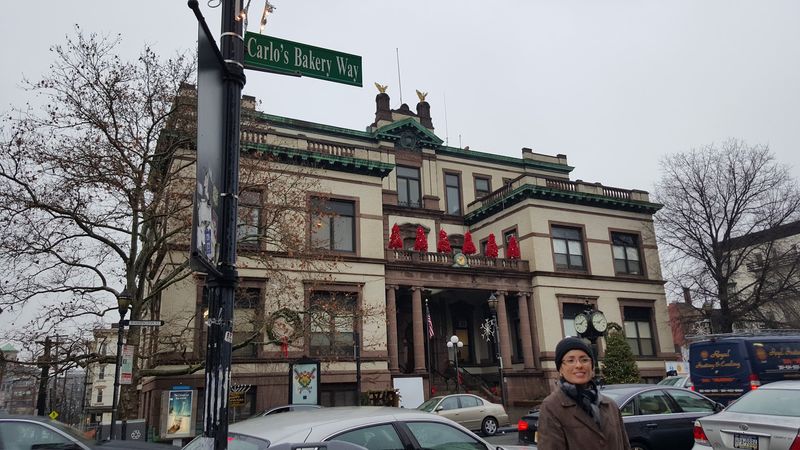
One of the practical advantages of visiting Carlo’s Bakery is how straightforward the trip from Manhattan actually is. The PATH train runs between Manhattan and Hoboken Terminal, and the ride takes roughly fifteen to twenty minutes depending on the starting point.
Hoboken Terminal is just a short walk from 95 Washington Street, making the entire journey from midtown Manhattan to the front door of the bakery achievable in under thirty minutes. That kind of accessibility is part of why the shop draws such a consistent flow of visitors from New York City.
NJ Transit also runs bus and rail service to Hoboken from various New Jersey points, broadening the catchment area for people coming from the suburbs or other parts of the state. Parking in Hoboken is available but can be limited and expensive, so public transit is generally the more practical choice.
For anyone building a New York City trip itinerary, adding a Hoboken detour for the bakery adds relatively little travel time and delivers a genuinely different experience from anything available in Manhattan.
Why the Obsession Has Lasted This Long
National obsessions around food businesses tend to fade quickly once the television spotlight moves on, but Carlo’s Bakery has maintained its draw in Hoboken for well over a decade after “Cake Boss” first aired. That kind of staying power comes from a combination of factors that go beyond screen time.
The bakery still operates as a genuine family business with deep roots in the Italian American baking tradition. The products, the decor, and the general atmosphere reflect a continuity that tourists and locals alike respond to.
It does not feel manufactured for the camera, because it was not.
Buddy Valastro has also kept the brand active through social media, additional television appearances, and ongoing expansion, which keeps Carlo’s in the public conversation even when the original show is not airing new episodes.
At its core, the Hoboken location endures because it represents something specific: a real place, built by a real family, that happened to capture the imagination of an entire country and has never quite let go of it since.
Where the Legend Lives: The Address and Setting
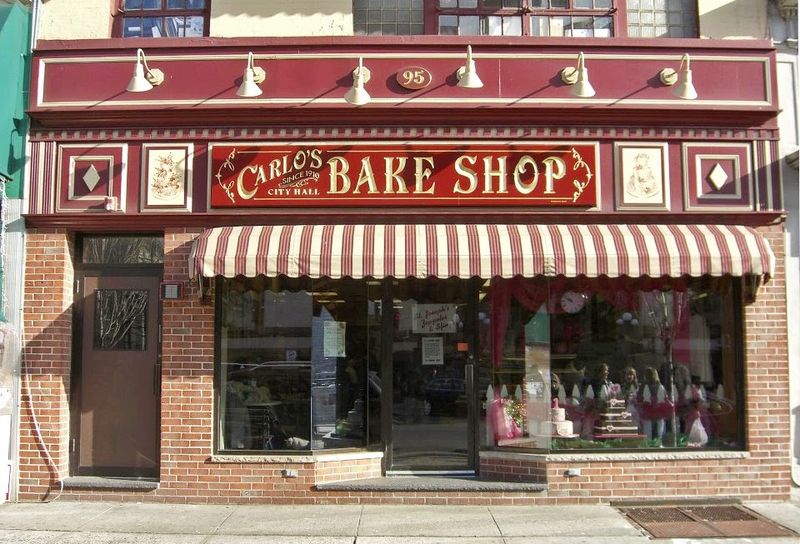
At 95 Washington Street in Hoboken, New Jersey 07030, Carlo’s Bakery sits just a short walk from the Hoboken train station, making it one of the more accessible stops for anyone coming in from Manhattan or nearby areas.
The storefront itself carries a classic, old-school Italian bakery look that stands out on the block. A decorated window display greets anyone passing by, with elaborate cakes visible from the street that make it clear this is not a typical corner shop.
Hoboken is a small but densely packed city directly across the Hudson River from Manhattan, and Washington Street is one of its main commercial corridors. The bakery has been part of this neighborhood for generations, long before the television cameras ever arrived.
Early morning visits, particularly on weekdays, tend to draw smaller crowds. The location’s proximity to public transit makes it easy to build into a broader New York or New Jersey day trip without much extra effort.
Share this story