Most people rush to Yellowstone or the Grand Canyon, and honestly, who can blame them? But America is packed with jaw-dropping outdoor spots that barely make the highlight reel.
I stumbled onto a few of these places by accident, and they completely changed how I think about road trips. These 15 underrated gems are waiting for you, and they are absolutely worth the detour.
Mojave National Preserve, California
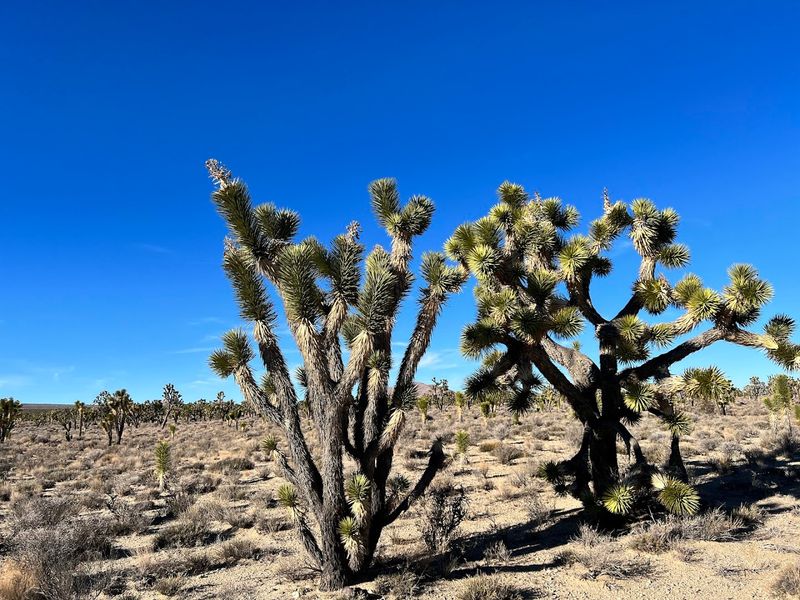
Sandwiched between two much more famous parks, Mojave National Preserve gets completely overlooked, which is honestly a gift for those who show up. It covers nearly 1.6 million acres of dramatic desert terrain, including singing sand dunes that actually make noise when the wind hits them right.
That alone earns it a spot on this list.
Kelso Dunes rise about 650 feet and reward climbers with panoramic views that stretch across the entire preserve. The Hole-in-the-Wall area features bizarre volcanic rock formations with iron rings bolted in for climbing through narrow passages.
It feels like a playground designed by a geology professor with a flair for drama.
Wildlife sightings here include desert tortoises, bighorn sheep, and more bird species than you would expect. The preserve also has some of the least light-polluted skies in Southern California.
Come prepared with water, because the desert does not negotiate.
Great Basin National Park, Nevada
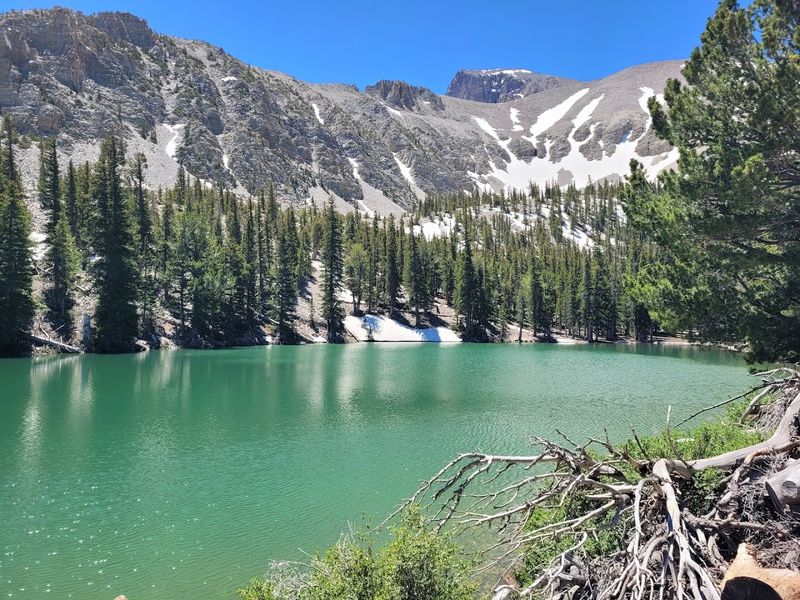
Nevada is not exactly the first state people associate with lush forests and ancient trees, but Great Basin National Park flips that assumption on its head. Wheeler Peak rises to nearly 13,000 feet and supports a grove of bristlecone pines that are among the oldest living organisms on Earth.
Some of these trees have been alive for over 4,000 years.
The Lehman Caves system sits at the base of the mountain and features incredible marble formations that guided tours walk you through. The cave temperature stays around 50 degrees year-round, making it a refreshing summer stop.
Stalactites, stalagmites, and rare cave shields are all on display.
Stargazing here is genuinely world-class. The park holds an annual astronomy festival that draws telescope enthusiasts from across the country.
With the nearest city being hours away, the night sky looks almost theatrical. Great Basin proves that Nevada has far more to offer than neon lights and slot machines.
Cumberland Island National Seashore, Georgia
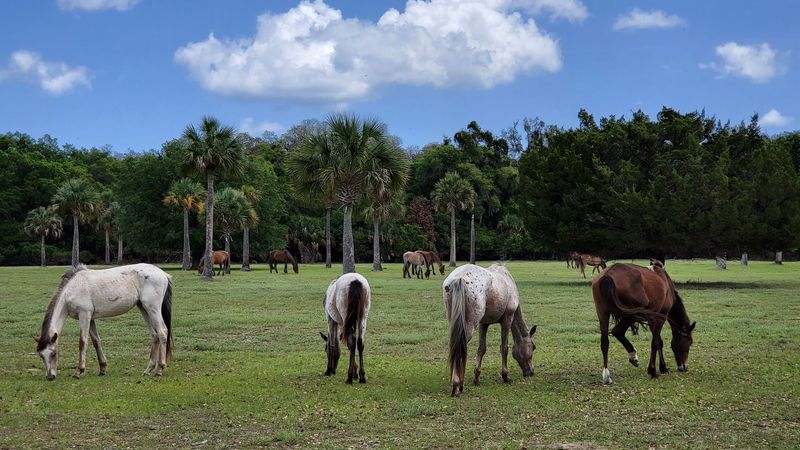
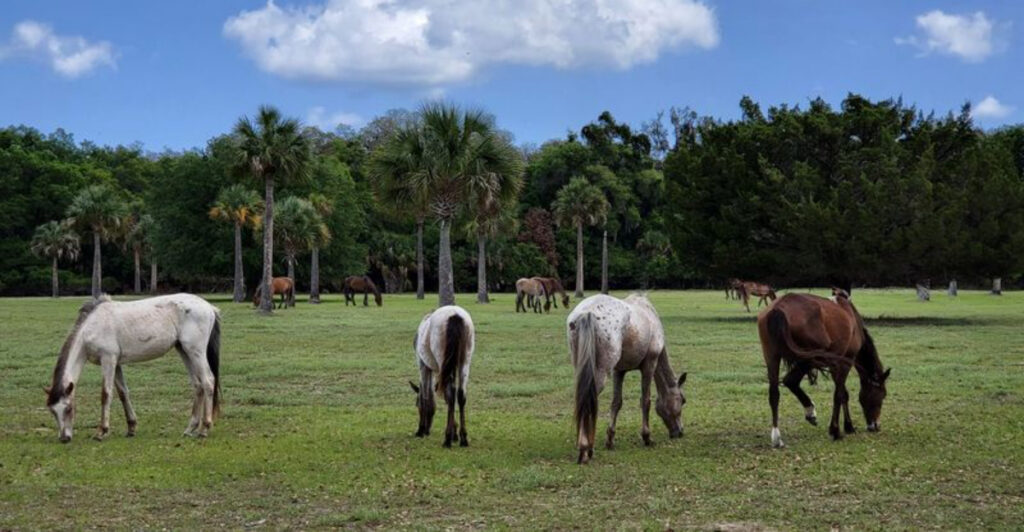
Wild horses roam freely on Cumberland Island, and nobody warned me how surreal that would feel. This barrier island off the Georgia coast is only reachable by ferry, which keeps the crowds refreshingly thin.
The beach stretches for miles without a single hot dog stand in sight.
The island holds ruins of the Carnegie family mansion, called Dungeness, which adds a spooky historical twist to your hike. Armadillos also wander the trails, which is not something most beach trips offer.
Pack everything you need because there are no stores here.
Reservations for the ferry fill up fast, especially on weekends. Camping is available for those who want a full overnight experience under genuinely dark skies.
Cumberland Island is the kind of place that makes you feel like you discovered a secret, even though it has been a national seashore since 1972.
Chiricahua National Monument, Arizona
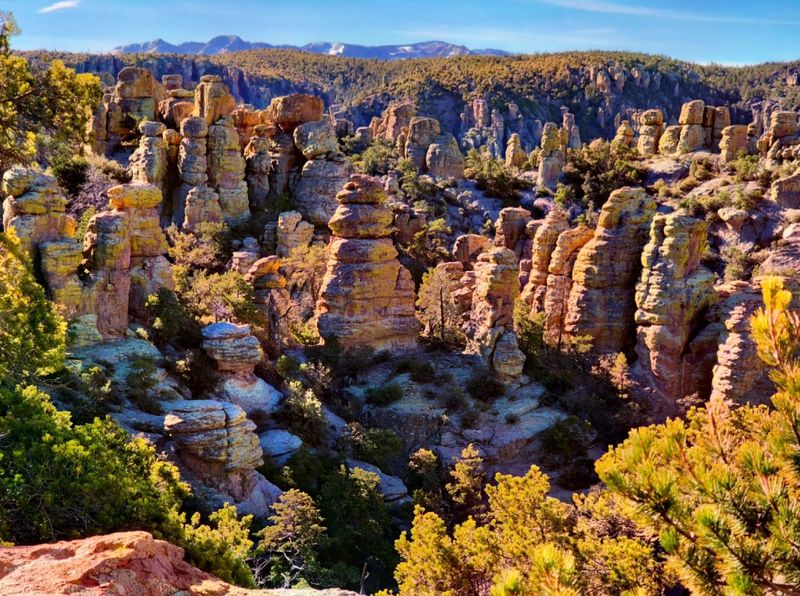
Chiricahua National Monument looks like someone stacked thousands of giant stone columns and then just walked away. Located in the far southeastern corner of Arizona, this place sees a fraction of the visitors that Sedona gets, despite being equally mind-blowing.
The rock formations here are called rhyolite columns, and they were created by a massive volcanic eruption about 27 million years ago.
The Bonita Canyon Drive offers a scenic route for those who prefer their geology from the comfort of a car seat. For hikers, the Echo Canyon Loop delivers close-up views of balanced rocks that seem to defy every law of physics.
One formation called Punch and Judy looks exactly like its name suggests.
This area is also a biodiversity hotspot, sitting at the crossroads of the Sonoran and Chihuahuan deserts. Rare bird species like the elegant trogon pass through during migration.
Chiricahua rewards curiosity with every single trail.
El Malpais National Monument, New Mexico
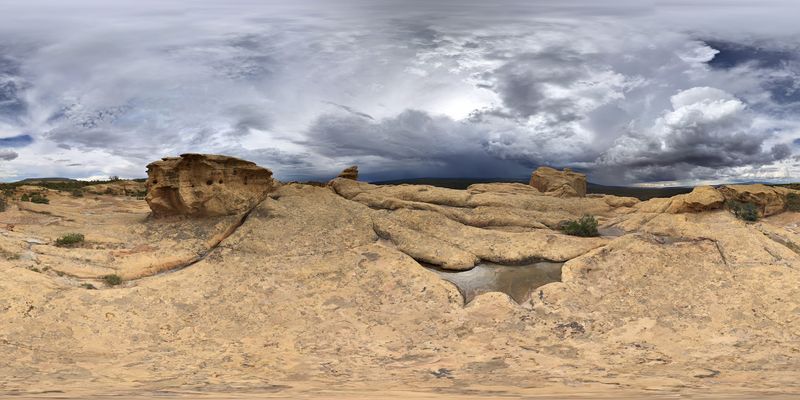
The name translates to “the badlands” in Spanish, which sets the tone perfectly for this wild stretch of New Mexico. El Malpais features a massive lava field created by volcanic eruptions that occurred as recently as 3,000 years ago.
That is practically yesterday in geological terms.
Lava tube caves run beneath the surface, and some hold ice year-round even in the desert heat above. Visitors can explore these tubes with a flashlight and a sense of adventure.
The contrast between frozen underground chambers and the sun-baked surface above is genuinely bizarre in the best possible way.
Sandstone bluffs frame the monument on the eastern side, offering great hiking and sweeping views over the lava fields. Ancient Pueblo people once lived here, and petroglyphs can still be found throughout the area.
The diversity of landscapes packed into one monument is remarkable. El Malpais proves that New Mexico keeps delivering surprises at every turn.
Tallgrass Prairie National Preserve, Kansas
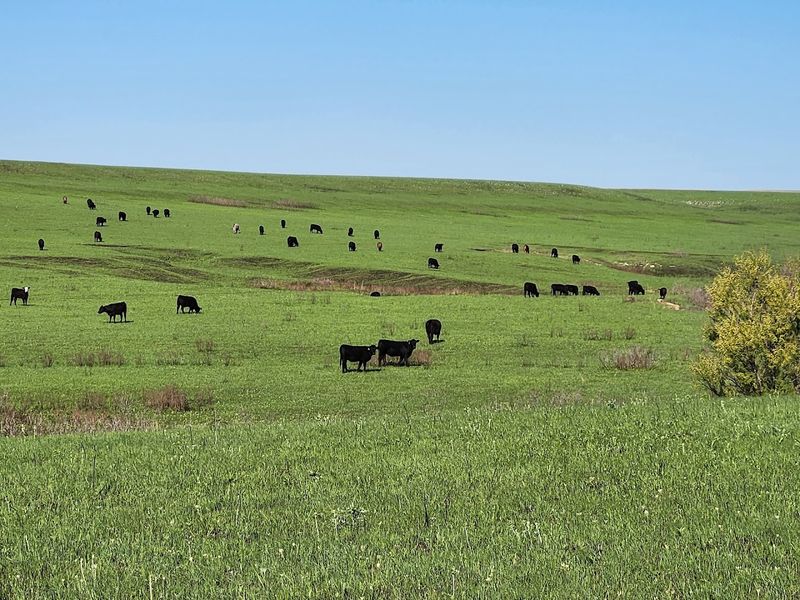
Less than four percent of America’s original tallgrass prairie still exists, and Kansas protects a stunning chunk of it at this underappreciated preserve. The grasses here can grow taller than a person, which creates a weirdly immersive hiking experience.
Walking through it feels like the land itself is closing in around you, in the most peaceful way possible.
A herd of bison roams the preserve and can often be spotted from the main trail. Seeing a bison up close for the first time is a humbling experience that no zoo visit can replicate.
Keep a respectful distance, because these animals are not impressed by tourists.
The historic Spring Hill Ranch sits within the preserve and dates back to 1881. Tours of the stone ranch house offer a window into frontier life on the Great Plains.
Wildflowers bloom in waves throughout spring and summer, turning the prairie into a rolling canvas of color. Kansas has always been hiding something good.
Big South Fork National River and Recreation Area, Tennessee and Kentucky
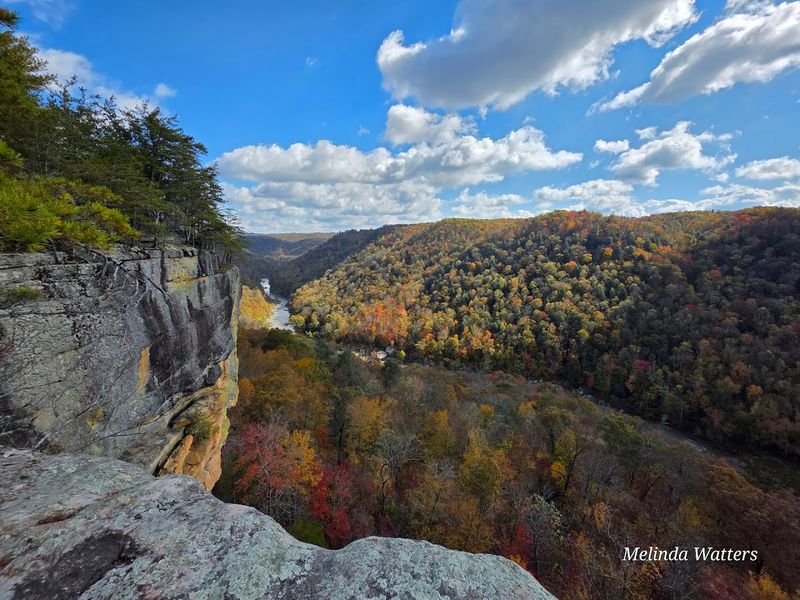
Big South Fork is the outdoor adventure park that the Southeast forgot to brag about. Straddling the Tennessee-Kentucky border, it offers over 150 miles of hiking trails, plus routes for horseback riding, mountain biking, and whitewater paddling.
The variety here is almost unfair compared to more famous parks.
Natural sandstone arches are scattered throughout the gorge system, and several can be reached on day hikes without technical gear. Twin Arches is the largest natural sandstone arch system in the eastern United States, and most people have never heard of it.
That fact still baffles me every time I think about it.
The Big South Fork River cuts through deep sandstone gorges, creating dramatic scenery along every bend. Whitewater kayakers love the river for its Class III and IV rapids during high water.
Wildlife is abundant, including black bears, white-tailed deer, and wild turkey. Big South Fork deserves a proper spot on every serious hiker’s radar.
City of Rocks National Reserve, Idaho
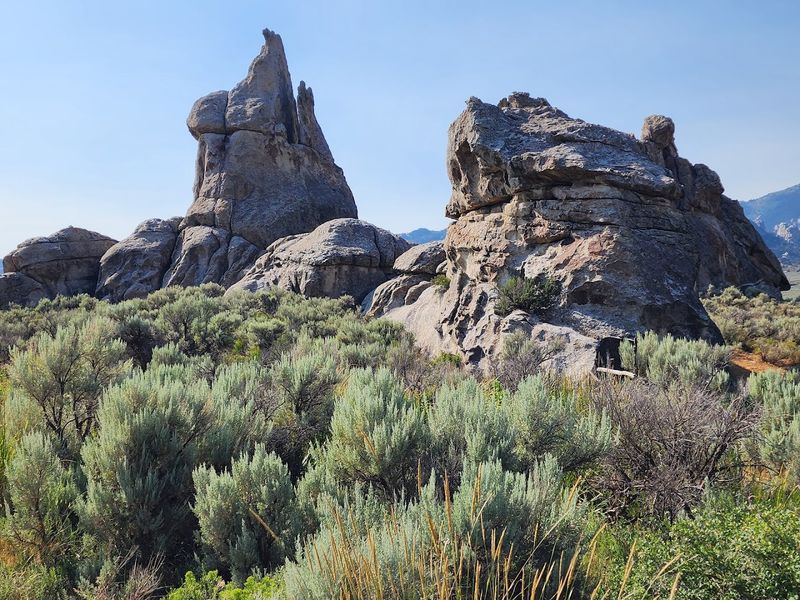
Rock climbers discovered City of Rocks decades ago, and somehow it still has not blown up into a mainstream destination. Located in southern Idaho near the Utah border, this reserve features ancient granite formations that rise up to 60 stories tall.
The rocks look like a skyline designed by a very eccentric architect.
Over 1,000 climbing routes are established here, ranging from beginner-friendly cracks to serious technical walls. Even non-climbers find plenty to do, with hiking trails weaving between the formations and offering great views from above.
The reserve sits along the historic California Trail, so wagon rut history buffs will also find something to love.
Emigrant inscriptions written in axle grease from the 1800s can still be seen on some of the rocks. Camping inside the reserve puts you right in the middle of the formations, which makes for an unforgettable night.
City of Rocks is one of those places that genuinely looks fake in photos but feels even better in person.
Craters of the Moon National Monument and Preserve, Idaho
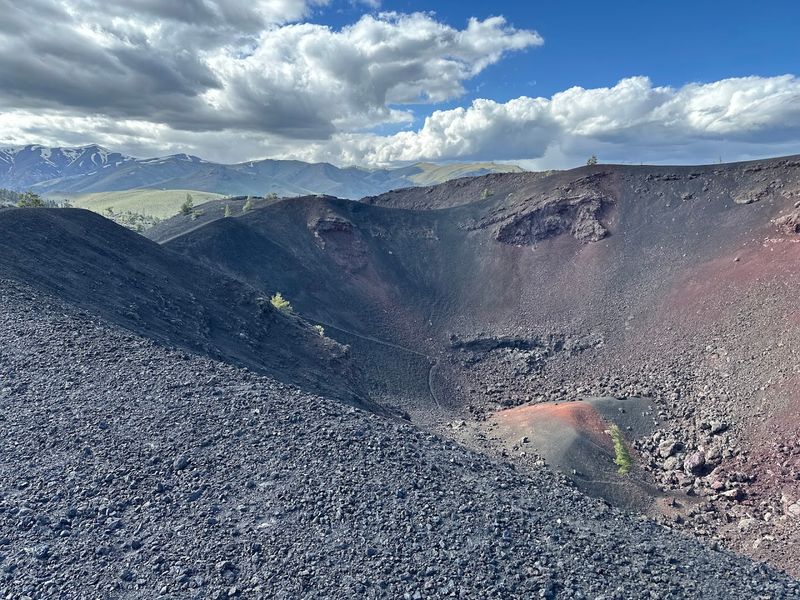
NASA actually sent Apollo astronauts to train here before the moon landings, which tells you everything you need to know about how alien this place looks. Craters of the Moon covers over 750,000 acres of lava fields, cinder cones, and lava tube caves in central Idaho.
It is one of the best-preserved volcanic landscapes in the continental United States.
The seven-mile loop drive hits all the major highlights for those short on time. For the more adventurous, lava tube caves can be explored with a headlamp, and some require crawling through tight passages.
The caves stay cool all year, which is a welcome break from the exposed lava fields in summer.
Wildflowers somehow manage to grow through cracks in the hardened lava, creating surprising bursts of color against the black rock. The night sky here is spectacular, and the park holds ranger-led astronomy programs.
Craters of the Moon is proof that Idaho is one of the most geologically interesting states in the country.
Organ Mountains-Desert Peaks National Monument, New Mexico
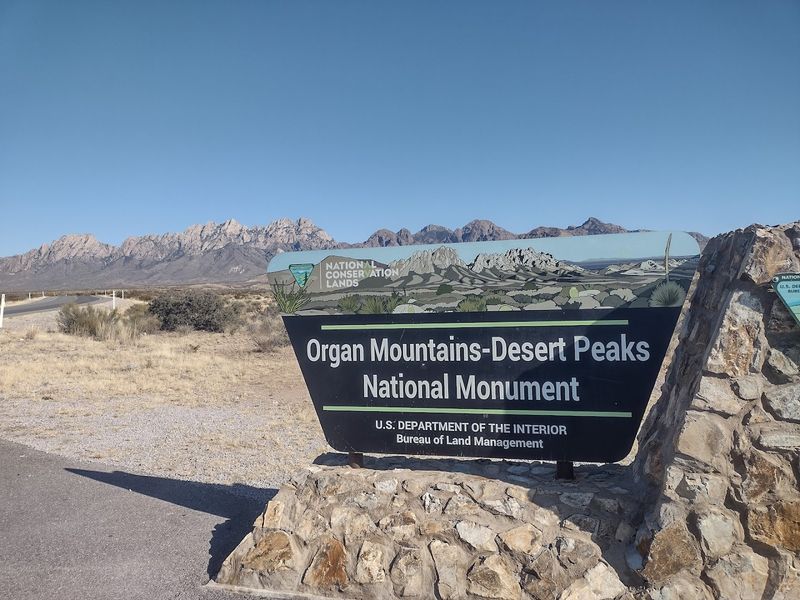
The Organ Mountains got their name because the jagged rock spires look like the pipes of a massive cathedral organ, and once you see them, you cannot unsee it. This monument was only established in 2014, making it one of the newer additions to the national monument system.
It sits just outside Las Cruces and is criminally undervisited.
Hiking trails range from easy desert walks to serious climbs up the rocky peaks. The Dripping Springs Natural Area is a favorite for families, featuring a historic sanitarium ruin tucked into the base of the mountains.
History and scenery delivered in the same hike is always a good deal.
The monument also protects several other mountain ranges, including the Potrillo Mountains and Sierra de las Uvas. Each range has its own character, from volcanic fields to grasslands.
Wildlife includes mule deer, mountain lions, and golden eagles. For outdoor lovers near the New Mexico-Texas border, this monument is the obvious first choice that somehow gets skipped constantly.
Anza-Borrego Desert State Park, California
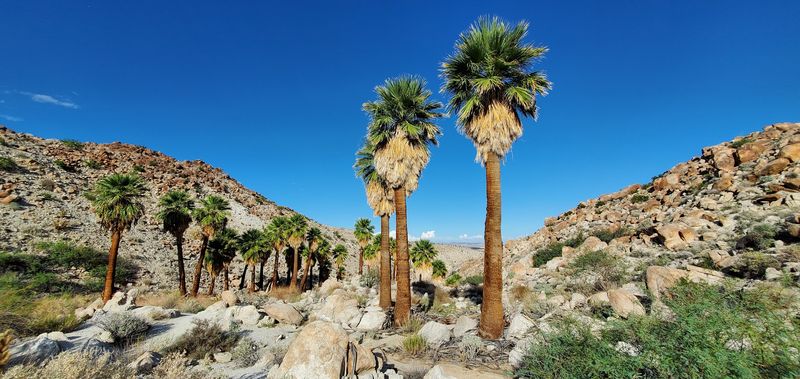
California’s largest state park covers over 600,000 acres of desert, canyon, and badland terrain, yet it rarely shows up on tourist itineraries. Anza-Borrego is best known for its wildflower superblooms, which happen in years of heavy winter rain and turn the desert floor into a carpet of color.
Predicting a superbloom year is part science, part luck, and entirely worth chasing.
Metal sculptures of prehistoric animals are scattered across the desert near Borrego Springs, created by artist Ricardo Breceda. Giant mammoths, serpents, and saber-toothed cats emerge from the sand without any warning signs, which is a delightful shock on a solo drive.
The town of Borrego Springs is also a certified International Dark Sky Community.
Slot canyons, palm oases, and badland formations are all accessible by hiking trail or four-wheel-drive road. The park is open year-round, though summer temperatures can be brutal.
Spring is the sweet spot for visiting. Anza-Borrego rewards patience and planning with some of the most dramatic desert scenery in the West.
Big Talbot Island State Park, Florida
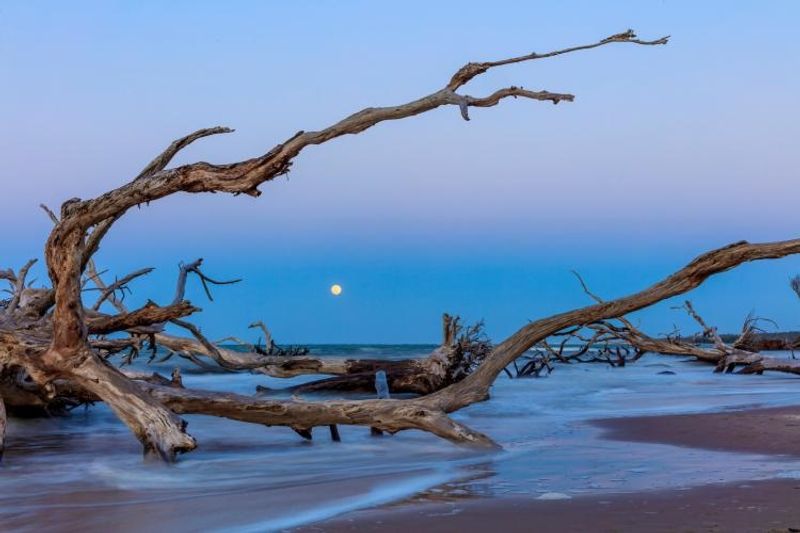
Most Florida beaches are lined with condos and souvenir shops, so Big Talbot Island feels like a different planet entirely. Located on a barrier island north of Jacksonville, this park is famous for its Boneyard Beach, where ancient oak and cedar trees have fallen onto the shoreline and been bleached white by sun and salt.
It looks like a natural sculpture garden.
The island is part of a larger ecological preserve that protects maritime hammock forest, salt marsh, and tidal creeks. Kayaking through the marsh is one of the best ways to explore, and rentals are available nearby.
Bird watchers show up regularly because the island sits along the Atlantic Flyway migration route.
Swimming is not the main attraction here, and that is exactly the point. Big Talbot draws people who want something more interesting than a beach umbrella and a frozen drink.
Hiking trails wind through the forest and along the bluffs. If you want a Florida beach experience that feels genuinely wild, this is your spot.
Bandelier National Monument, New Mexico
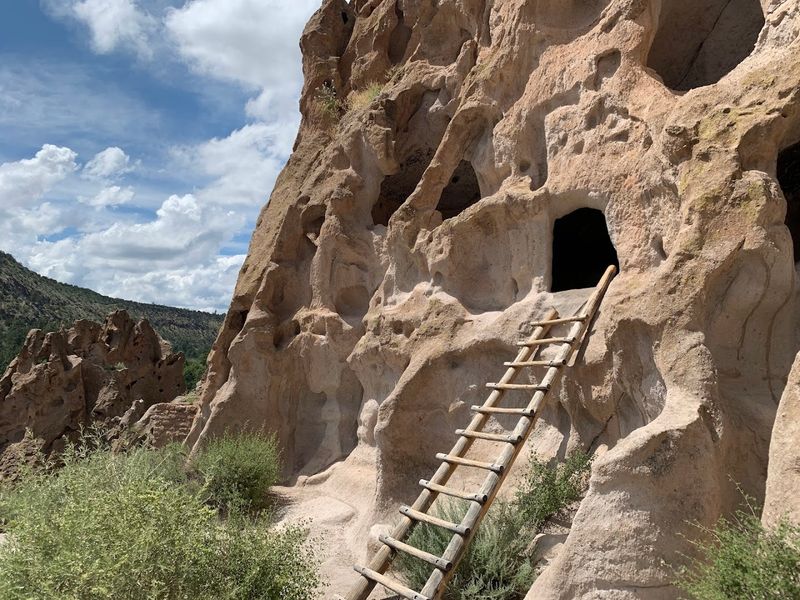
Bandelier holds one of the most accessible ancient cliff dwelling sites in the entire country, yet it still gets overshadowed by Mesa Verde. Located in the Jemez Mountains of northern New Mexico, the monument protects thousands of archaeological sites built by Ancestral Pueblo people over 10,000 years ago.
Climbing wooden ladders into actual cave rooms carved from volcanic rock is something you will not stop talking about.
The main loop trail through Frijoles Canyon takes about an hour and passes petroglyph panels, ceremonial kivas, and the famous Alcove House perched 140 feet above the canyon floor. Rangers are stationed throughout the trail to answer questions and add context.
The combination of natural beauty and human history packed into one canyon is genuinely rare.
Backcountry trails lead deeper into the monument and reward hikers with solitude and even more remote ruins. The Rio Grande runs along the monument’s eastern boundary, adding another layer of scenery.
Bandelier is the kind of place that makes history feel alive rather than like a textbook assignment.
Guadalupe Mountains National Park, Texas
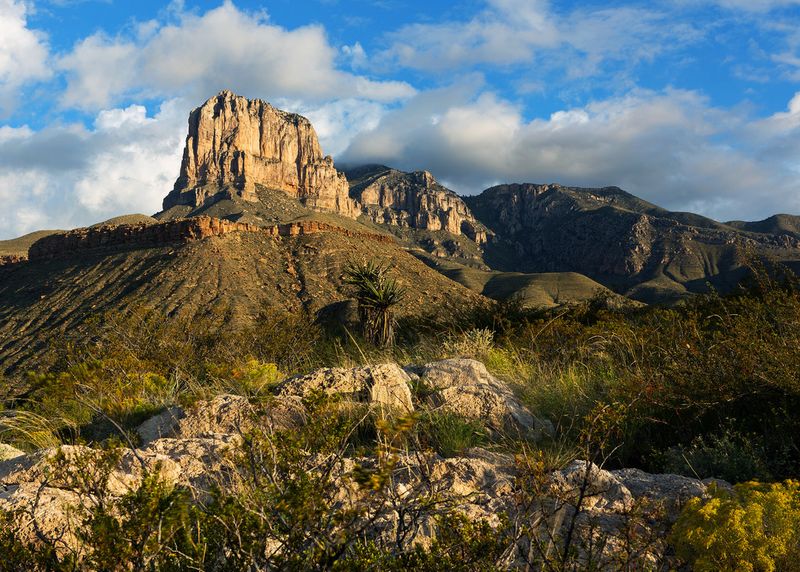
Texas has two national parks, and everyone flocks to Big Bend while Guadalupe Mountains sits quietly nearby, wondering when it will get its turn. The park contains the four highest peaks in Texas, including Guadalupe Peak at 8,749 feet.
Hiking to the summit is a serious workout but delivers views that stretch into three states on a clear day.
The Guadalupe Mountains are actually an ancient marine fossil reef from 265 million years ago, which makes every step uphill feel slightly more impressive. McKittrick Canyon is considered one of the most beautiful spots in Texas, especially in fall when bigtooth maples turn brilliant shades of red and orange.
That level of autumn color is not something most people expect from West Texas.
The park has minimal facilities and no food vendors, which helps preserve its peaceful atmosphere. Stargazing is exceptional here, far from any major city lights.
Guadalupe Mountains rewards visitors who come prepared and curious. It is Texas’s best-kept outdoor secret, and it is long overdue for more credit.
Cutler Coast Public Land, Maine
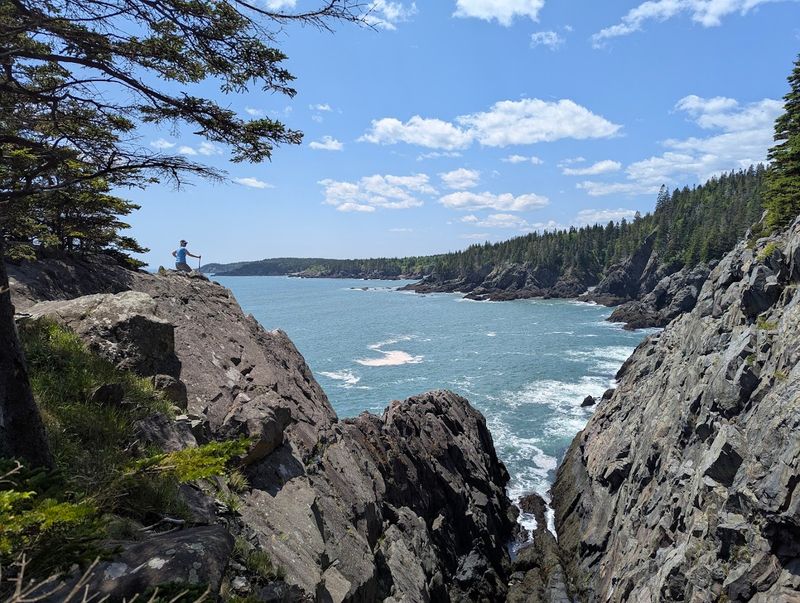
Maine’s Bold Coast is the most dramatic stretch of undeveloped shoreline on the entire East Coast, and most people have never heard of Cutler Coast Public Land. The cliffs here drop straight into the Atlantic, and the dark spruce forest behind them creates a landscape that feels more like Iceland than New England.
I found out about this place from a ranger who seemed almost reluctant to share the secret.
The Cutler Coast Trail is a 12-mile loop that hugs the cliff edge and dips through bogs and forest. Primitive camping is permitted along the trail, and waking up to a sunrise over the ocean from a cliff-side tent is an experience that needs no filter.
The trail is rugged and requires solid navigation skills.
Whales, seals, and seabirds are commonly spotted offshore during the warmer months. The nearest town is tiny, so bring all your supplies.
Cutler Coast is a place for people who mean it when they say they want to get away from everything. It delivers on that promise completely.
Share this story