Some towns still look and function like the Old West never fully left. This list focuses on places where the layout, buildings, and local businesses reflect real frontier history, not staged attractions.
You will find preserved main streets, original storefronts, mining towns, railroad hubs, and working communities that still rely on the same industries that built them. Some are lively, others are quieter, but all of them offer a more authentic connection to the past.
Each destination stands out for a specific reason, whether it is architecture, history, or how much of that past is still part of daily life today.
1. Tombstone, Arizona
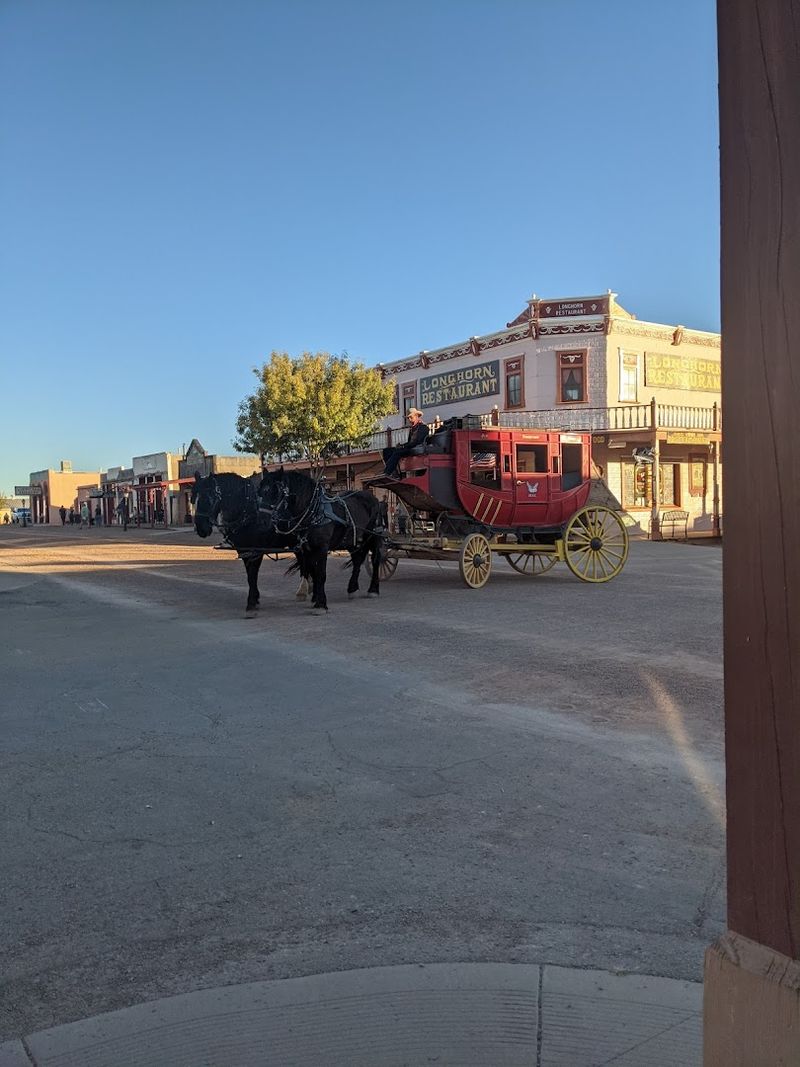
History struts down the sidewalk in Tombstone, and it knows exactly why you came. This Arizona town still centers much of its identity on the famous O.K.
Corral era, yet the appeal goes beyond reenactments and photo ops.
Allen Street gives you wooden boardwalks, period storefronts, and a compact layout that makes exploring easy on foot. The Bird Cage Theatre, courthouse museum, old newspaper office, and boot hill sites keep the town grounded in documented stories rather than pure performance.
What makes Tombstone feel authentic is that the legend has not erased the place itself. Behind the tourist energy, you can still track the original street grid, study preserved buildings from the boom years, and see how a tough mining town evolved into one of the West’s most recognizable historical destinations without sanding off all its rough edges.
2. Deadwood, South Dakota
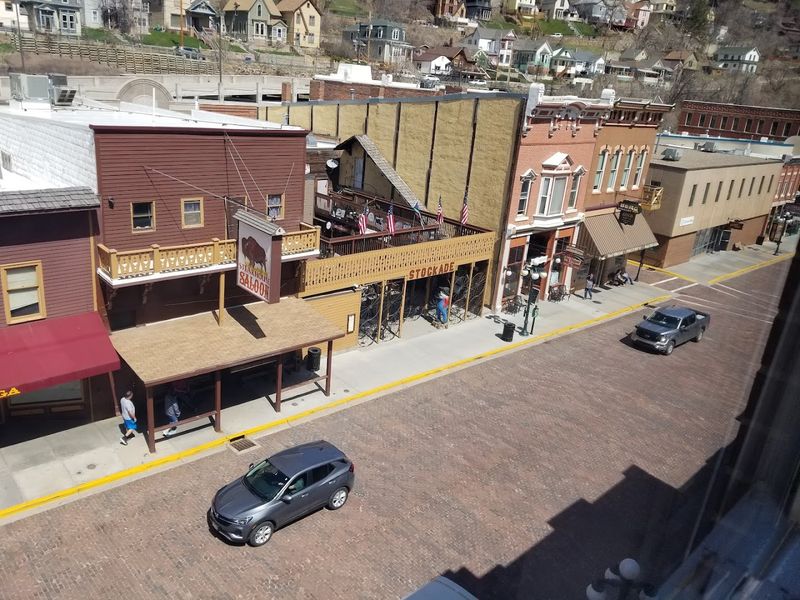
Deadwood wastes no time reminding you that frontier history could be rowdy, profitable, and deeply complicated. Set in the Black Hills, this town built its reputation during the gold rush and still carries a strong sense of that quick-built, high-stakes past.
Main Street is lined with restored buildings that look ready for another century of business, and many now house museums, shops, and historic hotels. You can dig into local history through walking tours, restored interiors, and preserved facades that show how the town expanded during its busiest years.
Deadwood feels authentic because it remains a real community wrapped around a historic district, not a sealed-off display. The hills close in around downtown, the street plan reflects practical frontier growth, and the surviving architecture gives the place a solid backbone that keeps it from feeling staged, even when the town is clearly aware of its own colorful reputation.
3. Virginia City, Nevada
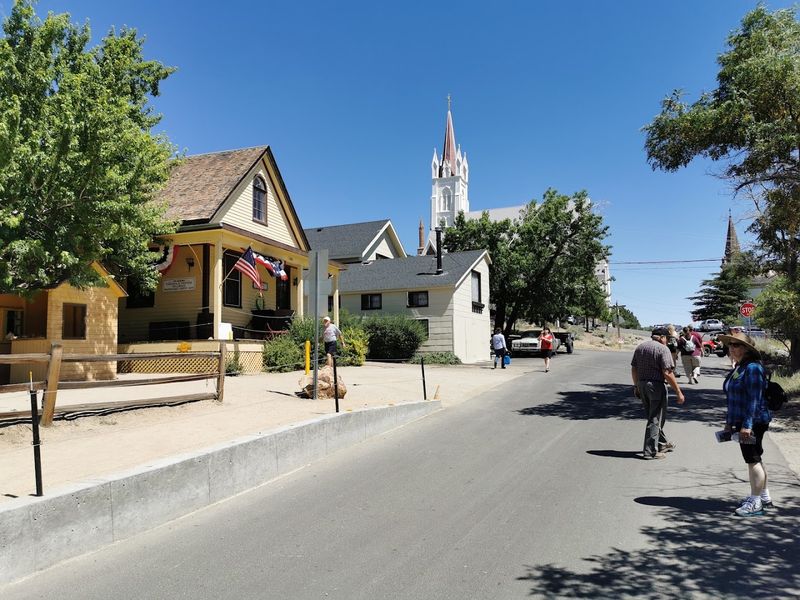
Perched high above the desert, Virginia City still looks like it expects the Comstock Lode to make headlines again. The town grew fast on mining wealth, and its steep streets and preserved commercial district still tell that story with unusual clarity.
C Street is the obvious starting point, with wooden sidewalks, old storefronts, museums, and train-related attractions that tie the town to its boom years. The Virginia and Truckee Railroad adds another layer of context, showing how transportation helped turn raw mineral wealth into a powerful regional economy.
Virginia City feels authentic because the setting and the streetscape still fit together in a convincing way. The hillside location, dense historic core, and surviving structures create a place that reads as a working mining town first and a visitor destination second, which is impressive for a place that has been famous for a very long time.
4. Dodge City, Kansas
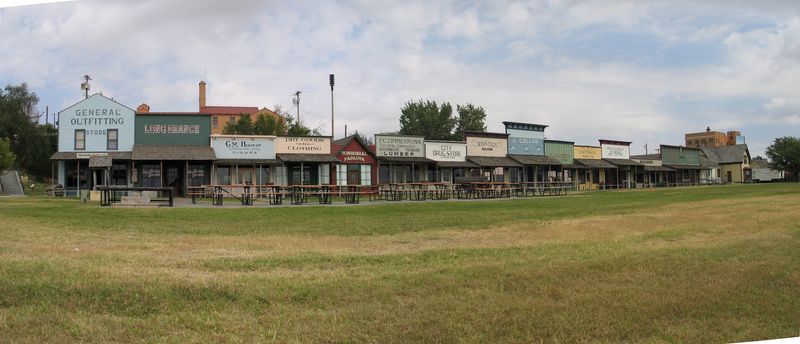
Dodge City arrives with a reputation so oversized it could block traffic on the prairie. Yet the real town rewards anyone willing to look past the catchphrases and notice how cattle-trail history, railroad growth, and civic preservation intersect here.
The Boot Hill Museum area offers the most concentrated historic experience, with reconstructed streets, exhibits, and context about the cowtown era. Beyond that, downtown preserves pieces of the city’s older fabric, and local storytelling does a good job explaining how Dodge City became shorthand for frontier law, commerce, and movement.
What keeps Dodge City convincing is its deep link to the cattle trade rather than a single dramatic event. This was a place shaped by rail connections, stock handling, and constant arrivals, and that practical foundation still comes through in the museums and streetscapes, giving the town more substance than a simple Hollywood-ready western label would suggest.
5. Silverton, Colorado
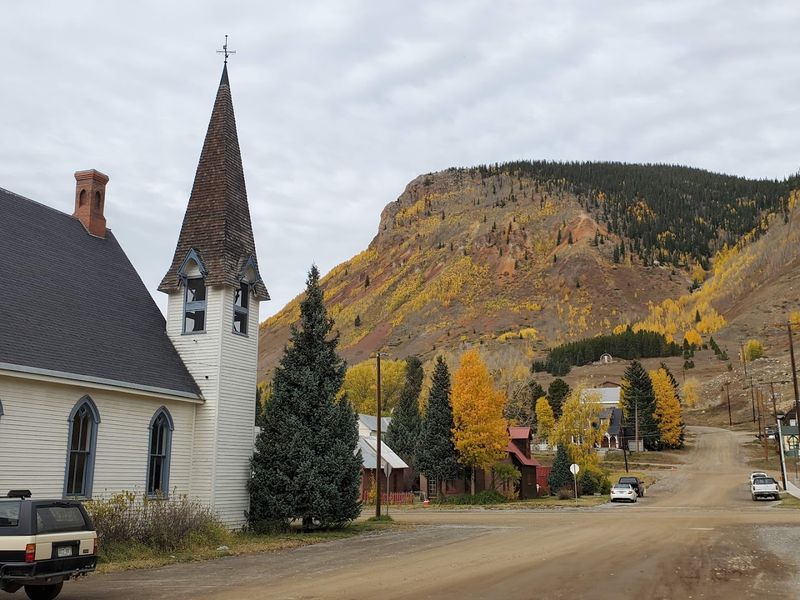
Silverton has the unfair advantage of looking dramatic before you even notice the history. Tucked into the San Juan Mountains, this former mining town keeps an Old West profile with dirt streets, period buildings, and a compact center that still makes practical sense.
Many visitors arrive on the Durango and Silverton Narrow Gauge Railroad, which is an excellent entrance if you enjoy a bit of theatrical timing. Once in town, the historic district offers storefronts, hotels, and public buildings that reflect mining wealth without turning the place into a polished theme set.
Silverton feels authentic because the mountain geography still controls the experience. The town exists where industry once demanded it, and the surrounding terrain explains both the ambition and the isolation that defined daily life here.
Add in preservation efforts that respect the original streetscape, and you get a destination that feels rooted rather than reconstructed.
6. Bisbee, Arizona
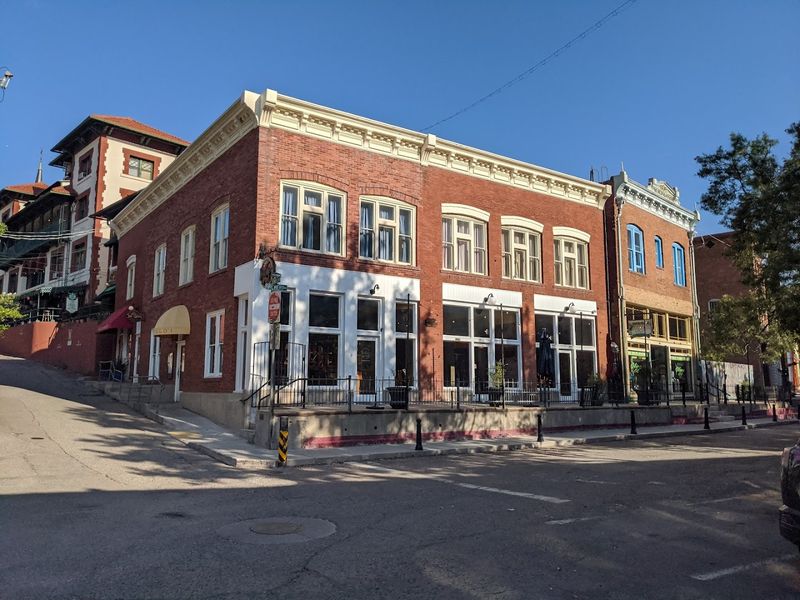
Bisbee takes the Old West template and gives it a steep hillside twist. Founded as a copper-mining town, it developed in layers, with narrow streets, stairways, and tightly packed buildings that still show how residents adapted to the terrain.
The downtown district is full of preserved architecture from the late nineteenth and early twentieth centuries, including commercial blocks, hotels, and civic buildings. Museums and mine tours add context, while the town’s walkable center makes it easy to connect the mining story with the places where daily business once unfolded.
Bisbee feels authentic because it was never flattened into a standard western postcard. Its unusual layout, strong architectural preservation, and continuing local life keep the place distinctive.
You are not just looking at old facades here; you are moving through a town shaped by industry, geography, and long-term reinvention, which gives the history more staying power than a costume-friendly main street alone.
7. Bodie, California
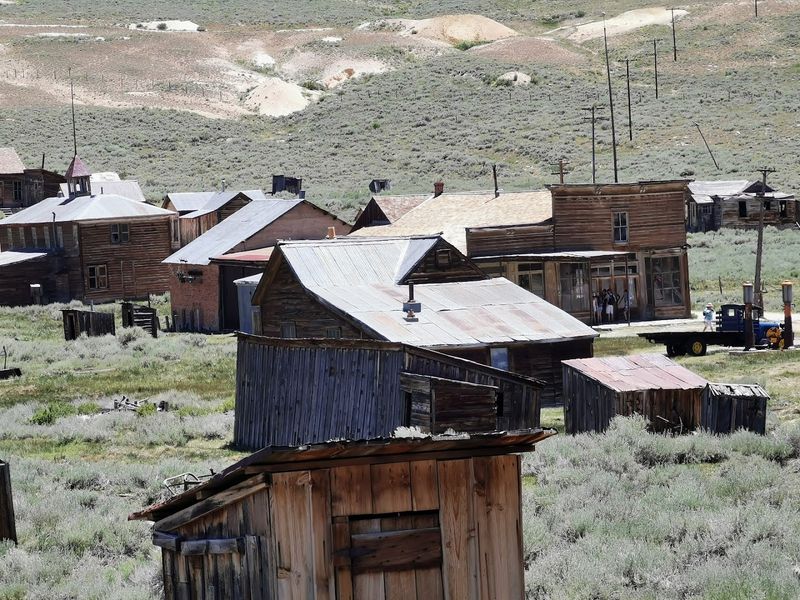
Bodie plays its strongest card by refusing to look overly improved. Preserved in a state of arrested decay, this California State Historic Park gives you a rare chance to see a former mining town with buildings left much as time found them.
The streets are lined with houses, shops, a schoolhouse, and a church, all arranged in a way that makes the former settlement legible at a glance. Instead of polished restoration, Bodie offers preservation that highlights weathered details, practical construction, and the scale of a once-busy place built quickly for opportunity.
Bodie feels authentic because it is not trying to entertain you into submission. The value lies in the town plan, the surviving structures, and the honest evidence of how a boom settlement rose, functioned, and then emptied out.
That straightforward presentation makes it one of the clearest windows into frontier mining life anywhere in the West, with very little sugar coating.
8. Cody, Wyoming
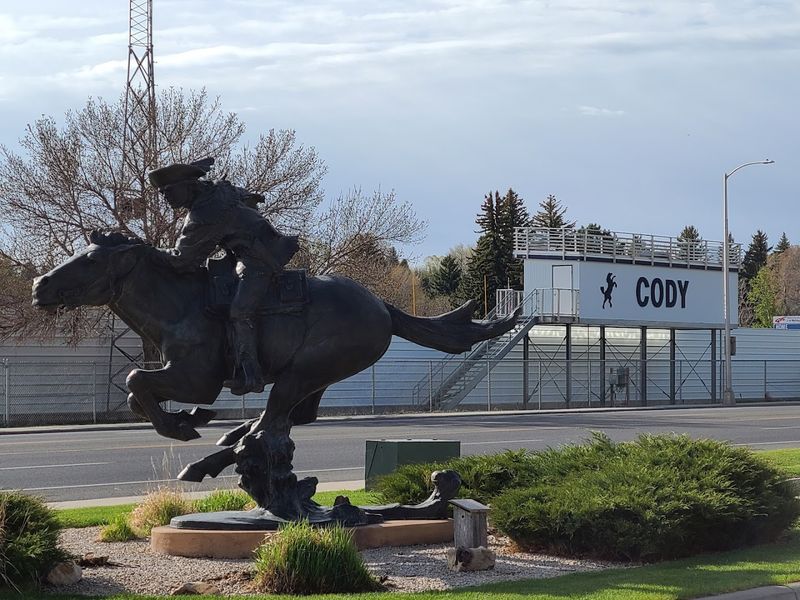
Cody knows its founder had star power, but the town backs up the name with substance. Established by Buffalo Bill Cody, it combines planned western identity with strong museums, preserved architecture, and a setting that still feels tied to frontier travel routes.
The Buffalo Bill Center of the West is the heavyweight attraction, and it gives the town unusual depth for anyone who wants context rather than clichés. Downtown adds western storefronts, historic hotels, and public spaces that make Cody easy to explore without feeling like you are trapped inside a souvenir brochure.
Cody feels authentic because it was built with a specific regional purpose and still serves as a gateway community. Ranching history, Yellowstone traffic, and local institutions all keep it active beyond tourism.
That mix helps the town maintain a believable western identity, one grounded in geography, museums, and civic continuity instead of relying only on frontier costumes and staged nostalgia.
9. Jerome, Arizona
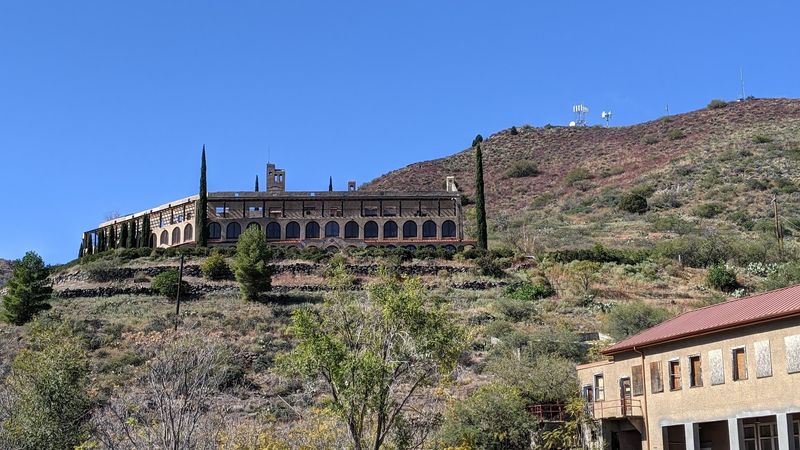
Jerome clings to the mountainside with the confidence of a town that has seen every boom-and-bust plot twist available. Once a major copper center, it still shows off its steep streets, historic buildings, and improbable layout with very little need for embellishment.
The town’s main drag is packed with preserved commercial structures, museums, and old hotels that explain how industry drove growth here. Because the buildings step along the slope rather than spreading across a flat grid, Jerome immediately feels different from the standard western main street lineup.
Jerome feels authentic because the geography never lets you forget why the town existed in the first place. Mining shaped the infrastructure, the architecture, and even the daily logistics of getting around.
Add preservation that respects the original form instead of smoothing it out, and you get a place that delivers frontier history with personality, practicality, and a little bit of delightful uphill stubbornness.
10. Durango, Colorado
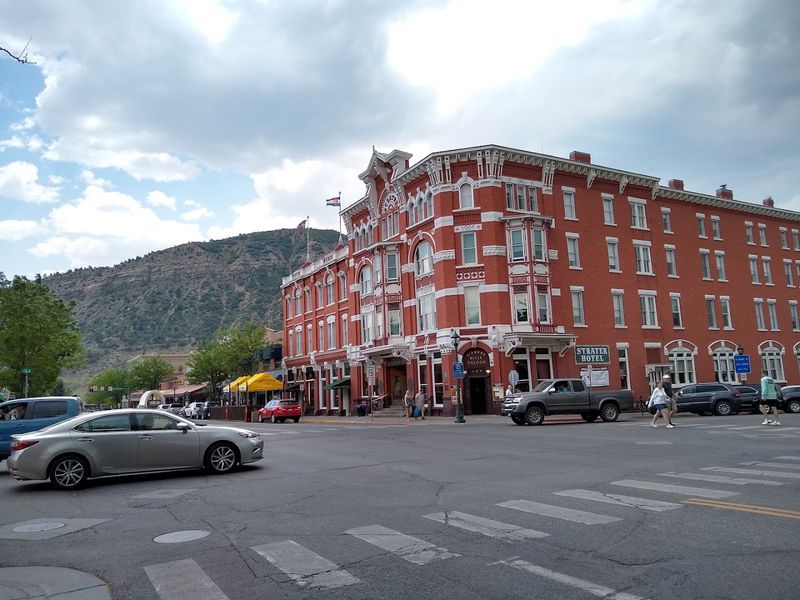
Durango brings a little polish to the Old West, but it never loses the bones of a railroad and mining town. Founded in the 1880s, it still has a strong historic core anchored by substantial brick buildings and one very famous train.
The Durango and Silverton Narrow Gauge Railroad is the headline act, and the depot area gives the town instant historical credibility. Beyond the tracks, downtown offers a walkable grid of preserved commercial architecture that reflects prosperity, regional trade, and the practical needs of a growing western hub.
Durango feels authentic because it balances preservation with everyday use better than many heritage destinations. Shops, hotels, and civic buildings still occupy the same central framework that developed during the town’s early years.
That continuity matters, and it keeps the experience rooted in place rather than drifting into frontier cosplay, even when the train schedule is doing its best to steal the show.
11. Fort Worth Stockyards, Texas
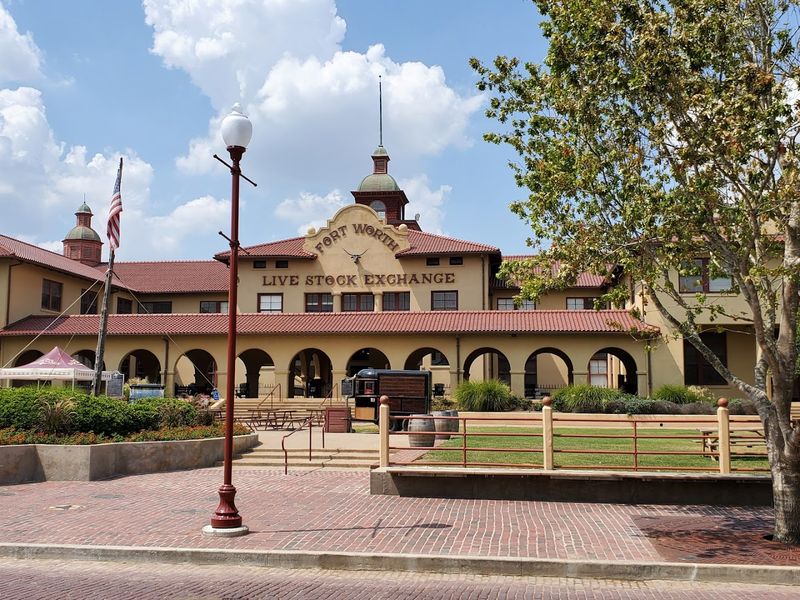
Fort Worth Stockyards proves that authenticity can survive in a place that absolutely knows it is famous. The district preserves the city’s livestock-trading legacy with brick exchange buildings, pens, broad streets, and a layout that still reflects the business of moving cattle efficiently.
Daily longhorn drives may attract the cameras, but the bigger story is the infrastructure around them. Historic structures, stockyard museums, station buildings, and former commercial spaces explain how Fort Worth became a major link between ranch country and national markets.
The Stockyards feel authentic because they were built for work before they were adapted for heritage tourism. You can still read the district as an operational landscape, not just a decorative backdrop with good signage.
That underlying purpose gives the area unusual credibility, and it helps visitors understand that western history here was not abstract legend but organized commerce with a lot of boots on the ground.
12. Leadville, Colorado
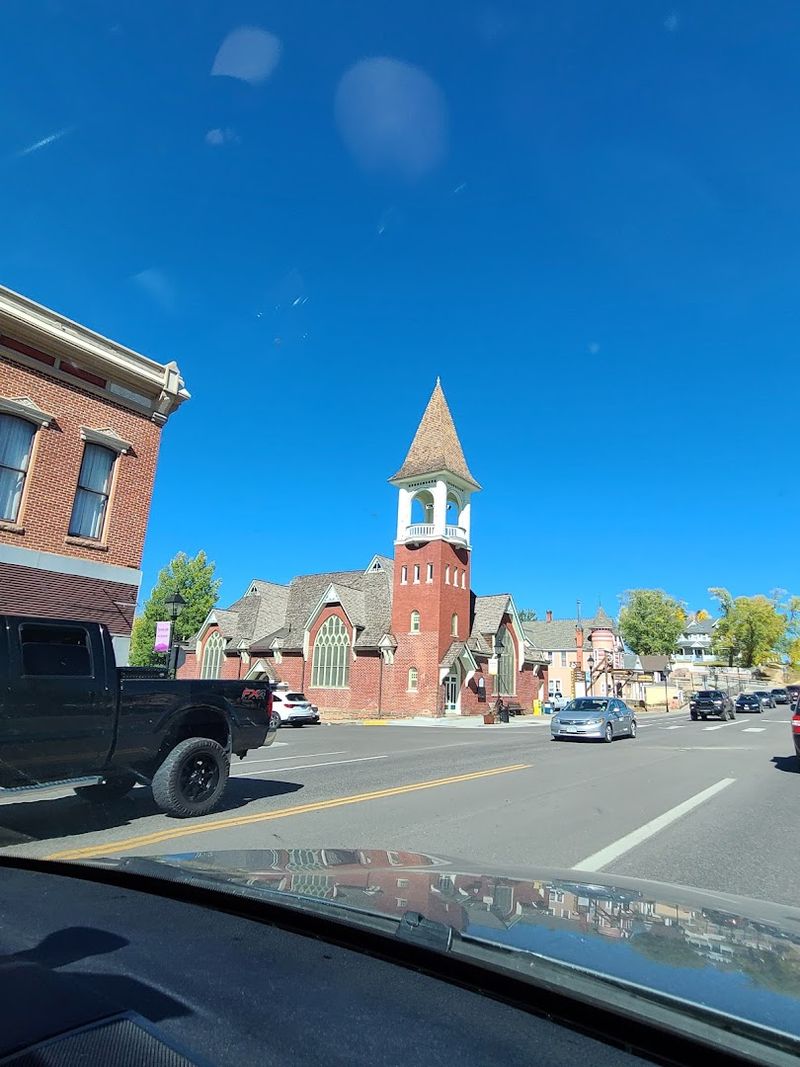
At over 10,000 feet, Leadville does not need gimmicks to stand out. This Colorado mining town reached astonishing heights in more ways than one, and its downtown still displays the confidence of a place that once handled serious money and serious ambition.
Large brick buildings, historic hotels, museums, and the Tabor Opera House give Leadville a more substantial look than many smaller frontier towns. The broad streets and preserved commercial blocks make it easy to picture how silver wealth transformed a remote settlement into a place of regional importance.
Leadville feels authentic because its architecture records prosperity without hiding the rugged context around it. The town remains closely tied to its mining history, yet it also works as a living mountain community with a clear street plan and recognizable civic center.
That combination keeps the past visible in practical ways, which is far more persuasive than any old-timey slogan on a souvenir sign.
13. Shaniko, Oregon
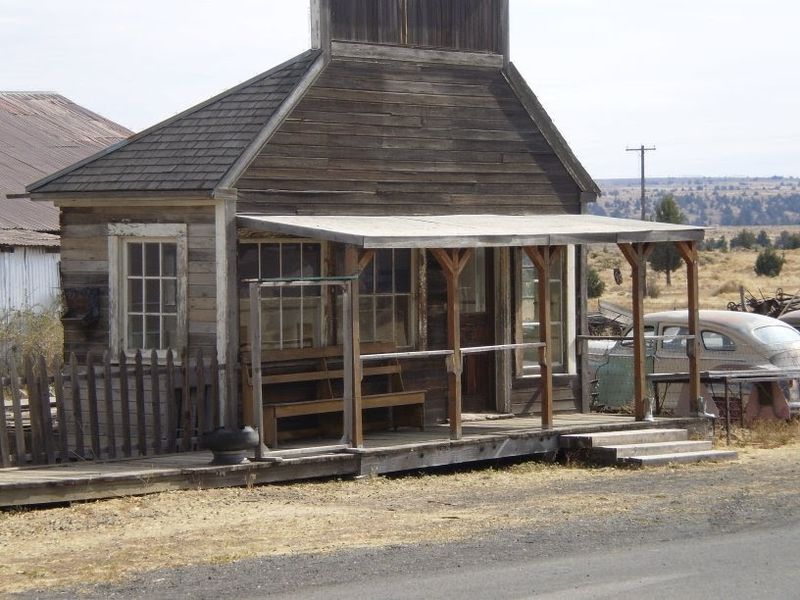
Shaniko is the kind of place that makes you check twice to confirm the year. Once a busy wool-shipping center in north-central Oregon, it now preserves a compact collection of early buildings that show how a railroad and regional trade could briefly create a bustling western town.
The former hotel, storefronts, and public buildings stand in a sparse high-desert setting that helps the historic district read clearly. Because Shaniko never grew into a large modern city, the surviving structures are not crowded by later development, and that gives the streets an unusually direct connection to the past.
Shaniko feels authentic because its scale remains modest and legible. You can understand the town’s purpose quickly, and the preserved commercial core explains how goods, visitors, and local business once moved through this isolated point on the map.
It is less flashy than some western destinations, which is exactly why it leaves such a strong impression.
14. Calico, California
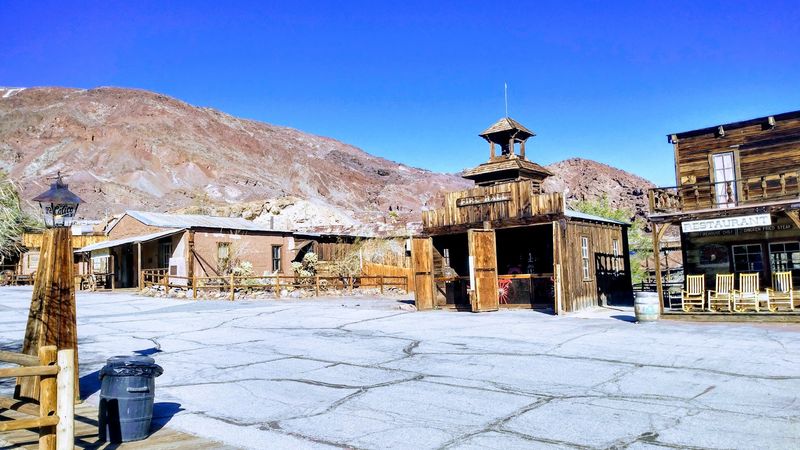
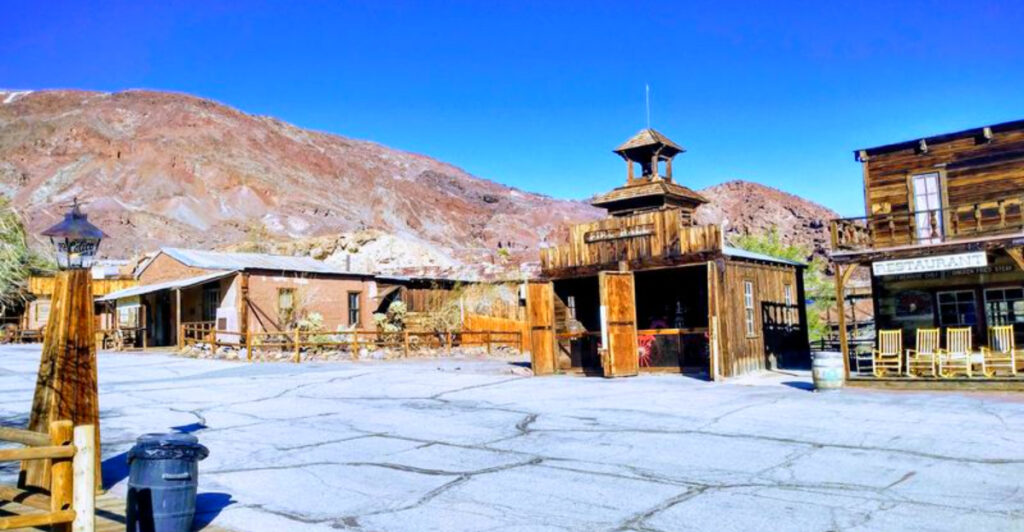
Calico has a desert setting that does half the storytelling before you even read a single plaque. Built during a silver rush in the Mojave, the town still presents a coherent main street and mining-camp layout that makes its origins easy to grasp.
Yes, parts of Calico were restored for visitors, but the site still earns attention because the mining history is clear and the terrain explains everything. You can explore old structures, mine-related exhibits, and hillside views that show why people built here, worked here, and connected the settlement to larger trade routes.
Calico feels authentic when you focus on the town plan and the industrial story rather than expecting untouched perfection. The preserved streetscape, desert location, and surviving evidence of extraction create a convincing sense of place.
It is a useful reminder that western history was often improvised, practical, and tied directly to what was in the ground, not just to legends on postcards.
15. Bandera, Texas
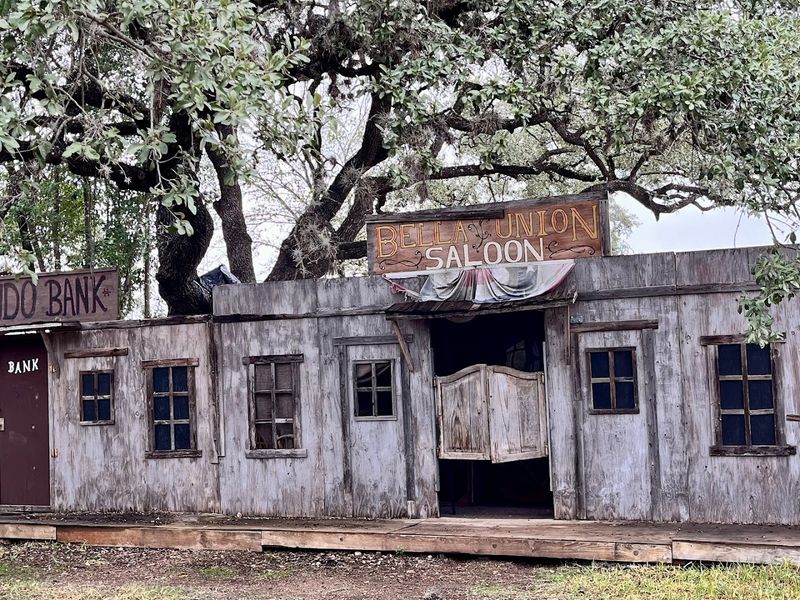
Bandera wears the title Cowboy Capital of the World with a straight face and plenty of supporting evidence. This Hill Country town grew through ranching rather than mining, which gives its Old West identity a different rhythm and a more everyday kind of credibility.
The historic core includes older storefronts, museums, dude ranch connections, and public spaces that keep cattle culture central to the local story. You are less likely to find a polished boomtown script here and more likely to see how ranch traditions shaped business, events, and the town’s continuing image.
Bandera feels authentic because western heritage is still part of community life, not just a seasonal performance. The streets reflect a practical Texas town that embraced its ranching past without turning it into a cartoon.
That blend of local continuity and visitor-friendly history makes Bandera a strong final stop on any Old West list, boots optional but fully understandable.
Share this story