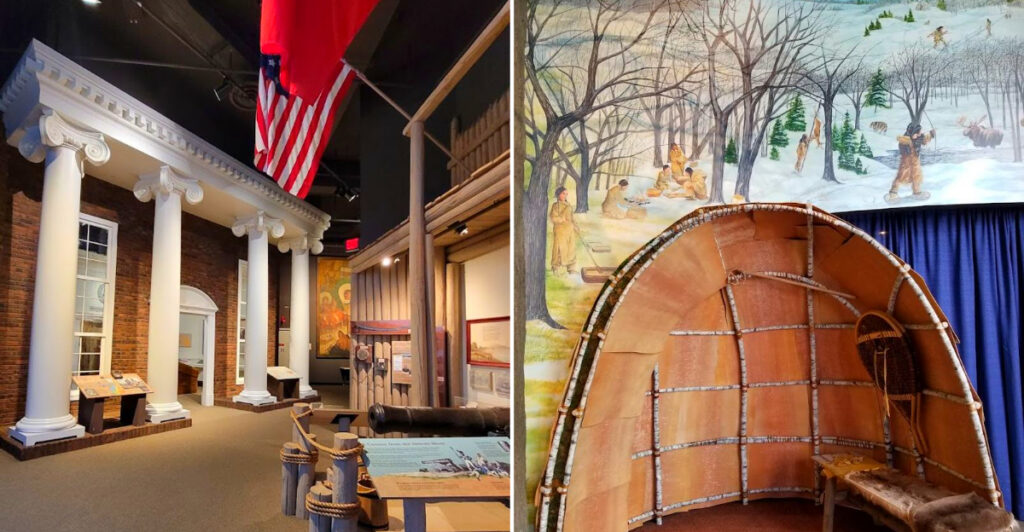
In Lansing, one museum lets you walk through a copper mine, step onto a 1920s street, and stand inside a mid-century home all in a single visit. The Michigan History Center covers thousands of years of the state’s past across five floors, with full-scale recreations and detailed exhibits that go far beyond display cases.
It traces Michigan’s story from early Indigenous communities to the rise of the auto industry, with each section built to show how people actually lived and worked. Admission is affordable, Sundays are free, and the layout makes it easy to explore at your own pace.
Most people pass by without stopping, but those who go in quickly realize how much they have been missing.
The Address, the Building, and the First Impression

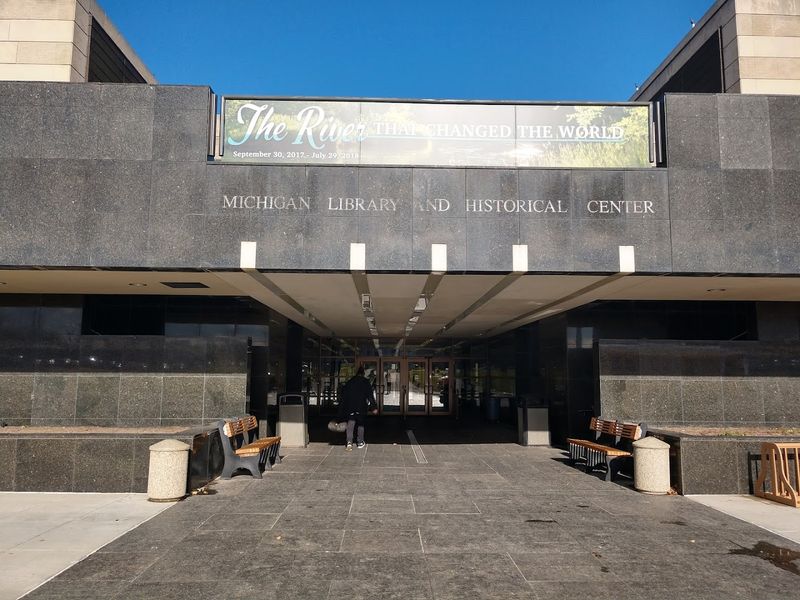
The Michigan History Center sits at 702 W Kalamazoo St, Lansing, MI 48915, right in the heart of Michigan’s capital city. The building shares its home with the Michigan Library and Historical Center, so the campus itself feels like a monument to knowledge before you even reach the front door.
A row of trees lines the path to the entrance, and on a warm day, they give off a surprisingly pleasant scent that sets a welcoming mood from the start. The visitor entrance is actually on the ground level, down a short flight of stairs rather than up, which catches many first-timers off guard.
Parking is straightforward: a large lot sits just south of the building, with a modest five-dollar daily rate on weekdays and free parking on weekends. The museum is open Monday through Saturday from 10 a.m. to 4 p.m., and Sundays from 1 p.m. to 5 p.m.
You can reach them at 517-335-2573 for any questions before your visit.
Five Floors That Cover Thousands of Years
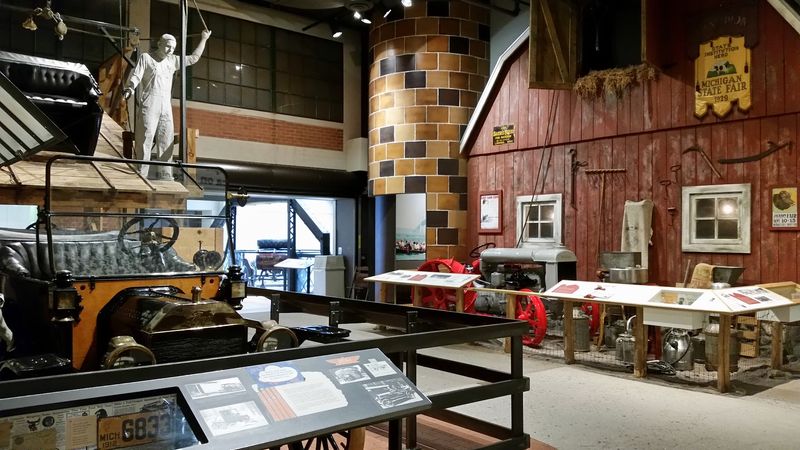
Most museums give you one or two floors and call it a day. The Michigan History Center spreads its story across five levels, each one dedicated to a different period or theme in Michigan’s past, and the layout makes it easy to follow the timeline without getting lost.
A large tree grows in the center of the building, which sounds like an odd design choice until you see it in person and realize it anchors the whole space beautifully. The flow between floors feels natural, and there is genuinely no wrong way to move through the exhibits.
Visitors who spend a casual two to three hours here often report leaving with the feeling that they only scratched the surface. The museum packs in reading panels, artifacts, videos, and hands-on displays at every turn, so the pace is entirely yours to set.
That sense of discovery is exactly what makes the second visit feel just as rewarding as the first.
The Anishinaabe Heritage Exhibits
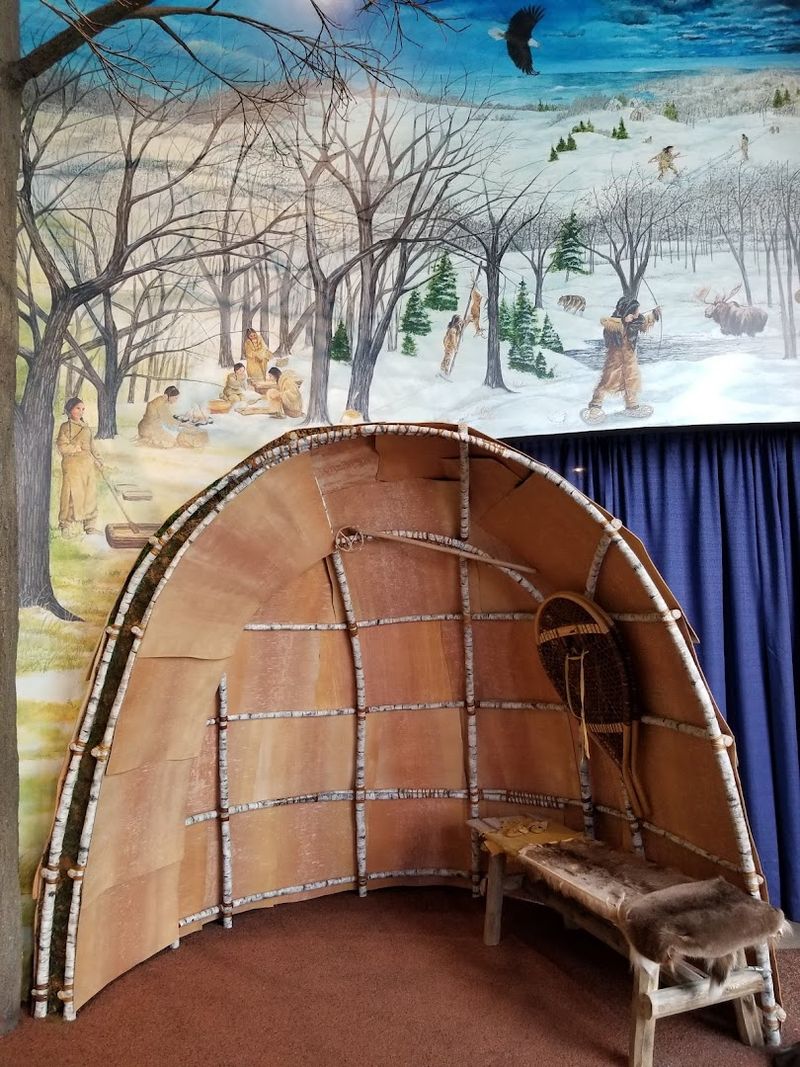
Long before Michigan had a name on any map, the Anishinaabe people called this land home. The museum opens its historical journey with a dedicated section honoring their culture, traditions, and presence across the Great Lakes region, and it does so with real care and depth.
The exhibits here go beyond surface-level storytelling. Artifacts, artwork, and detailed panels work together to give visitors a genuine sense of who these communities were and how they lived, traded, and connected with the natural world around them.
What stands out most is that the presentation treats Indigenous history as the foundation of the entire Michigan story rather than a footnote. Kids who visit often find this section engaging because the visual displays are rich and the information is presented in an accessible way.
If you have never spent much time learning about the original peoples of the Great Lakes, this section alone makes the trip worth taking, and what comes next builds directly on this foundation.
Going Underground in the Copper Mine Replica
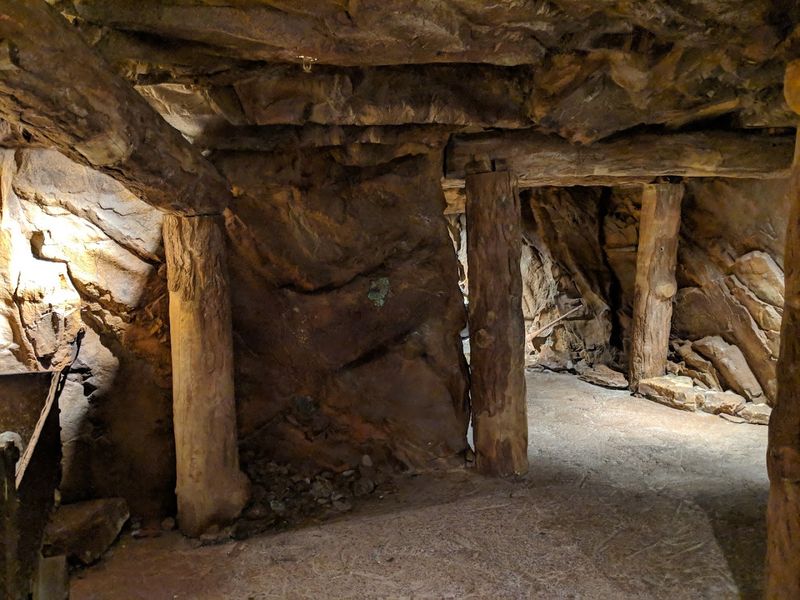
Few museum exhibits anywhere in the country match the sheer drama of walking into a full-scale replica copper mine. The Michigan History Center recreated an Upper Peninsula copper mine right inside the building, and the experience is genuinely immersive in a way that photos simply cannot capture.
The dim lighting, the rocky tunnel walls, and the mining equipment positioned throughout the space create an atmosphere that feels surprisingly authentic. You get a real sense of what it meant for workers to descend into the earth every day in pursuit of one of Michigan’s most valuable natural resources.
Michigan’s Upper Peninsula was once one of the world’s leading sources of copper, and this exhibit explains that legacy with context and clarity. The mining section consistently ranks as a crowd favorite, especially for younger visitors who enjoy the hands-on, walk-through format.
After you emerge from the mine, the museum shifts into a completely different era, and the contrast between what you just experienced and what comes next is genuinely striking.
The Giant Three-Story Relief Map of Michigan
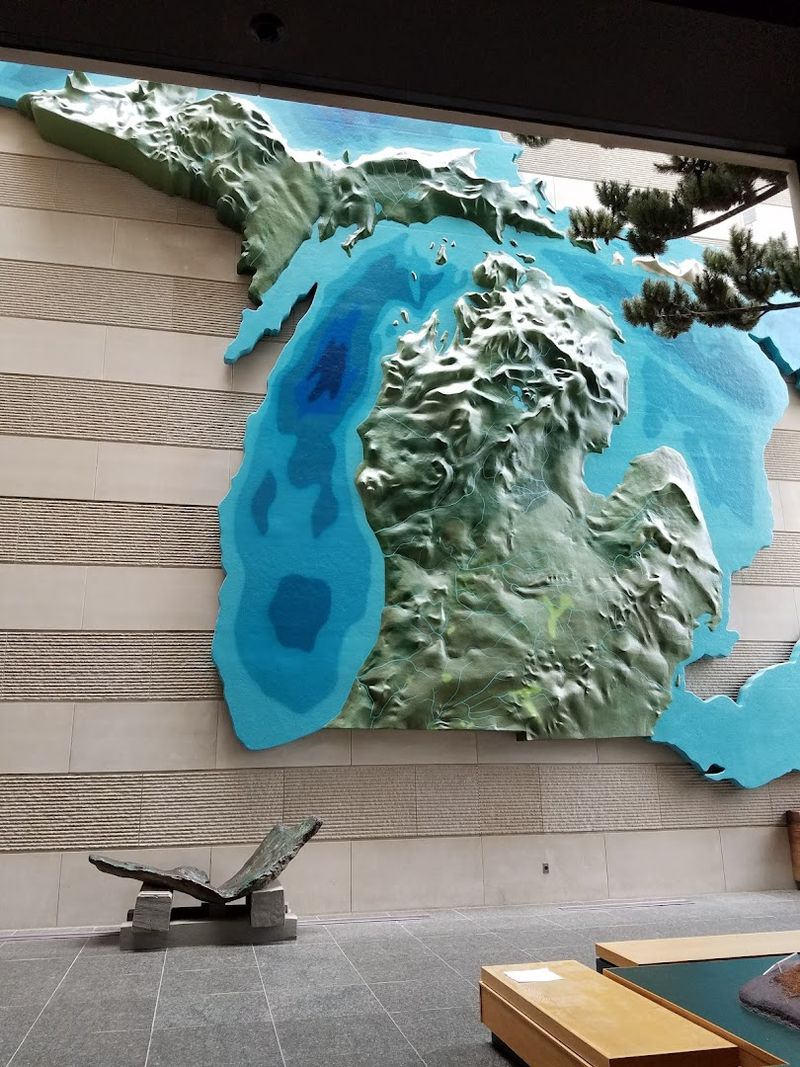
There are maps, and then there is this map. The Michigan History Center features a three-story-high topographical relief map of Michigan that towers over visitors and offers a perspective of the state’s geography that no flat image could ever replicate.
Every river valley, every lakeshore, every ridge across both peninsulas is rendered in physical form, and standing in front of it gives you an almost dizzying appreciation for how geographically varied Michigan really is. It is the kind of display that stops people mid-stride and keeps them staring longer than they expected.
For anyone who grew up in Michigan, the map triggers an immediate recognition of familiar places, and for those visiting from out of state, it provides an essential orientation to a geography shaped heavily by glaciers thousands of years ago. The sheer scale of the thing is hard to describe without sounding like you are exaggerating, but once you see it, you will understand why so many visitors mention it first when describing their experience here.
Walking Through a Recreated 1920s Streetscape
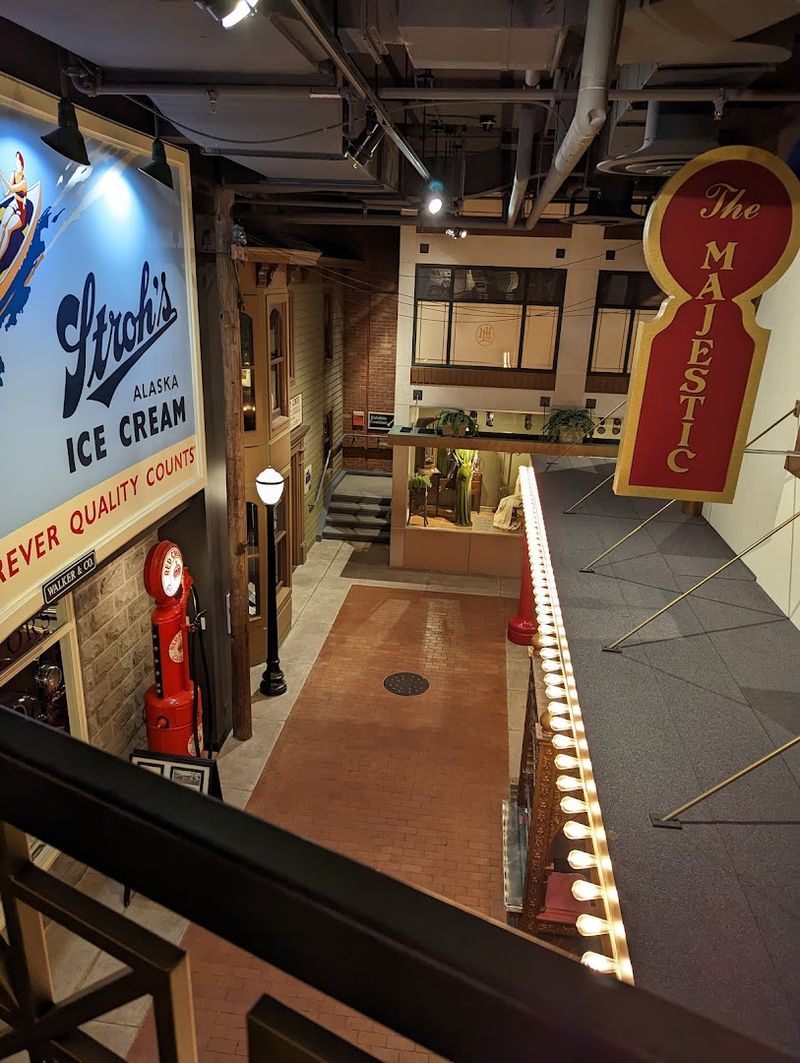
One of the most visually impressive sections of the museum is a full recreation of a 1920s Michigan streetscape, complete with period architecture, vintage vehicles, and storefronts that look exactly as they would have a century ago. The level of detail is what gets you, from the signage on the shop windows to the texture of the building facades.
Michigan in the 1920s was buzzing with energy. The automotive industry was transforming the state’s economy, cities were growing rapidly, and everyday life was changing at a pace that few generations had ever experienced.
The exhibit captures all of that momentum in a way that feels alive rather than static.
Adults tend to linger here longer than anywhere else in the museum, partly because of the nostalgia factor and partly because there is simply so much to look at. The dioramas throughout this section are beautifully constructed, and the attention to historical accuracy gives the whole streetscape a credibility that elevates it above a simple themed display.
Mid-Century Modern Living and the Automotive Boom
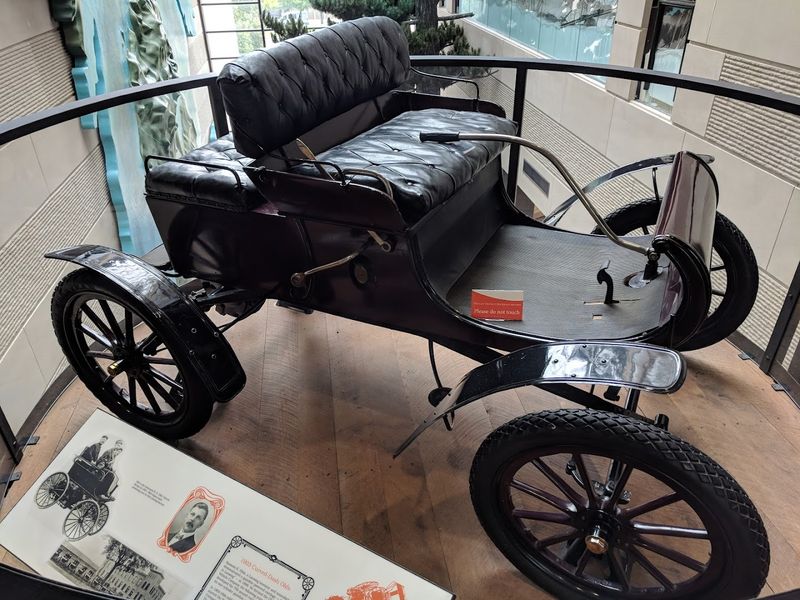
By the time you reach the mid-century section of the museum, you have already traveled through Indigenous history, the copper rush, and the roaring twenties. Then the exhibits shift into the postwar era, and suddenly the world on display starts to look a lot more familiar.
The automotive boom reshaped not just Michigan’s economy but its domestic life as well. Families moved to new suburbs, filled new homes with modern appliances, and built their routines around the rhythms of the factory shift.
The museum captures this transformation through carefully recreated living spaces that reflect the 1950s and 1960s in authentic detail.
Seeing a period-accurate living room or kitchen set up behind glass has a way of making history feel personal rather than distant. Many visitors who grew up in Michigan in those decades recognize specific objects or layouts from their own childhood homes, and that recognition sparks conversations that keep echoing well after they leave the building.
The next section of the museum takes that personal connection even further.
Michigan as the Arsenal of Democracy
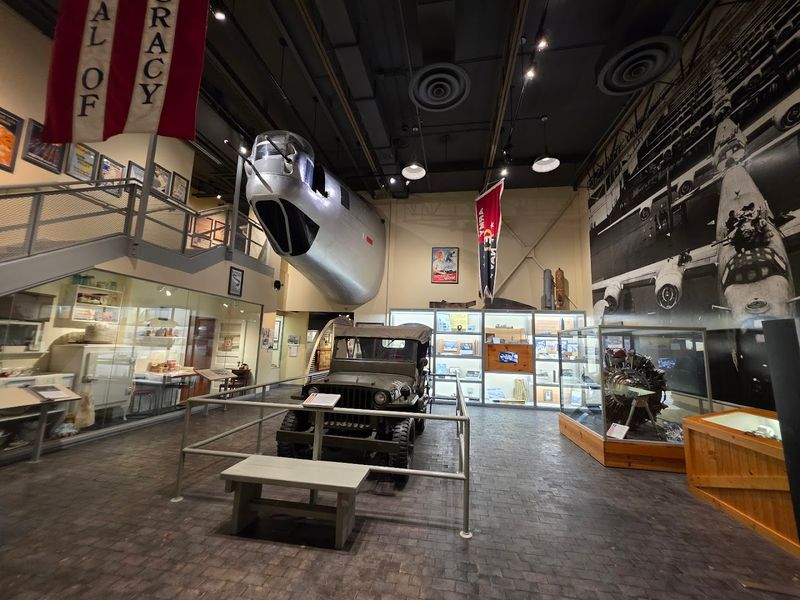
Not everyone outside Michigan knows the full story of what this state contributed during World War II, and the museum does an excellent job of changing that. Michigan’s factories converted almost overnight from producing consumer goods to manufacturing tanks, jeeps, bombers, and military equipment at a scale that helped turn the tide of the war.
President Franklin Roosevelt famously called the United States the Arsenal of Democracy, and Michigan was the engine behind that phrase. The exhibit brings that chapter to life with artifacts, photographs, and displays that convey both the industrial scale of the effort and the human stories behind it.
Reading about ordinary workers, many of them women, who stepped into factory roles and helped sustain one of history’s largest production efforts is genuinely moving. The exhibit does not sensationalize the subject but presents it with the weight and respect it deserves.
For history enthusiasts, this section alone justifies the trip, and the museum’s treatment of the postwar period that follows connects the wartime story directly to modern Michigan.
Interactive Displays That Keep Kids Genuinely Engaged
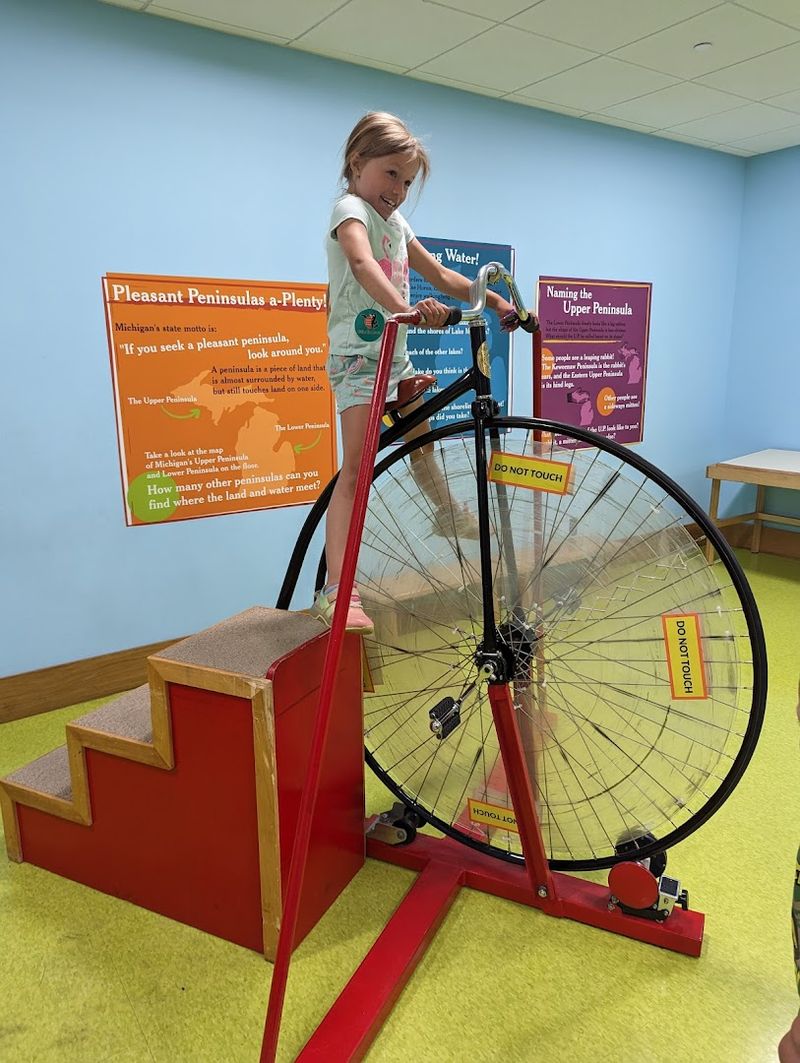
A museum that holds a child’s attention for three hours is doing something right. The Michigan History Center earns that achievement through a mix of interactive stations placed throughout the exhibits, giving younger visitors physical ways to engage with the history rather than just reading about it.
There is a big wheel bicycle that kids can actually sit on, a walk-through classroom setup, and various touch-friendly displays scattered across the floors. The hands-on elements are well-integrated into the broader narrative rather than cordoned off in a single kids-only corner, which means children stay involved in the full experience alongside the adults they came with.
Parents consistently note that the museum strikes a good balance: enough interactive moments to keep younger kids from getting restless, and enough depth and detail to hold the attention of curious adults. A small dedicated kids section in the back adds another layer of age-appropriate fun.
The gift shop near the exit stocks Michigan-themed souvenirs that children tend to find irresistible, which is worth knowing before you head that way.
Temporary Exhibits That Give You a Reason to Return
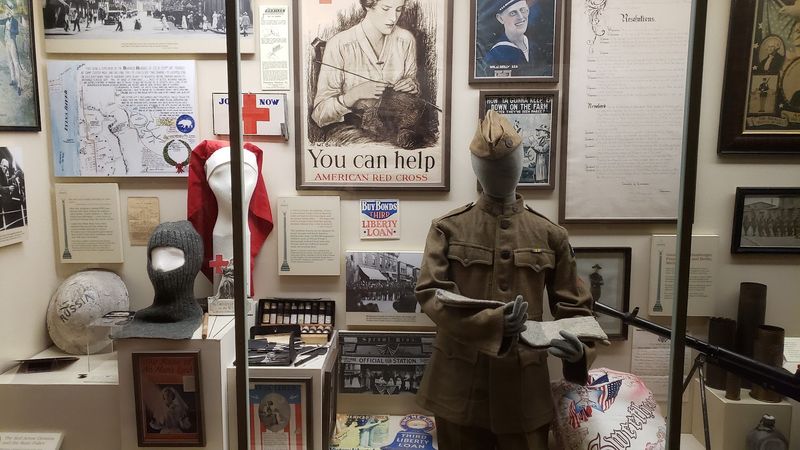
The permanent collection is extensive enough to fill a full afternoon, but the Michigan History Center also rotates special temporary exhibits that give returning visitors something fresh to discover. Past temporary installations have covered everything from personal technology history to Michigan’s cultural movements, and each one is curated with the same care as the permanent displays.
One particularly memorable temporary exhibit took visitors on a trip through the evolution of personal technology, featuring artifacts like VCRs, floppy disks, and early Atari gaming systems. For anyone who lived through those decades, it felt less like a museum exhibit and more like a tour of your own memory.
The rotating nature of these special exhibits is a smart strategy for a museum that wants to serve both first-time visitors and locals who come back regularly. Checking the museum’s website at michigan.gov/mhc before your visit is a good habit, since current temporary exhibits are listed there along with any special events or programming scheduled for the season ahead.
Admission Pricing and the Sunday Free Admission Policy
At eight dollars for adults, six dollars for seniors, and four dollars for children aged six to seventeen, the Michigan History Center offers one of the better value propositions among museums in the Midwest. Children five and under get in free regardless of the day, which is a welcome detail for families with toddlers in tow.
The standout policy, though, is Sunday free admission. Every Sunday, the entire museum is open at no charge, which removes any financial barrier and makes it genuinely easy to justify a spontaneous visit.
Combine that with free weekend parking, and a Sunday trip here costs nothing but your time.
The staff at the admissions desk are known for being warm and helpful, ready to point you toward exhibits based on your interests or answer questions about the layout. The museum never feels overcrowded, even on busy days, which makes the whole experience feel relaxed rather than rushed.
That unhurried atmosphere is part of what makes people want to come back.
Why This Museum Deserves a Spot on Every Michigan Itinerary
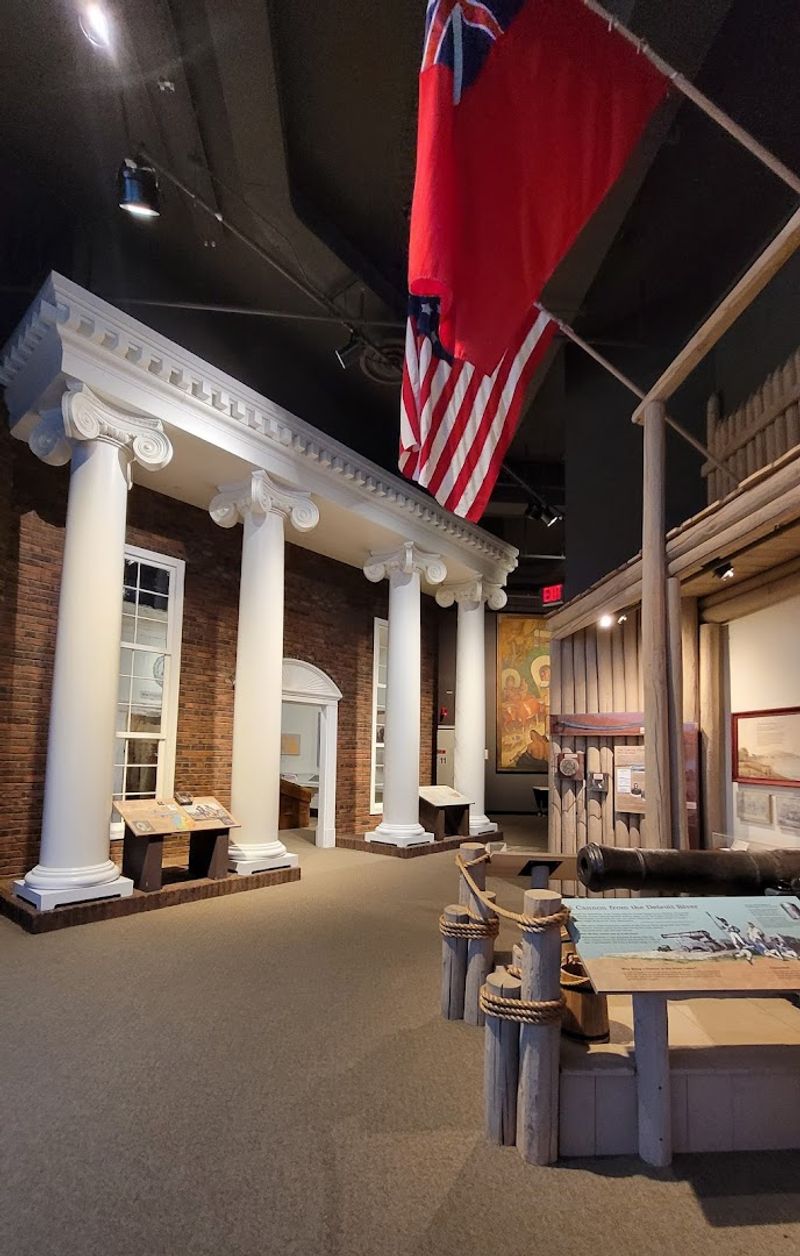
The Michigan History Center has built that reputation through consistent quality, thoughtful curation, and a genuine commitment to making Michigan’s history accessible and engaging for everyone who walks through the door.
The breadth of what is covered here is remarkable: from glacial retreat to Indigenous cultures, from copper mining to the automotive revolution, from wartime production to the social changes of the late twentieth century. Few institutions manage to connect all of those threads into a coherent, compelling narrative, and this one does it across five well-organized floors without ever feeling overwhelming.
First-time visitors often leave wishing they had budgeted more time, and that reaction is the most honest endorsement a museum can earn. The combination of strong permanent exhibits, rotating special displays, interactive elements, and an unbeatable Sunday pricing policy makes this one of the most rewarding cultural destinations in Michigan’s capital city, full stop.
Share this story