You don’t need a passport to feel like you’ve stepped into a German village. Tucked across America, there are towns with half-timbered buildings, bratwurst stands, and Oktoberfest celebrations that would make any Bavarian feel right at home.
Some were built by German immigrants who wanted a taste of the old country, while others reinvented themselves to attract visitors. Either way, these 14 towns deliver a surprisingly authentic slice of Germany without the transatlantic flight.
Leavenworth, Washington
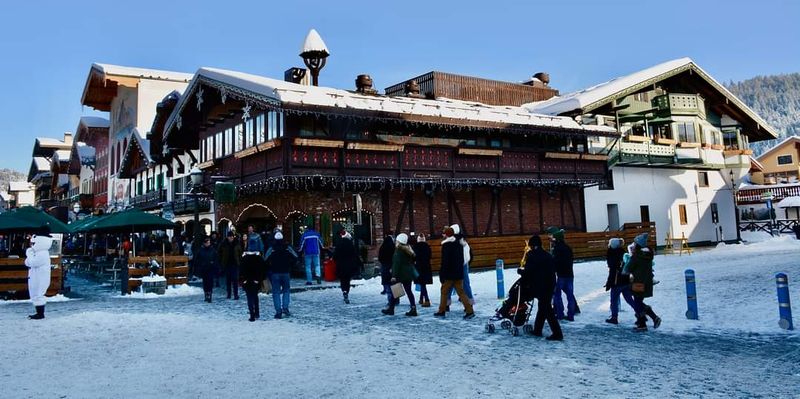
Walk down Front Street in Leavenworth and your brain will genuinely wonder if you accidentally booked a flight to Munich. This small Washington town completely reinvented itself in the 1960s after its timber industry collapsed, trading sawdust for schnitzel and transforming into a full-blown Bavarian village.
The makeover worked so well that the town now draws over three million visitors every year.
Every building on the main strip must follow strict Bavarian architectural guidelines — no exceptions. Think carved wooden balconies, flower-filled window boxes, and painted murals that look straight out of a storybook.
The alpine mountain backdrop makes the whole scene almost too pretty to believe.
Oktoberfest here runs across three consecutive weekends in October, complete with polka bands, giant pretzels, and cold German beer. The Christmas Lighting Festival is equally spectacular, drawing thousands who come to watch the town glow against the winter mountains.
Leavenworth isn’t pretending to be Germany — it has fully committed to the bit, and visitors absolutely love it for that.
Frankenmuth, Michigan
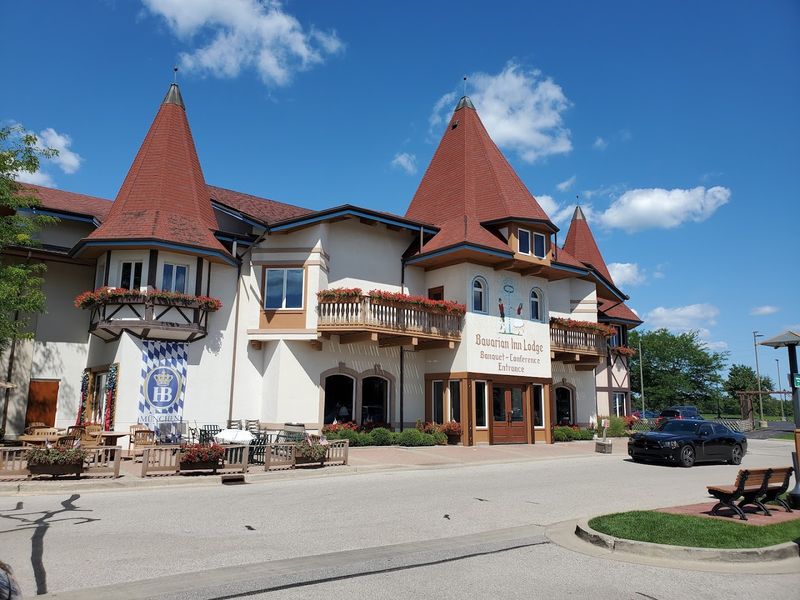
Frankenmuth smells like cinnamon, roasted chicken, and fresh pretzels before you even park the car. Founded in 1845 by Bavarian Lutheran missionaries, this Michigan town never stopped celebrating where it came from.
Today it welcomes over three million visitors annually, making it Michigan’s top tourist destination — a remarkable achievement for a town of fewer than 5,000 residents.
The architecture is unmistakably German, with half-timbered facades, decorative gables, and a covered wooden bridge that looks like it belongs in the Black Forest. Zehnder’s Restaurant, one of the town’s most famous spots, has been serving family-style chicken dinners since the 1850s.
The recipes have barely changed, and neither has the warm, welcoming atmosphere.
Bronner’s CHRISTmas Wonderland, the world’s largest Christmas store, sits right in town and stays open almost year-round. Frankenmuth’s Oktoberfest draws huge crowds with traditional music, German food, and cold beer poured with genuine enthusiasm.
What makes this town special isn’t just the decorations — it’s the fact that the German heritage here is real, lived-in, and proudly passed down through generations.
Helen, Georgia
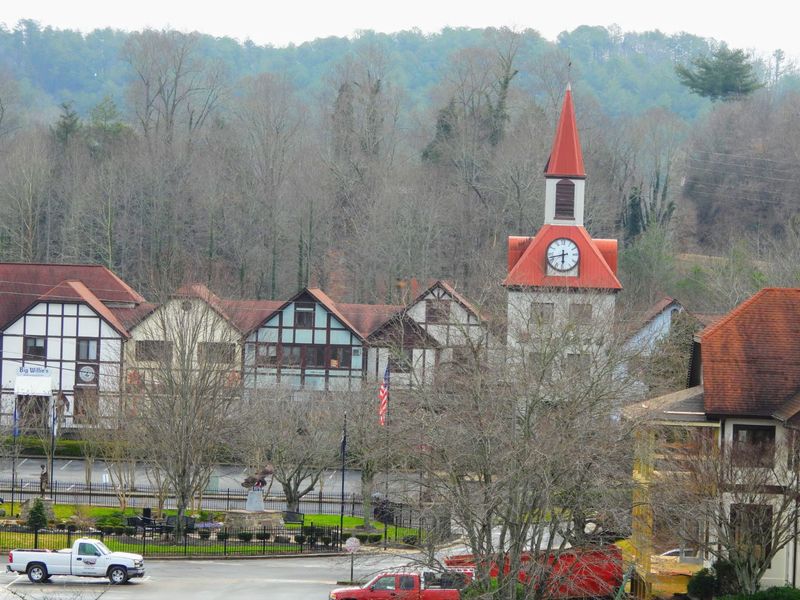
Somewhere in the Blue Ridge Mountains of Georgia, a former logging town decided to become Bavaria — and somehow pulled it off. Helen’s transformation began in 1969 when local business owners hired an artist to sketch a vision of an alpine village over the existing storefronts.
The result was so charming that the entire town followed suit, and the cobblestone streets and colorful facades have been drawing curious visitors ever since.
The alpine buildings are genuinely eye-catching, painted in warm yellows, reds, and creams with ornate wooden trim. Beer gardens line the Chattahoochee River, where visitors can sip cold lagers with a mountain view that actually earns the comparison to southern Germany.
Schnitzel, bratwurst, and strudel appear on nearly every menu in town.
Helen’s Oktoberfest runs from mid-September all the way through early November — one of the longest in the country. It’s the biggest Oktoberfest celebration in the entire Southeast, drawing tens of thousands of visitors who come for the polka music, the beer steins, and the festive atmosphere.
For a small Georgia mountain town, Helen delivers a surprisingly convincing Bavarian experience that keeps people coming back year after year.
Fredericksburg, Texas
In 1846, a group of German immigrants arrived in the Texas Hill Country and built a town so thoroughly their own that 180 years later, the German accent hasn’t fully faded. Fredericksburg was founded by the Adelsverein, a German society that organized mass emigration to Texas.
The settlers brought their language, their architecture, and their love of good food and cold beer — all of which survived remarkably well.
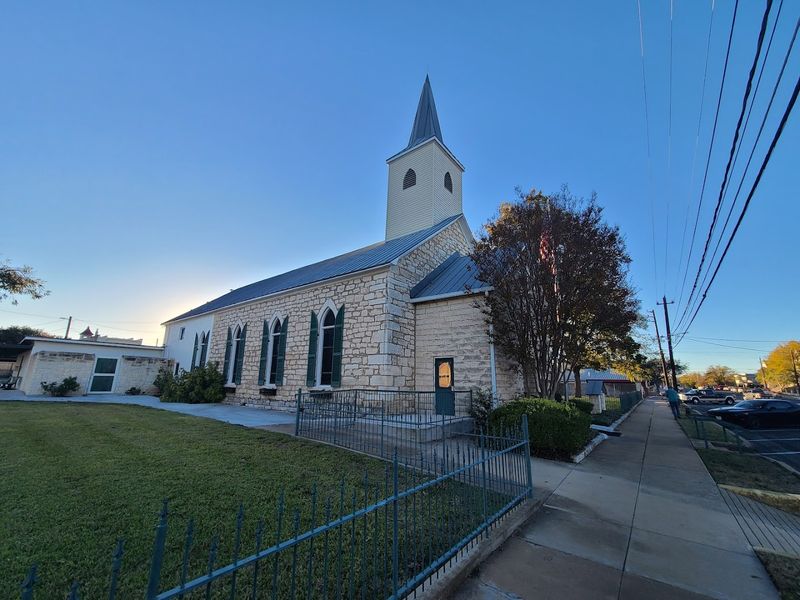
Limestone buildings line the wide Main Street, a style common in 19th-century German-Texan construction. Bakeries sell strudel and kolaches, beer halls pour local craft brews alongside German imports, and local restaurants serve sauerbraten alongside Texas brisket.
The cultural blend is genuinely unique — you won’t find it anywhere else in the world.
The surrounding Hill Country has become one of Texas’s premier wine regions, with over 50 wineries within a short drive of town. Fredericksburg also hosts Oktoberfest and a popular Kristkindl Market at Christmas.
The Pioneer Museum preserves original German settler homes, and the National Museum of the Pacific War adds historical depth. Fredericksburg is a town where German roots and Texas pride don’t compete — they make each other stronger.
New Ulm, Minnesota
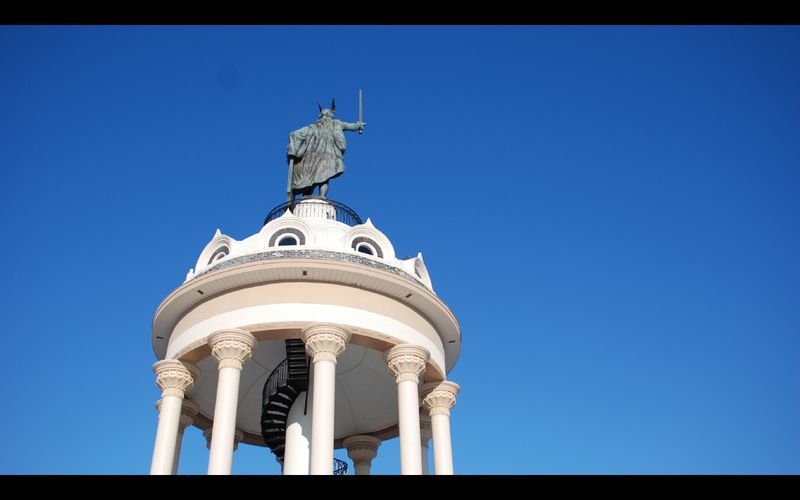
New Ulm takes its German identity so seriously that it has a 102-foot monument dedicated to Hermann the Cheruscan, an ancient Germanic warrior hero. That’s not something most American towns do.
Founded in 1854 by German immigrants from Cincinnati and Chicago, New Ulm was deliberately designed to be a German cultural stronghold in the American Midwest — and it has succeeded for over 170 years.
The Glockenspiel, a 45-foot carillon tower in the town center, performs three times daily with animated figures that emerge to tell stories of the town’s German founders. It draws small crowds of delighted onlookers every single day.
Historic murals painted across downtown buildings tell the full story of German immigration and settlement in vivid, detailed color.
Turner Hall, built in 1873, is one of the oldest German cultural centers still operating in the United States. August Schell Brewery, founded in 1860, still brews German-style beers using original recipes and is the second-oldest family-owned brewery in America.
New Ulm’s Oktoberfest celebration fills the streets with polka music, sausages, and community pride every fall. For anyone curious about authentic German-American heritage, this Minnesota town is the real deal.
Hermann, Missouri
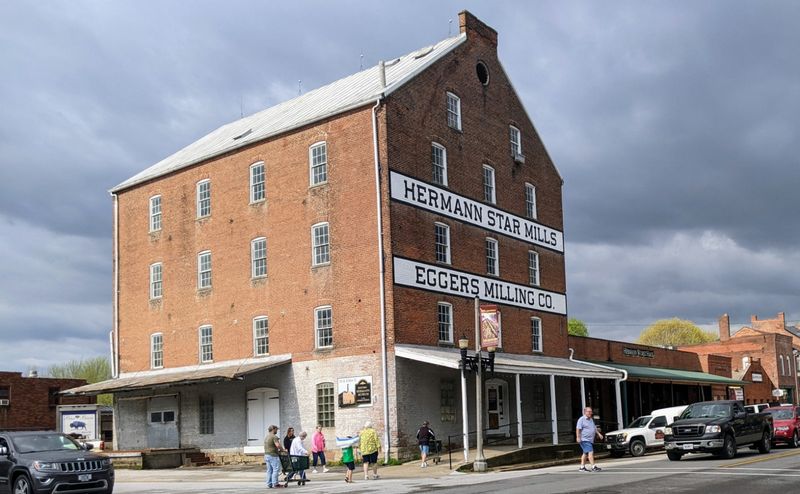
Perched above the Missouri River on a bluff that reminded its founders of the Rhine Valley, Hermann was built with a very specific dream in mind. German immigrants established the town in 1836 specifically to create a place where German culture, language, and traditions could thrive on American soil.
They even laid out the streets to mirror German town planning, with wide boulevards and a central market square.
The architecture throughout Hermann is remarkably preserved, with 19th-century German-style brick buildings lining the historic downtown. Stone Wine Hill rises above the river, dotted with vineyards that produce wines in the German tradition.
Hermann’s winemaking history goes back to the 1840s, and the region was once considered one of the finest wine-producing areas in the entire country before Prohibition disrupted the industry.
Maifest in spring and Oktoberfest in fall are the town’s biggest celebrations, drawing thousands of visitors to its narrow streets for music, food, and wine tastings. The German School Museum and other historic sites offer genuine insight into what early German-American life looked like.
Hermann is quieter than some other German-themed towns on this list, but that understated authenticity is exactly what makes it so charming and worth the visit.
New Glarus, Wisconsin
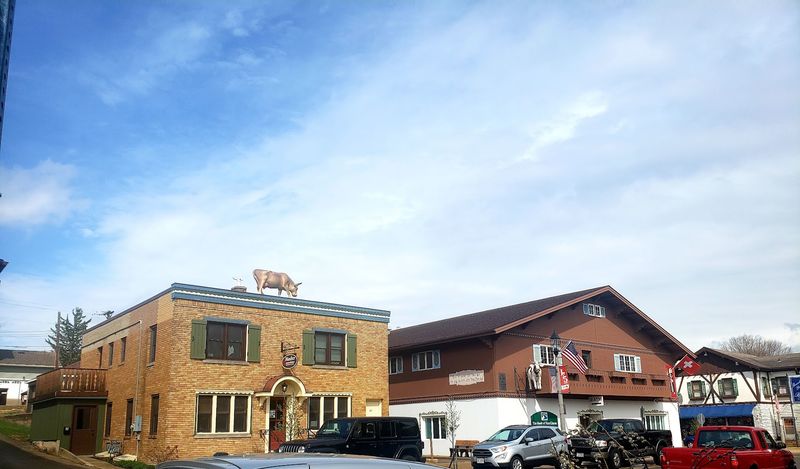
New Glarus calls itself “America’s Little Switzerland,” but don’t let the Swiss branding fool you — the Alpine Germanic culture here runs deep and flavors everything from the architecture to the beer. Founded in 1845 by Swiss immigrants from the canton of Glarus, the town sits in the rolling green hills of southwestern Wisconsin and looks like a postcard that got misplaced somewhere over the Atlantic.
Chalet-style buildings with steep roofs, decorative shutters, and painted facades line the compact downtown. The New Glarus Brewing Company, founded in 1993, has become one of the most beloved craft breweries in the Midwest.
Its Spotted Cow ale is so popular that Wisconsin passed a law to keep it exclusive to the state — which only makes out-of-state visitors want it more.
The Wilhelm Tell Festival, held every Labor Day weekend, features a dramatic outdoor performance of Schiller’s classic play and has been running since 1938. The Swiss Historical Village Museum preserves 13 original structures that tell the story of the town’s founding generation.
Germanic food traditions, yodeling performances, and seasonal festivals give New Glarus a Central European energy that feels genuine rather than staged. It’s a small town with a very big personality.
Pella, Iowa
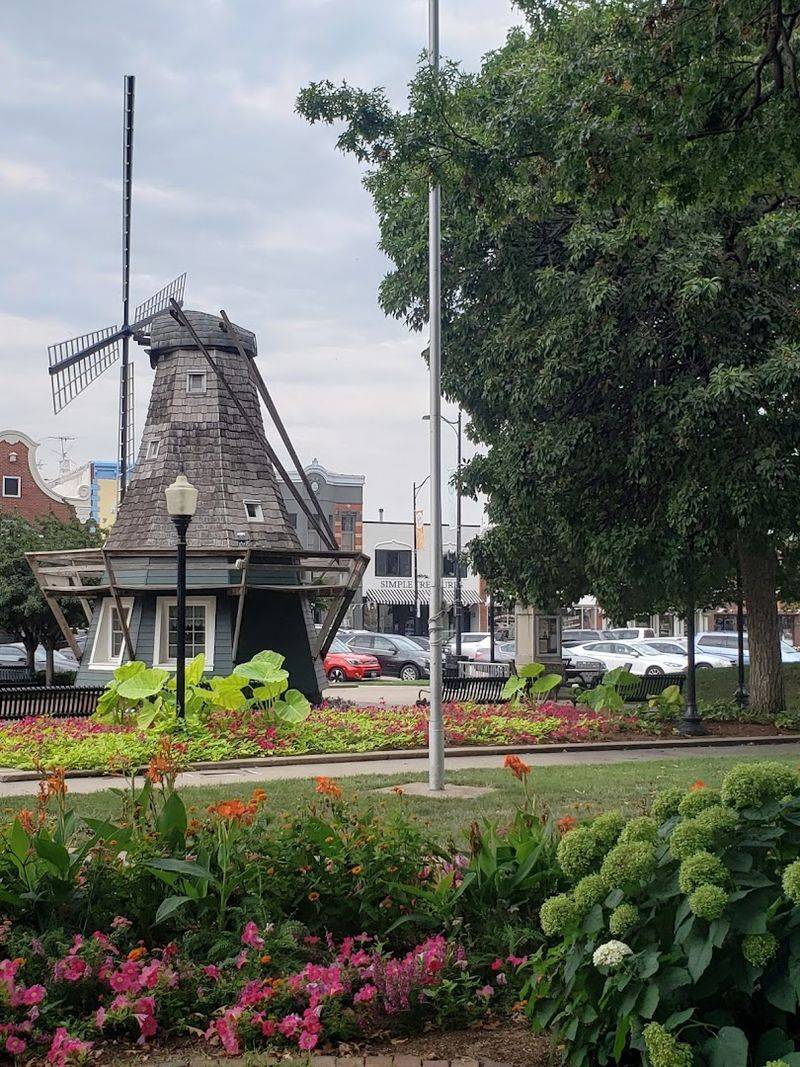
Pella is technically a Dutch town — but spend an afternoon wandering its immaculate European-style streets and you’ll quickly understand why it earns a spot on this list. Founded in 1847 by Dutch Reformed immigrants, Pella has maintained an Old World European atmosphere so carefully preserved that it genuinely feels like stepping into a 19th-century continental village.
The broader Germanic cultural DNA runs through the town’s love of order, craftsmanship, and festive community life.
The Vermeer Windmill, completed in 2002, stands as the tallest working windmill in the United States and anchors a beautifully designed historical village with cobblestone paths and traditional architecture. Bakeries sell Dutch letters, stroopwafels, and pastries that would satisfy any European sweet tooth.
The walkable downtown features specialty shops, flower-filled planters, and a cleanliness that borders on impressive.
Tulip Time, held every May, transforms Pella into a sea of color with over 300,000 tulips blooming across the town. The festival includes Dutch dancing, street scrubbing ceremonies, and parades that celebrate European heritage with genuine enthusiasm.
For visitors who appreciate the broader Old World European experience — including the Germanic love of community, tradition, and excellent baked goods — Pella delivers something genuinely special and surprisingly underrated.
Vail, Colorado
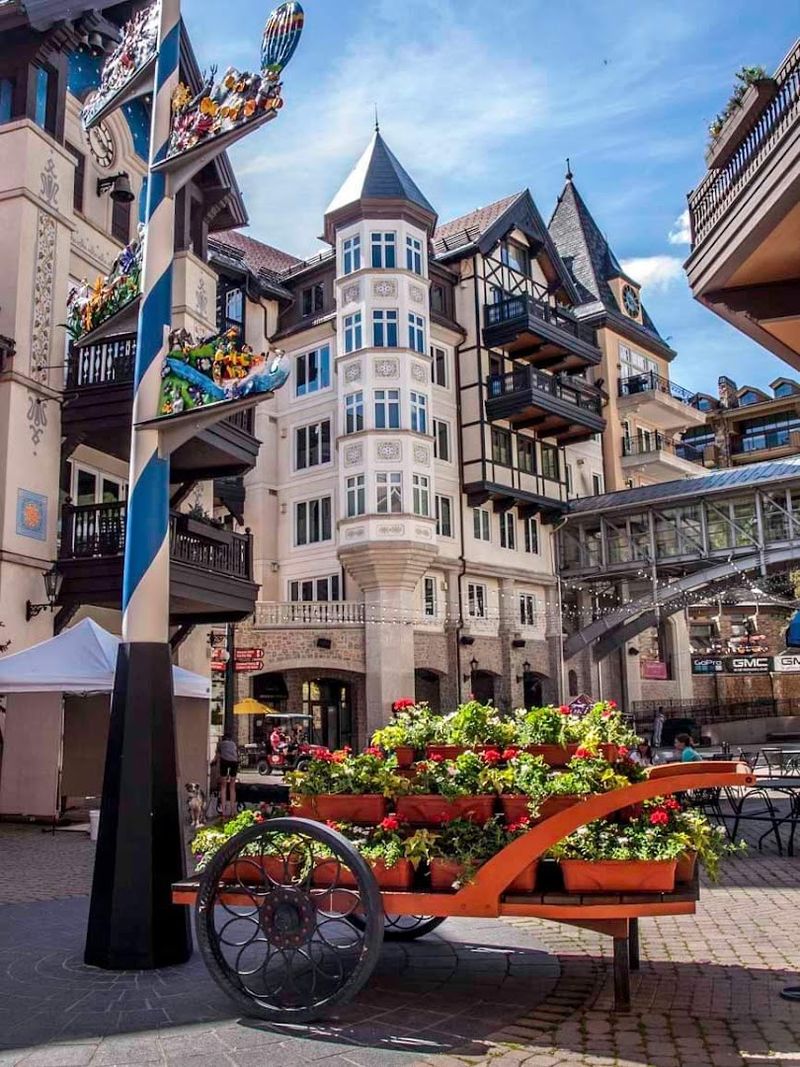
Vail didn’t accidentally look like a German Alpine resort — it was designed that way from the very beginning. When Pete Seibert and Earl Eaton founded Vail in 1962, they modeled the village layout directly on Zurs and Lech, two famous Austrian-Bavarian ski resorts.
The goal was to create an American mountain town with the soul of a European Alpine village, and the result is one of the most visually striking ski destinations in the world.
Pedestrian-only Village Walk is lined with chalet-style buildings featuring steep roofs, warm lighting, and stone facades. Outdoor terraces, gluhwein stands in winter, and the constant backdrop of the Gore Range create an atmosphere that feels genuinely Alpine rather than simply ski-resort generic.
Even the street names and architectural details were chosen to reinforce the European village concept.
Vail’s Oktoberfest celebration is one of the most popular events on the mountain town’s calendar, with German beer, live music, and traditional food filling the pedestrian village. The après-ski culture mirrors what you’d find in Garmisch-Partenkirchen or Kitzbühel.
For travelers who want the Bavarian mountain experience but prefer Colorado altitude to transatlantic travel, Vail makes a genuinely compelling case that American design ambition can match the European original.
Solvang, California
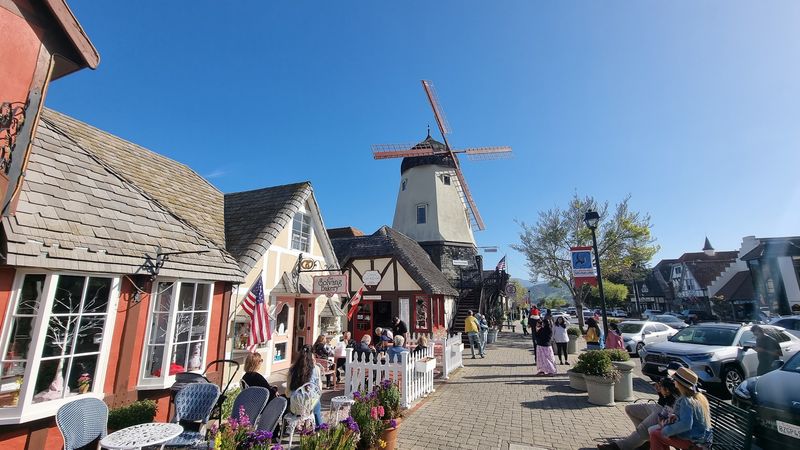
Solvang was built by Danish immigrants in 1911, but its broader European village character draws comparisons to towns across Germany, Denmark, and the Low Countries — a Continental charm that goes well beyond any single national identity. Nestled in the Santa Ynez Valley of Santa Barbara County, Solvang sits in a wine country landscape that only adds to the sense of being somewhere far from ordinary California.
Half-timbered buildings, four working windmills, and bakeries selling aebleskiver (Danish pancake puffs) and marzipan pastries line the compact downtown. The architecture is so consistently European that Hollywood has used Solvang as a filming location multiple times.
Flower boxes overflow from nearly every window, and the streets are kept with a tidiness that would impress any German Hausfrau.
The Hans Christian Andersen Museum celebrates the beloved Danish storyteller, while the Elverhoj Museum of History and Art focuses on Danish-American heritage. Solvang’s annual Danish Days festival brings folk dancing, traditional costumes, and Scandinavian food to the streets every September.
Wine tasting rooms blend seamlessly with the European aesthetic, creating a unique California-Continental hybrid. For anyone who loves the idea of a walkable Old World village with excellent wine and pastries nearby, Solvang is genuinely hard to beat.
St. Augustine, Florida (German influence pockets)
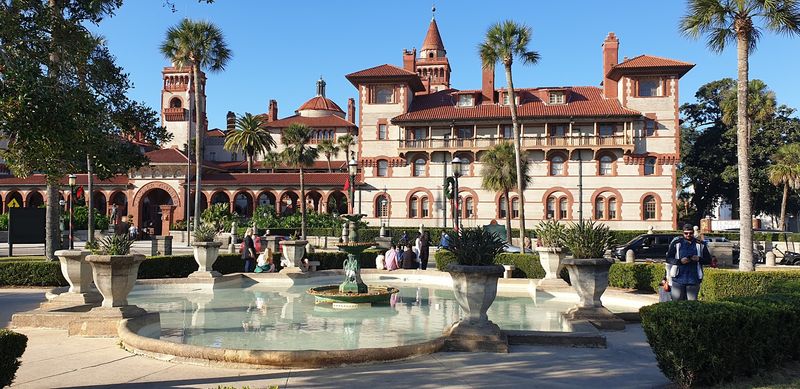
St. Augustine is famous for being the oldest continuously occupied European settlement in the United States, and its colonial history is layered with influences from Spain, Britain, and — less obviously — Germany. German craftsmen, soldiers, and settlers arrived during various periods of the town’s long history, leaving traces in the architecture, cultural traditions, and community life that still surface in unexpected corners of this remarkable city.
The historic district’s narrow streets and old-world building styles create an atmosphere that evokes broader European tradition rather than any single nationality. During the holiday season, the Nights of Lights festival transforms the ancient city with millions of white lights, drawing comparisons to Christmas markets found across Germany and Central Europe.
The effect is genuinely magical and draws visitors from across the country.
German cultural events and cuisine appear throughout St. Augustine’s event calendar, and several restaurants serve Central European-inspired dishes alongside the more typical Southern Florida fare. The Castillo de San Marcos, the old city gates, and the cobblestone lanes of Aviles Street all contribute to an atmosphere that feels distinctly Old World.
St. Augustine rewards curious visitors who look beyond its Spanish reputation — the Germanic threads woven into its history add a fascinating and often overlooked dimension to America’s oldest city.
Winthrop, Washington
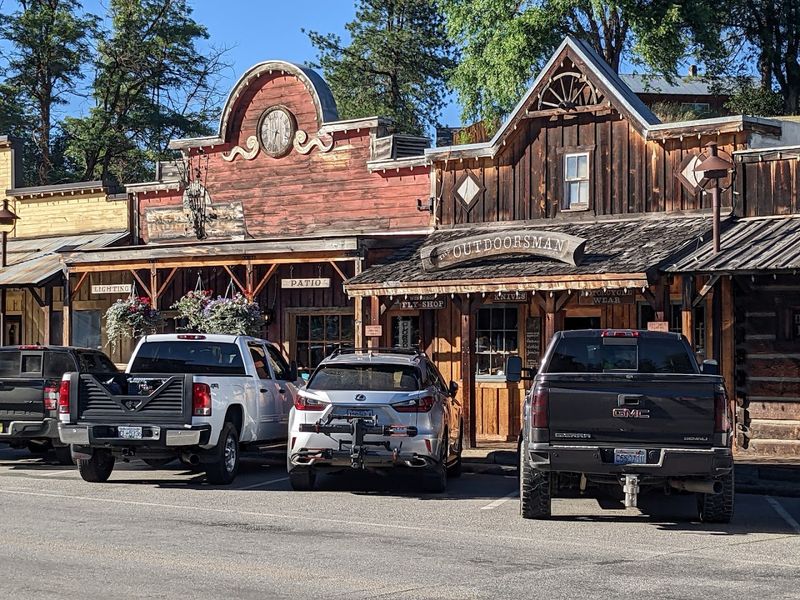
Winthrop went in a different themed direction than Leavenworth — it chose the Old West frontier aesthetic instead of Bavarian architecture — but the surrounding North Cascades landscape does the heavy lifting when it comes to Alpine atmosphere. The Methow Valley setting, with its dramatic mountain peaks, pine forests, and crisp air, creates a physical environment that feels strikingly similar to the German and Austrian countryside in ways that no building code can manufacture.
The town’s wooden boardwalks and Western storefronts are charming in their own right, and the area’s outdoor culture — skiing, hiking, cycling, and river activities — mirrors the active lifestyle associated with German mountain communities. Local breweries and restaurants serving hearty mountain food add to the sense of a place built around physical activity and good eating.
Winthrop’s proximity to Leavenworth means the region as a whole carries a strong European mountain village energy. Visitors who spend time in both towns often remark on how the surrounding landscape does more to evoke the German Alps than any architectural detail could.
The Methow Valley’s cross-country ski trail system is one of the largest in North America, rivaling anything found in the German or Austrian countryside. Winthrop earns its place on this list through scenery and spirit rather than stucco.
Amana Colonies, Iowa
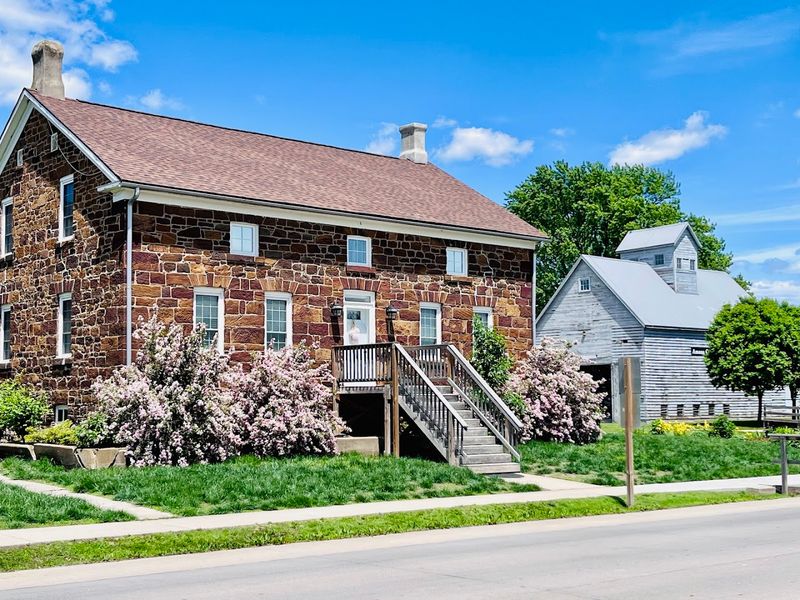
The Amana Colonies are unlike any other German-heritage destination in America because the community that built them wasn’t trying to recreate Germany for tourists — they were trying to live their faith. Founded in 1855 by members of the Community of True Inspiration, a German Pietist religious movement, the seven villages of the Amana Colonies operated as a fully communal society until 1932.
The architecture, food traditions, and craftsmanship that survive today are the genuine article.
Solid stone and brick buildings with simple, practical designs line the quiet village streets. Woolen mills, furniture workshops, and craft shops still operate using traditional methods passed down through generations.
The Amana Heritage Museum tells the full story of the community’s remarkable social experiment with clarity and depth that brings the history alive.
German-inspired cuisine is central to the Amana experience, with communal-style restaurants serving hearty meals of sauerbraten, spaetzle, and smoked meats prepared from original recipes. Local wineries and a brewery add to the food and drink culture.
The Colonies host seasonal festivals celebrating German heritage throughout the year. What sets Amana apart is the absence of performance — nothing here feels like a theme park.
The German roots are structural, spiritual, and deeply embedded in every corner of this extraordinary Iowa landscape.
Schaefferstown, Pennsylvania
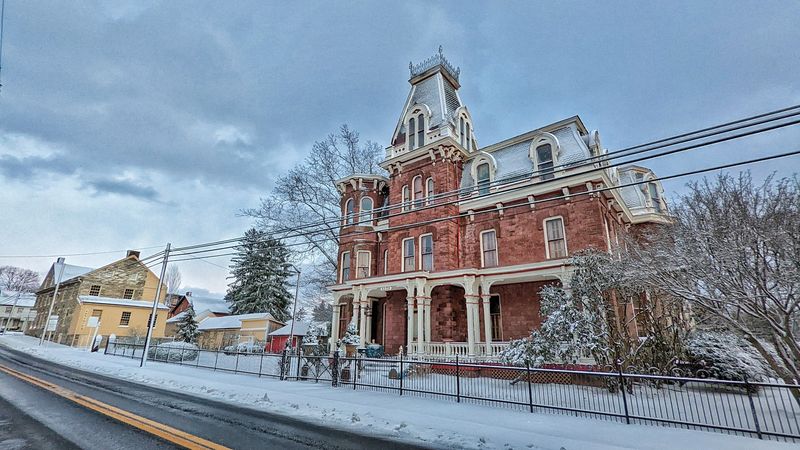
Schaefferstown doesn’t try to impress you with flashy festivals or themed storefronts — it impresses you by simply being old, authentic, and deeply rooted in Pennsylvania German tradition. Settled in the early 1700s by German-speaking immigrants, the town is one of the oldest German-settled communities in the United States and has maintained its cultural identity with a quiet stubbornness that is genuinely admirable.
The historic district features 18th and early 19th-century stone buildings that reflect the practical, sturdy construction style brought directly from the German-speaking regions of Europe. The Alexander Schaeffer Farm, one of the oldest surviving farmsteads in Pennsylvania, gives visitors a direct connection to the daily life of early German settlers.
Walking the town’s streets feels less like a tourist attraction and more like stepping into a living history document.
The Schaefferstown Historic Fair, held annually in late July, celebrates Pennsylvania German folklife with traditional crafts, music, food, and demonstrations that have been passed down through generations. Hex signs, folk art, and the distinctive Pennsylvania Dutch dialect — rooted in German — are all part of the cultural fabric here.
Schaefferstown rewards patient visitors who appreciate authenticity over spectacle. For those interested in where German-American history actually began in this country, this small Pennsylvania town offers answers that are hard to find anywhere else.
Share this story