Some lakes are so deep that sunlight barely reaches their floors, and entire ecosystems thrive in near-total darkness far below the surface. Earth’s deepest lakes hold secrets that scientists are still working to uncover, from ancient organisms to submerged geological wonders.
These remarkable bodies of water shaped by glaciers, volcanoes, and tectonic forces tell a story millions of years in the making. Get ready to explore the most jaw-dropping lakes on the planet, ranked by just how far down they go.
Lake Baikal, Russia
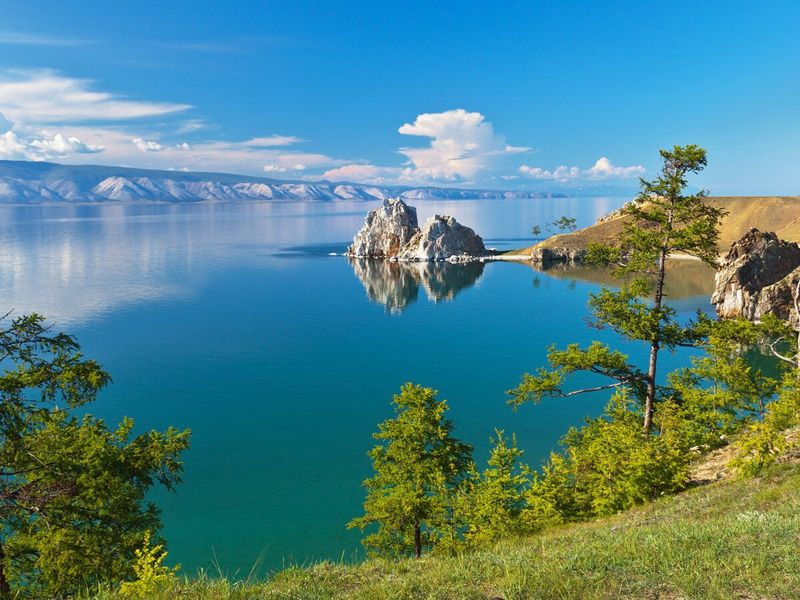
Hold your breath — Lake Baikal is so deep that if you stacked four Empire State Buildings on top of each other, they still would not reach the bottom. Sitting in the heart of Siberia, this ancient giant plunges to a staggering 1,642 meters (5,387 feet), making it the undisputed deepest lake on Earth.
Baikal is not just deep — it is old. Estimated to be over 25 million years old, it is the oldest freshwater lake on the planet.
Most lakes last only a few thousand years before silting up and disappearing, but Baikal just keeps going strong.
About 20% of all the world’s unfrozen surface freshwater is stored right here. The lake is home to the Baikal seal, the only freshwater seal species on Earth, which lives nowhere else.
The water is so clear that you can sometimes see objects nearly 40 meters below the surface. Scientists continue to discover new species in its depths, making every research trip feel like exploring another world entirely.
Lake Tanganyika, Africa
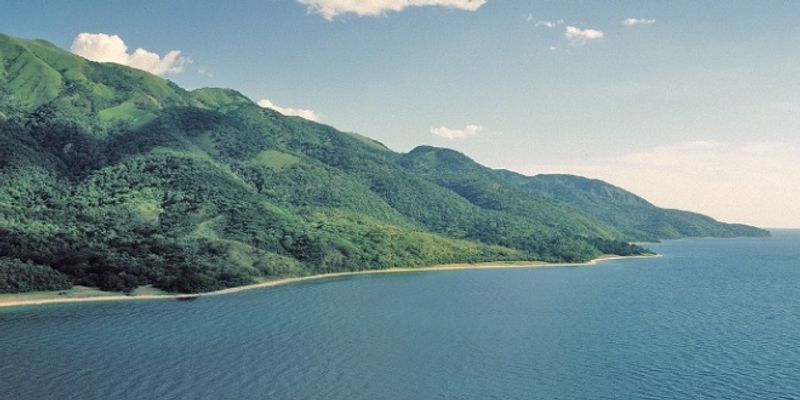
Stretching across four countries like a giant natural border drawn by the Earth itself, Lake Tanganyika is a record-breaker in more ways than one. At roughly 1,470 meters (4,823 feet) deep, it ranks as the second deepest lake in the world and one of the longest freshwater lakes anywhere on the planet.
The lake was carved out by the East African Rift, a massive crack in the Earth’s crust that has been slowly splitting the continent apart for millions of years. Tanzania, the Democratic Republic of the Congo, Burundi, and Zambia all share its shores.
That kind of international real estate is rare for any lake.
What makes Tanganyika truly mind-blowing is its biodiversity. Hundreds of fish species live here that cannot be found anywhere else on Earth, particularly the colorful cichlids that scientists and aquarium enthusiasts absolutely love.
The deeper layers of the lake have barely any oxygen, which means the bottom is essentially a biological time capsule preserving organic material for thousands of years. Researchers say its sediment layers hold a detailed climate record stretching back millions of years.
Caspian Sea (Lake), Eurasia
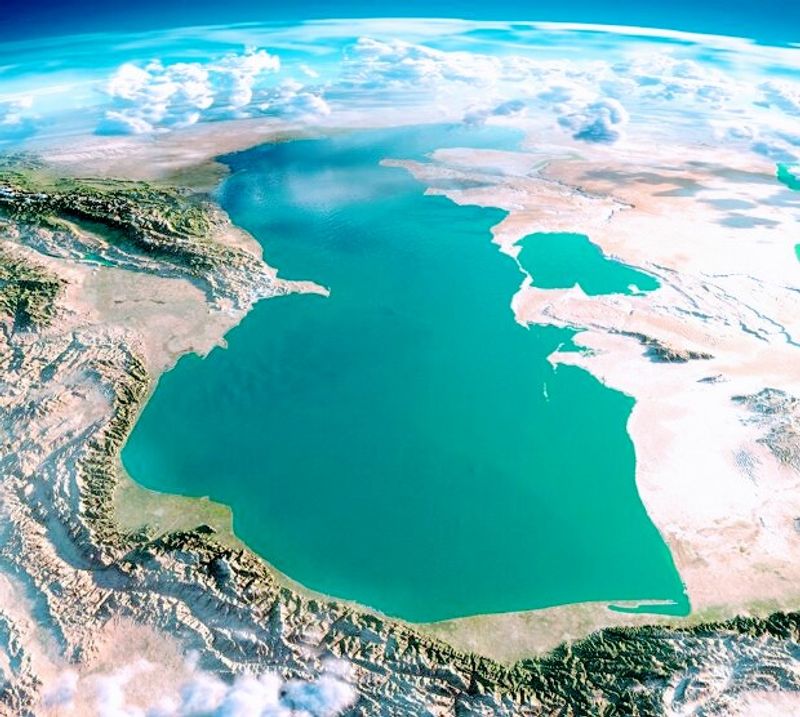
Despite having the word “sea” in its name, the Caspian is officially classified as a lake — and a record-smashing one at that. It is the largest lake on Earth by surface area and ranks third in depth, plunging to about 1,025 meters (3,363 feet) in its southern basin.
Five countries border the Caspian: Russia, Kazakhstan, Turkmenistan, Iran, and Azerbaijan. Its water is slightly salty, somewhere between a freshwater lake and a true sea, which makes it a genuinely unique body of water with no real category of its own.
Scientists sometimes describe it as its own ecosystem unlike anything else on the planet.
The Caspian is home to the critically endangered Caspian seal, one of the world’s smallest seal species. Beneath the water and under the lakebed lies an enormous wealth of oil and natural gas, making this lake not only ecologically fascinating but also economically massive.
Sturgeon fish, the source of some of the world’s most prized caviar, have historically thrived here. However, overfishing and pollution have put those populations under serious pressure in recent decades.
Lake Vostok, Antarctica
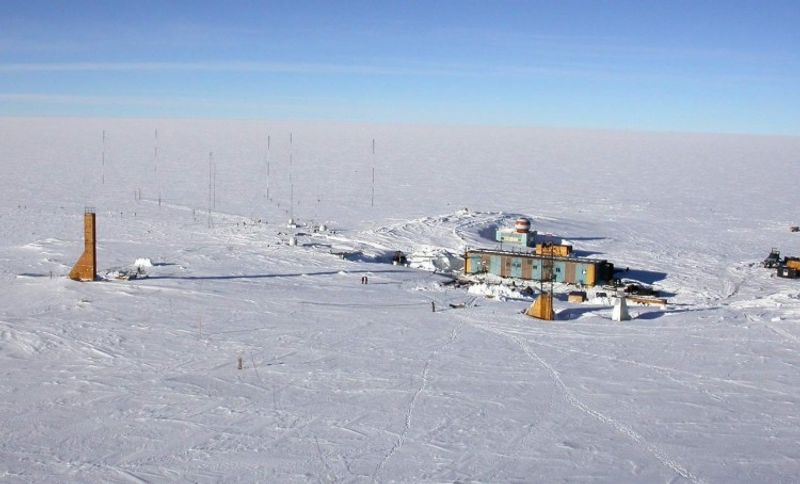
Buried under nearly 4 kilometers of solid Antarctic ice, Lake Vostok is one of the most mysterious places on Earth. Scientists estimate it reaches depths of around 900 meters, but the truly wild part is that it has been completely sealed off from the surface for somewhere between 15 and 25 million years.
Russian researchers drilled through the ice for decades before finally breaking through to the lake’s surface in 2012. The moment was historic — it was the first time humans had ever reached a subglacial lake.
What they found in the water samples sparked excitement across the scientific community worldwide.
Some microorganisms detected in the drilling samples hinted at life surviving in total darkness, extreme cold, and crushing pressure. These findings have huge implications for the search for life on other planets, particularly Jupiter’s moon Europa, which is thought to have a similar ice-covered ocean.
Lake Vostok sits near Russia’s Vostok research station, which also holds the record for the coldest temperature ever recorded on Earth at minus 89.2 degrees Celsius. Everything about this lake feels like science fiction, yet it is very much real.
O’Higgins–San Martín Lake, Chile/Argentina
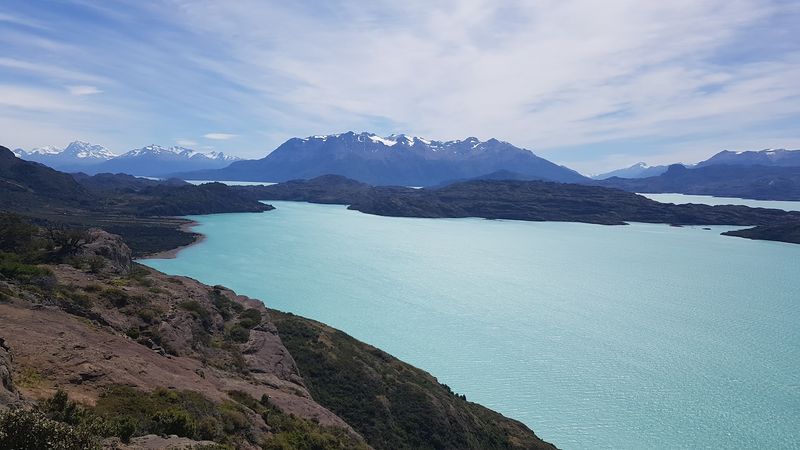
If you ever see a photo of this lake and think the color has been edited, think again. The electric turquoise water of O’Higgins-San Martin Lake gets its surreal hue from glacial flour — ultra-fine rock particles ground up by glaciers and suspended in the water.
At 836 meters (2,742 feet) deep, it is the deepest lake in the entire Americas.
The lake straddles the border between Chile and Argentina in the wild and windswept region of Patagonia. It goes by two names because each country claims a portion — O’Higgins on the Chilean side, San Martin on the Argentine side.
Getting there is a serious adventure involving boats, hiking trails, and a whole lot of remote wilderness.
The surrounding landscape is dramatic in every direction, with the Southern Patagonian Ice Field feeding glaciers that constantly calve chunks of ice into the lake. Few tourists make it out here, which means the area remains largely untouched and breathtakingly pristine.
Scientists study the lake to understand glacial retreat and how climate change is reshaping Patagonia’s iconic ice fields. The depth here is a direct result of glaciers carving through rock over thousands of years.
Lake Malawi, Africa
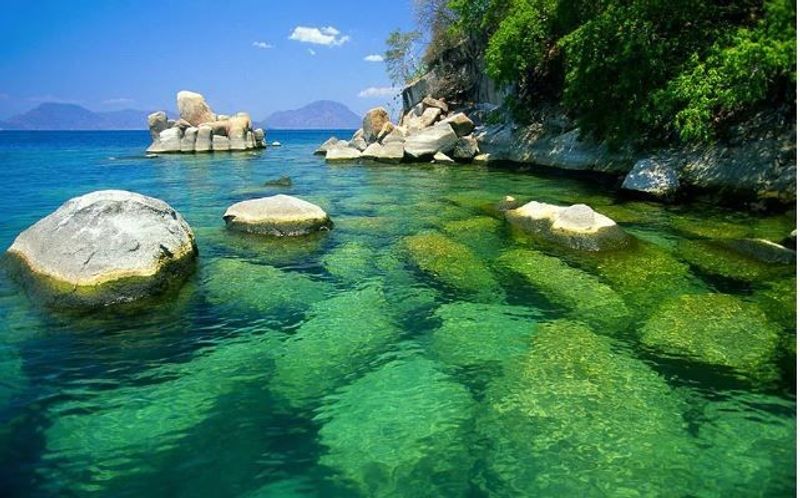
Snorkelers sometimes describe Lake Malawi as an underwater rainbow, and once you see the fish, you will understand why. Home to more species of freshwater fish than any other lake on Earth, Malawi boasts hundreds of cichlid varieties in every color imaginable.
The lake drops to about 706 meters (2,316 feet) at its deepest point.
Like Tanganyika, Malawi was formed by the East African Rift system, which explains its elongated shape and impressive depth. It borders Malawi, Tanzania, and Mozambique, and its shores have supported human communities for thousands of years.
Local fishing traditions here go back generations, with small wooden boats dotting the water at sunrise every single morning.
The upper layers of the lake are warm, clear, and full of life, while the deeper waters are oxygen-poor and largely uninhabited by fish. Scientists call this kind of layering “meromictic stratification,” and it helps preserve the lake’s unique ecological balance.
UNESCO designated Lake Malawi a World Heritage Site largely because of its extraordinary cichlid diversity. Many of these fish species evolved in complete isolation, making the lake a living laboratory for understanding how new species come to exist over time.
Issyk-Kul, Kyrgyzstan
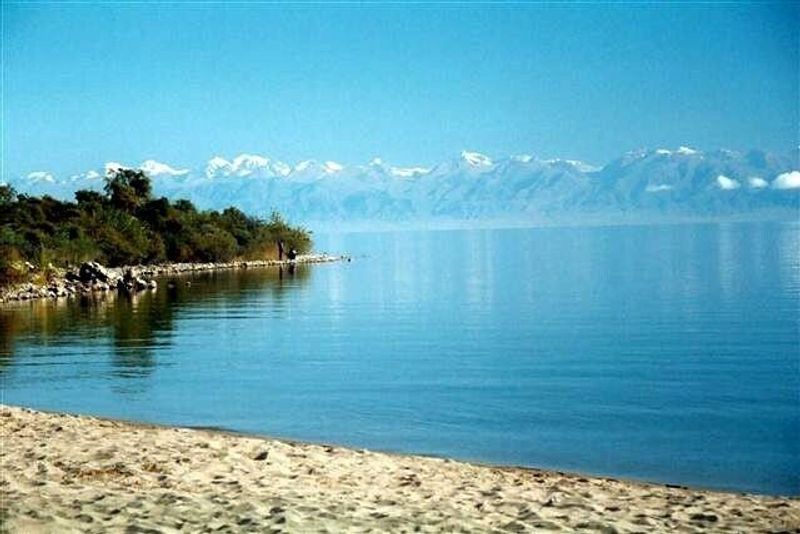
There is something almost contradictory about a lake that sits at high altitude, surrounded by snow-covered peaks, yet never freezes over in winter. That is exactly what makes Issyk-Kul one of the most fascinating alpine lakes anywhere in the world.
Its name literally translates to “warm lake” in the Kyrgyz language, and it lives up to the title.
Located in the Tian Shan mountain range, Issyk-Kul reaches a depth of about 668 meters (2,192 feet). Its slight salinity, combined with its enormous volume, keeps the temperature just warm enough to resist freezing even when the surrounding mountains are buried in snow.
It is the second-largest alpine lake in the world after Lake Titicaca.
Ancient trade routes once passed along its shores, and archaeologists have found submerged ruins beneath its waters suggesting that settlements once existed where the lake now sits. The lake has also been used as a testing ground for Soviet-era torpedoes, a quirky Cold War fact that adds a strange chapter to its long history.
Today it attracts visitors from across Central Asia who come for its beaches, mountain scenery, and crystal-clear water that stays surprisingly swimmable even at elevation.
Great Slave Lake, Canada
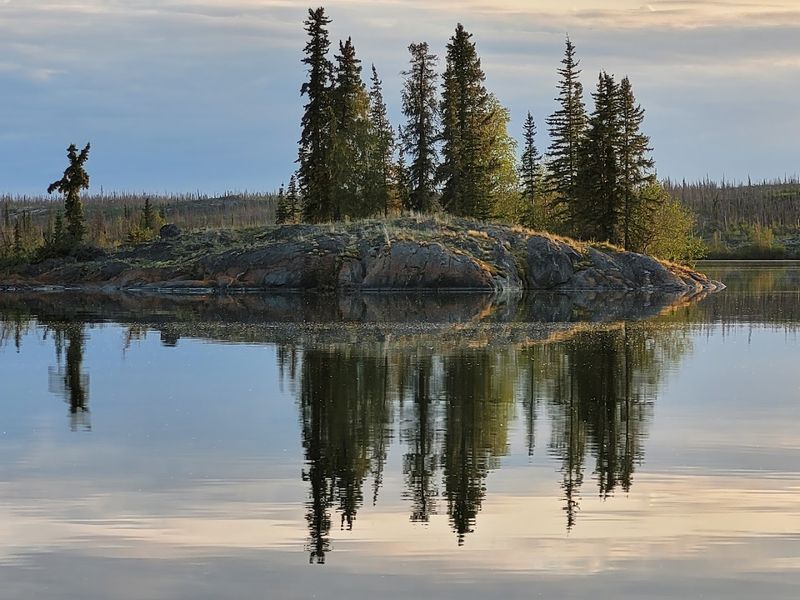
Named after the Slavey Indigenous people — not the grim institution the word implies today — Great Slave Lake is the deepest lake in North America, dropping to an impressive 614 meters (2,015 feet). It sits in Canada’s remote Northwest Territories, a place where the winters are legendary and the landscape stretches endlessly in every direction.
The lake was carved out by glaciers during the last ice age, which explains both its enormous size and its considerable depth. It covers about 28,568 square kilometers, making it the tenth-largest lake in the world.
The nearby city of Yellowknife, capital of the Northwest Territories, sits on its northern shore and owes much of its history to the lake’s resources.
Every winter, the frozen surface of Great Slave Lake becomes a working ice road, connecting remote communities that would otherwise be cut off from supply routes. Trucks carrying fuel, food, and equipment rumble across the ice for months at a time.
In summer, the lake supports commercial fishing and serves as a critical habitat for lake trout, whitefish, and Arctic grayling. The depth of the lake means its water stays cold year-round, which is exactly the environment those cold-water fish species need to thrive.
Crater Lake, United States
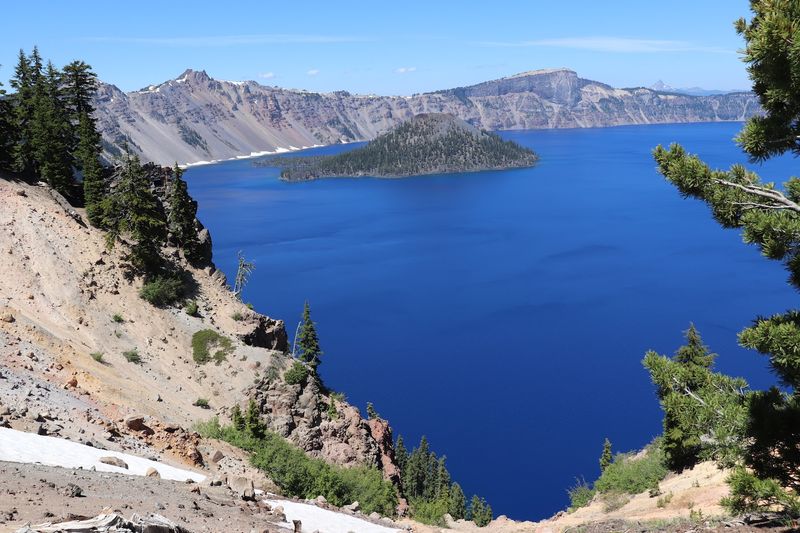
About 7,700 years ago, a volcano called Mount Mazama erupted so violently that its entire top collapsed inward, leaving behind a massive bowl-shaped crater. Over centuries, rain and snow slowly filled that crater, and today it is one of the most photographed lakes in the United States.
Crater Lake in Oregon reaches 594 meters (1,949 feet) deep, making it the deepest lake in the country.
What sets Crater Lake apart visually is its color — an almost unreal shade of deep cobalt blue that comes from the water’s exceptional clarity and depth. No rivers flow in or out of the lake.
It is fed entirely by precipitation, which means the water is remarkably pure and free from sediment and pollutants carried in by streams.
A small volcanic island called Wizard Island sits near the western shore, created by volcanic activity that continued after the main collapse. Visitors can hike down to the water’s edge along a steep trail and even swim in the frigid, crystal-clear water during summer.
The lake sits inside Crater Lake National Park, which was established in 1902, making it one of the oldest national parks in the United States. Every season offers a dramatically different view of this volcanic masterpiece.
Lake Matano, Indonesia
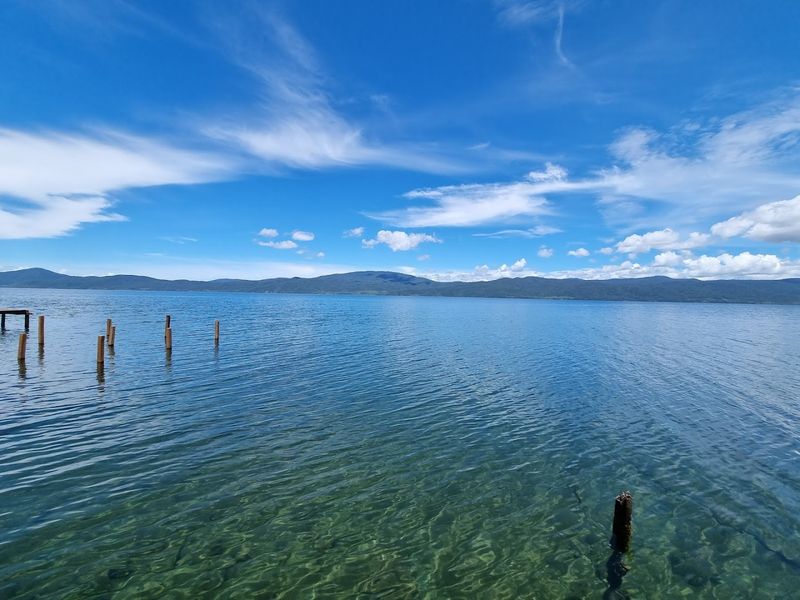
Tucked away on the island of Sulawesi in Indonesia, Lake Matano does not get the global fame it deserves. At around 590 meters (1,936 feet) deep, it is one of the deepest lakes in Asia and one of the most biologically isolated lakes on the planet.
That isolation has made it a hotspot for species found absolutely nowhere else.
The lake was formed by tectonic activity rather than glaciers or volcanoes, which gives it a distinct geological character. Its water is remarkably transparent, with visibility stretching many meters below the surface.
The surrounding landscape is blanketed in tropical rainforest, creating a lush, humid setting that feels worlds apart from the icy lakes of Siberia or Patagonia.
Several fish species in Matano evolved completely independently from those found in nearby water bodies. Scientists studying these species have gained valuable insights into how isolated populations develop new traits over time.
The nearby nickel mining operations have raised environmental concerns, and conservationists continue to push for stronger protections for the lake’s unique ecosystem. For researchers interested in freshwater biodiversity, Lake Matano is one of those rare places where every new study seems to uncover something genuinely surprising and scientifically significant.
General Carrera Lake, Chile/Argentina
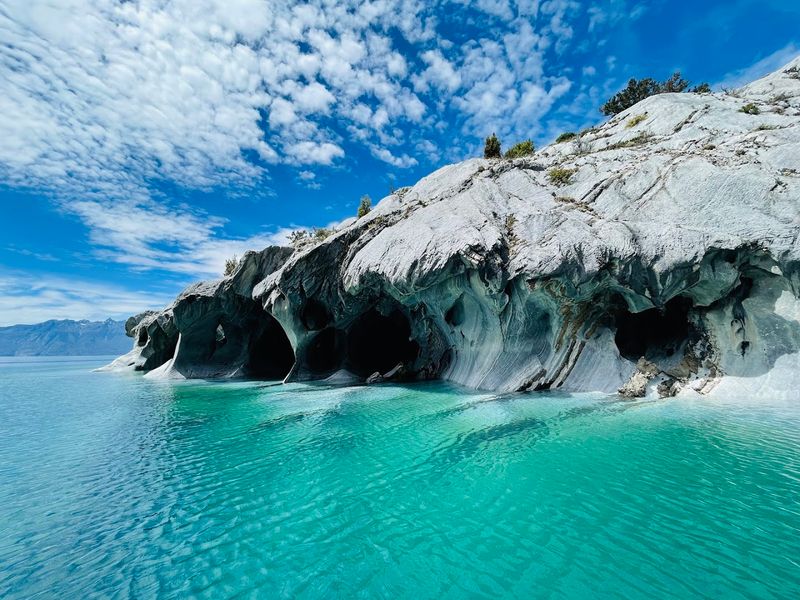
Few lakes on Earth come with their own natural art gallery, but General Carrera Lake does. The famous Marble Caves — a series of swirling, multicolored caverns carved into solid marble right at the water’s edge — are one of the most visually stunning geological features anywhere in South America.
The lake itself plunges to over 580 meters deep.
Sitting on the border between Chile and Argentina in the heart of Patagonia, the lake goes by two names: Lago General Carrera on the Chilean side and Lago Buenos Aires on the Argentine side. Its brilliant blue color, like that of its neighbor O’Higgins-San Martin Lake, comes from glacial sediment suspended in the water.
The lake was formed by glacial erosion over thousands of years, and the surrounding landscape still bears the dramatic marks of that process — jagged peaks, U-shaped valleys, and scattered glacial deposits everywhere you look. Boat tours through the Marble Caves are the main attraction for visitors, and the way the reflected blue light dances across the cave walls is something cameras struggle to fully capture.
Despite being one of Patagonia’s most spectacular destinations, it remains far less crowded than more famous sites, which adds to its quiet, wild charm.
Lake Hornindalsvatnet, Norway
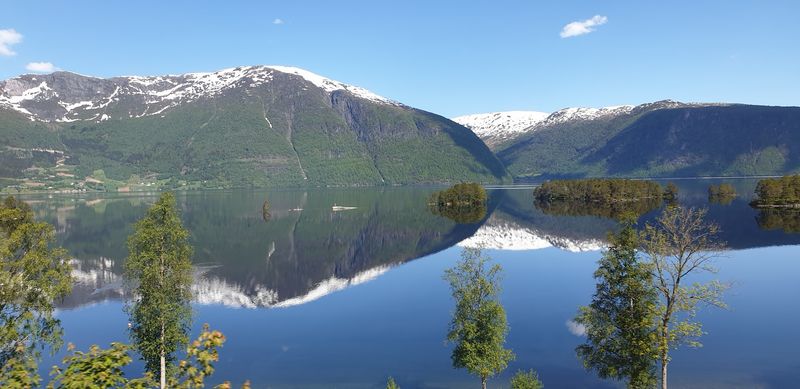
Norway is a country famous for its fjords, but tucked quietly in the western region of Vestland sits a lake that holds a title most Norwegians might not even know about. Hornindalsvatnet is the deepest lake in all of Europe, reaching about 514 meters (1,686 feet) below the surface.
It does not shout about it, but the numbers do not lie.
The lake sits in a narrow glacial valley, hemmed in by steep mountain slopes on either side. Small farms and traditional Norwegian houses dot the shoreline, giving the whole scene a postcard-perfect, storybook quality.
The water is cold, clear, and fed by mountain streams and snowmelt throughout the year.
Because it is relatively off the tourist trail compared to Norway’s famous fjords, Hornindalsvatnet has a peaceful, unhurried atmosphere that locals clearly treasure. Brown trout and Arctic char thrive in its cold depths, making it a popular destination for fishing enthusiasts who prefer a quiet cast over a crowded marina.
The lake has been studied by geologists interested in how glaciers shaped western Norway’s landscape during the last ice age. Its depth is a direct result of ancient ice carving relentlessly through the rock over tens of thousands of years, leaving behind this quiet, extraordinary body of water.
Lake Quesnel, Canada
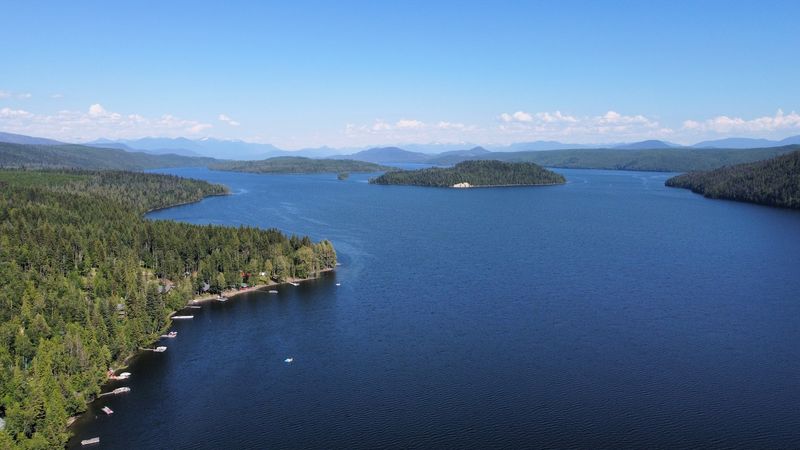
Long, narrow, and seriously underrated, Lake Quesnel in British Columbia is one of Canada’s hidden depth champions. With a maximum depth topping 500 meters, it ranks among the deepest lakes in North America, yet most people outside of British Columbia have never heard of it.
That anonymity is honestly part of its appeal.
The lake’s elongated shape is a classic sign of glacial origin — ancient ice sheets carved a long trough through the landscape, and when the glaciers retreated, the hollow filled with water. The result is a lake that is much deeper than it is wide, with cold, clear water that supports thriving populations of rainbow trout and kokanee salmon.
Quesnel Lake drains into the Fraser River system, which plays a vital role in British Columbia’s salmon runs. During spawning season, the lake and its connected waterways come alive with sockeye salmon returning from the ocean, one of nature’s most dramatic annual events.
The surrounding forests are dense and largely undeveloped, giving the lake a wild, untamed character. In 2014, a tailings pond breach from a nearby mine sent a significant amount of contaminated water into the lake, an environmental incident that sparked serious conversations about industrial activity near sensitive freshwater ecosystems.
Lake Toba, Indonesia
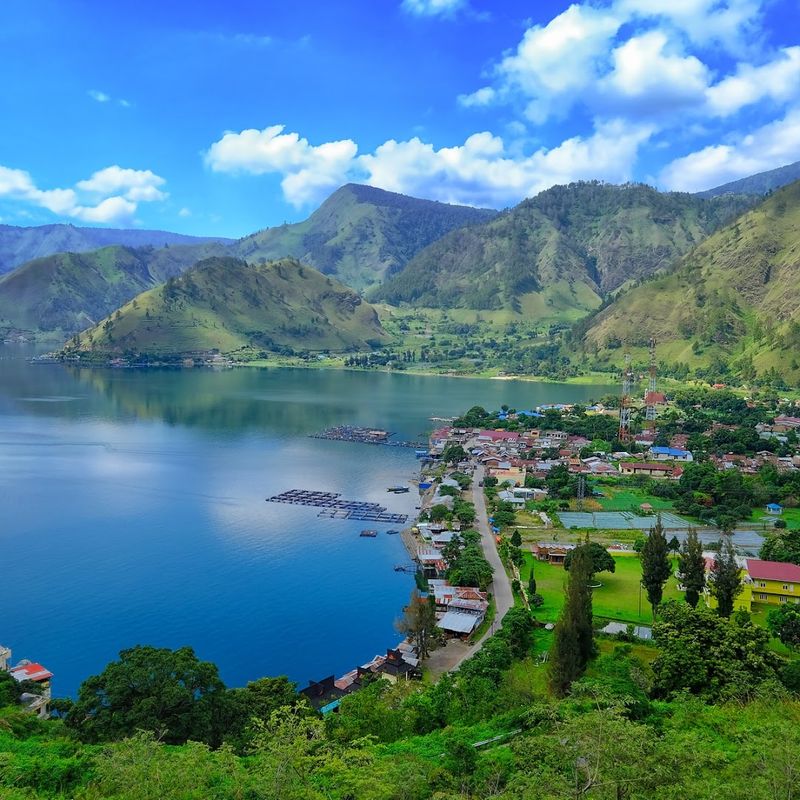
Around 74,000 years ago, a supervolcanic eruption of almost unimaginable scale blasted a hole in what is now northern Sumatra. The eruption was so massive that some scientists believe it caused a global volcanic winter that dramatically reduced the human population on Earth.
Today, that colossal crater is Lake Toba, the largest volcanic lake in the world.
The lake reaches depths of around 505 meters and stretches roughly 100 kilometers in length, making it bigger than some small countries. A large island called Samosir sits in the middle of the lake, which is itself large enough to contain two smaller lakes.
Samosir is home to the Batak people, whose culture, architecture, and traditions have flourished on this island for centuries.
Visiting Lake Toba feels like stepping into a place where geology and human history overlap in a remarkable way. The caldera walls rise sharply around the lake, giving visitors a constant visual reminder of the catastrophic event that created this landscape.
The water is cool and clear, and the surrounding highlands have a pleasant climate that attracts travelers from across Indonesia and beyond. Hot springs near the lake’s edge are a reminder that volcanic activity has not entirely gone quiet beneath the surface.
Lake Tahoe, USA
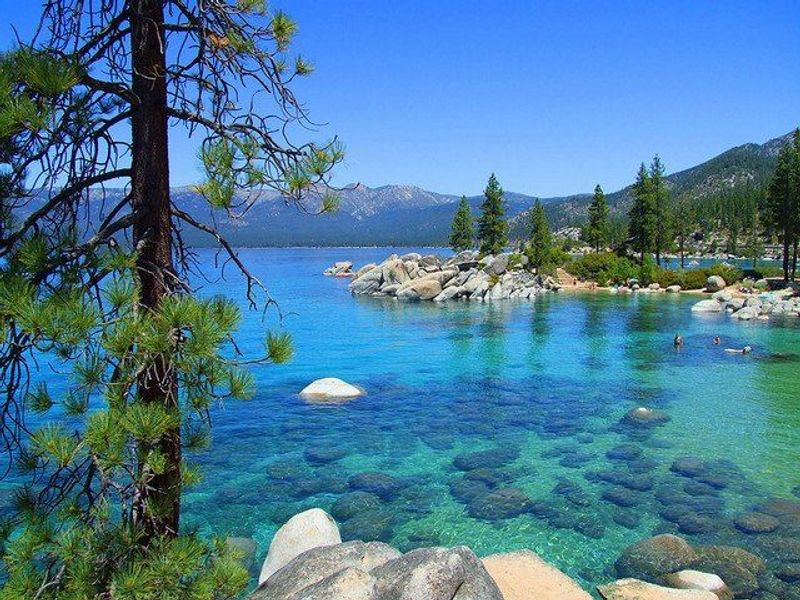
Straddling the border between California and Nevada like a jewel set into the Sierra Nevada mountains, Lake Tahoe is one of those places that genuinely lives up to its reputation. At around 501 meters (1,645 feet) deep, it is one of the deepest lakes in the United States and holds enough water to cover the entire state of California to a depth of about 14 inches.
The lake’s clarity is legendary — on a calm day, you can sometimes see objects more than 20 meters below the surface. That clarity comes from the surrounding granite mountains, which filter runoff before it reaches the lake.
Environmental groups have worked hard for decades to protect that transparency, as urban development and pollution once threatened to cloud the famously blue water.
Summer brings crowds of swimmers, kayakers, and paddleboarders, while winter transforms the surrounding mountains into one of America’s premier ski destinations. The lake itself rarely freezes due to its depth, which stores an enormous amount of heat energy.
Mark Twain wrote admiringly about Lake Tahoe in the 1860s, calling its water the most beautiful he had ever seen. More than 150 years later, visitors are still making the same observation, standing at the shore and struggling to find words good enough for what they are looking at.
Share this story