Some of history’s most fascinating figures were not who they appeared to be. Behind polished public images, a few famous names were quietly hiding shocking secrets, from spy networks to criminal empires.
Learning about these double lives reveals just how complex human nature can be. These stories are not just surprising, they are also important reminders that things are not always what they seem.
1. Frank Abagnale
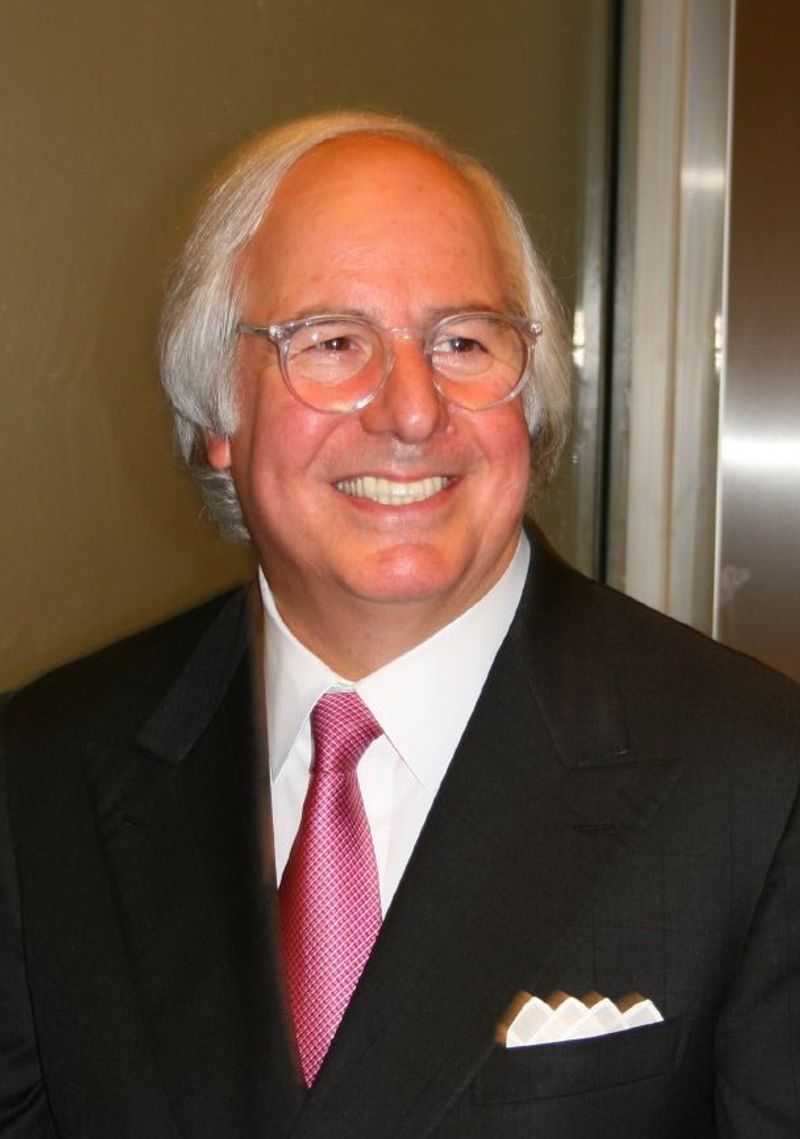
Frank Abagnale pulled off one of the most audacious cons in modern history. Before the age of 21, he had successfully impersonated an airline pilot, a doctor, and a lawyer, all without a single real credential to his name.
He cashed millions of dollars in fraudulent checks across 26 countries.
What made Abagnale so effective was his charm and attention to detail. He studied each role carefully, blending in with professionals and fooling even trained experts.
The FBI eventually caught him, but his story became legendary.
Hollywood immortalized his life in the 2002 film Catch Me If You Can, starring Leonardo DiCaprio. After serving time in prison, Abagnale later worked as a fraud consultant for the FBI.
His story stands as a wild reminder that confidence and deception can take someone surprisingly far in life.
2. Mata Hari
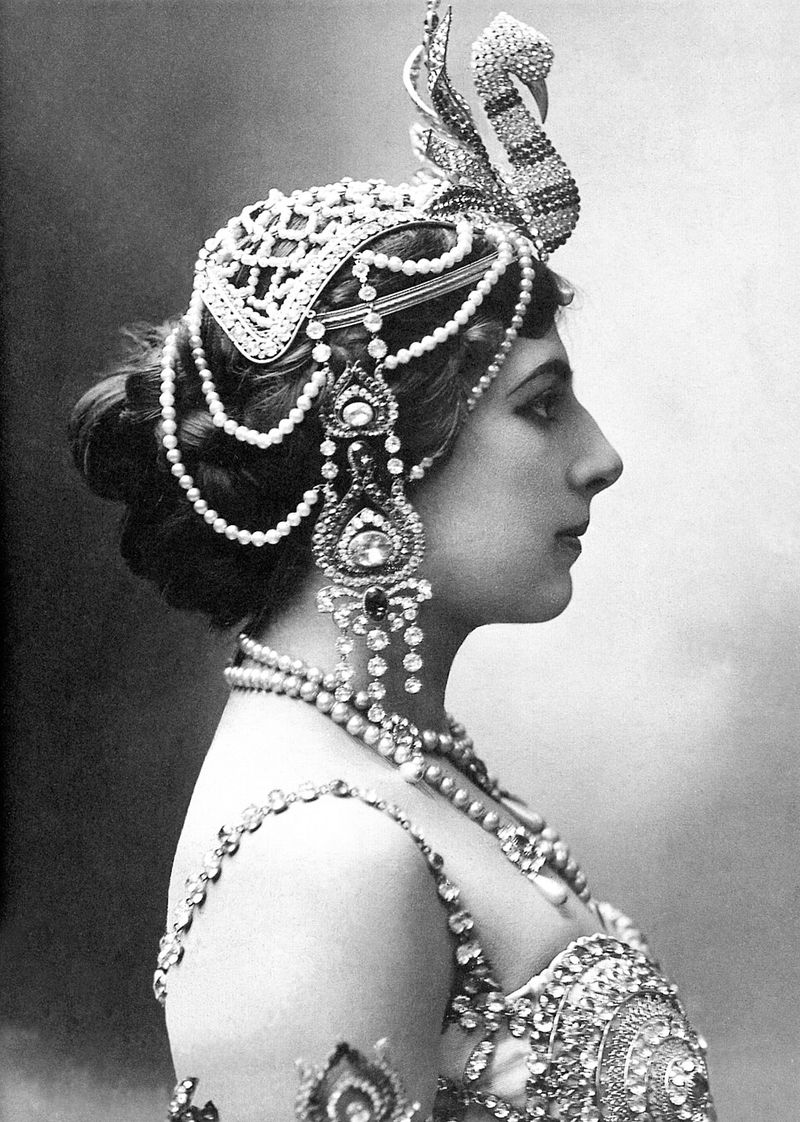
Mata Hari captivated audiences across Europe with her hypnotic dance performances and bold, mysterious personality. Born Margaretha Zelle in the Netherlands, she reinvented herself as an exotic Eastern dancer and became a sensation in Paris.
Wealthy men, military officers, and diplomats all flocked to see her perform.
But behind the spotlight, French authorities believed she was passing military secrets to Germany during World War I. She reportedly used her relationships with high-ranking officers to gather sensitive information.
Whether she was truly a spy or simply a convenient scapegoat remains debated by historians today.
France arrested her in 1917 and executed her by firing squad that same year. She reportedly refused a blindfold and blew a kiss to the soldiers before her death.
Her story has since become one of the most romanticized espionage tales in all of history.
3. Ted Kaczynski
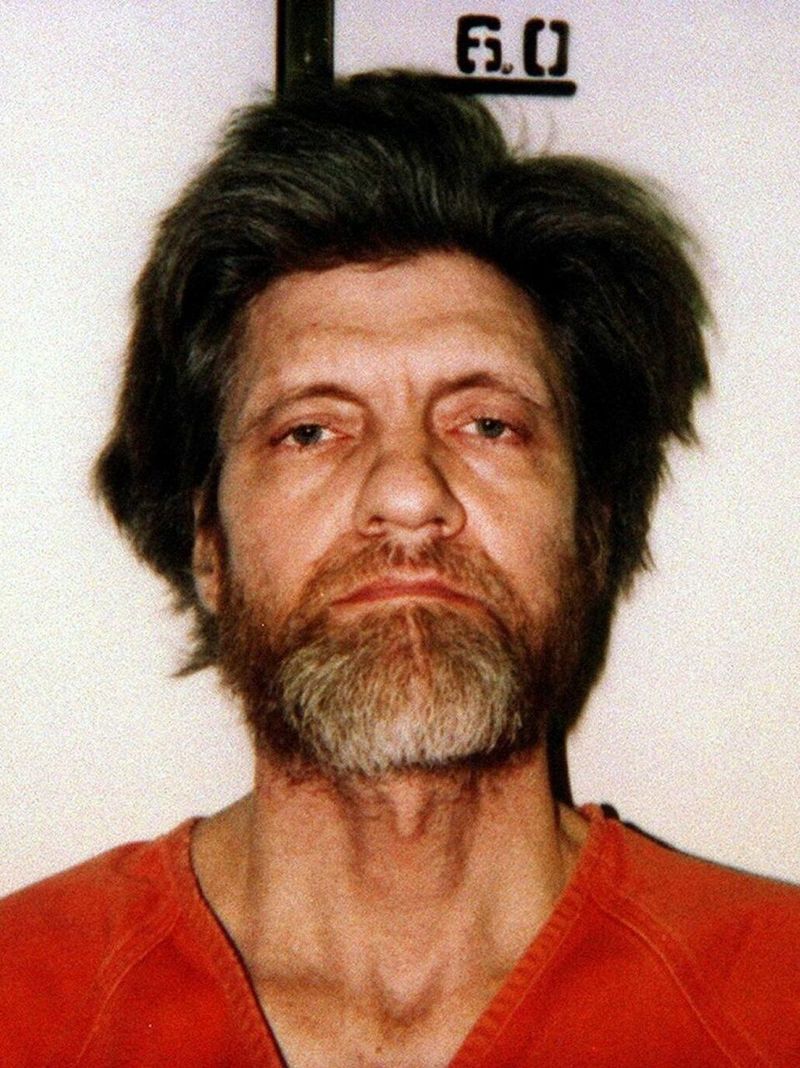
Ted Kaczynski was once considered one of the brightest mathematical minds in America. He enrolled at Harvard University at just 16 years old and later became a professor at UC Berkeley.
Colleagues described him as quiet and highly intelligent, someone who seemed destined for academic greatness.
Behind that reputation, however, Kaczynski was building something far more dangerous. After retreating to a remote Montana cabin in 1971, he began constructing and mailing homemade bombs to universities and airlines.
Over 17 years, his attacks killed three people and injured 23 others.
He became known as the Unabomber, one of the most elusive domestic terrorists in FBI history. His own brother ultimately turned him in after recognizing his writing in a published manifesto.
Kaczynski died in federal prison in 2023, leaving behind a chilling legacy of brilliance twisted by isolation and radical ideology.
4. Kim Philby
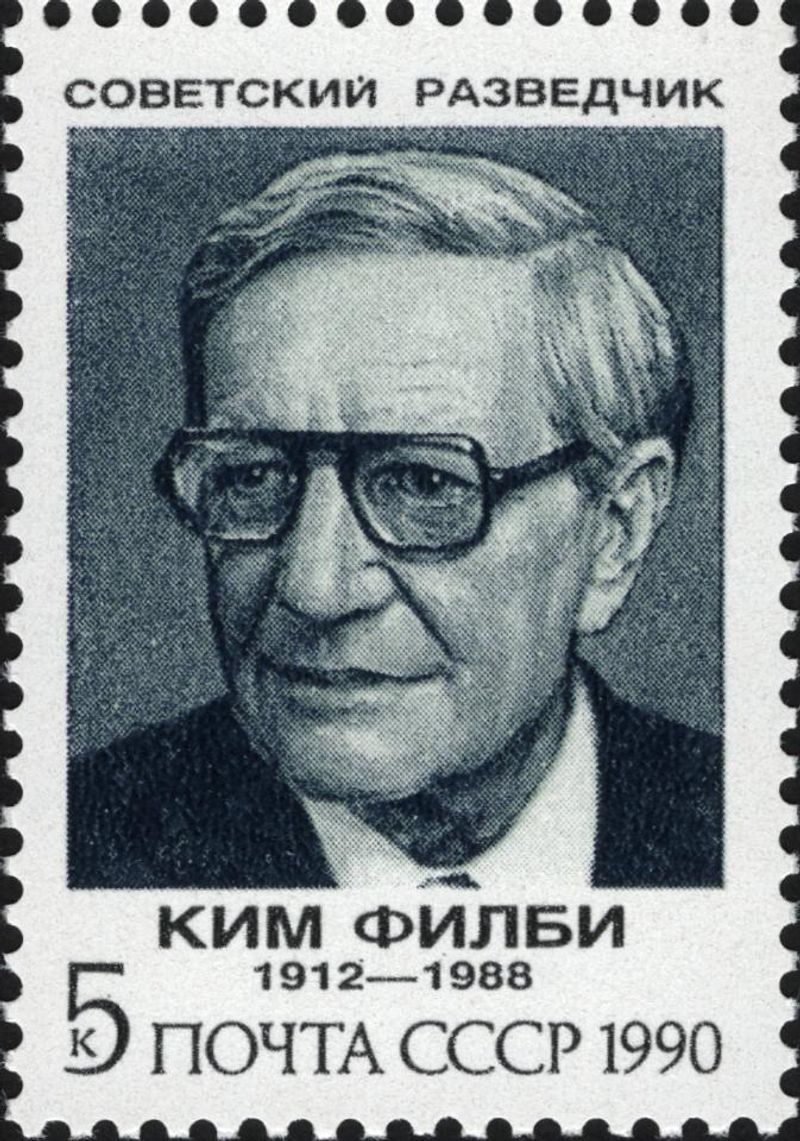
Kim Philby was the kind of man Britain trusted with its most sensitive secrets. He rose through the ranks of MI6, Britain’s foreign intelligence service, eventually becoming one of its most senior officers.
Colleagues admired him, and many believed he was destined to lead the agency one day.
What nobody knew was that Philby had been working for the Soviet Union since his university days at Cambridge. He was part of a notorious group called the Cambridge Five, a ring of spies who fed classified Western intelligence directly to Moscow for decades.
His betrayal cost lives and compromised countless operations.
When suspicion finally fell on him in 1963, Philby defected to the Soviet Union before he could be arrested. He lived in Moscow until his death in 1988.
Historians consider him one of the most damaging double agents of the entire Cold War era.
5. Josephine Baker
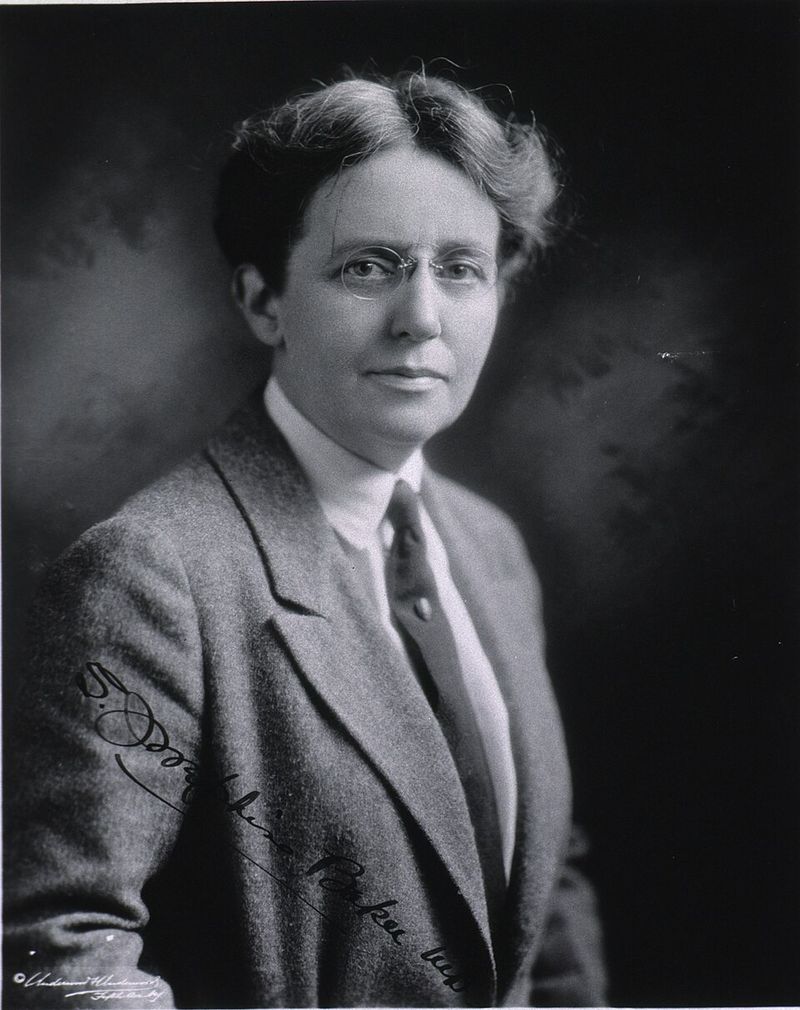
Josephine Baker dazzled audiences in Paris with her electrifying performances and became one of the most celebrated entertainers of the 20th century. She was the first Black woman to star in a major motion picture and earned a devoted following across Europe.
Audiences adored her energy, charisma, and undeniable stage presence.
Few fans knew that during World War II, Baker was quietly working for the French Resistance. She used her celebrity status and frequent travel as cover, smuggling secret messages written in invisible ink on her sheet music.
Her fame gave her access to diplomatic events where she could gather valuable intelligence.
France awarded her the Croix de Guerre and the Legion of Honor for her wartime contributions. Baker was not just an entertainer; she was a genuine hero.
Her courage behind the scenes matched every bit of the brilliance she showed on stage.
6. Pablo Escobar
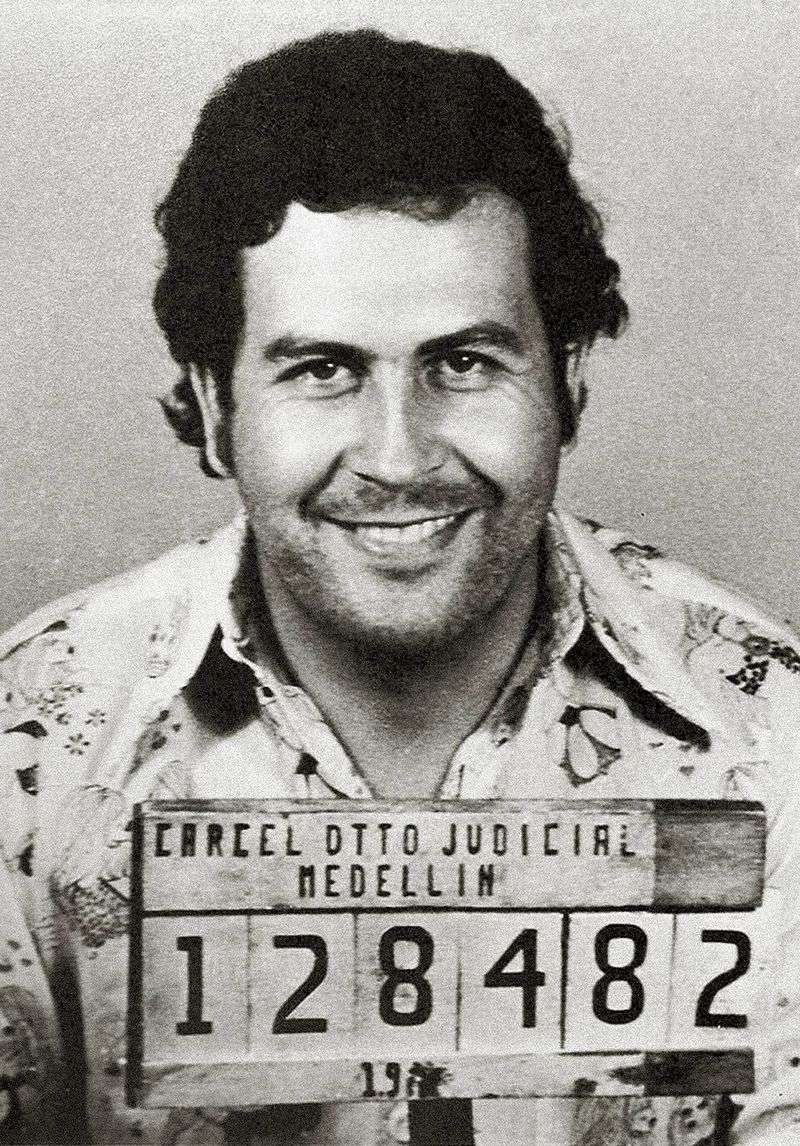
To many poor Colombians in the 1980s, Pablo Escobar looked like a hero. He built housing for the poor, constructed soccer fields in slums, and even won a seat in Colombia’s Congress.
Local communities called him a philanthropist, and some genuinely believed he cared about their welfare.
The reality was far grimmer. Escobar was the founder and leader of the Medellin Cartel, responsible for smuggling 80 percent of the world’s cocaine into the United States at the height of his power.
He ordered the murders of judges, politicians, and police officers who dared to challenge him.
At his peak, Forbes magazine listed him among the world’s wealthiest people. Colombian authorities, with U.S. support, hunted him for years before finally shooting him dead in 1993.
His double life as both community benefactor and ruthless criminal boss remains one of history’s most disturbing contradictions.
7. Hedy Lamarr
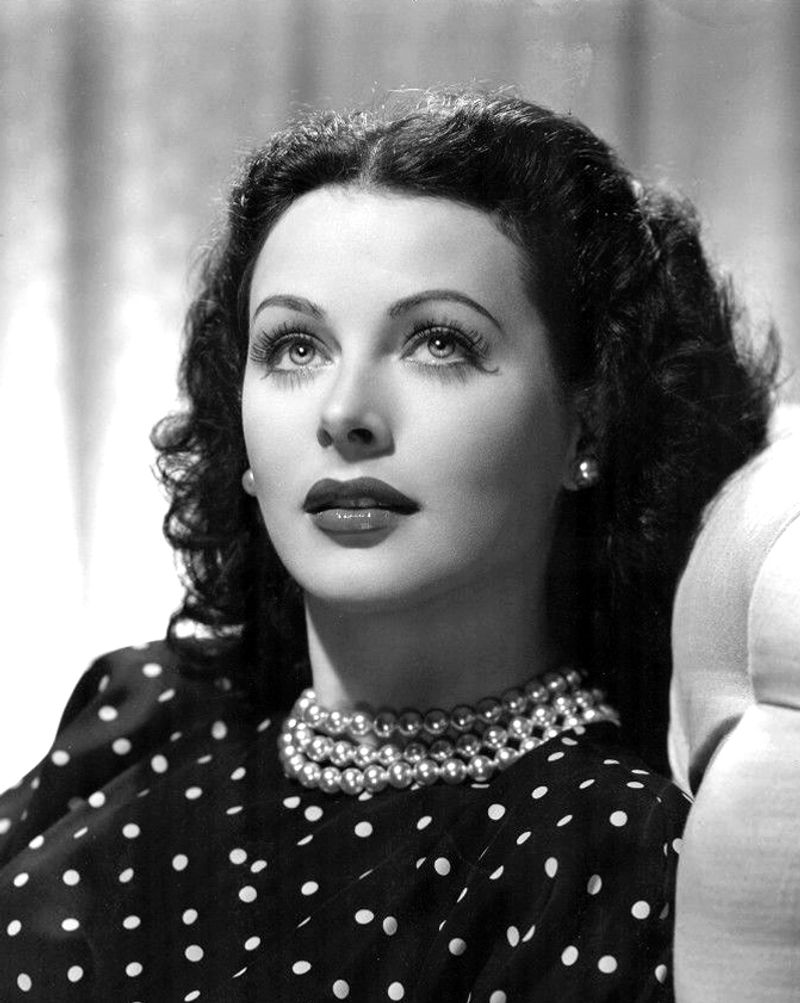
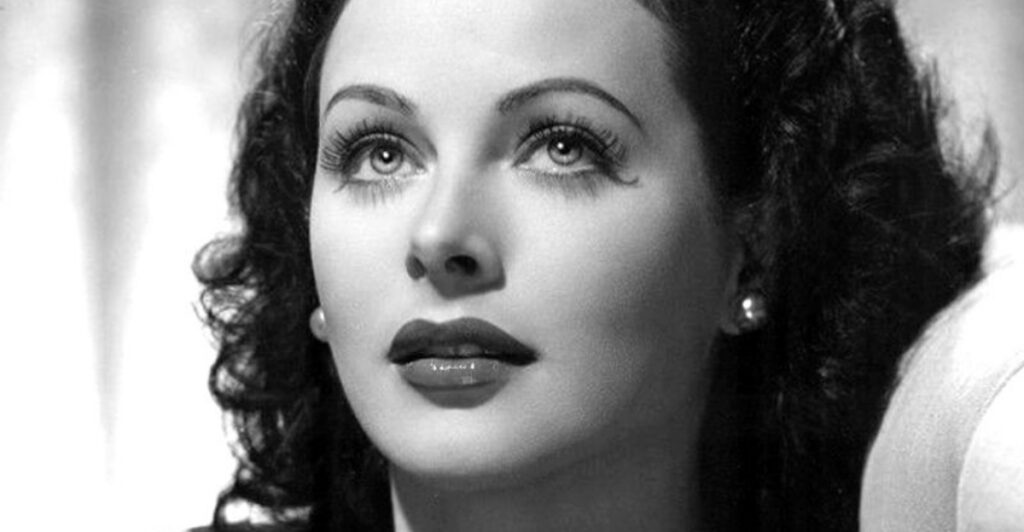
Hedy Lamarr was one of Hollywood’s biggest stars during the golden age of cinema. Studios promoted her as the most beautiful woman in the world, and her films drew massive audiences throughout the 1940s.
But behind the glamour, Lamarr had a deeply curious and inventive mind that most people never knew about.
During World War II, she co-invented a radio guidance system using frequency-hopping signals to prevent enemy interference with Allied torpedoes. The U.S.
Navy initially ignored her patent, but decades later, engineers recognized her technology as a foundational concept behind modern Wi-Fi, Bluetooth, and GPS systems.
Lamarr never received financial compensation for her invention during her lifetime. She was finally honored in 1997 with the Electronic Frontier Foundation Pioneer Award.
Her story is a powerful example of brilliance overlooked simply because it came packaged in a form people did not expect to take seriously.
8. Whitey Bulger
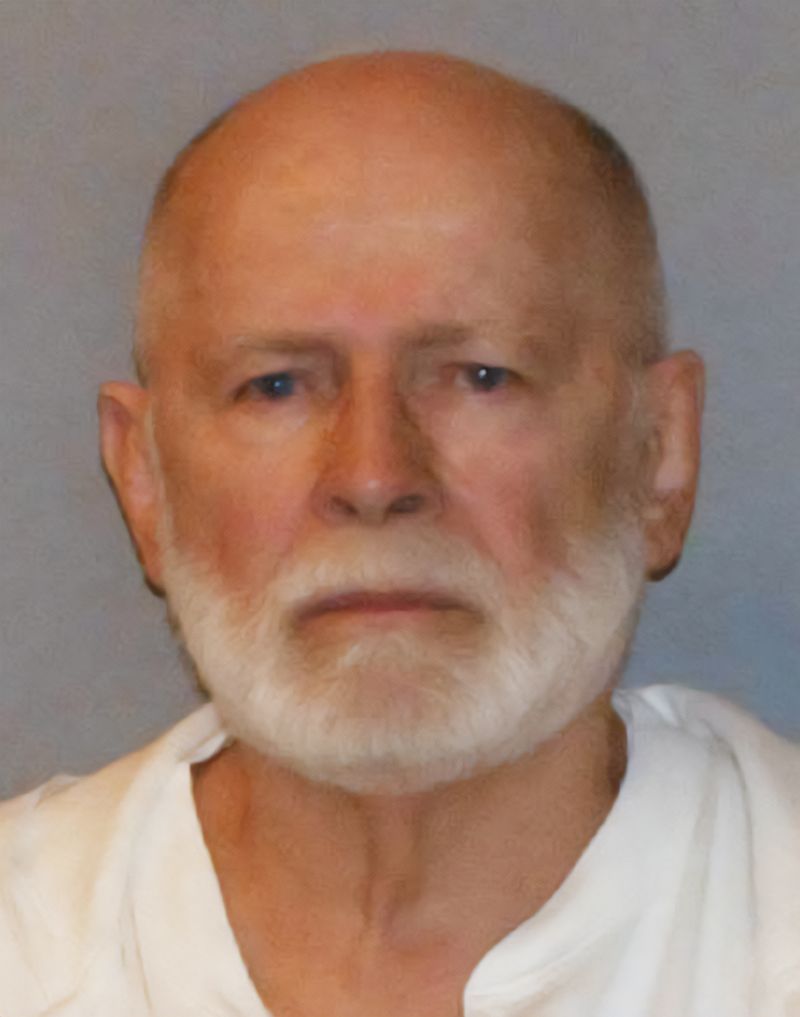
Whitey Bulger ran South Boston’s criminal underworld with an iron grip for decades. He was feared by rivals and respected by loyal followers who saw him as a protector of their neighborhood.
To many locals, he was a Robin Hood figure who kept drugs off the streets, even as he profited from organized crime himself.
What made Bulger truly unique was his arrangement with the FBI. For years, he served as an informant, feeding agents information about rival gangs, particularly the Italian Mafia.
In exchange, corrupt FBI handlers protected him from prosecution, allowing him to commit murders and run extortion rackets without consequence.
When his FBI connections were finally exposed, Bulger fled and spent 16 years on the run before his capture in 2011. He was convicted of 11 murders and sentenced to two life terms.
Prison inmates killed him in 2018, closing one of Boston’s darkest chapters.
9. Sidney Reilly
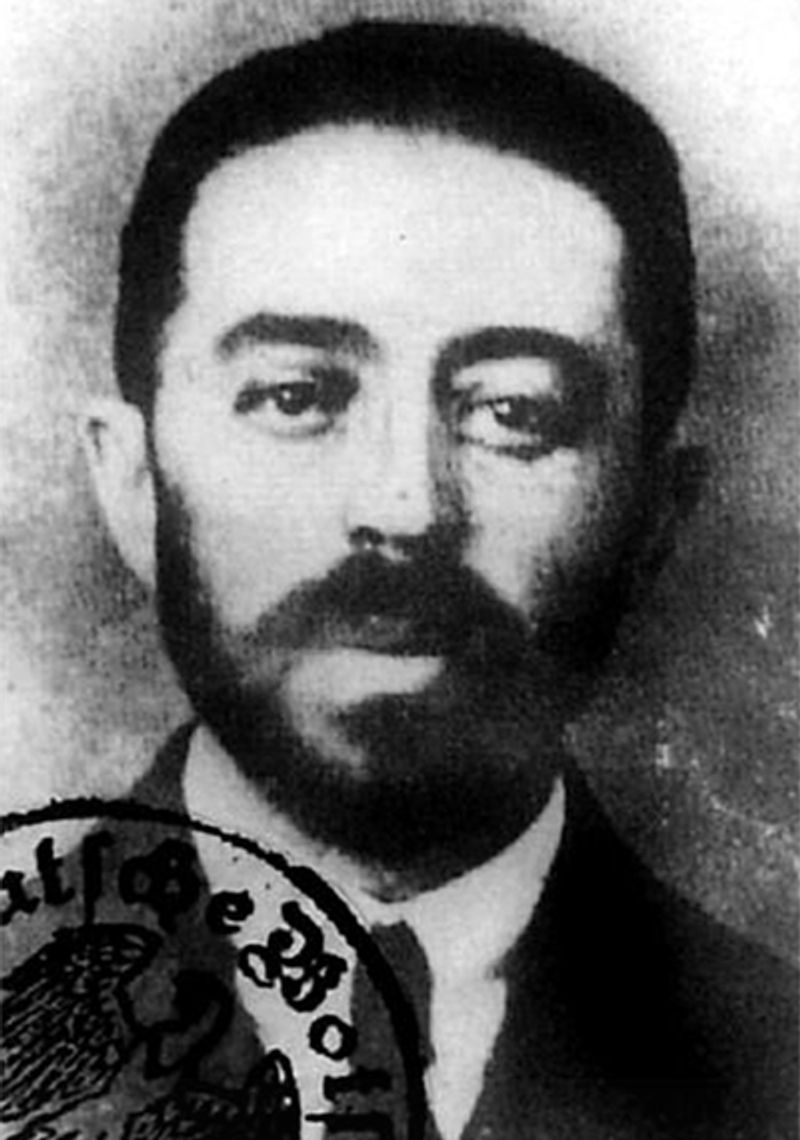
Sidney Reilly earned the nickname Ace of Spies for good reason. Operating in the early 20th century, he worked for British intelligence across Russia, Germany, Japan, and the Middle East, often under multiple false identities at the same time.
His exploits were so extraordinary that some historians still debate which stories are fact and which are legend.
Born Georgi Rosenblum in either Russia or Poland, Reilly reinvented himself completely, adopting the name and identity of an Irish merchant named Sidney Reilly. He spoke multiple languages fluently and could blend into almost any social setting with ease.
He reportedly plotted to overthrow the Bolshevik government in Russia after the 1917 revolution.
Soviet agents eventually captured him in 1925, and he was likely executed shortly after. His life inspired Ian Fleming’s creation of James Bond.
Few real spies have ever matched the sheer audacity of his career.
10. Enric Marco
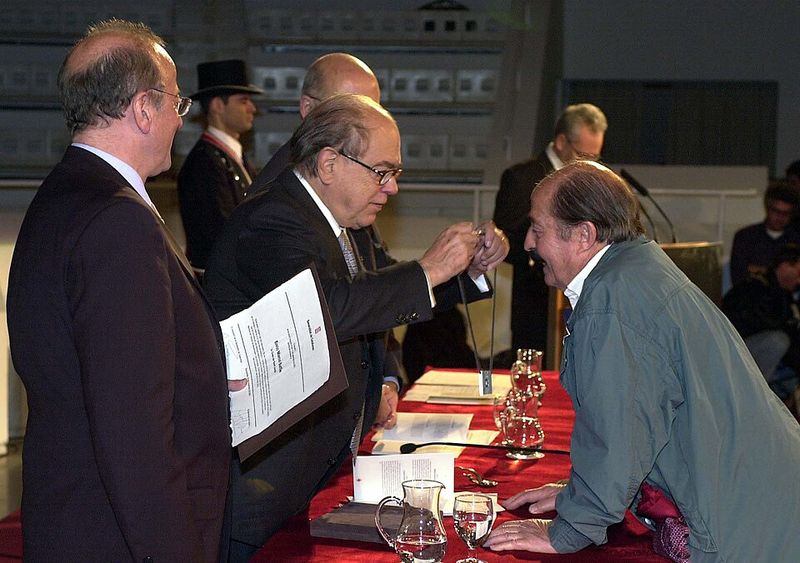
For years, Enric Marco was celebrated across Spain as a Holocaust survivor and a powerful voice for victims of Nazi atrocities. He gave emotional speeches, appeared on television, and even became president of a Spanish association representing former Nazi camp prisoners.
Audiences were moved by his detailed accounts of suffering and survival.
There was just one problem: none of it was true. Marco had never been in a concentration camp.
He had lived out World War II working in Germany as a voluntary laborer under relatively ordinary conditions. He fabricated his entire identity as a survivor from scratch, borrowing details from real victims’ stories.
Spanish historian Benito Bermejo exposed him in 2005, just days before a major Holocaust commemoration event. Marco initially tried to defend himself before ultimately confessing.
His deception was considered a profound insult to genuine survivors and remains one of the most shocking frauds in modern European history.
11. Belle Gunness
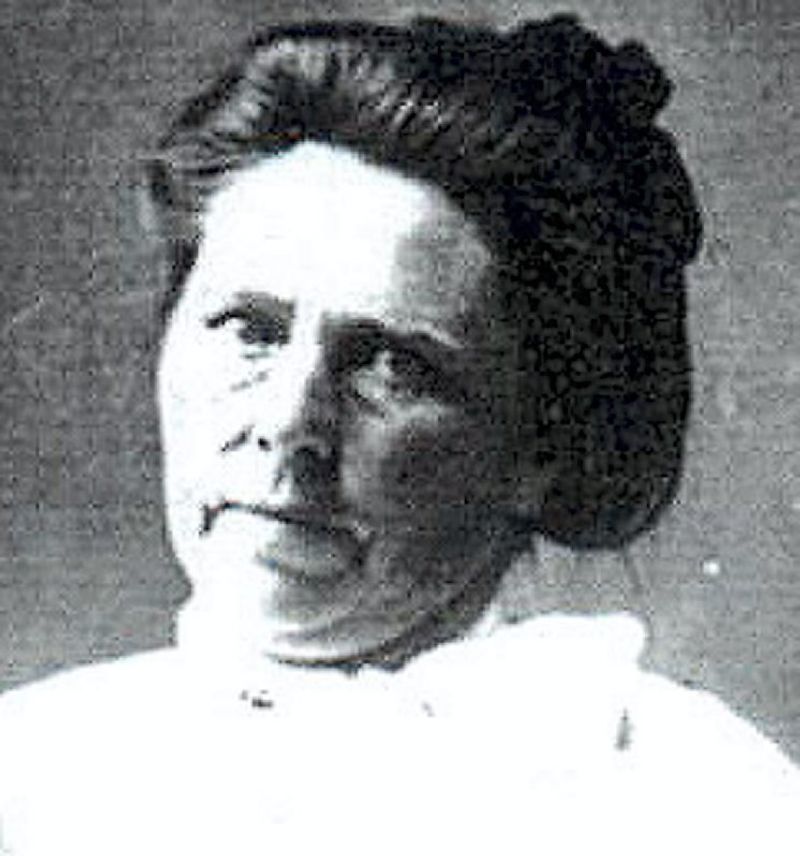
Belle Gunness presented herself to the world as a hardworking Norwegian immigrant widow trying to manage her farm in La Porte, Indiana. She placed newspaper advertisements seeking suitors, describing herself as a lonely woman looking for a reliable husband to help run her property.
Dozens of hopeful men answered her ads and traveled to meet her.
Most of them were never seen again. Gunness is believed to have murdered at least 25 people, possibly more, including two of her husbands and several of her own children.
She targeted men who brought cash or life insurance policies, then killed them for financial gain.
In 1908, her farmhouse burned down and a headless female body was found inside. Investigators discovered dismembered human remains buried across the property.
Whether Gunness died in the fire or faked her own death and escaped remains one of America’s oldest unsolved mysteries.
12. Typhoid Mary (Mary Mallon)
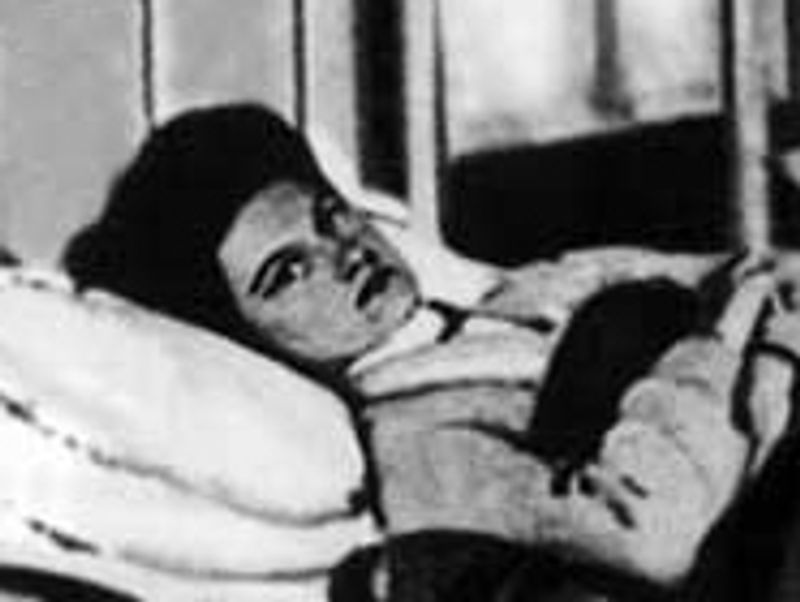
Mary Mallon was known simply as a skilled cook who worked for wealthy New York families in the early 1900s. She was reliable, hardworking, and in demand.
Nobody suspected that wherever she worked, mysterious outbreaks of typhoid fever seemed to follow shortly after her arrival.
Health investigators eventually traced multiple typhoid cases back to Mallon, discovering she was an asymptomatic carrier of the bacteria, meaning she carried and spread the disease without ever feeling sick herself. When health officials first tried to quarantine her, she fought back fiercely, refusing to believe she could be responsible.
She was forcibly isolated twice by New York City health authorities, spending a total of 26 years in quarantine on North Brother Island. She became the first person in U.S. history to be identified as a healthy carrier of a dangerous pathogen.
Her case changed how public health officials understood and tracked infectious diseases.
13. Markus Wolf
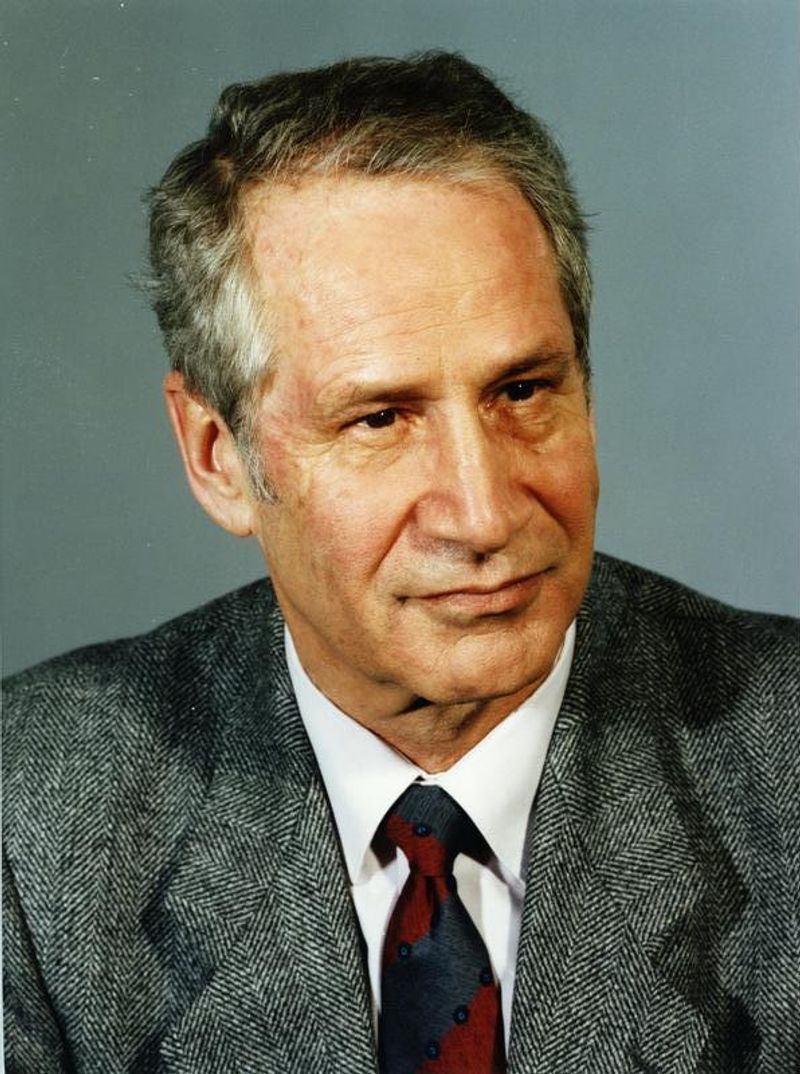
Markus Wolf ran East Germany’s foreign intelligence division for nearly three decades and became one of the Cold War’s most feared spymasters. Western intelligence agencies tracked his operations for years but could not even obtain a photograph of him until the 1970s.
That mystery earned him the nickname the Man Without a Face.
Wolf was extraordinarily skilled at placing agents inside West German government ministries, NATO offices, and even the inner circle of Chancellor Willy Brandt. His method of using romantic relationships to recruit spies, known as Romeo spying, was particularly effective and deeply unsettling to Western counterintelligence teams.
After East Germany collapsed in 1989, Wolf faced treason charges in reunified Germany, though courts ultimately limited his conviction. He wrote memoirs and gave interviews before his death in 2006.
His career demonstrated just how much damage a single brilliant strategist operating in the shadows can cause.
14. John Stonehouse
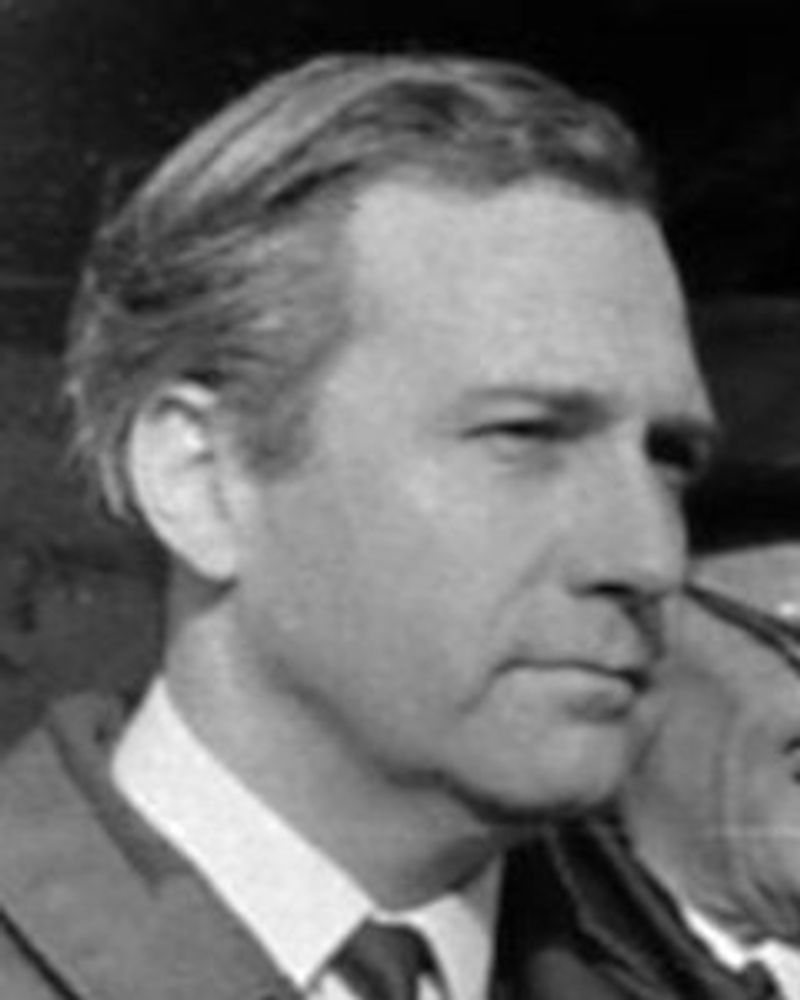
John Stonehouse served as a respected British Member of Parliament and held several cabinet positions under Prime Minister Harold Wilson. He was considered a rising political star with a polished reputation and a promising future in government.
Few people had any reason to question his loyalty or his character.
Behind closed doors, Stonehouse had been passing information to Czechoslovak intelligence for years. He was also drowning in financial debt and personal scandal.
In November 1974, he staged his own death by leaving a pile of clothes on a Miami beach to make it appear he had drowned while swimming.
He fled to Australia with his mistress under a false identity, hoping to start over completely. Australian police, initially thinking he might be the fugitive Lord Lucan, arrested him in Melbourne.
Stonehouse was extradited to Britain, convicted of fraud and deception, and sentenced to seven years in prison. His story inspired a 2023 British television drama.
Share this story