Prisons reveal what different eras believed about discipline, power, reform, and control. A stone wall can tell you as much about a society as any palace or parliament, especially when ideas about punishment changed from the 1800s to the late 20th century.
These places connect famous names, political upheavals, and experiments in confinement that shaped public memory long after the cells closed. Keep reading and you will see how architecture, policy, and reputation turned ordinary institutions into some of history’s most unsettling landmarks.
1. Tower of London (England)
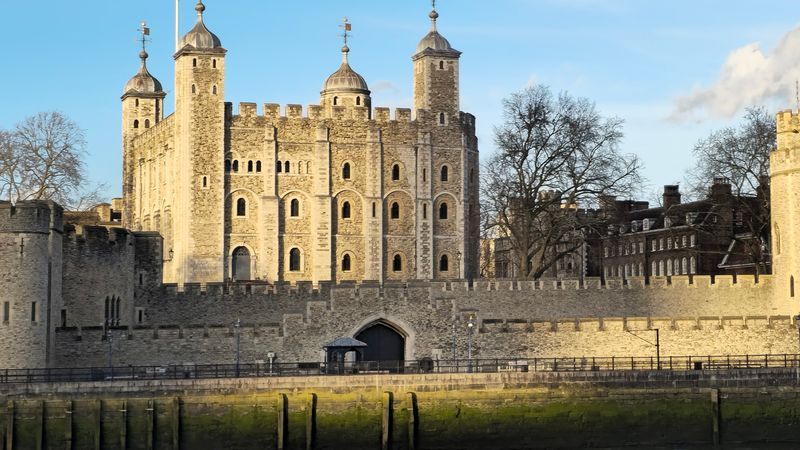
Power gets especially interesting when a royal fortress also doubles as a prison. The Tower of London, founded after 1066, served many roles over centuries, including palace, armory, treasury, menagerie, and confinement site for high-profile detainees.
Its prisoner list reads like a compressed history of English political turbulence, with nobles, religious figures, and rivals held during moments of dynastic uncertainty. Because many inmates were prominent, the Tower entered cultural memory as a symbol of state authority wrapped in ceremony.
You can still trace how architecture and politics worked together here, from defensive walls to controlled inner spaces. More than a single prison story, the Tower shows how medieval and early modern governments used confinement as part of public legitimacy, royal power, and legal theater.
2. Robben Island (South Africa)
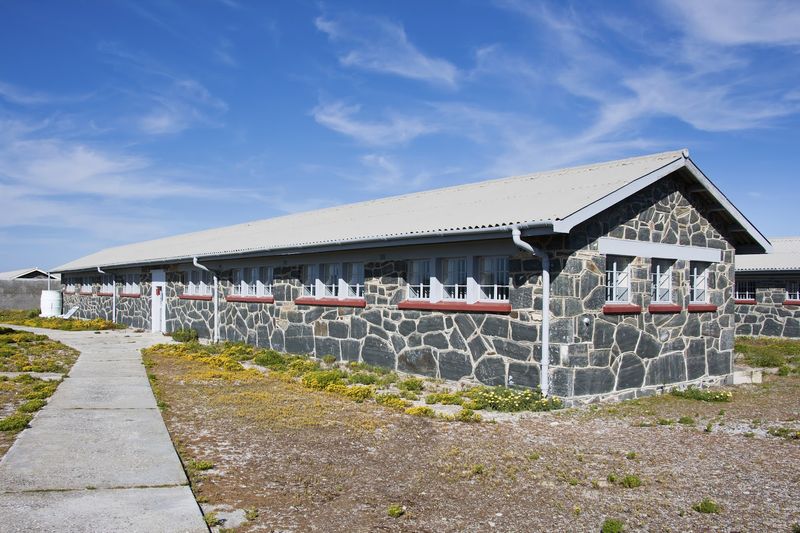
Some prison sites become far larger in meaning than their walls ever suggested. Robben Island, off Cape Town, served various functions over centuries, but it is most widely remembered for holding political prisoners during apartheid.
Nelson Mandela spent 18 years there, and his imprisonment turned the island into a global reference point for endurance under an unjust system. Daily life was tightly controlled, yet the prison also became a place where inmates taught one another, debated ideas, and preserved intellectual discipline.
That combination gives Robben Island its lasting significance. It is not simply a former prison but a record of how states use confinement to enforce social hierarchy, and how prisoners can still shape history through education, solidarity, and steady resistance to dehumanizing rules.
3. Devil’s Island (French Guiana)
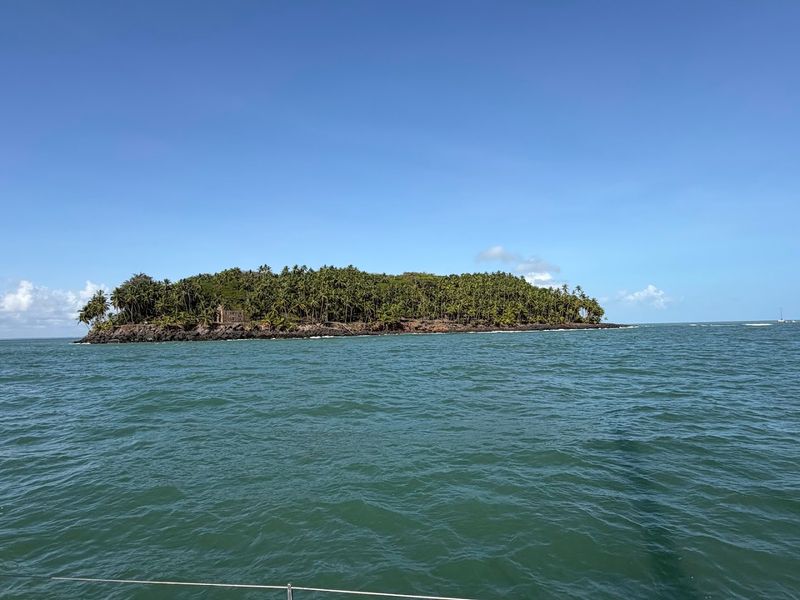
Remote geography did a lot of the work long before anyone installed locks or bars. Devil’s Island formed part of France’s penal colony in French Guiana, a system used from the 19th century into the mid-20th century for convicts and political prisoners.
The island’s fearsome reputation grew from isolation, difficult climate, and the near impossibility of leaving without authorization. Public attention increased after the Dreyfus affair, when Captain Alfred Dreyfus was confined there, turning the colony into an international symbol of punitive excess and official disgrace.
What matters historically is how transportation itself became punishment. Rather than simply holding prisoners in France, the state used distance, labor, and colonial space to extend control beyond Europe, leaving behind one of the starkest examples of empire meeting incarceration.
4. Château d’If (France)
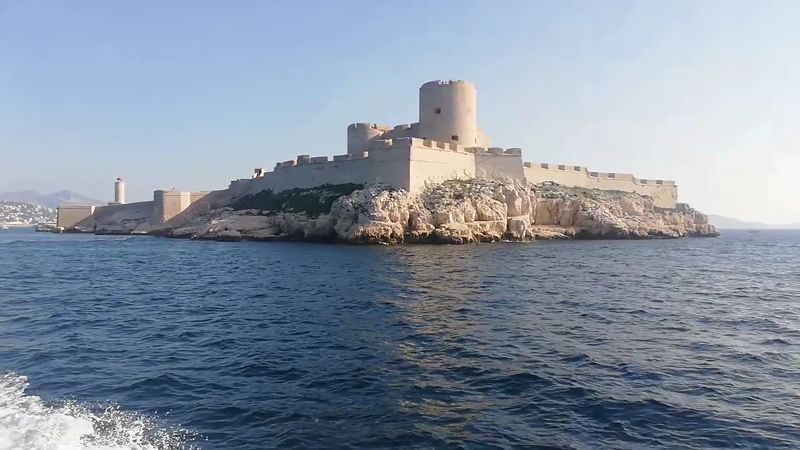
Literature gave this prison a second life, but the real history is compelling on its own. Château d’If, built in the 16th century on an island near Marseille, served as a fortress and later as a state prison.
Its fame today often rides on The Count of Monte Cristo, yet actual prisoners included religious and political detainees held under highly restrictive conditions. Because the island sat close to a major port but apart from the city, it embodied a simple idea governments have long liked: visible authority paired with practical separation.
The site also shows how prisons become myth machines. Visitors arrive expecting fiction, then discover a place shaped by royal policy, maritime defense, and shifting definitions of who counted as dangerous, inconvenient, or ideologically suspect in early modern and modern France.
5. Alcatraz (USA)
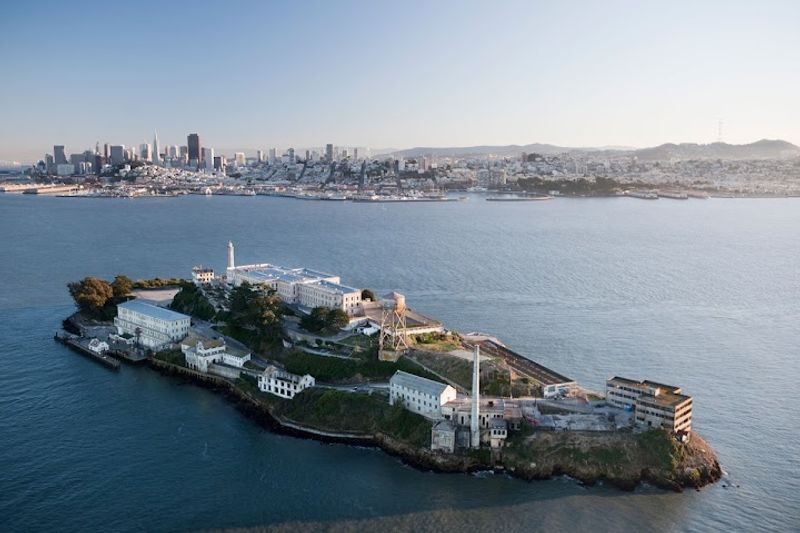
Nothing says official confidence quite like building a prison on a rocky island and calling it secure. Alcatraz operated as a federal penitentiary from 1934 to 1963, designed for inmates considered especially difficult to manage elsewhere.
You probably know its popular image from films and headlines, but the daily reality was strict routine, limited privileges, and constant regulation. Famous prisoners such as Al Capone helped fix the island in public imagination, while escape attempts only strengthened its legend.
Its real historical importance lies in how it represented a hardline federal approach during the mid-20th century. Today, visitors arrive by ferry and study a place that turned geographic isolation, modern security planning, and media fascination into one of America’s most recognizable prison symbols.
6. Eastern State Penitentiary (USA)
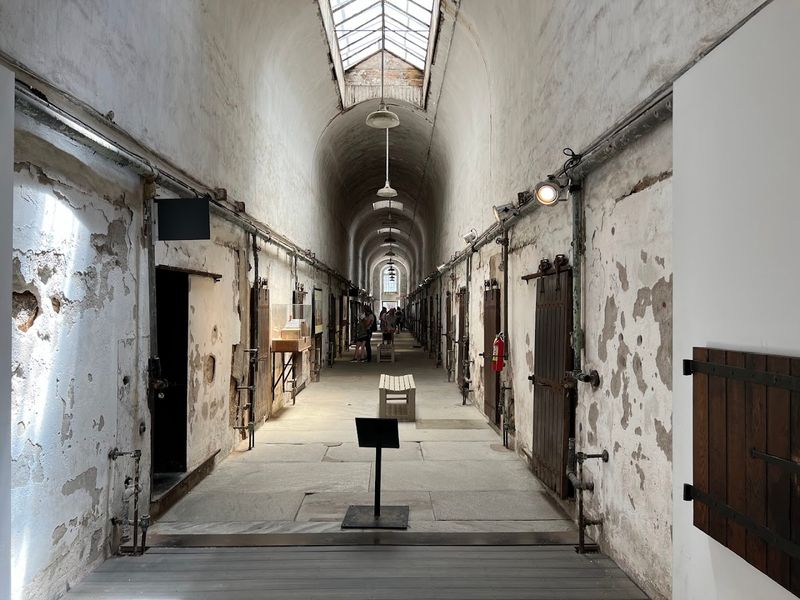
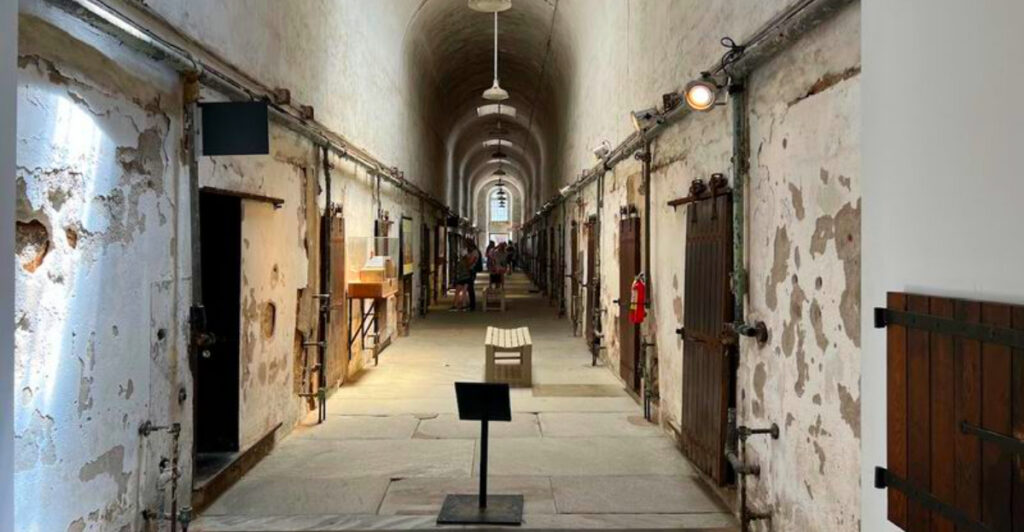
Few buildings changed prison thinking as dramatically as this fortress of silence in Philadelphia. Opened in 1829, Eastern State Penitentiary introduced a radial design and promoted solitary confinement as a path toward reflection and reform.
In practice, that system became one of the most debated experiments in penal history. Each inmate had a private cell, exercise yard, and minimal contact, which reformers once praised and critics later questioned for its psychological effects.
The architecture itself became influential, copied in other countries and studied by officials searching for modern order. Later famous inmates, including Al Capone, added celebrity to its reputation, but the deeper story is about changing ideas of rehabilitation, surveillance, and control in the 19th and 20th centuries.
7. Kilmainham Gaol (Ireland)
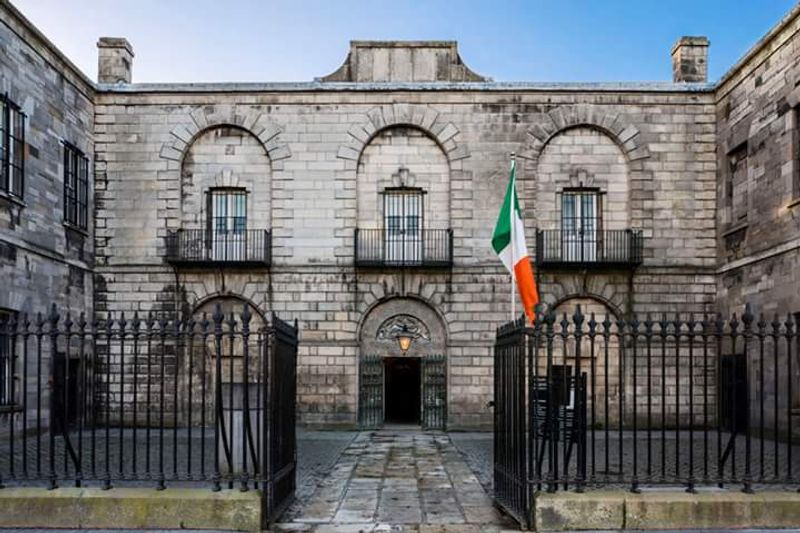
History feels unusually direct when a prison becomes tied to a nation’s political turning points. Kilmainham Gaol in Dublin, opened in 1796, held ordinary offenders as well as many figures connected to Irish nationalist movements.
Its importance grew after the 1798 rebellion, the Young Ireland movement, the Fenian period, and especially the aftermath of the 1916 Easter Rising. That sequence turned the building into a key site for understanding how British rule and Irish resistance collided through the machinery of arrest, trial, and confinement.
The prison later entered public memory not just as a former institution but as a national symbol. Walking through it today, you are really tracing the overlap of penal policy, colonial administration, and the making of modern Irish identity in one unusually concentrated space.
8. Tuol Sleng (S-21) (Cambodia)
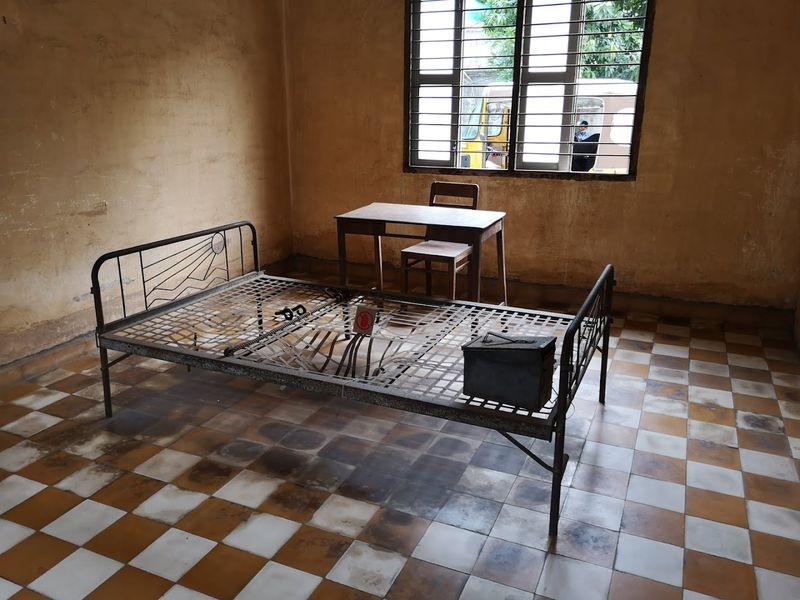
Few places show institutional transformation more starkly than a school turned into a prison. Tuol Sleng, known as S-21, operated in Phnom Penh during the Khmer Rouge period after ordinary classrooms were converted into spaces of interrogation and confinement.
The site is now studied through photographs, records, and surviving rooms that reveal a bureaucracy obsessed with documentation. Its power comes partly from that paper trail, which makes the prison an important archive for understanding how authoritarian systems classify, isolate, and control people through procedure.
Visitors today encounter less a conventional prison story than a warning about administration without accountability. Tuol Sleng demonstrates how everyday buildings and ordinary filing practices can be redirected toward coercive purposes, leaving behind one of the clearest historical records of regime-driven imprisonment in Southeast Asia.
9. Port Arthur (Australia)
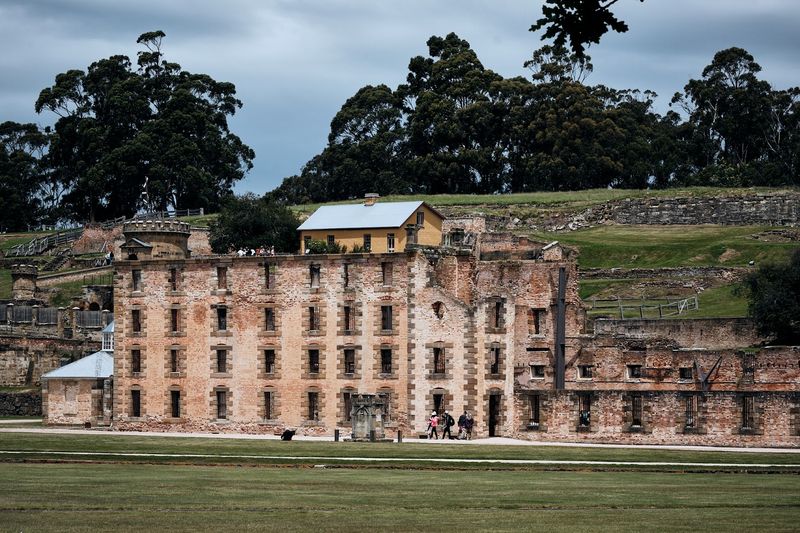
Britain once sent difficult offenders across oceans, and Port Arthur became one of its most famous destinations. Established in Tasmania in 1830, the penal settlement was intended for repeat offenders within the transportation system of the British Empire.
Officials experimented with strict discipline, labor, classification, and surveillance, including a Separate Prison influenced by contemporary ideas about silent reflection. The site also functioned as a busy industrial complex, with shipbuilding, timber work, and other operations linking punishment to colonial development.
That blend of reform theory and imperial practicality makes Port Arthur historically rich. It was not merely an isolated outpost but part of a larger British strategy that used distance, labor demands, and administrative order to shape both prisoner lives and the growth of settler society in Australia.
10. Sing Sing (USA)
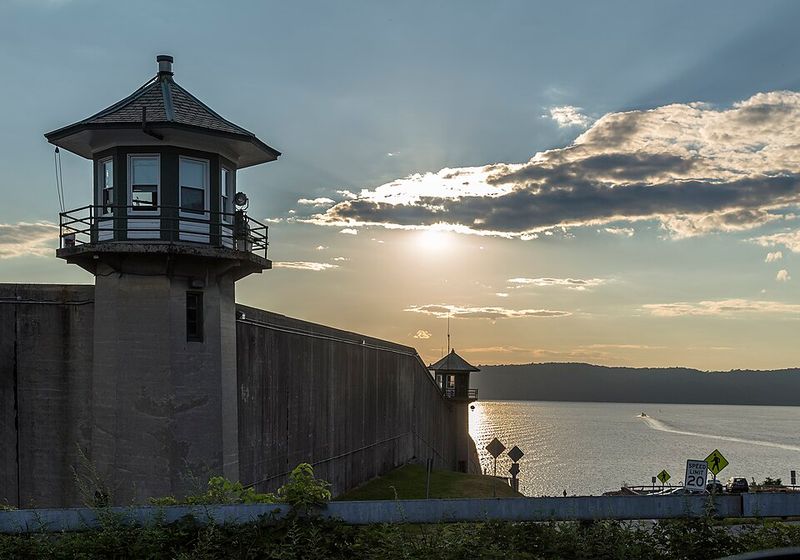
Some prison names become shorthand long before most people know the details. Sing Sing, established in 1826 in Ossining, New York, grew into one of the best-known American prisons through its size, location, and constant presence in newspapers and popular culture.
Built with inmate labor from local stone, it reflected early 19th-century confidence in regimented work and strict institutional order. Later, its association with the electric chair fixed Sing Sing in national memory, making it a symbol of the American penal system far beyond New York.
Yet its history is broader than one notorious feature. Sing Sing tracks major shifts in prison administration, labor practices, reform debates, and media fascination, showing how a single institution can become both a functioning facility and a durable cultural reference point for generations.
11. La Sabaneta (Venezuela)
When institutions lose control of daily life, the building itself stops explaining what is really happening. La Sabaneta, in Maracaibo, became known internationally as a prison where severe overcrowding and weak governance overshadowed formal rules.
Reports over many years described a facility shaped by shortages, improvised authority, and conditions that exposed deeper problems in Venezuela’s justice and detention systems. Rather than representing a single old-era model, La Sabaneta showed how modern prisons can still operate with fragmented supervision and limited state capacity.
Its historical significance comes from that institutional unraveling. If you want to understand how prison policy fails in real time, La Sabaneta offers a stark example of what happens when infrastructure, staffing, legal delays, and social inequality all push in the wrong direction at once.
12. Hỏa Lò Prison (Vietnam)
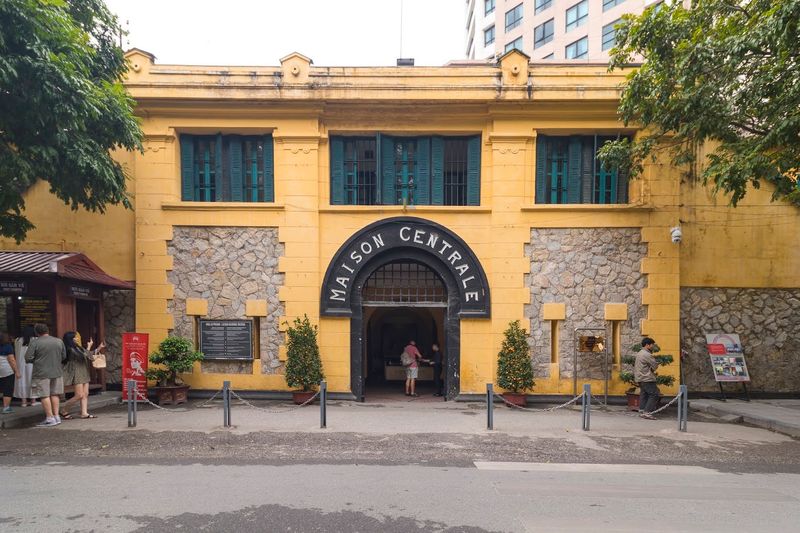
A single prison can carry two very different historical narratives without canceling either one. Hỏa Lò Prison in Hanoi was built by the French colonial administration in the late 19th century to hold Vietnamese political prisoners and others challenging colonial rule.
Decades later, during the Vietnam War, American prisoners of war were confined there, and the prison entered U.S. popular memory under the nickname Hanoi Hilton. That layered history makes Hỏa Lò unusually important, because it links colonial repression, anticolonial struggle, and Cold War propaganda in one place.
Today the museum presentation encourages visitors to consider those overlapping eras rather than flattening them into a single story. It is a reminder that prison history often changes with the flag, even when the cells, walls, and administrative habits remain stubbornly familiar.
13. Pentridge Prison (Australia)
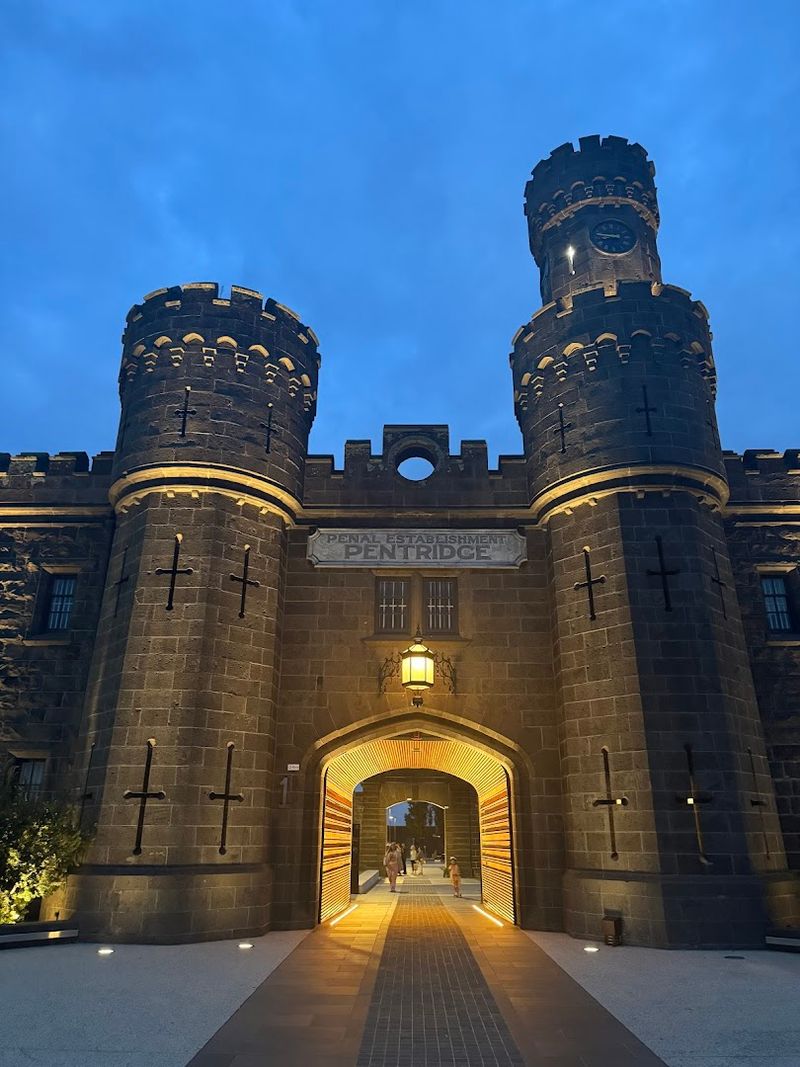
Bluestone walls gave this Melbourne prison a reputation that still lingers in Australian memory. Pentridge Prison, opened in 1851, became Victoria’s central prison and held a wide range of inmates across more than a century of operation.
Its history tracks changing attitudes toward classification, discipline, labor, and prison design, from 19th-century severity to later reform efforts. Because it housed several well-known offenders and remained active into the 1990s, Pentridge stayed visible in public discussion longer than many earlier penal sites.
That long lifespan makes it useful for understanding continuity and change inside Australian corrections. The prison has since been partly redeveloped, yet the surviving structures continue to prompt debate about heritage, memory, and how a city repurposes a place once built to enforce separation and control.
14. Andersonville Prison (USA)
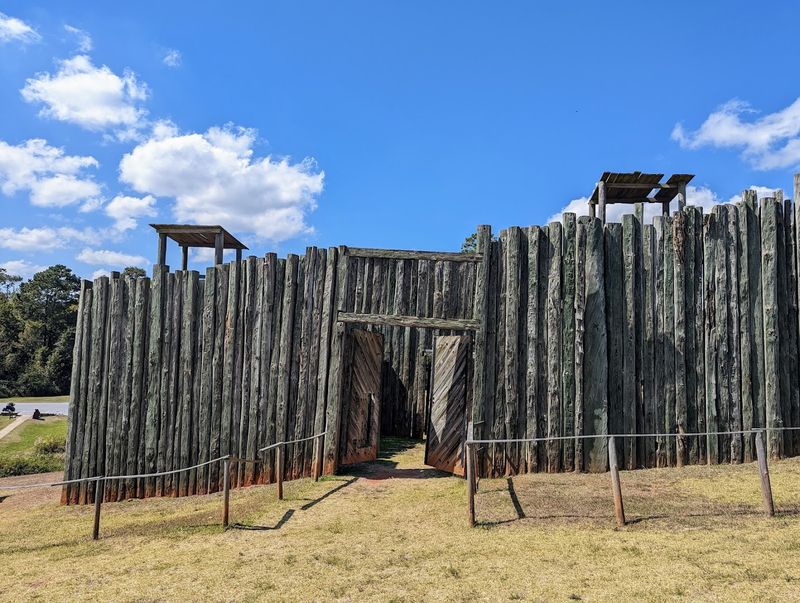
Open ground and rough barriers turned this place into one of the Civil War’s most studied prison camps. Andersonville, officially Camp Sumter, operated in Georgia in 1864 and held Union soldiers under severe wartime shortages.
Its notoriety came from overcrowding, limited shelter, weak sanitation, and the Confederacy’s failing supply system during the war’s late phase. Because conditions became such a major national issue, Andersonville entered public memory as a defining example of how military imprisonment can deteriorate when logistics, planning, and humane standards collapse together.
Today the historic site asks visitors to examine more than battlefield history. It pushes attention toward administration, infrastructure, and responsibility, showing that prison systems do not fail by accident alone but through decisions, priorities, and institutions stretched beyond what they were prepared to manage.
15. Diyarbakır Prison (Turkey)
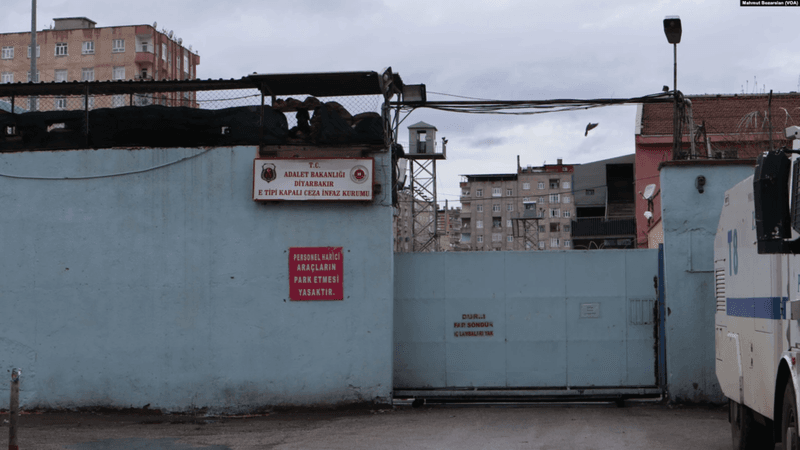
Some prisons become symbols because their reputations outgrow their physical footprint. Diyarbakır Prison, especially associated with the 1980s, is widely remembered as a site of harsh treatment during a period of military rule and intense political repression in Turkey.
Its significance is closely tied to Kurdish identity, state power, and the use of prisons as tools for ideological discipline. Former detainee testimonies and later public discussions turned the prison into a focal point for debates about memory, accountability, and human rights in modern Turkish history.
You cannot understand its place in public consciousness by architecture alone. Diyarbakır matters because it shows how confinement can become part of a wider campaign to regulate language, culture, and political expression, leaving a legacy that continues to shape civic discussion decades later.
16. Elmina Castle (Ghana)
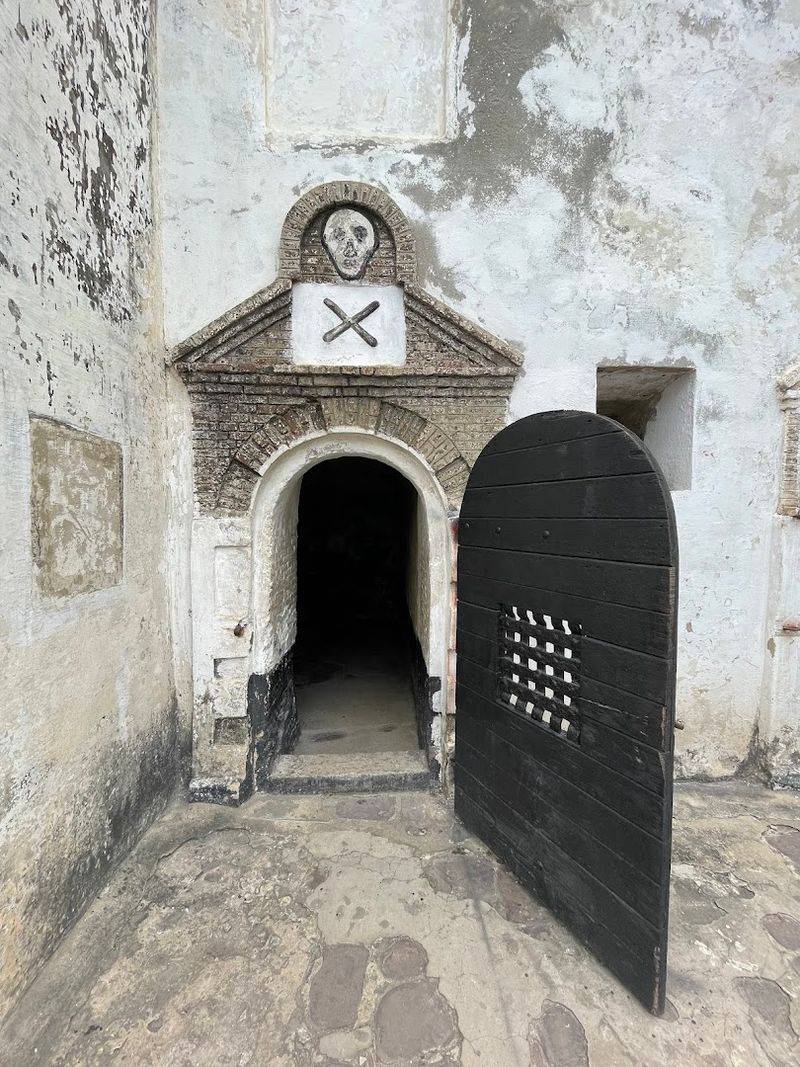
This fortress forces a difficult but necessary look at how imprisonment and commerce once worked together. Elmina Castle, built by the Portuguese in 1482 and later controlled by the Dutch and British, became a major hub in the transatlantic slave trade.
Its dungeons held captive Africans before forced transport across the Atlantic, linking the building directly to one of history’s largest systems of human exploitation. The castle therefore belongs in any discussion of confinement, even though its purpose differed from a standard criminal prison and operated within imperial trade networks.
Today, Elmina is a major heritage site where visitors confront the bureaucratic and architectural machinery of captivity. The castle’s endurance makes the history impossible to treat as abstract, reminding you that walls, records, and ports all played practical roles in sustaining global systems of coercion.
17. Black Dolphin Prison (Russia)
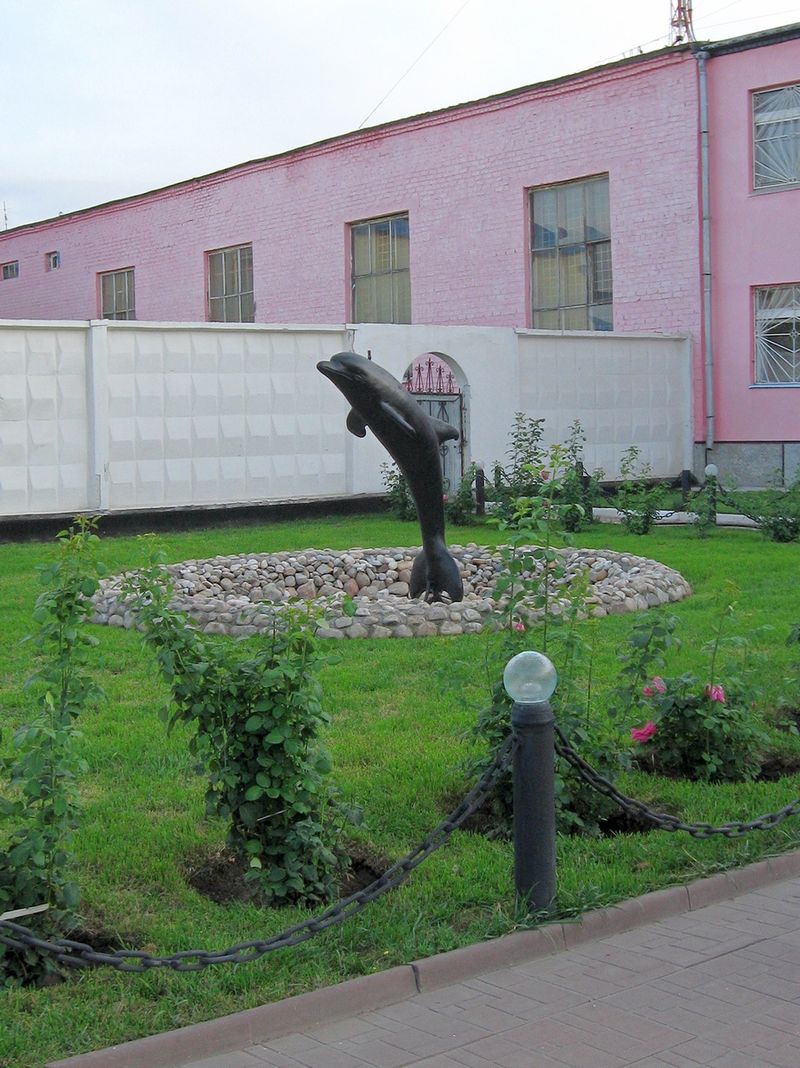
Even its nickname sounds like a branding department made a very strange choice. Black Dolphin Prison, a high-security penal colony in Russia near the Kazakhstan border, is known for housing inmates serving the country’s most severe sentences.
What keeps it in global headlines is not age alone but the regimented control associated with everyday life there. Reports describe strict movement procedures, close surveillance, and highly structured routines, reinforcing its image as one of the world’s most tightly managed prisons.
Historically, Black Dolphin belongs to the modern end of this list, where advanced security practices and public fascination converge. It shows how contemporary prison reputation is built not only through architecture or famous inmates, but through media narratives about total supervision, administrative precision, and the state’s capacity to regulate every motion.
18. San Pedro Prison (Bolivia)
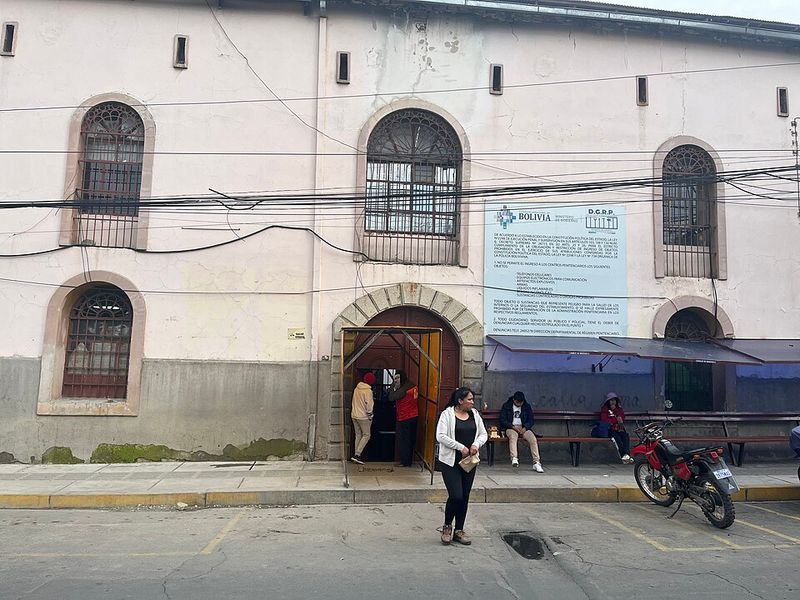
Prison history gets especially strange when inmates end up managing much of daily life themselves. San Pedro Prison in La Paz became widely known for an internal system where prisoners organized businesses, housing arrangements, and community structures with limited conventional oversight.
That unusual setup attracted journalists and fascinated outsiders because it blurred the line between confinement and a self-regulated neighborhood. Families could sometimes live inside, markets operated, and status often depended on money, making the prison a revealing case study in inequality reproduced within institutional walls.
San Pedro matters because it disrupts simple assumptions about what a prison looks like in practice. Rather than strict state order, its reputation grew from negotiated authority, informal economies, and social hierarchy, showing how confinement can produce unexpected systems when official management becomes partial or inconsistent.
Share this story