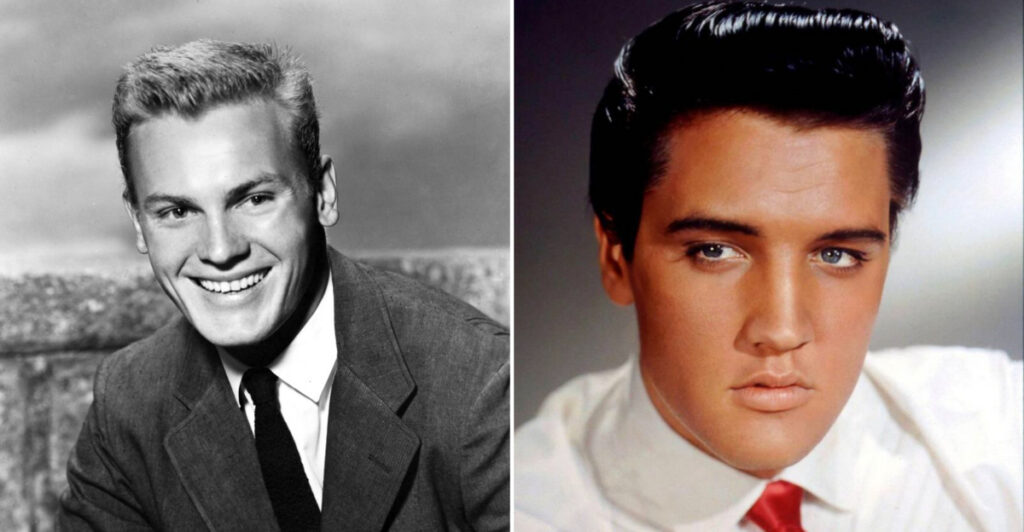
The 1950s did not just give us slick hair, jukeboxes, and irresistible hooks. It also left behind a stack of lyrics that sound a lot less harmless once you run them through a modern filter.
Some of these songs are catchy enough to stay in your head all day, but their messages can still make you pause, squint, and ask who approved that line. Keep reading, because these 12 classics show how fast pop culture can change when romance, gender roles, teenage drama, and old-school attitudes meet today’s standards.
1. “Wake Up Little Susie” by The Everly Brothers
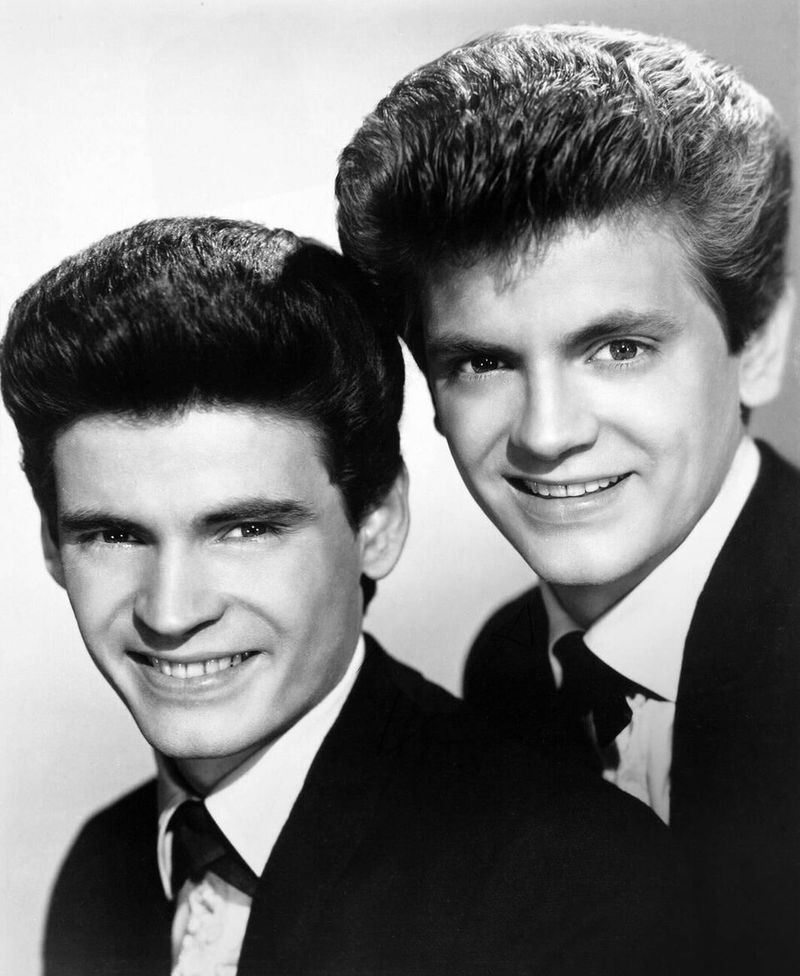
A nap at the movies should not cause a cultural firestorm, yet this song would absolutely get one. “Wake Up Little Susie” turns a simple situation into a panic over reputation, and today that premise would invite plenty of analysis about purity standards, social judgment, and public anxiety around appearances.
The Everly Brothers delivered it with charm, which helped soften the tension for earlier audiences. Modern listeners, though, would likely focus on the idea that a girl’s standing could be damaged by gossip alone, and the discussion would quickly shift from catchy harmonies to outdated expectations placed on young women.
Part of the song’s fascination is how much it reveals without saying very much directly. That old wink-and-nod storytelling once made it playful, but now it would probably be treated as a window into restrictive social rules that many listeners have little patience for, even when the melody remains undeniably lovable.
2. “Charlie Brown” by The Coasters
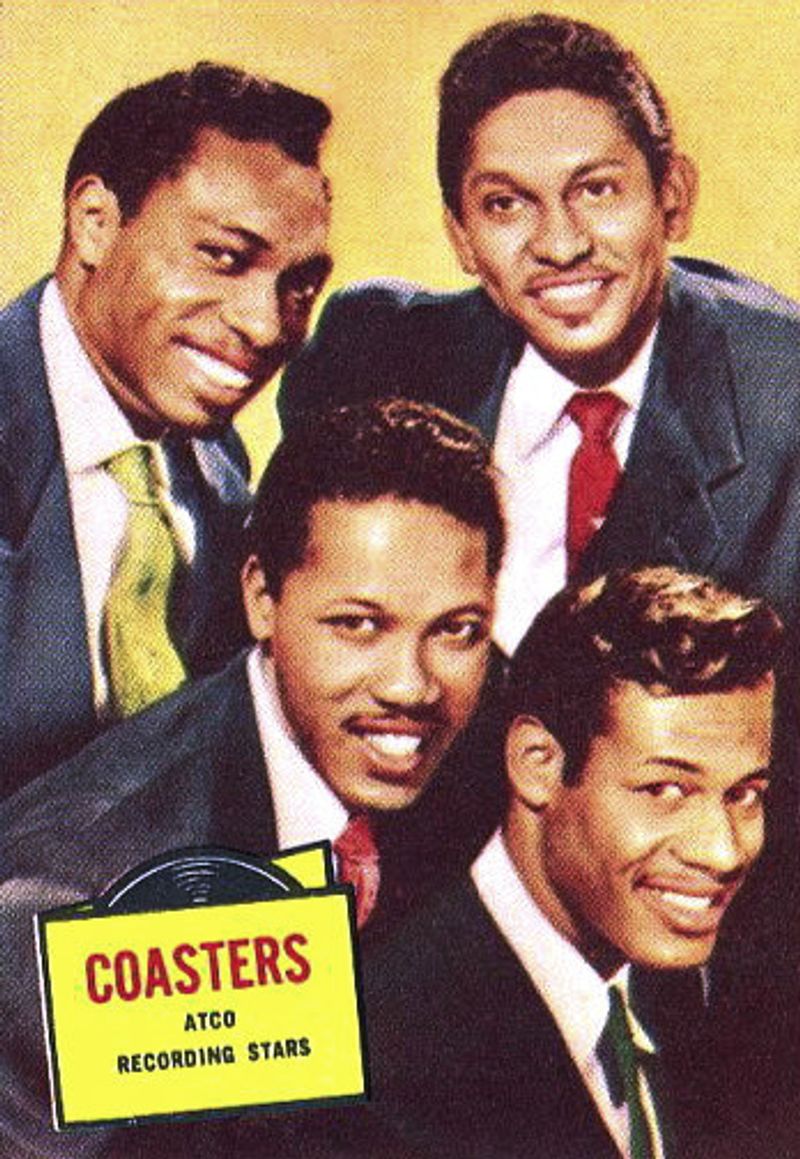
This classroom troublemaker would probably trend online before the first joke even landed. “Charlie Brown” treats the class clown as comedy material, and while the song is playful, today’s conversations about labeling kids, mocking behavior, and turning school struggles into punchlines would quickly complicate the fun.
The Coasters were masters of lively storytelling, so the record still moves with irresistible charm. A modern response, though, would likely ask whether the song laughs with the kid or at him, and that distinction matters much more now than it did when novelty records routinely mined school life for easy laughs.
Part of the song’s appeal is how sharply it sketches a familiar character in just a few lines. Yet released today, that same efficiency might work against it, because reducing a disruptive student to a lovable nuisance can feel outdated in a culture more likely to discuss behavior, attention, and classroom dynamics with greater care.
3. “Baby, Let’s Play House” by Elvis Presley

One lyric in this Elvis track lands like a brick the moment you hear it today. The song has swagger, rhythm, and early rock energy, yet that famous line about preferring a girl gone rather than with another man would trigger immediate criticism for possessiveness and implied menace.
Back in the 1950s, listeners often focused on Elvis’s voice and rebellious image more than the wording. Now, audiences tend to zoom in on relationship dynamics, and this song would likely be dissected across social media, podcasts, and opinion columns before the second chorus finished spinning.
That does not erase its place in rock history, but it certainly changes how you hear it. What once passed as dramatic devotion now reads more like control dressed up in a catchy beat, and modern listeners are far less willing to let a threatening lyric slide because the singer happens to be iconic.
4. “Fever” by Little Willie John / Peggy Lee
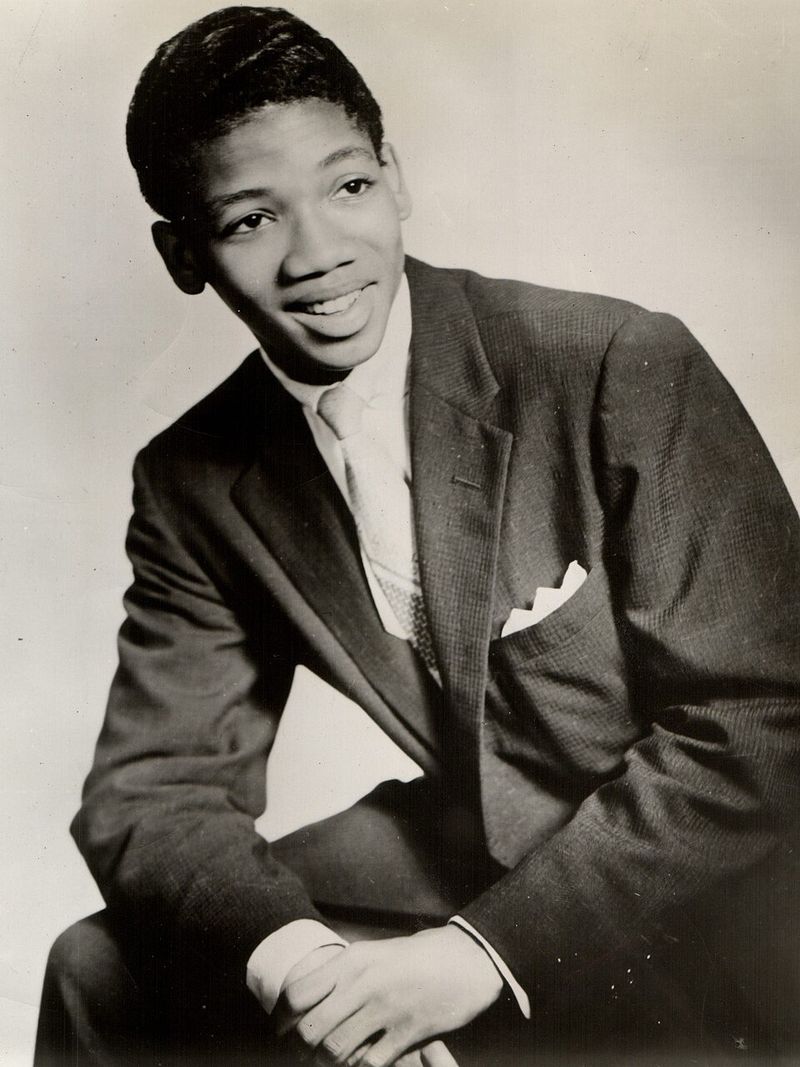
Few songs can cause raised eyebrows with such calm confidence, and “Fever” still knows exactly what it is doing. Its lyrics are suggestive, direct, and built around chemistry rather than innocence, which would spark debate today not because pop has never heard desire before, but because marketing context matters.
In the 1950s, this song pushed boundaries with remarkable efficiency. A modern release would likely prompt discussions about how sensual material is packaged, who gets labeled provocative, and why certain performances are praised as timeless while others are judged through a stricter cultural lens.
What keeps “Fever” interesting is that it never shouts to get attention. The song is controlled, stylish, and smart, yet that very restraint would probably fuel online arguments about intent, presentation, and the difference between artful seduction and calculated controversy, proving that subtlety can still stir a very public fuss.
5. “Young Love” by Tab Hunter

Sweet as a soda shop dessert, this song still raises modern questions almost immediately. “Young Love” presents teenage romance as innocent and pure, but today’s listeners are quicker to examine how pop music frames youth, vulnerability, and emotional intensity when very young people are at the center.
In its original era, the song fit neatly into a culture that celebrated puppy love with rosy confidence. Released now, it would probably inspire debates about how media packages adolescent relationships, how adults market those stories, and how quickly nostalgia can blur the difference between harmless charm and uncomfortable framing.
The tune itself is gentle, and that is exactly why the conversation would get interesting. Modern backlash would not come from anything blatantly shocking, but from the way the song idealizes youthful attachment without much distance, nuance, or reflection, which makes it feel less timeless than it first appears.
6. “Please Mr. Sun” by Johnnie Ray

Drama arrives early in this song, and modern listeners might greet it with a raised eyebrow. “Please Mr. Sun” turns heartbreak into a full plea to the skies, and while that theatrical style once fit neatly into pop ballad tradition, today some people would call it emotionally overwrought.
That does not make it a bad song, but it would probably inspire a surprising amount of commentary. Current audiences often expect break-up songs to show at least a little self-awareness, and this one leans so hard into despair that critics might label it manipulative, exaggerated, or too eager to romanticize suffering.
Even so, there is something fascinating about how sincerely it commits to its mood. If released now, the backlash would likely center less on scandal and more on tone, because the song treats personal disappointment like a public emergency, and modern pop culture can be oddly suspicious of emotions that refuse to lower the volume.
7. “Honey Hush” by Big Joe Turner
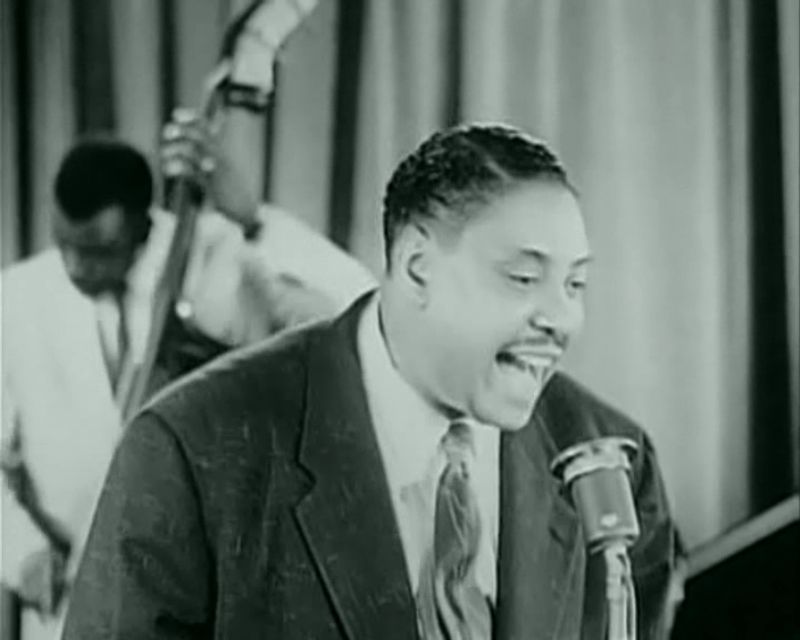
Authority takes the microphone fast in “Honey Hush,” and that is exactly where modern objections would begin. The song’s commanding tone toward a romantic partner reflects a style once common in blues and early rock, but now it would likely spark criticism over control, power, and gender expectations.
Big Joe Turner delivers the track with force and personality, which helps explain its lasting reputation. Still, current listeners often pay close attention to how desire and dominance are framed, and this song would probably be read as less playful banter and more a snapshot of relationship rules that no longer sit comfortably.
That shift in interpretation says as much about the present as it does about the past. What some earlier audiences heard as assertive swagger could now sound like a demand for silence and compliance, and in today’s climate, a catchy groove is unlikely to distract people for long from lyrics that seem to lean heavily on authority.
8. “A Teenager in Love” by Dion and the Belmonts

Teenage heartbreak has always sold records, but this one might meet more skepticism now than sympathy. “A Teenager in Love” presents young romance as a cycle of emotional highs and lows that feel enormous, and modern audiences might question how neatly it frames instability as a normal part of love.
The song is catchy, sincere, and easy to understand, which is exactly why it would spark conversation. Released today, critics might argue that it encourages emotional dependence or treats dramatic swings as proof of genuine feeling, a message that clashes with current ideas about healthier relationships and better communication.
None of that erases its cultural place as a teen-pop classic. Still, the lyrics lean so fully into helpless longing that they would almost certainly invite think pieces, reaction videos, and plenty of comments from listeners asking why romance always has to sound like a personal crisis when growing up is already complicated enough.
9. “Yakety Yak” by The Coasters
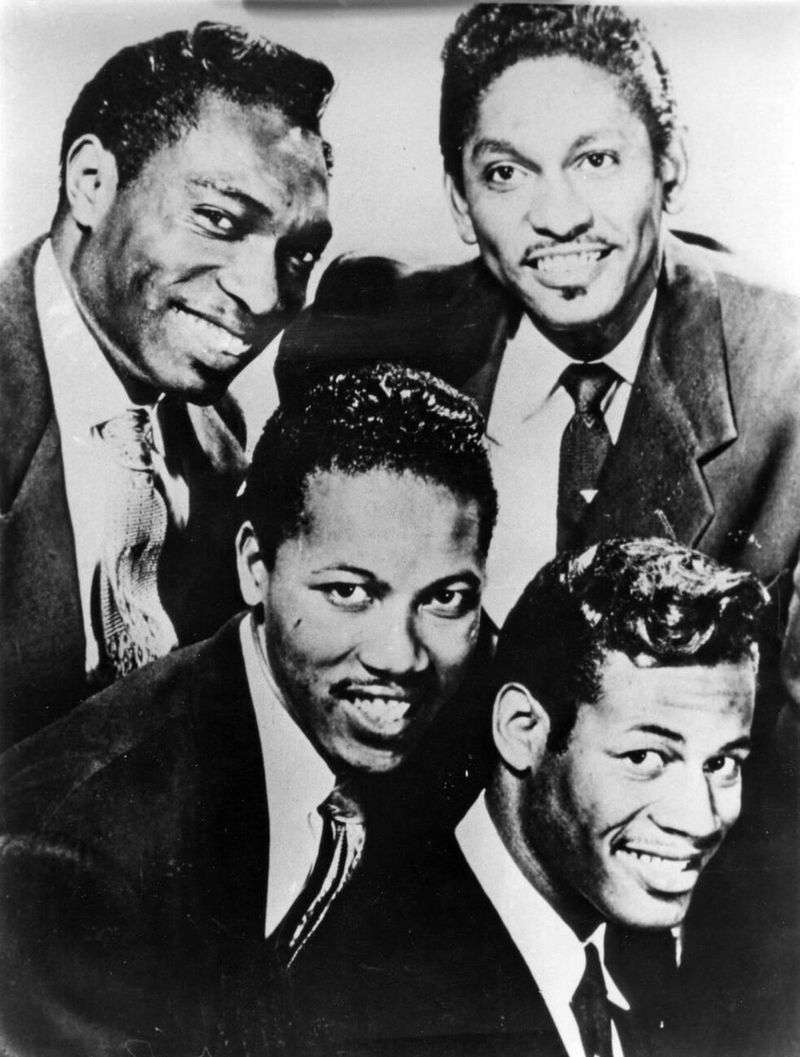
Household chores have rarely sounded this catchy, and that is precisely why the song still sticks around. “Yakety Yak” turns parent-teen conflict into a joke, but if it arrived today, many listeners would dig past the humor and ask what it says about authority, communication, and dismissing younger voices.
The Coasters built the song for laughs, and it remains genuinely entertaining. Yet modern audiences are often less willing to shrug off family tension as comic background noise, especially when popular culture has become more interested in emotional labor, mutual respect, and the messy details behind generational arguments.
That would not stop people from enjoying the saxophone and the sharp delivery. It would, however, change the conversation around the song, because what once sounded like harmless backtalk now risks feeling like a simplified cartoon of family life, complete with eye-rolling stereotypes and very little room for anyone to actually listen.
10. “Good Golly, Miss Molly” by Little Richard
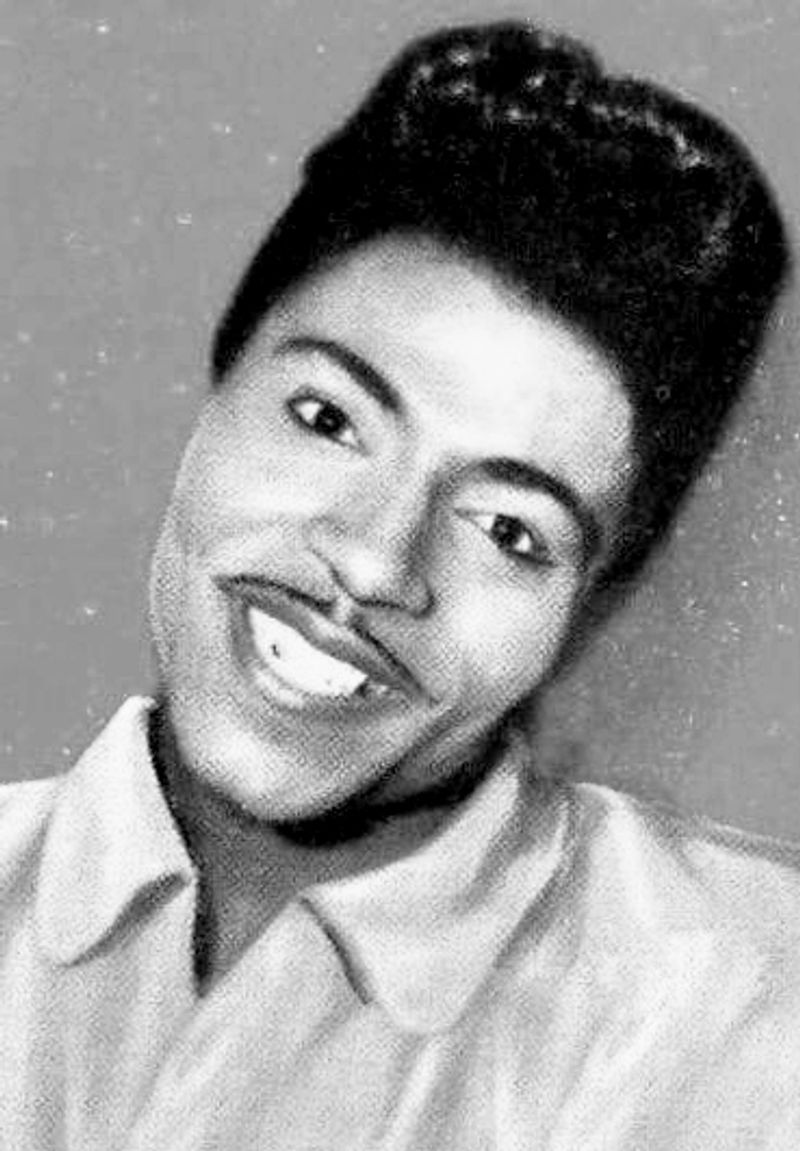
This song bursts through the door with enough energy to start a debate before the chorus settles in. “Good Golly, Miss Molly” celebrates youthful abandon in a way that would still thrill plenty of listeners, but it would also invite criticism about how pop music glamorizes impulsive behavior.
Little Richard’s charisma gives the track its unstoppable charge, and that performance remains a huge part of its appeal. In a modern release cycle, though, the conversation would likely move beyond the piano and into bigger questions about influence, responsibility, and why songs about rule-breaking are praised as fun until adults decide they are too effective.
That tension has followed youth music for decades, so this song would hardly be alone. Still, its breathless celebration of going wild would make it prime material for reaction clips and worried commentary, proving that a record can be joyful, historic, and perfectly capable of setting off a fresh round of cultural hand-wringing.
11. “Don’t Be Cruel” by Elvis Presley
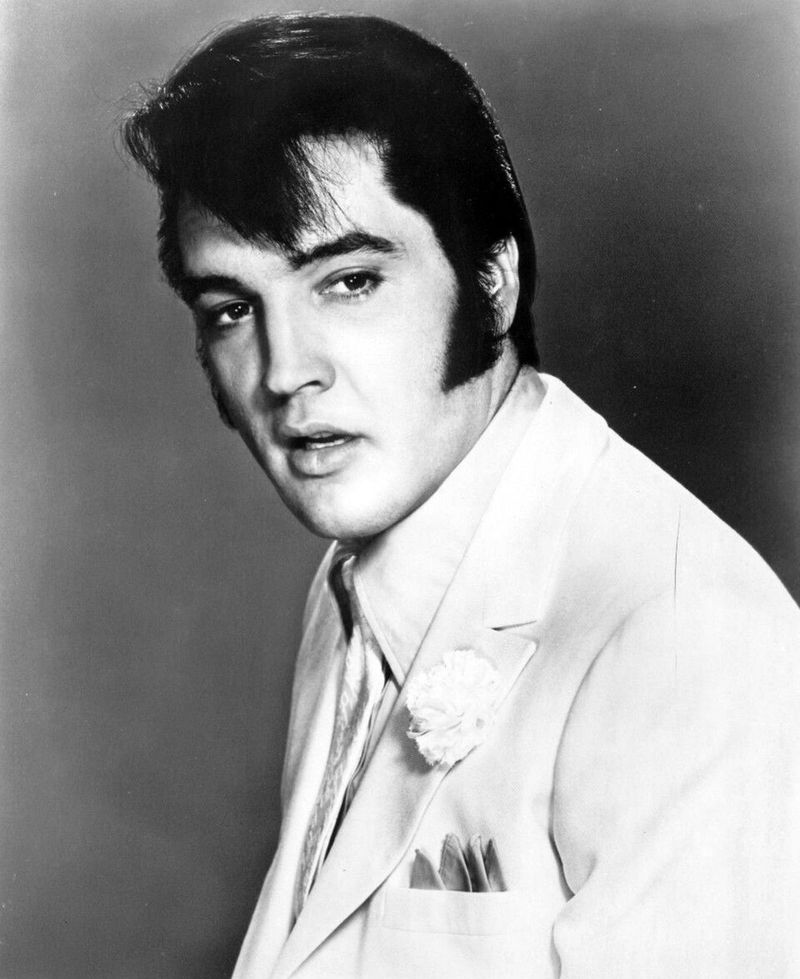
Polite wording can hide a lot, and this Elvis hit is a perfect example of that trick. “Don’t Be Cruel” sounds gentle on first listen, but modern audiences might hear a song that pushes for reassurance and loyalty in a way that edges toward emotional pressure rather than balanced communication.
That shift matters because contemporary listeners often examine not just what a singer asks for, but how he asks for it. Released now, the song would probably trigger debates about neediness, guilt, and the blurry line between romantic vulnerability and subtly making another person responsible for your emotional stability.
Of course, Elvis sells every phrase with effortless charm, which is part of why the record became so huge. Yet charm does not cancel interpretation, and today’s conversations about relationships are far more alert to imbalance, making this classic feel less like a simple plea for kindness and more like a useful case study in persuasive pop romance.
12. “Earth Angel” by The Penguins
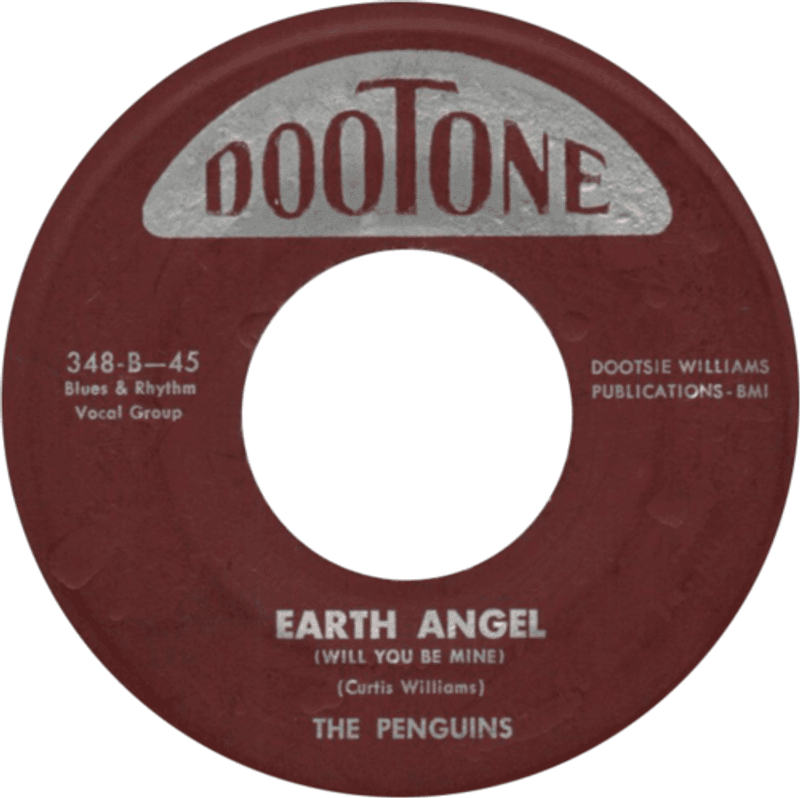
This beloved ballad floats in on pure devotion, but modern ears might hear a different story underneath. “Earth Angel” places its love interest on a pedestal so high that the romance can feel less like connection and more like worship, which often raises red flags in today’s relationship conversations.
The song remains beautiful in its simplicity, and that sincerity is part of why it has endured. If it debuted now, though, some listeners would likely question the idealization at its center, asking whether calling someone your everything is sweet, unrealistic, or quietly encouraging a lopsided kind of attachment.
That does not make the record any less important to the history of doo-wop. It simply means the language of romance has shifted, and songs built on absolute devotion tend to receive more scrutiny than they once did, especially when the beloved person becomes less of a partner and more of a perfect figure placed above ordinary human complexity.
Share this story