Breathing should be the easiest thing in the world, but for millions of people, every inhale comes with a hidden cost. Air pollution is one of the biggest health threats on the planet, causing lung disease, heart problems, and even early death.
Some cities are so choked with smog and toxic particles that the air itself becomes dangerous. From South Asia to Eastern Europe, these 15 cities are fighting some of the worst air quality on Earth.
1. Loni, India
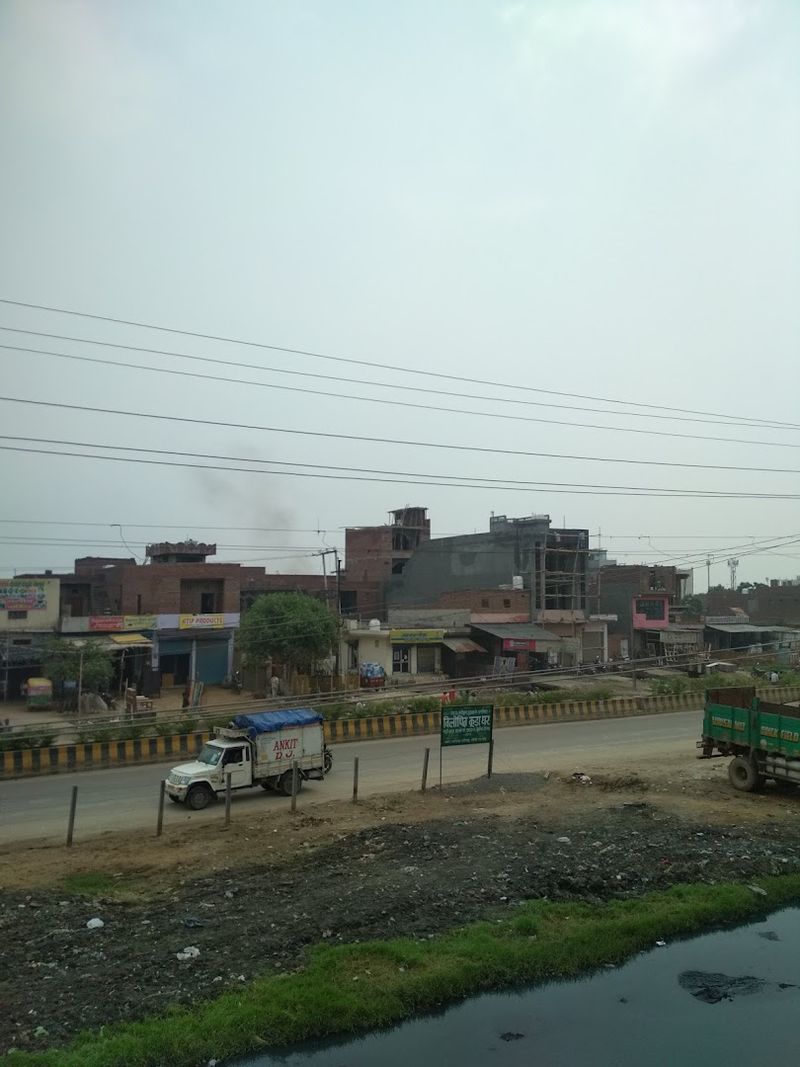
Step outside in Loni on a winter morning and the air hits you like a wall of smoke. This city, wedged right next to Delhi, holds the grim title of the most polluted city on the planet based on PM2.5 levels.
That is not a record anyone wants.
PM2.5 refers to tiny particles smaller than a human hair that float deep into your lungs. In Loni, these levels can soar to 20 times what the World Health Organization considers safe.
Factories pump out fumes, construction sites kick up dust clouds, and bumper-to-bumper traffic adds another toxic layer to every breath.
Residents here deal with coughing, wheezing, and eye irritation as part of daily life. Children are especially at risk because their lungs are still developing.
Long-term exposure raises the chances of asthma, bronchitis, and heart disease significantly.
Local activists and health workers have been pushing for stricter industrial regulations and cleaner fuel standards. Change is slow, but awareness is growing.
Loni’s situation serves as a loud, smoky warning sign for cities across northern India and the wider world.
2. Byrnihat, India
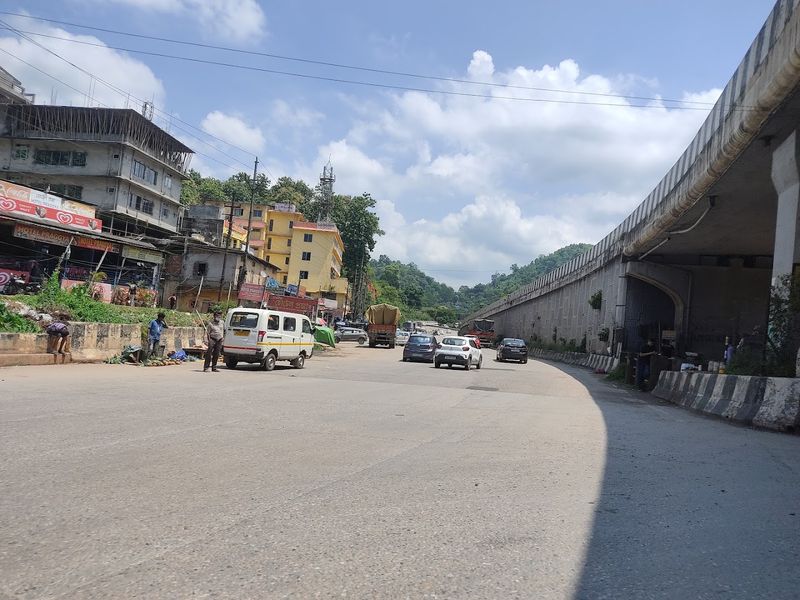
Most people have never heard of Byrnihat, but air quality scientists absolutely have. Tucked in northeastern India near the Assam-Meghalaya border, this small industrial town punches way above its weight when it comes to air pollution rankings.
Brick kilns are the biggest culprits here. These traditional kilns burn coal and biomass at high temperatures, releasing massive amounts of particulate matter and sulfur dioxide.
Add in cement factories and limited environmental oversight, and you have a recipe for dangerously toxic air.
What makes Byrnihat shocking is its size. This is not a sprawling megacity with millions of cars.
It is a relatively small town, yet its pollution levels rival or even beat major urban centers. That tells you just how powerful industrial emissions can be even in compact areas.
Residents report persistent respiratory problems, and local health clinics see a steady stream of patients with breathing-related complaints. Environmental groups have called for cleaner kiln technologies and stricter factory regulations.
Some progress has been made, but the air remains far from safe. Byrnihat is proof that pollution does not need a big city to cause big damage.
3. Delhi, India
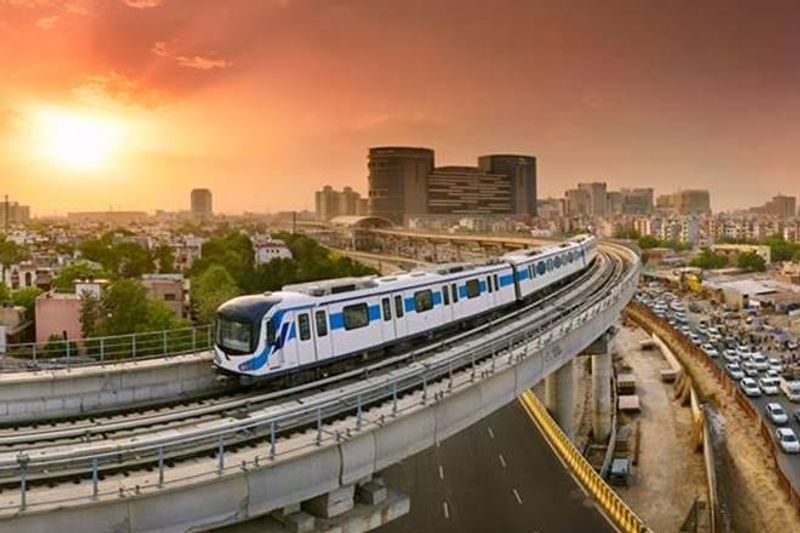
Every winter, Delhi disappears. Not literally, but the smog gets so thick that landmarks vanish, flights get delayed, and schools sometimes shut down entirely.
Delhi is consistently ranked the most polluted capital city on Earth, and life there during peak pollution season feels like living inside a cloud of exhaust.
Three major forces drive Delhi’s toxic air: vehicle emissions from millions of cars and trucks, construction dust from non-stop building projects, and smoke from farmers burning crop stubble in neighboring states. When cold winter air traps all these pollutants close to the ground, the result is a suffocating smog blanket.
The health consequences are staggering. Studies estimate that air pollution cuts years off the average Delhi resident’s life.
Hospitals fill up with respiratory patients every November and December. Children, elderly people, and those with existing conditions suffer the most.
The government has tried odd-even vehicle schemes, construction bans, and anti-burning drives to fight back. Some measures have helped a little, but the scale of the problem makes quick fixes impossible.
Delhi’s air quality crisis is one of the most urgent public health emergencies in the world right now, and solving it will take serious, long-term effort.
4. Lahore, Pakistan
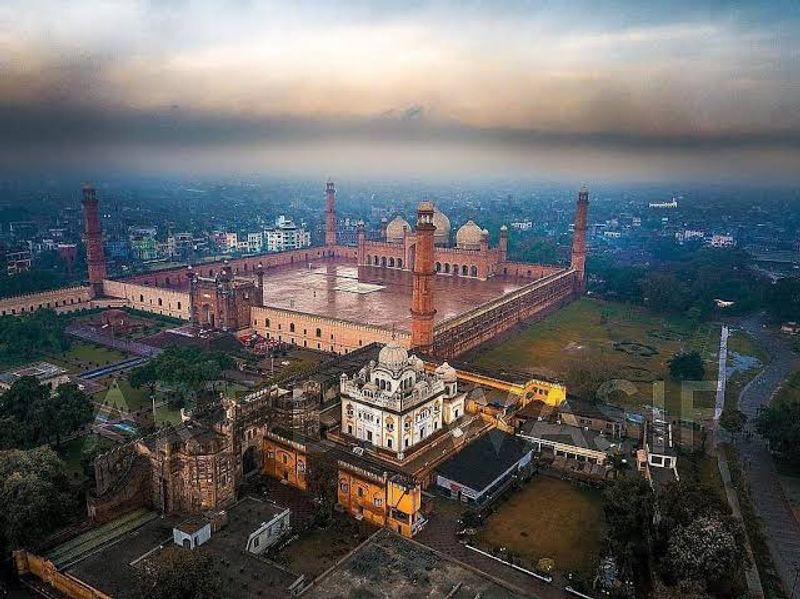
Lahore used to be famous for its Mughal architecture, its food, and its vibrant culture. These days, it is also famous for something far less appealing: some of the worst air quality ever recorded in any city on Earth.
During winter months, Lahore’s AQI readings regularly hit levels described as hazardous.
The pollution cocktail here is a mix of industrial emissions from factories on the city’s outskirts, exhaust from an enormous and growing vehicle fleet, and smoke drifting in from crop burning in nearby Punjab fields. Cold, still air during winter traps everything close to the ground, turning the city into a grey, choking haze.
Brick kilns operating around the city add another serious layer of particulate pollution. Many of these kilns use outdated technology and low-quality fuel, producing enormous amounts of black smoke with minimal regulation.
Citizens have started wearing masks outdoors, air purifiers have become common household items, and social media fills with photos of the eerie, smog-shrouded skyline. Pakistan’s government has launched smog action plans and attempted crackdowns on polluters, but enforcement remains a challenge.
Lahore’s air quality crisis is a growing public health emergency that demands urgent, coordinated action across multiple sectors.
5. Dhaka, Bangladesh
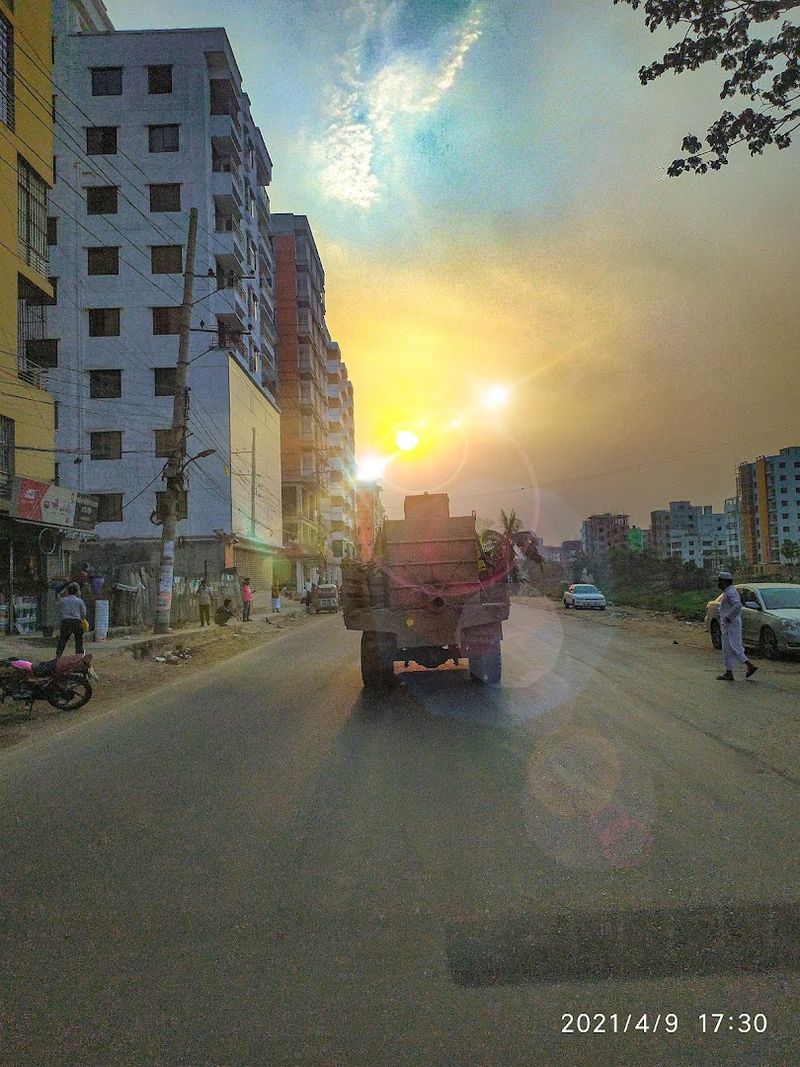
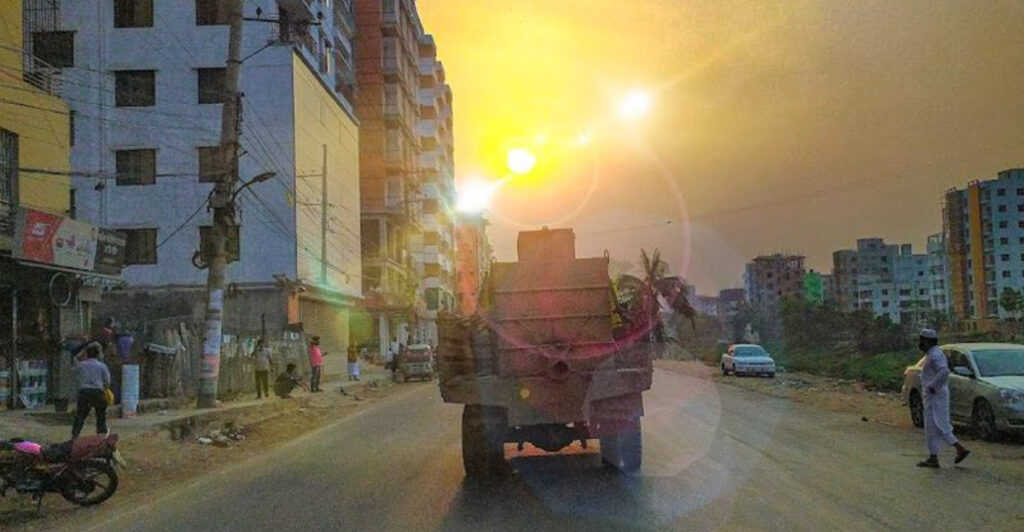
Dhaka is one of the most densely packed cities on the planet, and that density comes with serious consequences for air quality. Over 20 million people are crammed into a relatively small area, all generating traffic, waste, and industrial activity that pumps pollutants into the air around the clock.
Brick kilns surrounding Dhaka are a massive source of pollution. Bangladesh has thousands of them, many using coal or wood and operating without modern emission controls.
During the dry season from October to March, pollution levels spike dramatically as winds die down and smoke lingers.
Construction is everywhere in Dhaka as the city rapidly expands to accommodate its growing population. Dust from building sites mixes with vehicle exhaust and kiln smoke to create a persistent, unhealthy haze.
Rickshaws, buses, and old trucks with poorly maintained engines add to the daily toxic load.
The health burden falls hardest on the city’s poorest residents, who often live closest to pollution sources and cannot afford air purifiers or healthcare. Bangladeshi authorities have been working on transitioning brick kilns to cleaner technologies and tightening vehicle emission standards.
Progress is happening, but Dhaka’s air remains a serious concern for millions of people every single day.
6. Kolkata, India
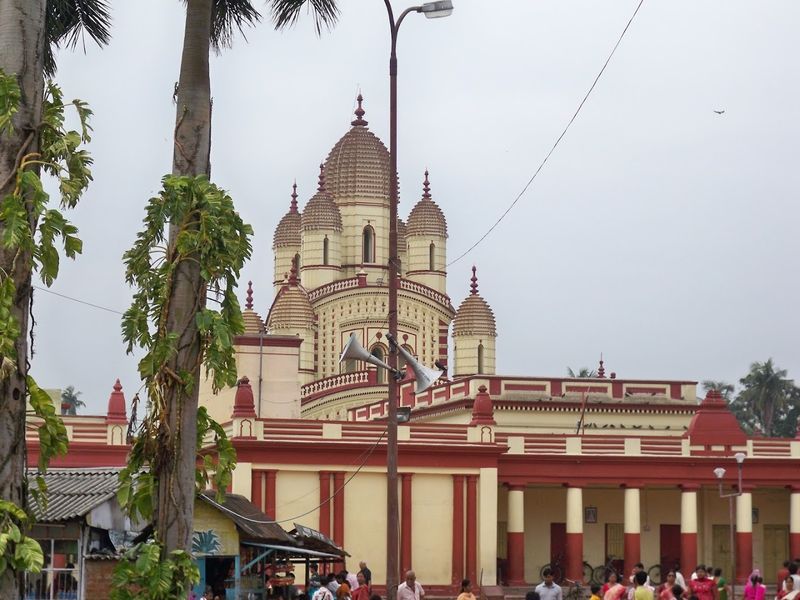
Kolkata carries a certain old-world charm, with its trams, colonial buildings, and bustling markets. But behind that romantic image lies a persistent air quality problem that affects millions of residents every day.
PM2.5 concentrations in Kolkata regularly exceed safe limits by a wide margin.
The city’s traffic is legendary for its chaos. Old diesel buses, auto-rickshaws, and millions of private vehicles all contribute heavily to roadside pollution.
Unlike newer cities with modern infrastructure, Kolkata has aging roads and traffic systems that create constant congestion, meaning engines idle and emit fumes for hours.
Industrial activity around the city adds another dimension to the problem. Factories producing steel, chemicals, and consumer goods release pollutants that drift into residential neighborhoods.
Dense population means there is little open space to dilute the dirty air.
Seasonal factors also play a role. During winter, temperature inversions trap pollution close to the ground, creating thick smog events that reduce visibility and spike hospital admissions.
Festivals involving large-scale fireworks, such as Diwali, cause short but extreme pollution spikes. Environmental advocates in Kolkata have been pushing hard for electric vehicle adoption and cleaner industrial practices.
The city has potential to improve, but meaningful change requires sustained political will and public pressure.
7. Hanoi, Vietnam
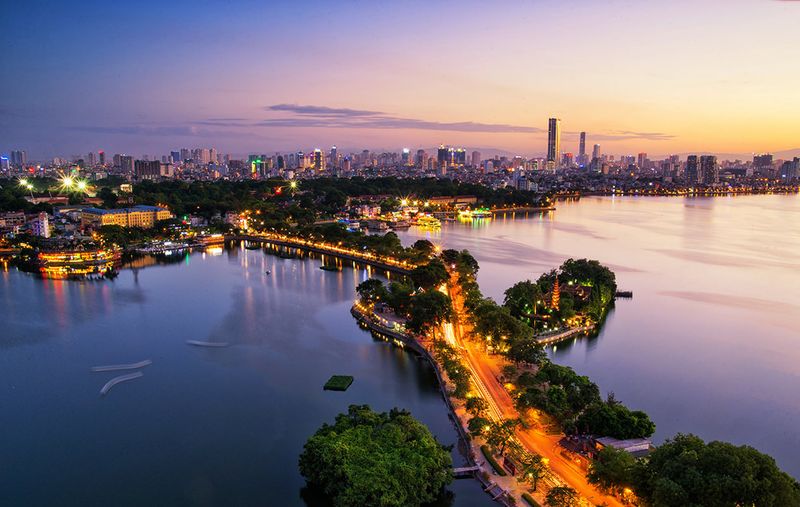
Hanoi moves fast. Millions of motorbikes weave through its streets every day, creating a constant, buzzing river of traffic that never seems to stop.
That same energy that makes the city so exciting is also one of the main reasons its air quality has been declining sharply.
Vietnam’s rapid economic growth over the past two decades has brought factories, construction projects, and a booming middle class eager for cars and motorbikes. Hanoi sits in a valley-like geography that can trap pollutants during certain weather conditions, making bad air days even worse.
PM2.5 levels frequently exceed WHO guidelines by several times.
Industrial zones on the city’s outskirts contribute significant emissions, and coal-fired power plants in the wider region add to the regional air pollution load. Seasonal burning of rice straw by farmers in surrounding areas sends additional smoke drifting into the city.
Young Hanoians have started wearing masks not just for COVID protection but as a permanent response to daily smog. Air quality apps are popular, with people checking pollution levels before heading outside.
Vietnam’s government has been investing in public transport and pushing for stricter emission standards. Hanoi has a long road ahead, but its people are increasingly aware and increasingly vocal about demanding cleaner air.
8. Phnom Penh, Cambodia
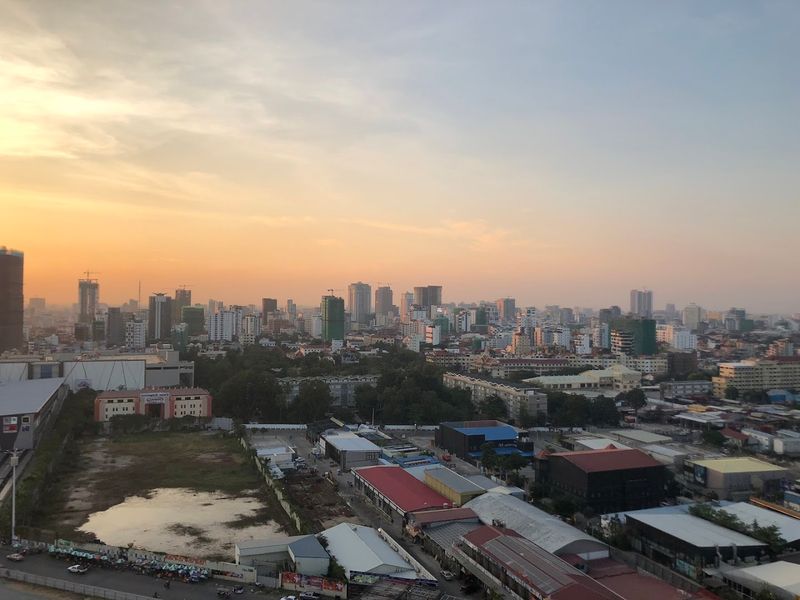
Real-time air quality monitors around the world sometimes flash Phnom Penh at the very top of global AQI rankings, and that is not a coincidence. Cambodia’s capital has been experiencing a rapid and somewhat chaotic urbanization, and the environment is paying the price.
Traffic is the number one driver of Phnom Penh’s pollution. The city has seen explosive growth in motorbikes and cars, with road infrastructure struggling to keep pace.
Tuk-tuks, trucks, and old buses running on low-quality fuel pump out exhaust fumes in dense, congested streets. There are few emissions regulations and even fewer enforcement mechanisms.
Dry season conditions between November and April make things significantly worse. Without rain to wash pollutants from the air, particulate matter accumulates over days and weeks.
Open burning of waste, a common practice in both urban and peri-urban areas, adds another toxic layer.
Residents, especially those working outdoors like street vendors and tuk-tuk drivers, face daily exposure to harmful air. Health awareness is growing among the city’s younger population, and environmental NGOs are working to push cleaner transport policies.
Cambodia’s government has started acknowledging the issue more openly in recent years. Still, meaningful air quality improvement in Phnom Penh will require significant investment and regulatory commitment moving forward.
9. Chiang Mai, Thailand
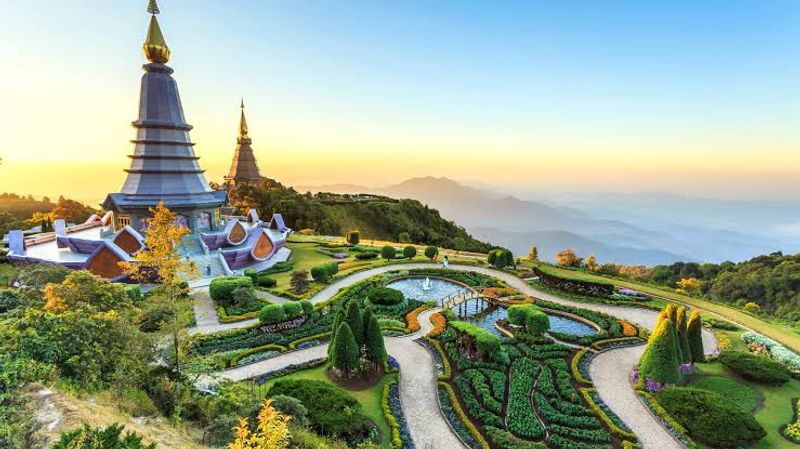
For a few months every year, Chiang Mai transforms from a charming mountain city into one of the most polluted places on Earth. It is a dramatic and alarming seasonal shift that locals call the burning season, and it turns the air a disturbing shade of orange-grey.
Agricultural burning is the main cause. Farmers in northern Thailand and neighboring Myanmar and Laos set fire to fields and forests to clear land between February and April.
The smoke drifts into Chiang Mai’s valley and gets trapped by surrounding mountains, creating a suffocating smog that can last for weeks at a time.
During peak burning season, AQI readings in Chiang Mai can climb into the hazardous range, far beyond what is safe for anyone to breathe. Hospitals report sharp increases in respiratory cases.
Tourists cancel trips. Residents who can afford to leave the city often do, temporarily relocating until the smoke clears.
Local and national governments have tried burning bans and fire patrol programs, but enforcement across borders is extremely difficult. Climate change is also making dry seasons longer and fires more intense.
Some tourism businesses have started lobbying heavily for solutions because the pollution is genuinely hurting Chiang Mai’s reputation and economy. The city deserves cleaner skies year-round.
10. Cairo, Egypt
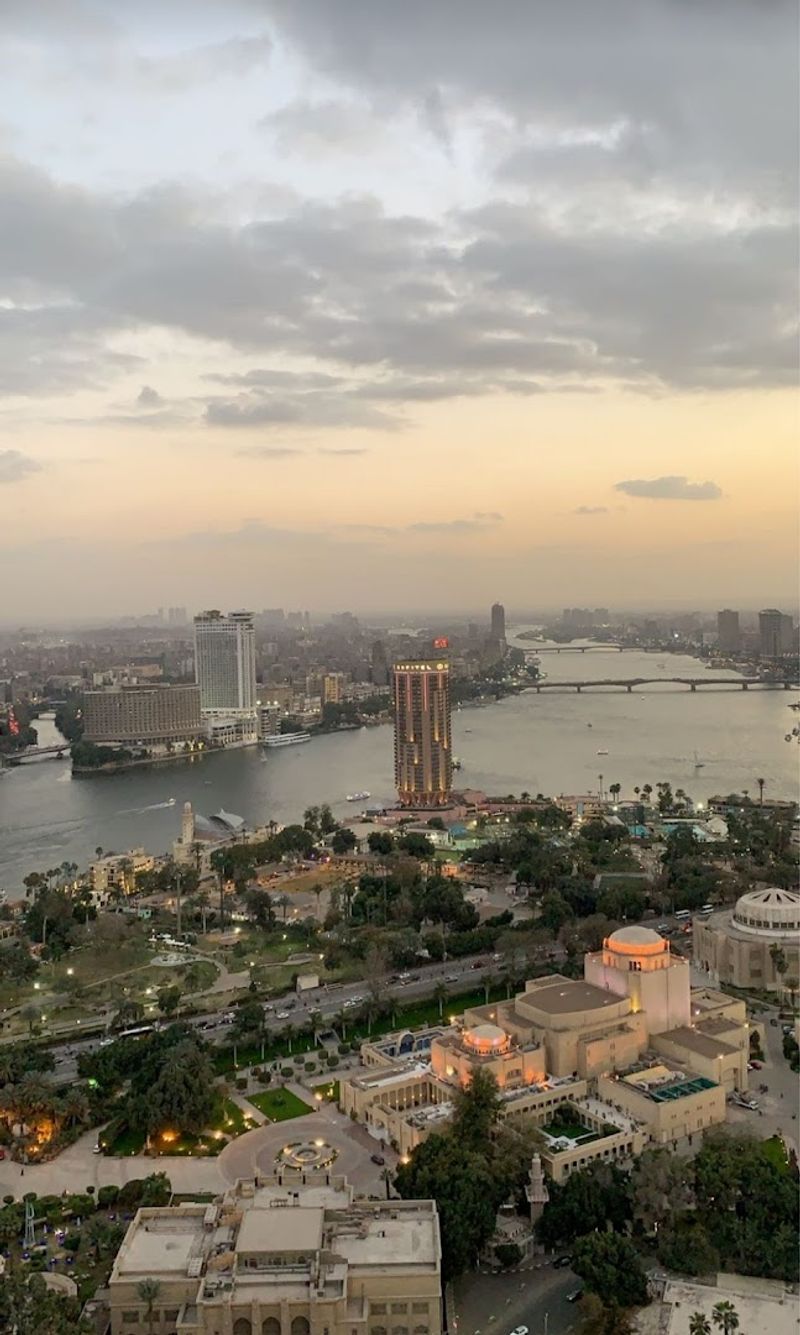
Cairo is ancient, massive, and absolutely relentless. With over 20 million people, it is one of the largest cities in Africa and the Middle East, and its sheer scale creates an air quality challenge that is genuinely hard to solve.
A brownish haze hangs over the city on most days, visible even from the surrounding desert hills.
Traffic is enormous and largely diesel-powered. Cairo’s road network was not built for the number of vehicles it now carries, so congestion is a daily reality.
Idling engines and old, poorly maintained vehicles release significant amounts of nitrogen oxides, carbon monoxide, and fine particles into the air.
Industrial zones within and around the city add factory emissions to the mix. Desert dust from the Sahara also contributes naturally occurring particulate matter, which combines with man-made pollutants to create a particularly stubborn haze.
Seasonal dust storms can make air quality dramatically worse for short periods.
Waste burning is another serious issue. In some parts of the city, garbage is still burned in open areas, releasing toxic smoke.
Egypt has been working on expanding its metro system and upgrading vehicle emission standards. Progress is visible in some areas, but Cairo’s combination of population size, traffic, industry, and geography makes improving air quality a generational challenge.
11. Yangon, Myanmar
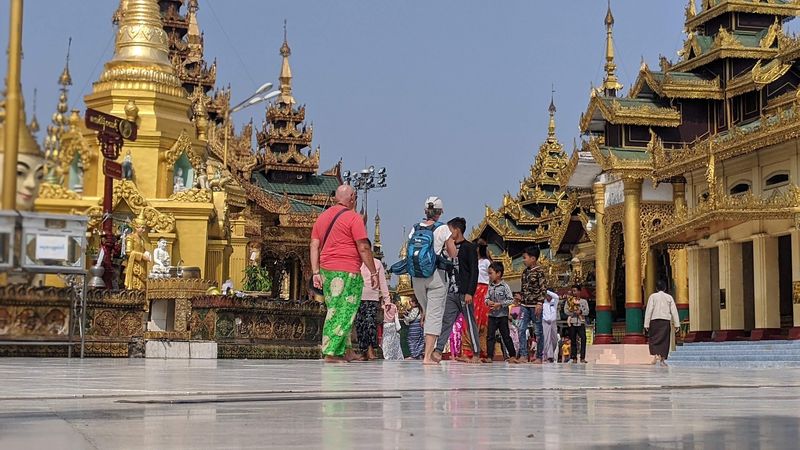
Yangon is a city caught between eras. Colonial-era buildings stand next to glass towers, old buses chug alongside newer SUVs, and the pace of change is dizzying.
That rapid transformation has brought economic opportunity, but it has also brought a serious and worsening air quality problem.
Vehicle emissions are the primary driver of Yangon’s pollution. The city’s vehicle fleet has grown enormously over the past decade, and much of it consists of older, imported cars running on low-quality fuel.
Emission standards are weak and enforcement is minimal, meaning the streets pump out pollutants virtually unchecked every day.
Construction is booming across Yangon, with new buildings, roads, and infrastructure projects generating clouds of dust that mix with exhaust fumes. Industrial areas on the city’s edges contribute factory emissions that drift inward with shifting winds.
Open burning of waste remains common in many neighborhoods.
Residents have noticed the change. People who have lived in Yangon for decades describe the air as noticeably worse than it was just ten years ago.
Respiratory illness rates are climbing, and awareness of air quality as a public health issue is slowly growing. Myanmar faces significant political and economic challenges that make environmental reform difficult, but Yangon’s air quality needs urgent attention before the problem becomes even harder to reverse.
12. Kathmandu, Nepal
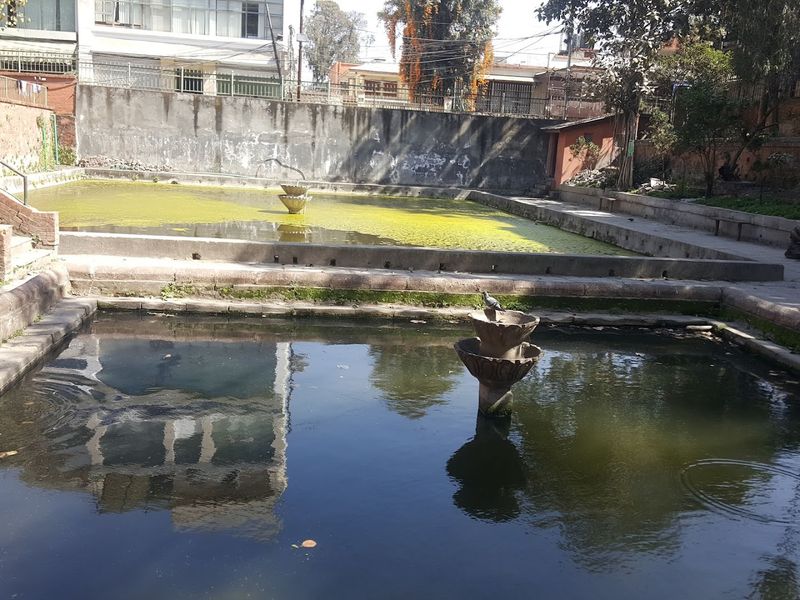
Kathmandu sits in a bowl. That geographical fact might sound harmless, but it has serious consequences for air quality.
The surrounding hills trap pollution inside the valley, preventing it from dispersing naturally. On calm days with no wind, the smog builds up until the city looks like it is sitting at the bottom of a grey soup bowl.
Vehicle emissions are the biggest contributor. Kathmandu’s roads are packed with old motorcycles, three-wheelers, and diesel buses that fail any modern emission test.
The narrow streets were built for a much smaller city and were never designed to handle today’s traffic volumes. Congestion is constant, and idling engines pour pollutants into the tight urban air.
Road dust is a massive problem too. Many of Kathmandu’s streets are unpaved or poorly maintained, and dry conditions turn them into dust generators.
That dust gets mixed into the air and contributes significantly to PM2.5 and PM10 readings. Brick kilns on the valley’s outskirts add industrial emissions on top of everything else.
Nepal has been making efforts to electrify its public transport system, with electric buses and e-rickshaws becoming more common. Hydropower is abundant in Nepal, making the switch to electric vehicles logical and increasingly affordable.
Progress is real, but Kathmandu still has a long journey ahead before its mountain views are no longer obscured by smog.
13. Beijing, China
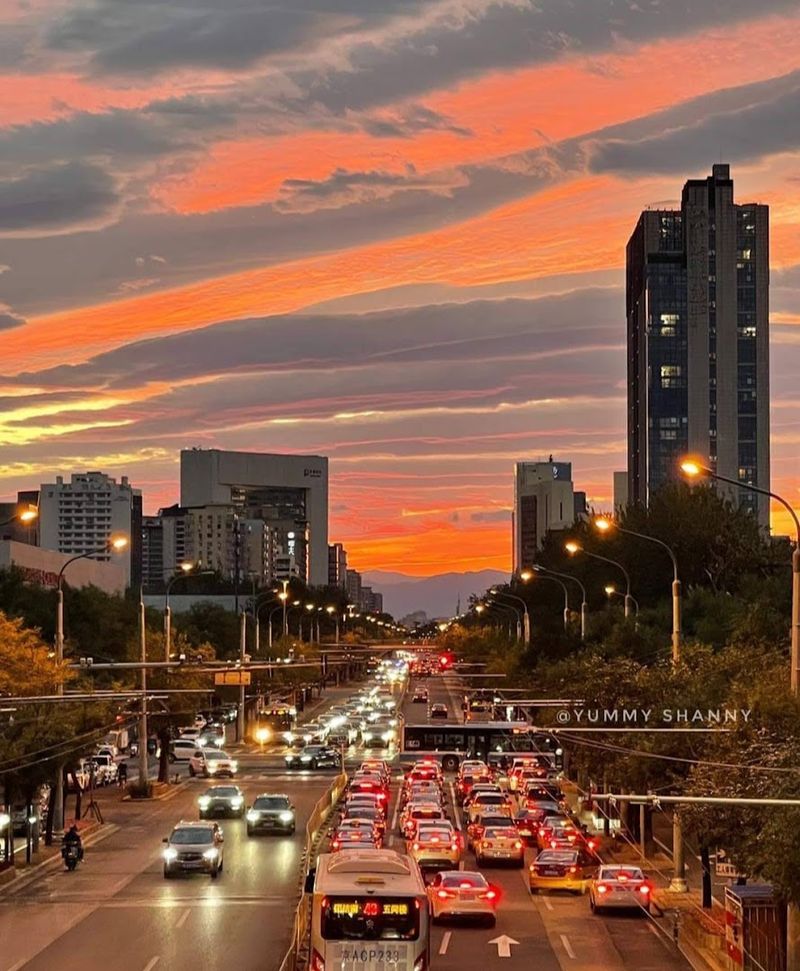
Beijing’s pollution story has two chapters. For years, it was the go-to global symbol of catastrophic urban smog, with images of residents in masks navigating streets so hazy that buildings a block away vanished from sight.
Chapter two is more encouraging: China got serious about cleaning up, and the results are measurable.
From around 2013 onward, China launched one of the most aggressive air quality improvement campaigns in history. Coal-burning was restricted, factories were upgraded or shut down, and vehicle emission standards were tightened dramatically.
PM2.5 levels in Beijing dropped by more than 50 percent over the following decade, a genuinely remarkable achievement.
Despite the progress, Beijing’s air still does not meet WHO guidelines. Industrial activity in surrounding provinces continues to affect the city, and cold winters still bring pollution spikes when heating demand rises.
Traffic remains significant, although electric vehicles are now extremely common on Beijing’s streets.
Beijing’s experience offers a genuinely hopeful lesson for other polluted cities: determined government action backed by real investment can make a measurable difference in a relatively short time. The city is not fully clean yet, but it has proven that reversing even severe air pollution is possible with the right policies, resources, and political commitment behind them.
14. Istanbul, Turkey
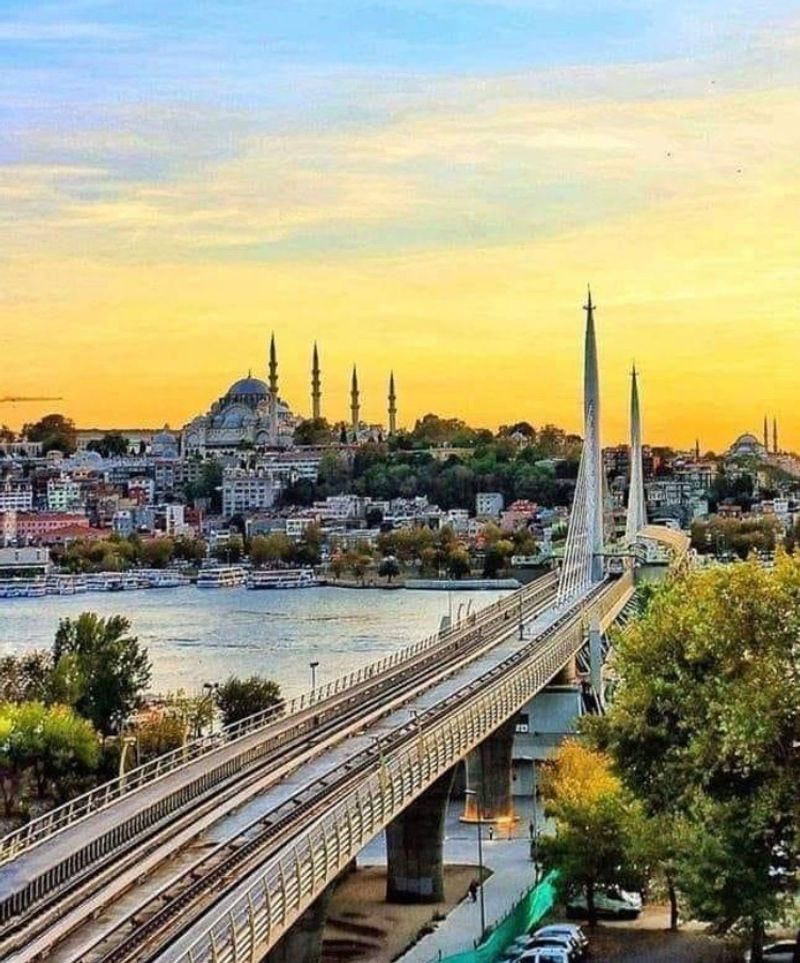
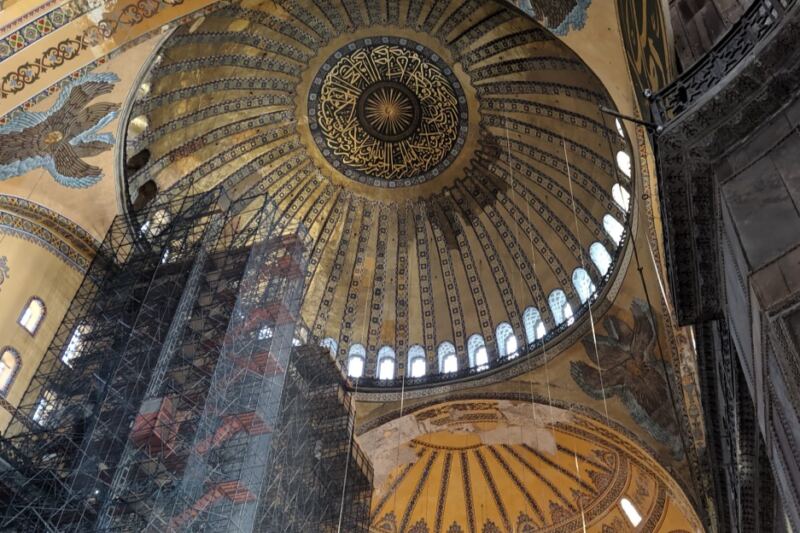
Istanbul is one of the world’s great cities, straddling two continents and carrying thousands of years of history. It is also home to over 15 million people, an enormous vehicle fleet, and a growing industrial base, all of which make managing air quality a genuinely complex challenge at massive scale.
Traffic is the dominant pollution source. Istanbul’s famous bridges over the Bosphorus carry millions of vehicles daily, and the city’s hilly geography creates chokepoints where exhaust fumes concentrate.
Public transport is well-developed compared to many cities on this list, but private car ownership has grown rapidly and outpaced transit expansion.
Industrial zones in the city’s European and Asian sections contribute factory emissions, and heating in older residential buildings still relies on coal or low-quality fuel in some neighborhoods. The combination of traffic, industry, and domestic heating creates pollution peaks during cold months that push Istanbul into hazardous territory.
Turkey has been investing in expanding its metro network and pushing for cleaner vehicle standards, which should help over time. Istanbul’s unique position as a global tourist destination also creates pressure to address visible pollution.
Visitors who come expecting sparkling views of the Bosphorus sometimes find a grey haze instead. That reputational pressure, alongside genuine health concerns, is helping drive momentum for cleaner air policies.
15. Belgrade, Serbia
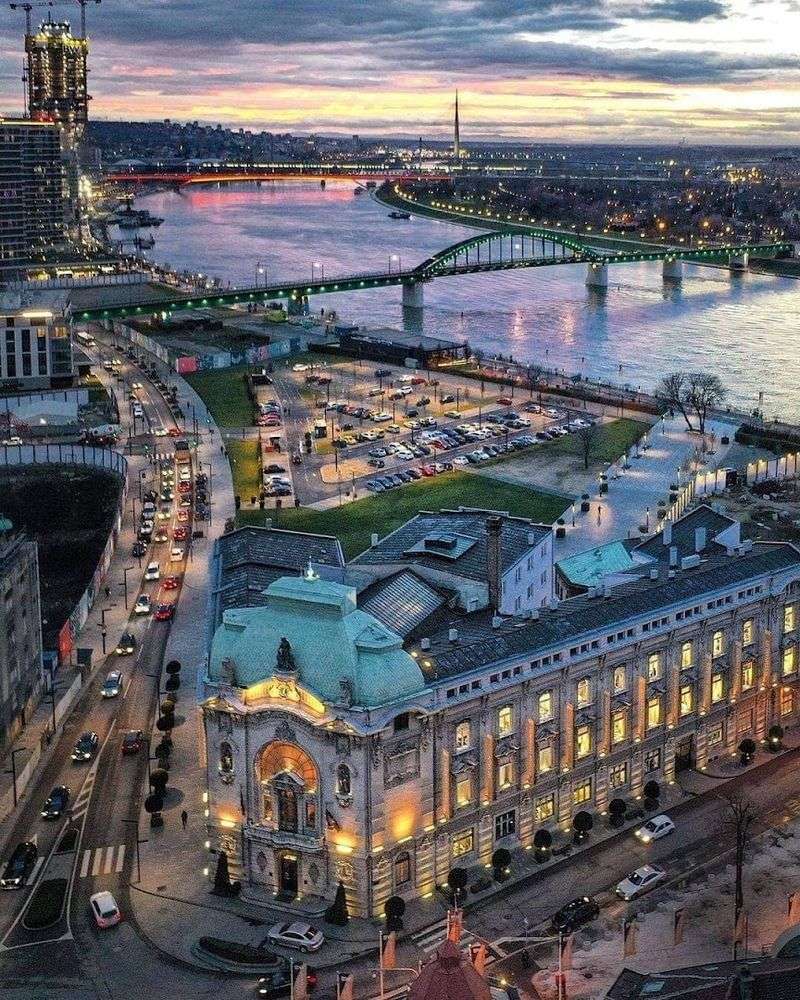
Winter in Belgrade comes with coats, mulled wine, and, unfortunately, some of the worst air in Europe. When temperatures drop, residents crank up coal and wood heating, traffic intensifies, and the city’s air quality can plunge to levels that rival parts of Asia.
It is a serious problem hiding inside a city better known for its nightlife.
Coal is the central villain. Serbia still relies heavily on coal-fired power plants, and individual households burning coal or wood for heating add enormous amounts of particulate matter to the air during winter months.
On still, cold days, the smog settles over the city and refuses to move for days at a time.
Traffic emissions layer onto the heating pollution, and older vehicles with poor emission control are common. Belgrade’s geography, sitting in a basin where the Sava and Danube rivers meet, can trap cold air and pollutants when atmospheric conditions are unfavorable.
The result is a grey, choking winter smog that health experts describe as genuinely dangerous.
Serbia’s path toward EU membership is creating pressure to adopt stricter environmental standards, and that external accountability may be one of the strongest forces pushing real change. Public protests over air quality have been growing louder in Belgrade.
Citizens are demanding cleaner energy and better policy, and their voices are becoming harder for authorities to ignore.
Share this story