Most people driving through South Florida have their eyes fixed on the coast, the theme parks, or the neon lights of Miami. But tucked along the southeastern shore of Lake Okeechobee, there is a small city that quietly feeds much of the nation.
Belle Glade, Florida grows more sugar cane and sweet corn than almost anywhere else in the country, yet it rarely makes the travel headlines. I visited this hardworking city in Palm Beach County and came away genuinely impressed by its depth, its people, and its story.
This is not a glossy resort town, and that is exactly what makes it worth knowing about.
Where Belle Glade Sits on the Map
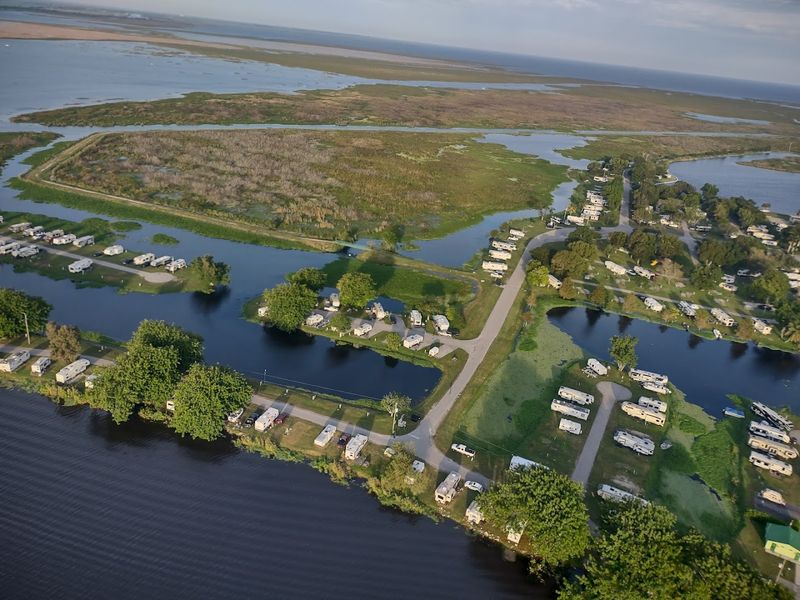
Belle Glade sits at the edge of Lake Okeechobee in the far western corner of Palm Beach County, Florida, at coordinates roughly 26.68 degrees north and 80.67 degrees west.
The city’s official address places it within the Miami metropolitan area, which surprises most people who picture Miami as nothing but beaches and high-rises.
The surrounding landscape is almost entirely flat, shaped by the Everglades Agricultural Area, and the horizon stretches out in every direction like a wide, unbroken canvas.
State Road 80 runs straight through the heart of town, connecting Belle Glade to West Palm Beach to the east and to the rural interior of South Florida to the west.
With a population of 16,698 recorded in the 2020 census, this is a tight-knit community where nearly everyone has a connection to the land in one way or another.
The Agricultural Powerhouse Behind Your Grocery Cart
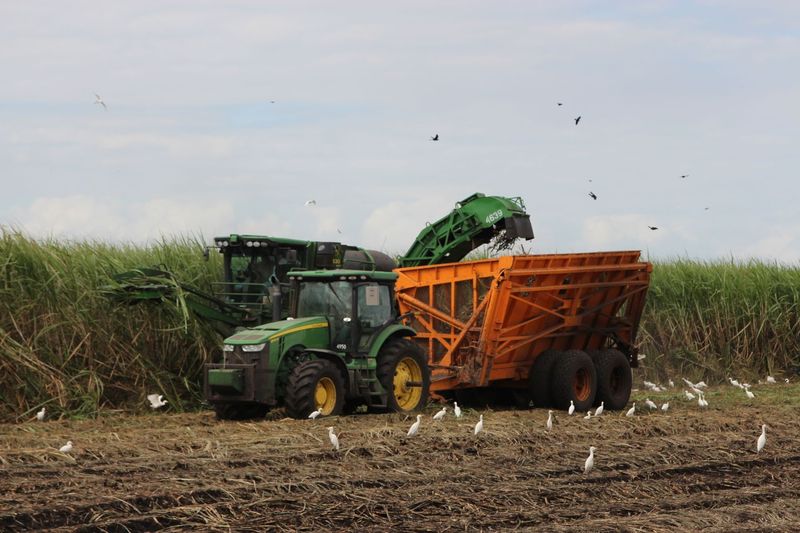
Florida’s farming reputation often gets overshadowed by its tourism industry, but Belle Glade tells a very different story about what this state actually produces.
The city sits at the center of the Everglades Agricultural Area, a region that generates hundreds of millions of dollars in crops every single year.
Sugar cane is the dominant crop, with vast fields stretching in every direction around the city, particularly during the October through April harvest season when the air carries a faint sweet smell.
Sweet corn, rice, sod, and leafy vegetables round out the agricultural output, making this region one of the most productive farming zones in the entire southeastern United States.
When you pick up a bag of sugar at the grocery store in Florida, there is a very real chance it passed through Belle Glade first, which gives this quiet city an outsized role in everyday American life.
The Muck: Rich Dark Soil That Makes It All Possible
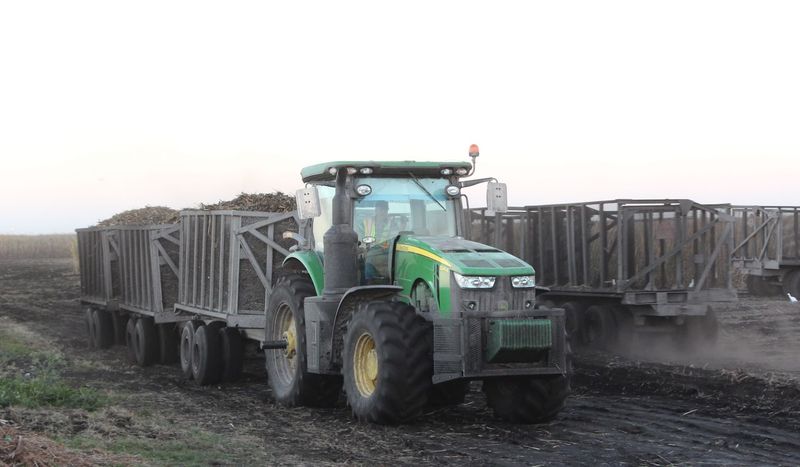
Ask any farmer in Belle Glade what makes this place special, and the answer comes back the same way every time: the muck.
This dark, almost black soil is technically called Histosol, an organic peat-based earth formed over thousands of years as the Everglades slowly decomposed plant material beneath shallow water.
It is extraordinarily fertile, capable of producing crops at a rate that would be impossible in the sandy soils found along Florida’s coasts.
Farmers here sometimes refer to the land affectionately as “black gold,” and that nickname is not much of an exaggeration when you consider how consistently it delivers high yields season after season.
The muck is also the reason Belle Glade developed where it did, drawing agricultural settlers in the early twentieth century who recognized that this unusual earth was unlike anything else in the region.
A History Built on Water, Tragedy, and Resilience
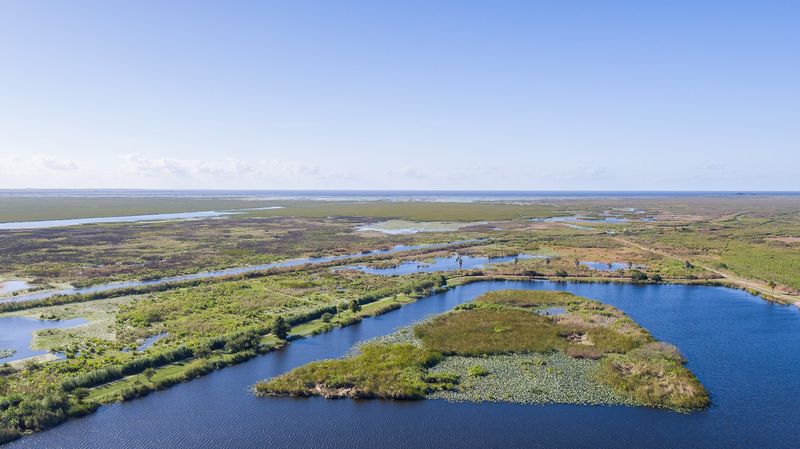
The history of Belle Glade carries real weight, shaped by both the promise of fertile land and the pain of one of the deadliest natural disasters in American history.
The city was incorporated in 1928, the same year the Okeechobee Hurricane made landfall and sent a catastrophic storm surge across Lake Okeechobee, flooding the surrounding communities and claiming thousands of lives.
Belle Glade was among the hardest hit areas, and the disaster prompted the U.S. Army Corps of Engineers to construct the Herbert Hoover Dike, a massive earthen levee that now encircles much of the lake.
Rather than abandoning the region, residents rebuilt, and the agricultural industry grew stronger in the decades that followed.
That combination of heartbreak and determination is woven into the identity of the city, and locals speak about it with a matter-of-fact pride that reflects genuine toughness built over generations.
Lake Okeechobee: A Massive Neighbor Worth Exploring
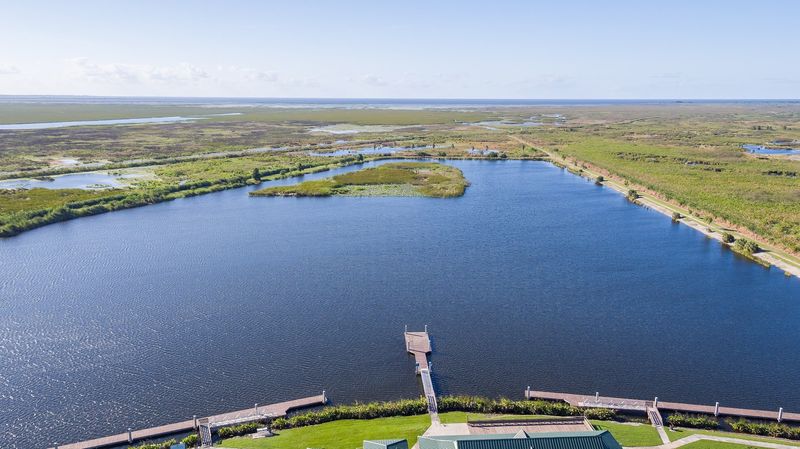
Lake Okeechobee is the second-largest freshwater lake entirely within the United States, and Belle Glade sits right on its southeastern shore, giving residents and visitors easy access to its wide, open waters.
The lake covers roughly 730 square miles, and on a clear morning the far shore is completely invisible, making it feel more like an inland sea than a lake.
Fishing is the main draw for visitors, and the lake is particularly well known for largemouth bass, which grow to impressive sizes in these warm, nutrient-rich waters.
Crappie, bluegill, and catfish are also abundant, making it a genuinely rewarding destination for anglers of all skill levels.
The Lake Okeechobee Scenic Trail runs along the top of the Herbert Hoover Dike and offers hikers and cyclists a unique elevated perspective of both the lake and the agricultural landscape spreading out below on the other side.
Football Royalty in an Unlikely Place
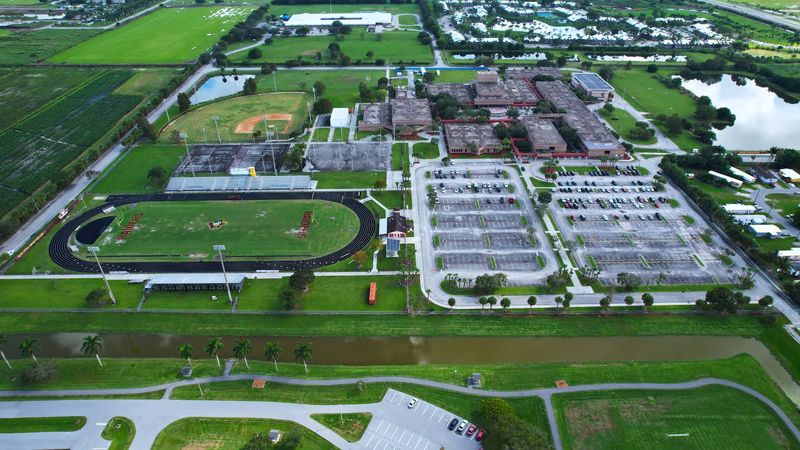
There is a football culture in Belle Glade that feels completely out of proportion to the city’s modest size, and it has been that way for decades.
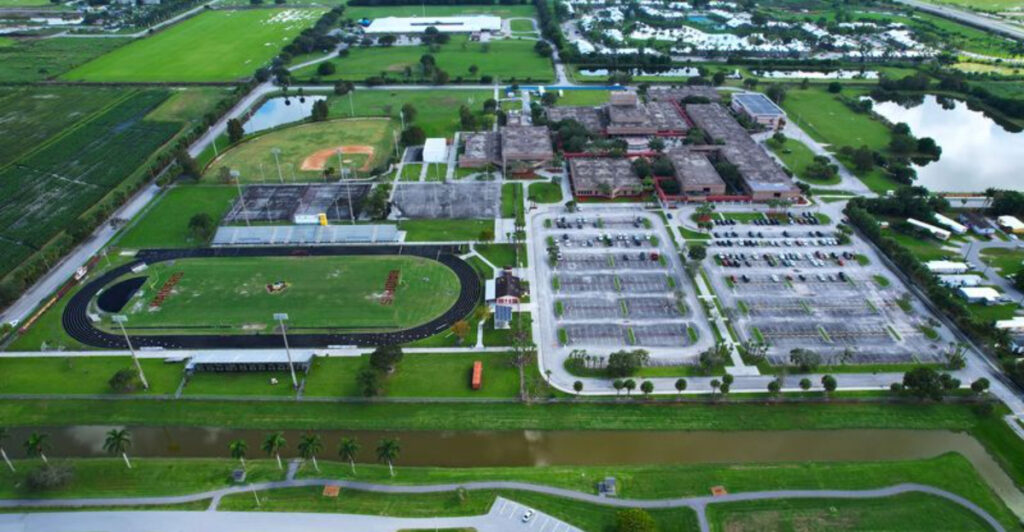
Glades Central High School, located right in the heart of the city, has produced a remarkable number of NFL players, earning Belle Glade the nickname “Muck City” among sports fans and journalists who have followed the story.
The number of professional players per capita coming out of this small community is considered one of the highest in the country, a statistic that routinely stuns people hearing it for the first time.
Friday night games at Effie C. Grear Field draw large, passionate crowds, and the atmosphere carries a sense of community pride that goes well beyond typical high school sports.
Football here is not just a pastime; it is a genuine pathway and a source of collective identity that the entire community takes seriously and celebrates loudly.
The Harvest Season Experience
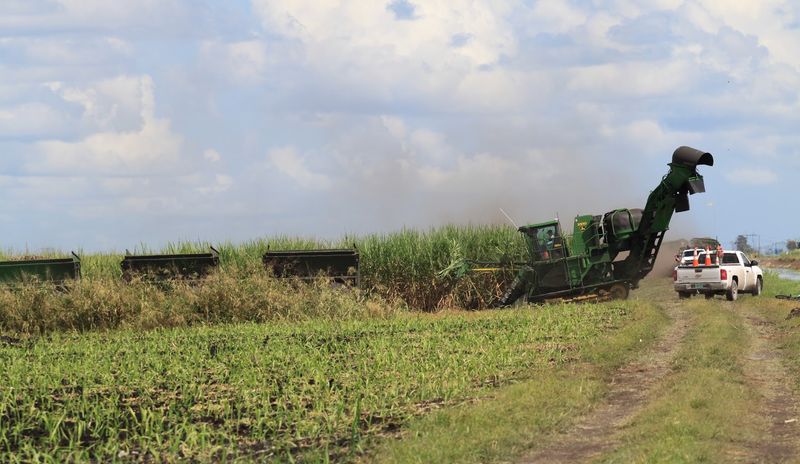
Visiting Belle Glade between October and April means experiencing the harvest season firsthand, and it is something that genuinely changes how you think about where food comes from.
The most visually dramatic part of the sugar harvest is the controlled burning of the cane fields, a practice used to remove leaves before cutting and one that lights up the night sky with an orange glow visible for miles.
During the day, enormous harvesting machines move methodically through the fields while trucks haul cut cane to nearby processing facilities, creating a constant hum of industrial agriculture at full speed.
The smell in the air during harvest is distinct and hard to forget, somewhere between caramel and smoke, and it clings to everything in a way that feels oddly pleasant.
For anyone curious about large-scale American farming, watching this operation in person is far more impressive than any documentary could convey.
The Herbert Hoover Dike: Engineering on a Grand Scale
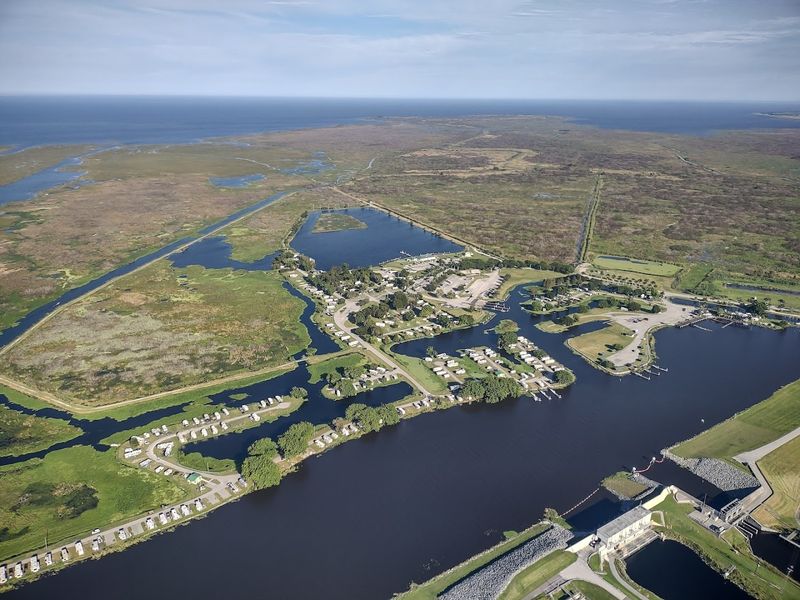
The Herbert Hoover Dike is not a typical tourist attraction, but once you see it up close, it is hard not to be impressed by the sheer scale of the thing.
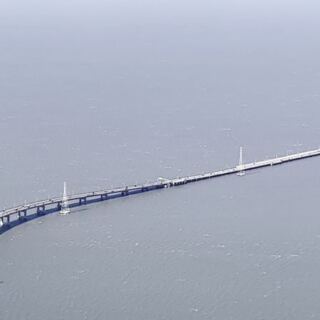
This earthen levee stretches 143 miles around Lake Okeechobee and was constructed by the U.S. Army Corps of Engineers following the catastrophic 1928 hurricane to protect surrounding communities from future flooding.
The dike stands roughly 34 feet high in many sections, and walking or cycling along its top offers a genuinely unusual dual view: the vast blue expanse of the lake on one side and the patchwork of farm fields on the other.
The U.S. Army Corps of Engineers has spent years reinforcing the structure, investing billions of dollars to bring it up to modern safety standards, which gives a sense of just how critical it is to the region.
Few pieces of civil infrastructure in Florida carry this much historical and practical significance packed into one long, unassuming mound of earth.
Cultural Diversity That Shapes Daily Life
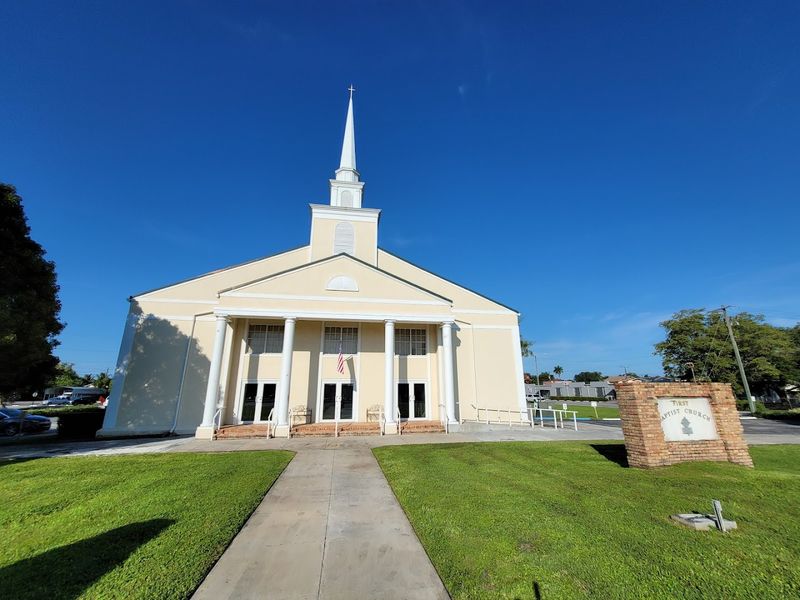
Belle Glade has a cultural makeup that reflects the labor history of South Florida’s agricultural industry, with a population drawn from African American, Haitian, Puerto Rican, and Mexican communities, among others.
This diversity shows up clearly in the food, the music, the churches, and the small businesses lining the commercial streets of the city.
Haitian Creole, Spanish, and English all mix together in everyday conversations, and the community celebrations throughout the year reflect that layered cultural identity in genuinely interesting ways.
The agricultural workforce has historically been made up of migrant laborers and their families who settled permanently over generations, creating a community with deep roots in physical work and shared struggle.
Walking through Belle Glade, you get the sense that this is a place where people know each other, look out for each other, and carry a quiet pride in a way of life that outsiders rarely take the time to understand.
Wildlife and Nature Surrounding the City
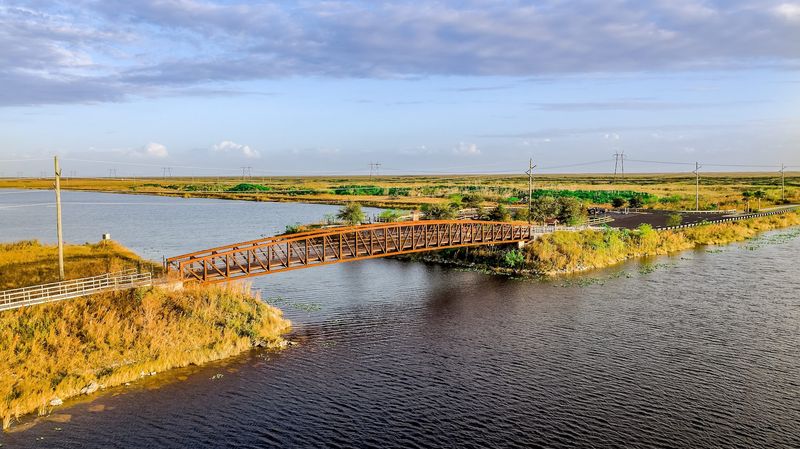
The natural environment around Belle Glade is remarkable, even if it sits right alongside one of the most intensively farmed landscapes in the country.
The canals that crisscross the agricultural area are full of wildlife, and it is genuinely common to spot alligators, great blue herons, anhingas, and roseate spoonbills without venturing more than a few minutes outside of town.
The proximity to Lake Okeechobee and the northern edge of the Everglades ecosystem means that migratory birds pass through in large numbers during spring and fall, making this a surprisingly productive birding destination.
Snail kites, a federally threatened bird of prey that feeds almost exclusively on apple snails, are regularly spotted around the lake and nearby wetlands, which draws serious birders from across the state.
The wildlife here does not announce itself with signage or guided tours; you simply keep your eyes open and the nature shows up on its own terms.
Local Food and the Taste of Muck Country
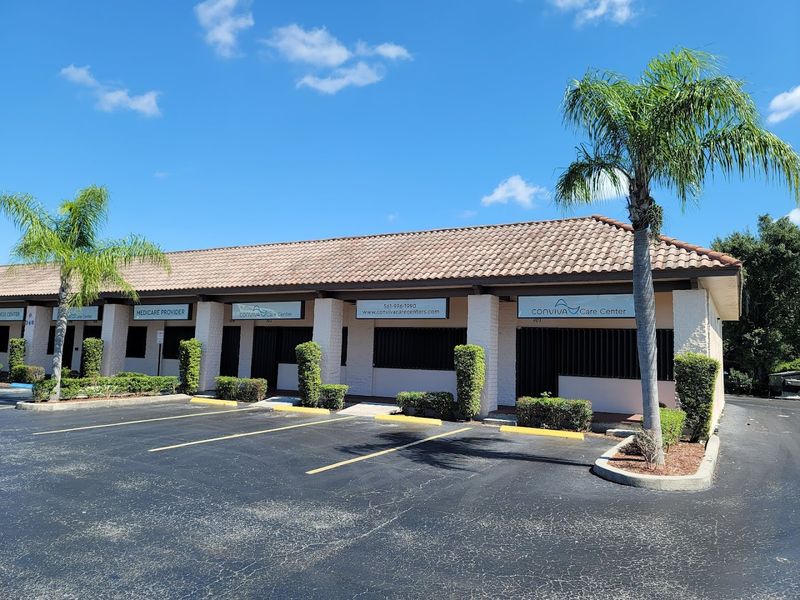
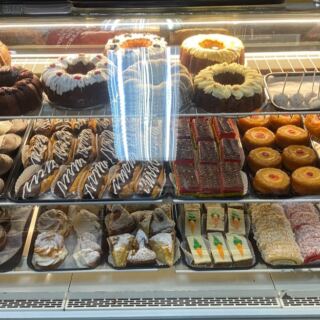
The food culture in Belle Glade is genuinely tied to its agricultural roots, and the local restaurants reflect the community’s diverse background in every bite.
Small Caribbean and Latin American eateries serve dishes made with fresh local produce, and the combination of Haitian, Puerto Rican, and Southern cooking traditions creates a food scene that feels honest and satisfying rather than trendy.
Fresh sweet corn, grown practically within sight of the city, shows up in local cooking during the season and tastes noticeably better than anything shipped from far away.
The diners and small family-run spots along Main Street and nearby roads are the kind of places where the menu is handwritten and the portions are generous, because the people eating there have been doing hard physical work since before sunrise.
Eating in Belle Glade is less about the experience and more about the food itself, which turns out to be a pretty solid trade.
Share this story