Some people leave such a big mark on the world that even years after they’re gone, we still feel the empty space they left behind. From musicians who made us dance to leaders who changed history, these icons shaped the way we see the world.
I remember sitting with my dad watching old footage of some of these legends and thinking, “Wow, they really don’t make them like that anymore.” This list celebrates 24 unforgettable stars, leaders, and icons whose legacies live on long after their final curtain call.
David Bowie
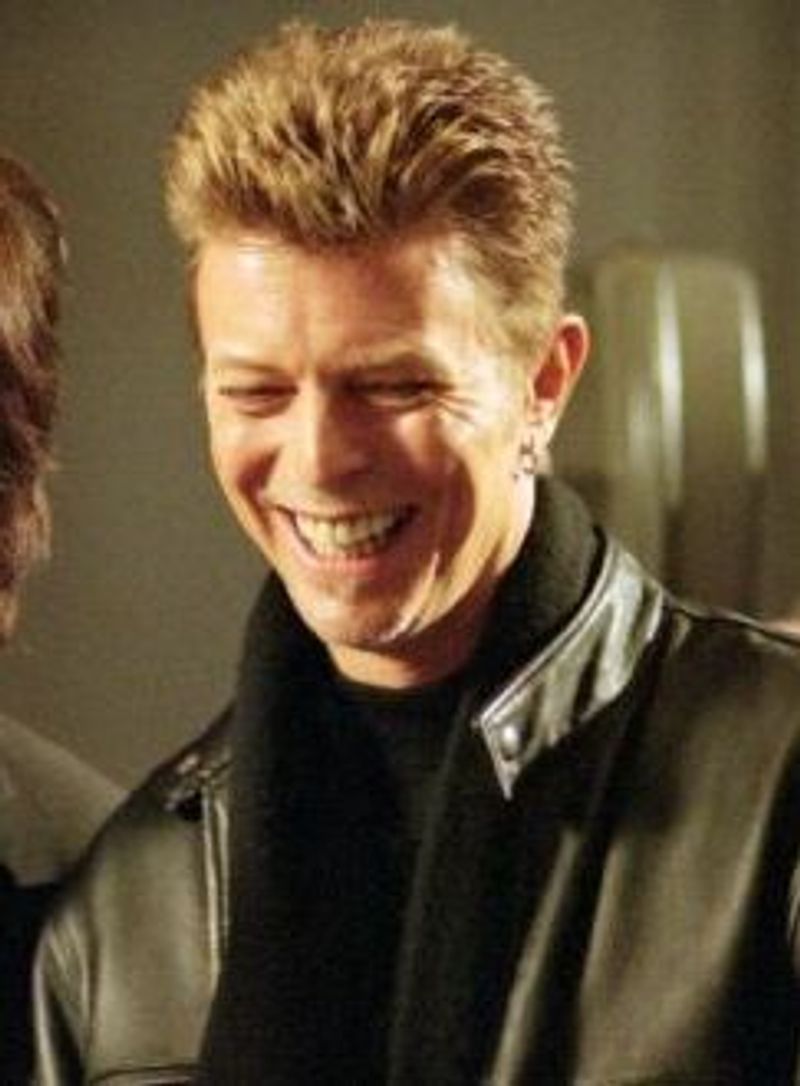
There was only one Ziggy Stardust, and the world knew it. David Bowie wasn’t just a musician.
He was a whole universe of reinvention, creativity, and fearless self-expression packed into one glittery human being.
From “Space Oddity” to “Let’s Dance,” Bowie gave us music that felt like it came from another planet. He changed fashion, art, and pop culture without breaking a sweat.
His ability to constantly reinvent himself taught millions that being different wasn’t just okay. It was extraordinary.
Bowie passed away in January 2016, just two days after releasing his final album, “Blackstar.” Even his goodbye was a masterpiece. The music world went quiet for a moment, and then we all pressed play on his catalog and remembered why he mattered so deeply.
Prince
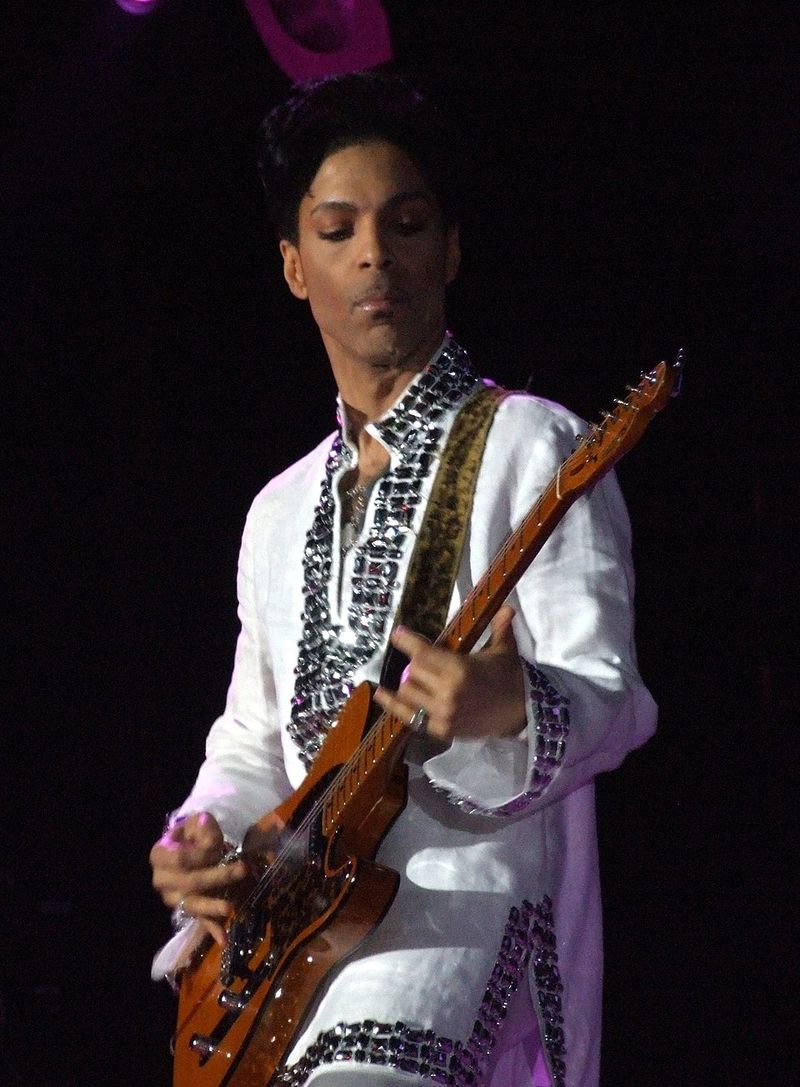
Nobody owned a stage quite like Prince Rogers Nelson. The man could play over 20 instruments, write a hit before breakfast, and make an entire arena lose its mind before the first chorus ended.
Prince was fiercely independent. He fought for artists’ rights long before it was a trending topic.
He literally changed his name to an unpronounceable symbol to reclaim ownership of his music. That’s not a gimmick.
That’s a legend making a statement.
When he passed in April 2016, it felt like the color purple itself had dimmed a little. His vault of unreleased music reportedly contains thousands of songs, which means Prince was quietly outworking everyone even from beyond.
His genius wasn’t just in what he shared. It was also in how much he held back, saving the best for himself.
Robin Williams
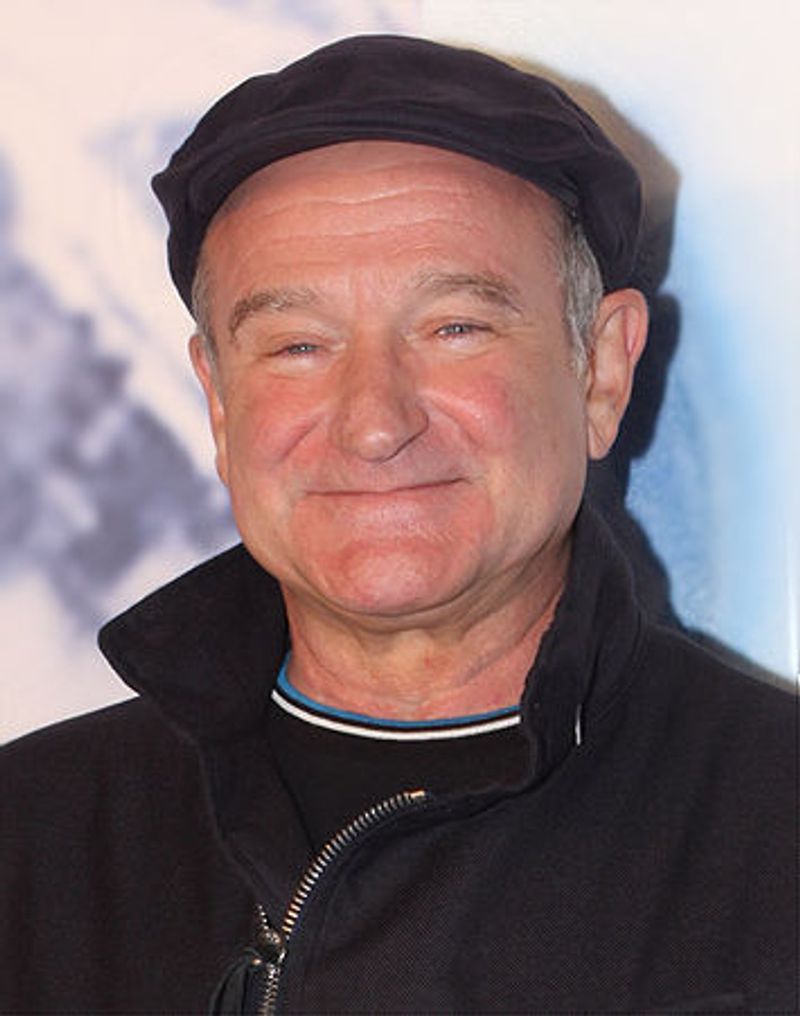
Robin Williams could make a stranger laugh so hard they’d forget their own name. His brain worked at a speed most comedians only dream about, firing jokes, voices, and characters faster than anyone could keep up.
From Mrs. Doubtfire to Good Will Hunting, he proved that the funniest people often carry the deepest wells of emotion. He won an Oscar not for comedy, but for a quiet, heartbreaking scene in a park.
That’s range. That’s real talent.
When he passed in 2014, the internet collectively broke. Tributes poured in from every corner of the world.
What people missed most wasn’t just the laughs. It was the warmth behind every performance.
Robin Williams made you feel seen, even through a screen. The world is genuinely a louder, emptier place without his voice bouncing around in it.
Whitney Houston
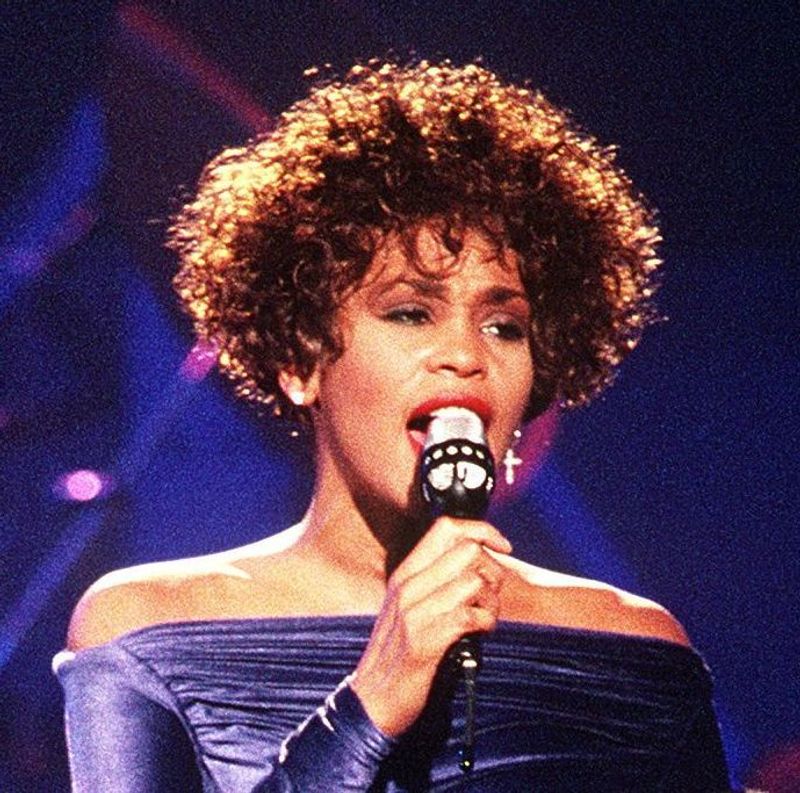
There is a reason people still stop everything when “I Will Always Love You” comes on. Whitney Houston had a voice that didn’t just hit notes.
It hit feelings you didn’t even know you had stored away.
She sold over 200 million records worldwide and won nearly every music award imaginable. Her Super Bowl performance of the national anthem is still considered the greatest rendition ever recorded.
That’s not an opinion. That’s basically a scientific fact at this point.
Whitney passed in February 2012, and the music industry hasn’t quite filled that gap since. What made her special wasn’t just the technical power of her voice.
It was the soul behind it. Every note she sang felt personal, like she was singing directly to you.
She remains the gold standard that every new generation of singers quietly measures themselves against.
Nelson Mandela
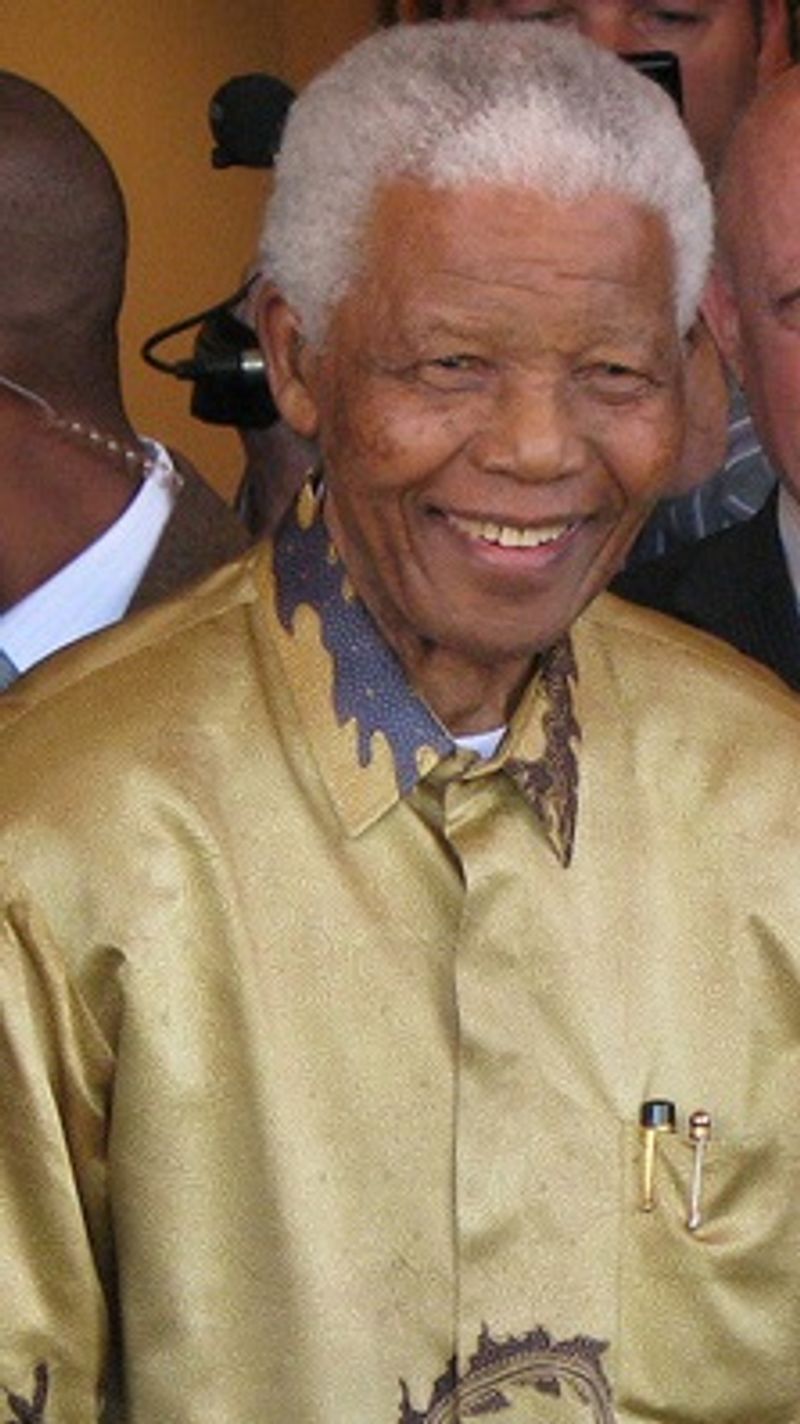
Spending 27 years in prison and coming out ready to forgive rather than retaliate takes a kind of strength most people can’t wrap their heads around. Nelson Mandela wasn’t just a political leader.
He was a walking lesson in grace under pressure.
He became South Africa’s first Black president in 1994 after fighting against apartheid for decades. His leadership helped guide a country through one of the most painful transitions in modern history, and he did it with dignity and a surprisingly warm sense of humor.
Mandela passed away in December 2013 at the age of 95. The global outpouring of grief was unlike almost anything seen before.
World leaders, artists, and everyday people all stopped to remember a man who proved that moral courage could change nations. His life is proof that one person, standing firm in their values, can genuinely reshape history.
Michael Jackson
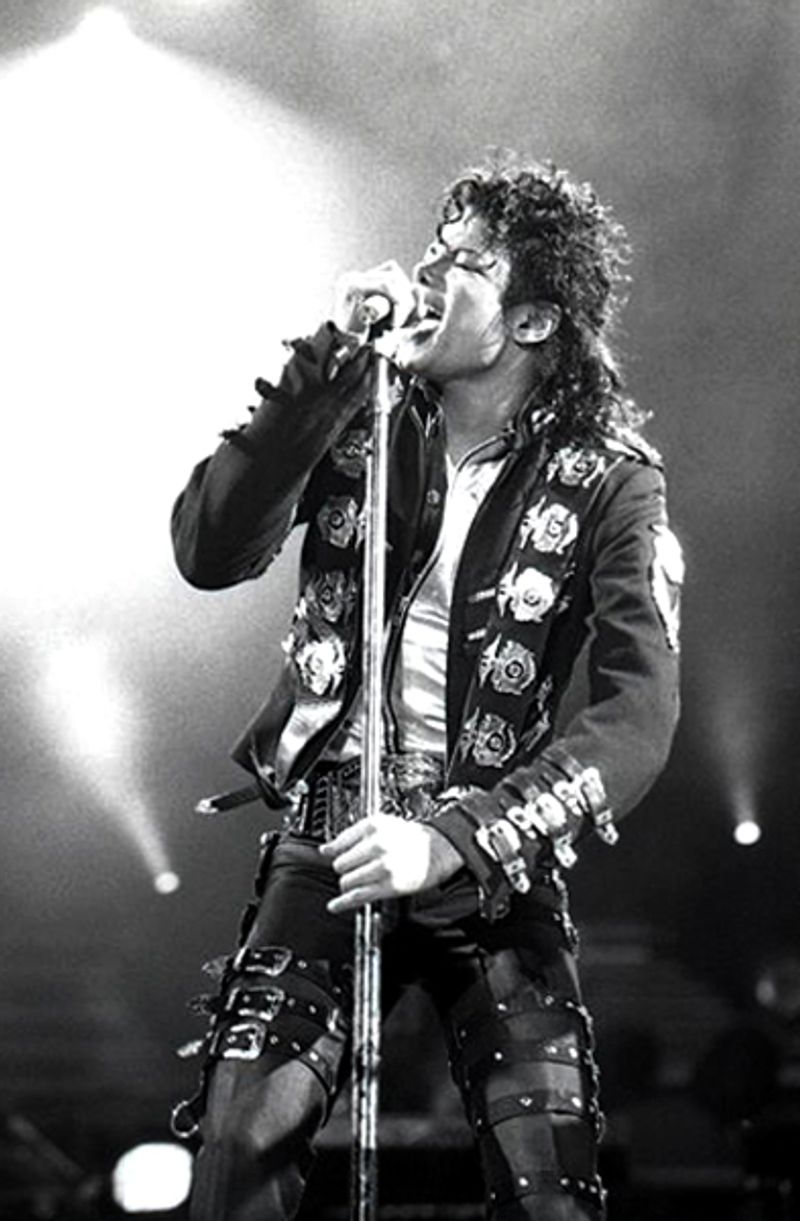
The moonwalk didn’t just break the internet before the internet existed. It broke every rule about what pop music could look and feel like.
Michael Jackson wasn’t performing. He was transforming an entire generation’s relationship with music and dance.
He released Thriller in 1982, and it became the best-selling album of all time. Still.
After all these years. The man invented the modern music video as an art form.
That’s not a small thing. That’s permanently reshaping an industry.
When Michael passed in June 2009, the shock was global and immediate. Millions of fans held vigils, radio stations played nothing but his music, and news anchors got visibly emotional on air.
What we lost wasn’t just a pop star. We lost someone who had the rare ability to unite people across languages, cultures, and continents through nothing but a beat and a spin.
Kobe Bryant
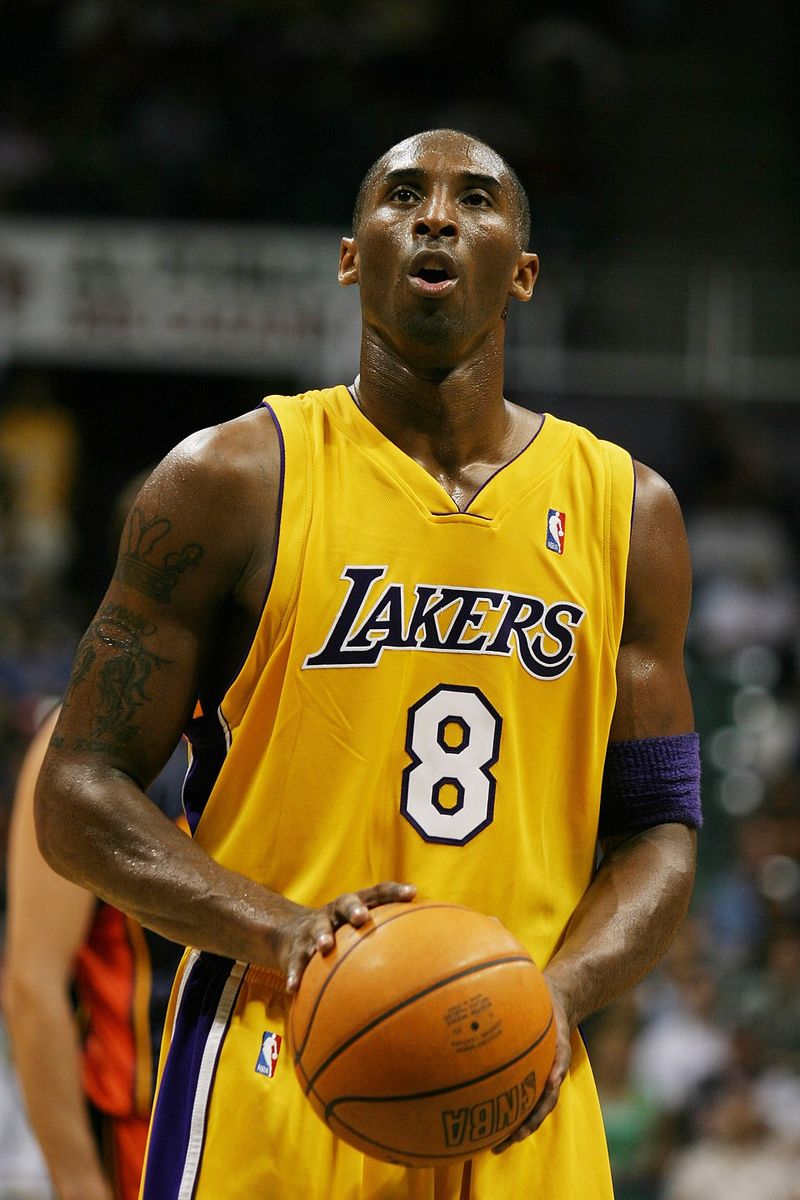
The Mamba Mentality wasn’t just a catchphrase. It was a whole philosophy that millions of athletes, students, and everyday people adopted to push through their own limits.
Kobe Bryant made obsessive dedication look like an art form.
He won five NBA championships, scored 81 points in a single game (the second highest ever), and retired as one of the most decorated players in basketball history. But what made Kobe special was the hunger.
He was always the first in the gym and the last to leave.
When he tragically passed in January 2020 along with his daughter Gianna, the grief was staggering. Sports fans cried openly.
Players broke down mid-interview. Kobe had transcended basketball to become a symbol of perseverance for an entire generation.
He wasn’t just a Laker. He was a mindset.
And that mindset still lives on in every court, locker room, and early morning workout worldwide.
Aretha Franklin
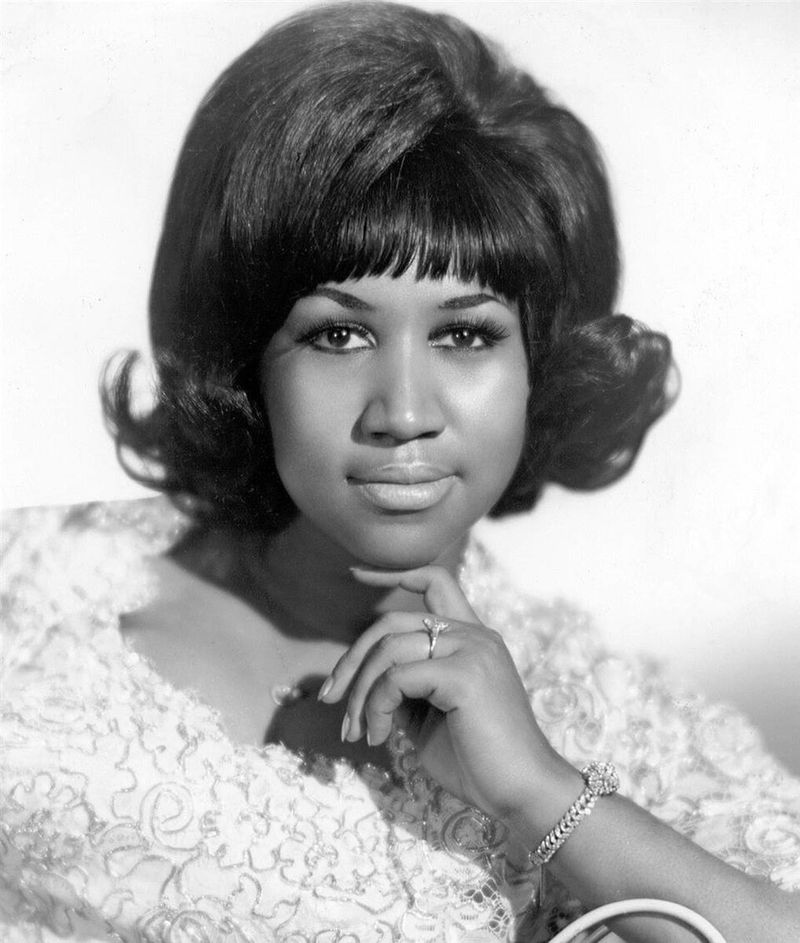
R-E-S-P-E-C-T. Aretha Franklin didn’t just sing that word.
She lived it, demanded it, and made sure everyone around her understood what it meant. The Queen of Soul earned every single letter of that title.
With 18 Grammy Awards and a voice that could move a room from silence to standing ovation in about four seconds flat, Aretha was in a class entirely her own. She was the first woman inducted into the Rock and Roll Hall of Fame.
That fact alone deserves a round of applause.
Aretha passed in August 2018, and the tributes were immediate and worldwide. She had performed at presidential inaugurations, civil rights marches, and the world’s biggest stages.
Her music carried generations through heartbreak, protest, and joy. What she left behind isn’t just a discography.
It’s a cultural inheritance that keeps teaching new listeners what real singing actually sounds like.
Stephen Hawking
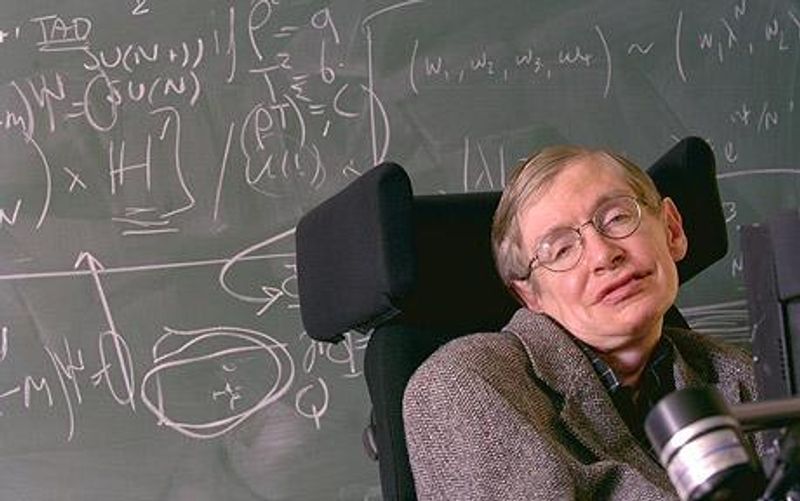
Here’s a man who explained black holes, rewrote our understanding of the universe, and still found time to appear on The Simpsons. Stephen Hawking had a mind so powerful that even a body that barely moved couldn’t slow it down.
Diagnosed with ALS at 21, doctors gave him two years to live. He lived to 76.
During those extra decades, he wrote bestselling books, gave sold-out lectures, and made theoretical physics accessible to people who had never taken a single science class.
Hawking passed in March 2018, and the scientific community felt the loss deeply. But so did everyone else.
He had a gift for making the impossible feel understandable, and a sense of humor that made him genuinely fun to listen to. He once said, “Life would be tragic if it weren’t funny.” That quote alone tells you everything about why the world still misses him so much.
Toni Morrison
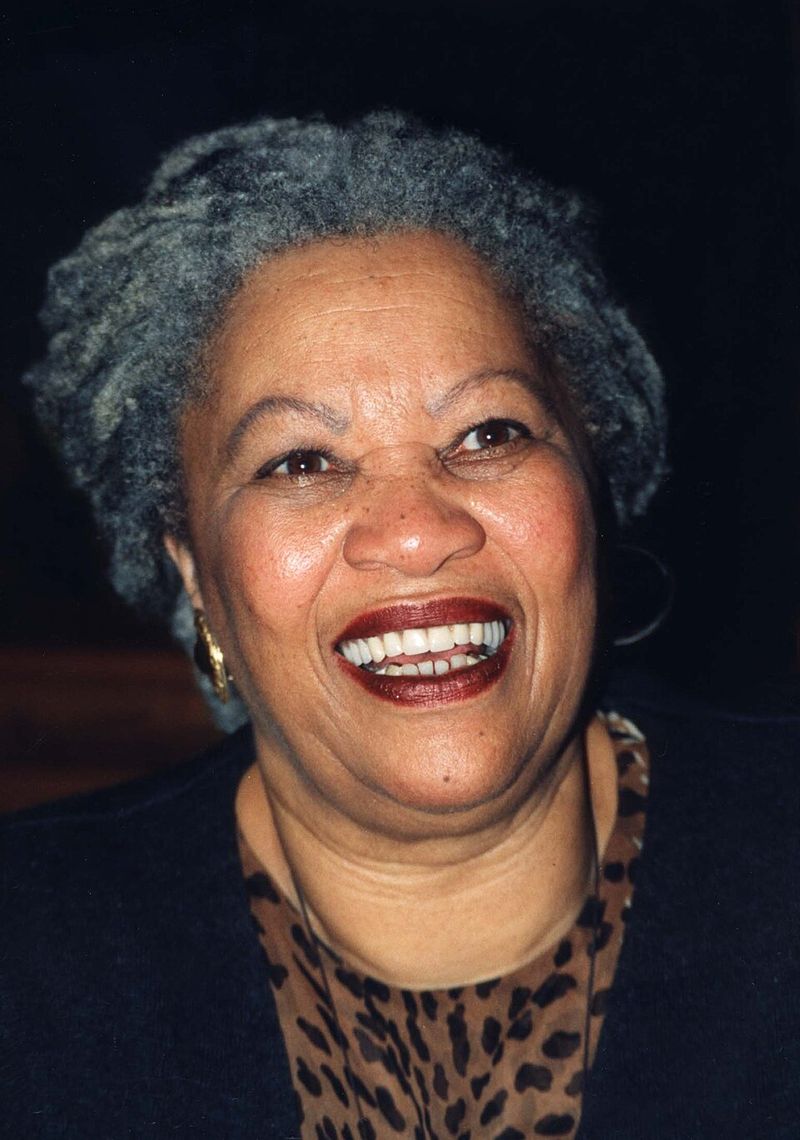
Toni Morrison wrote sentences so beautiful and so brutal they could stop a reader cold in the middle of a perfectly normal Tuesday afternoon. Her novels didn’t just tell stories.
They excavated truths that American history had tried very hard to bury.
She won the Nobel Prize in Literature in 1993 and the Pulitzer Prize for Beloved, a novel so powerful it reportedly made her editor weep at the manuscript stage. Morrison wrote about Black life, identity, and trauma with a clarity and love that no one had quite managed before.
She passed in August 2019, and the literary world felt genuinely smaller. What she gave readers wasn’t just great fiction.
It was permission to see history from angles that had been deliberately ignored for too long. Her books are still assigned in classrooms, debated in book clubs, and quietly changing the way people think about storytelling, history, and what it means to be human.
Ruth Bader Ginsburg
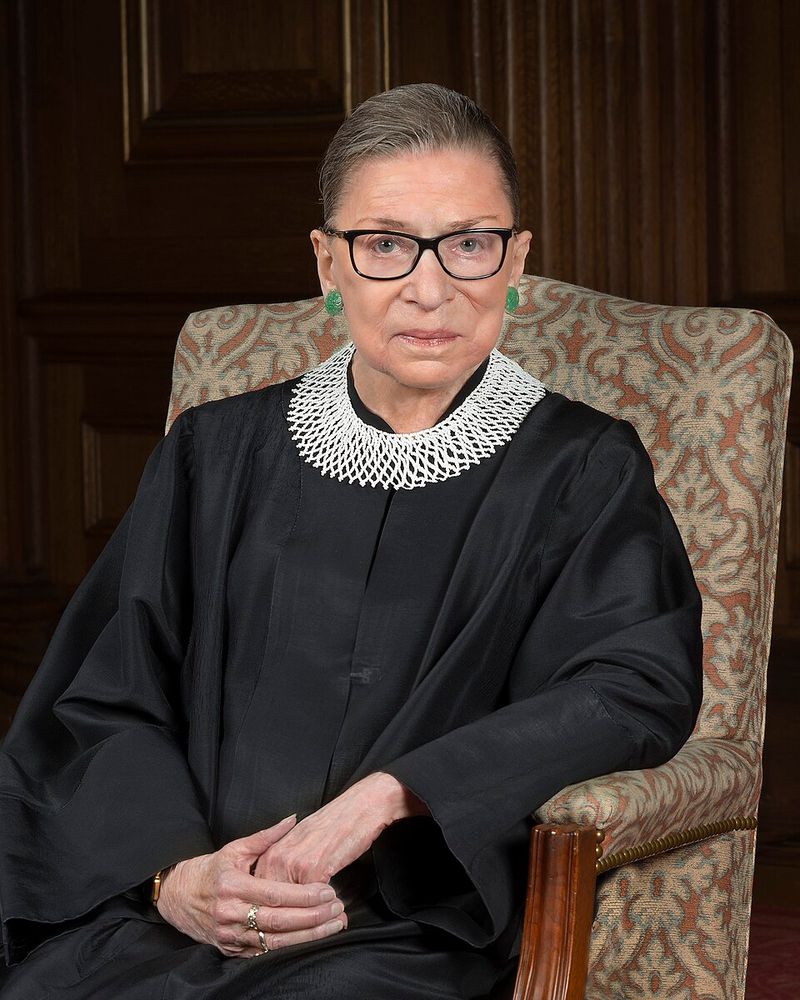
She weighed about 100 pounds and had the legal firepower of an entire courthouse. Ruth Bader Ginsburg, affectionately known as the Notorious RBG, spent decades fighting for gender equality from one of the most powerful seats in the country.
As a Supreme Court Justice, she became a pop culture icon in a way no judge ever had before. Her face appeared on mugs, T-shirts, and tattoos.
People literally got her face permanently inked on their bodies. That’s not fame.
That’s devotion.
RBG passed in September 2020, and the reaction went well beyond legal circles. She had inspired generations of young women to pursue law, justice, and public service.
Her dissents were so sharp they practically had their own fan clubs. What she stood for wasn’t just legal precedent.
It was the radical idea that everyone deserved equal treatment under the law, regardless of gender. Simple, really.
But she had to fight hard for it.
Chadwick Boseman
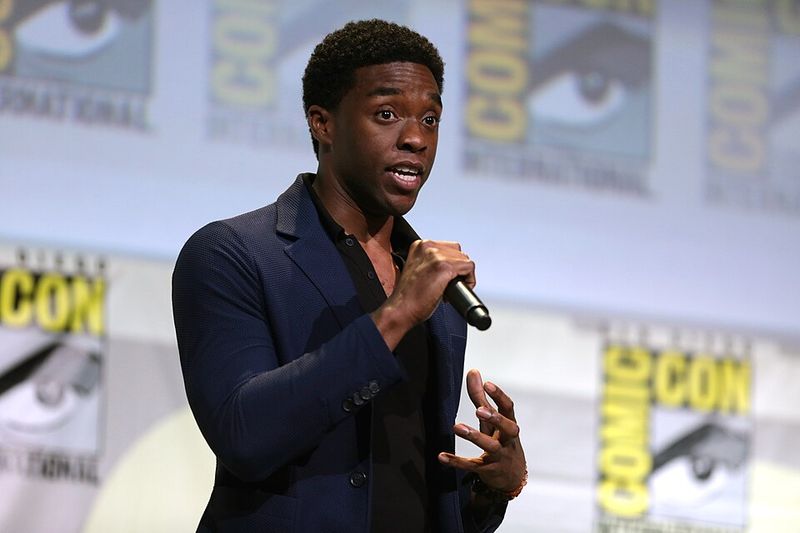
Wakanda Forever hit differently after August 2020. Chadwick Boseman played kings, legends, and heroes on screen while quietly fighting a private battle with colon cancer that most of the world didn’t know about until the day he passed.
He portrayed Jackie Robinson, Thurgood Marshall, and James Brown before stepping into the role of T’Challa in Black Panther, a film that broke box office records and meant something genuinely profound to millions of Black viewers worldwide. He did all of this while undergoing chemotherapy.
That’s not dedication. That’s something beyond words.
When the news broke, the shock was immediate and deeply personal for so many fans. The image of him giving the Wakanda salute to sick children during hospital visits became one of the most moving images of his career.
He was 43 years old. The world didn’t just lose a great actor.
It lost someone who understood exactly what representation means to a child seeing themselves on screen for the first time.
Bob Marley
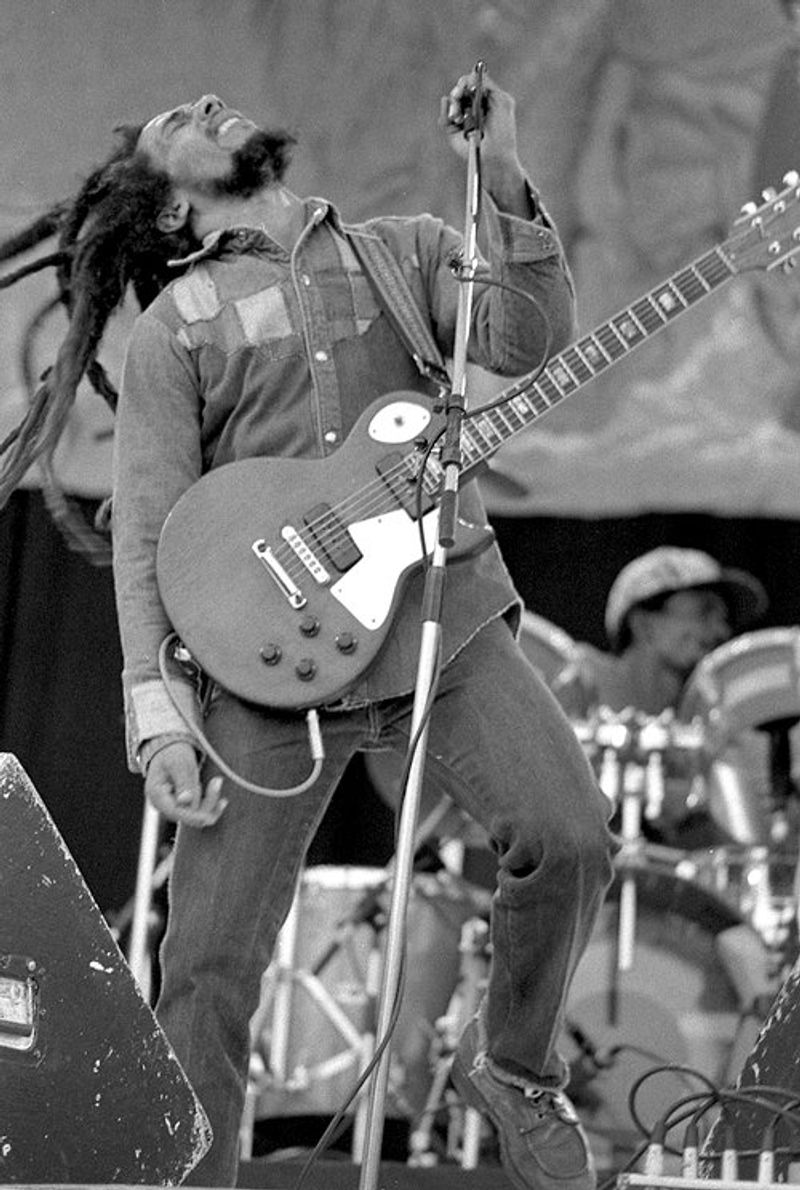
Bob Marley turned music into a movement. His songs weren’t just catchy.
They carried messages about freedom, love, and resistance that resonated across continents, languages, and generations in ways most musicians never come close to achieving.
He grew up in poverty in Jamaica and became one of the most recognized faces on Earth. “One Love,” “Redemption Song,” and “No Woman, No Cry” are still played at protests, weddings, and funerals alike. His music fits every human moment, which is a rare and remarkable gift.
Bob Marley passed in 1981 at just 36 years old, but his influence has never stopped growing. His face remains one of the most printed images in the world.
His music introduced reggae to global audiences and gave Jamaica a cultural voice that echoes everywhere. There’s something both joyful and heartbreaking about knowing someone so full of life left us so early, and yet still managed to say everything he needed to say.
Maya Angelou
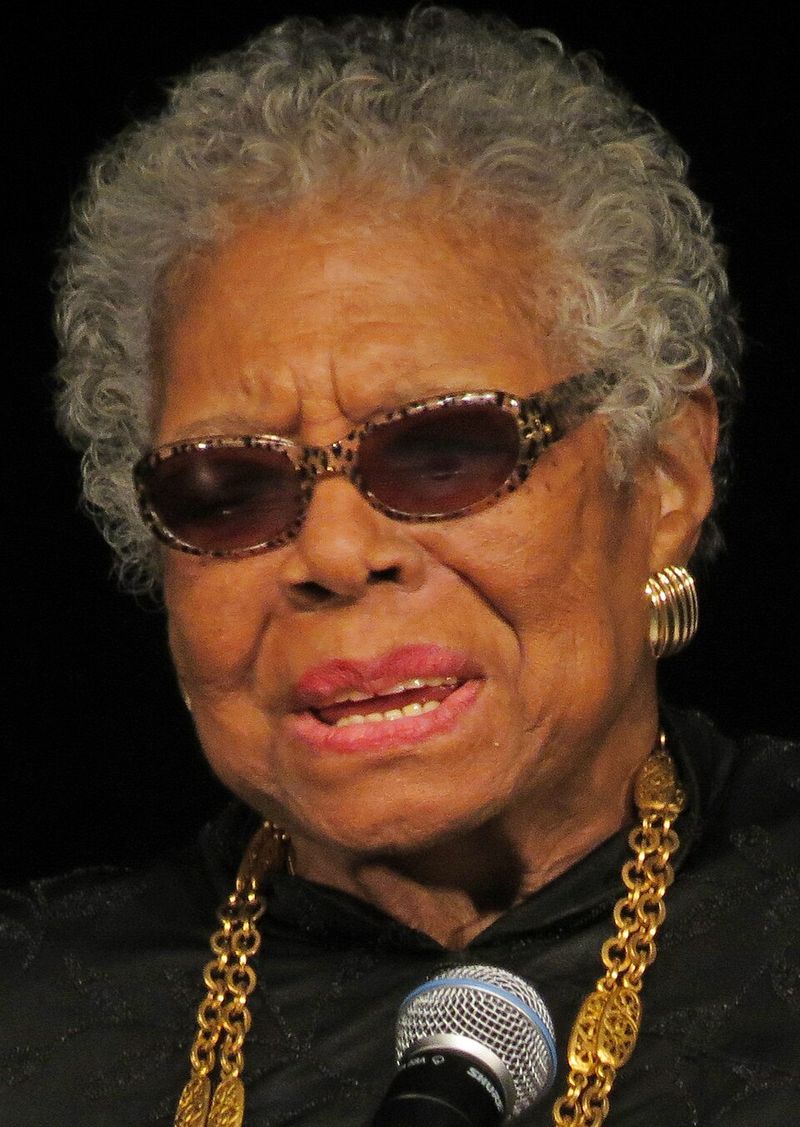
“I Know Why the Caged Bird Sings” wasn’t just a memoir. It was a literary earthquake that changed how America talked about race, trauma, and resilience.
Maya Angelou had a way of turning her own pain into something that healed other people.
She was a poet, author, civil rights activist, actress, and professor. She spoke six languages.
She cooked. She danced professionally.
Calling her just a poet would be like calling the ocean just some water.
Angelou passed in May 2014, and tributes came from presidents, poets, and everyday readers who had carried her words through their hardest moments. Her poem “Still I Rise” has probably been read at more funerals, graduations, and difficult mornings than any other poem in modern history.
What she left behind isn’t just literature. It’s a permission slip for every person who has ever been knocked down to get back up with their chin held high.
Muhammad Ali
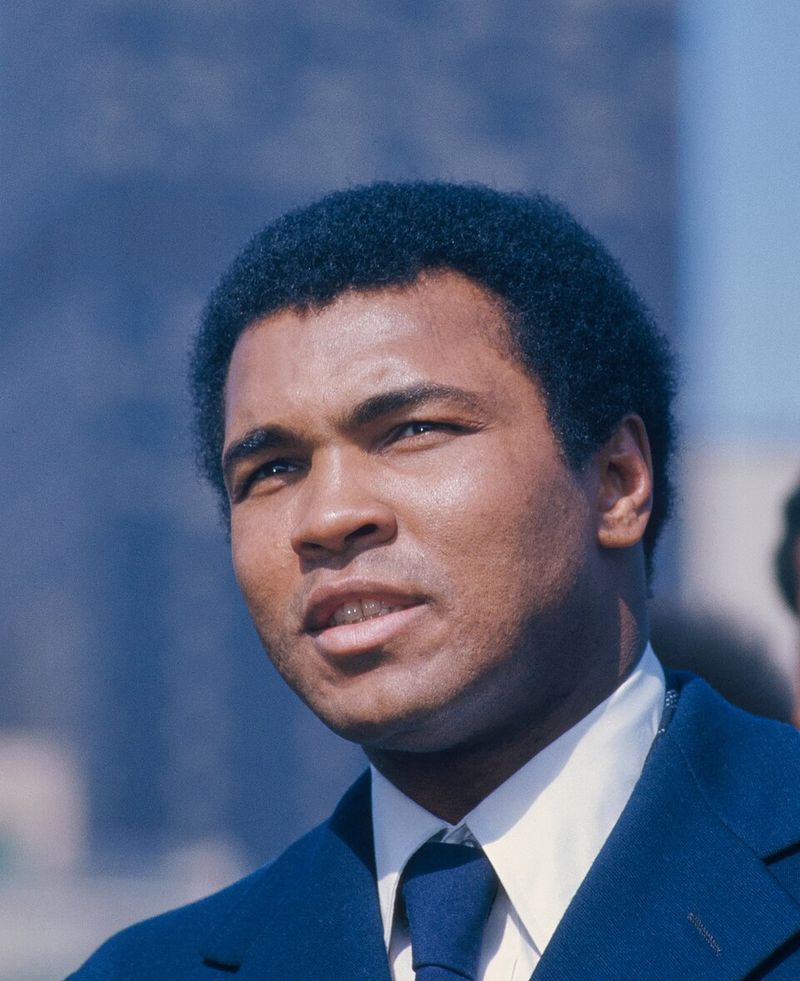
“Float like a butterfly, sting like a bee.” Muhammad Ali didn’t just describe his boxing style with that line. He described his entire approach to life.
He was fast, poetic, fearless, and always, always three steps ahead of everyone else in the room.
Ali won the heavyweight championship three times and is widely considered the greatest boxer who ever lived. But his impact went far beyond the ring.
He refused military draft during the Vietnam War on moral grounds, sacrificed his title, and faced prison rather than compromise his beliefs. That took real courage.
He passed in June 2016, and the world paused to honor a man who had been both deeply loved and deeply controversial throughout his life. What we miss most isn’t just the fights or the quotes.
It’s the combination of supreme confidence and genuine principle that he carried everywhere he went. Ali proved that being the greatest meant standing for something bigger than yourself.
Freddie Mercury
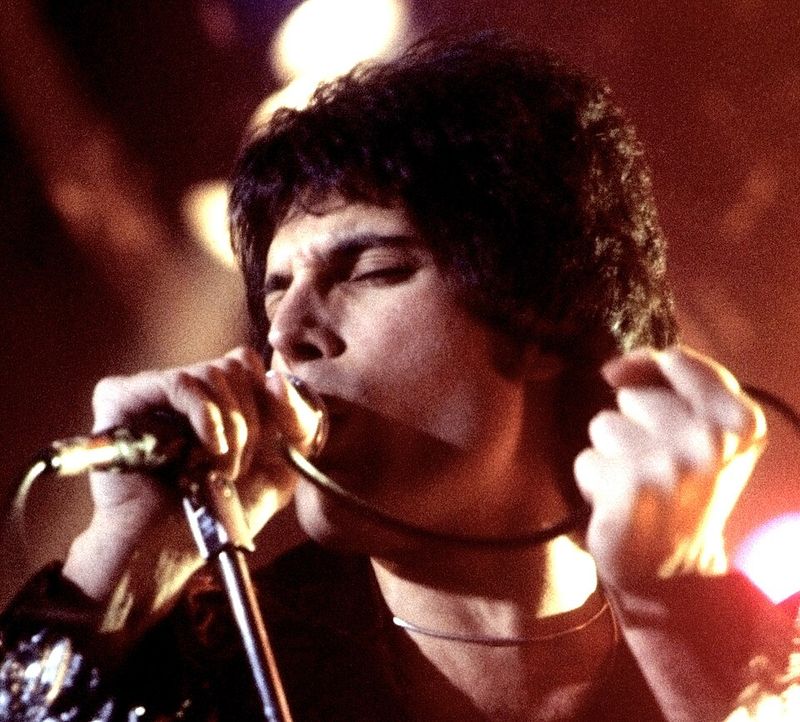
Nobody commanded a crowd of 72,000 people using only their voice and a microphone stand quite like Freddie Mercury. The Live Aid performance in 1985 is still studied by musicians and performers as the single greatest live concert moment in history.
No pressure.
Freddie was Queen’s lead vocalist, a classically trained pianist, and a songwriter whose range stretched from operatic rock to disco without missing a beat. “Bohemian Rhapsody” alone could disqualify any argument that pop music can’t be art.
He passed in November 1991 after a private battle with AIDS, and the music world lost one of its most irreplaceable voices. What made Freddie extraordinary wasn’t just the voice.
It was the theatrical personality, the humor, and the total commitment to giving audiences something they’d never forget. Queen’s music has since introduced him to entirely new generations who are still discovering why he was, and remains, one of the most magnetic performers who ever lived.
Princess Diana
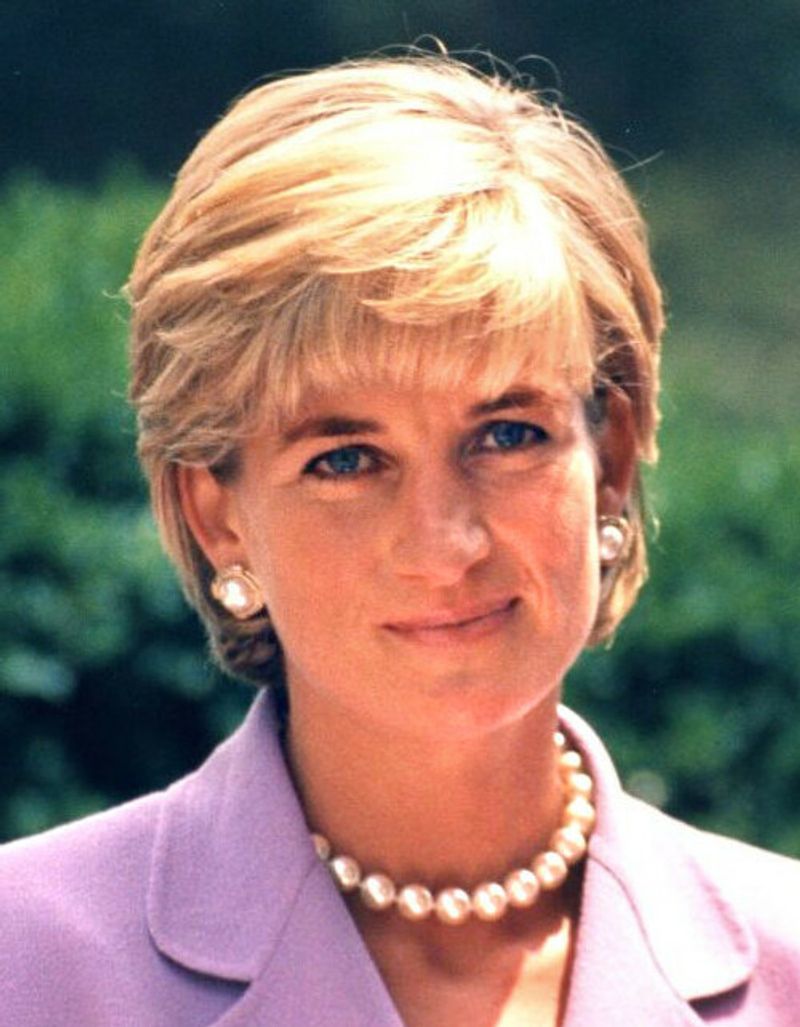
Most royals wave from balconies. Diana got down on her knees to hug children in hospitals and sat with AIDS patients when the world was still afraid to shake their hands.
She redefined what it meant to wear a crown.
As Princess of Wales, she became the most photographed woman on Earth. But the camera caught something real in her.
She had a way of making every person she met feel like the most important person in the room. That’s a skill no title can teach.
Diana passed in August 1997, and the grief that swept across Britain and the world was unlike anything seen in modern times. Millions lined the streets for her funeral.
Flowers piled up outside Kensington Palace for days. What people mourned wasn’t just a princess.
They mourned the rare combination of privilege and genuine compassion she carried. Her sons, William and Harry, have spent their lives trying to carry that same warmth forward in her memory.
John Lennon
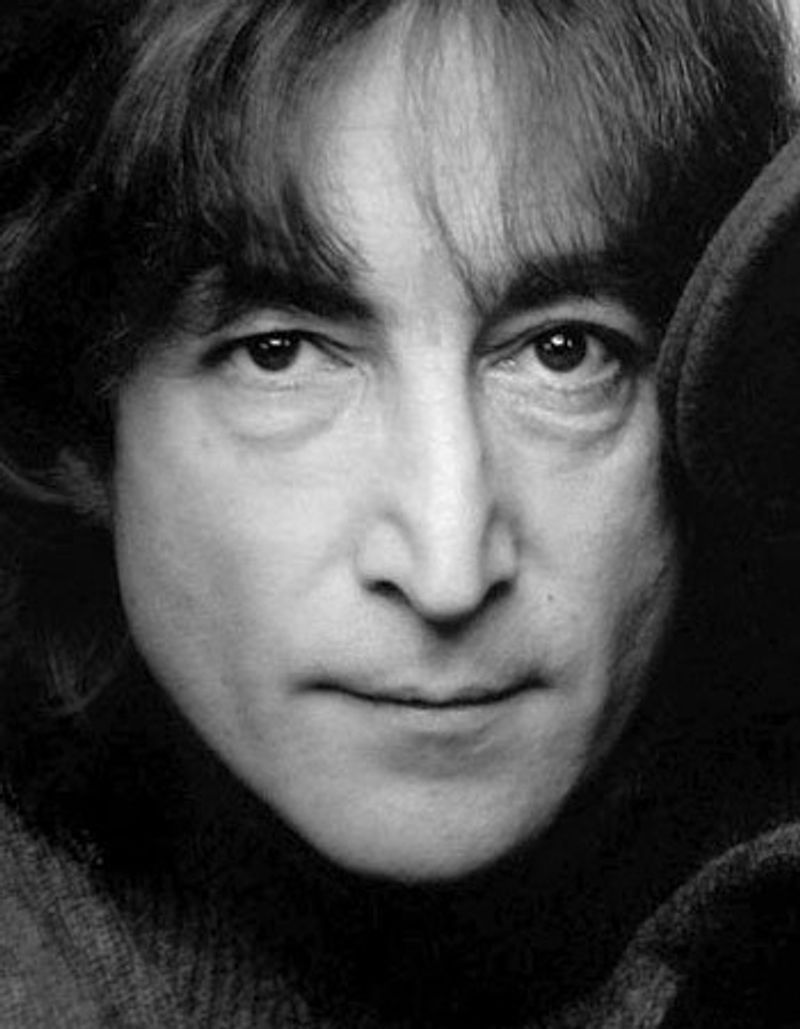
“Imagine” was written on a piano in a white room, and it somehow became the unofficial anthem for every generation that ever dared to hope the world could be better. John Lennon had a gift for turning big ideas into simple, singable truths.
As a Beatle, he helped reshape popular music from the ground up. After the band broke up, his solo work pushed even further into territory that mixed politics, poetry, and pure melody.
He was sharp, funny, contradictory, and occasionally infuriating. Basically, he was fascinating.
Lennon was shot and killed outside his New York apartment in December 1980 at just 40 years old. The senselessness of it still stings.
What we lost wasn’t just a musician. We lost someone who was still evolving, still creating, and still asking the kind of uncomfortable questions that societies need to hear.
His voice, both literally and figuratively, remains one of the most missed sounds in modern music history.
Tupac Shakur
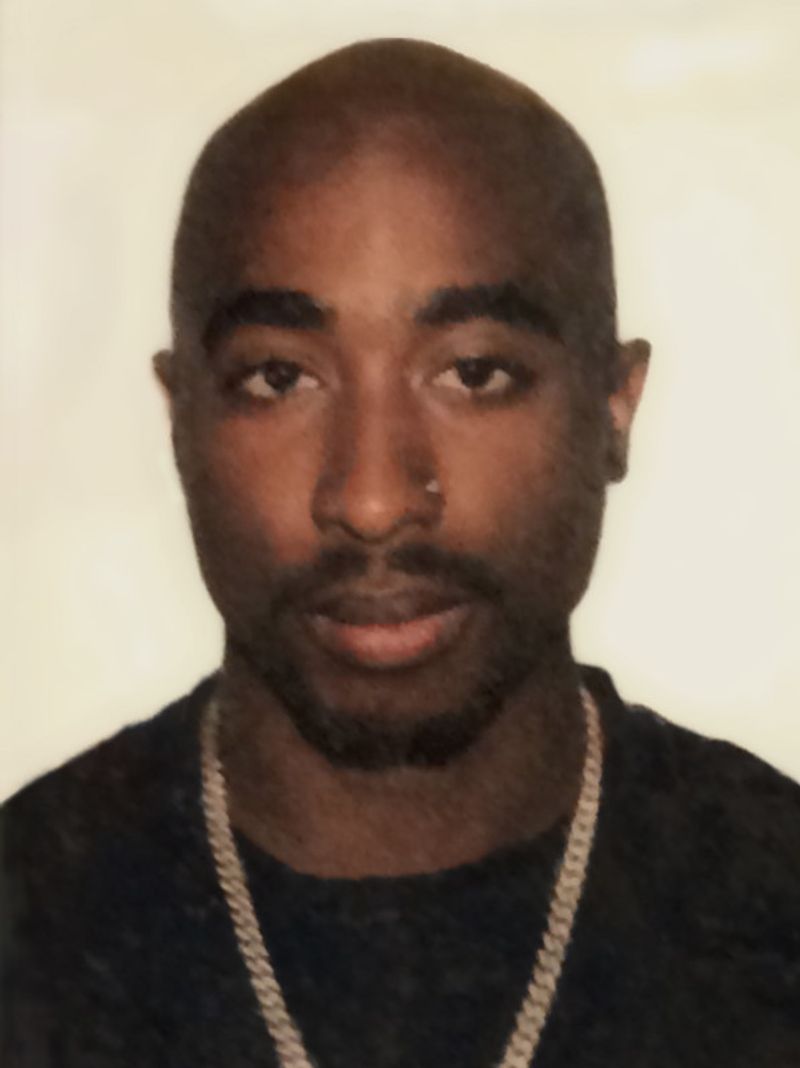
Tupac wrote poetry before he rapped, and it shows in every verse. His lyrics had a depth and emotional intelligence that made him stand apart from nearly every other hip-hop artist of his era, and honestly, most that came after.
He released five studio albums and sold over 75 million records worldwide. He acted in films, advocated for social justice, and somehow managed to be both street-tough and deeply sensitive in a way that confused people who wanted him to be just one thing.
He refused to be just one thing.
Tupac was shot and killed in September 1996 at just 25 years old. The tragedy of his death is matched only by the vastness of what he had already created in such a short time.
Decades later, his music still tops streaming charts and still speaks to young people navigating inequality, identity, and ambition. He wasn’t just a rapper.
He was a voice that arrived too early and left far too soon.
Audrey Hepburn
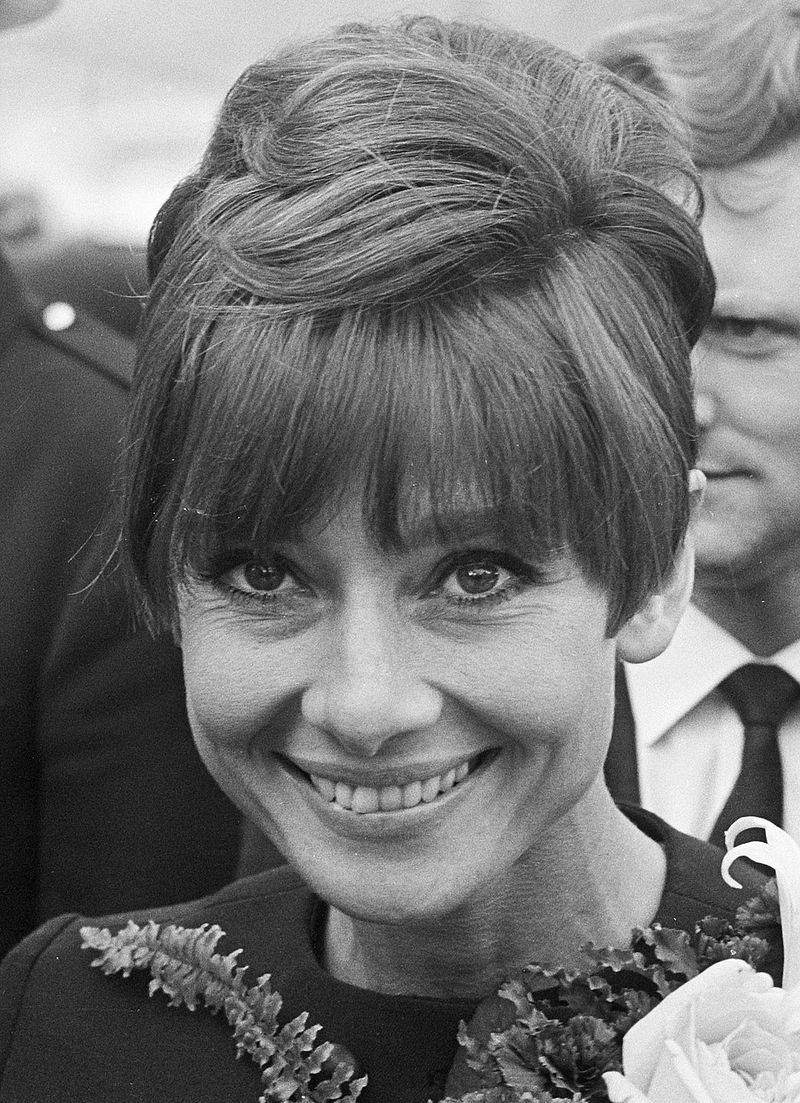
Audrey Hepburn made elegance look effortless, which is the most difficult trick in the book. She wasn’t just a style icon.
She was a genuine humanitarian who spent the last years of her life working with UNICEF in some of the world’s most impoverished regions.
She won an Oscar, an Emmy, a Grammy, and a Tony, making her one of the rare EGOT achievers in entertainment history. Breakfast at Tiffany’s and Roman Holiday alone would have secured her legend status.
The humanitarian work just made it undeniable.
Hepburn passed in January 1993, but her image has never really left popular culture. Her face still sells perfume, decorates dorm rooms, and shows up in conversations about grace and style.
What people remember most isn’t just the cheekbones or the little black dress. It’s the combination of beauty and genuine goodness that she carried without ever seeming to try.
That combination is rarer than any award.
Martin Luther King Jr.
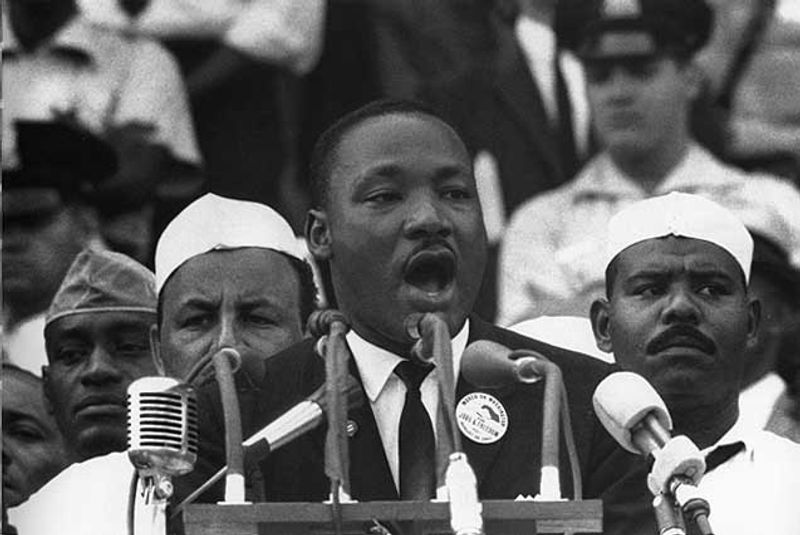
The “I Have a Dream” speech was delivered in August 1963 to a crowd of 250,000 people, and it still gives you chills reading it in a quiet room sixty years later. Martin Luther King Jr. had the rare ability to make moral clarity sound like music.
He led the Montgomery Bus Boycott, organized the March on Washington, and won the Nobel Peace Prize at just 35 years old, making him the youngest recipient at the time. He did all of this while being surveilled, threatened, and jailed repeatedly.
The man did not quit easily.
King was assassinated in April 1968 at 39 years old. The loss to the civil rights movement was immeasurable.
But the ideas he championed didn’t die with him. His speeches are still quoted by presidents, protesters, and students worldwide.
What he built wasn’t just a movement. It was a moral framework that the world still uses to measure itself against, often finding itself falling short.
Amy Winehouse
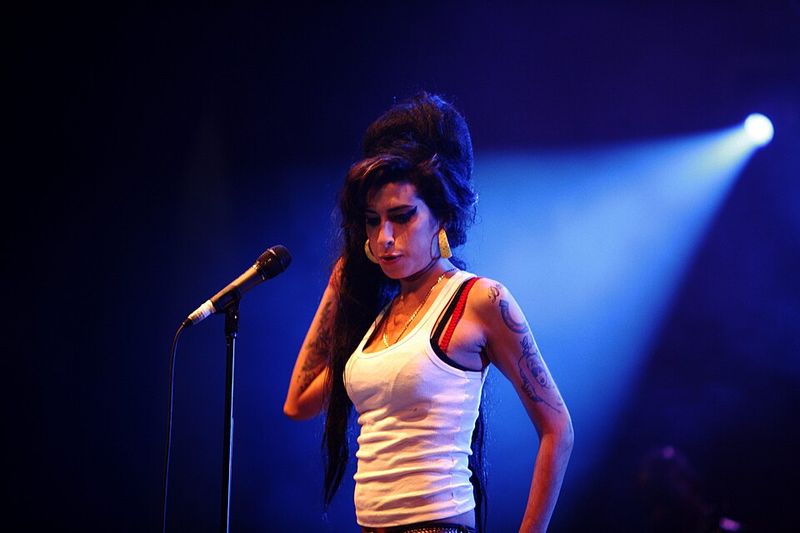
Amy Winehouse had a voice that sounded like it had lived several lifetimes before she even turned 25. There was a rawness to it, a bruised honesty that made every song feel like a confession rather than a performance.
“Back to Black” was released in 2006 and went on to become one of the best-selling albums of the 21st century. She won five Grammy Awards in a single night in 2008, tying the record for most wins by a female artist.
The talent was never in question.
Amy passed in July 2011 at just 27 years old, joining the tragic list of artists lost at that age. What the world lost wasn’t just a great voice.
It was a songwriter of rare emotional depth who was still growing, still experimenting, and still surprising people. Her music remains a masterclass in soul, jazz, and heartbreak.
Playing “Valerie” at full volume is still one of the most reliable mood lifters in recorded history.
Steve Jobs
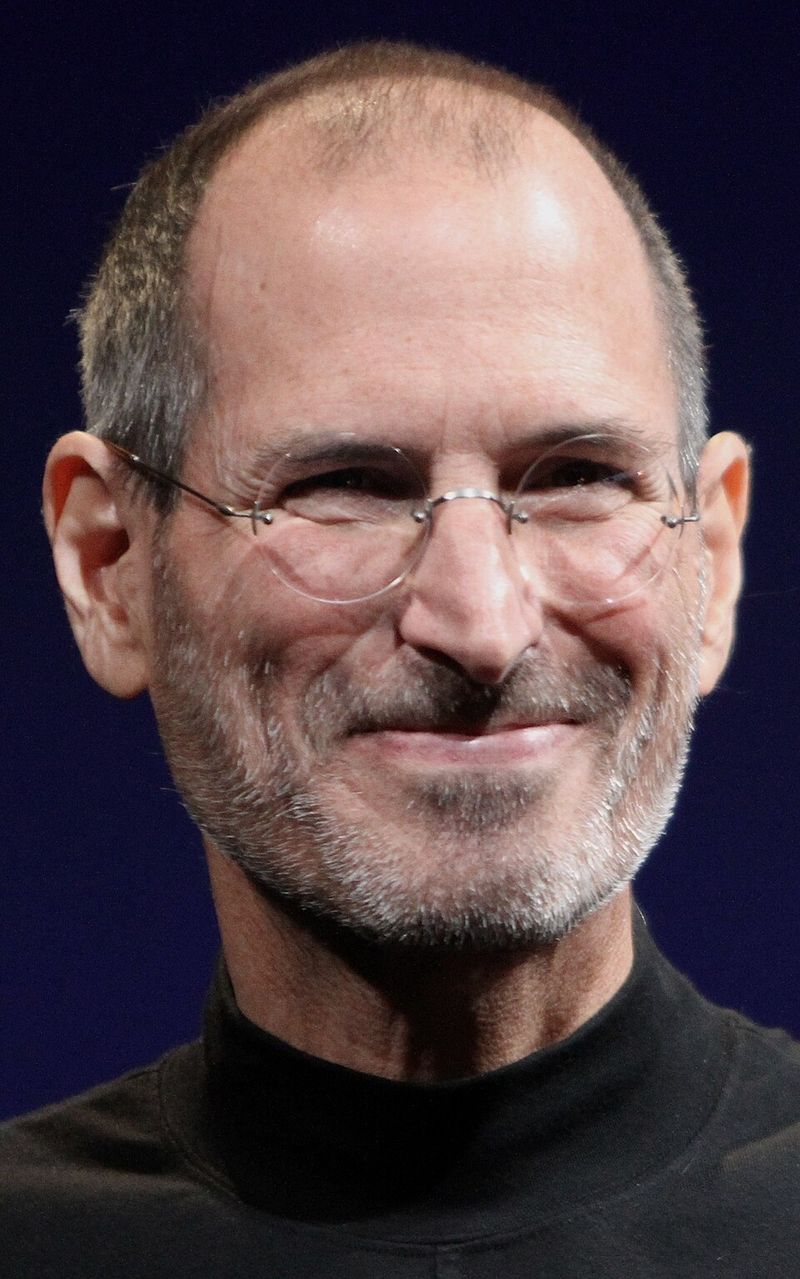
Steve Jobs once said the people crazy enough to think they can change the world are the ones who do. Then he went ahead and changed it multiple times, just to prove the point.
The iPhone, the Mac, Pixar, the iPod. Not a bad resume.
He was famously difficult to work with, notoriously demanding, and completely unwilling to settle for “good enough.” His obsession with design and user experience transformed not just technology, but how people interact with the world around them every single day.
Jobs passed in October 2011 after a long battle with pancreatic cancer, and the outpouring of grief from the tech community and beyond was enormous. People left flowers and half-eaten apples outside Apple stores worldwide.
What the world lost wasn’t just a CEO. It was a rare type of visionary who understood that technology should feel personal, beautiful, and human.
Every sleek device you use today carries a little bit of his fingerprints on it.
Billie Holiday
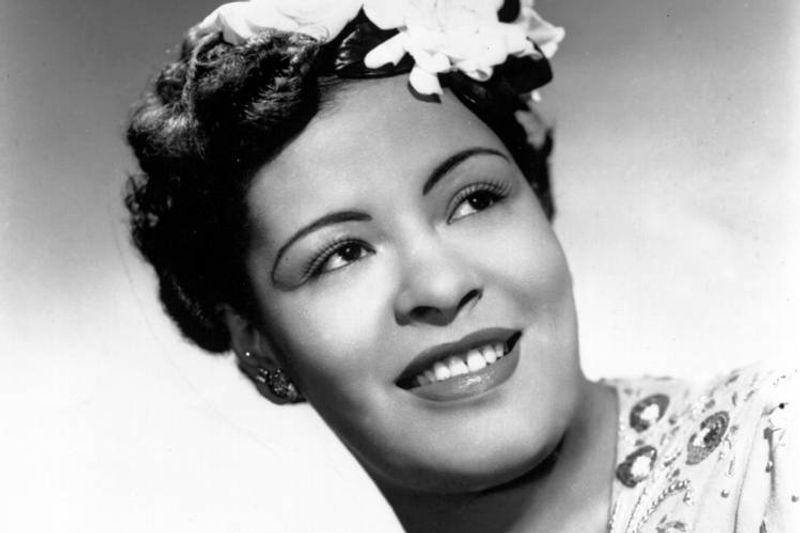
Billie Holiday sang “Strange Fruit” in 1939, a haunting protest song about lynching, at a time when doing so was genuinely dangerous. She performed it anyway, night after night, refusing to let audiences look away from an uncomfortable truth.
That took extraordinary courage.
Her voice had a quality that defied easy description. It was fragile and powerful at the same time, capable of turning a simple melody into something that felt like a lived experience.
Jazz musicians still cite her phrasing as a masterclass in emotional delivery.
Holiday passed in July 1959 at just 44 years old, her health ravaged by years of struggle. But the recordings she left behind are timeless. “God Bless the Child,” “Lady Sings the Blues,” and dozens of other tracks remain essential listening for anyone who wants to understand what jazz truly is.
She didn’t just sing songs. She told the truth about what it felt like to be alive in a world that wasn’t always kind to her.
Share this story