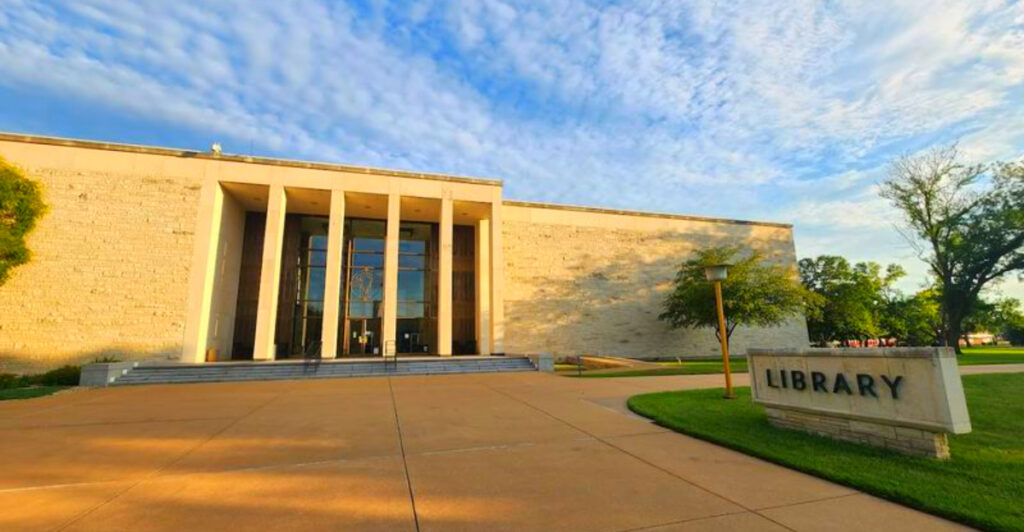
Presidential libraries are part archive, part museum, and part reality check for how American history actually gets made. One gallery might move from Depression-era radio chats to Cold War briefing books, while another jumps from campaign buttons to policy drafts that changed daily life in the 1960s, 1980s, or 1990s.
What makes these places so absorbing is the mix of official record and personal detail, where family photographs, handwritten edits, and press strategies sit beside major national decisions. If you want history with more texture than a textbook and more context than a headline, these 16 stops make the past feel organized, human, and surprisingly easy to explore.
1. Franklin D. Roosevelt Presidential Library (New York)
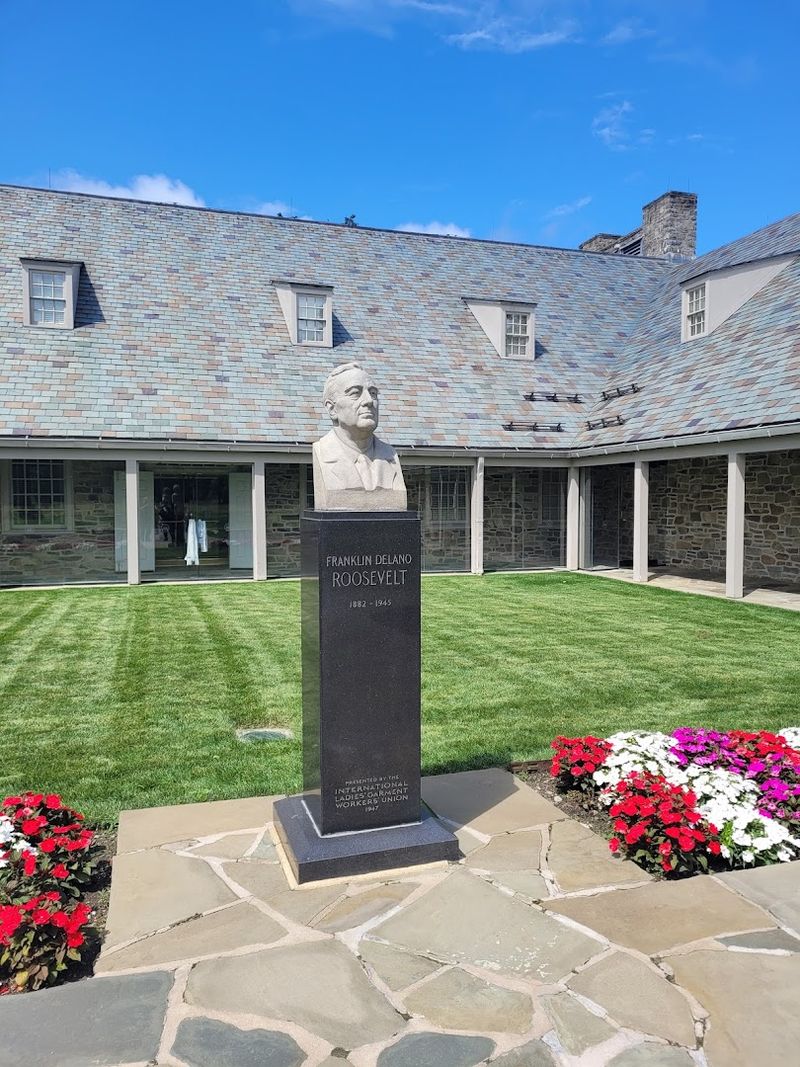
This is where the presidential library concept officially got its opening chapter. Opened in 1941 in Hyde Park, it was the first library created by a sitting president to preserve papers, gifts, and records in one public institution.
The museum gives you a focused look at the New Deal, fireside chats, and the federal government’s expanding role during the 1930s and 1940s. Exhibits also trace Eleanor Roosevelt’s public work, which adds welcome range beyond a single administration.
What stands out is how clearly the collections explain process, not just personality. You leave with a stronger sense of how radio, photography, federal programs, and wartime planning reshaped the presidency into a modern office with reach far beyond Washington.
2. Harry S. Truman Presidential Library (Missouri)
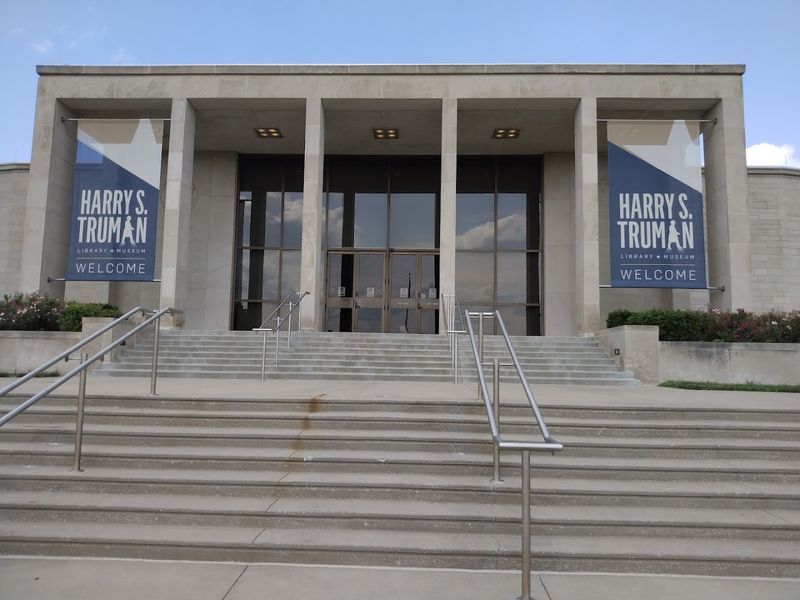
Few places explain the handoff from global war to uneasy peace as briskly as this one. The Truman Library in Independence, Missouri, covers the late 1940s with exhibits on postwar rebuilding, the Marshall Plan, and the early shape of the Cold War.
You also get a clear read on Truman’s plainspoken style, which remains one of the library’s most memorable themes. Campaign material, family items, and White House records show a president who often sounded direct because he was direct.
The museum avoids turning history into a blur of dates. Instead, it organizes complex decisions into understandable steps, helping you connect diplomacy, domestic politics, and the changing role of the United States in a newly divided international order.
3. John F. Kennedy Presidential Library (Massachusetts)
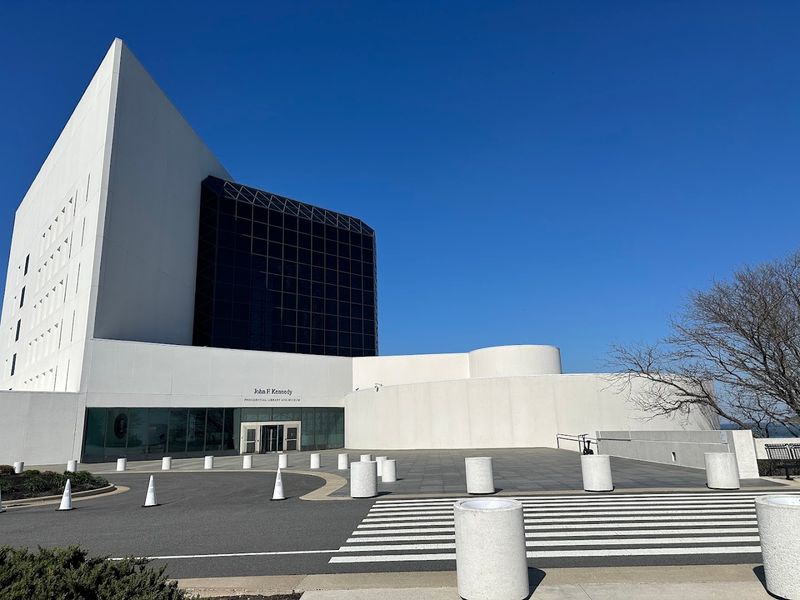
Modern architecture does a lot of storytelling before you even read the first label here. The John F.
Kennedy Presidential Library in Boston frames the early 1960s through campaign media, White House culture, civil rights, and the accelerating competition of the space race.
Television plays a major role in the presentation, which feels right for a presidency shaped by image as much as policy. Exhibits on speeches, press relations, and international tension show how carefully public communication became part of governing.
There is also strong attention to family life and Jacqueline Kennedy’s influence on cultural presentation. The result is a museum that helps you sort the style from the substance, then understand why both mattered so much in that short, intensely documented era.
4. Lyndon B. Johnson Presidential Library (Texas)
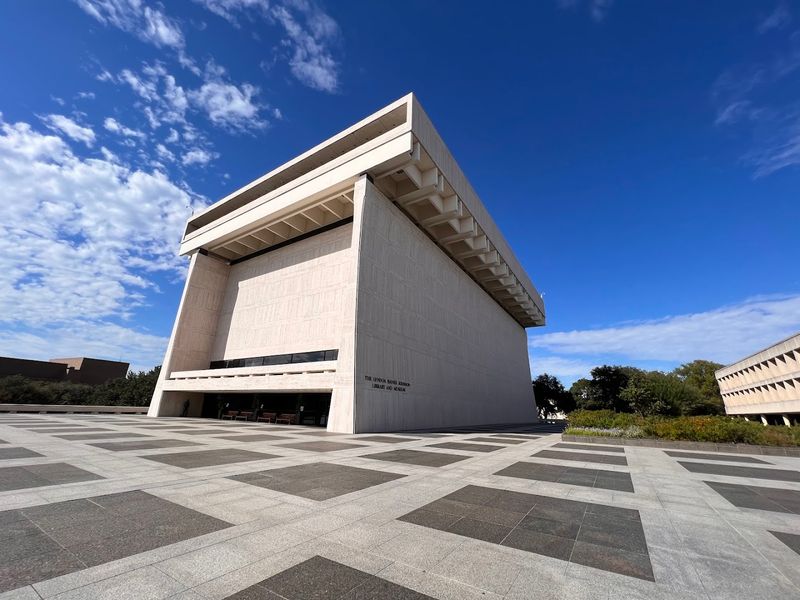
If paperwork could flex, this library would be showing off constantly. The Lyndon B.
Johnson Presidential Library in Austin is known for its immense archives, and the exhibits use that scale well when exploring civil rights legislation, the Great Society, and the mechanics of legislative persuasion.
You get a close look at how Johnson used experience, pressure, and timing to move policy through Congress. Multimedia displays also place his administration inside the broader turbulence of the 1960s without losing sight of domestic reform.
What makes the museum especially useful is its emphasis on systems. Rather than treating laws as abstract milestones, it shows the political negotiations, staff work, and public messaging that turned ambitious proposals into programs that still shape American life.
5. Richard Nixon Presidential Library (California)
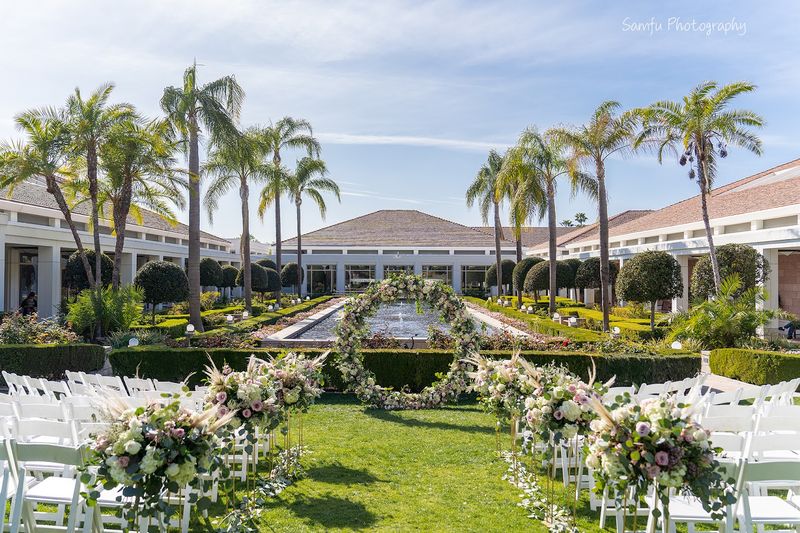
Complex reputations tend to produce the most interesting museums, and this one proves it. The Richard Nixon Presidential Library in Yorba Linda covers domestic policy, foreign relations, and his carefully crafted political persona, while also giving significant space to the Watergate story.
That balance matters because the library lets visitors follow more than one narrative at once. You can move from China and Soviet diplomacy to campaign strategy, media management, and the institutional strains that reshaped public trust in government.
The museum is strongest when it sticks to records, recordings, and chronology rather than verdicts. By laying out events clearly, it helps you see how the modern presidency became more scrutinized, more documented, and far less able to hide from investigative reporting.
6. Dwight D. Eisenhower Presidential Library (Kansas)
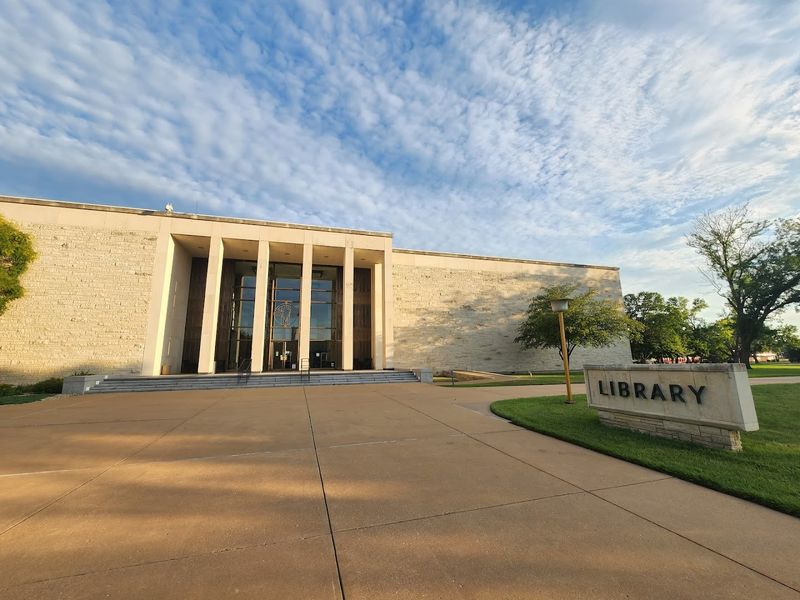
Military precision meets Midwestern practicality at this Kansas site. The Eisenhower Presidential Library in Abilene examines his rise from military commander to two-term president, tying wartime logistics to the calmer but still tense politics of the 1950s.
The collection highlights interstate highways, the space race, civil rights pressures, and the balancing act of Cold War strategy. You also see how Eisenhower cultivated a reassuring public image while managing complicated international questions behind the scenes.
The broader campus helps, because his story did not begin in Washington. By connecting hometown roots, military service, and Oval Office responsibilities, the museum gives you a fuller portrait of how organization, caution, and administrative discipline shaped an era often remembered through television and suburbia.
7. Gerald R. Ford Presidential Museum (Michigan)
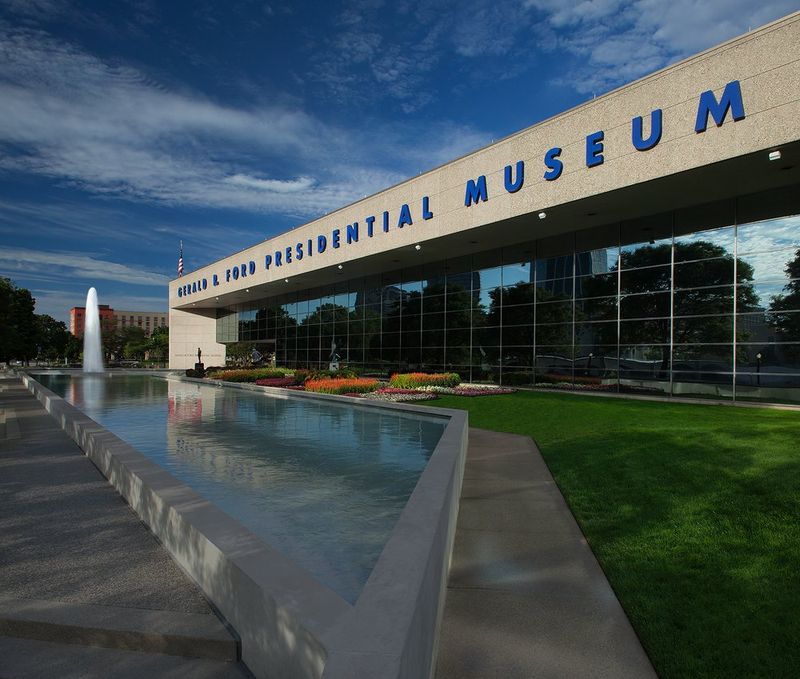
A short presidency can still fill a museum with major turning points. The Gerald R.
Ford Presidential Museum in Grand Rapids looks closely at the aftermath of Watergate, the 1970s economic climate, and the challenge of restoring confidence in the executive branch.
Ford’s personality comes through as steady, athletic, and notably unflashy, which is almost a historical category of its own. Exhibits also connect his administration to the Bicentennial, changing media expectations, and a public increasingly skeptical of official messaging.
The museum works because it does not oversell drama. Instead, it explains how transitional presidencies matter, especially when the country is recalibrating its assumptions about honesty, transparency, and what citizens should expect from the office after a period of deep institutional strain.
8. Jimmy Carter Presidential Library (Georgia)
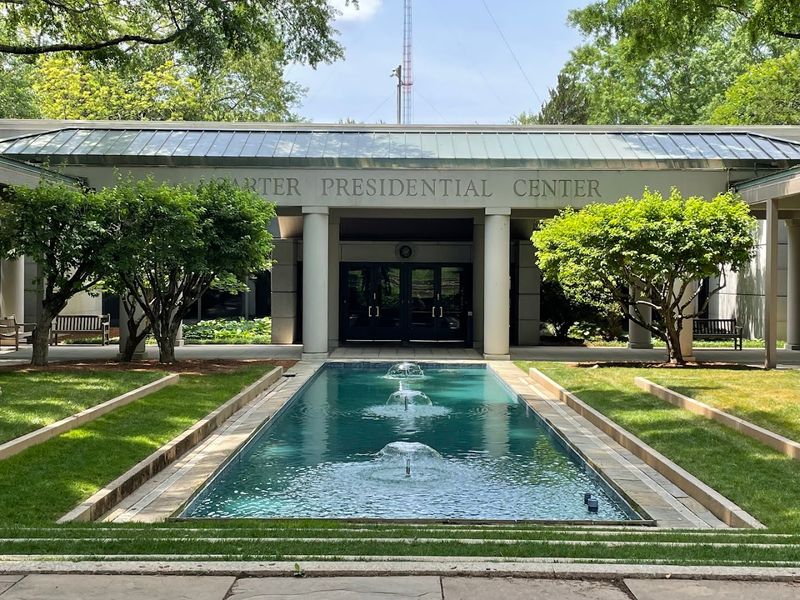
This library reminds you that a presidency can keep expanding long after the inaugural confetti is gone. The Jimmy Carter Presidential Library in Atlanta covers energy policy, diplomacy, and human rights, while also giving substantial attention to Carter’s unusually active post-presidential work.
The late 1970s come into focus through campaign material, policy documents, and exhibits on changing expectations for leadership after the long arc of the sixties and seventies. You also see how Carter’s public image mixed technical seriousness with moral language.
What makes the visit worthwhile is the continuity between office and later service. Rather than splitting the story in two, the museum shows how global engagement, election reform, and civic responsibility remained linked themes, turning one presidency into a broader public-life case study.
9. Ronald Reagan Presidential Library (California)
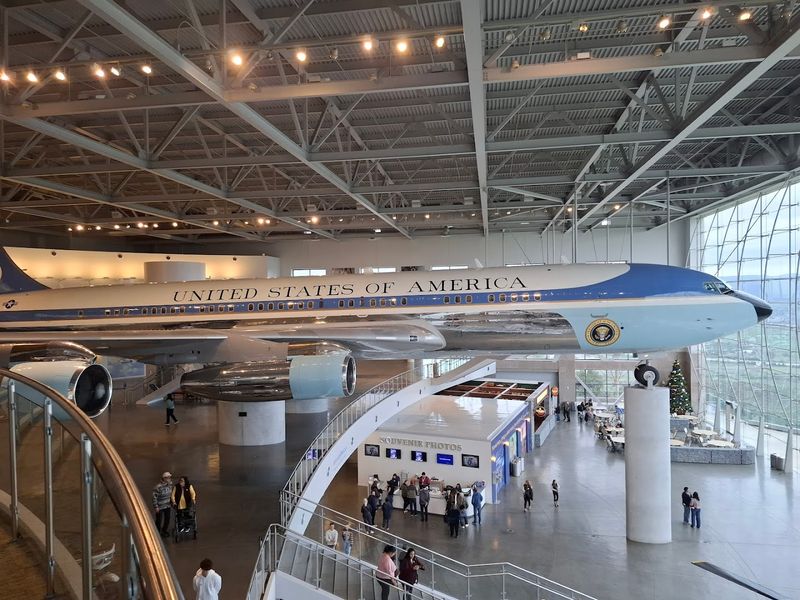
Big 1980s energy arrives quickly when you step into this California institution. The Ronald Reagan Presidential Library in Simi Valley is famous for its Air Force One Pavilion, but the broader museum also tracks tax policy, Cold War strategy, media performance, and the communication style that defined Reagan’s presidency.
The exhibits show how television, symbolism, and message discipline became central tools of modern politics. Visitors can follow the administration through domestic debates, relations with the Soviet Union, and the public staging of confidence during a decade obsessed with presentation.
It is one of the most visited libraries for good reason. The museum is accessible without becoming shallow, and it helps you understand how the 1980s fused policy, celebrity, conservative activism, and patriotic branding into a durable chapter of American political culture.
10. George H. W. Bush Presidential Library (Texas)
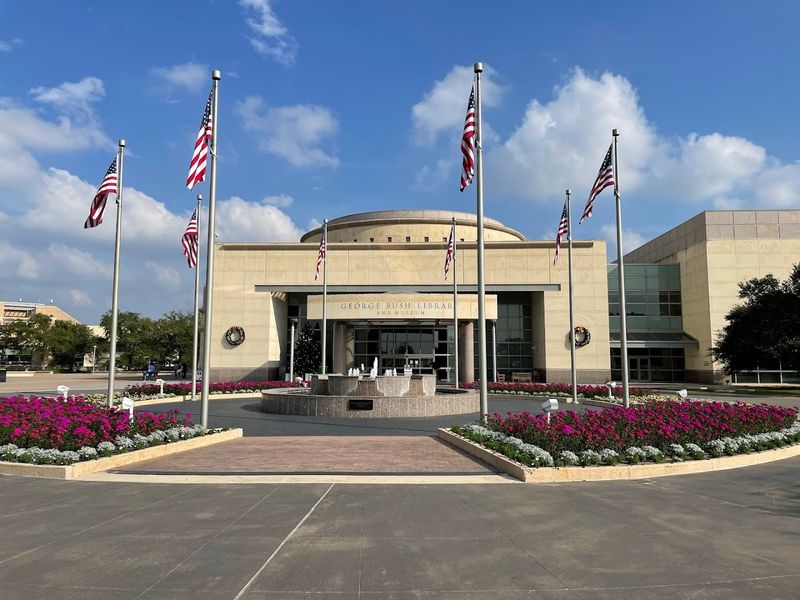
History speeds up here in a way that feels both recent and already archival. The George H.
W. Bush Presidential Library in College Station examines the end of the Cold War, coalition building, and the careful diplomatic language that defined Bush’s approach to international affairs.
The museum presents him as a seasoned administrator shaped by military service, intelligence work, and years in public office. Exhibits on the Gulf War, German reunification, and domestic politics make clear how much global rearrangement landed during one four-year term.
A replica Oval Office and interactive displays help translate policy into choices visitors can follow. By emphasizing alliances, restraint, and process, the library offers a useful corrective to louder political eras and shows how managerial leadership can still leave a large historical footprint.
11. William J. Clinton Presidential Library (Arkansas)
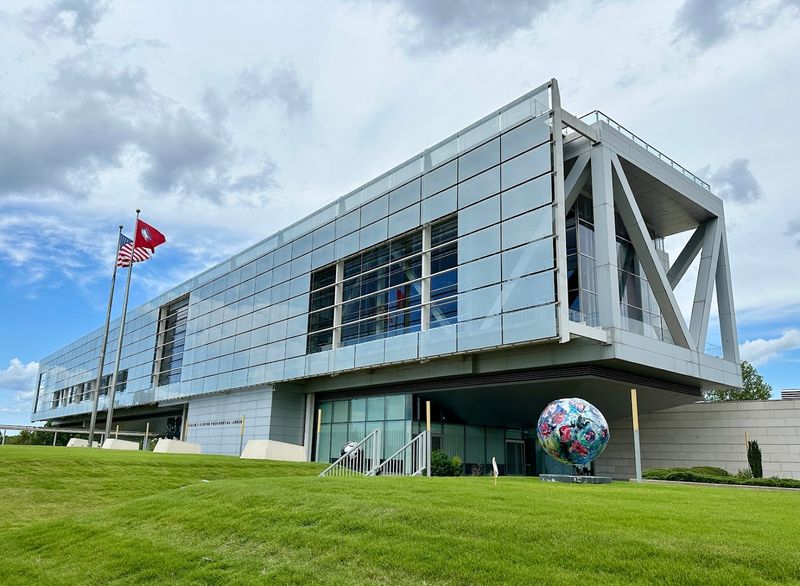
The 1990s look less simple once you walk through this museum’s timeline. The William J.
Clinton Presidential Library in Little Rock covers economic expansion, welfare reform, globalization, technology growth, and the increasingly nonstop media cycle that helped define late twentieth-century politics.
Its design feels contemporary in a way that matches the era it documents. Exhibits use documents, video, and issue-based displays to show how policy and pop culture often overlapped during a decade of internet adoption, cable news growth, and partisan sharpening.
The library is especially good at explaining complexity without turning fuzzy. You can track trade debates, health care efforts, and international interventions while also seeing how political messaging changed when twenty-four-hour commentary became a governing condition instead of an occasional nuisance.
12. George W. Bush Presidential Center (Texas)
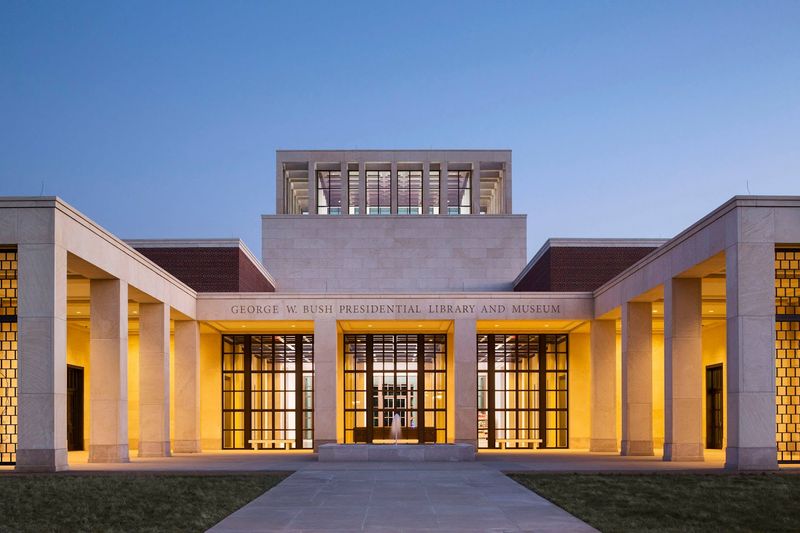
This is one of the clearest examples of a presidential museum built for interactive habits. The George W.
Bush Presidential Center in Dallas uses decision-making simulations, multimedia installations, and issue-focused galleries to examine education policy, global affairs, and the political climate of the early 2000s.
The design encourages visitors to test how difficult choices can look when information arrives incomplete and consequences unfold over time. That approach makes the museum less about memorizing chronology and more about understanding how executive power works under pressure.
It also reflects a newer museum style, where technology is part of the interpretation rather than an add-on. If you want a library that feels tied to the digital era it represents, this one offers a strong bridge between archival history and contemporary civic questions.
13. Herbert Hoover Presidential Library (Iowa)
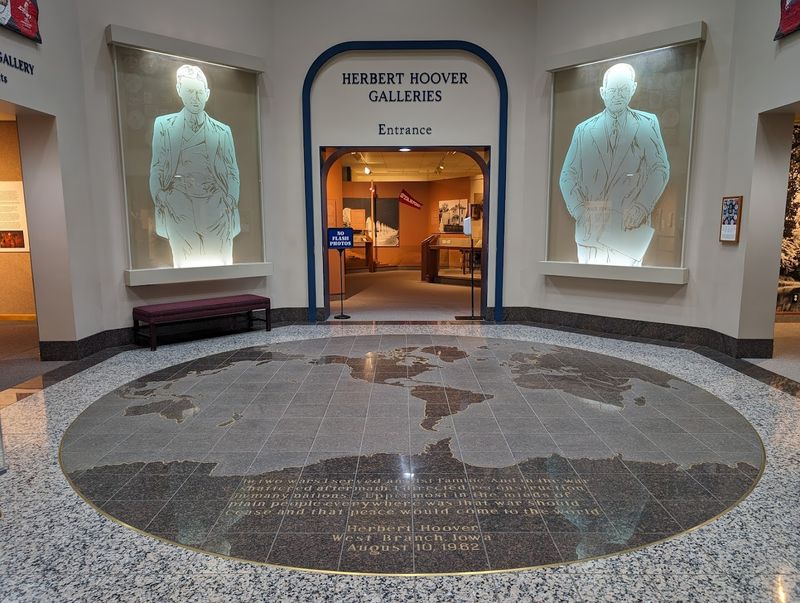
Some libraries are best at correcting what people think they already know. The Herbert Hoover Presidential Library in West Branch, Iowa, explores the Great Depression but also widens the picture through Hoover’s engineering background, administrative career, and major humanitarian relief work before his presidency.
That broader frame matters because Hoover is often reduced to one harsh label in survey history. Here, the exhibits show his belief in voluntary cooperation, his international experience, and the limits of old assumptions when the economy changed faster than government tools did.
The museum does not ask for easy revision, just fuller context. By presenting Hoover as a complex public figure rather than a single-era symbol, it gives visitors a more useful understanding of early twentieth-century governance, expertise, and the shifting expectations Americans placed on federal leadership.
14. Abraham Lincoln Presidential Library and Museum (Illinois)
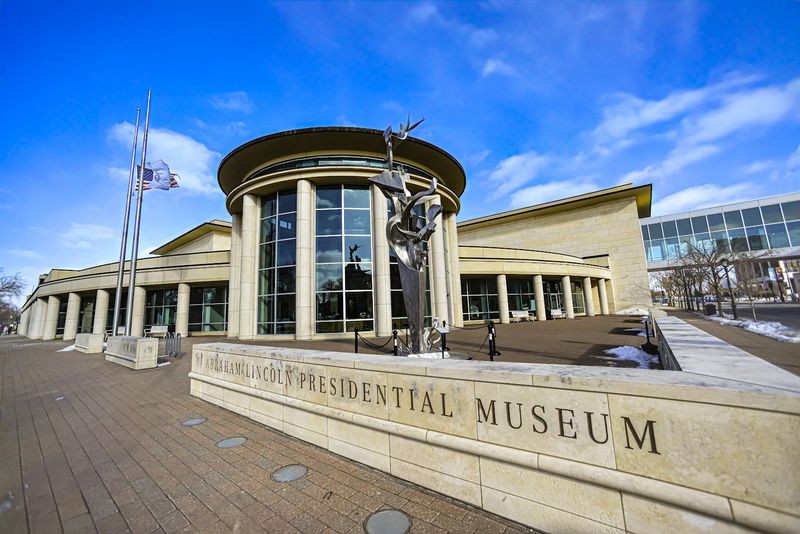
Traditional archives take a back seat here, and that is exactly the point. The Abraham Lincoln Presidential Library and Museum in Springfield uses immersive storytelling, staged exhibits, and historical interpretation to cover Lincoln’s rise, the sectional crisis, and the political culture of the mid-nineteenth century.
It feels more theatrical than many presidential sites, but the content stays anchored in documents, speeches, and public life. Visitors get a strong sense of how print culture, party politics, and personal ambition intersected in a period when the nation was redefining federal authority.
Because the museum leans into narrative structure, it often reaches people who might not start with archival boxes. That accessibility makes it valuable, especially if you want a presidential history experience that explains context clearly while still respecting the complexity of Lincoln’s era.
15. Rutherford B. Hayes Presidential Library (Ohio)
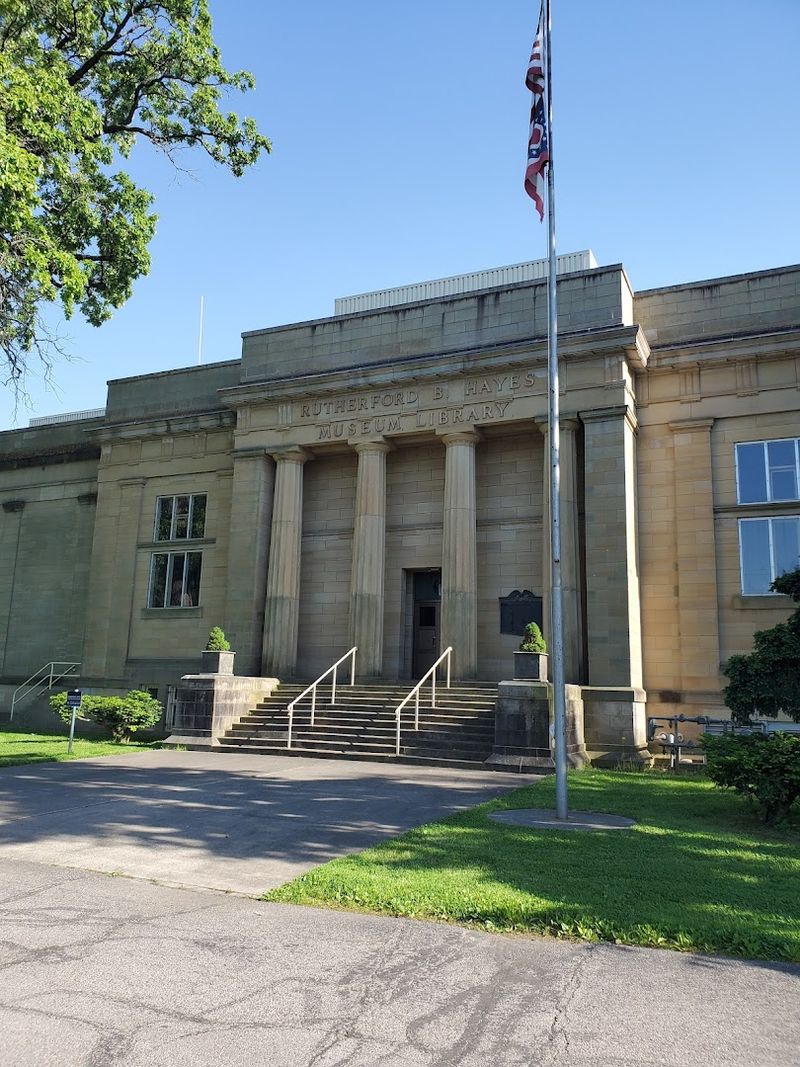
Before presidential libraries became a formal federal pattern, this Ohio site was already preserving one. The Rutherford B.
Hayes Presidential Library in Fremont is often recognized as the first presidential library open to the public, which gives it a foundational place in museum history as well.
Its exhibits are especially useful for understanding Reconstruction-era politics, civil service reform, and the slow redefinition of federal responsibilities after the Civil War. Hayes is not usually the first name in popular memory, so the museum has room to surprise you with substance.
That lower profile becomes an advantage. Instead of arriving with a thick layer of myth, visitors can focus on the records themselves and see how a transitional presidency dealt with reform, regional tension, and the administrative modernization that shaped the late nineteenth century.
16. Barack Obama Presidential Center (Illinois)
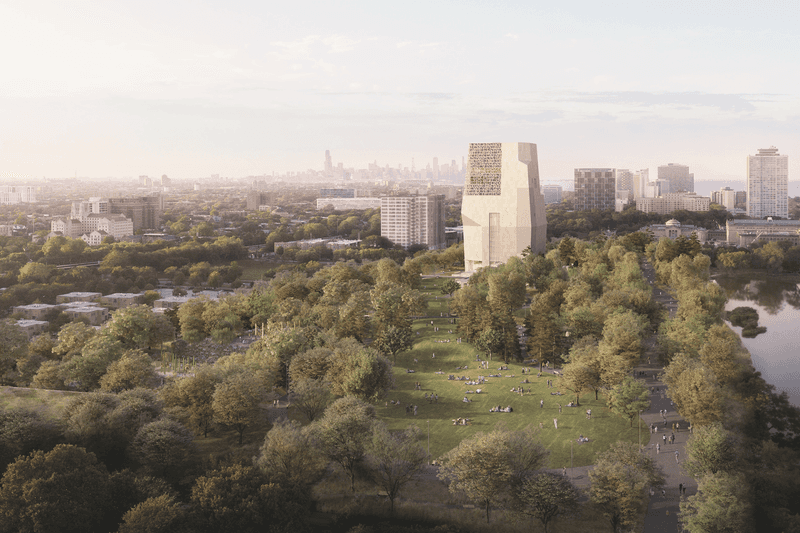
The newest chapter in presidential memory is being written with community space built into the plan. The Barack Obama Presidential Center in Chicago is designed to blend museum interpretation, public programming, and neighborhood engagement, reflecting a twenty-first-century approach to what a presidential institution can be.
That matters because recent history arrives with digital records, social media, and a public already used to constant access. A center devoted to Obama’s years is expected to explore organizing, health care reform, global communication, and the changing language of civic participation.
Even while still evolving, it points toward a broader model. Rather than treating history as sealed behind glass, the project suggests that archives, education, and local connection can share the same mission, making presidential history feel less remote and more tied to ongoing public life.
Share this story