This stretch of Lake Michigan stands out for its unusually clear blue water, miles of undeveloped shoreline, and limited crowds even in peak season. Located near the tip of Michigan’s Lower Peninsula, it offers easy access from Mackinaw City without the heavy tourist traffic.
The park covers more than 10,000 acres, with hiking trails, rustic cabins, and some of the darkest night skies in the state. Regular campers return year after year, and reservations fill quickly.
Here’s what keeps this place in such high demand.
Where the Park Actually Is and How to Get There
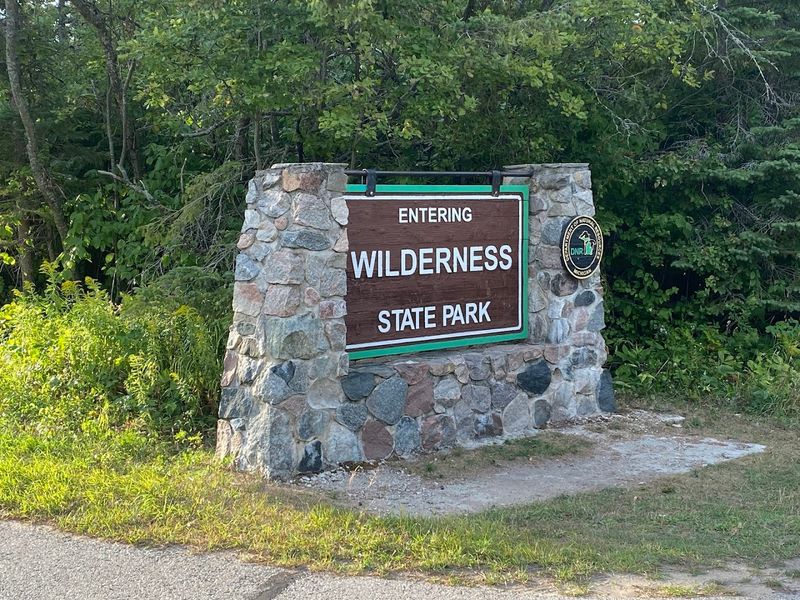
Wilderness State Park sits at 903 Wilderness Park Dr, Carp Lake, MI 49718, tucked into the northwestern corner of Michigan’s Lower Peninsula near the Straits of Mackinac. The drive out here is part of the experience, winding through dense forest along roads that gradually thin out as the trees close in around you.
The park is roughly 11 miles west of Mackinaw City, which means you are close enough to civilization for a quick supply run but far enough away that the noise of tourist traffic fades completely. The roads leading into the park are paved for the most part, though some interior routes toward O’Neill Lake are rough enough that four-wheel drive is genuinely recommended.
The park is open 24 hours a day, every day of the year, and can be reached by phone at 231-436-5381. Once you arrive and check in, the outside world has a funny way of feeling very far away indeed.
Cell service can be spotty in certain areas of the park, which only adds to the sense of being off the grid. It is a good idea to download maps or directions ahead of time so you are not relying on a signal once you are deep inside.
The Shoreline That Stretches on and on
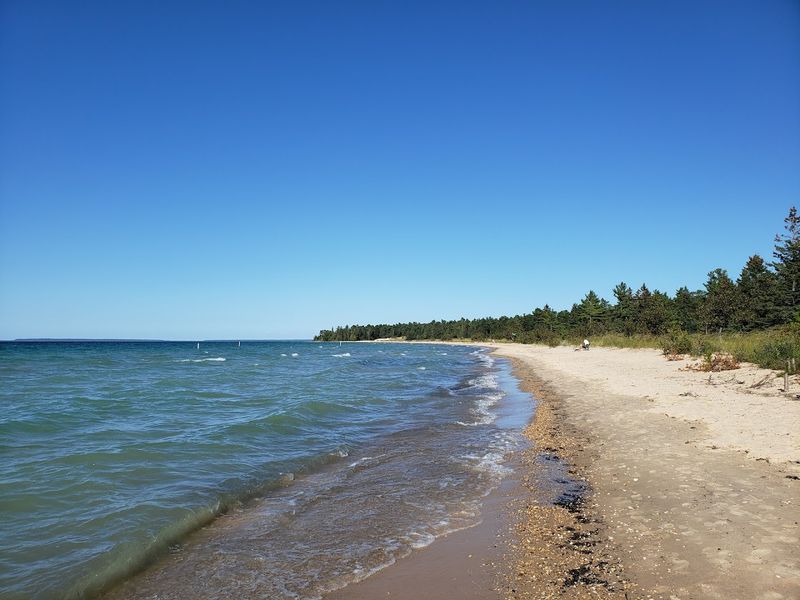
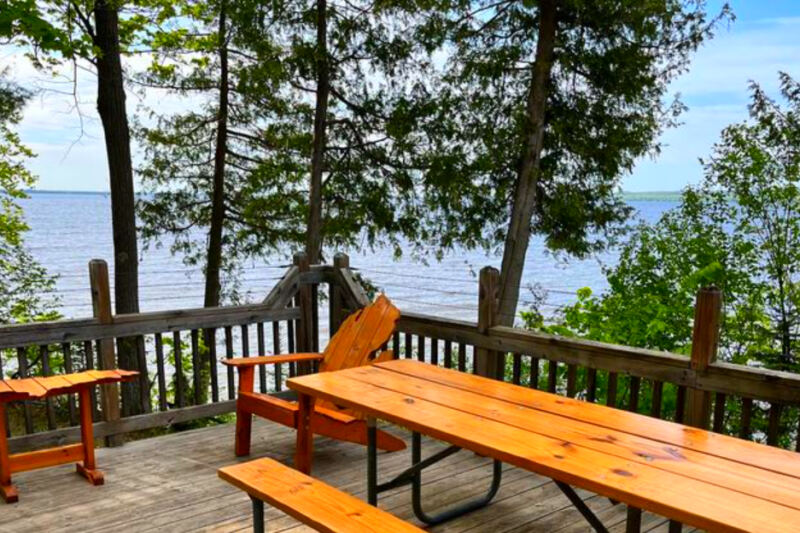
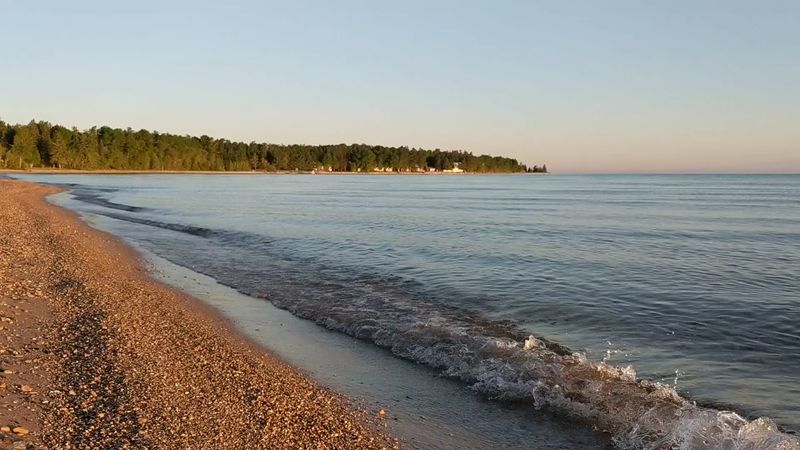
The beach here does not quit. Miles of Lake Michigan shoreline run along the park’s northern edge, and on most days the sand belongs almost entirely to whoever shows up.
The water is strikingly clear, with that deep blue color that makes Lake Michigan look more like a Caribbean bay than a freshwater lake in the Midwest.
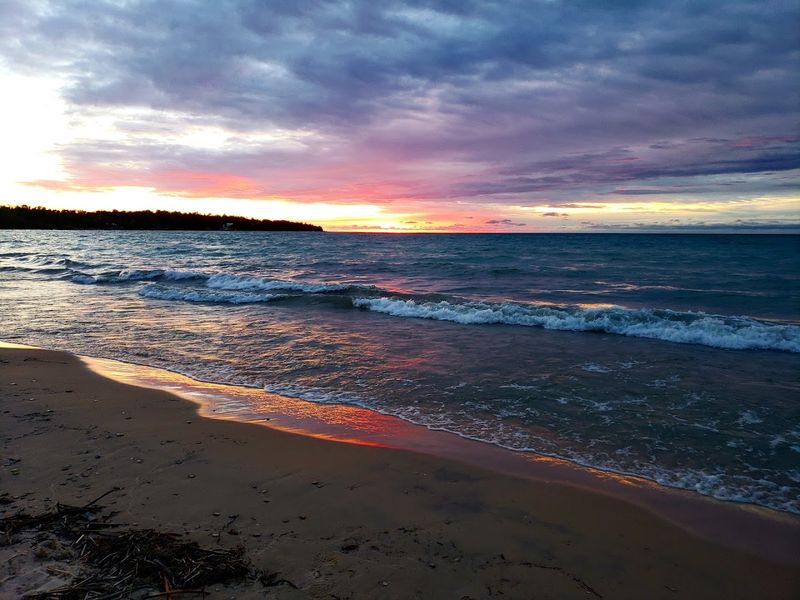
The Lakeshore campground puts you closest to the water, and some sites have views that make it hard to leave your chair. Sunsets from this stretch of shoreline are the kind that people describe in superlatives, painting the sky in deep oranges and purples that reflect across the flat water.
A walk toward Waugoshance Point rewards the adventurous with a long, rocky beach where distant lighthouse silhouettes appear on the horizon. The point feels genuinely wild and unhurried, the sort of place where you can walk for an hour and feel like the only person on the planet.
Camping Options That Actually Suit Everyone
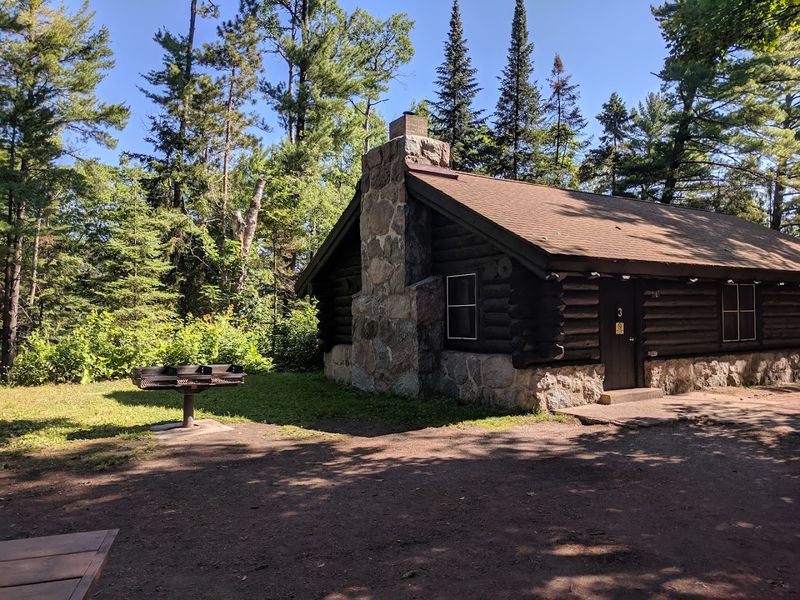
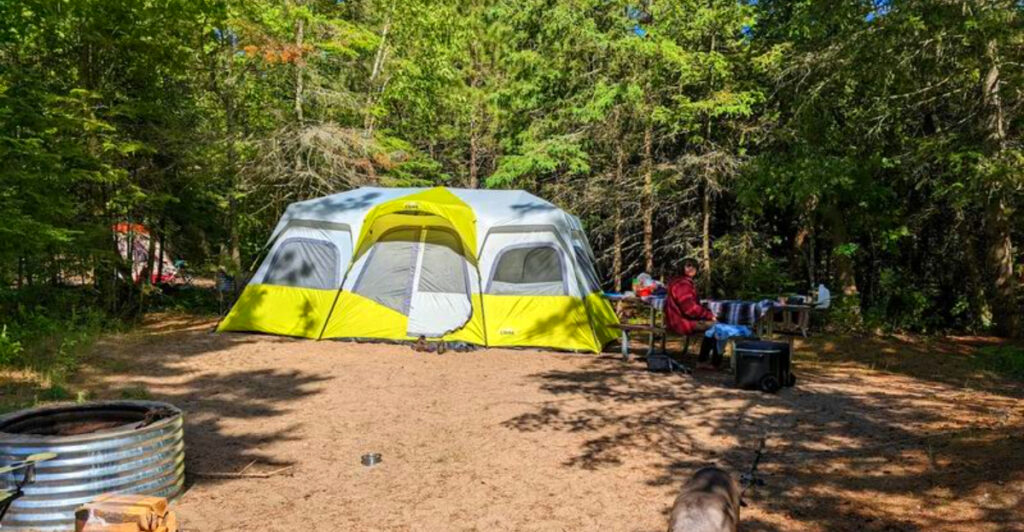
Few state parks in Michigan offer as many ways to spend the night as this one does. The choices range from full hook-up RV sites to rustic tent sites, walk-in primitive spots, and cozy CCC-built cabins that feel like they belong in a different era entirely.
The Lakeshore section puts campers closest to the water, while the Pines campground trades water views for deeper shade under a canopy of tall conifers. Walk-in sites near the rustic section offer the most peace and quiet, with noticeably less foot traffic and a more secluded feel, though they are not lakefront.
The cabins tend to book up fast, and for good reason. They are clean, warm, and surprisingly cozy, with enough character to make you feel like you earned the stay.
Whatever option you choose, reservations fill up quickly, especially for prime summer dates, so booking six months out is not an overreaction here.
Even last-minute planners can sometimes snag weekday openings in the shoulder seasons, when the park feels quieter and more relaxed. No matter where you stay, you are never far from trails, shoreline views, and that unmistakable Up North calm.
Hiking Trails Worth Every Step
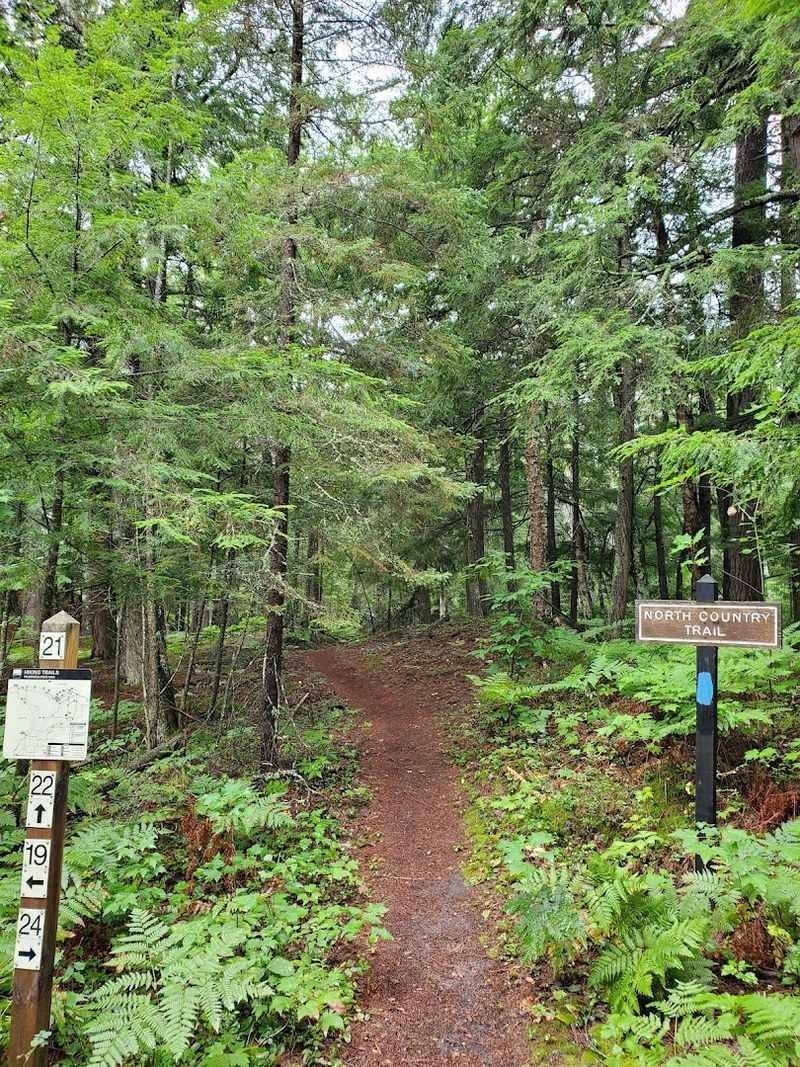
The trail system at this park covers a surprising amount of varied terrain for a single destination. The Red Pine Trail is a favorite among repeat visitors, winding through a cathedral of towering red pines on a soft, single-track path carpeted with needles.
Mushrooms of every shape and color appear along the edges, making it feel like a slow walk through a nature documentary.
The Nebo Trail and Wikenhs Trail connect well together for a two-hour loop that passes through mixed forest and open meadow. Boardwalks carry hikers over marshy sections, and a bench appears about three-quarters of the way through the Red Pine Trail, perfectly placed for a quiet rest.
Some trails were closed for repairs in recent seasons, so checking trail conditions at the ranger station before heading out is a smart move. The ranger staff here is notably friendly and happy to point you toward the best routes based on your pace and preferences.
The Night Sky That Will Change Your Perspective
The darkness here is real. Wilderness State Park sits adjacent to Headlands International Dark Sky Park, one of the most celebrated stargazing locations in the entire country, and the surrounding area benefits from some of the lowest light pollution in Michigan’s Lower Peninsula.
On clear nights, the Milky Way appears as a dense, textured band stretching across the sky from one horizon to the other. Campers who have visited during peak conditions describe the experience as genuinely breathtaking, the kind of sky that makes you feel small in the best possible way.
Northern lights sightings have also been reported from the lakeside campsites with some regularity, particularly during active solar periods. The combination of dark skies, open water views to the north, and minimal tree obstruction along the shoreline makes this one of the better spots in the Lower Peninsula to catch that elusive green glow on a clear night.
Wildlife and Wildflowers You Did Not Expect
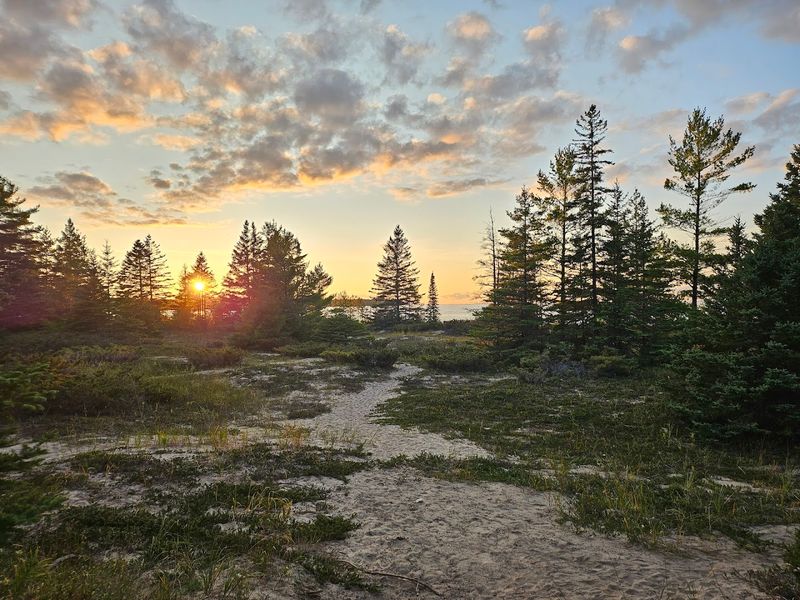
Spring at this park brings a floral display that catches first-time visitors completely off guard. The hike out to Waugoshance Point in late spring is particularly rewarding, with unique coastal foliage and wildflowers blooming in patches along the trail.
The area supports rare plant communities that thrive on the sandy, nutrient-poor soils near the shoreline.
Wildlife sightings are common throughout the park. Deer move quietly through the forest edges in the early morning and late afternoon, while chipmunks and squirrels are practically park ambassadors at the campsites.
Small snakes appear on the trails occasionally, and birders will find plenty to look at along the wooded corridors and open meadows.
The contrast between seasons here is striking. Fall strips the color from the leaves and leaves the park feeling ominous and wide open, while spring practically vibrates with new growth and birdsong.
Both versions of this place have their own particular pull that keeps people coming back year after year.
Facilities That Punch Above Their Weight
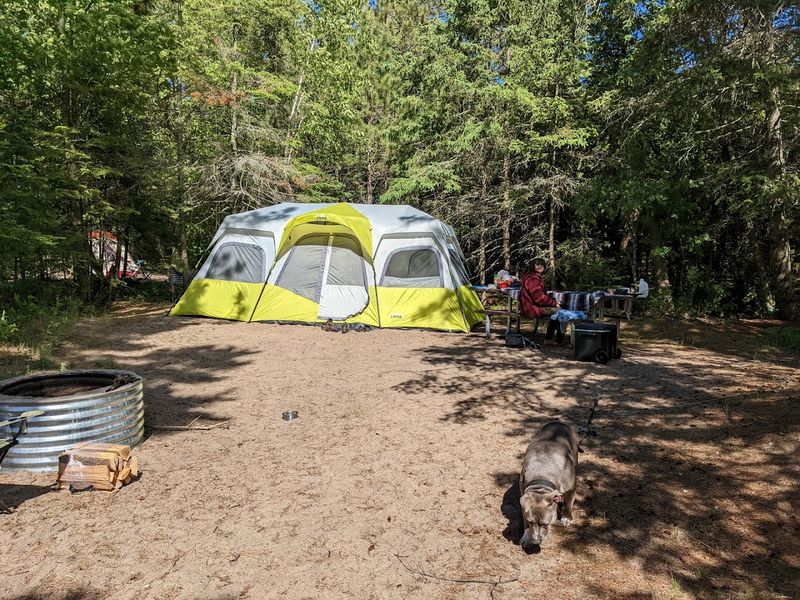
State parks do not always get credit for the unglamorous stuff, but the facilities here genuinely impress. The bathrooms and shower buildings were renovated a few years back and are cleaned multiple times daily by attentive park staff.
The oversized pit toilets in the rustic areas are kept surprisingly clean and odor-free, which anyone who has used a festival porta-potty will deeply appreciate.
A dishwashing station is available for tent campers, which sounds minor until you are three days into a camping trip and staring at a pile of cast iron. Fire pits are well-maintained, roads inside the park were recently repaved, and a three-lane dump station keeps RV wait times short.
Beach wheelchairs are available for public use at the beach access area, a thoughtful touch that makes the shoreline accessible to more visitors. The playground equipment is updated and the open grassy areas near the campground give kids and dogs plenty of room to run freely.
Day Trips From Camp That Are Genuinely Worth It
Using this park as a base camp for exploring northern Michigan is a genuinely brilliant strategy. Mackinaw City is about 20 minutes east, with its shops, ferry access to Mackinac Island, and the iconic Mackinac Bridge stretching north across the Straits.
The bridge authority office has even been known to sell pieces of the bridge during renovation projects, which makes for an unusual souvenir.
Heading north into the Upper Peninsula opens up a full day of options. Tahquamenon Falls, the Soo Locks in Sault Ste.
Marie, and the Whitefish Point Bird Observatory and Shipwreck Museum are all within reasonable driving distance for an ambitious day tripper.
Motorcycle riders have noted that the roads surrounding the park offer excellent riding terrain, with sweeping curves through forested stretches that reward a relaxed pace. The park’s location near the tip of the Lower Peninsula makes it a natural crossroads for exploring both peninsulas without committing to a single direction.
What Off-Season Visits Actually Look Like
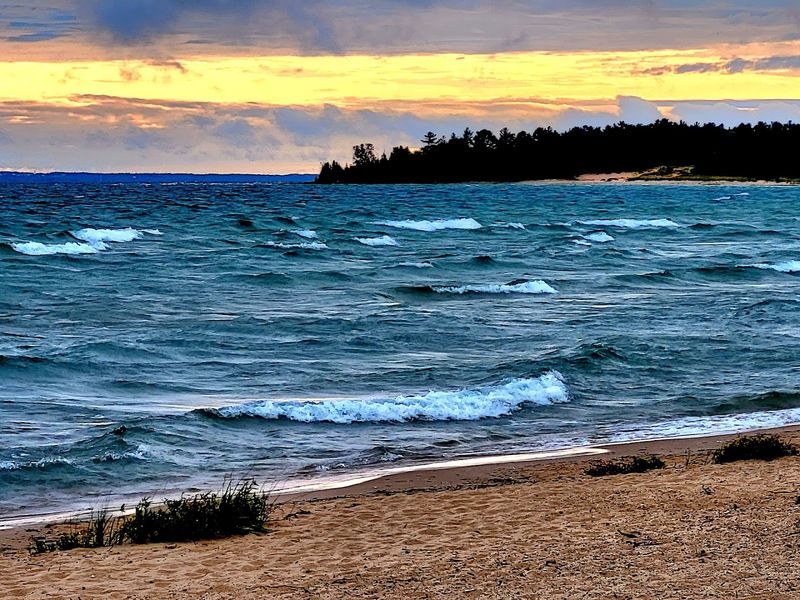
Most people think of this park as a summer destination, but the off-season version has its own stubborn appeal. A November visit finds the park nearly empty, the air cold and sharp, the wind coming off the lake with real conviction.
The roads are open for driving even when most facilities are closed, and the experience of having miles of shoreline entirely to yourself is something that summer crowds simply cannot offer.
Winter cabin rentals are available for those who want a heated base for snowshoeing or cross-country skiing through the quiet forest. The park takes on a completely different atmosphere when the leaves are gone and the lake has a gray, serious look to it.
Savvy visitors have pointed out that renting a cabin in winter and tent camping in summer represents the full range of what this park can offer across seasons. Both experiences feel distinct enough that they almost qualify as separate destinations sharing the same address.
Tips for Securing a Spot Before Everyone Else Does
Getting a reservation here requires planning that borders on competitive sport. Popular sites, especially those in the Lakeshore section with water views, fill up the moment the booking window opens, which is typically six months in advance.
Setting a calendar reminder and logging on at the exact moment reservations open is not an overreaction; it is basically a requirement.
Walk-in rustic sites offer a slightly better chance of availability and come with the bonus of reduced noise from neighboring campers. Site descriptions and photos on the booking platform are not always current, so reading recent visitor accounts and checking park maps directly through the Michigan DNR website gives a more accurate picture of what to expect.
The park’s website can be found at the Michigan DNR parks portal, and the phone number 231-436-5381 connects you to staff who are genuinely helpful with questions. Booking early, arriving with a flexible attitude, and packing bug spray are the three most reliable pieces of advice any veteran visitor will offer.
Share this story