Throughout history, not every ruler played by the rules. Some kings and queens were brilliant, some were terrifying, and a few were simply too strange to believe.
From building fantasy castles to declaring themselves emperors of entire nations, these monarchs left behind stories that are equal parts fascinating and bizarre. Get ready to meet the royals who rewrote the definition of unusual.
1. King Ludwig II of Bavaria (1845-1886)
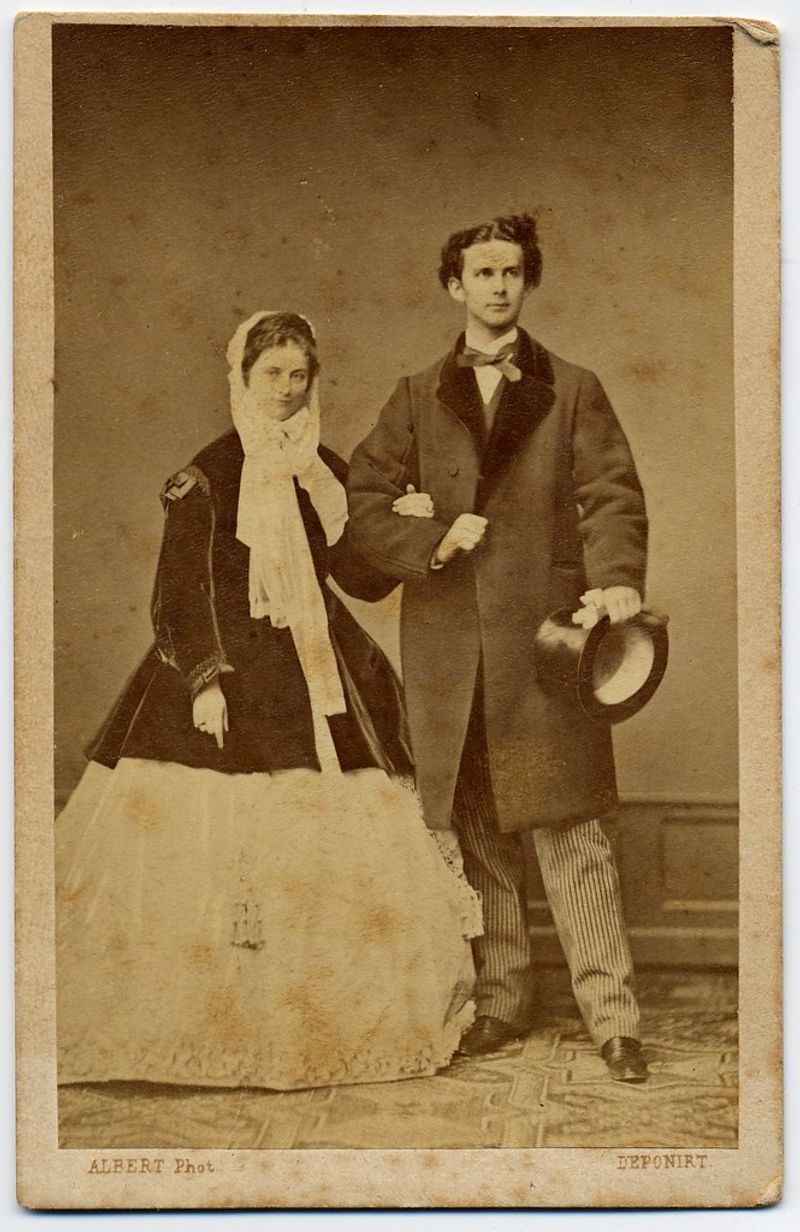
Few rulers have blurred the line between fantasy and reality quite like King Ludwig II of Bavaria. He poured his kingdom’s treasury into building Neuschwanstein Castle, a fairytale fortress so breathtaking that it later inspired Walt Disney’s Sleeping Beauty castle.
Ludwig was obsessed with the operas of Richard Wagner and the legends of medieval knights, often staging private performances that only he attended.
He slept through the day and came alive at night, wandering his castles by candlelight like a character from one of his favorite stories. His ministers grew alarmed as the royal finances crumbled.
In 1886, a commission declared him mentally unfit to rule. Just days after being deposed, Ludwig was found dead in a shallow lake under mysterious circumstances.
His castles, however, became some of the most visited landmarks in the world.
2. Emperor Caligula (Roman Empire, 12-41 AD)
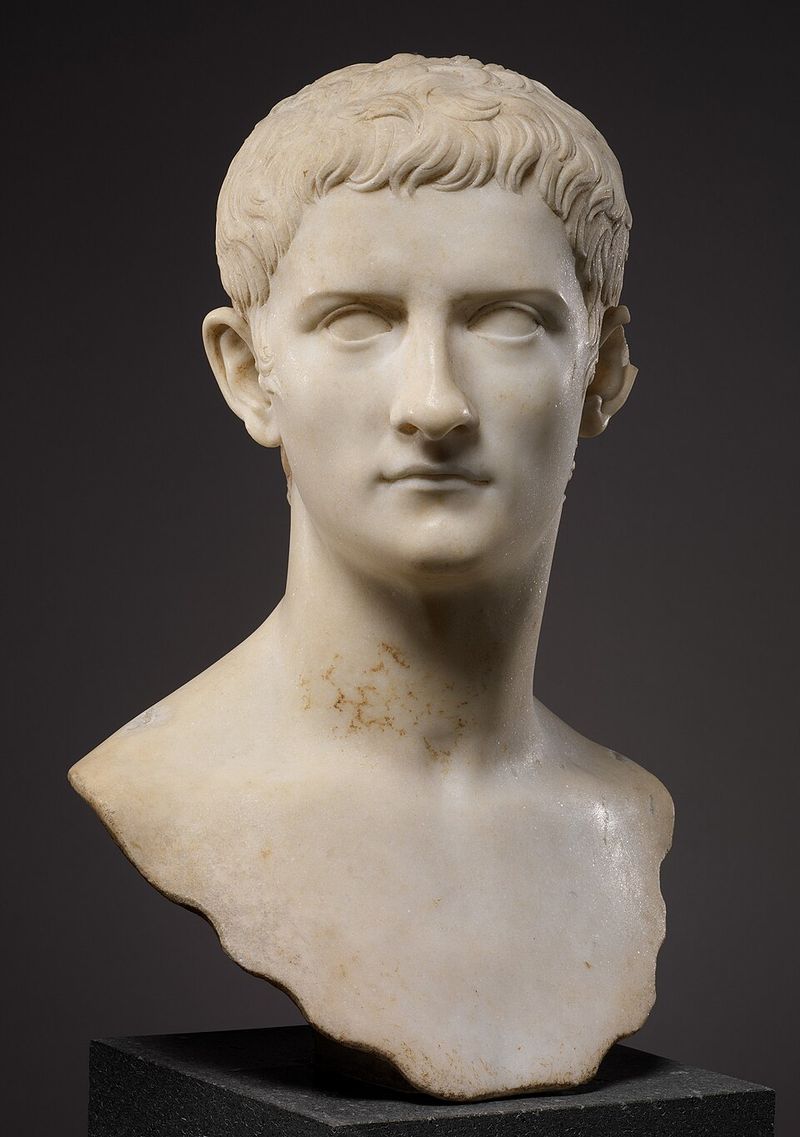
Caligula started his reign as a promising young emperor, but things went sideways fast. Within months, he began demanding to be worshipped as a living god, reportedly setting up his own temple where citizens paid to pray to him.
He built enormous floating palaces on a lake just for entertainment, spending lavishly while Rome struggled.
His most legendary act of eccentricity involved his horse, Incitatus. Caligula allegedly appointed the horse as a priest and even considered making him a consul, the highest political office in Rome.
Historians debate whether this was genuine madness or a calculated insult to the Senate. Either way, it worked.
His unpredictable cruelty and outrageous behavior made him one of the most feared rulers in Roman history. He was assassinated by his own guards in 41 AD after just four years in power.
3. Queen Christina of Sweden (1626-1689)
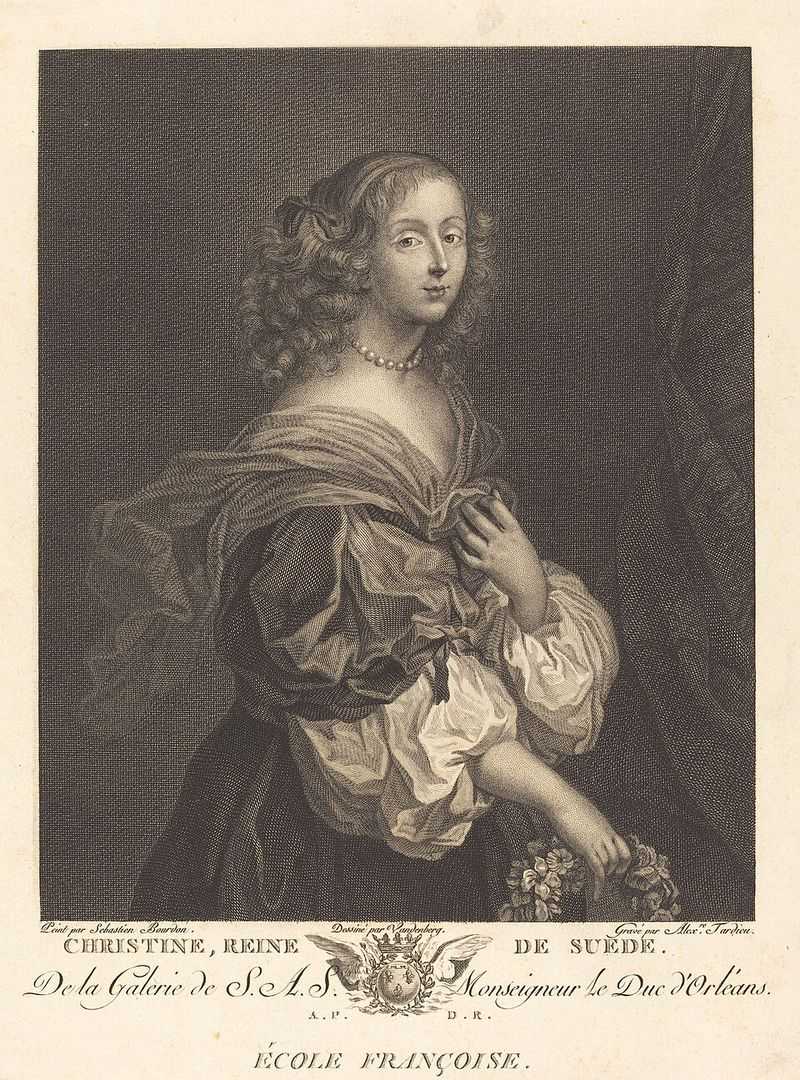
Queen Christina of Sweden refused to follow the script written for her. Born to rule, she received the same education as a prince and grew into one of the most intellectually sharp monarchs of her era.
She surrounded herself with philosophers, scientists, and artists, turning Stockholm into a hub of European thought.
Christina openly rejected the expectation that she would marry and produce heirs. She famously declared that she had a man’s soul living in a woman’s body, a statement that historians still discuss today.
In 1654, she did something almost unheard of for a reigning monarch: she abdicated the throne by choice. She converted to Catholicism, a scandalous move in Protestant Sweden, and spent the rest of her life in Rome pursuing art and philosophy.
She remains one of history’s most independent and unconventional royal figures.
4. Tsar Ivan the Terrible (Russia, 1530-1584)
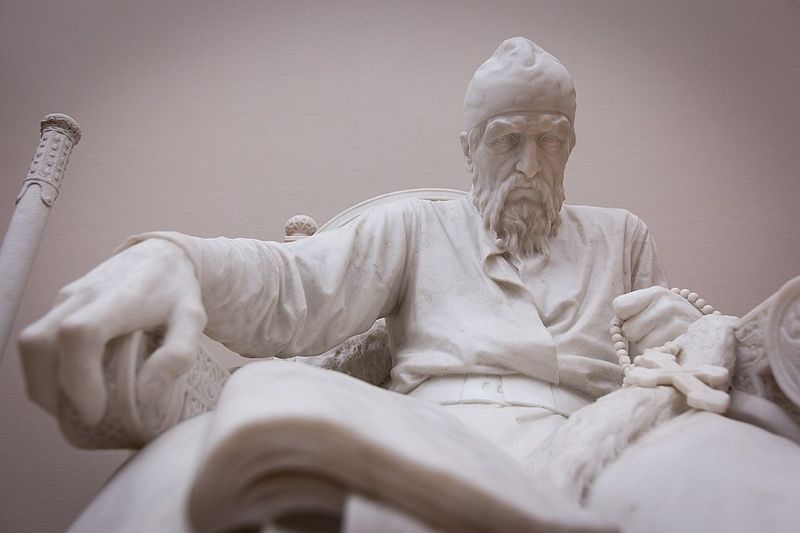
Ivan IV of Russia earned his nickname honestly. He was a gifted strategist who expanded Russia’s territory significantly, but his methods were brutal beyond anything his contemporaries considered normal.
He created the Oprichnina, a secret police force dressed in black who terrorized the Russian nobility at his command, burning villages and executing thousands.
His personal life was equally chaotic. In a moment of explosive rage, Ivan struck his own son and heir with an iron staff, killing him.
The act haunted him for the rest of his life. He alternated between episodes of extreme religious guilt, spending days fasting and praying, and periods of ruthless violence.
He married at least six women under suspicious circumstances. Ivan’s reign set a precedent for autocratic rule in Russia that echoed through centuries.
His legacy is one of undeniable impact wrapped in extraordinary cruelty.
5. King George III of Britain (1738-1820)
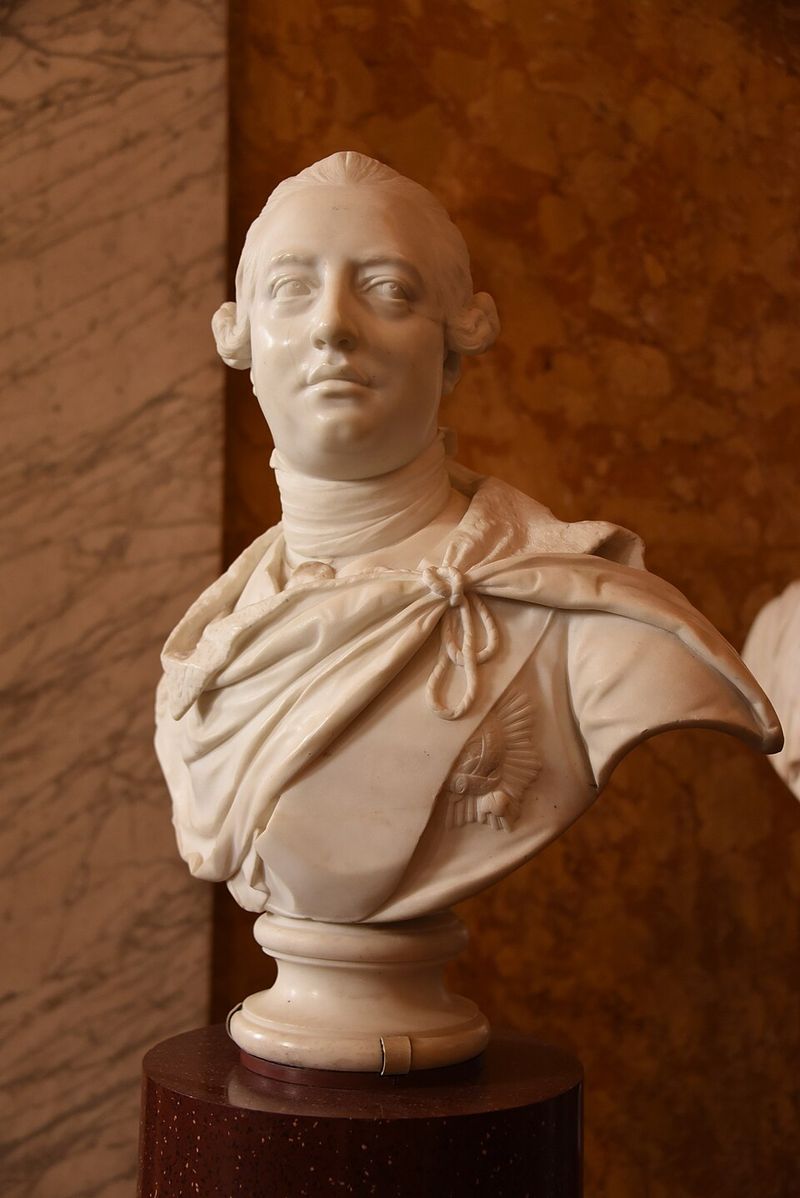
King George III is best remembered in the United States as the monarch the American colonies rebelled against, but his story took a deeply personal turn in later years. Beginning in the 1780s, he started showing signs of serious mental disturbance.
He would talk nonstop for hours, sometimes without pausing to breathe, leaving courtiers exhausted and alarmed.
His symptoms, which included rambling speech, physical agitation, and periods of complete confusion, are now believed by many historians to have been caused by porphyria, a rare blood disorder that can affect the nervous system. Others argue it was a form of bipolar disorder or dementia.
By 1811, his condition had deteriorated so severely that his son was appointed Prince Regent to govern in his place. George spent his final years nearly blind and deaf, wandering the halls of Windsor Castle, largely cut off from reality.
He died in 1820.
6. Queen Maria I of Portugal (1734-1816)
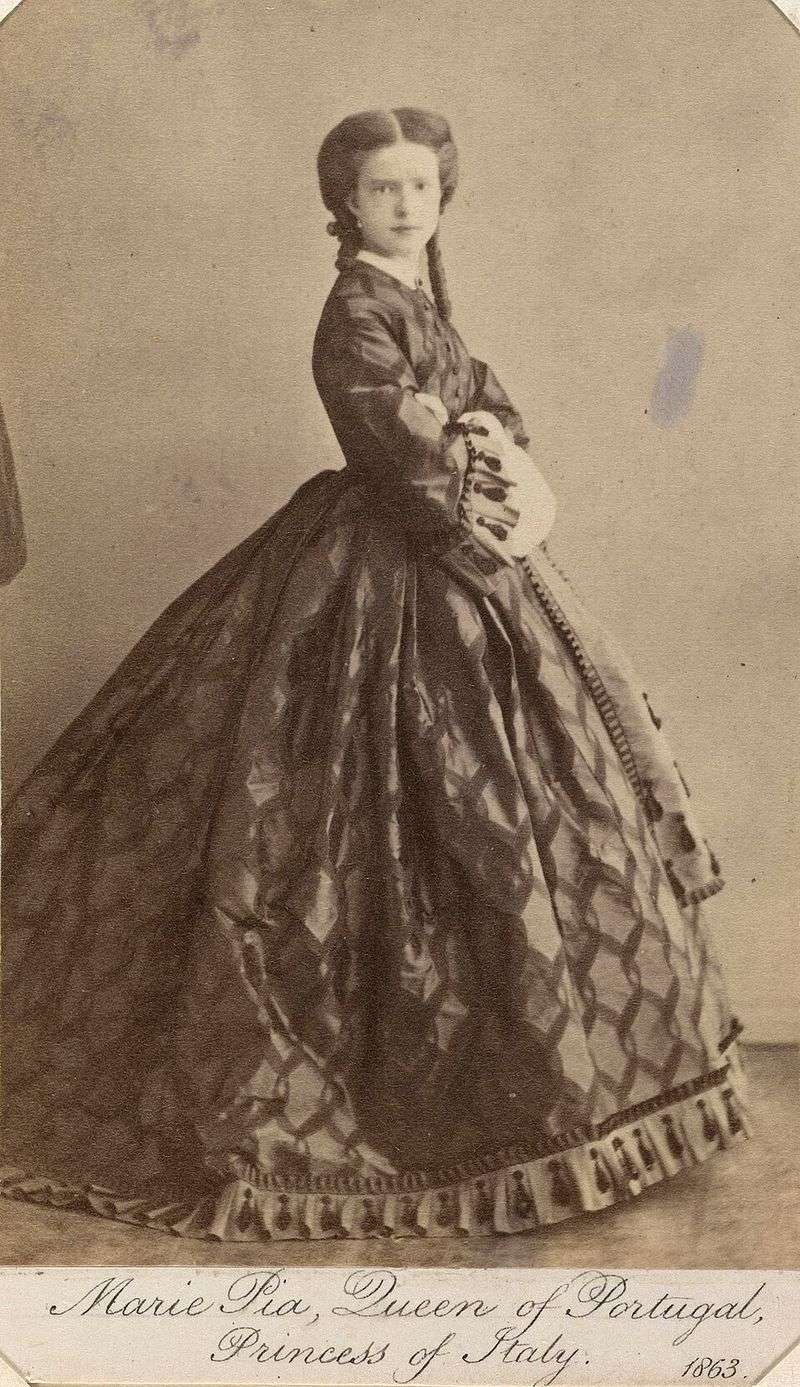
Queen Maria I began her reign with genuine promise. She was well-educated, deeply religious, and committed to reforming Portugal’s government.
But after a series of devastating personal losses, including the deaths of her husband, her eldest son, and her confessor all within a few years, her mental health collapsed completely.
Maria entered a state of severe religious psychosis. She became convinced that she was damned to hell, and her screams of terror could reportedly be heard echoing through the palace corridors at all hours.
She refused to make decisions, feared the simplest tasks, and spent long stretches in a state of total despair. Her son João was eventually appointed regent in 1799.
When Napoleon’s forces invaded Portugal in 1807, Maria was transported to Brazil, where she lived out her final years in a fog of confusion. She died in Rio de Janeiro in 1816, never fully recovering.
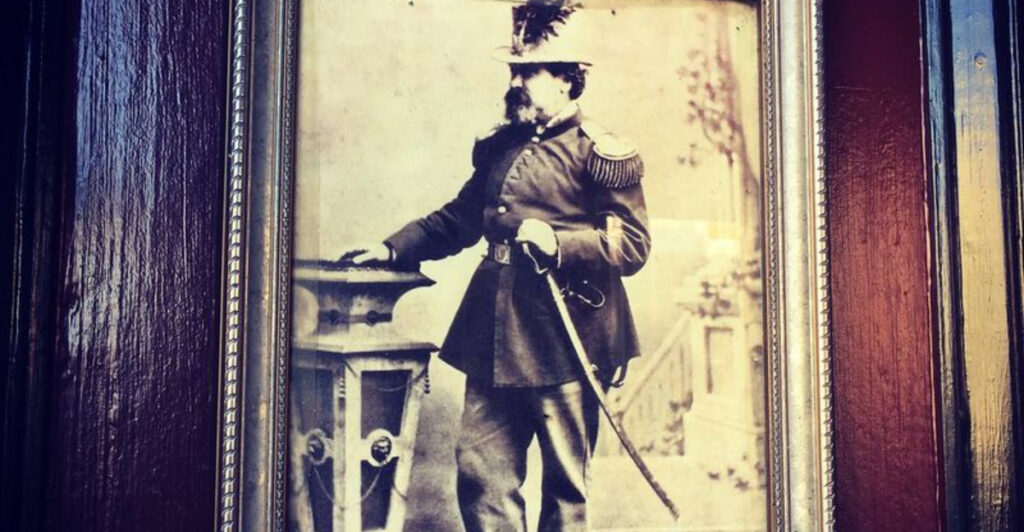
7. Emperor Norton I (USA, Self-Proclaimed, 1818-1880)
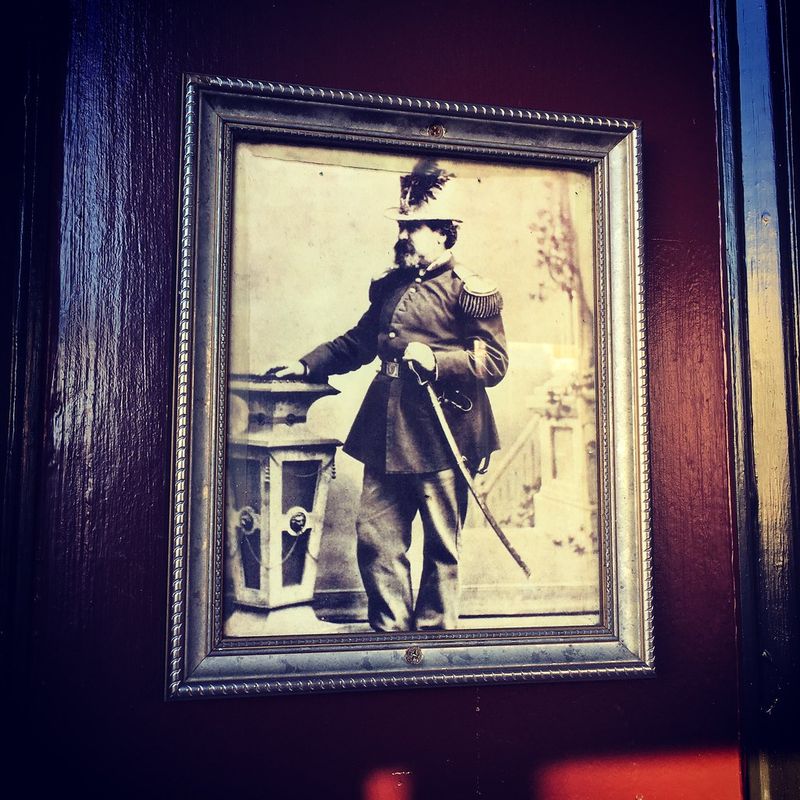
Joshua Abraham Norton never held any official political power, but that did not stop him from declaring himself Emperor of the United States in 1859. After losing his fortune in a failed rice speculation scheme, Norton apparently lost his grip on conventional reality and issued a proclamation to San Francisco newspapers announcing his self-appointment.
Amazingly, the city played along.
San Francisco absolutely adored him. Restaurants fed him for free, theaters reserved front-row seats in his honor, and local businesses accepted the handwritten currency he printed himself.
He issued imperial decrees ordering the construction of a bridge between San Francisco and Oakland, which eventually became a reality decades later. When Norton died in 1880, an estimated 30,000 people lined the streets for his funeral procession.
He was never truly powerful, but he brought joy to an entire city simply by committing fully to the role he invented for himself.
8. King Henry VIII of England (1491-1547)
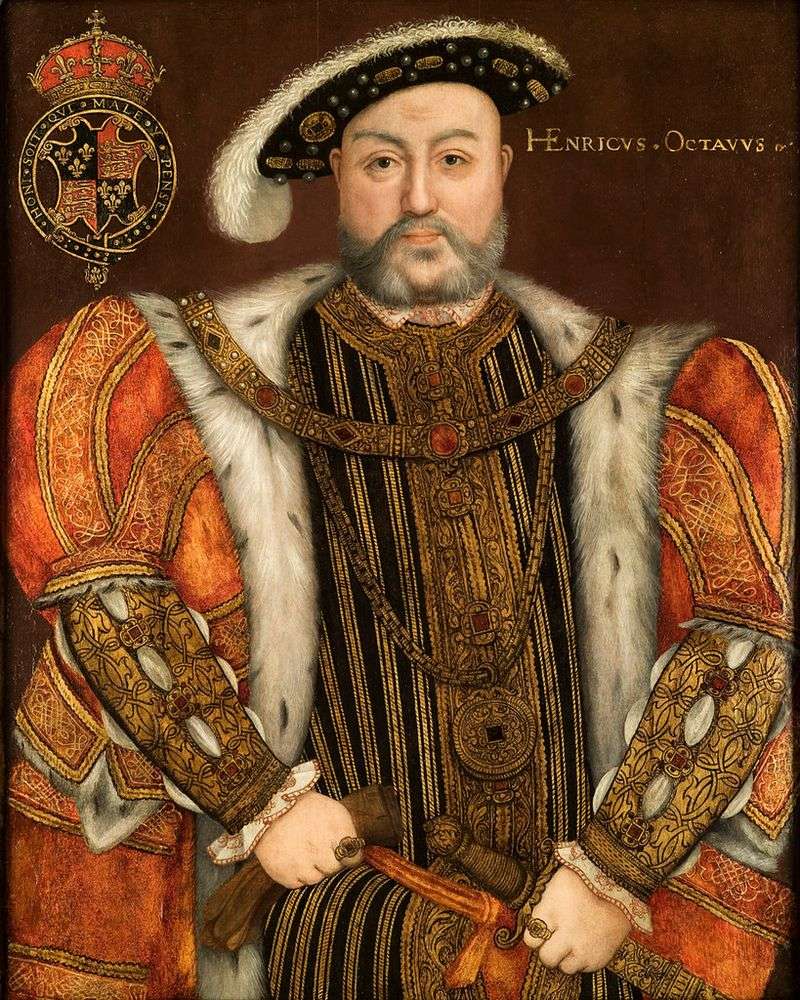
Henry VIII started out as a Renaissance prince, athletic, educated, and celebrated across Europe. By the end of his reign, he had transformed into something far more complicated.
His desperation for a male heir drove him to marry six women, a record that still defines his legacy. Two of those wives, Anne Boleyn and Catherine Howard, were executed on his orders.
When the Pope refused to annul his first marriage, Henry simply created a brand-new church, the Church of England, with himself as its head. The move reshaped English religion and politics permanently.
As he aged, Henry became increasingly paranoid, obese from a leg injury that left him largely immobile, and prone to violent mood swings. Ministers who fell out of his favor rarely survived.
Thomas More and Thomas Cromwell both lost their heads after serving him loyally. His reign remains one of the most dramatic in English history.
9. Queen Ranavalona I of Madagascar (1778-1861)
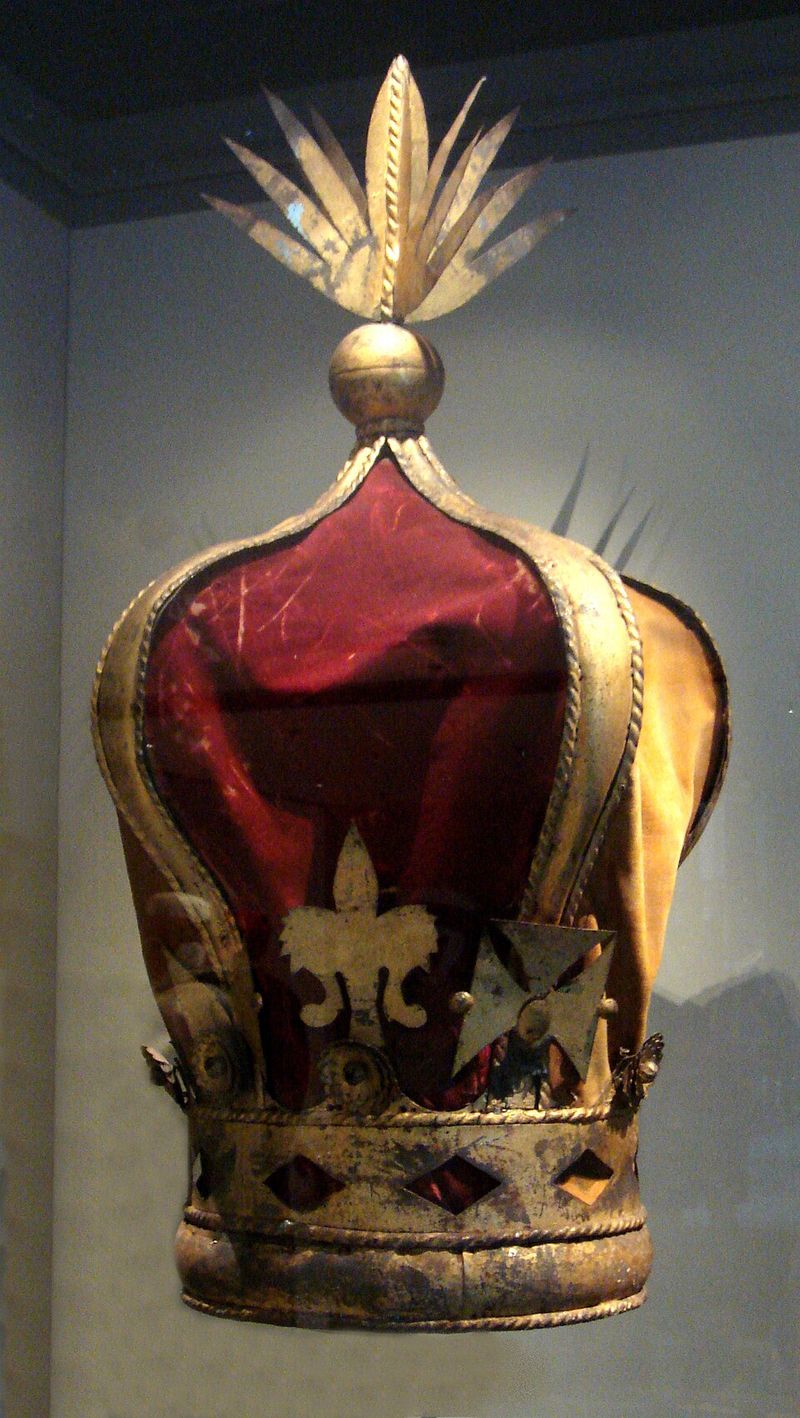
Queen Ranavalona I ruled Madagascar with an iron fist for over three decades, and her methods were unlike anything seen in the modern world. She came to power in 1828 after her husband, King Radama I, died and she outmaneuvered rivals to seize the throne.
Almost immediately, she began reversing his policies of openness toward European influence and Christianity.
Her rule relied heavily on fear. She expelled foreign missionaries and reinstated traditional practices, including the tangena ordeal, a brutal trial in which the accused was forced to swallow poison from a native plant.
Survival meant innocence; death meant guilt. Thousands died under this system.
Her isolationist policies did protect Madagascar’s independence from European colonization longer than most African nations, which some historians credit as a genuine achievement. Her reign remains deeply controversial, remembered both for its cruelty and its fierce resistance to outside domination.
10. King Erik XIV of Sweden (1533-1577)
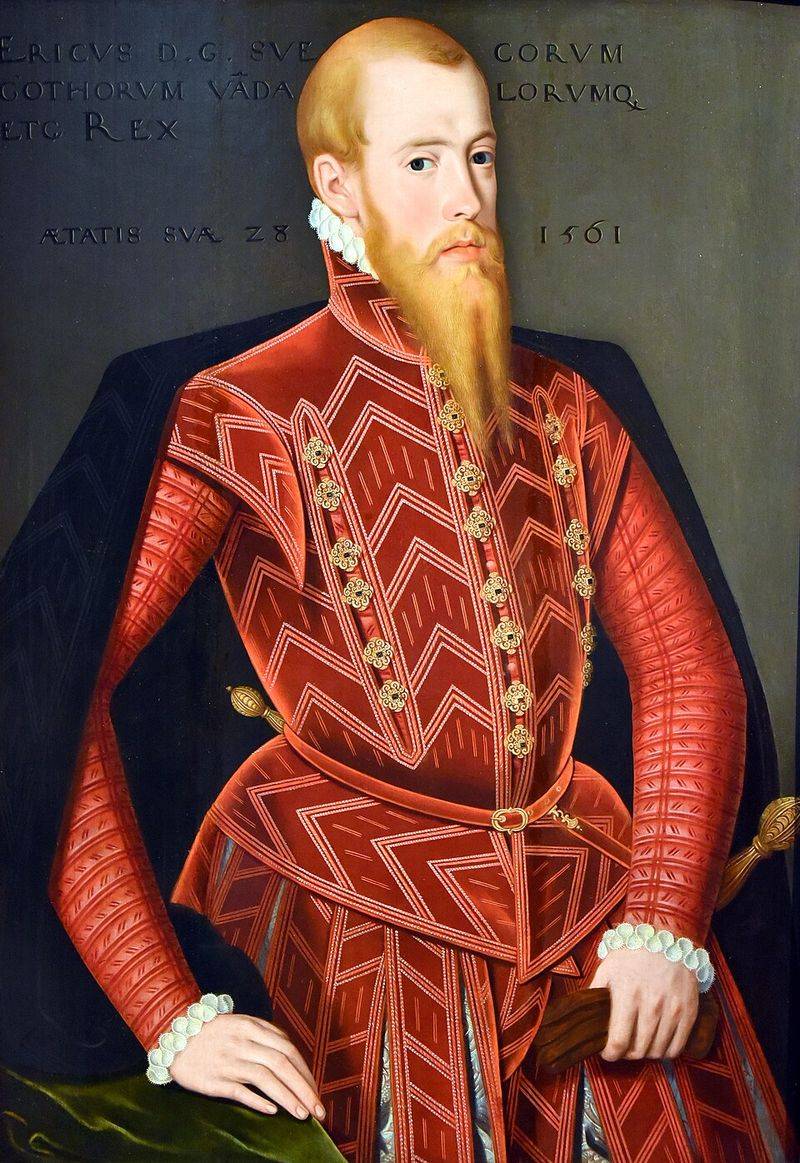
King Erik XIV inherited the Swedish throne in 1560 with real potential. He was intelligent, musically gifted, and genuinely interested in diplomacy.
He even proposed marriage to Queen Elizabeth I of England, though she declined. But beneath the polished surface, something darker was taking hold.
As the years passed, Erik’s behavior grew increasingly erratic and unpredictable.
His paranoia reached a breaking point in 1567 during the Sture Murders, when Erik personally participated in the killing of several Swedish noblemen he suspected of treason. Witnesses described him as wild-eyed and incoherent during the episode.
His own council was horrified. His brother John led a successful uprising against him, and Erik was imprisoned in 1568.
He spent nine years locked in various Swedish castles, reportedly still composing music during his captivity. He died in 1577, likely poisoned by pea soup laced with arsenic, in one of history’s grimmer royal endings.
11. Empress Elisabeth of Austria, ‘Sisi’ (1837-1898)
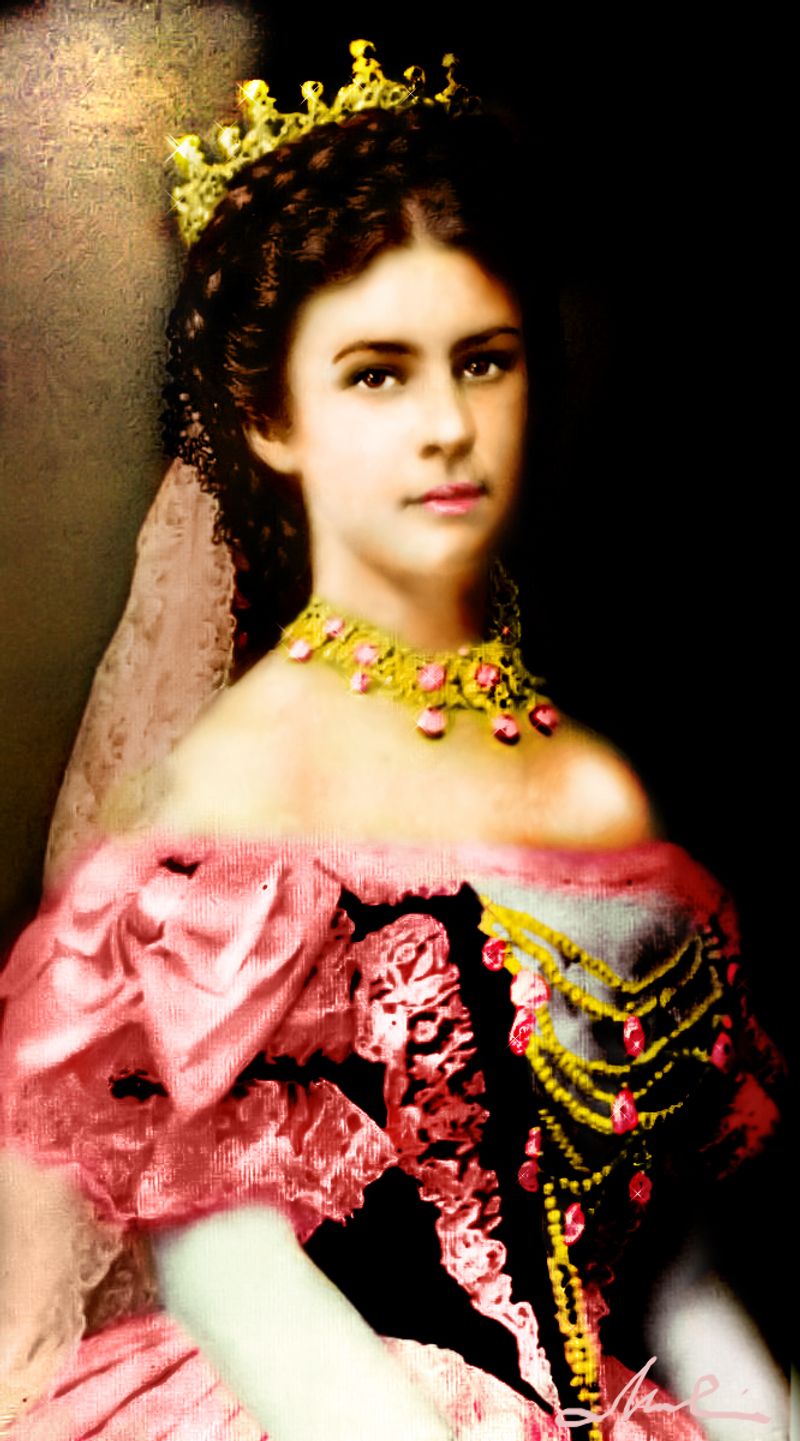
Empress Elisabeth of Austria, known affectionately as Sisi, was one of the most photographed and talked-about royals of the 19th century. She married Emperor Franz Joseph I at just 16 years old and quickly discovered that she despised almost everything about court life.
The rigid formality of the Habsburg court felt like a prison to her free-spirited personality.
Elisabeth became obsessed with controlling her appearance, maintaining a waistline of just 19 to 20 inches well into adulthood through extreme dieting, hours of daily exercise, and long fasting periods. She had her hair measured and weighed regularly and rarely allowed official portraits after her 30s, preferring to preserve her younger image.
She traveled constantly to escape Vienna, earning a reputation as a royal wanderer. In 1898, she was assassinated by an anarchist in Geneva, stabbed with a sharpened file.
She reportedly did not realize she had been fatally wounded until she collapsed on a boat.
Share this story