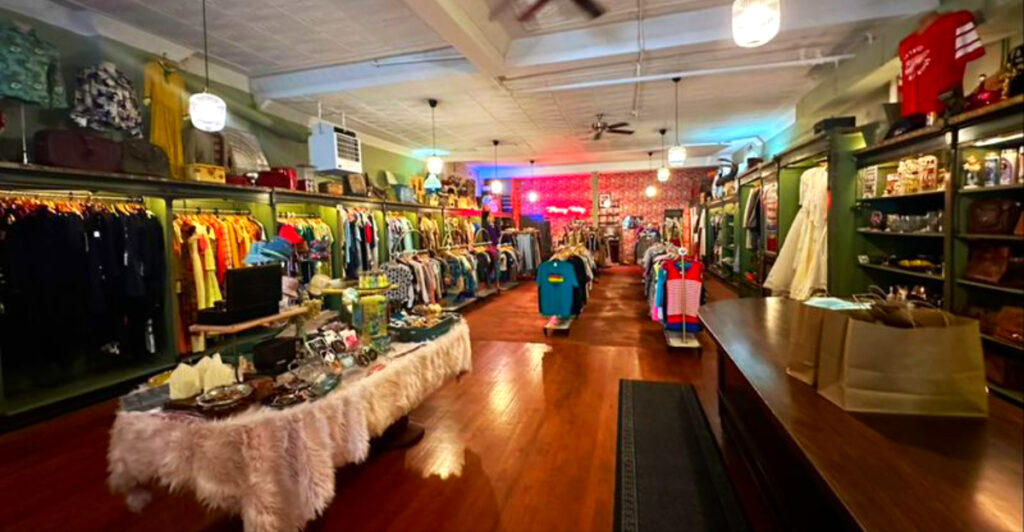
This Detroit vintage shop has built a reputation for curated pieces spanning the 1940s through the early 2000s, all organized by size and color so you can actually shop without digging through piles. Shoppers come for standout finds like 1950s silk blouses, Western shirts, and statement hats that feel one of a kind.
The store stands out for its original fixtures and a staff that knows the history behind what they sell. Nothing here feels random or mass-produced, which is why it has become one of the most talked-about vintage stops in the Midwest.
It is the kind of place where every visit turns up something worth taking home.
A Vivid First Impression on Vernor Highway
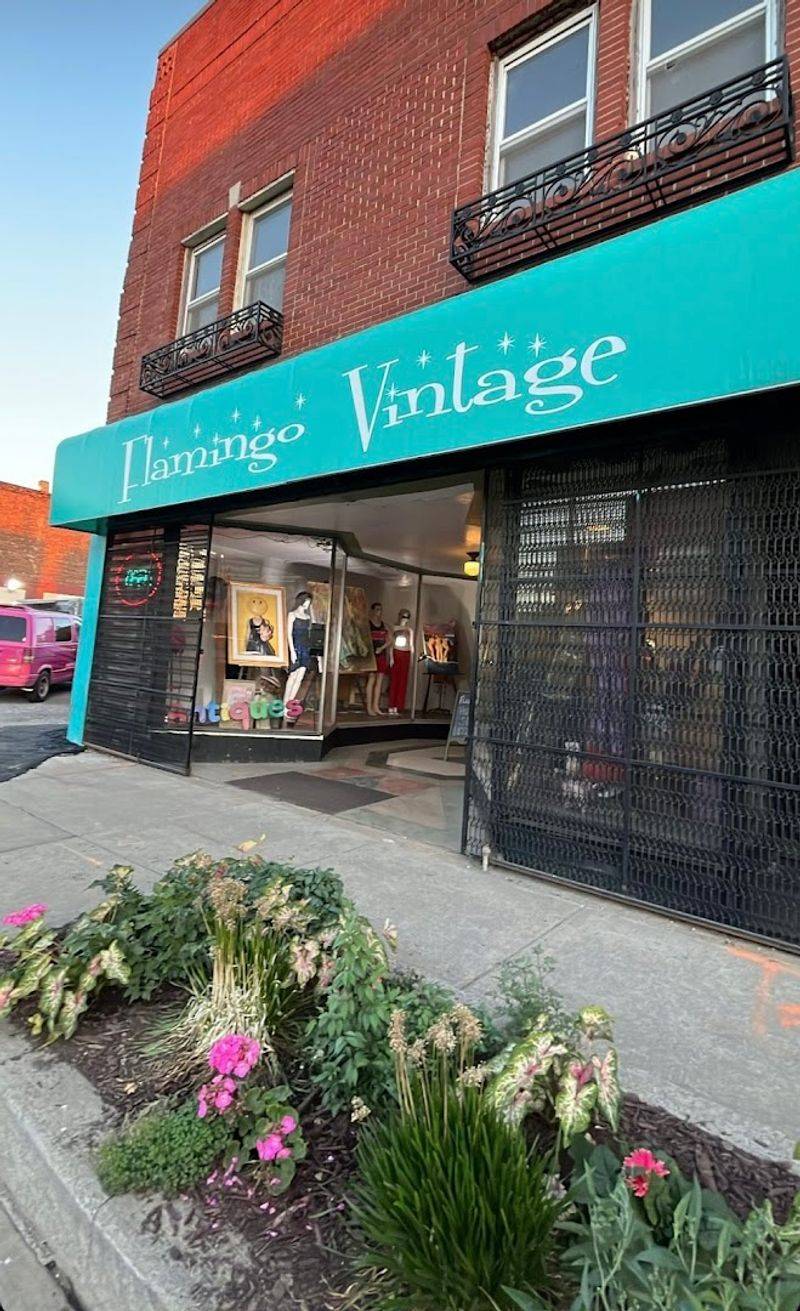
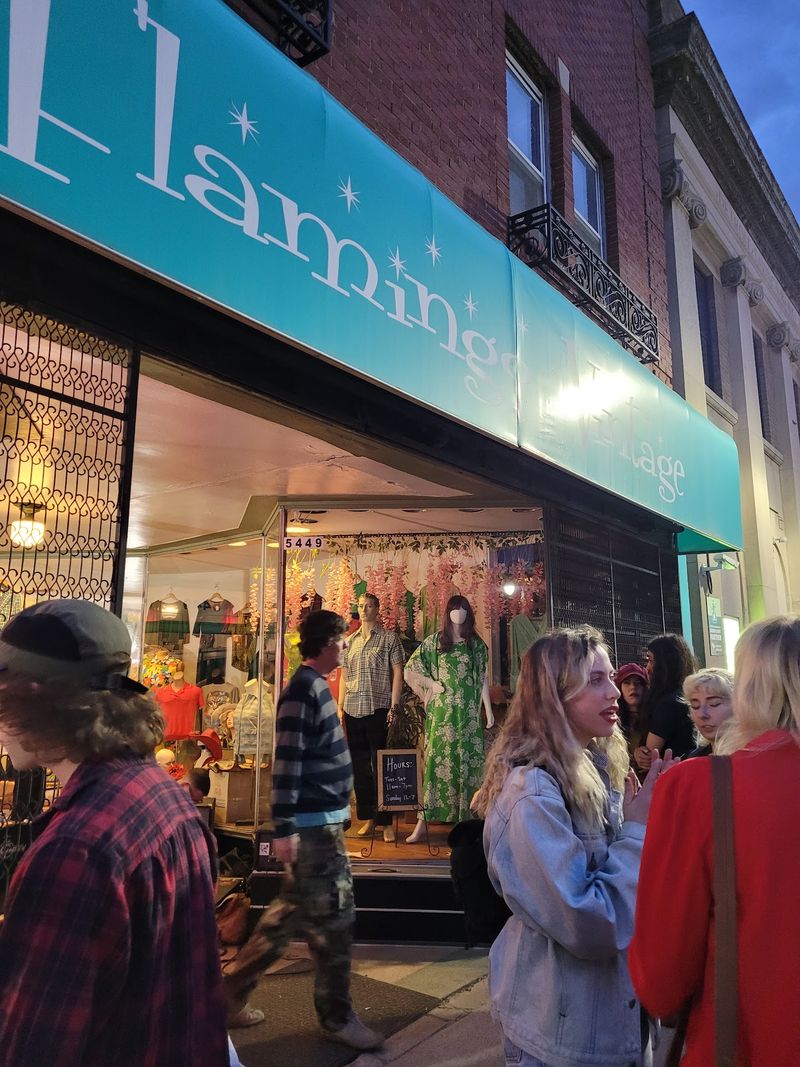
The address is 5449 Vernor W, Detroit, MI 48209, and the moment you pull up to the building, the storefront announces itself with unmistakable personality. The exterior carries that old-school retail character that newer commercial strips simply cannot replicate, sitting a few doors down from Holy Redeemer in a neighborhood that still holds its historic bones.
Right across the street is the beloved Duly’s Coney Island, which means you can fuel up on a classic Detroit meal before or after your shopping session. The building itself feels like a time capsule from the outside, and that feeling only deepens once you step through the front door.
The original structure once housed a haberdashery, and traces of that past life are still visible in the architecture and fixtures. For first-time visitors, the storefront alone is worth photographing, because it captures a version of Detroit that many neighborhoods have long since lost to renovation and redevelopment.
The Original Haberdashery Counter That Steals the Show
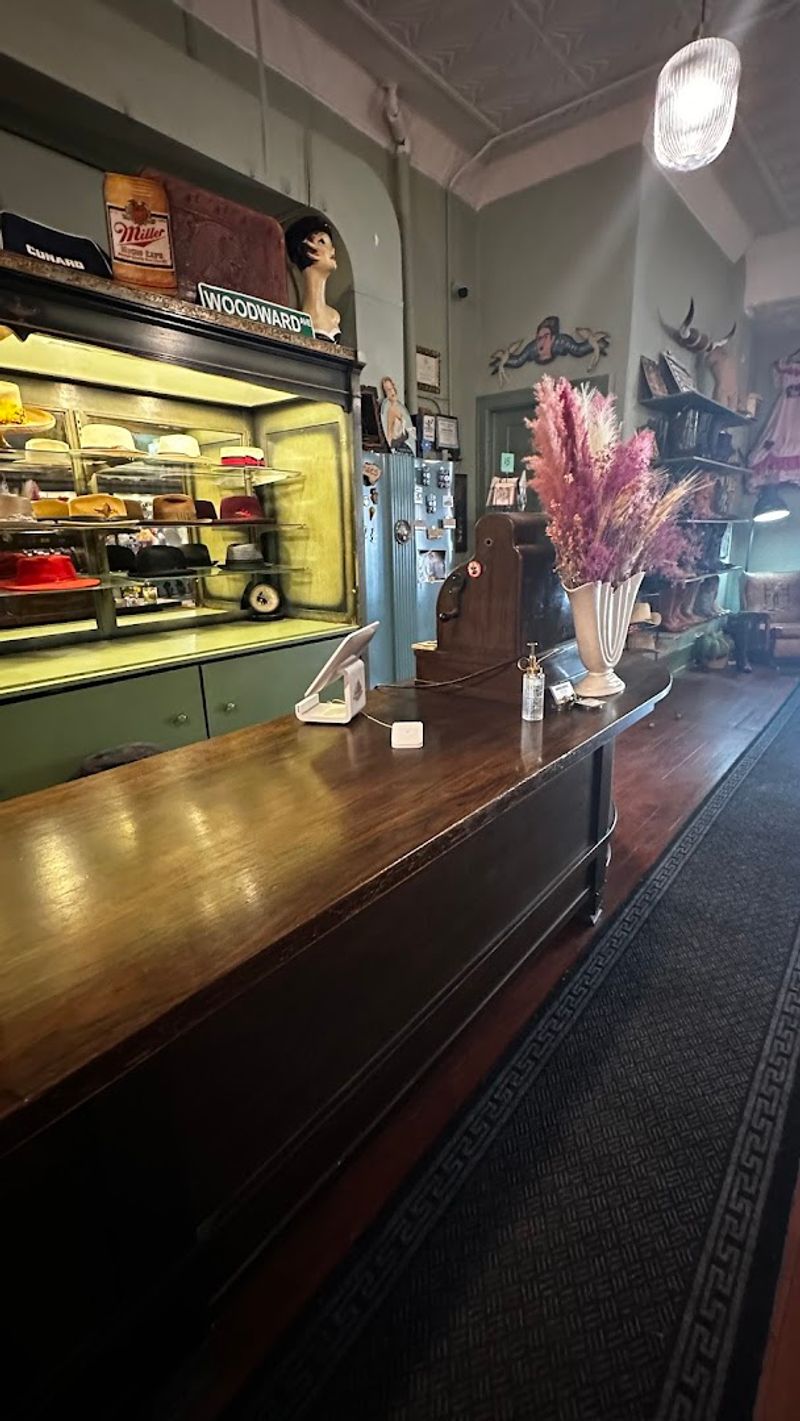
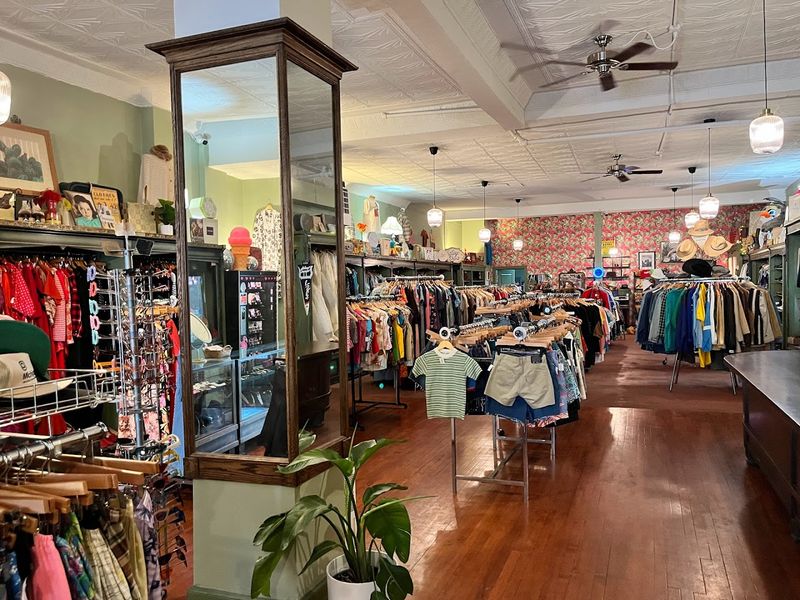
One of the most talked-about features inside the shop is the original counter from the haberdashery that previously occupied this exact space. It anchors the room with a sense of history that no decorator could fake, its worn wood surface and old-fashioned proportions speaking to decades of commerce in this corner of Detroit.
Behind that counter, staff members ring up purchases and field questions with the kind of enthusiasm that comes from genuinely loving what they do. The counter serves as both a functional checkout space and a conversation starter, drawing customers in for a closer look at whatever accessories or small treasures are displayed nearby.
It is the kind of detail that separates a truly special vintage shop from a generic resale store. Knowing that the same surface where someone once sold fedoras and dress shirts in the mid-twentieth century is still being put to good use gives the whole shopping experience a satisfying sense of continuity and place.
Color-Coded Racks and a Layout That Actually Makes Sense
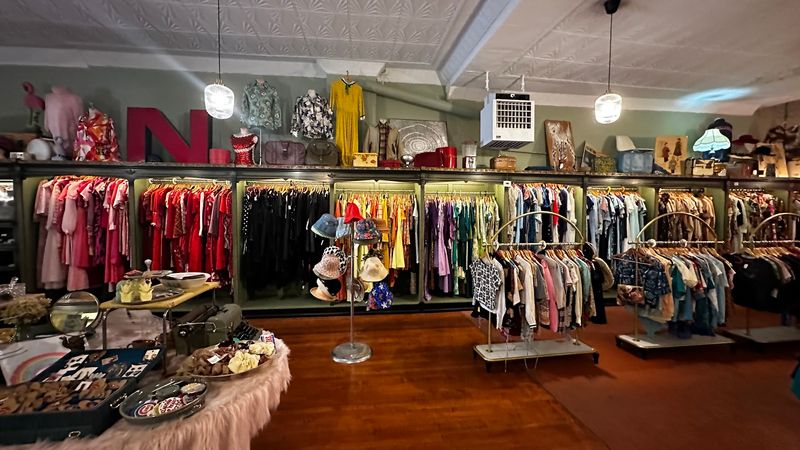
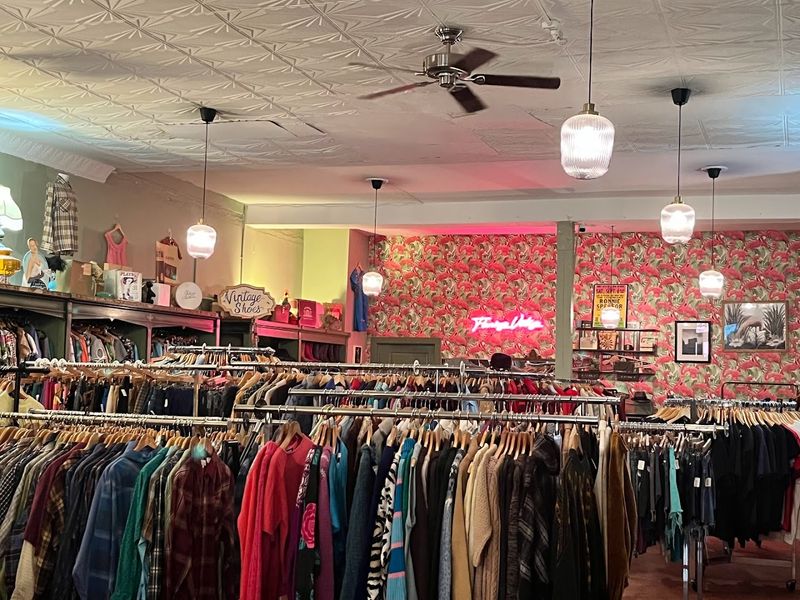
Most vintage stores operate on a kind of organized chaos that can feel overwhelming after the first ten minutes. Flamingo Vintage takes a different approach entirely, sorting its inventory by color and then by size, which transforms a potentially exhausting browse into something that feels almost meditative.
The visual effect of the color-coded racks is genuinely striking. Walking through the shop, you move through soft pastels, deep jewel tones, and bold primaries in a sequence that makes the whole space feel curated rather than cluttered. It also makes practical sense, because if you already know you want something in emerald green or burnt orange, you can head straight to that section.
The size range on offer is another standout feature, with pieces available across a wide spectrum that rarely appears in vintage retail. Shoppers who have spent years unable to find anything in their size from the 1940s through 1960s eras consistently express genuine surprise at the options available here, which says a lot about the buying philosophy behind the scenes.
Decades on Decades: The Eras You Will Find Here
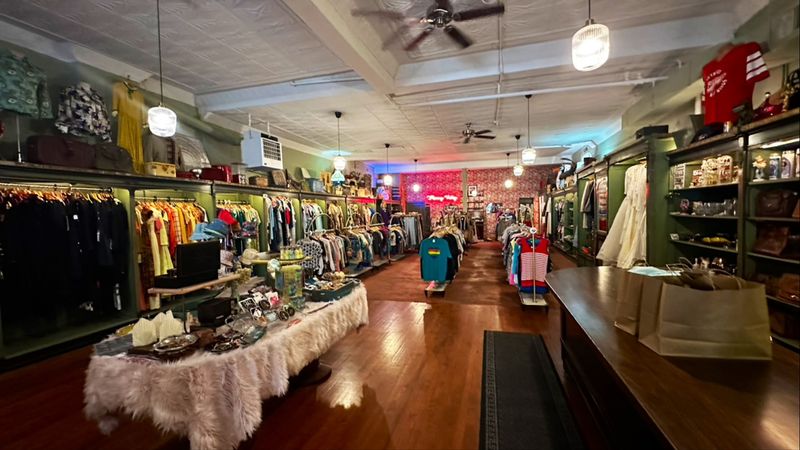
The inventory at this shop does not commit to just one era, and that range is a big part of its appeal. Pieces from the 1940s and 1950s share rack space with 1970s wide-lapel jackets, 1980s power blazers, and Y2K-era novelty finds that are currently having a serious fashion moment.
That breadth means the shop draws an unusually wide range of customers, from serious collectors hunting for pristine mid-century garments to younger shoppers who want something bold and retro for a weekend out. The buying team clearly has an eye for quality across all these periods, because the overall condition of the stock tends to be noticeably above average for a vintage shop in this price range.
Western vintage is also part of the mix, which is a niche that not many Detroit shops bother to stock. Finding a pearl-snap shirt or a pair of vintage cowboy boots tucked in among the city-slicker blazers adds an unexpected dimension to the shopping experience that keeps regulars coming back to see what has arrived since their last visit.
Accessories, Hats, and the Small Finds That Complete the Look
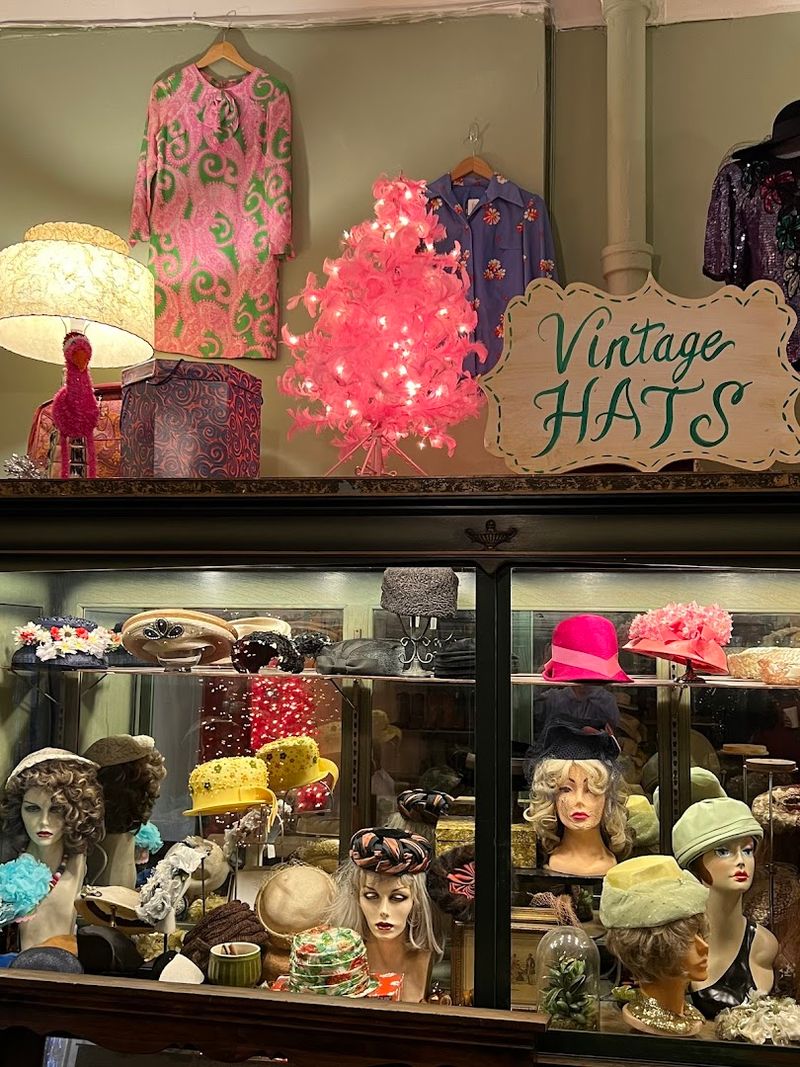
Clothing is only part of the story at this shop. The accessories section deserves its own dedicated visit, with a rotating selection of vintage hats that ranges from structured 1950s pillbox styles to wide-brimmed statement pieces that could anchor an entire outfit around them.
Gloves, purses, buttons, stickers, and jewelry all make appearances throughout the shop, tucked into displays that reward slow and careful browsing. Finding a matching necklace and bracelet set from the same era as a dress you just pulled from the rack is the kind of serendipitous moment that makes vintage shopping genuinely thrilling.
The Detroit-themed items scattered throughout the shop add a local flavor that makes the accessories section feel especially personal. Whether you are a lifelong Detroiter looking for something that celebrates the city or a visitor who wants a meaningful souvenir beyond the usual tourist fare, these pieces offer a connection to place that mass-produced merchandise simply cannot match. And the hats alone are worth the trip.
The Staff Knowledge That Sets This Place Apart
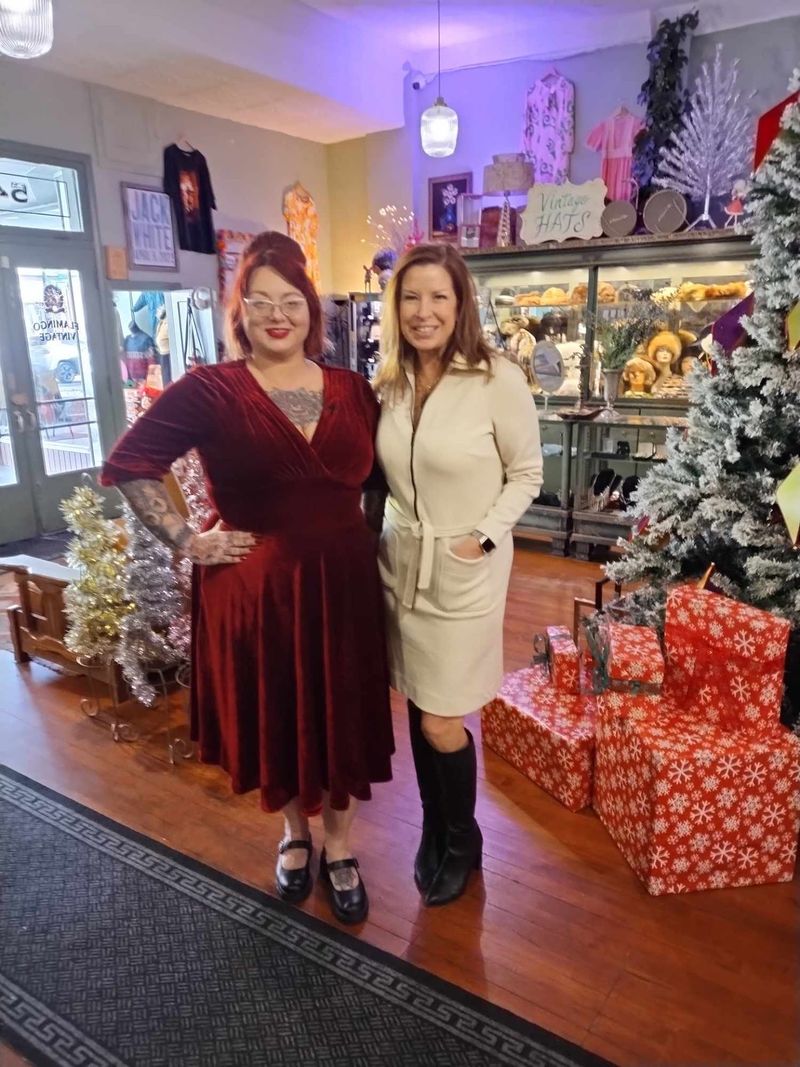
There is a particular kind of staff member who makes a vintage shop truly great, and this store seems to attract them consistently. The team here includes people who can tell you about the construction details of a 1940s dress, explain why a certain fabric was only used during a specific decade, and help you figure out whether a piece will actually work with what is already in your wardrobe.
Andrew, one of the staff members mentioned repeatedly by shoppers, brings a depth of garment history knowledge that elevates the shopping experience into something closer to a guided education. That kind of expertise is rare in retail at any price point, let alone in a mid-range vintage shop.
The overall vibe from the staff is described as warm and welcoming without being pushy, which is a balance that many retail environments struggle to maintain. The energy feels more like visiting a friend who happens to have excellent taste and an encyclopedic knowledge of twentieth-century fashion than like being tracked through a sales floor.
Live Music Fridays and the Community Pulse of the Shop
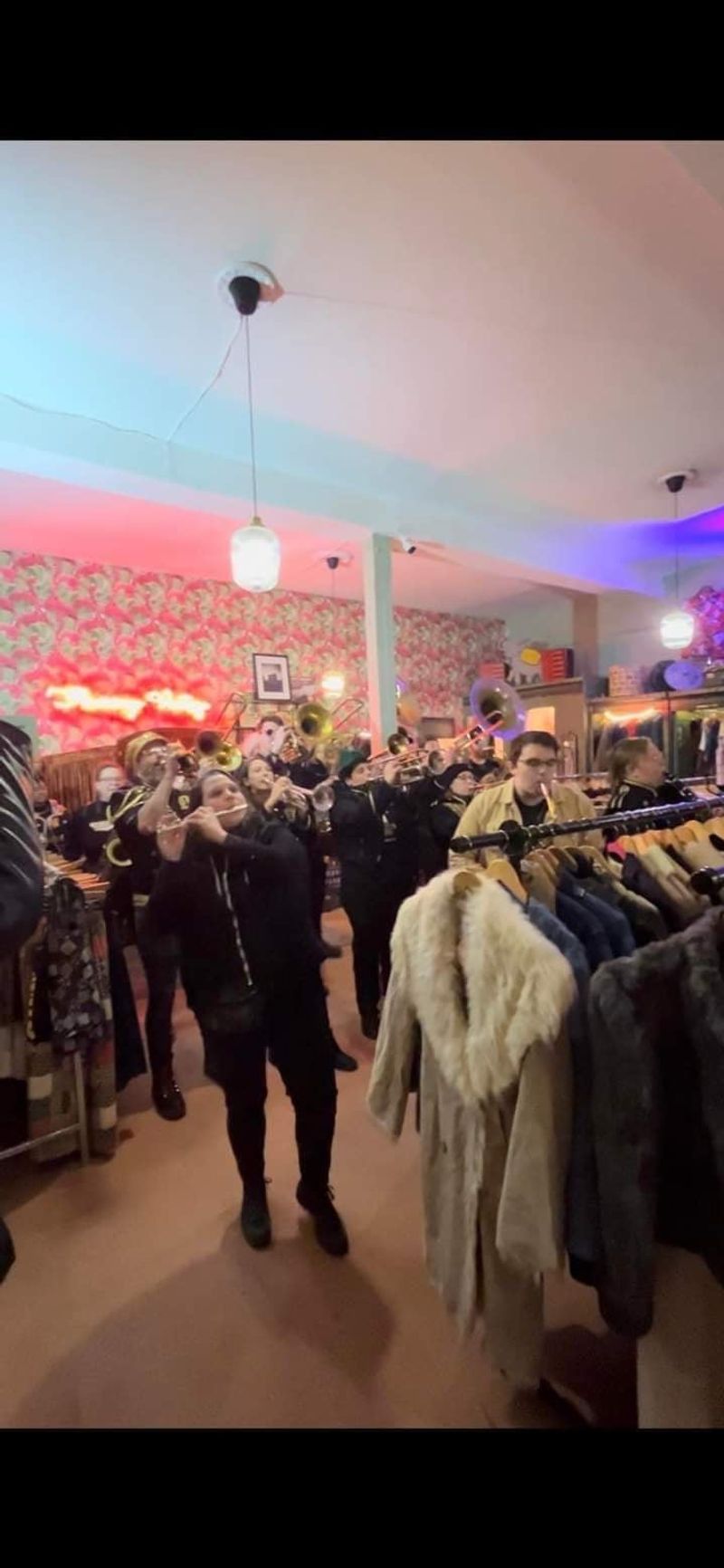
Not every vintage clothing store doubles as a live music venue, but this one does, at least on Fridays. The shop has hosted live music events that bring a community energy to the space, turning what might otherwise be a solitary shopping trip into a social occasion worth planning around.
That decision to host live events says something meaningful about how the owners think about their shop’s role in the neighborhood. It is not just a retail transaction point but a cultural gathering space, the kind of place that anchors a block and gives people a reason to show up and stay awhile.
The Vernor corridor has a rich history as one of Detroit’s most culturally layered streets, with deep roots in the Mexican-American community and a long tradition of small businesses that double as community hubs. A vintage shop that leans into that tradition by hosting live music fits naturally into the character of the street, and it gives the whole experience an energy that you simply cannot get from online shopping or a mall chain store.
Pricing That Reflects Fairness, Not Hype
Vintage pricing can be a sore subject. Some shops in larger cities have adopted a model where nostalgia itself becomes a luxury tax, and a plain cotton t-shirt from 1985 somehow costs more than a new one from a designer boutique. That is not the approach here.
Shoppers consistently describe the pricing at this shop as fair, with several noting that the quality of the pieces on offer makes the cost feel even more reasonable by comparison. For a shop that carries genuinely well-preserved mid-century garments alongside later decades, that balance of quality and value is not something to take for granted.
Out-of-state visitors who have shopped vintage in larger markets like New York, Los Angeles, or Chicago have noted that the pricing here is competitive with those cities while the selection holds its own in terms of quality and variety. That is a meaningful endorsement from people who have done the comparison firsthand, and it suggests the shop is not coasting on local loyalty alone to keep its shelves moving.
The Scent and Atmosphere That Shoppers Cannot Stop Describing
There is something that multiple visitors independently mention when describing this shop, and it is the smell. Not in a negative way, but in the way that a well-kept antique space carries a particular warm, familiar scent that signals age and authenticity in a deeply sensory way. It is the kind of detail that lodges itself in memory.
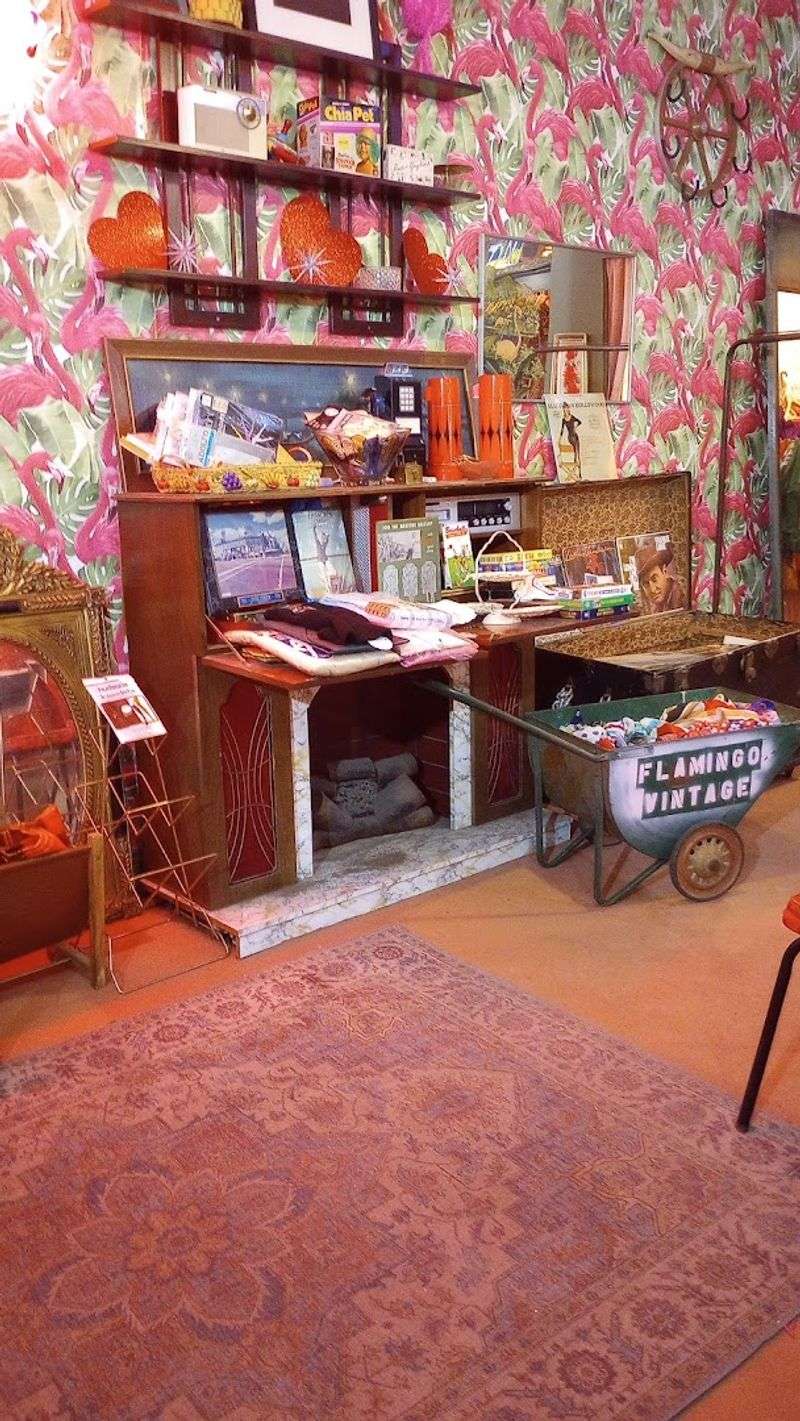
The atmosphere overall is described as cozy and calm, with vintage decor throughout the space that reinforces the time-travel quality of the inventory. The lighting tends toward the warmer end of the spectrum, which suits the aesthetic even if it occasionally makes reading fabric labels a slight challenge.
The overall effect is a space that feels comfortable for long visits, and many shoppers report spending upwards of two hours browsing without feeling rushed or out of place. That is a real achievement in retail design, intentional or not, because it encourages the kind of unhurried exploration that leads to the best vintage discoveries and the most satisfying purchases.
What the Neighborhood Adds to the Experience
The shop does not exist in a vacuum, and the surrounding neighborhood is part of what makes a visit here feel complete. The Vernor Highway corridor in southwest Detroit is one of the city’s most vibrant commercial streets, lined with family-owned restaurants, bakeries, and small businesses that have been serving the community for generations.
Duly’s Coney Island sits directly across the street and has been a Detroit institution since 1921, making it an easy and deeply local choice for a meal before or after shopping. The proximity to Holy Redeemer Church adds to the historic texture of the block, and the overall streetscape gives the area a lived-in character that feels genuinely Detroit rather than gentrified or staged.
Visitors who combine a trip to Flamingo Vintage with a walk along Vernor tend to come away with a richer sense of the city than they might get from sticking to the more frequently recommended tourist corridors. The neighborhood rewards curiosity, and the shop fits that spirit perfectly as a destination worth building an afternoon around.
Planning Your Visit: Hours, Contact, and What to Expect
The shop is open Tuesday through Friday from 11 AM to 7 PM, Saturday from 11 AM to 7 PM, and Sunday from noon to 7 PM. Monday is the one day the doors stay closed, so plan accordingly if you are making a special trip. The phone number is 313-489-3902, and the website at flamingovintagedetroit.com occasionally features items for sale online as well.
First-time visitors should budget more time than they think they will need. Two hours is a common estimate among shoppers who have been before, and even that sometimes turns out to be not quite enough when a new shipment has just arrived or a particularly rich section catches your eye unexpectedly.
Wearing comfortable shoes and bringing a tote bag for your finds are small practical tips that make the experience smoother. The shop accepts cards for purchases, though it is always worth confirming current payment options before you go. Every visit tends to surface something new, so making it a regular stop rather than a one-time outing is a habit many Detroit shoppers have happily developed.
Share this story