Deep in the South Pacific, roughly halfway between Australia and South America, lies one of the most remote places on Earth. Ahe Atoll, a fragile coral ring in French Polynesia’s Tuamotu Archipelago, is home to the Umber family, pearl farmers who have built their entire lives on this isolated sliver of land surrounded by ocean.
For decades, three generations of this family have chosen a life far removed from modern cities, shopping malls, and busy roads. Their story is equal parts fascinating, inspiring, and surprisingly real.
A Home in the Middle of Nowhere
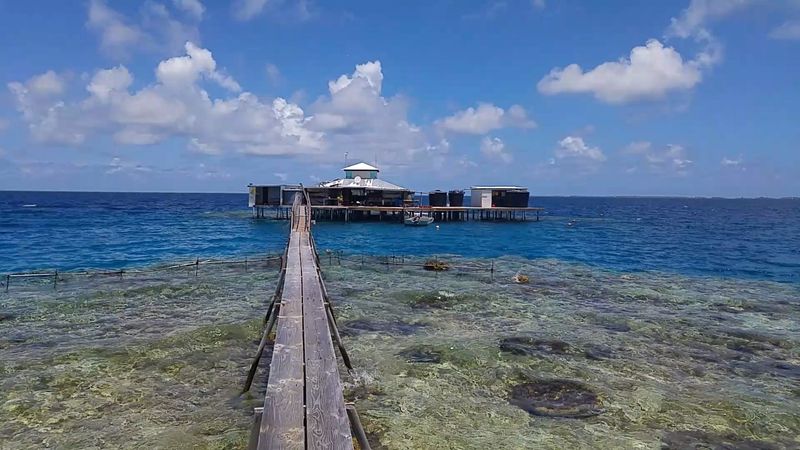
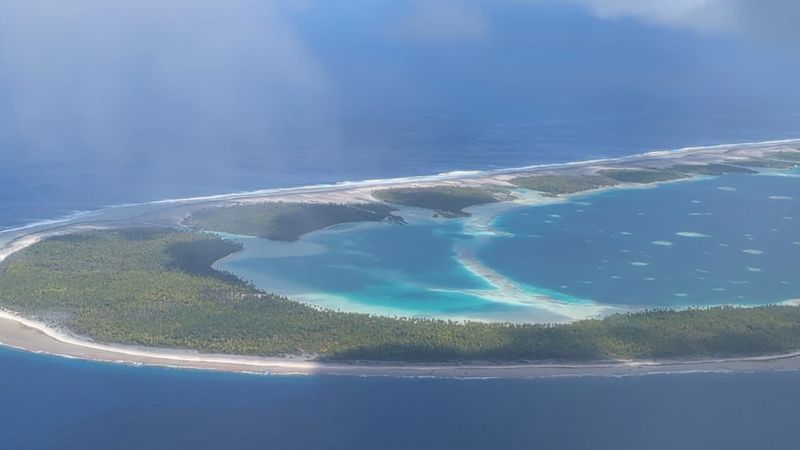
Roughly 480 kilometers northeast of Tahiti sits Ahe Atoll, a place so remote that calling it “the middle of nowhere” barely covers it. The nearest city is hours away by boat or small plane.
Most people will never set foot here in their lifetime.
The atoll sits just a few meters above sea level, completely surrounded by open ocean. There are no traffic lights, no supermarkets, and no crowded streets.
What exists instead is an endless horizon, a vast turquoise lagoon of about 194 square kilometers, and the constant sound of waves.
For the Umber family, this is simply home. They chose this place deliberately, trading urban convenience for something far more meaningful to them.
It takes a certain kind of courage to look at a map, point to one of its emptiest spots, and say, “That’s where we belong.”
Not an Island, But a Coral Ring
Most people picture a tropical island as a solid chunk of land rising boldly from the sea. Ahe is nothing like that.
It is a coral atoll, meaning the land itself forms a ring around a central lagoon, like a natural bracelet dropped into the ocean.
The land strip is narrow and surprisingly fragile. Coral atolls are formed over thousands of years as coral reefs grow around the rims of underwater volcanoes.
When the volcano sinks, the reef remains, creating this distinctive ring shape.
Because the land barely rises above sea level, storms and rising tides are genuine concerns. The ecosystem here is tightly connected to the health of the surrounding ocean.
Healthy coral means healthy land. The Umbers understand this better than almost anyone, because their daily survival quite literally depends on the reef beneath their feet.
A Family Built on Pearls
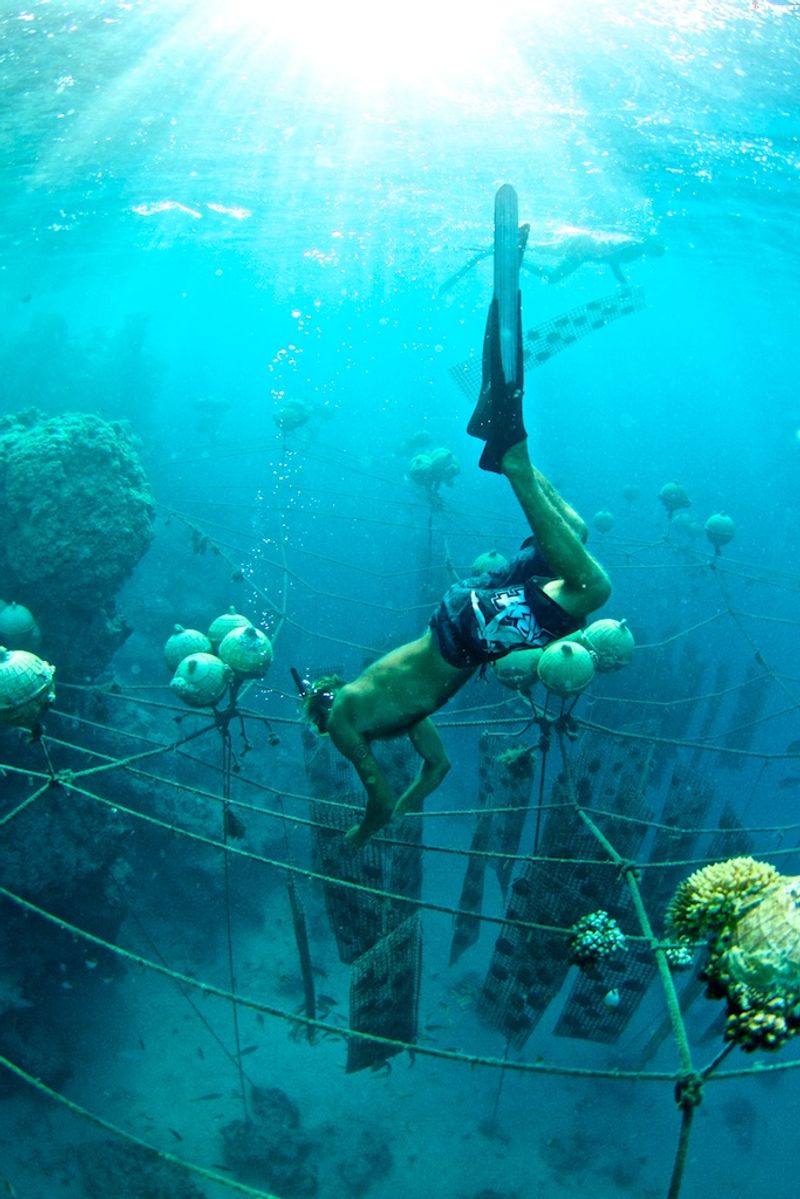
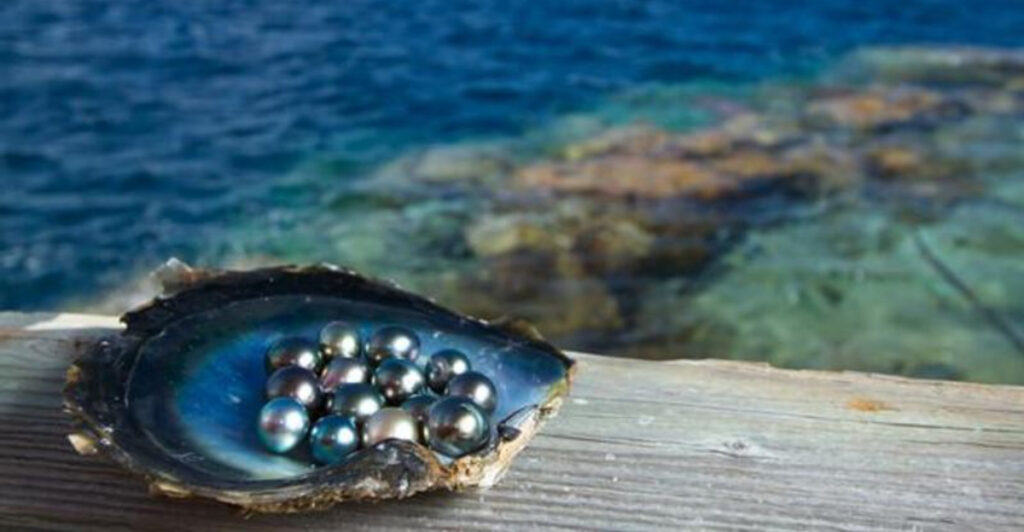
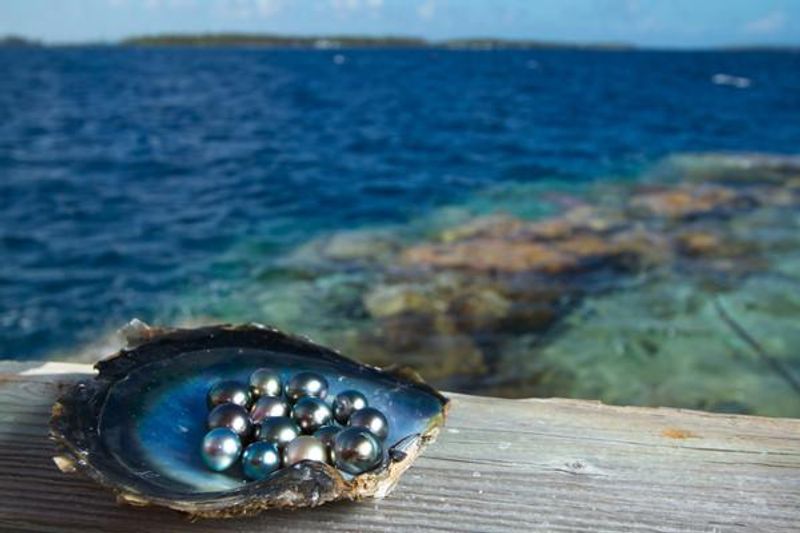
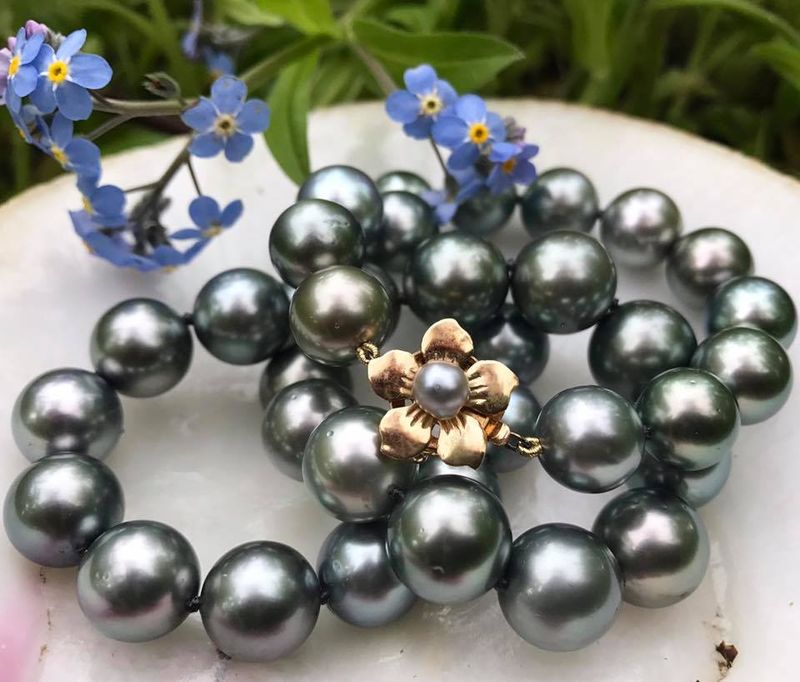
The Kamoka pearl farm is the Umber family’s livelihood and their connection to the global economy. They produce high-quality Tahitian pearls, which are known worldwide for their deep luster and unique colors.
A single piece of jewelry from their collection can range from a few hundred dollars to nearly 14,000 euros.
Pearl farming is far from glamorous work. It involves grafting tiny tissue pieces into oysters, waiting patiently for months or even years, and then carefully harvesting the results.
Not every oyster produces a gem-quality pearl, so the process demands both skill and patience.
What makes the Kamoka farm stand out is its commitment to sustainable, ocean-friendly practices. The Umbers treat their oysters and the lagoon with deep respect.
Their pearls carry a story that goes well beyond beauty, reflecting years of hard work, knowledge passed between generations, and an unbreakable bond with the sea.
They Arrived by Homemade Boat
Back in the early 1970s, the Umber family did something most people would consider unthinkable. They built their own sailboat out of ferrocement, a mix of cement and wire mesh, and sailed it across the Pacific Ocean to find a new home.
Ferrocement boats were a popular DIY choice in that era because the materials were affordable and relatively easy to work with. Still, building an ocean-worthy vessel by hand and then trusting it with your family’s lives is no small act of faith.
The journey itself was a bold statement about who they were.
When they arrived at Ahe, locals welcomed them warmly. The community gave them a small sandy islet to call their own.
Their first shelter was built from palm leaves, simple and humble. That first structure marked the beginning of something extraordinary: a life built entirely from scratch, in one of the world’s most remote corners.
Three Generations, One Remote Life
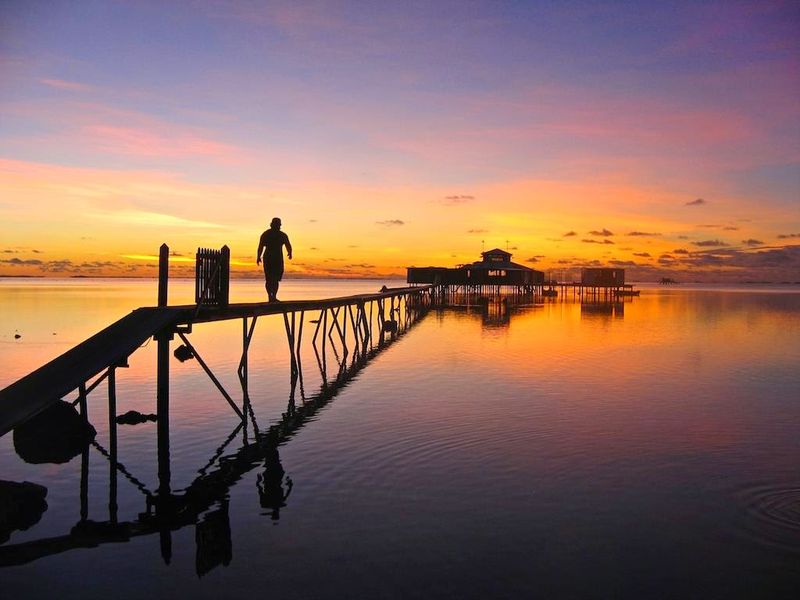
What started as one couple’s adventure has grown into a full family legacy. Today, three generations of the Umber family live and work on Ahe Atoll, each shaped by the rhythms of the ocean and the demands of island life.
Loic, the eldest son, attended the atoll’s only school as a child. Growing up without malls, video arcades, or busy playgrounds, he learned to swim, fish, and read the tides before he could read a textbook.
Younger family members followed a similar path, growing up deeply connected to nature in ways most children never experience.
Multi-generational off-grid living is rare anywhere in the world, but the Umbers have made it work for decades. Their shared lifestyle blends old traditions with practical know-how.
Each generation brings something new to the farm while honoring the values the family carried across the ocean all those years ago.
Life Comes With Real Risks
Living on a remote atoll sounds like a dream, but the reality includes genuine dangers that require constant awareness. Shark encounters are a regular part of diving work on the pearl farm.
The lagoon is shared territory, and the Umbers have learned to navigate that reality with calm, practiced respect rather than fear.
Beyond wildlife, the pearl market itself can be unpredictable. Global demand shifts, prices fluctuate, and there are seasons when the income simply does not match the effort.
Unlike city workers who can switch jobs or industries, the Umbers have limited options when the market dips.
Isolation also creates emotional pressure. Even the closest families experience tension when they are together every single day with nowhere else to go.
The Umbers have spoken openly about managing those moments. Their resilience comes not from avoiding difficulty, but from developing the mental tools to face it honestly and move forward together.
Living Almost Completely Off-Grid
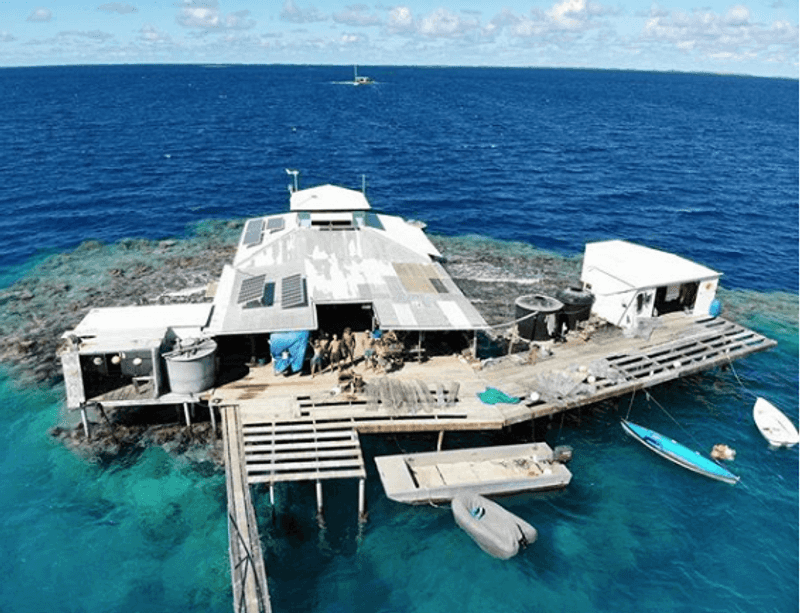
The Umbers do not rely on a city water supply, a grocery delivery service, or a regular power grid. Their daily life is built around self-sufficiency, which means thinking carefully about every resource they use.
Solar panels, rainwater collection, and fishing are part of the everyday routine.
Off-grid living sounds romantic in theory, but the practical side involves constant problem-solving. When something breaks, you cannot simply call a repairman.
You fix it yourself, or you go without. That mindset shapes how the family approaches nearly everything, from food storage to equipment maintenance.
Many people fantasize about unplugging from modern life, but few could actually sustain it long-term. The Umbers have done it for decades, not because they had no other choice, but because they genuinely believe this way of living offers something more valuable than convenience.
For them, freedom is not found in a city. It is found in the lagoon right outside their door.
A Tropical Paradise Few Will Ever See
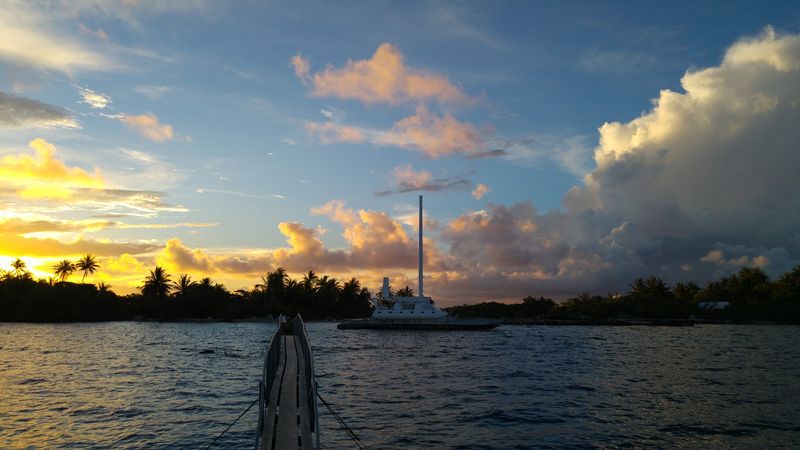
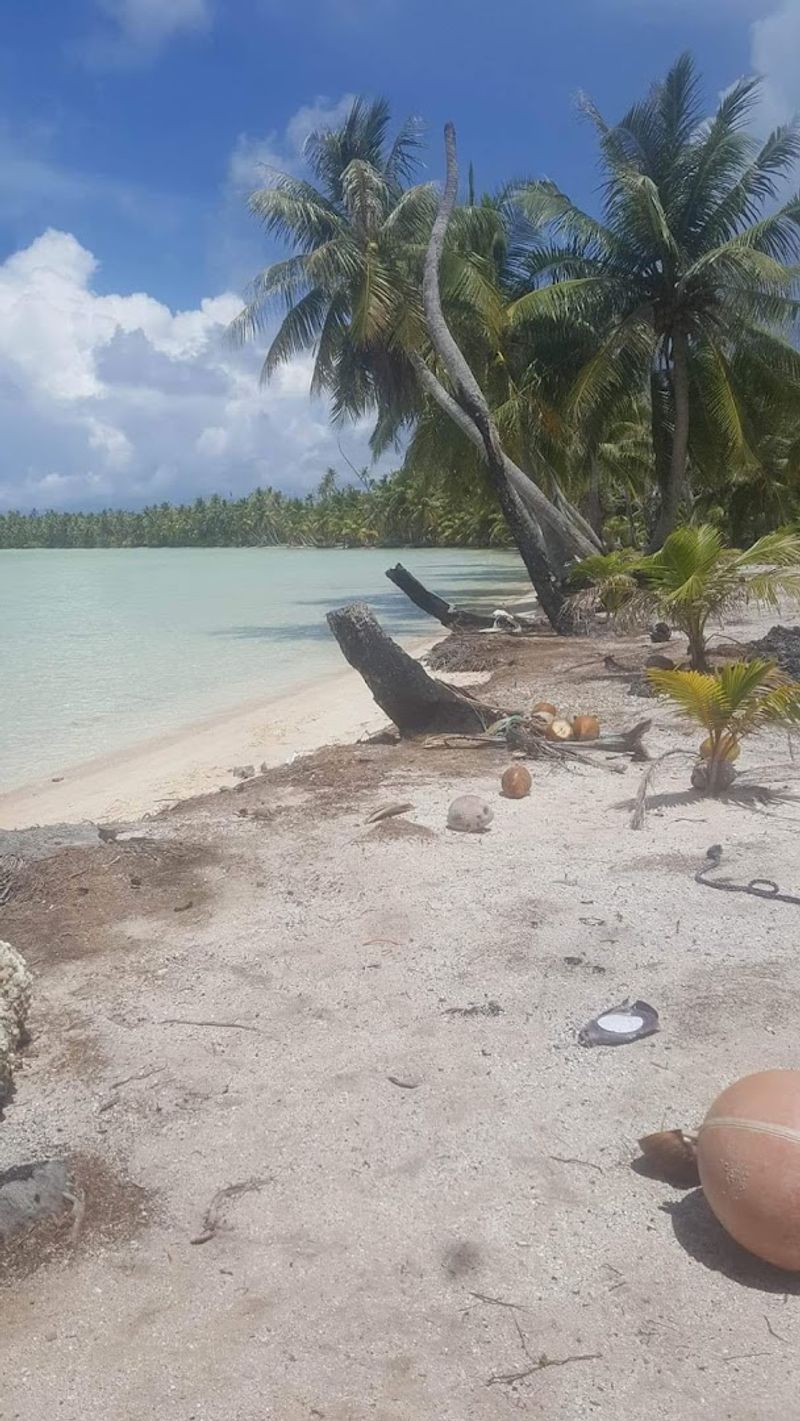
There is a reason travel writers reach for words like “breathtaking” when describing atolls like Ahe. The water is so clear you can see the coral reef meters below the surface.
Sunsets stretch across the sky in shades that no photograph quite captures. The air is clean, the nights are packed with stars, and the silence is the kind that actually settles your nerves.
Most tourists who dream of this kind of scenery see it through a hotel window for a week before flying home. The Umbers wake up to it every single morning.
Their backyard is a lagoon that most people will only ever see in a travel magazine.
The Kamoka website describes Ahe as “the essence of a tropical paradise,” and it is hard to argue with that. The beauty of the place is not just a backdrop.
For this family, it is a daily reminder of why they chose this life in the first place.
A Life Defined by Freedom and Nature
Decades after sailing a homemade boat to the far edge of the map, the Umber family is still on Ahe Atoll, still farming pearls, still living by the rhythms of the sea. Their story has attracted documentary filmmakers, journalists, and curious readers from around the world, all drawn to the same question: what does it actually feel like to live this way?
The answer, based on everything the family has shared, seems to be both harder and richer than most people expect. The hardships are real.
So is the fulfillment. They chose simplicity not as an escape from life, but as a way of living it more fully.
Their story is a quiet reminder that there is more than one way to build a meaningful life. You do not need a city, a commute, or a crowded calendar.
Sometimes all you need is a lagoon, a purpose, and the courage to show up for both every single day.
Share this story