Europe is full of famous landmarks, but some of its most unforgettable places don’t make it onto the average tourist map. From bone-decorated chapels to museums dedicated to heartbreak, the continent has a wonderfully weird side that rewards curious travelers.
I stumbled onto this rabbit hole while planning a trip to Prague, and honestly, I never looked back. Get ready for a tour of Europe’s strangest, most fascinating, and surprisingly moving attractions.
Hallstatt Bone House, Hallstatt, Austria
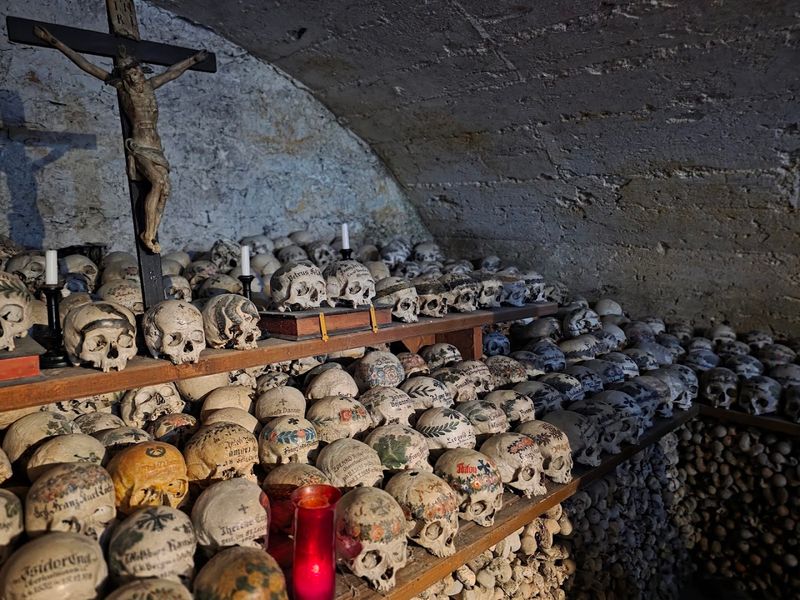
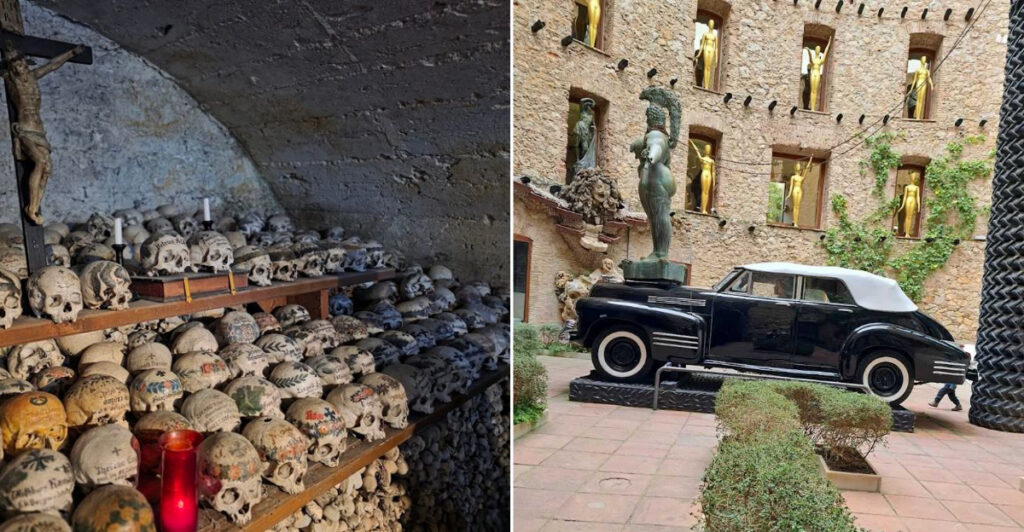
Running out of cemetery space sounds like a logistical nightmare, but Hallstatt turned it into an art form. The tiny Austrian village had a serious burial problem centuries ago, so locals started exhuming bones and decorating the skulls with flowers, names, and painted designs.
The result is both eerie and oddly beautiful.
Over 1,200 skulls are on display inside this charnel house, each one carefully painted by family members. It was a way of honoring the dead while freeing up precious burial ground.
Some skulls date back to the 1700s.
Hallstatt itself is already a postcard-perfect lakeside village, so visiting the Bone House feels like discovering a secret beneath all that beauty. Entry is cheap and the experience sticks with you for a long time.
Go in the morning before the tourist crowds arrive for the most memorable visit.
Sedlec Ossuary, Kutná Hora, Czech Republic
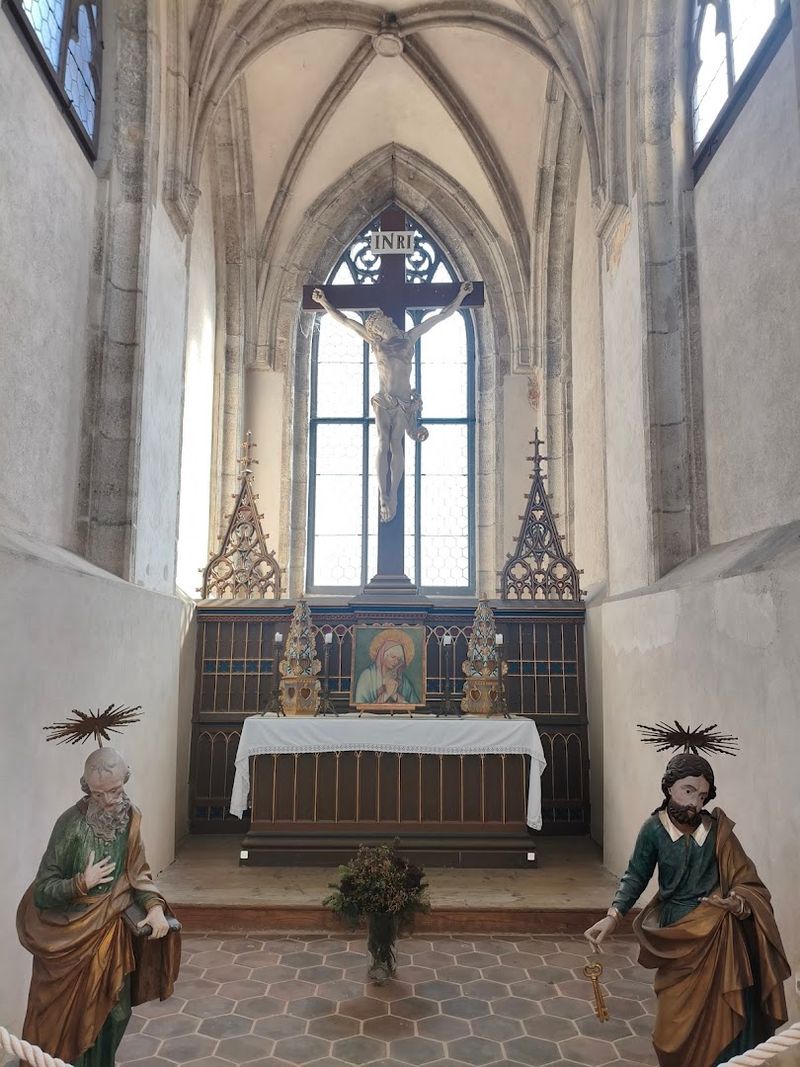
A chandelier made entirely from human bones is not something most people have on their bucket list, but it absolutely should be. The Sedlec Ossuary in Kutná Hora holds the bones of around 40,000 people, artfully arranged into garlands, coats of arms, and that jaw-dropping chandelier.
The story behind it is genuinely fascinating. After a plague and the Hussite Wars, bones piled up faster than the local cemetery could handle.
A half-blind monk began stacking them in the 1400s, and a woodcarver named Frantisek Rint completed the decorative arrangements in 1870.
When I first walked in, I genuinely could not tell what I was looking at. Then it clicked, and my brain just stopped working for a moment.
The ossuary sits beneath a Gothic church, so the whole experience has this layered, surreal quality. Tickets are affordable and Kutná Hora makes a great day trip from Prague.
Museum of Broken Relationships, Zagreb, Croatia
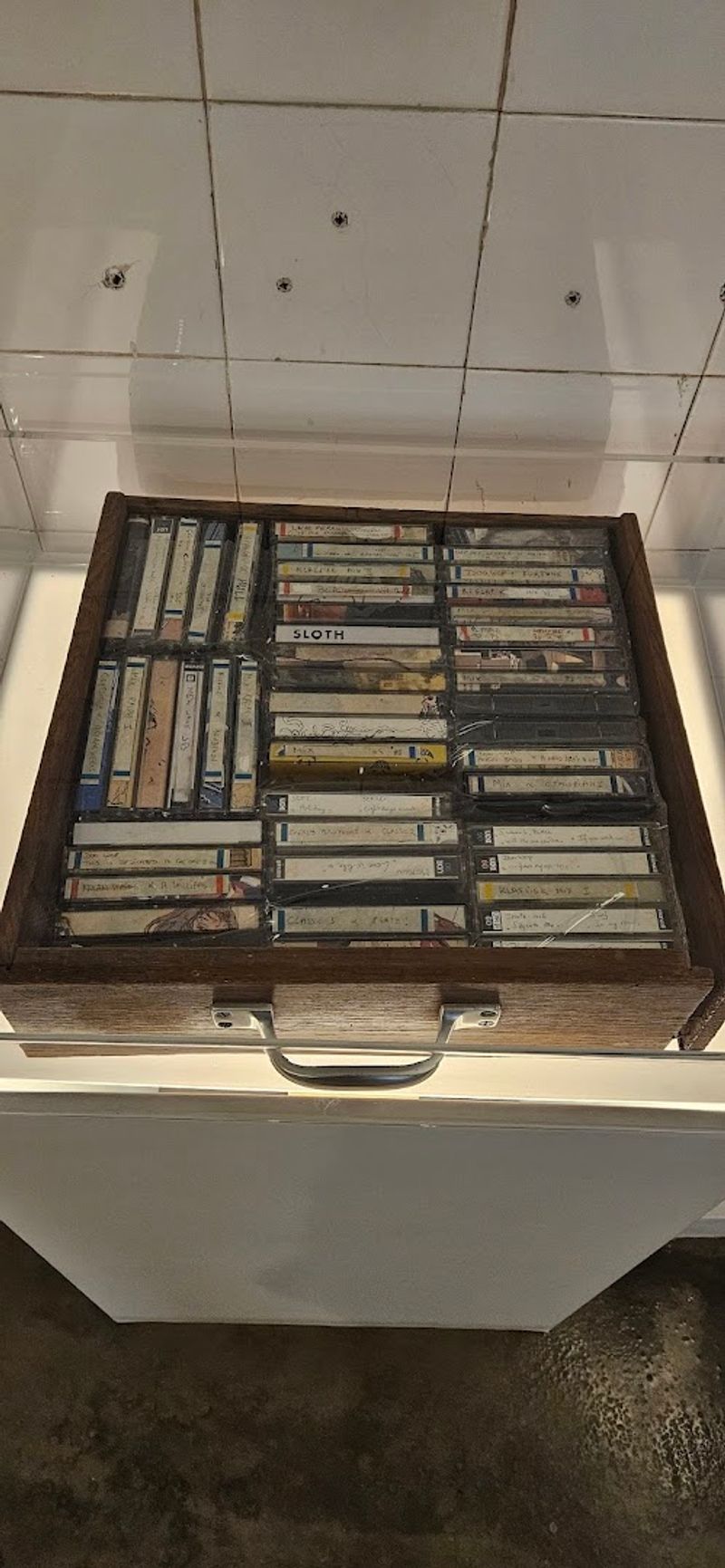
Somewhere in Zagreb, a collection of garden gnomes, wedding dresses, and one very specific toaster tells the story of love gone wrong. The Museum of Broken Relationships is exactly what it sounds like, and it is far more moving than any art gallery I have ever visited.
Every object on display was donated by someone who went through a breakup. Each piece comes with a short, anonymous note explaining what happened.
Some entries are heartbreaking. Others are hilarious.
A few are both at the same time.
The museum started as a traveling exhibition in 2006 and found a permanent home in Zagreb in 2010. It won the Council of Europe Museum Prize, which tells you everything about how seriously people took this wild concept.
Whether you are newly heartbroken or happily loved-up, this museum hits differently. Budget about an hour and bring a tissue, just in case.
The Cat Cabinet, Amsterdam, Netherlands
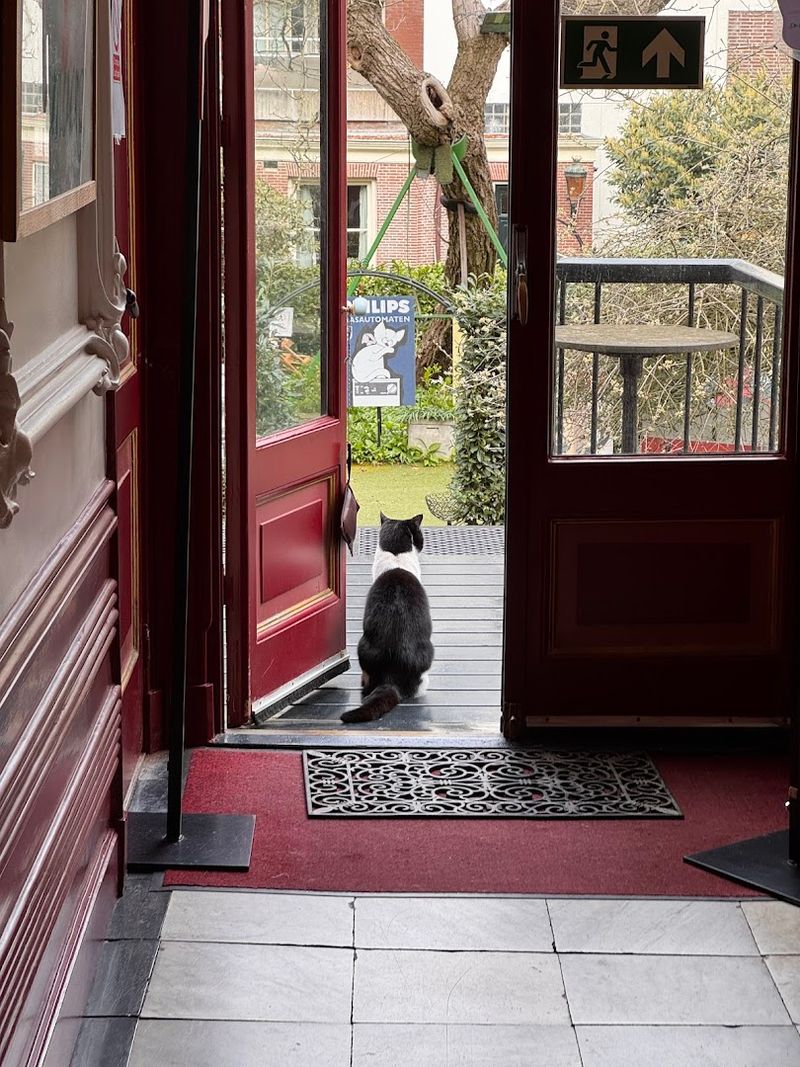
A canal house in Amsterdam dedicated entirely to art featuring cats is the most Dutch thing I have ever heard, and I am completely here for it. The Kattenkabinet, or Cat Cabinet, was founded by a man named Bob Meijer in memory of his ginger tomcat, John Pierpont Morgan.
Yes, the cat was named after a banker.
The collection spans several centuries and includes works by Picasso, Toulouse-Lautrec, and Sal Meijer. Cats appear in oil paintings, posters, sculptures, and prints throughout the beautifully preserved 17th-century canal house.
Real cats also wander the premises, which feels entirely right.
The museum is small but genuinely charming, and even non-cat people tend to leave smiling. It sits right on the Herengracht, one of Amsterdam’s most scenic canals, so the walk there is half the fun.
Admission is modest and the gift shop is dangerously tempting. Cat lovers, consider this your pilgrimage.
Quinta da Regaleira Initiation Well, Sintra, Portugal
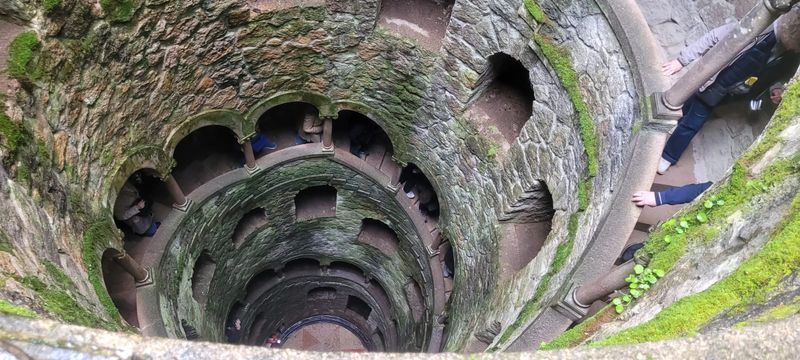
Most wells are for water. This one is for mystery, symbolism, and the kind of photos that make everyone ask where on earth you went.
The Initiation Well at Quinta da Regaleira in Sintra spirals downward like an inverted tower, nine stories deep into the earth.
Built in the early 1900s by eccentric millionaire Carvalho Monteiro, the well was never used for water. It was designed for Masonic and Rosicrucian initiation rituals, with the nine levels representing the nine circles of Dante’s Hell.
Tunnels connect it to other parts of the estate underground.
The whole property is wild, featuring gothic towers, hidden grottos, and a chapel covered in mysterious symbols. Sintra itself is a fairy-tale town worth a full day of wandering.
The well gets crowded in the afternoon, so arrive early. Wear shoes you do not mind getting damp, because the stone steps can be slippery.
Bastei Bridge, Saxon Switzerland, Germany
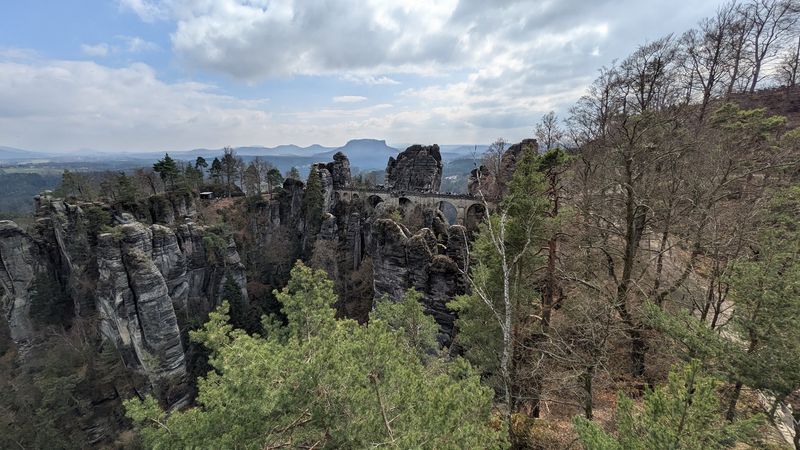
Saxon Switzerland is a slightly misleading name for a region that is entirely German, but once you see the Bastei Bridge, you stop caring about geography and just stare. The bridge stretches between towering sandstone pillars nearly 200 meters above the Elbe River valley.
The current stone bridge was built in 1851, replacing an earlier wooden version. The rock formations themselves were shaped by water erosion over millions of years, creating a landscape that looks like it belongs in a fantasy novel.
Filmmakers clearly agree, since parts of Narnia were filmed nearby.
The hike up is manageable for most fitness levels and takes about 20 minutes from the town of Rathen. The views from the bridge are staggering in every direction.
Weekends get very busy, especially in summer. Going on a weekday morning in spring or autumn gives you a much better chance of having those epic views mostly to yourself.
Tarot Garden, Capalbio, Italy
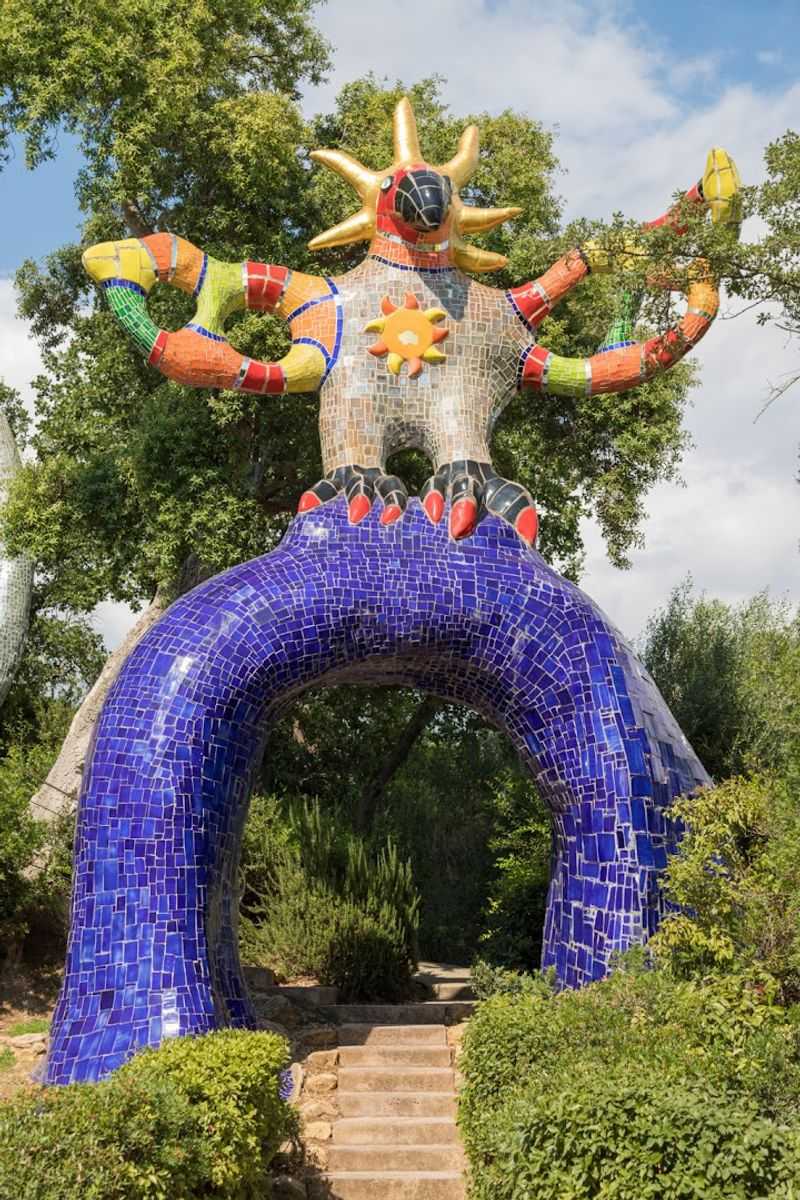
American sculptor Niki de Saint Phalle spent 26 years building a garden full of giant tarot card sculptures in the Tuscan countryside, and the result is one of the most gloriously bonkers places in all of Europe. The Tarot Garden near Capalbio opened in 1998 and features 22 colossal figures.
Each sculpture represents a Major Arcana card. The Empress is so large that Saint Phalle actually lived inside it for several years while building the garden.
The figures are covered in mosaics, mirrors, ceramic tiles, and glass, all glittering under the Italian sun.
Saint Phalle funded the project largely through the sale of her own perfume. That commitment to a creative vision is either wildly inspiring or completely unhinged, possibly both.
The garden is a bit off the beaten path near the Tuscan coast, which makes it feel even more like a discovery. Allow at least two hours and wear comfortable shoes for the uneven terrain.
Dalí Theatre-Museum, Figueres, Spain
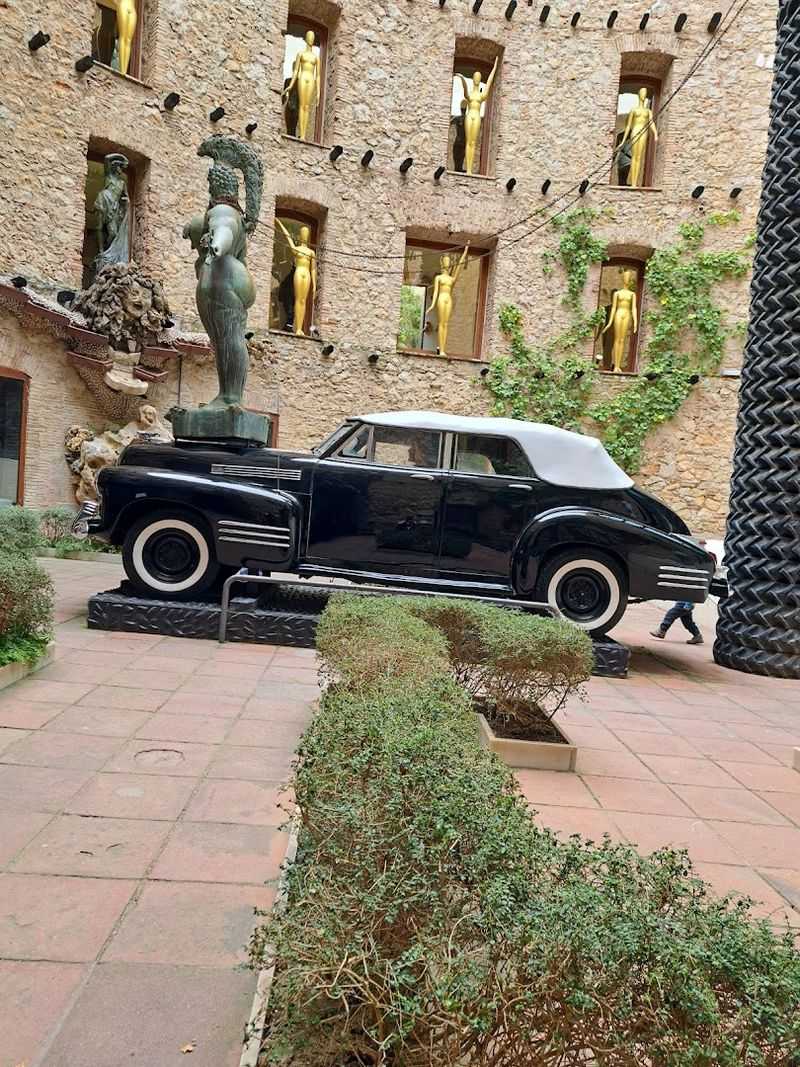
Salvador Dalí designed his own museum and buried himself underneath it, which tells you everything about the man and nothing at all simultaneously. The Dalí Theatre-Museum in Figueres is the most visited museum in Spain after the Prado, and it earns every single visitor.
Built on the ruins of a burned-out theatre, the museum is itself a surrealist artwork. The roofline is lined with giant egg sculptures and golden figures.
Inside, rooms shift and trick the eye at every turn. The famous Mae West room looks like a normal living room until you climb a ladder and realize it is actually a face.
Dalí called it a single surrealist object. He was not wrong.
His tomb sits in the crypt below the main hall, which is either poetic or deeply theatrical, probably both. Figueres is easy to reach by train from Barcelona or Girona.
Book tickets online in advance because queues can stretch around the block.
The Merry Cemetery, Săpânța, Romania
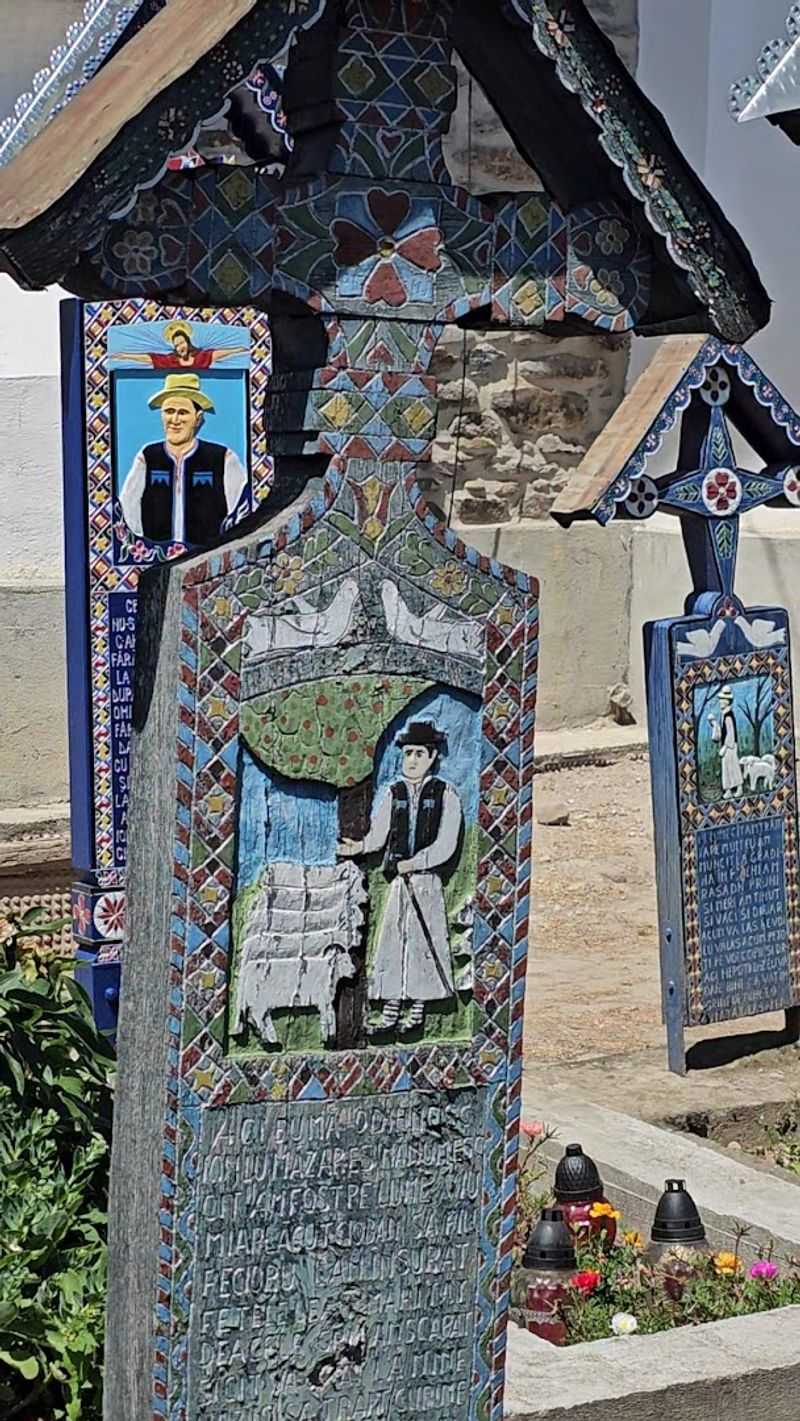
Most cemeteries inspire quiet reflection. This one in northern Romania will make you laugh out loud, which feels wrong and absolutely right at the same time.
The Merry Cemetery of Săpânța features over 800 brightly painted wooden grave markers, each carved with a cartoon image and a cheeky poem about the deceased.
Local artist Stan Ioan Patras started carving these markers in 1935. Each one tells a story, sometimes about how the person lived, sometimes about how they died, and occasionally with a bluntness that would raise eyebrows anywhere else.
One epitaph reportedly complains about the mother-in-law.
The tradition continues today, carried on by Patras’s apprentice and now others in the village. The cemetery has become a UNESCO candidate site and a genuine cultural treasure.
Săpânța is in the Maramures region, which is one of Romania’s most beautiful and traditional areas. Pairing the cemetery visit with a drive through the wooden churches of Maramures makes for an unforgettable day.
Narrenturm, Vienna, Austria
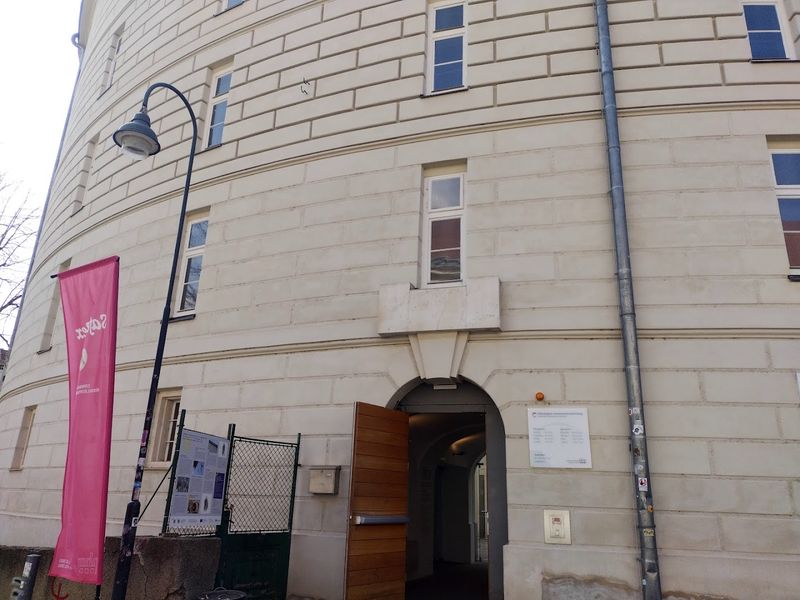
Vienna is famous for Mozart, Klimt, and very good coffee. Less famous is the circular tower on the grounds of the old General Hospital that houses one of the world’s most unusual medical collections.
The Narrenturm, or Fool’s Tower, was built in 1784 as Europe’s first purpose-built psychiatric institution.
Today it holds the Federal Pathological-Anatomical Collection, which is a polite name for a museum packed with preserved specimens, wax anatomical models, and medical oddities. It covers everything from historical surgical tools to examples of rare conditions.
It is genuinely fascinating and genuinely not for the squeamish.
Emperor Joseph II commissioned the building, and its circular design with small windows was considered progressive for its time. The tower has five floors connected by a central staircase.
Guided tours run on specific days, so check the schedule before visiting. This is the kind of place that history and medicine buffs absolutely love and most tourists walk right past.
Paris Sewer Museum, Paris, France
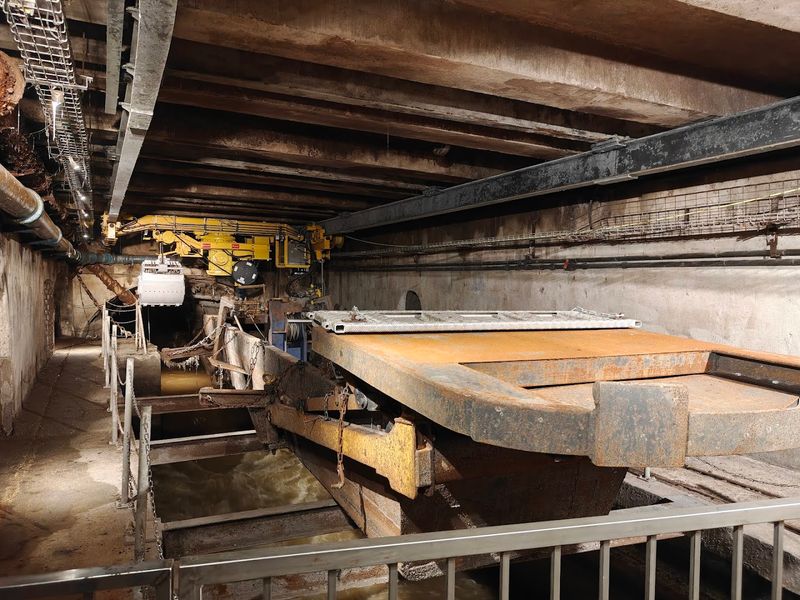
Paris is the city of light, romance, and apparently, an award-winning underground sewer system that you can tour. The Musee des Egouts de Paris takes visitors into the actual working sewers beneath the streets, and it is far less gross than it sounds.
Mostly.
The Paris sewer network stretches over 2,400 kilometers, roughly the distance from Paris to Warsaw. It was built largely in the 19th century under Baron Haussmann’s massive renovation of the city.
The museum follows a section of the tunnels with displays about the history of water management and waste disposal in Paris.
Victor Hugo fans will recognize the setting from Les Miserables, where Jean Valjean famously escapes through these very tunnels. The museum is located near the Pont de l’Alma on the Left Bank.
It is not glamorous, but it is unexpectedly interesting and a cool escape from the summer heat. Tickets are affordable and the experience is genuinely memorable.
Atomium, Brussels, Belgium
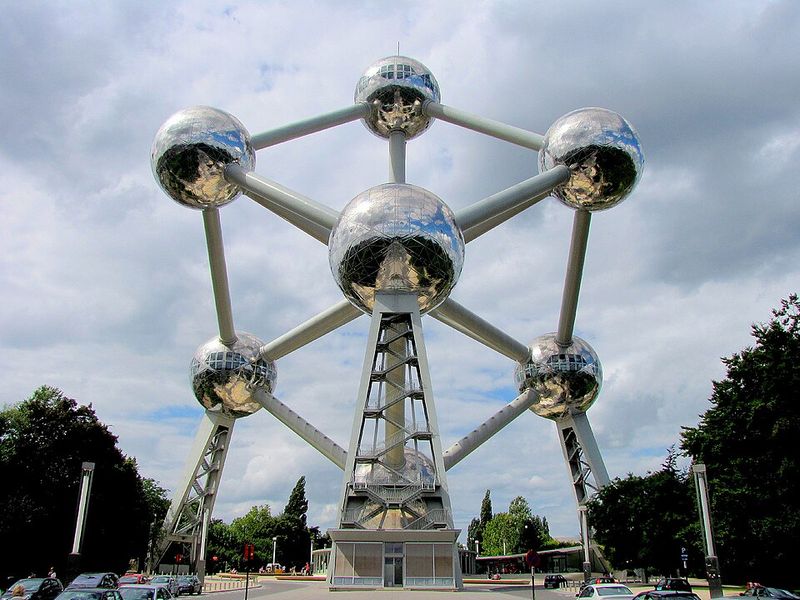
Built for the 1958 World’s Fair and never taken down, the Atomium is a 102-meter-tall model of an iron crystal magnified 165 billion times. It is the kind of structure that only a World’s Fair could produce and only Brussels would keep permanently.
Honestly, respect.
Nine stainless steel spheres are connected by escalators and stairs running through the tubes between them. Each sphere contains an exhibit space, and the top sphere offers a panoramic view of Brussels that is genuinely spectacular.
The building was renovated in 2006 and now gleams like something from a retro science fiction film.
The Atomium was designed by engineer Andre Waterkeyn and architects Andre and Jean Polak. It was meant to symbolize the peaceful use of nuclear energy and optimism about science.
That 1950s enthusiasm for the atomic age is somehow both dated and charming. The Atomium sits in the Laeken district, easily reached by metro, and pairs perfectly with a visit to Mini-Europe next door.
Mini-Europe, Brussels, Belgium
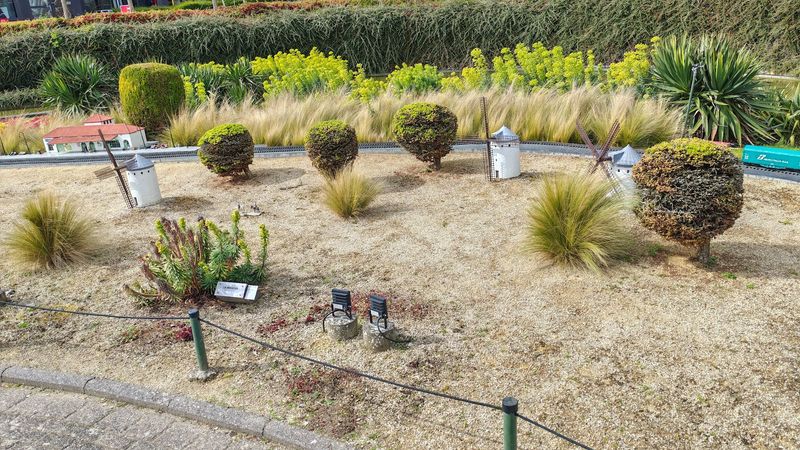
Why spend thousands of euros touring the whole continent when you can see the entire thing in an afternoon? Mini-Europe in Brussels features over 350 miniature reproductions of famous European landmarks, all built at a 1:25 scale.
It is wonderfully silly and secretly quite impressive.
The models include the Eiffel Tower, Big Ben, the Acropolis, the Colosseum, and dozens of lesser-known gems from across all EU member states. Many models have interactive features, so volcanoes erupt, trains run, and boats sail on tiny canals.
Kids go absolutely wild for it.
The park opened in 1989 and covers about 24,000 square meters, which sounds large until you remember it contains all of Europe. It sits right next to the Atomium, making the two a natural pairing for a half-day out.
I spent way longer here than I planned, which I think is the highest compliment a tourist attraction can receive. Check for family tickets to save money.
The Icelandic Phallological Museum, Reykjavík, Iceland
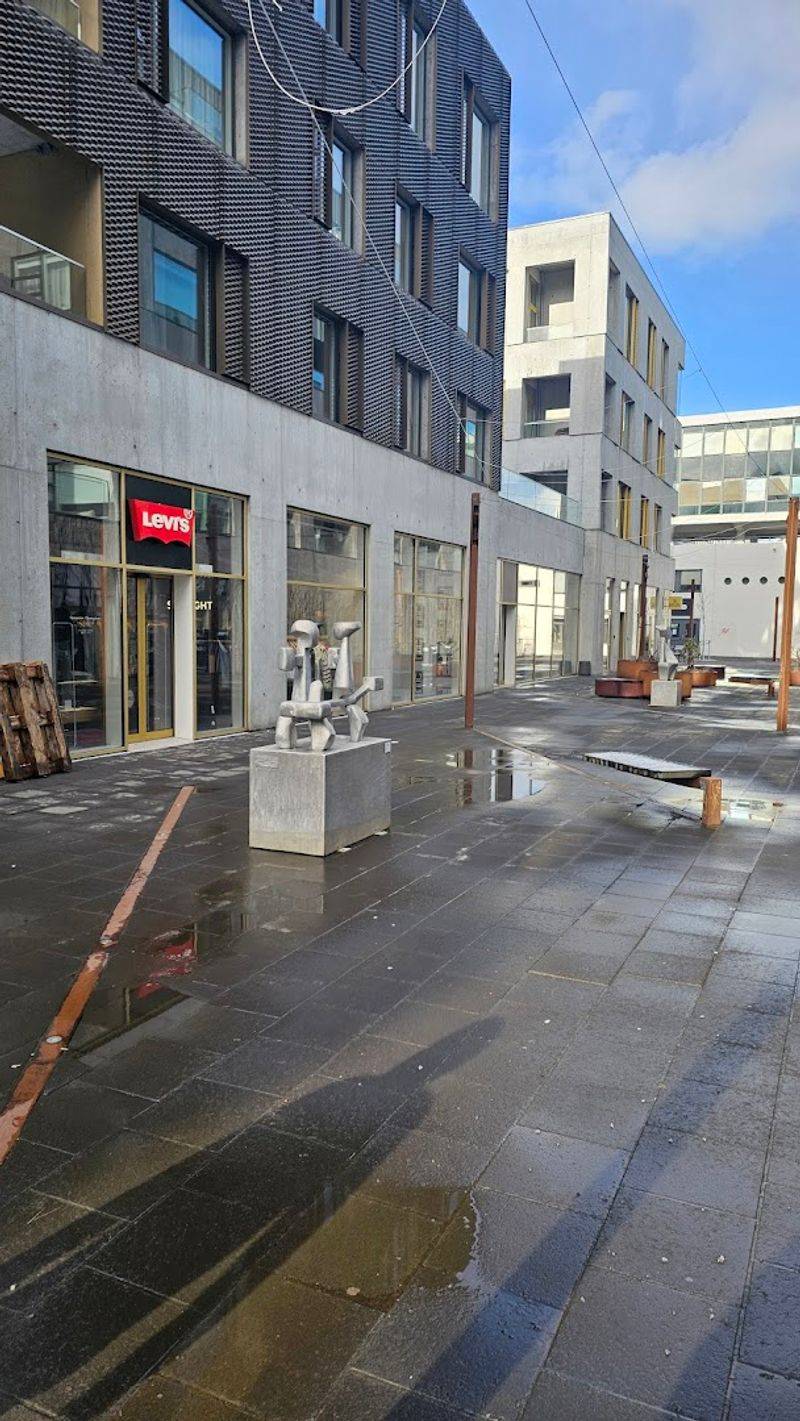
There is exactly one museum in the world dedicated entirely to phallological specimens, and it is in Iceland, which feels correct somehow. The Icelandic Phallological Museum in Reykjavik holds over 280 specimens from 93 different species of animals found in Iceland, including whales, seals, and various land mammals.
Founder Sigurdur Hjartarson started the collection in 1974 as a joke gift from a colleague and just never stopped. The museum opened officially in 1997 and has attracted visitors from over 60 countries.
It is educational, oddly fascinating, and definitely the most memorable museum description you will ever have to give at a dinner party.
The collection also includes folklore specimens and artistic contributions from around the world. A legal document from a human donor is also on display, though that particular specimen has not yet arrived.
Iceland in general is full of quirky, confident cultural institutions, and this one fits right in. Reykjavik is small enough that no attraction is ever far from anything else.
Casa Batlló, Barcelona, Spain
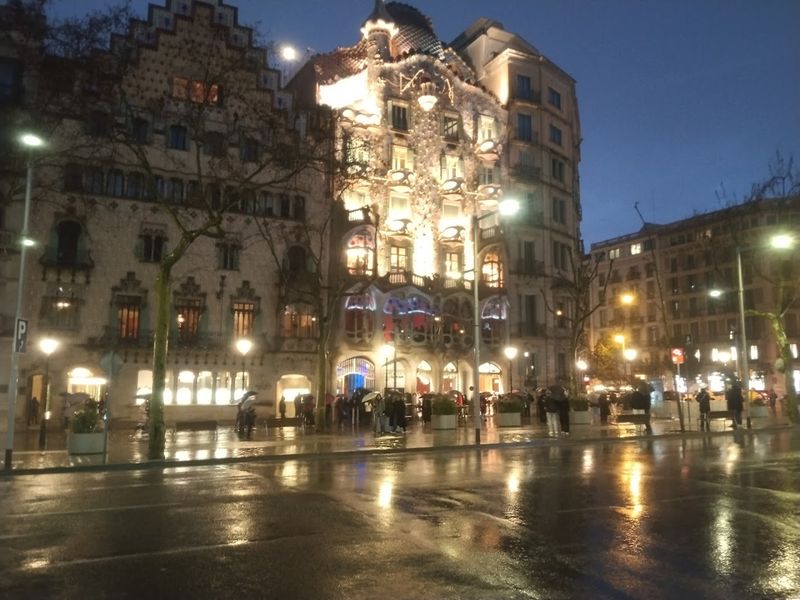
Antoni Gaudi looked at a perfectly normal Barcelona apartment building in 1904 and thought, what if it looked like a dragon skeleton covered in scales? The result is Casa Batlló, one of the most breathtaking and genuinely strange buildings anywhere on the planet.
The facade is covered in shimmering blue and green mosaic tiles that shift color in the light. The balconies are shaped like skulls and bones, which is why locals nicknamed it the House of Bones.
The roofline arches like the back of a reptile and is tiled in iridescent ceramic.
Inside, every surface curves. There are no straight lines, no sharp corners, and no visual rest for the eye.
It is overwhelming in the best possible way. The building sits on Passeig de Gracia alongside two other architectural masterpieces, forming a block locals call the Block of Discord.
Book tickets well in advance, especially for the evening experience, which includes light projections that make the whole thing even more surreal.
Share this story