The 1960s were a golden era of cool hair, catchy teen movies, and actors who seemed to be on every magazine cover and TV screen at once. Some of these stars burned so bright that it felt like nothing could ever dim their light.
But Hollywood has always had a funny way of moving on, and even the biggest names can find themselves replaced by the next big thing. Here are 15 actors who ruled the ’60s spotlight before slowly stepping out of it.
George Maharis
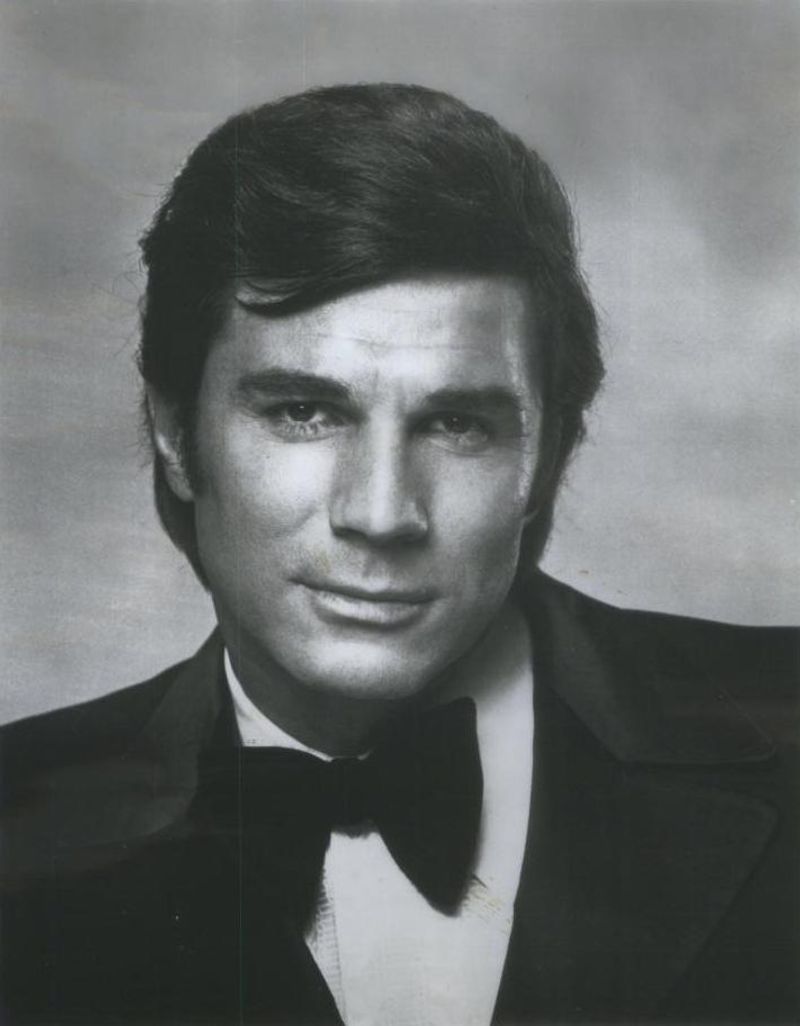
George Maharis had a face that practically demanded its own ZIP code. He shot to fame playing Buz Murdock on Route 66, one of the coolest road-trip dramas in TV history.
Women adored him, men wanted to be him, and sponsors could not get enough of his chiseled mug.
He even had a music career on the side, releasing albums that actually sold. Not bad for a kid from Queens.
But a health scare forced him off Route 66, and the momentum he had built started slipping through his fingers like sand.
He kept working through the ’60s and ’70s in films and guest roles, but he never quite recaptured that electric early buzz. Sometimes timing in Hollywood is everything, and missing a beat can cost you the whole song.
George Maharis learned that lesson the hard way.
Patty Duke
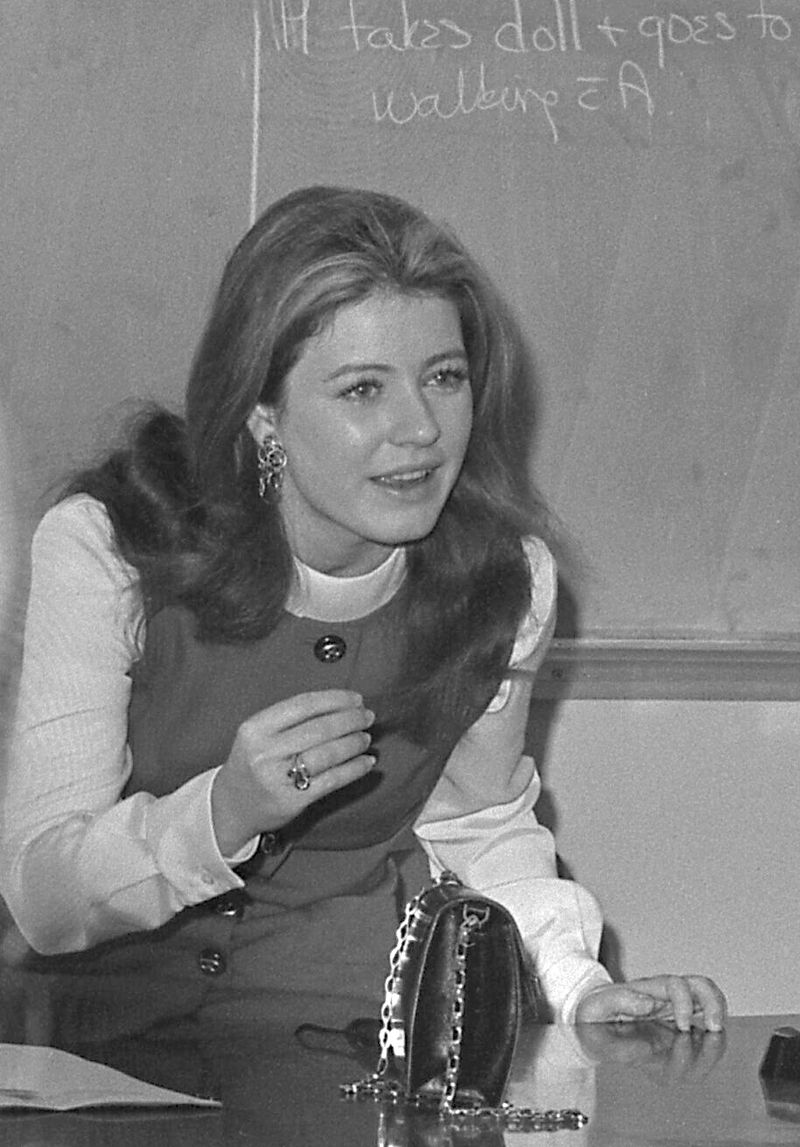
Patty Duke won an Academy Award at just 16 years old. Let that sink in for a second.
She played Helen Keller in The Miracle Worker and absolutely floored everyone who saw it.
She then got her own sitcom, The Patty Duke Show, where she played identical cousins. Yes, identical cousins.
It was gloriously weird, and viewers ate it up. For a while, she was the most recognizable teenage face on American television.
But the transition from child star to respected adult actress is notoriously rocky, and Patty hit some serious bumps. Struggles with mental health, which she later spoke about openly and bravely, made her career path uneven.
She did return to respected dramatic work later in life, but her ’60s superstar status never fully came back. Her courage in speaking out about bipolar disorder, however, made her a genuine hero to millions.
Troy Donahue
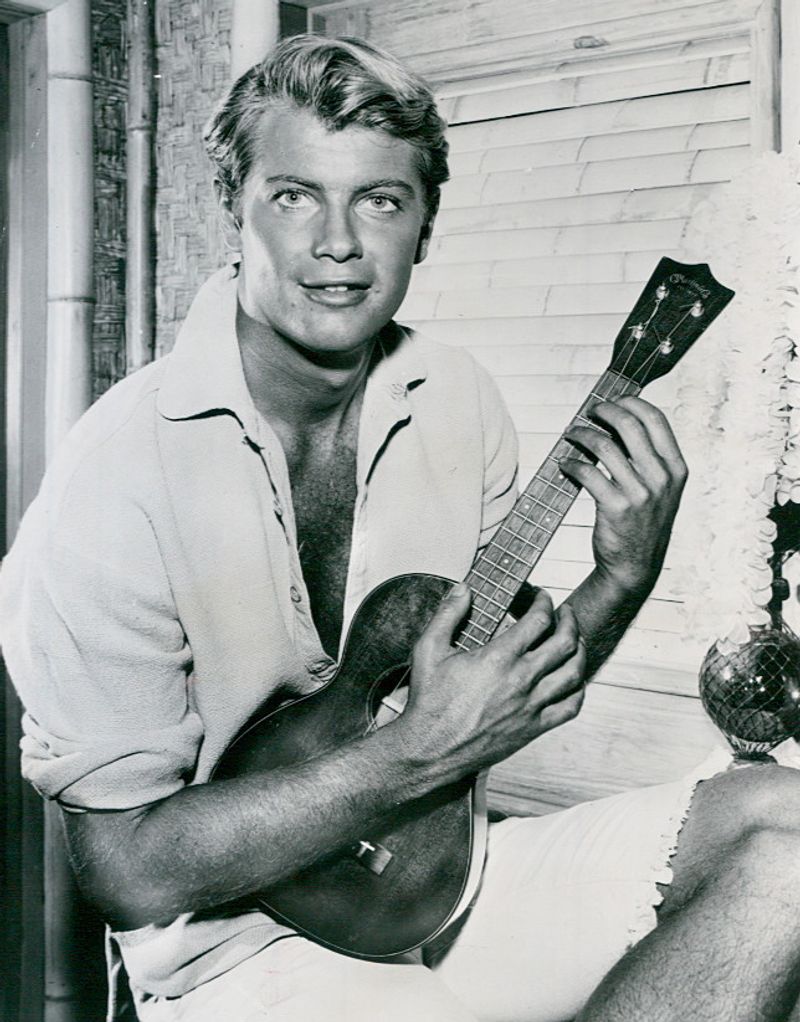
Troy Donahue was so good-looking that Warner Bros. basically built a whole persona around his face. With that golden hair and easy smile, he was the studio’s go-to dreamboat throughout the late ’50s and early ’60s.
Films like A Summer Place made teenage girls absolutely lose their minds. He was everywhere, from movie posters to fan magazines.
His name alone could sell a film, which is a rare kind of power.
But Warner Bros. eventually let him go, and without the studio machine behind him, things got tough fast. He struggled with substance abuse for years, and the roles dried up significantly.
He made a memorable cameo in The Godfather Part II, which gave fans a fun wink. Still, the days of being Hollywood’s golden boy were long gone.
Troy Donahue became a cautionary tale wrapped in a very handsome package.
Annette Funicello
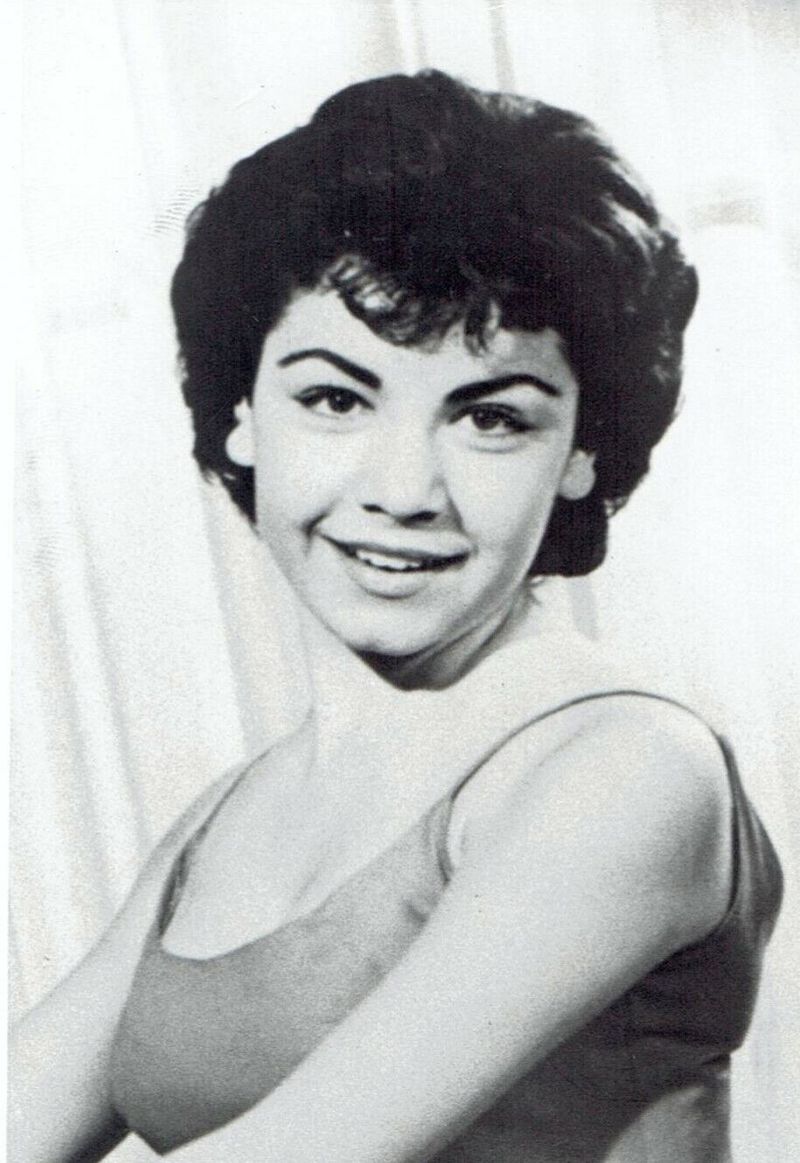
Few names are as perfectly tied to a decade as Annette Funicello is to the 1960s. She started as a Mouseketeer and grew into the undisputed queen of the beach party movie genre alongside Frankie Avalon.
Films like Beach PartyMuscle Beach Party and were pure, sun-soaked fun, and Annette was the heart of all of them. She also recorded hit songs and had a devoted fan base that stretched across the country.
Walt Disney himself was famously protective of her wholesome image.
As the decade ended and tastes shifted toward grittier, more rebellious entertainment, Annette’s brand of cheerful innocence felt out of step with the times. She stepped back from the spotlight to raise her family.
Later, she was diagnosed with multiple sclerosis, which she handled with remarkable grace and dignity. Her legacy as America’s sweetheart remains completely untarnished.
Fabian Forte
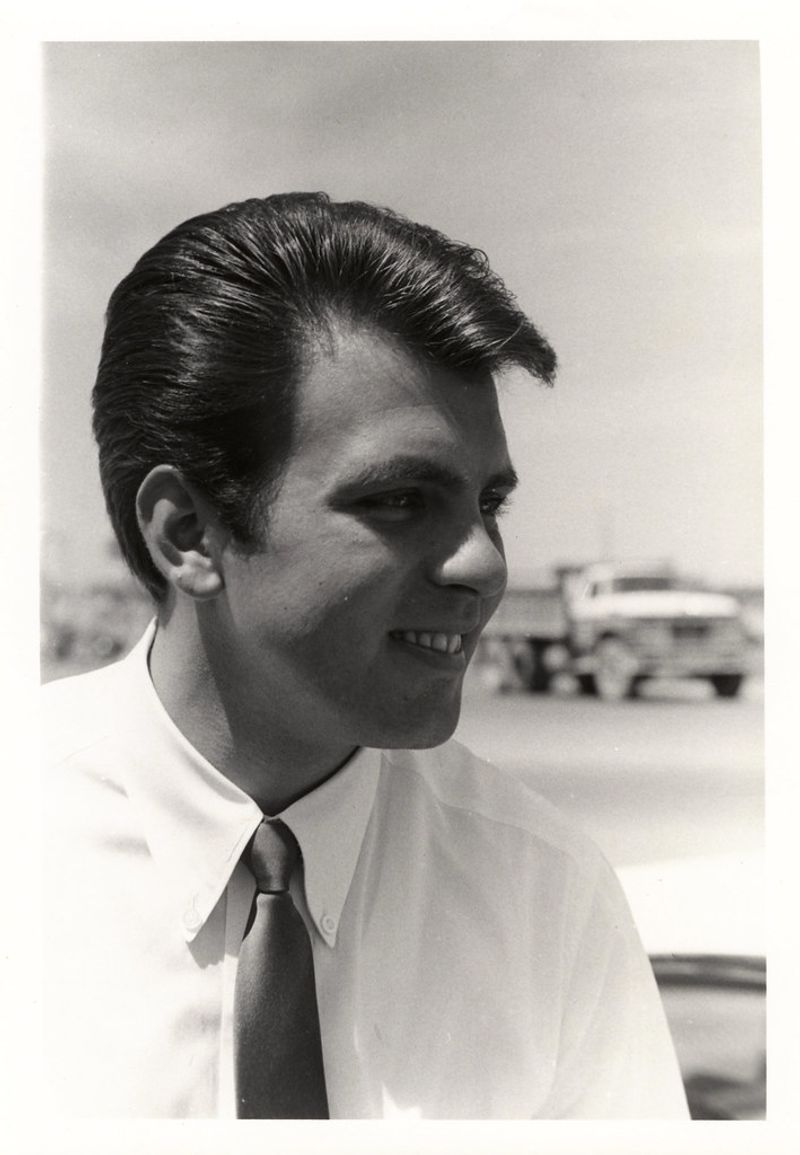
Fabian Forte was discovered at age 14 sitting on his front stoop in South Philadelphia, and within months he was a full-blown teen idol. That is not a career path they teach in school, but it worked spectacularly for a while.
He had the looks that made girls scream and the charm that made TV hosts invite him back. His music career was carefully packaged by his label, and he appeared on American Bandstand so often he practically had a reserved parking spot.
He transitioned into acting with films like Hound-Dog ManTen Little Indians and , but he never quite shook the teen idol label. As the British Invasion swept through American pop culture, Fabian’s brand of manufactured charm started feeling dated.
He kept performing on the nostalgia circuit for decades, always good-humored about his place in pop history. Not a bad life, honestly.
Sandra Dee
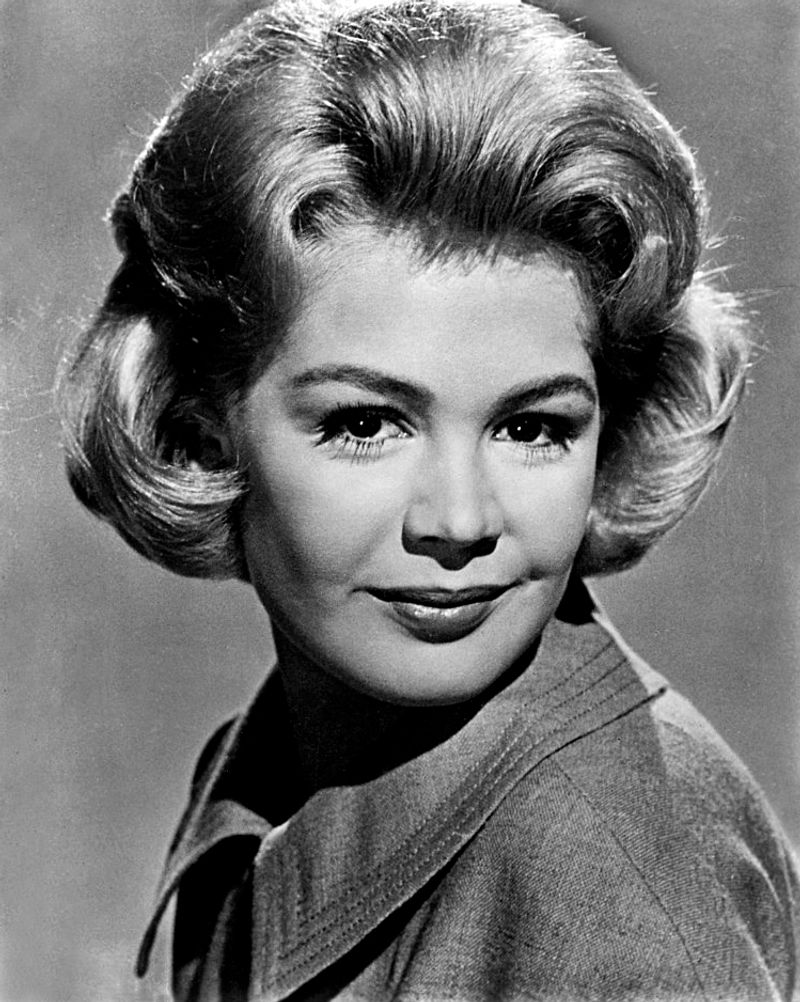
Sandra Dee was so famous that Grease literally named a song after her decades later. That is a level of cultural impact most actors never reach.
In the late ’50s and early ’60s, she was the definition of the girl-next-door movie star.
Her role in Gidget launched an entire genre of beach films, and her marriage to Bobby Darin made them Hollywood royalty. Magazines could not print her photo fast enough.
She was young, blonde, and absolutely everywhere.
But behind the scenes, Sandra battled serious personal demons, including an eating disorder and a difficult childhood that cast long shadows. As the decade progressed, her film output slowed and the roles became less prominent.
She largely withdrew from public life after her divorce from Bobby Darin. She passed away in 2005, but her name still carries that nostalgic sparkle that no amount of time can fully erase.
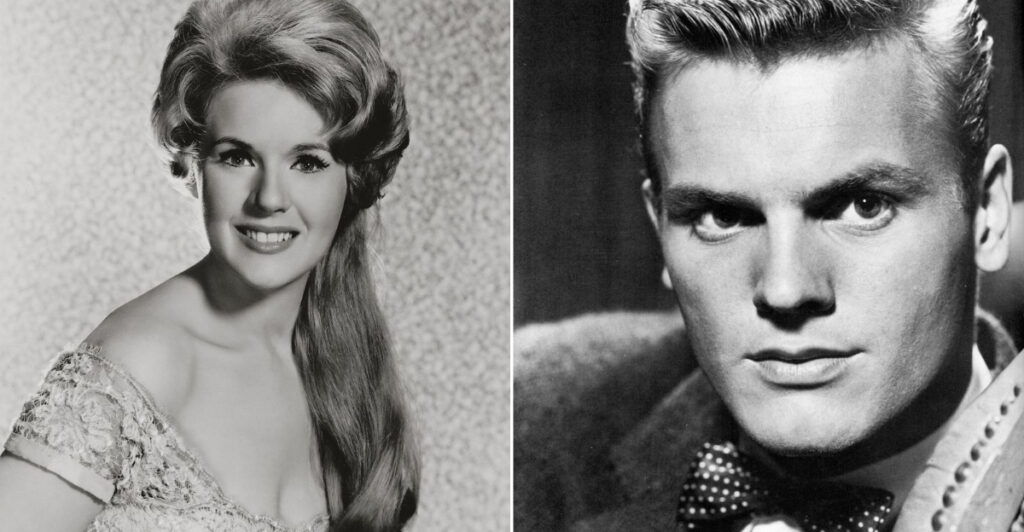
Tab Hunter
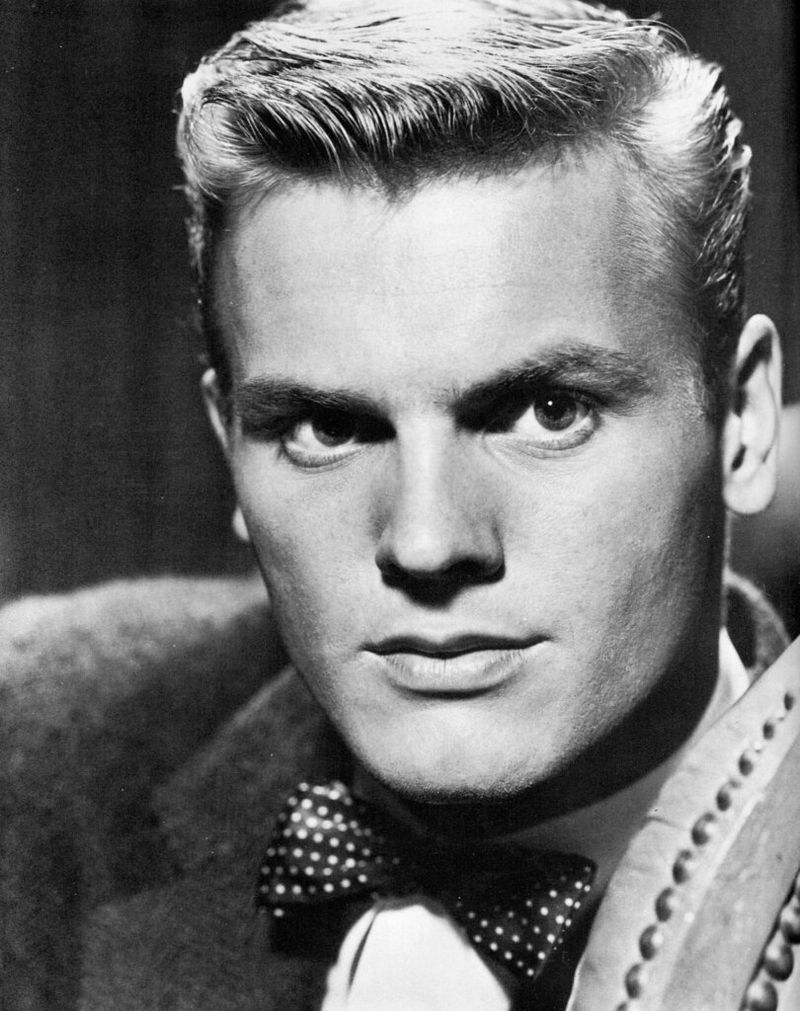
Tab Hunter was the kind of name Hollywood invented on purpose, and the studio system really delivered with this one. Born Arthur Gelien, he was rechristened Tab Hunter and launched as Warner Bros.’ resident blond heartthrob in the mid-1950s.
By the early ’60s he had starred in numerous films, released a number-one hit single with “Young Love,” and graced more magazine covers than most people see in a lifetime. The fan mail alone reportedly required its own staff to manage.
But Hollywood’s appetite for new faces is relentless, and Tab gradually found the big roles harder to come by. He later came out as gay in his 2005 memoir, revealing the enormous pressure he had faced to maintain a manufactured public image for decades.
His honesty earned him enormous respect. Tab Hunter went from studio property to genuine Hollywood legend, which is a much better ending anyway.
Connie Stevens
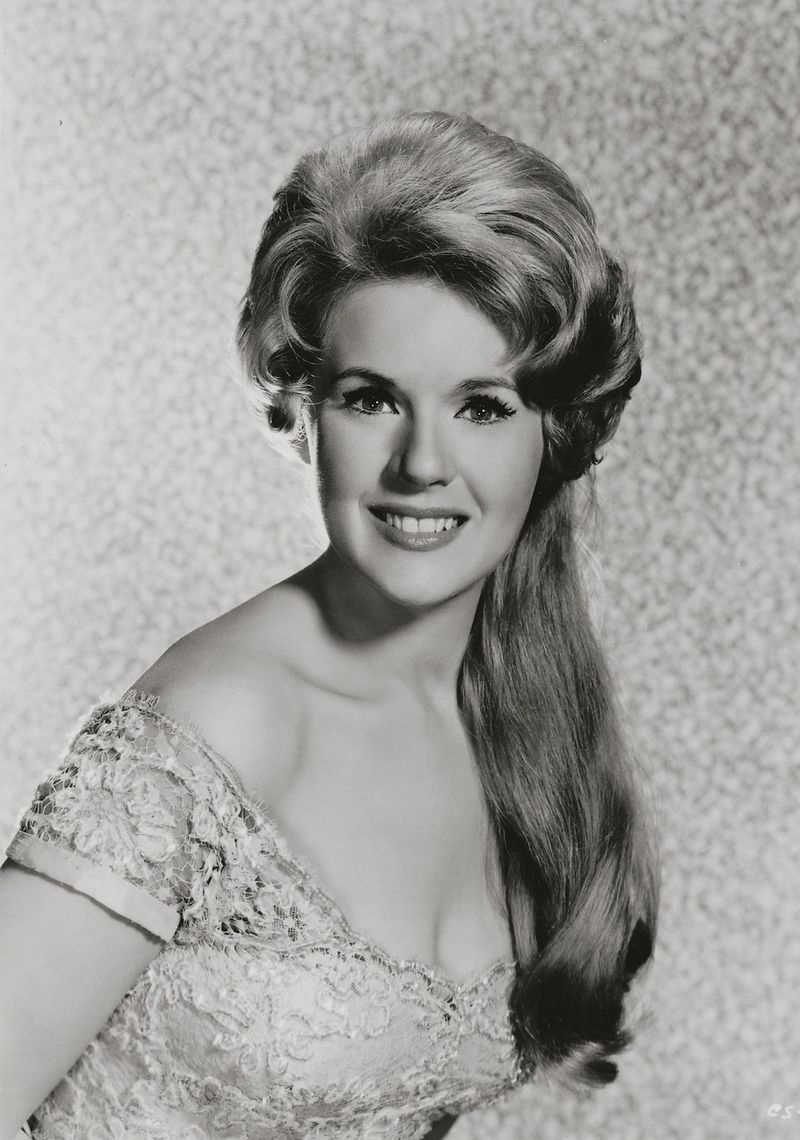
Connie Stevens could sing, act, and charm an entire room without breaking a sweat. She co-starred on the hit TV series Hawaiian Eye as Cricket Blake, a role that made her a household name almost overnight.
She also had genuine pop hits, including “Sixteen Reasons,” which climbed the charts in 1960. Her duet with Ed Byrnes on “Kookie, Kookie (Lend Me Your Comb)” was one of the quirkiest chart-toppers of the era, and it absolutely slapped in the best possible ’60s way.
When Hawaiian Eye ended, she continued working steadily in films and TV, but that top-tier star status faded gradually. She remained a popular figure on the Las Vegas entertainment circuit and kept performing well into later decades.
Connie Stevens never fully disappeared, she just moved to a different stage. And honestly, she seemed pretty okay with that.
Bobby Darin
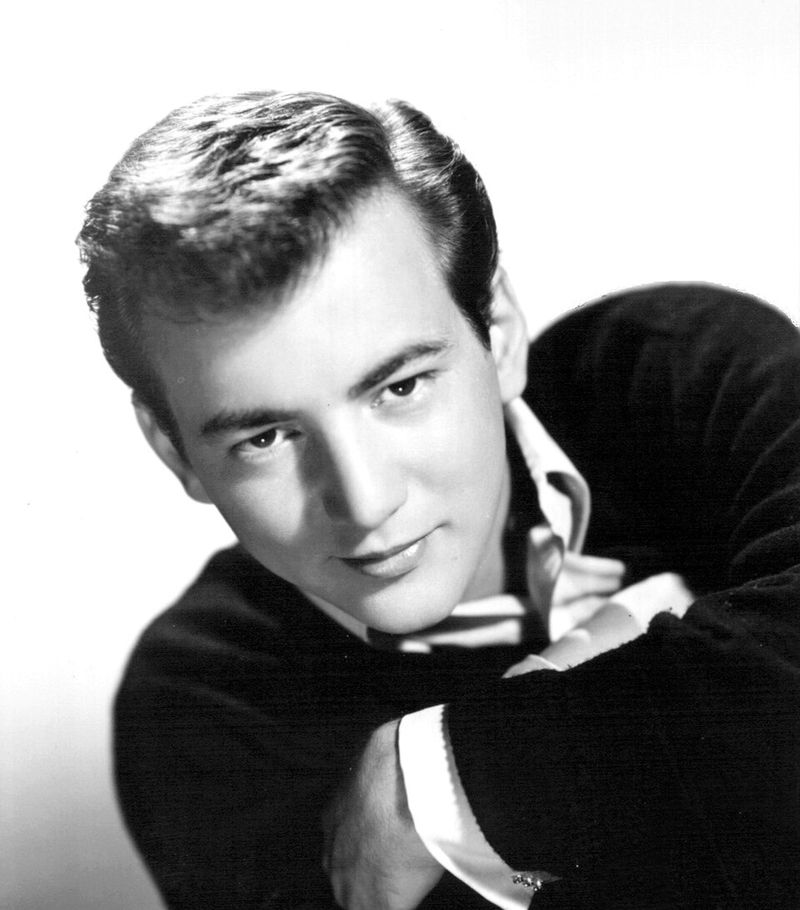
Bobby Darin was in such a hurry to be famous that he once told his mother he would be a legend before he turned 25. He was not wrong. “Splish Splash” and “Mack the Knife” made him a superstar before most people his age had figured out what they wanted for lunch.
He won a Grammy, starred in films, and married Sandra Dee, making them the power couple of early ’60s Hollywood. His acting in Captain Newman, M.D. earned him an Oscar nomination.
The guy had range that most entertainers would sell their left shoe for.
But Bobby’s health was always fragile due to rheumatic fever he suffered as a child. He died in 1973 at just 37 years old during heart surgery.
His career trajectory was cut short, not by fading fame, but by a cruel clock that ran out far too soon. He deserved so many more years.
Yvette Mimieux
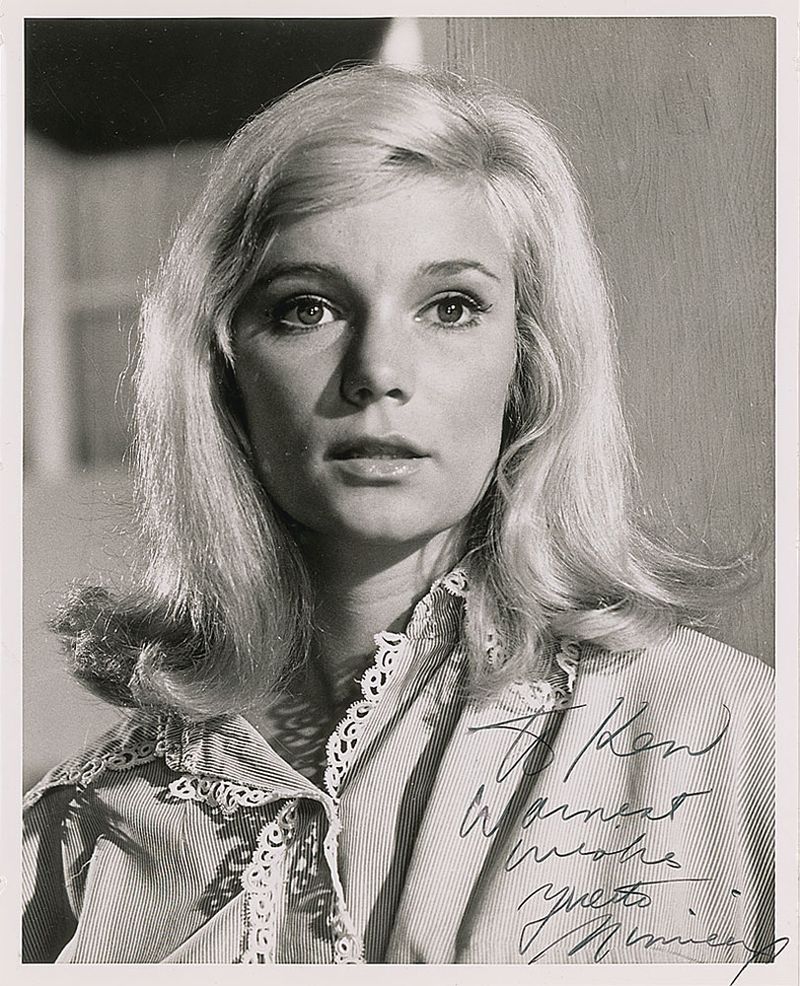
Yvette Mimieux had a quality that cameras absolutely loved, a kind of luminous, otherworldly beauty that made her perfect for the science fiction and drama films that defined her early career. Her role in The Time Machine (1960) introduced her to audiences worldwide.
She followed that with Where the Boys Are, which tackled surprisingly serious themes for a beach movie and showed she could carry dramatic weight. MGM clearly saw potential and kept casting her throughout the early ’60s in a string of notable films.
But as the decade wore on, Yvette grew increasingly selective about her projects, reportedly prioritizing quality over quantity. She also developed serious interests outside of acting, including anthropology and real estate.
She quietly stepped back from Hollywood on her own terms, which is actually quite rare. Most stars fade reluctantly.
Yvette Mimieux seems to have simply decided she was done, and walked away with her head high.
James Darren
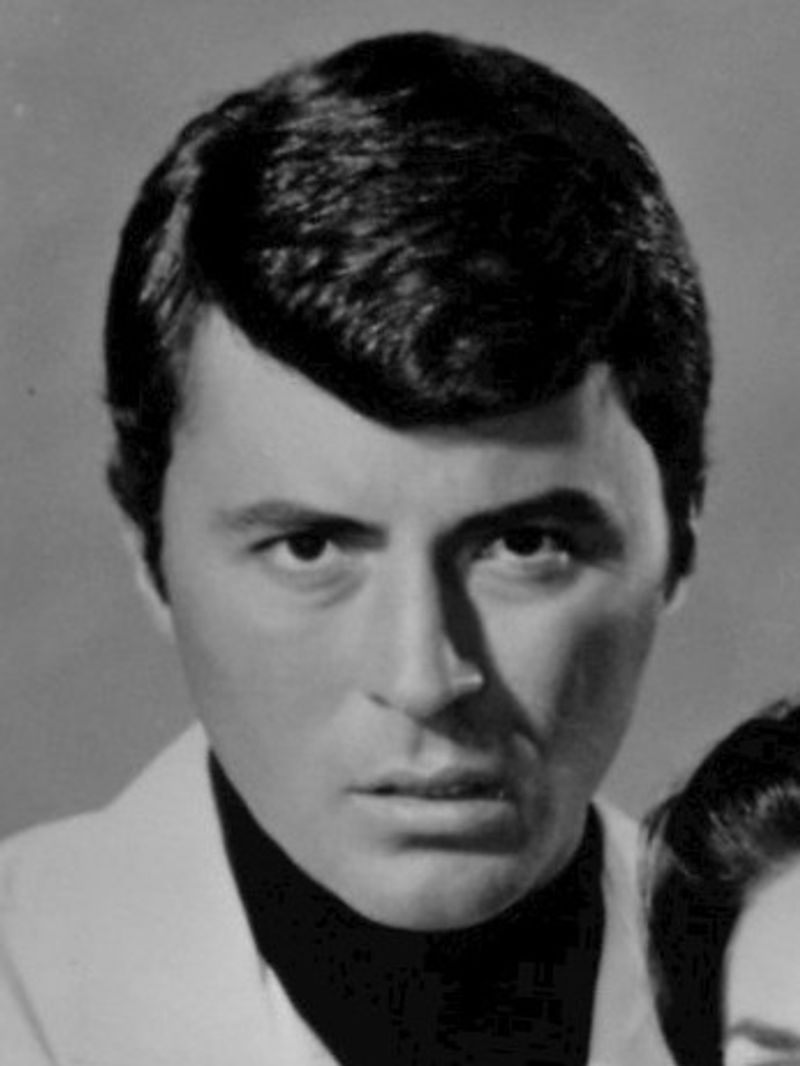
James Darren had the kind of dark, brooding good looks that made teen magazines compete to put him on their covers. His role in the Gidget films as Moondoggie made him a certified teen idol before the term was even widely used.
He also had a legitimate music career, scoring hits like “Goodbye Cruel World” in 1961, which reached number three on the Billboard charts. The guy was genuinely talented across two different entertainment lanes, which is harder than it sounds.
As the British Invasion reshaped pop music tastes, his recording career slowed considerably. Acting roles became more sporadic through the late ’60s.
He found a second wind decades later with a recurring role on Star Trek: Deep Space Nine, which introduced him to a whole new generation of fans. Not every faded star gets a second act that cool.
James Darren earned his.
Diane McBain
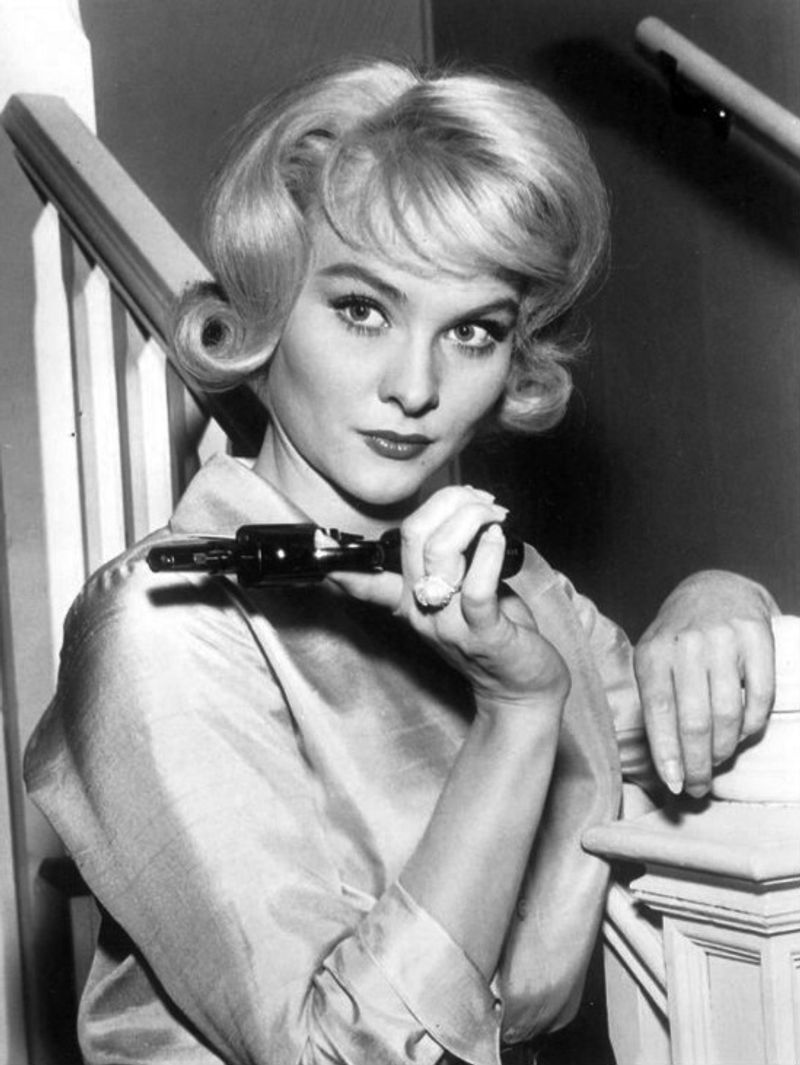
Warner Bros. had a factory-like approach to manufacturing stars in the early 1960s, and Diane McBain was one of their more promising products. She was blonde, photogenic, and had a natural screen presence that the camera rewarded generously.
She appeared in films like ParrishClaudelle Inglish and and became a regular fixture on Warner Bros. TV productions.
Fan magazines of the era featured her frequently, and she seemed poised for genuine stardom just around the corner.
But Warner Bros. eventually let her contract lapse, and without that studio support, the momentum stalled. She continued working in smaller films and television throughout the ’70s, but the big-league opportunities never materialized the way everyone had expected.
I find her story particularly fascinating because she was clearly talented enough. Sometimes Hollywood just moves the goalposts without warning.
Diane McBain deserved a longer run at the top, full stop.
Edd Byrnes
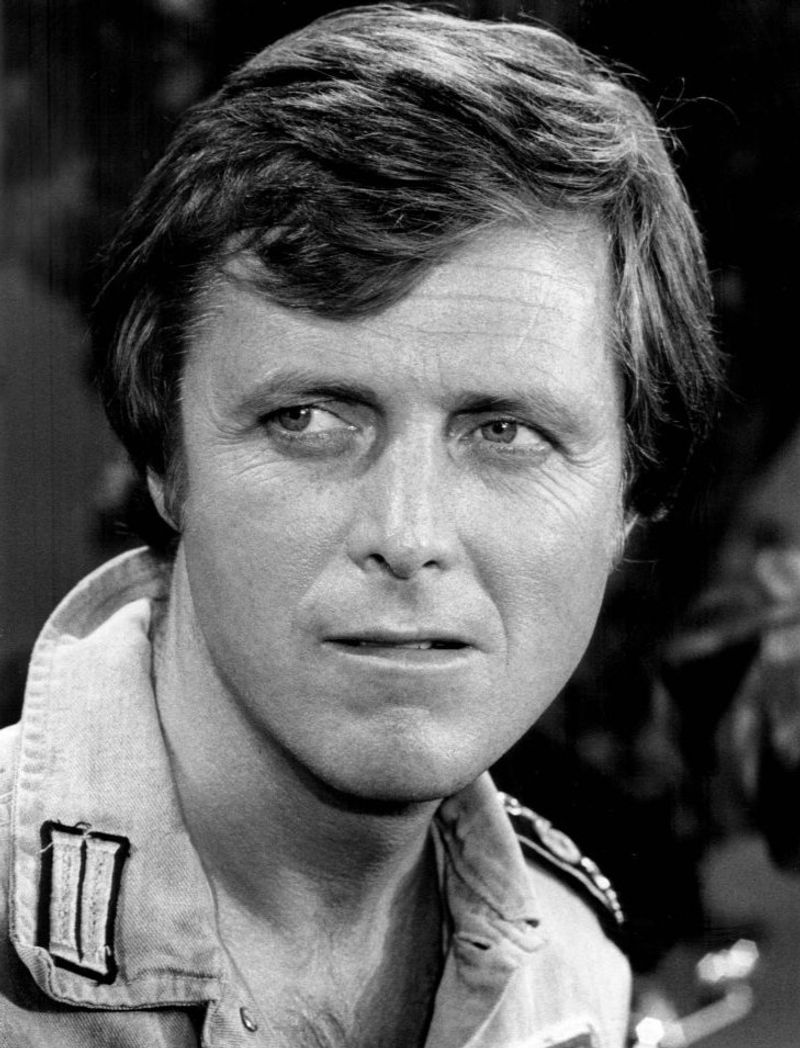
Nobody in the history of television made combing hair look as cool as Edd Byrnes did playing Kookie on 77 Sunset Strip. The character became such a phenomenon that Warner Bros. had to write his catchphrases into the show’s marketing. “Kookie, Kookie, Lend Me Your Comb” was literally a hit song.
Edd Byrnes was the definition of a breakout supporting character who became bigger than the show itself. Teenagers plastered his photo on their walls right next to Elvis.
His pompadour alone had more fan mail than most actors have in a career.
But Kookie was such a specific character that breaking free from that image proved nearly impossible. Film roles came and went without sticking, and TV offers slowed as the decade progressed.
He later appeared in Grease (1978), which gave him a nice nostalgic moment. Still, nothing ever topped those Kookie years.
Some peaks are just unrepeatable.
Carol Lynley
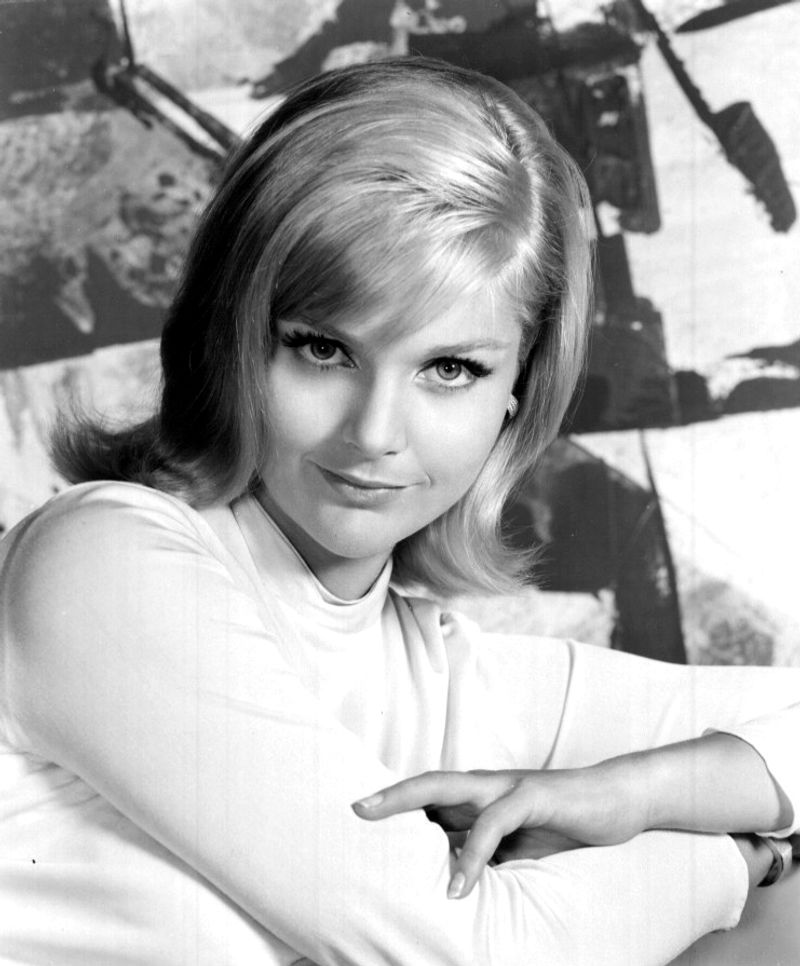
Carol Lynley had a fragile, porcelain-doll quality on screen that directors found endlessly useful for roles requiring vulnerability. She started her career as a model while still a teenager and transitioned to acting with surprising ease and skill.
Her performance in The Poseidon Adventure (1972) is probably what most people remember best, but she was already a working actress throughout the 1960s with credits in solid films like Blue Denim and The Stripper. She could handle drama with real conviction.
But Carol never quite broke through to the absolute top tier of Hollywood stardom despite clearly having the talent for it. The roles became less frequent as the ’70s progressed, and she worked more in television movies and smaller productions.
She passed away in 2019. Looking back at her filmography now, it is genuinely surprising she was not a bigger star.
Hollywood missed the mark on Carol Lynley.
Russ Tamblyn
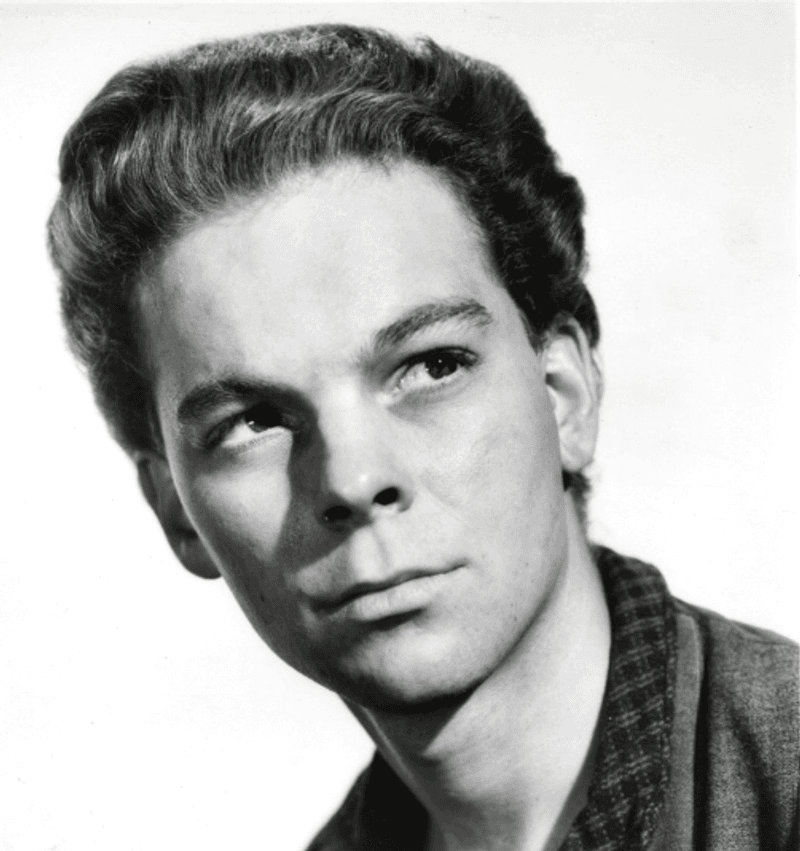
Russ Tamblyn could do something very few actors in Hollywood history can claim: he could act, sing, and perform acrobatic dance moves that left audiences genuinely slack-jawed. His role as Riff in West Side Story (1961) is one of the most electrifying performances in musical film history.
He had already earned an Oscar nomination for Peyton Place in 1957, so by the time the ’60s rolled around, he was a proven commodity. The acrobatics alone set him apart from every other actor of his generation.
But after West Side Story, the perfect follow-up project never quite materialized. He took roles in lower-budget films and eventually drifted toward cult and horror territory.
He later gained a new generation of fans through his role in David Lynch’s Twin Peaks. Russ Tamblyn is one of those rare talents who deserved a much bigger filmography.
At least West Side Story is forever.
Share this story