Some places on Earth are so packed with animals that they seem almost unreal. From vast African plains to remote island colonies, these locations support staggering numbers of creatures living side by side.
Whether it is millions of migrating wildebeest or penguin colonies stretching as far as the eye can see, these spots remind us just how wild and alive our planet truly is. Get ready to explore the 15 places on Earth where animal life is at its most spectacular.
Serengeti National Park, Tanzania
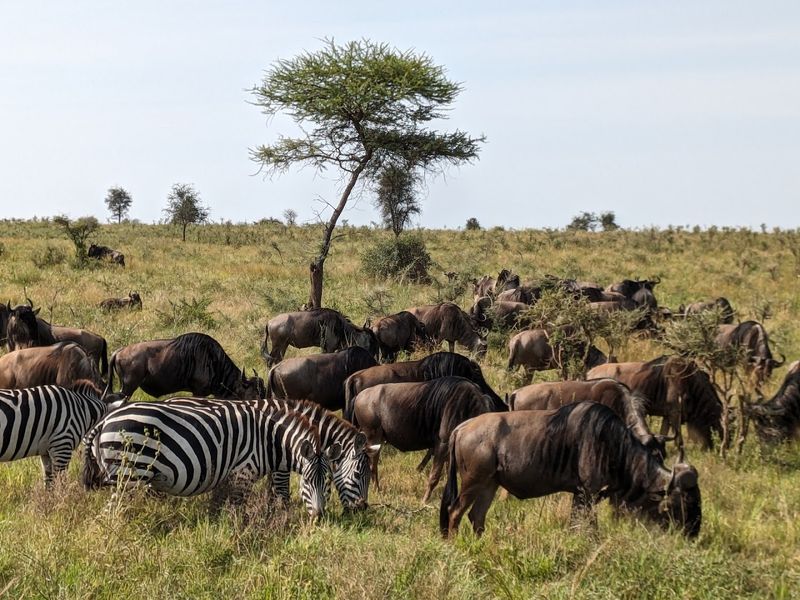
Every year, one of the greatest wildlife spectacles on the planet unfolds across the Serengeti. More than 1.5 million wildebeest thunder across the plains in a massive circular migration, joined by hundreds of thousands of zebras and gazelles.
This endless movement of animals is driven by rainfall and fresh grass, making it a nonstop survival journey.
The Serengeti covers about 5,700 square miles in northern Tanzania and is home to an astonishing variety of species. Lions, cheetahs, leopards, elephants, and hippos all share this landscape.
The sheer number of animals concentrated in one region makes it arguably the most wildlife-rich savanna on Earth.
Visitors from around the world travel here just to witness the migration. Tanzania has protected this ecosystem for decades, ensuring future generations can experience the same breathtaking scenes.
The Serengeti is truly in a class of its own.
Kruger National Park, South Africa
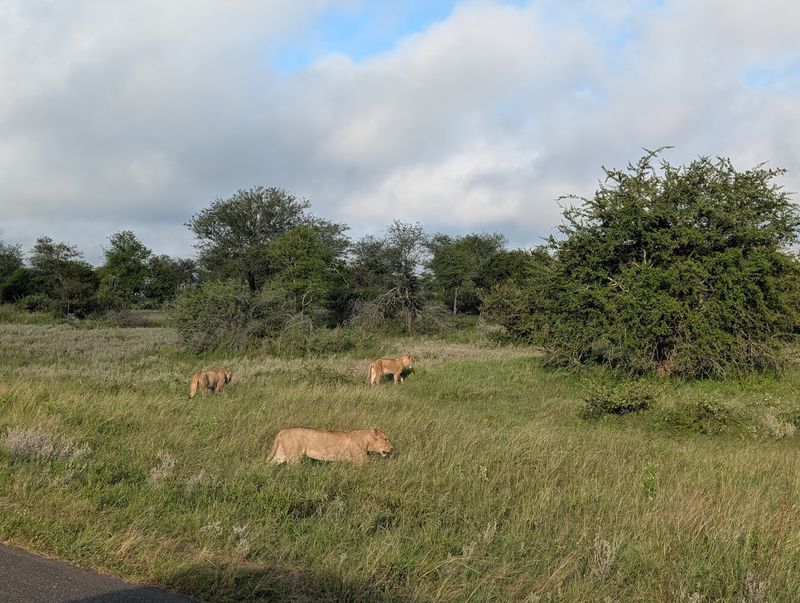
Kruger National Park is one of Africa’s oldest and largest game reserves, covering nearly 7,500 square miles. It is home to an extraordinary density of wildlife, including the famous Big Five: lions, leopards, rhinos, elephants, and buffalo.
Few places on Earth can match the sheer variety and number of animals found here in one protected area.
The park supports over 500 bird species, 147 mammal species, and more than 100 reptile species. That kind of biodiversity is remarkable even by African standards.
Watering holes scattered throughout the park act as natural gathering points where dozens of species come together daily.
South Africa has invested heavily in anti-poaching efforts and conservation programs within Kruger, helping populations of endangered animals slowly recover. The park attracts nearly two million visitors annually.
It stands as a global model for wildlife conservation done right on a massive scale.
Masai Mara, Kenya
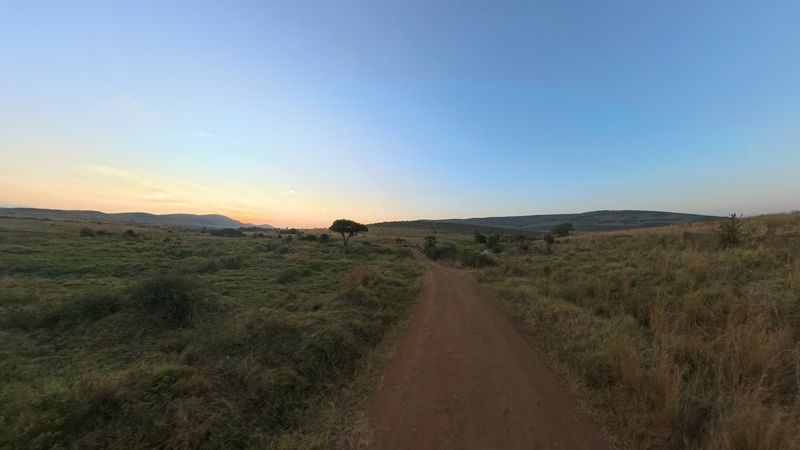
The Masai Mara in southwestern Kenya is where the great wildebeest migration reaches its most dramatic peak. Every year between July and October, enormous herds attempt dangerous river crossings, with crocodiles lurking below and predators waiting on the banks.
It is raw, unfiltered nature at its most intense.
Beyond the migration, the Mara hosts one of the highest densities of big cats anywhere in Africa. Lions, cheetahs, and leopards roam freely across the open grasslands.
Elephants, giraffes, zebras, and hyenas round out an ecosystem that feels almost impossibly alive.
The Masai people have coexisted with wildlife in this region for centuries, and their traditional land management has actually helped preserve the ecosystem. Community conservancies surrounding the reserve have expanded the protected area significantly in recent years.
The Masai Mara is a place where the ancient relationship between humans and wildlife still holds strong.
Amazon Rainforest, South America

No place on Earth comes close to the Amazon Rainforest when it comes to raw biodiversity. Covering over 2.7 million square miles across nine countries, this enormous ecosystem is home to an estimated 10 percent of all species on the planet.
Scientists believe millions of species living here have not even been discovered yet.
The Amazon supports more than 400 billion individual trees, and within that canopy lives an almost incomprehensible variety of creatures. Over 3,000 fish species swim its rivers, while jaguars, anacondas, poison dart frogs, and macaws inhabit the forest floor and treetops.
Insects alone number in the hundreds of billions.
Deforestation remains a serious threat to this irreplaceable ecosystem. Conservation organizations and indigenous communities are working together to protect what remains.
Preserving the Amazon is not just important for wildlife; it directly affects weather patterns and air quality across the entire globe.
Pantanal, Brazil
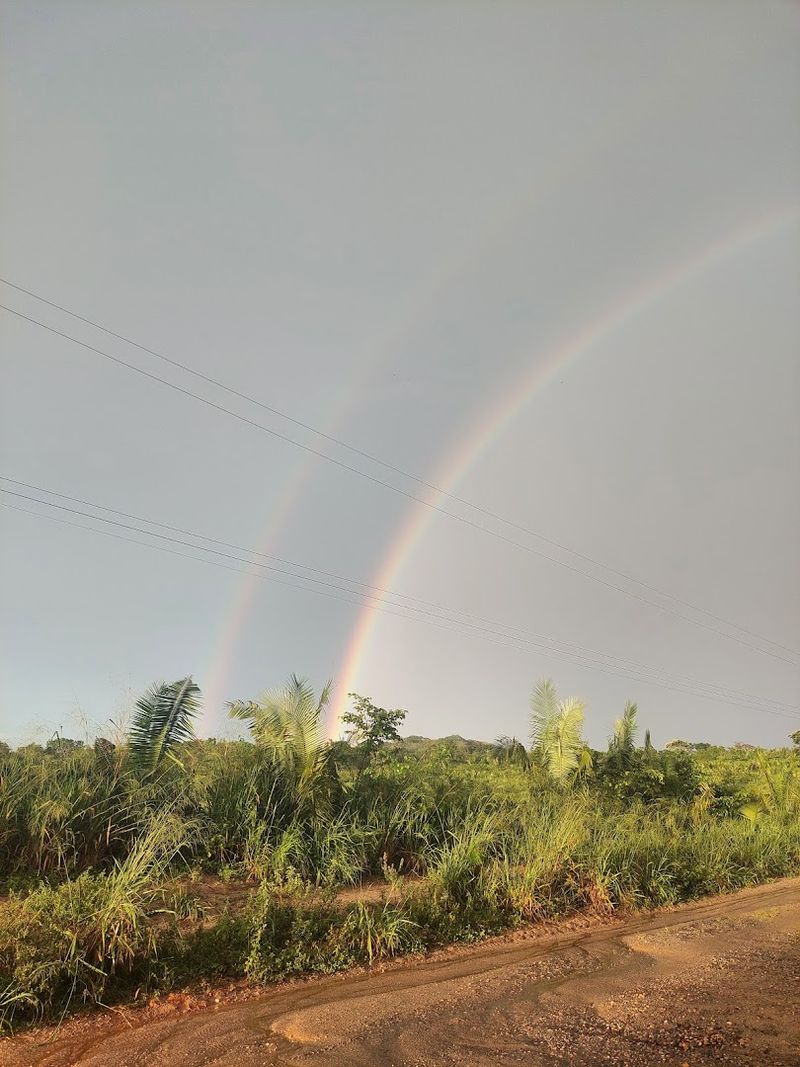
Stretching across parts of Brazil, Bolivia, and Paraguay, the Pantanal is the world’s largest tropical wetland, covering an area roughly the size of France. During the wet season, floodwaters transform the landscape into a vast, shallow lake that concentrates animals in staggering numbers.
It is one of the best places on Earth to spot wildlife in the wild.
Jaguars are frequently seen here, and the Pantanal holds one of the highest jaguar densities in the world. Caimans, capybaras, giant otters, tapirs, and over 650 bird species also call this place home.
The sheer visibility of animals makes it unlike most other wildlife destinations.
Unlike the dense Amazon canopy, the Pantanal’s open terrain means animals are far easier to observe. Ecotourism has grown significantly here in recent years, giving local communities economic reasons to protect the ecosystem.
The Pantanal is wild, wet, and wonderfully alive.
Yellowstone National Park, USA
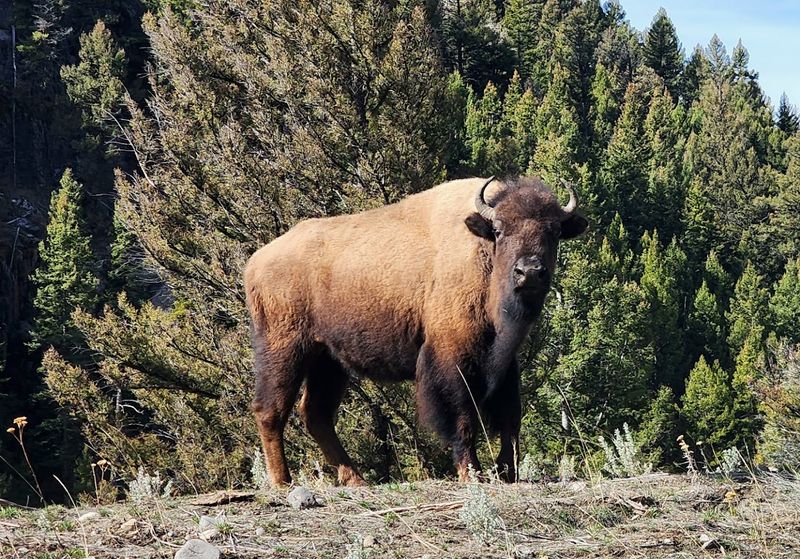
Yellowstone is North America’s most iconic wildlife destination, and for good reason. The park supports one of the largest bison herds on the continent, with populations regularly exceeding 5,000 animals.
Elk, grizzly bears, black bears, wolves, pronghorn, and moose also roam freely across its 3,500 square miles of protected wilderness.
The reintroduction of gray wolves in 1995 transformed the ecosystem in ways scientists are still studying today. Wolves changed the behavior of elk, which in turn allowed riverbanks and forests to recover.
This phenomenon, called a trophic cascade, showed just how powerfully one species can reshape an entire landscape.
Yellowstone sits atop a massive volcanic hotspot, and its geothermal features create unique microhabitats that support specialized organisms found nowhere else. The park attracts over four million visitors annually.
It remains one of the greatest conservation success stories in American history and a must-visit for wildlife lovers.
Galapagos Islands, Ecuador
Charles Darwin visited the Galapagos Islands in 1835, and what he observed there helped him develop the theory of evolution. Nearly 200 years later, these remote volcanic islands remain one of the most remarkable wildlife destinations on Earth.
Because the islands were never connected to the mainland, animals evolved in complete isolation, creating species found absolutely nowhere else.
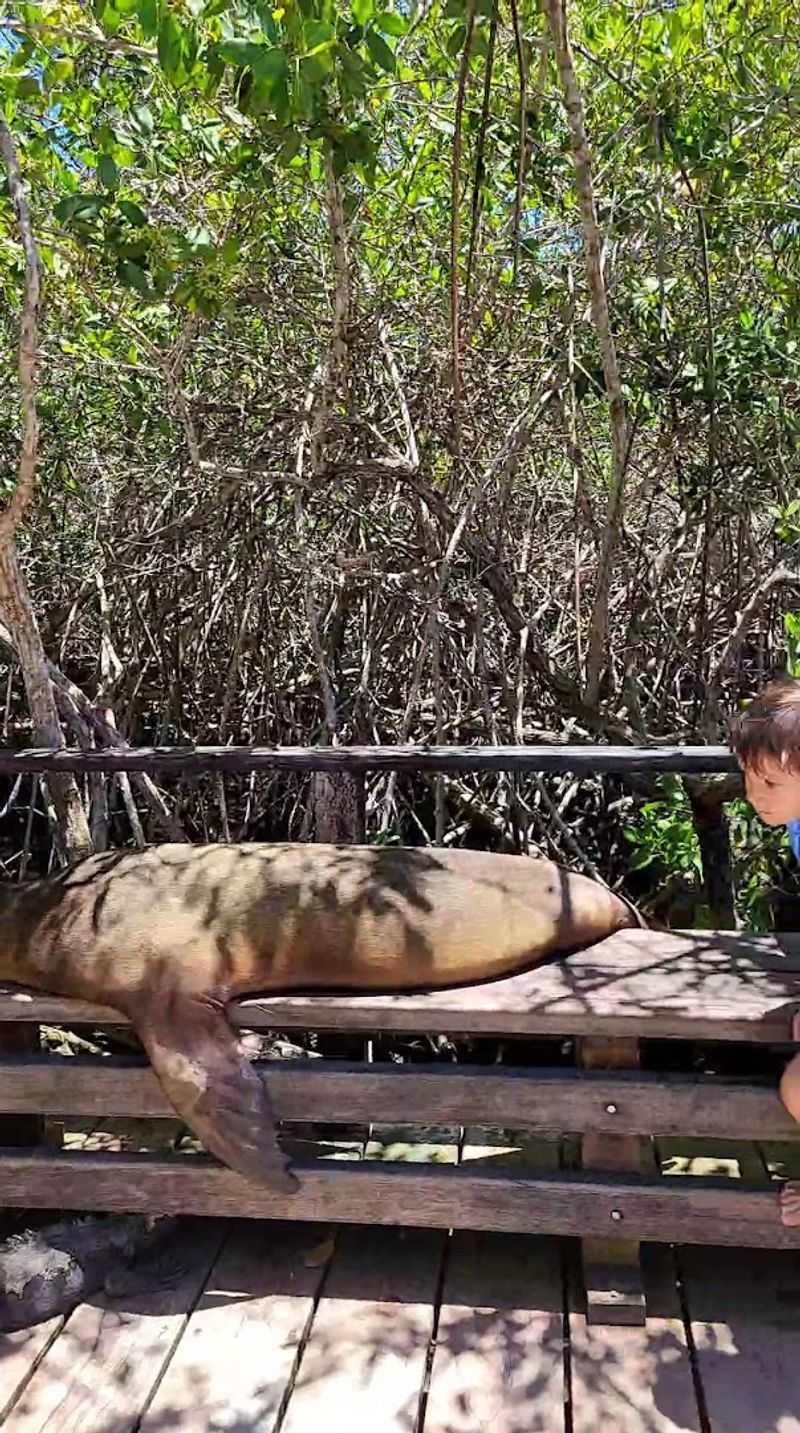
Giant tortoises, marine iguanas, flightless cormorants, blue-footed boobies, and Galapagos penguins are just a few of the unique residents. Wildlife here has very little fear of humans, making animal encounters incredibly close and personal.
Sea lions lounge on benches, and iguanas crowd the footpaths.
Ecuador has declared most of the archipelago a national park and UNESCO World Heritage Site. Strict visitor limits help protect the fragile ecosystem.
The Galapagos is a living laboratory of evolution, a place where nature followed its own extraordinary rules for millions of years.
Great Barrier Reef, Australia
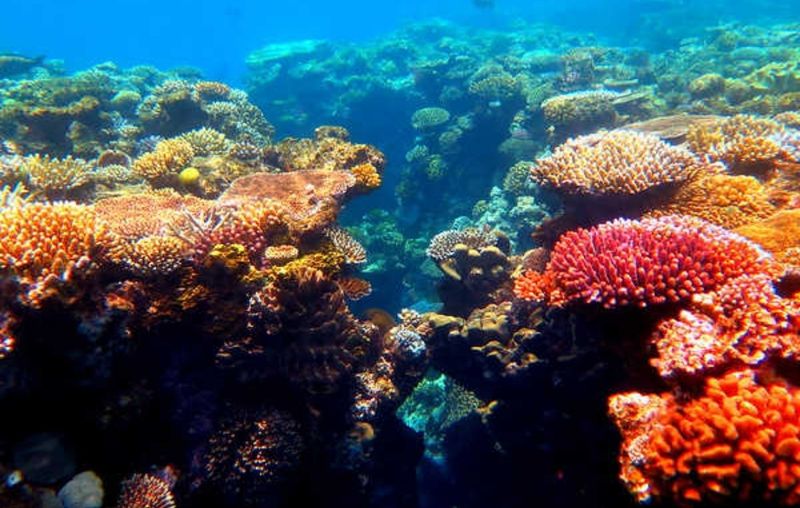
Stretching over 1,400 miles along the northeastern coast of Australia, the Great Barrier Reef is the largest living structure on Earth. It is visible from space and supports an almost unimaginable concentration of marine life.
More than 1,500 fish species, 4,000 mollusk species, 240 bird species, and six of the world’s seven sea turtle species are found here.
Coral reefs cover less than one percent of the ocean floor but support about 25 percent of all marine species. The Great Barrier Reef is the gold standard of that relationship.
Whales, dolphins, dugongs, sharks, and rays all depend on this ecosystem at various points in their lives.
Climate change and ocean warming have caused significant coral bleaching events in recent years, threatening the reef’s long-term survival. Australian scientists and conservationists are working urgently to develop solutions.
The Great Barrier Reef is both a natural wonder and a warning about the consequences of a warming planet.
Okavango Delta, Botswana
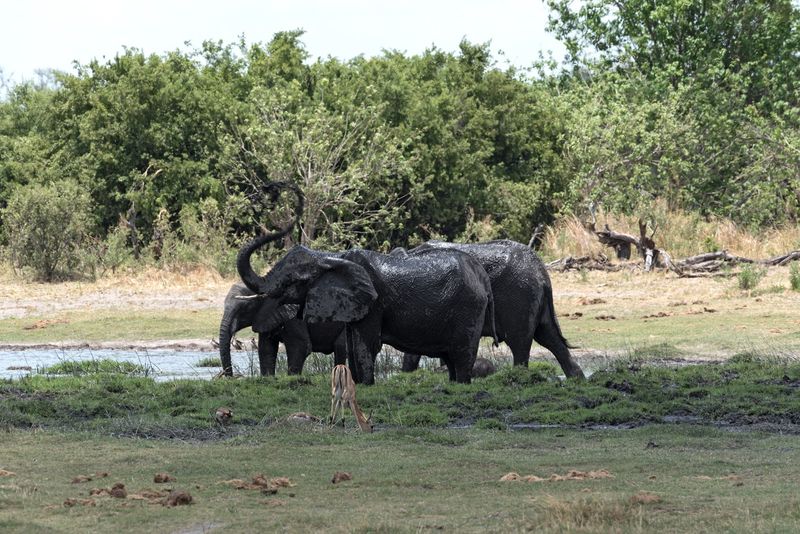
The Okavango Delta is one of the most unusual ecosystems on Earth. Unlike most rivers that flow into the sea, the Okavango River empties into the Kalahari Desert, creating a vast inland delta that floods seasonally.
This annual flooding transforms dry land into a lush paradise that draws animals from hundreds of miles away.
Elephants, lions, leopards, wild dogs, hippos, and crocodiles all converge on the delta as water levels rise. The concentration of animals during peak flood season is extraordinary.
Buffalo herds thousands strong move through the waterways, and predator sightings are almost guaranteed for safari visitors.
Botswana has committed to high-value, low-volume tourism, meaning fewer visitors are allowed in to minimize environmental impact. This approach has kept the delta remarkably pristine compared to other African destinations.
The Okavango was designated a UNESCO World Heritage Site in 2014, recognizing its global ecological importance.
Borneo Rainforest, Malaysia and Indonesia
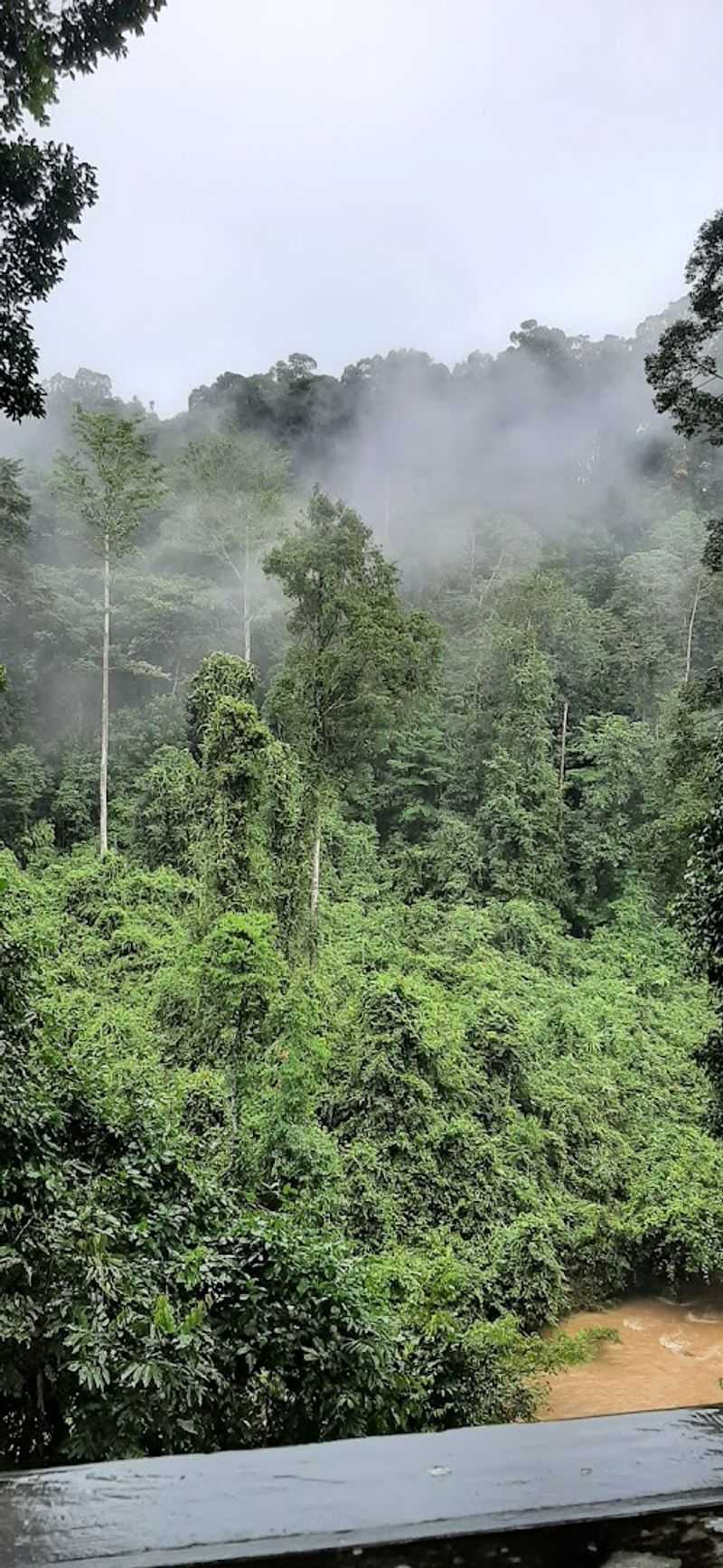
Borneo is the third-largest island in the world, and its ancient rainforest is one of the most biodiverse places on the planet. Scientists estimate the island is home to at least 222 mammal species, 420 bird species, and over 15,000 plant species.
Many of these exist nowhere else on Earth, making Borneo irreplaceable in the global ecosystem.
Orangutans are the island’s most iconic residents, swinging through the canopy with a calm intelligence that feels almost human. Pygmy elephants, proboscis monkeys, clouded leopards, and the Borneo bay cat are among the rare animals that share this jungle.
Rivers teem with freshwater fish species found only in this region.
Rapid deforestation driven by palm oil agriculture has destroyed enormous portions of the rainforest over the past several decades. Conservation groups are fighting to protect remaining corridors of wild habitat.
The race to save Borneo’s wildlife is one of the most urgent conservation challenges of our time.
Antarctica (Coastal Regions)
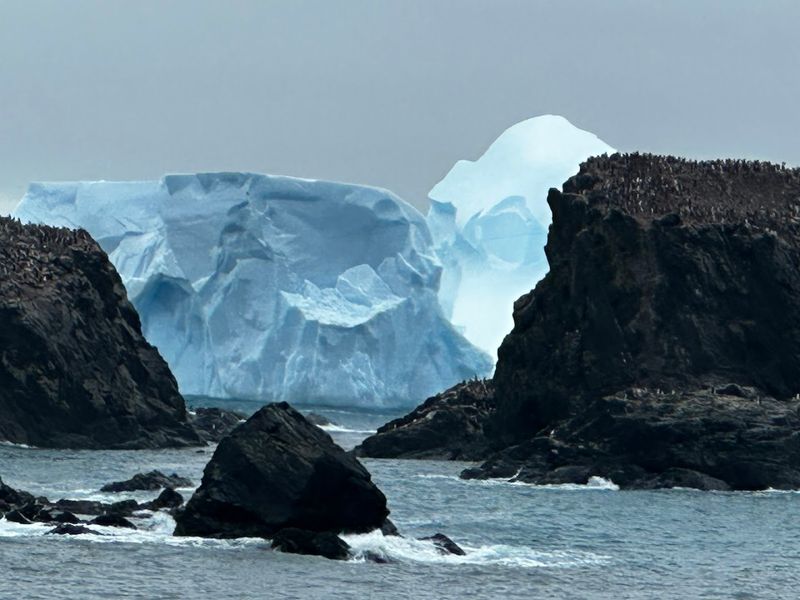
Antarctica may seem like the last place you would expect to find enormous animal populations, but its coastal regions are among the most densely packed wildlife zones on Earth. Emperor penguin colonies can contain over 200,000 birds in a single location.
Adelie and chinstrap penguins add millions more to the count across the continent’s rocky shorelines.
The surrounding Southern Ocean is extraordinarily productive, fueled by massive blooms of krill. Those tiny crustaceans support everything from penguins and seals to the largest animals ever known to exist, blue whales.
Leopard seals, crabeater seals, and Weddell seals haul out on ice in staggering numbers.
Because Antarctica has no permanent human population and access is tightly regulated, wildlife here remains largely undisturbed. The animals show little fear of people, making close encounters common for researchers and tourists alike.
Antarctica is proof that protecting a place from human interference allows nature to thrive on a breathtaking scale.
Churchill, Canada (Hudson Bay)
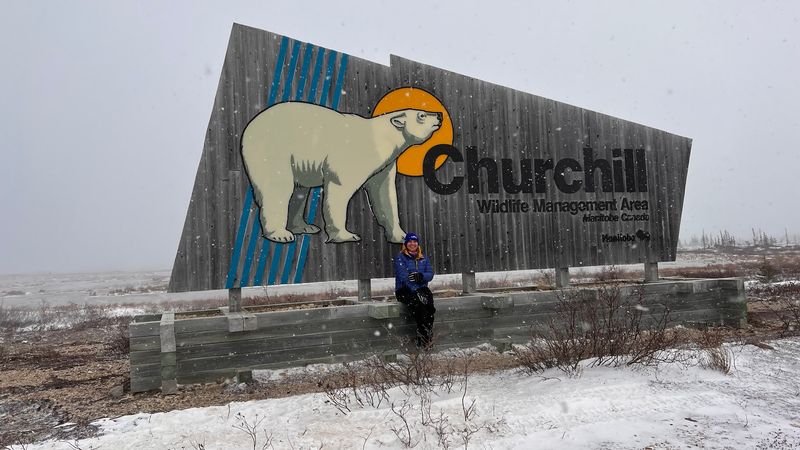
Every autumn, something remarkable happens near the small town of Churchill in northern Manitoba. Polar bears gather along the western shore of Hudson Bay in one of the highest natural concentrations found anywhere in the world.
They are waiting for the bay to freeze so they can head out onto the ice to hunt ringed seals, their primary food source.
At peak season, over 1,000 polar bears can be found within a relatively small area around Churchill. The town has built its entire tourism economy around this phenomenon, with specially designed tundra vehicles taking visitors out to observe the bears safely.
Beluga whales also gather in the Churchill River estuary each summer in the thousands.
Churchill serves as a powerful reminder of how climate change affects Arctic wildlife. As sea ice forms later each year, polar bears spend more time on land fasting.
Scientists closely monitor the Churchill population as a key indicator of polar bear health worldwide.
Corcovado National Park, Costa Rica
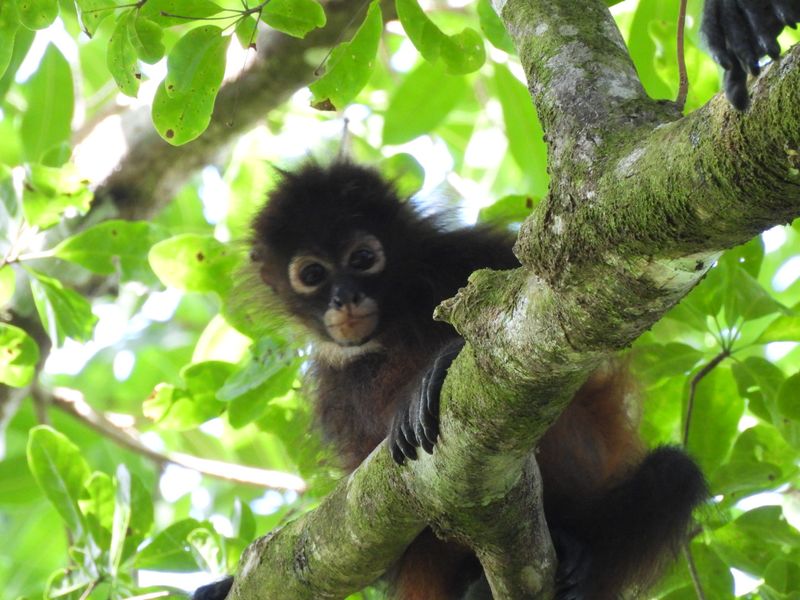
National Geographic once called Corcovado National Park the most biologically intense place on Earth, and that description still holds up. Located on the Osa Peninsula of Costa Rica, this relatively small park packs an extraordinary punch.
It protects about 2.5 percent of the world’s biodiversity within an area of just 164 square miles.
Four species of sea turtles nest on its beaches. Jaguars, pumas, tapirs, giant anteaters, and all four Costa Rican monkey species live within its boundaries.
Over 400 bird species have been recorded here, including the brilliant scarlet macaw. Harpy eagles, among the world’s most powerful birds of prey, also soar above the canopy.
Access to Corcovado is intentionally limited, requiring permits and guided tours to minimize human impact. This careful management has helped keep the ecosystem in exceptional condition.
For serious wildlife watchers, a trip to Corcovado is often described as a once-in-a-lifetime experience that exceeds every expectation.
South Georgia Island (UK Territory)
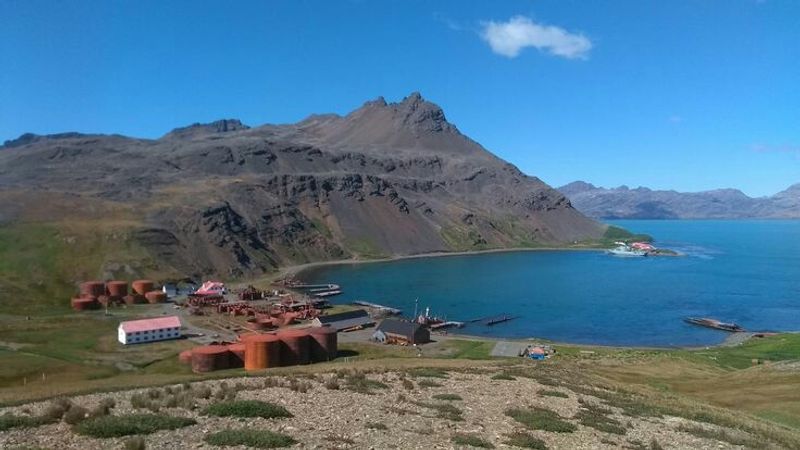
South Georgia Island sits in the remote South Atlantic Ocean, far from any continent, and yet it hosts one of the most jaw-dropping concentrations of wildlife found anywhere on Earth. The beaches are literally carpeted with animals.
King penguin colonies here number in the hundreds of thousands, with the largest single colony at St. Andrews Bay containing roughly 300,000 birds.
Antarctic fur seals have rebounded spectacularly since the end of commercial sealing, and South Georgia now supports several million of them. Elephant seals, the largest seals on Earth, also haul out on the beaches in massive groups.
Albatrosses, petrels, and other seabirds nest across every available hillside.
The island has no permanent civilian population, which means wildlife operates completely undisturbed for most of the year. Invasive rodents were successfully eradicated in a major conservation project completed in 2015, allowing ground-nesting birds to recover dramatically.
South Georgia is an extraordinary testament to what nature can achieve when left alone.
Ngorongoro Crater, Tanzania
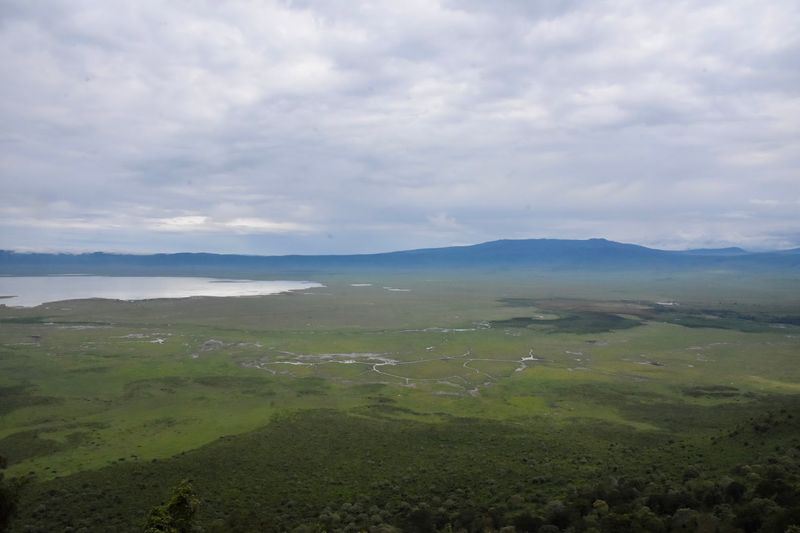
Formed by a collapsed volcano roughly three million years ago, the Ngorongoro Crater is a natural enclosure unlike anything else on Earth. The crater walls rise over 2,000 feet and create a self-contained ecosystem on the crater floor below.
Animals rarely leave this natural bowl, which means the wildlife density inside is extraordinarily high year-round.
An estimated 25,000 large animals live permanently within the crater’s 100 square miles. Lions, hyenas, elephants, black rhinos, zebras, wildebeest, and flamingos all share this compact paradise.
The black rhino population here is one of the most significant remaining in Africa, making the crater a critical refuge for the species.
Unlike most African wildlife areas where animals migrate seasonally, Ngorongoro’s resident population stays put. This makes it one of the most reliable places on Earth for consistent, high-quality wildlife viewing.
UNESCO recognized the crater as a World Heritage Site in 1979, and its importance to global conservation has only grown since then.
Share this story