Some places in the world just feel different – quieter, safer, and more settled. These countries have found ways to avoid conflict, build strong communities, and give their people a real sense of security.
Whether it’s through smart policies, geography, or long-standing traditions of neutrality, peace is woven into everyday life. If you’ve ever wondered where calm and stability truly exist, these 15 countries are worth knowing about.
1. Iceland – no military, consistently #1 most peaceful
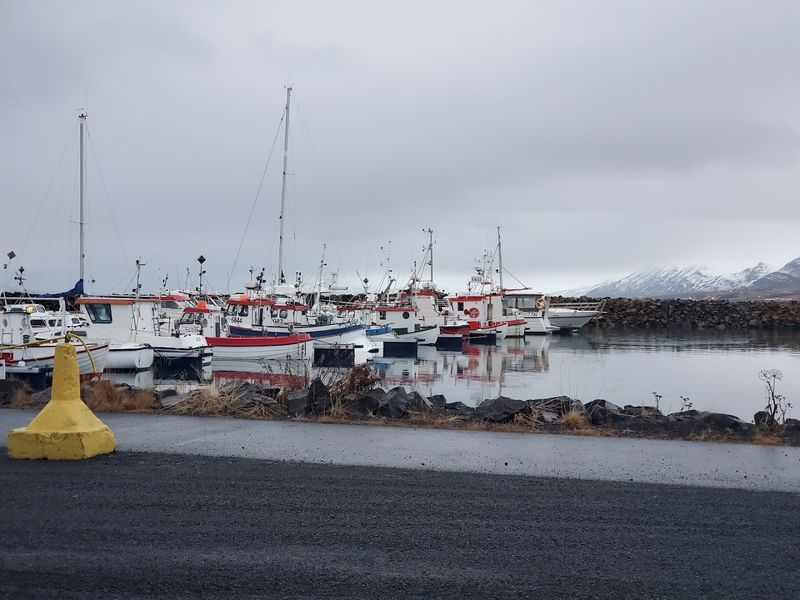
Iceland has held the top spot on the Global Peace Index every single year since 2008 – and honestly, it’s not even close. This small island nation in the North Atlantic has zero military forces.
Instead of soldiers, Iceland has coastguards and police, and that’s pretty much it.
With a population of just around 370,000 people, everyone kind of knows everyone. Crime rates are incredibly low, and disputes tend to get resolved without drama.
The culture values cooperation, trust, and community above all else.
Icelanders also enjoy free healthcare, strong education, and high employment. Life expectancy is among the highest in the world.
Nature plays a huge role too – surrounded by geysers, glaciers, and the Northern Lights, it’s hard to feel stressed. If peaceful living had a headquarters, Iceland would own the building.
2. Ireland – neutral, no active conflict involvement

Known as the Emerald Isle, Ireland has kept itself out of military alliances and active conflicts for decades. The country follows a policy of military neutrality, meaning it doesn’t join wars or take sides in global military disputes.
That’s a pretty bold and peaceful stance for any nation.
Ireland is not a member of NATO, which sets it apart from most of its European neighbors. The government focuses energy on diplomacy and humanitarian efforts instead.
Irish peacekeepers have served in United Nations missions around the world, helping others find the stability Ireland itself enjoys.
Daily life in Ireland is warm, community-focused, and relaxed. The pub culture, storytelling traditions, and love of music create a society built on connection rather than conflict.
Low violent crime and strong social services make Ireland a genuinely safe and stable place to call home.
3. Switzerland – neutral since 1815, no wars
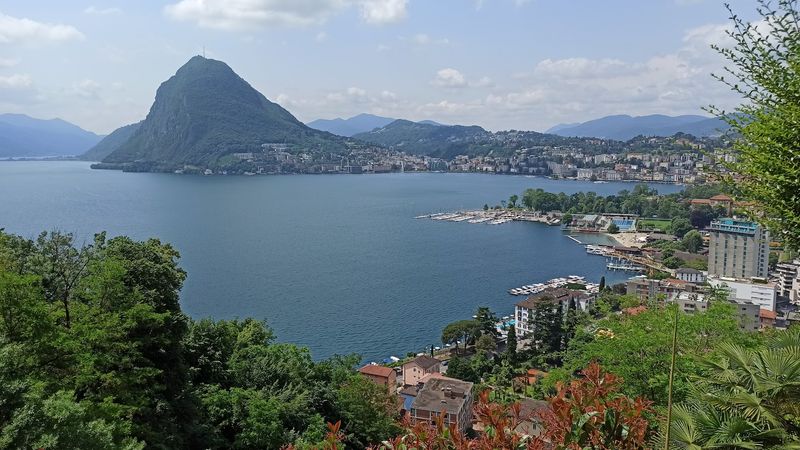
Switzerland has been officially neutral for over 200 years – since the Congress of Vienna in 1815, to be exact. That’s longer than most countries have even existed in their current form.
No wars, no military alliances, no picking sides. Just mountains, chocolate, and a whole lot of peace.
This neutrality isn’t accidental. Switzerland has made it a cornerstone of its national identity and foreign policy.
It’s home to major international organizations like the Red Cross and hosts countless diplomatic meetings.
Geneva alone has earned the nickname “the world’s capital of diplomacy.”
Swiss society is orderly, prosperous, and well-organized. Citizens enjoy excellent public services, low crime, and strong political participation.
The country’s four official languages – German, French, Italian, and Romansh – show how diverse communities can coexist peacefully. Switzerland doesn’t just talk about stability; it has lived it for centuries.
4. Austria – constitutionally neutral since 1955
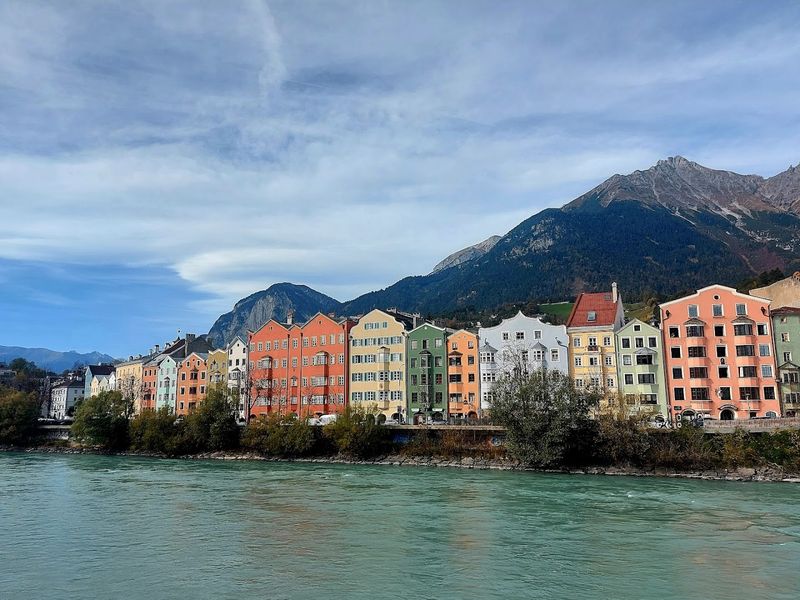
Austria locked its peaceful status into law. In 1955, the country declared permanent neutrality in its constitution, meaning it legally cannot join military alliances or allow foreign troops to be stationed on its soil.
That’s not just a policy – it’s a promise written into the nation’s foundation.
Vienna, Austria’s capital, regularly tops global rankings for quality of life. Wide boulevards, world-class museums, and a legendary coffee house culture make everyday life feel genuinely enjoyable.
People here move at a thoughtful pace, and that calm energy is felt throughout the country.
Austria also plays a key role in international diplomacy. Vienna is home to several United Nations offices and major global organizations.
The country hosts peace talks and multilateral negotiations regularly. With a rich cultural history, stable economy, and a constitution that protects neutrality, Austria has built a life that feels both elegant and reassuringly steady.
5. New Zealand – very low conflict, highly stable
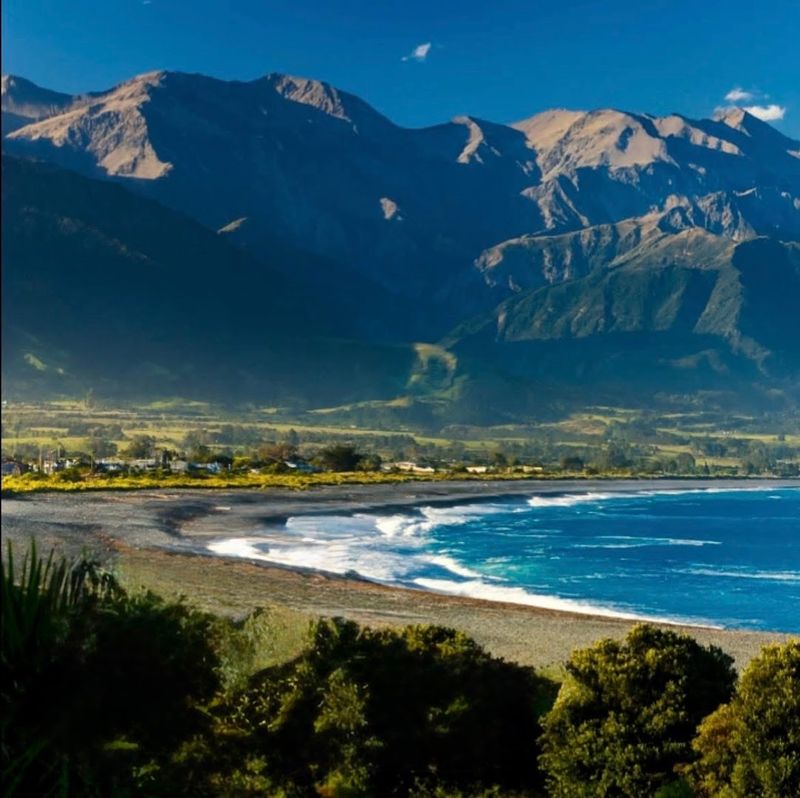
Sitting quietly at the bottom of the world, New Zealand has built a reputation as one of the most stable and conflict-free nations on Earth. It consistently ranks in the top five on the Global Peace Index, and the numbers back that up.
Violent crime is rare, political tensions are manageable, and the government functions with genuine transparency.
New Zealand’s approach to governance is refreshingly human. Former Prime Minister Jacinda Ardern became globally recognized for leading with empathy and calm decisiveness.
That tone reflects the broader culture – practical, kind, and focused on collective wellbeing.
The country also benefits from its remote geography. Two main islands surrounded by ocean naturally limit certain types of conflict.
Add in breathtaking landscapes, a strong Maori cultural identity, and a society that values fairness, and you get a place where life genuinely feels grounded. New Zealand isn’t hiding from the world – it’s just doing things right.
6. Portugal – no modern war involvement
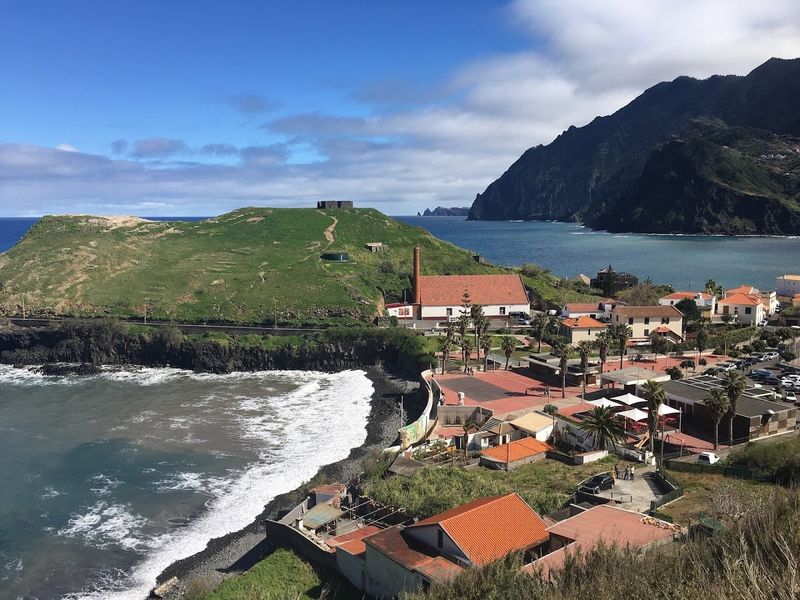
Portugal quietly holds a record most people don’t know about – it’s one of the oldest nation-states in the world and has stayed out of modern wars with remarkable consistency. The last major conflict Portugal was directly involved in ended decades ago.
Today, it’s one of Europe’s most relaxed and welcoming countries.
Life in Portugal runs on sunshine, seafood, and a philosophy called “saudade” – a beautiful untranslatable word describing a warm, bittersweet longing for good things. That emotional depth shapes a culture that values slow living, family, and genuine connection over competition and conflict.
Lisbon and Porto are becoming magnets for people seeking affordable, peaceful urban life. Safety levels are high, healthcare is accessible, and the cost of living remains reasonable by European standards.
Portugal’s golden coastline, mild climate, and easygoing social atmosphere make it a country where stress seems to quietly pack up and leave.
7. Slovenia – peaceful since independence (1991)
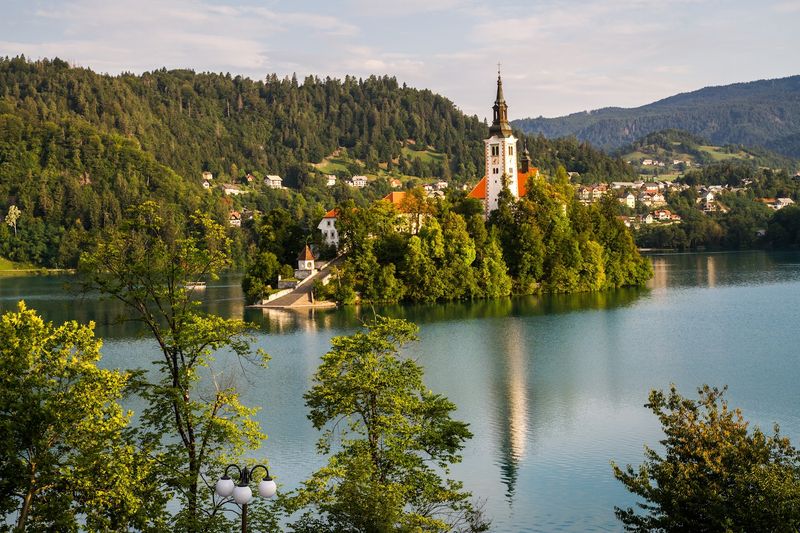
Slovenia declared independence from Yugoslavia in 1991 and managed to do so in just ten days of very limited conflict – then moved on to build one of Central Europe’s most stable and peaceful societies. That’s a remarkable achievement for a young nation still finding its footing at the time.
Today, Slovenia is often overlooked on lists of great European destinations, but those who visit quickly understand why it keeps winning quality-of-life rankings. The capital, Ljubljana, is compact, walkable, and car-free in its historic center.
It feels like a fairy tale without the tourist crowds.
Nature is everywhere here. Lake Bled, the Soča River, and the Triglav National Park give Slovenians constant access to stunning outdoor spaces.
Crime is low, healthcare is solid, and the economy is stable. Slovenia proves that a small, young country can absolutely punch above its weight when it comes to peaceful living.
8. Denmark – very peaceful domestically
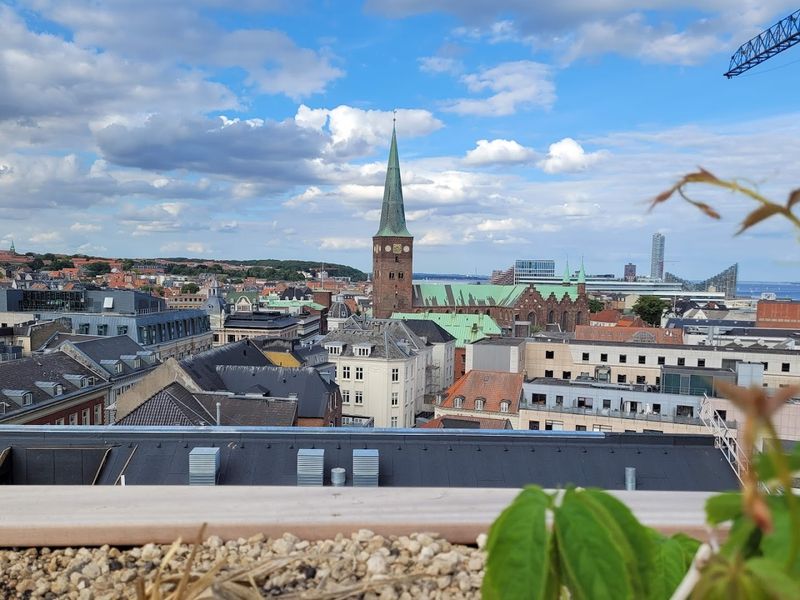
Denmark consistently ranks as one of the happiest countries in the world, and peace plays a big part in that equation. Domestically, Denmark is extraordinarily calm.
Violent crime is low, trust in institutions is high, and citizens feel genuinely represented by their government. That kind of social trust is rare and valuable.
The Danish concept of “hygge” (pronounced hoo-gah) sums up a lot about this country’s vibe. It’s the art of creating cozy, comfortable moments with people you care about – candles, good food, warm company.
Hygge isn’t just a trend; it’s a daily practice that shapes how Danes relate to each other.
Denmark’s welfare system is among the strongest in the world, offering free education, healthcare, and strong unemployment support. That safety net reduces stress and inequality, both of which fuel conflict elsewhere.
When basic needs are met and people feel secure, society tends to stay calm. Denmark figured that out a long time ago.
9. Finland – stable, no active conflict
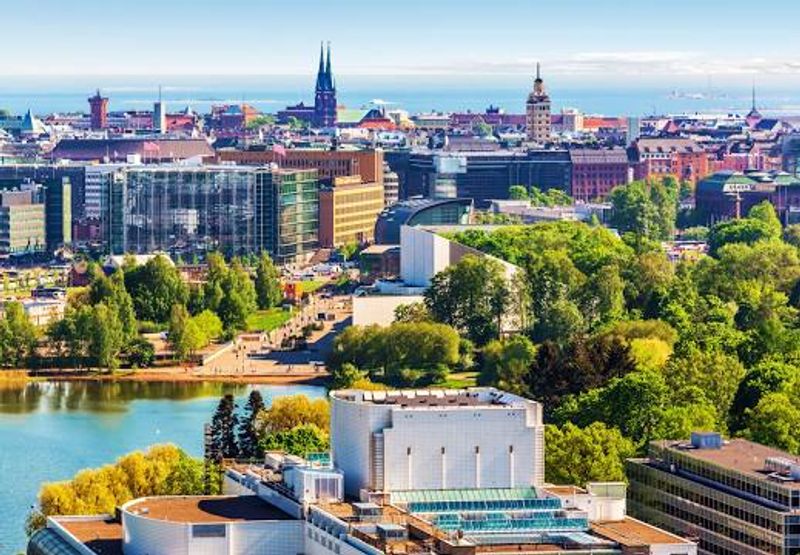
Finland shares a long border with Russia – and yet it remains one of the most stable, secure, and peaceful countries on the planet. That’s not luck; that’s decades of smart diplomacy, strong institutions, and a population that values resilience and quiet determination above almost everything else.
Finns have a concept called “sisu” – a kind of gritty, stoic inner strength that doesn’t show off but never gives up. It’s baked into the national character.
This quiet toughness has helped Finland navigate challenging geopolitical situations while maintaining domestic calm and social harmony.
The country also ranks at the very top for education, press freedom, and government transparency. Helsinki is clean, efficient, and surprisingly laid-back for a capital city.
Forests cover nearly 75% of Finland’s land, and Finns spend serious time in nature – hiking, skiing, and sitting in saunas. Peace here isn’t just political.
It’s personal.
10. Norway – highly peaceful, diplomatic role
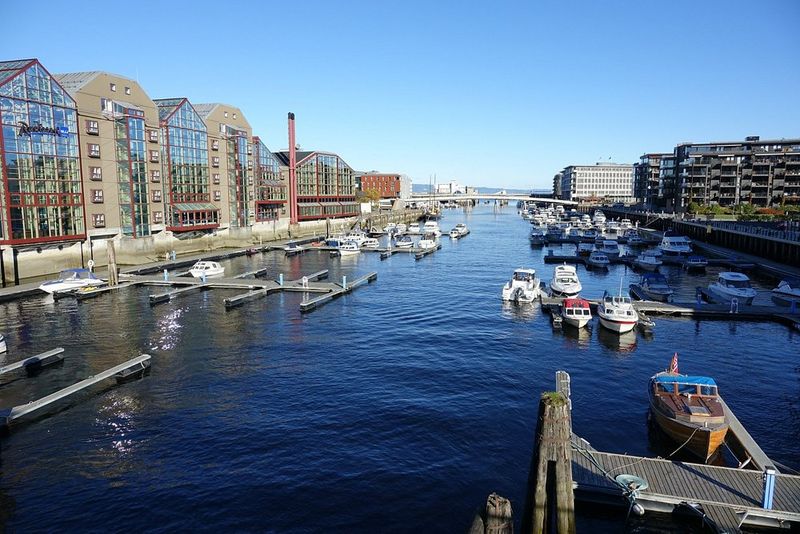
Norway doesn’t just enjoy peace – it actively exports it. The country has played a central diplomatic role in some of the world’s most complex peace negotiations, including the Oslo Accords between Israel and Palestine in 1993.
Small country, enormous global impact.
At home, Norway is a model of social stability. Oil wealth has been managed through a sovereign wealth fund that benefits all citizens rather than just the elite.
That economic fairness reduces inequality and keeps social tensions low. People here feel that the system works for them, not against them.
Norway’s natural landscape is almost aggressively beautiful – fjords, midnight sun, dramatic coastlines. Outdoor life is deeply embedded in Norwegian culture, and that connection to nature keeps the pace of life grounded.
With strong healthcare, free higher education, and a government known for accountability, Norway has created conditions where lasting peace feels less like a goal and more like a given.
11. Bhutan – no wars, very isolated and stable
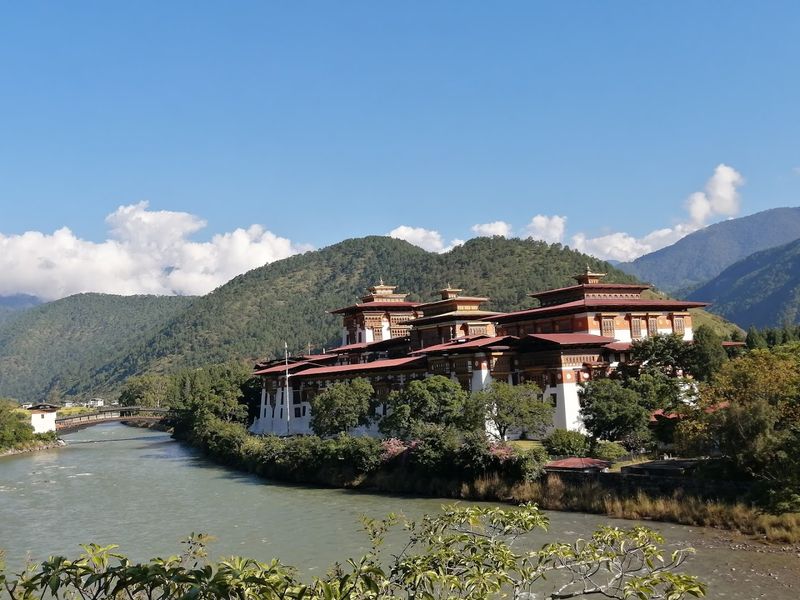
Bhutan measures its national success not in GDP but in Gross National Happiness – and that single fact tells you almost everything you need to know about this tiny Himalayan kingdom. Tucked between India and China, Bhutan has somehow avoided the conflicts that have troubled its neighbors for generations.
The country is deeply Buddhist, and that philosophy of compassion, mindfulness, and non-violence shapes every level of society – from government policy to daily interactions. Tourism is deliberately limited to protect the culture and environment.
Visitors must pay a daily fee, which keeps mass tourism out and preserves Bhutan’s unique way of life.
Bhutan has no military alliances and no history of modern warfare. The monarchy is widely respected, and citizens report high levels of contentment with their lives.
It’s not a wealthy country by global standards, but it may be one of the most intentionally peaceful. Bhutan chose calm as a national value – and it shows.
12. Costa Rica – no army since 1948

In 1948, Costa Rica did something almost unheard of – it abolished its military and redirected the defense budget into education and healthcare. Over 75 years later, that decision looks like one of the smartest a government has ever made.
Costa Rica is now one of the most stable, educated, and environmentally conscious nations in Latin America.
The country holds roughly 5% of the world’s biodiversity despite covering less than 0.03% of Earth’s surface. Nature isn’t just a backdrop here – it’s practically a national religion.
Ecotourism thrives, and environmental protection is built into policy and culture alike.
“Pura Vida” – meaning “pure life” – is both a greeting and a genuine philosophy. Costa Ricans use it to express contentment, gratitude, and a relaxed approach to life.
With no standing army, a peaceful regional reputation, and a population that genuinely seems happy, Costa Rica turned a bold choice into a beautiful reality.
13. Singapore – no wars since independence
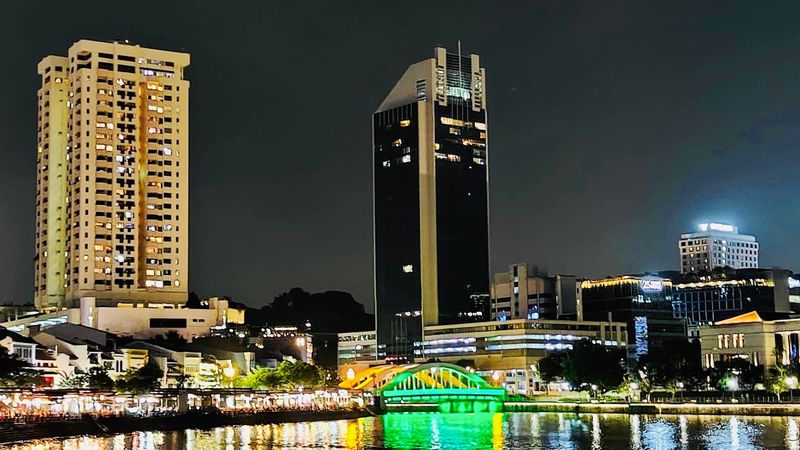
Singapore became an independent nation in 1965 – somewhat unexpectedly, after being separated from Malaysia. Since then, it has not been involved in a single war.
For a city-state in one of the world’s most geopolitically active regions, that’s a genuinely impressive track record.
What Singapore lacks in size, it more than compensates for in efficiency and order. The city is meticulously clean, well-governed, and safe.
Crime rates are among the lowest globally. Public transport works flawlessly.
Streets are quiet after midnight. The whole place runs like a well-oiled machine, and residents benefit enormously from that stability.
Singapore’s multicultural society – Chinese, Malay, Indian, and many other communities – coexists with notable harmony, partly due to deliberate government policies promoting integration. The economy is one of the strongest in Asia.
Singapore shows that a small, resource-limited nation can achieve extraordinary stability through smart leadership and a serious commitment to social order.
14. Japan – pacifist constitution, no active wars
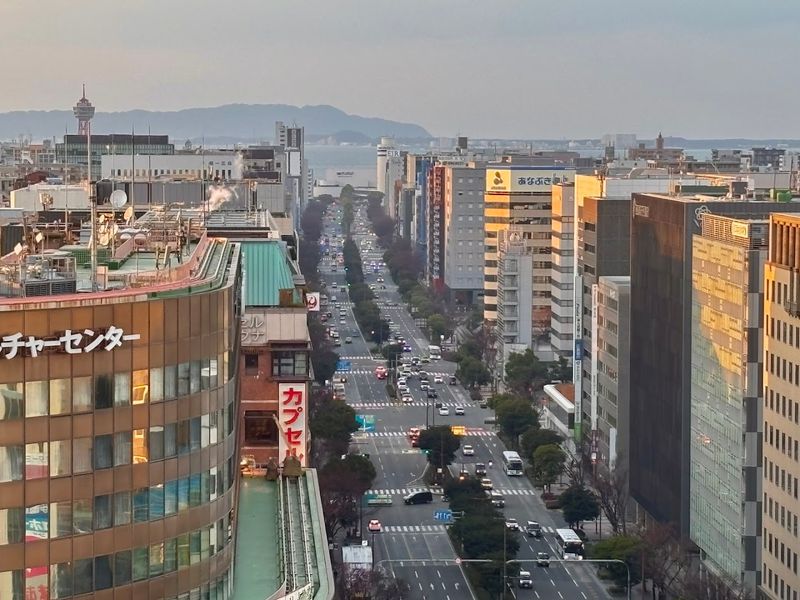
After World War II, Japan rewrote its constitution with a remarkable clause – Article 9 – which renounces war as a means of settling international disputes. No other major nation has anything quite like it.
Since 1947, Japan has honored that commitment and has not engaged in active warfare. That’s nearly 80 years of constitutional peace.
Japanese culture reinforces this on every level. Concepts like “wa” (harmony) and “ma” (respectful space) shape how people interact, resolve disagreements, and live together in densely populated cities.
Even in a city as massive as Tokyo, the streets feel orderly and surprisingly calm.
Japan consistently ranks among the world’s safest countries. Lost wallets get returned.
Crime is genuinely rare. Public spaces are immaculate.
The blend of ancient traditions, technological advancement, and deeply ingrained social respect creates a society that values stability in a very real, everyday way. Japan’s peace isn’t just on paper – it’s in practice.
15. Czech Republic – stable, no active conflicts
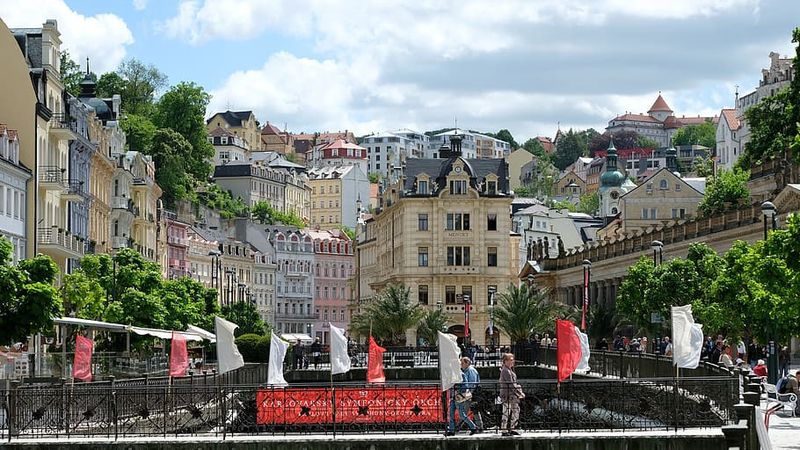
The Czech Republic quietly gets on with being one of Central Europe’s most stable and livable countries, without making much noise about it. Since the peaceful “Velvet Revolution” of 1989 and the equally peaceful split from Slovakia in 1993, the country has built a solid democratic foundation with no active military conflicts.
Prague is often called one of Europe’s most beautiful cities, and it’s hard to argue. Gothic spires, baroque palaces, and cobblestone lanes create an atmosphere that feels both ancient and alive.
But beyond the postcard scenery, Czech society is practical, educated, and notably low on drama.
Crime rates are low, the economy is one of the strongest in the former Eastern Bloc, and citizens enjoy reliable public services. Czechs have a dry, sharp sense of humor and a deep appreciation for good beer and honest conversation.
Stability here isn’t flashy – it’s just solid, dependable, and genuinely pleasant to live within.
Share this story