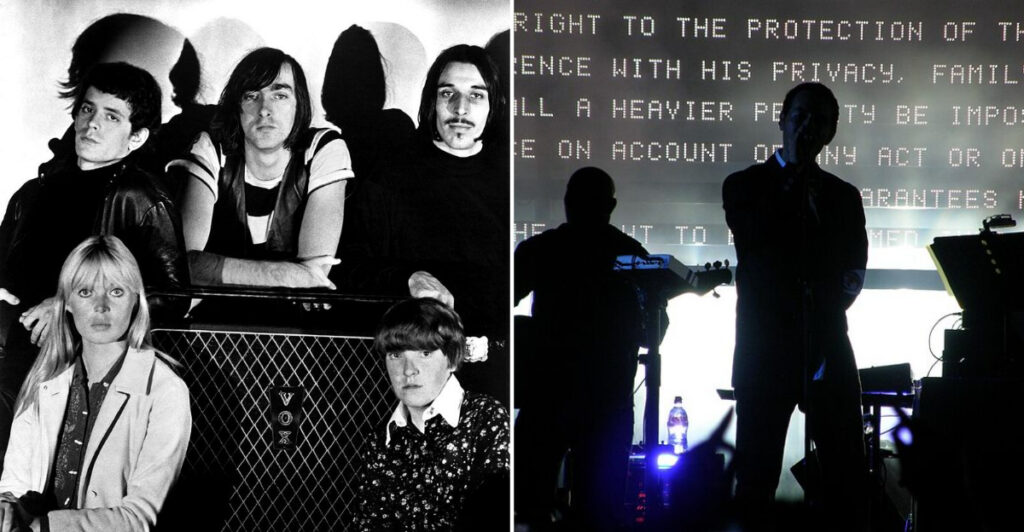
Pop history is full of albums that changed music without always dominating the charts, and that is where this list gets interesting. Across the late 1960s, the CD boom, and the early download era, certain records rewired how artists thought about songwriting, production, image, and genre itself.
You will find famous titles here, but the real story is how their ideas traveled into punk, hip-hop, indie, electronic music, and modern pop in ways that still shape playlists now. Keep going, and you will spot the hidden family tree connecting art rock to trip-hop, shoegaze to streaming-era mood music, and left-field experiments to major mainstream hits.
1. Brian Eno – Ambient 1: Music for Airports (1978)

An album built to drift rather than demand attention was a radical idea in 1978. Brian Eno’s Ambient 1: Music for Airports proposed that music could shape a space gently, without chasing hooks, solos, or traditional song structure.
Using tape loops, piano fragments, voices, and sustained tones, Eno created a record that became foundational for ambient music as a genre rather than a descriptive adjective. Its influence reaches through new age, post-rock, chillout compilations, film scores, video game music, and today’s endless stream of focus playlists and lo-fi study channels.
What made it important was not just its calm surface but its design logic. Eno treated music like architecture for the mind, and later artists learned from that approach when building immersive records, installations, and streaming-era background sound that still carries his fingerprints.
2. Kraftwerk – Trans-Europe Express (1977)
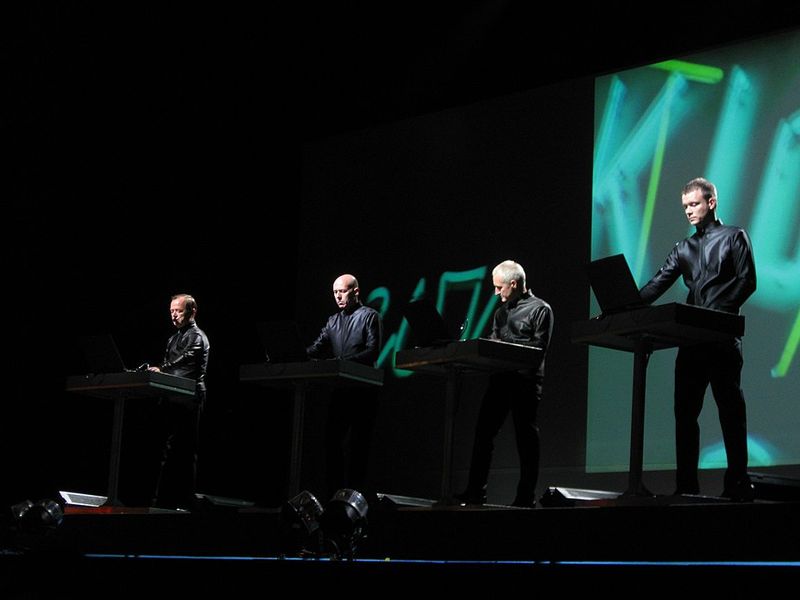
A train ride across Europe somehow helped redraw the map of modern music. Kraftwerk’s Trans-Europe Express turned repetition, machine rhythm, and synthetic melody into a precise pop language that artists across continents quickly learned to speak.
Released in 1977, it pushed electronic music away from novelty and toward structure, identity, and future-facing cool. Its title track directly inspired Afrika Bambaataa’s
3. The Stooges – Raw Power (1973)
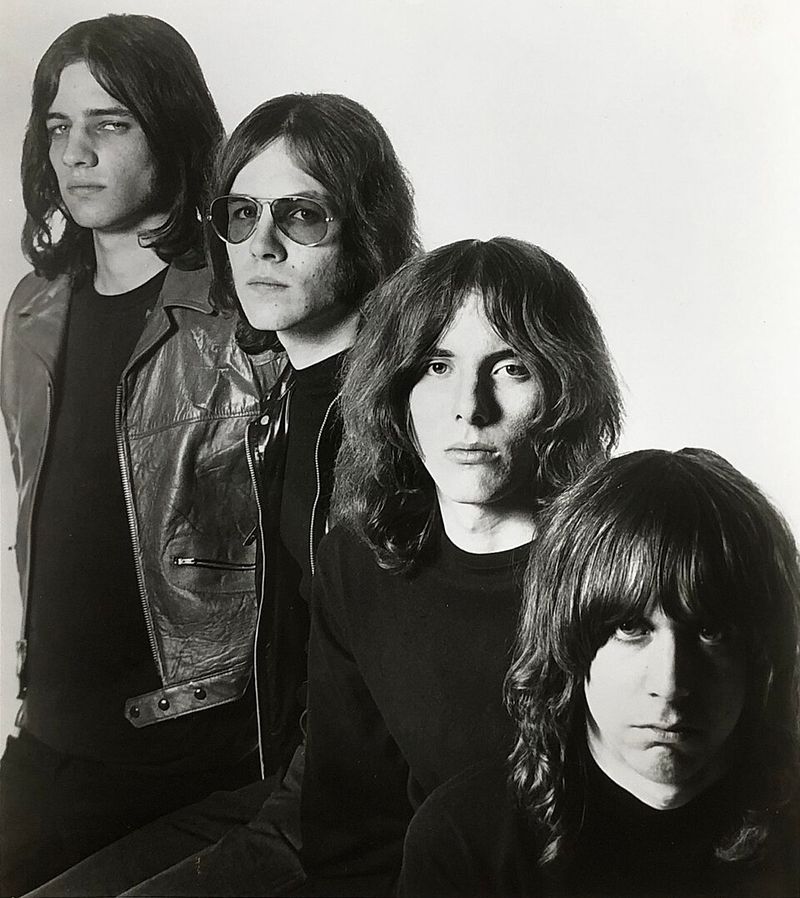
Sometimes the future arrives looking gloriously unpolished. The Stooges’ Raw Power landed in 1973 with ragged guitar attack, reckless momentum, and Iggy Pop pushing rock performance toward something more confrontational and less respectable.
At the time, its roughness confused plenty of listeners, yet that very quality became its passport into punk history. The Sex Pistols, the Clash, the Damned, and generations of garage, hardcore, and alternative bands took notes from its brevity, volume, and refusal to tidy itself up for approval.
Its influence was practical as much as aesthetic. Raw Power suggested that technical perfection was optional, attitude could carry a song, and a band with limited resources could still make something thrilling and culturally disruptive, which is basically punk’s founding memo in album form.
4. The Velvet Underground & Nico – The Velvet Underground & Nico (1967)
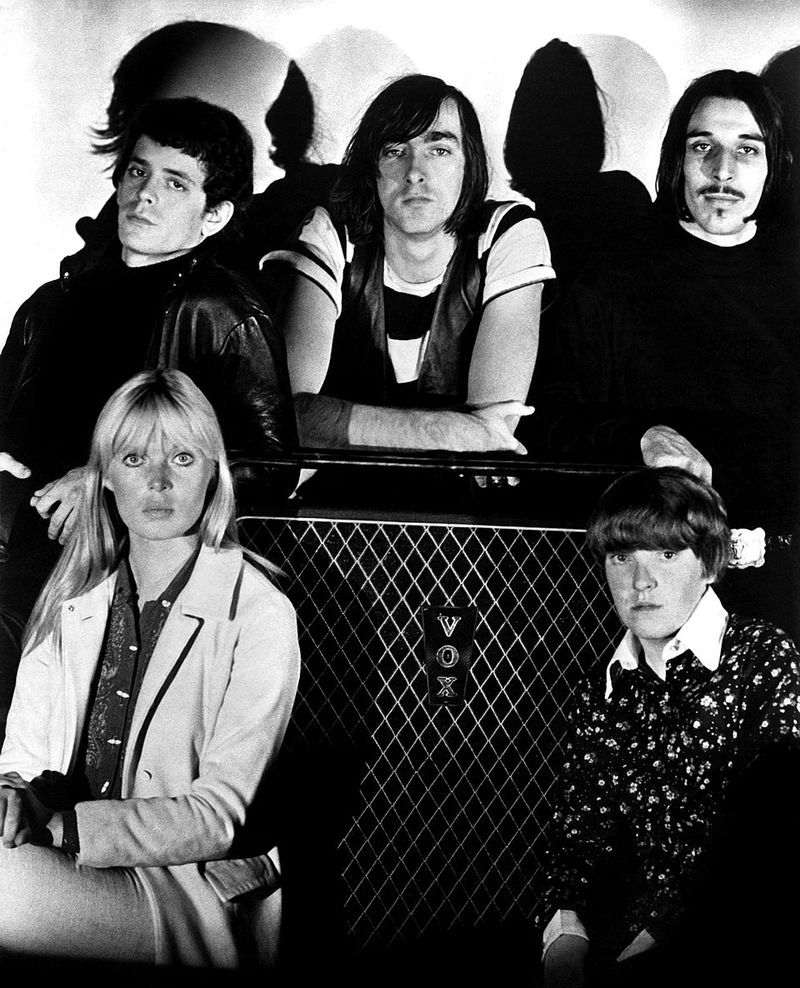
Few debuts have cast a longer shadow while selling so modestly at first. The Velvet Underground & Nico arrived in 1967 with songs about city life, taboo subjects, and emotional detachment that broke sharply from the era’s brighter rock conventions.
Its mix of John Cale’s drone ideas, Lou Reed’s plainspoken writing, and Nico’s cool delivery helped create a template for punk, indie rock, noise pop, and alternative music. Artists from David Bowie to Patti Smith, R.E.M., Sonic Youth, and countless post-punk bands borrowed its stripped-down candor and fearless subject matter.
The album also changed assumptions about who rock songs could be about and how polished they needed to sound. It never needed blockbuster sales to matter, because its real achievement was giving later musicians permission to be direct, uncomfortable, stylish, and stubbornly unlike the mainstream.
5. Kate Bush – Hounds of Love (1985)

Art pop rarely arrives this self-assured and this adventurous at once. Kate Bush’s Hounds of Love, released in 1985, balanced chart-friendly songs with ambitious studio construction, literary themes, and a second side built as a connected suite.
That combination mattered enormously for later musicians who wanted to be experimental without abandoning melody. Bjork, Tori Amos, Florence + The Machine, St. Vincent, Bat for Lashes, and many others drew from Bush’s example of treating the studio as a creative instrument while keeping personality at the center.
The album also widened expectations for female artists in pop and rock, not through slogans but through authorship and control. Bush wrote, produced, and conceptualized at a level that made her a reference point for artists seeking freedom to be strange, emotional, narrative-driven, and commercially viable all at once.
6. Massive Attack – Blue Lines (1991)
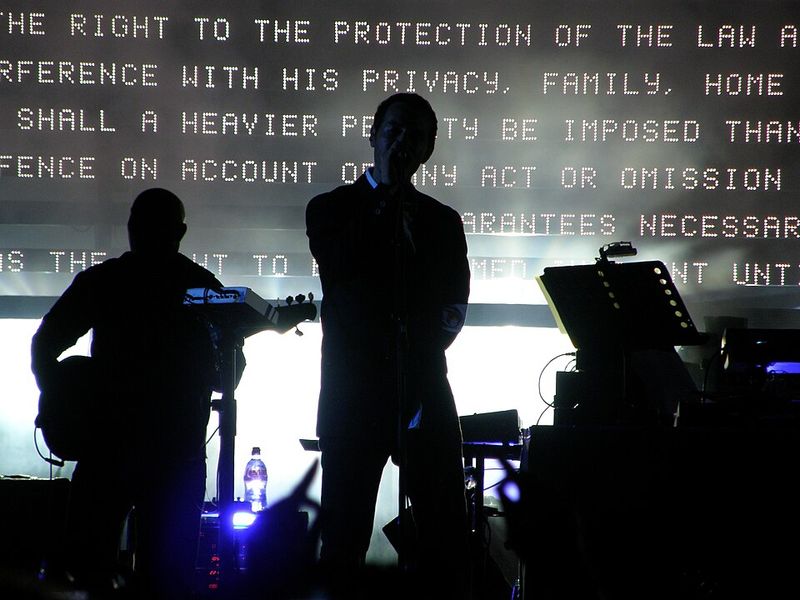
Here is the moment when several genres stopped staying in their lanes. Massive Attack’s Blue Lines, released in 1991, blended hip-hop beats, dub space, soul vocals, sampling culture, and a measured tempo into something that soon became known as trip-hop.
Its impact spread well beyond Bristol. Portishead, Tricky, Morcheeba, UNKLE, and later strands of alternative R&B and downtempo pop all inherited its preference for atmosphere, bass-driven production, and emotionally restrained vocals placed inside meticulous arrangements.
Blue Lines also helped normalize eclectic listening habits as a production method. Instead of treating genre boundaries as fixed, it used them like ingredients, and that approach became standard practice for producers in the 1990s and after, especially once digital tools made cross-pollination easier and listeners expected records to pull from multiple traditions at once.
7. My Bloody Valentine – Loveless (1991)
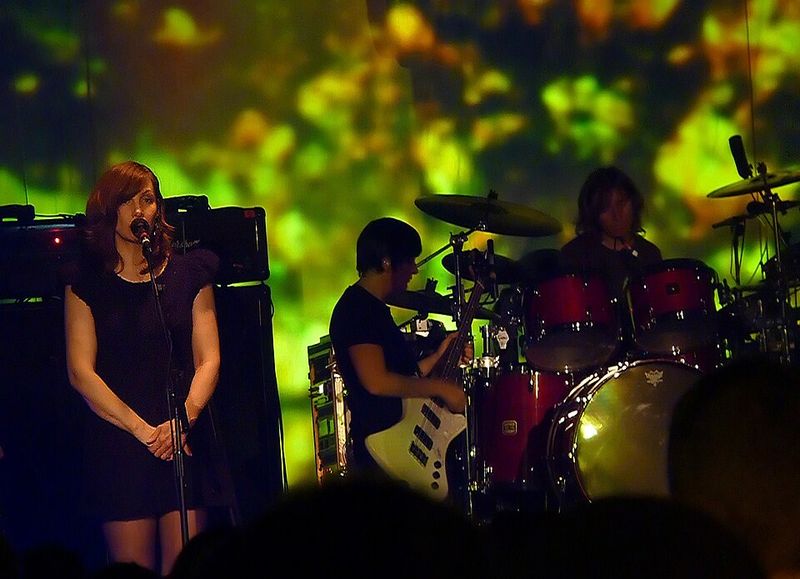
Very few albums made guitar music feel this altered without relying on studio gloss alone. My Bloody Valentine’s Loveless, released in 1991, used tremolo techniques, dense layering, and unusual mixing choices to turn familiar instruments into a nearly abstract field of sound.
That sound became the cornerstone of shoegaze, but its influence kept expanding into indie rock, dream pop, noise pop, and electronic music. Artists from Slowdive and M83 to Deerhunter, Beach House, and newer bedroom-pop producers absorbed its lesson that texture could carry as much emotional weight as lyrics or traditional riffs.
Loveless also changed how musicians thought about perfection. Its painstaking production was legendary, yet the result felt fluid rather than rigid, proving that experimentation could be meticulous and disorienting at the same time, which is one reason its reputation only grew as later artists searched for new guitar vocabularies.
8. Public Enemy – It Takes a Nation of Millions to Hold Us Back (1988)
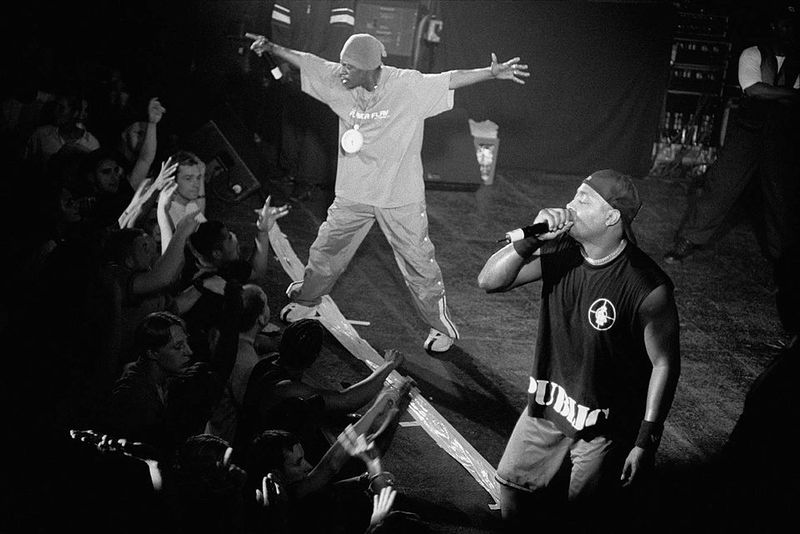
When hip-hop decided subtlety could wait, this was one of the records that proved the point. Public Enemy’s It Takes a Nation of Millions to Hold Us Back, released in 1988, fused dense Bomb Squad production with urgent lyrics and an uncompromising public voice.
The album expanded rap’s possibilities on two fronts at once. Sonically, its layered samples and sharp edits influenced producers across hip-hop, industrial, and alternative rock, while lyrically it encouraged artists to treat rap as a forum for critique, commentary, and collective identity rather than simple party soundtrack duty.
Its long reach can be heard in everyone from politically minded rappers to experimental beatmakers who studied its collage method. Even artists who did not copy its message borrowed its intensity, learning that production itself could carry argument, momentum, and historical memory without becoming tidy or overly polite.
9. Aphex Twin – Selected Ambient Works 85–92 (1992)

Electronic music gained a strange new kind of intimacy with this release. Aphex Twin’s Selected Ambient Works 85-92, issued in 1992, folded techno rhythms, melodic fragments, and reflective textures into tracks that felt personal without losing their machine-built architecture.
That balance influenced a huge range of artists. Boards of Canada, Four Tet, Burial, Oneohtrix Point Never, and many IDM, ambient techno, and experimental producers took cues from its ability to make repetition feel emotional rather than merely functional.
The album mattered because it rejected the idea that club-oriented electronics and home listening were separate worlds. It opened a lane where producers could be technically curious, rhythmically inventive, and quietly expressive at the same time, which later became a major pathway for electronic music as albums, playlists, film scores, and headphone listening culture all evolved.
10. Pixies – Doolittle (1989)
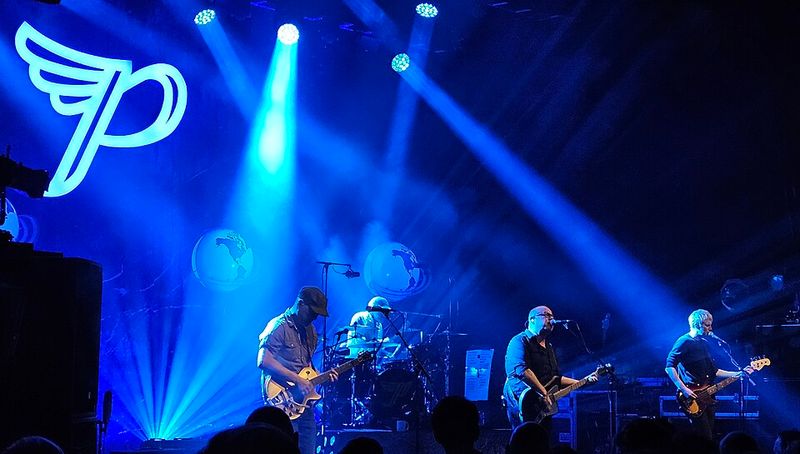
One minute it is taut and catchy, the next it is practically kicking down the door. Pixies’ Doolittle, released in 1989, sharpened the band’s surreal lyrics, clipped melodies, and dramatic quiet-loud-quiet dynamics into a compact and wildly influential record.
Its fingerprints are all over 1990s alternative rock. Kurt Cobain openly admired the band’s dynamic structure, while Radiohead, Weezer, PJ Harvey, and countless indie groups borrowed lessons about tension, release, and the power of keeping songs weird but concise.
Doolittle also helped redefine college rock just before it became a commercial force. It proved that abrasive guitars, eccentric imagery, and pop discipline could coexist in the same song, which gave later bands a workable model for crossing from underground credibility into broader recognition without sanding away their edges or simplifying their songwriting instincts.
11. Radiohead – Kid A (2000)
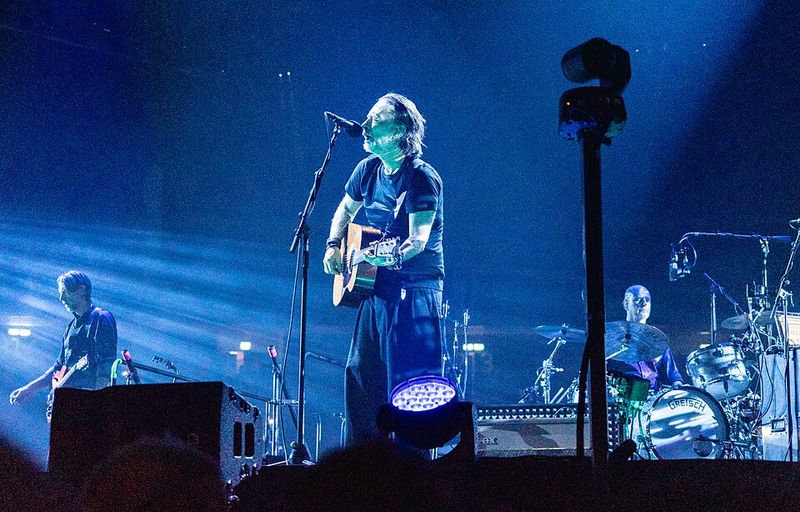
The millennium began with a reminder that a major rock band did not have to repeat itself. Radiohead’s Kid A, released in 2000, traded guitar anthems for electronic textures, fragmented structures, jazz hints, and a mood of purposeful dislocation.
That left turn changed expectations for what mainstream success could look like after the CD era peaked. Artists across indie rock, art pop, and electronic music saw that a commercially established act could take risks, ignore standard singles logic, and still shape the conversation more than safer records ever would.
Its influence appears in everything from the experimental turns of later rock bands to the album-as-world approach used by pop and hip-hop artists. Kid A made reinvention feel like a legitimate strategy instead of a career mistake, which is a lesson musicians, managers, and ambitious fans have been revisiting ever since.
12. Daft Punk – Discovery (2001)
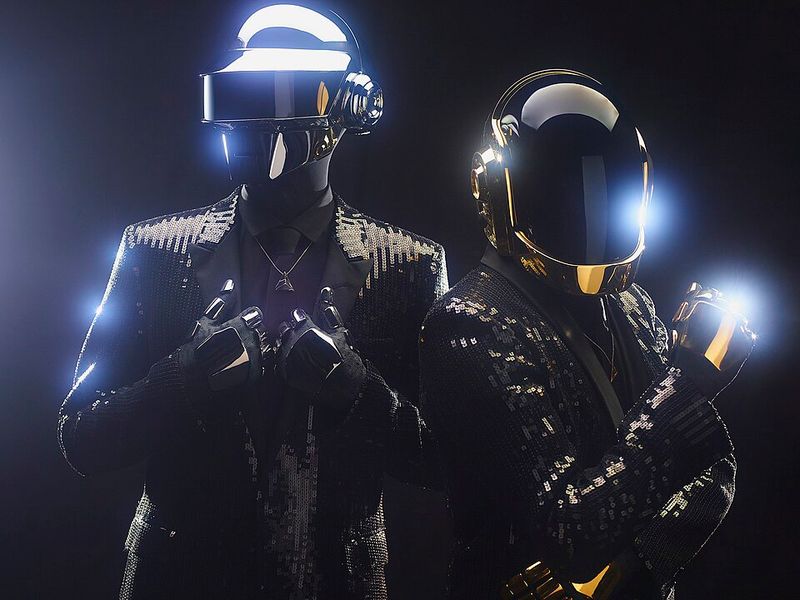
Pop and dance music got a playful reset when this record arrived. Daft Punk’s Discovery, released in 2001, blended house rhythms, disco samples, soft rock references, vocoders, and bright hooks into an album that treated nostalgia like raw material rather than a museum display.
Its production ideas spread quickly through 2000s and 2010s pop. Producers and artists including Justice, Chromeo, Pharrell, The Weeknd, Calvin Harris, and many others absorbed its polished compression, melodic sampling, and willingness to make electronic music feel both sleek and emotionally immediate.
Discovery also helped legitimize dance music as album-oriented listening for a broad audience. Instead of functioning only as a collection of club tracks, it presented a coherent pop universe, and that model became essential for later crossover electronic acts trying to connect festival energy, radio accessibility, and strong visual identity.
13. Kanye West – 808s & Heartbreak (2008)
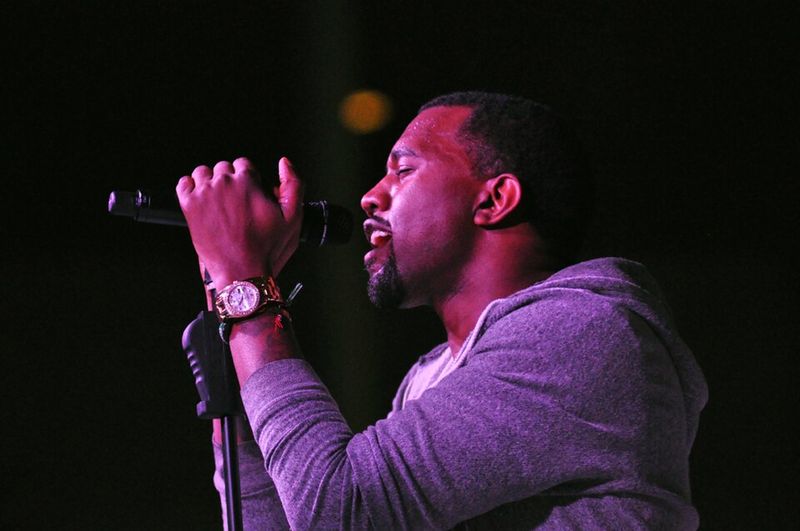
Hip-hop changed course when vulnerability stopped being a side note and became the whole frame. Kanye West’s 808s & Heartbreak, released in 2008, stripped arrangements down to drum machines, synthesizers, Auto-Tune melodies, and direct emotional writing.
Its reach into the next decade was enormous. Drake, Kid Cudi, Future, Travis Scott, Juice WRLD, The Weeknd, and many melodic rap and pop artists built on its fusion of confession, electronic minimalism, and hooks that treated singing and rapping as fluid options rather than separate lanes.
The album also shifted industry assumptions about masculinity and vocal presentation in mainstream rap. Even listeners who disliked it at first could not avoid its aftereffects, because the sound became a blueprint for crossover music where mood, melody, and personal disclosure mattered as much as lyrical density or traditional rap bravado.
14. Neutral Milk Hotel – In the Aeroplane Over the Sea (1998)
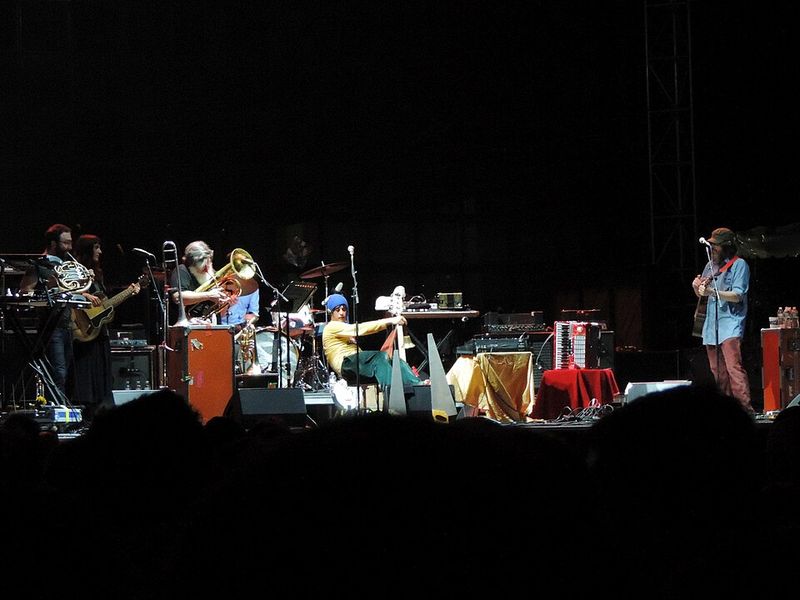
Cult status can take the scenic route, and this album certainly did. Neutral Milk Hotel’s In the Aeroplane Over the Sea, released in 1998, mixed lo-fi recording, folk structures, brass flourishes, and intensely personal writing into something that felt homemade yet strangely expansive.
Its initial reception was modest, but file sharing, message boards, and later streaming culture steadily turned it into a touchstone. Indie folk and bedroom recording artists such as Beirut, Bright Eyes, the Decemberists, and many Bandcamp-era musicians drew from its unvarnished sincerity and its confidence in imperfect, emotionally direct performance.
The album also helped define a certain kind of late 1990s and 2000s independent credibility. It suggested that elaborate polish was not necessary for deep connection, and that eccentric arrangements, literary fragments, and rough edges could become strengths once listeners started valuing intimacy over professional sheen.
Share this story