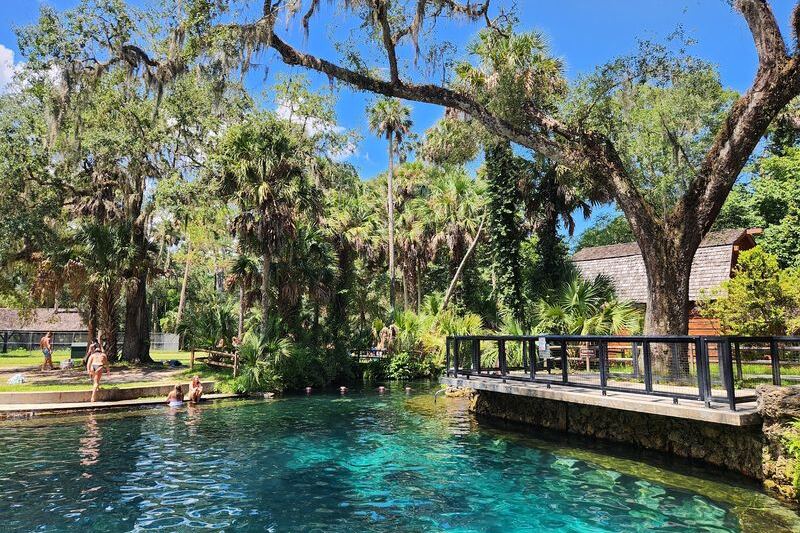
Just a short drive from the theme park crowds of Orlando, there is a place where the only attractions are alligators sunbathing on the banks, hundreds of birds gliding overhead, and the quiet hum of Florida nature doing its thing. I had no idea what to expect the first time I pulled up to the entrance, but by the time I finished the 11-mile route, I was already planning my return trip.
This wildlife drive is free, open on weekends and holidays, and packed with more raw Florida beauty than most people realize exists this close to the city. Whether you are a serious birder, a photography enthusiast, or just someone craving a break from the usual tourist trail, this place delivers in a way that is hard to put into words.
Where the Drive Begins: Address and Access
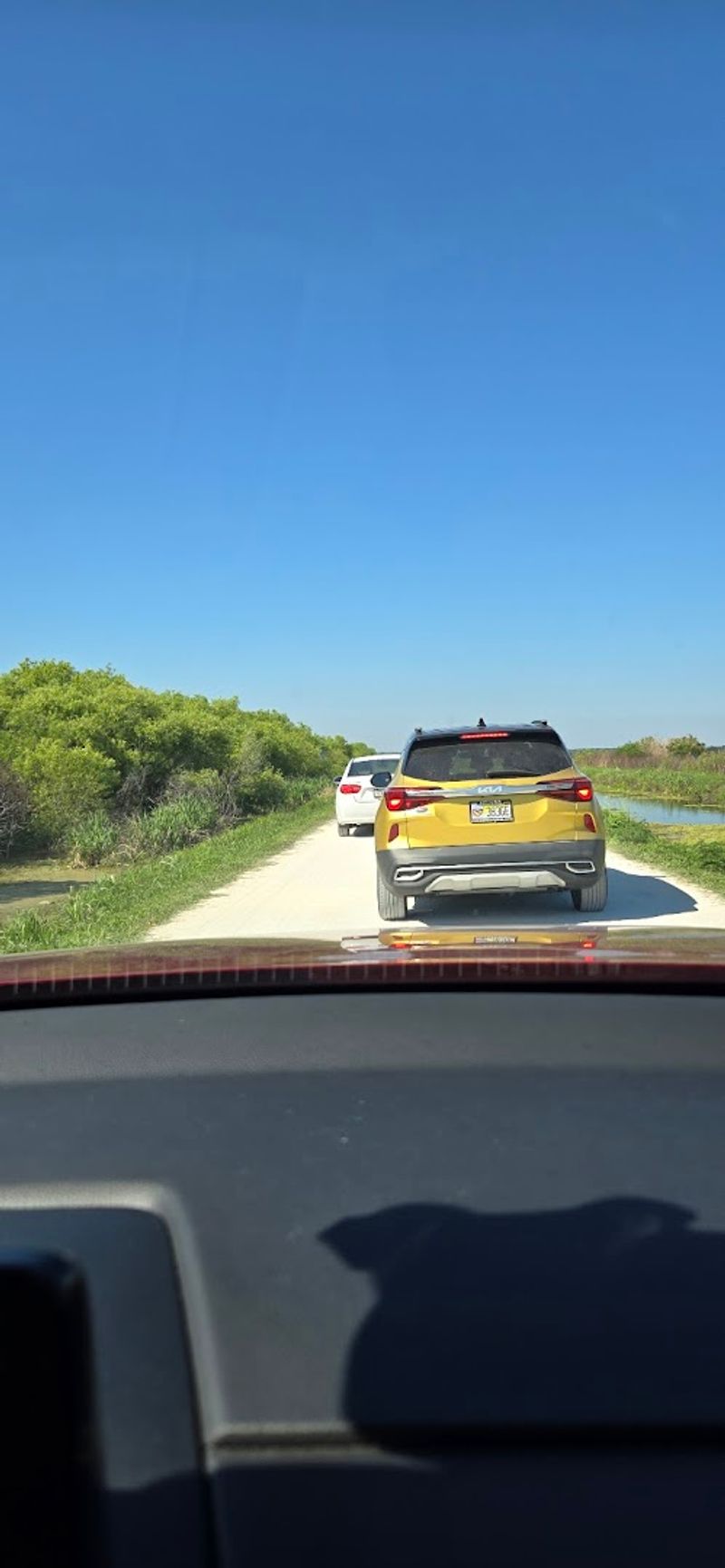
The moment you roll up to 2850 Lust Rd, Apopka, you already feel the shift in atmosphere. The city noise fades, replaced by wind rustling through tall grasses and the distant calls of wading birds.
Lake Apopka Wildlife Drive sits in Apopka, Florida, just northwest of Orlando, administered by the St. Johns River Water Management District. The entrance is straightforward, with staff sometimes stationed near the gate handing out informational pamphlets about the route.
If you have visited before and already know the drill, you can skip the pamphlet line and head straight through. The drive opens at 7 AM on Fridays, Saturdays, Sundays, and most federal holidays, with last entry at 3 PM.
Arriving early gives you the best light for photography and a quieter experience before the midday crowd shows up.
The 11-Mile One-Way Route
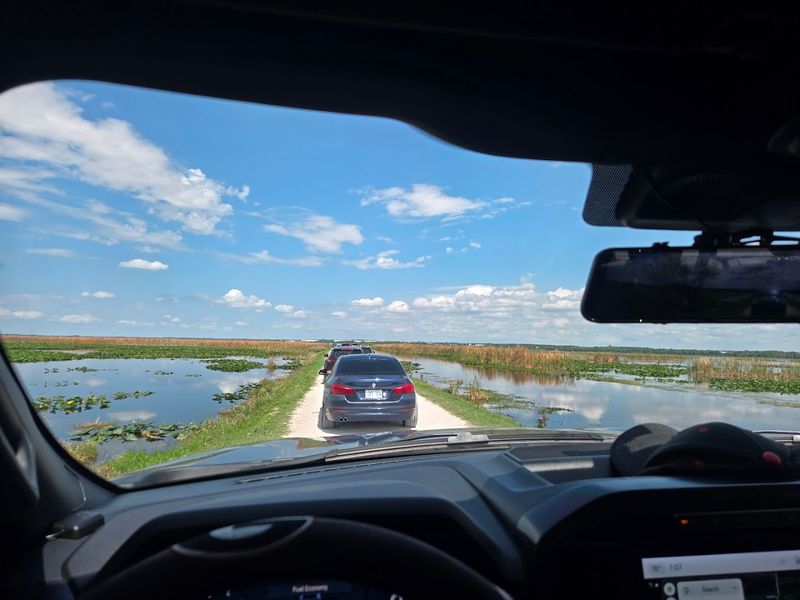
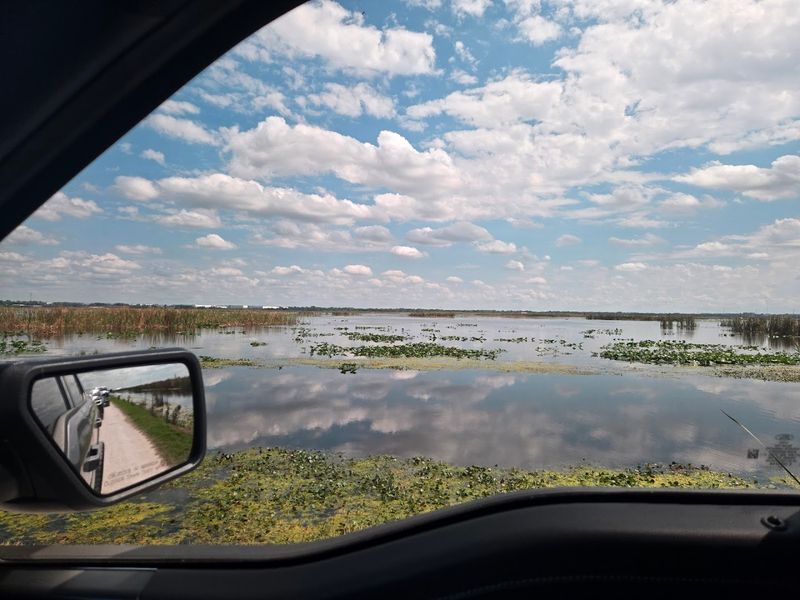
Eleven miles might not sound like much, but this route routinely takes visitors two to three hours to complete, and that is not a complaint. The road is one-way, single-lane, and set at a 10 mph speed limit, which naturally forces you to slow down and actually notice what is around you.
The road surface is well-maintained overall, though a few potholes pop up here and there, so keep that in mind if you are driving a low-clearance vehicle. There are designated pull-off spots along the route where you can stop, let other cars pass, and spend a few extra minutes watching a gator or photographing a heron in perfect light.
The layout of the drive means traffic spreads out organically as you get deeper in, so even on busier days, you often find yourself with a peaceful stretch of road all to yourself.
Alligators Everywhere You Look
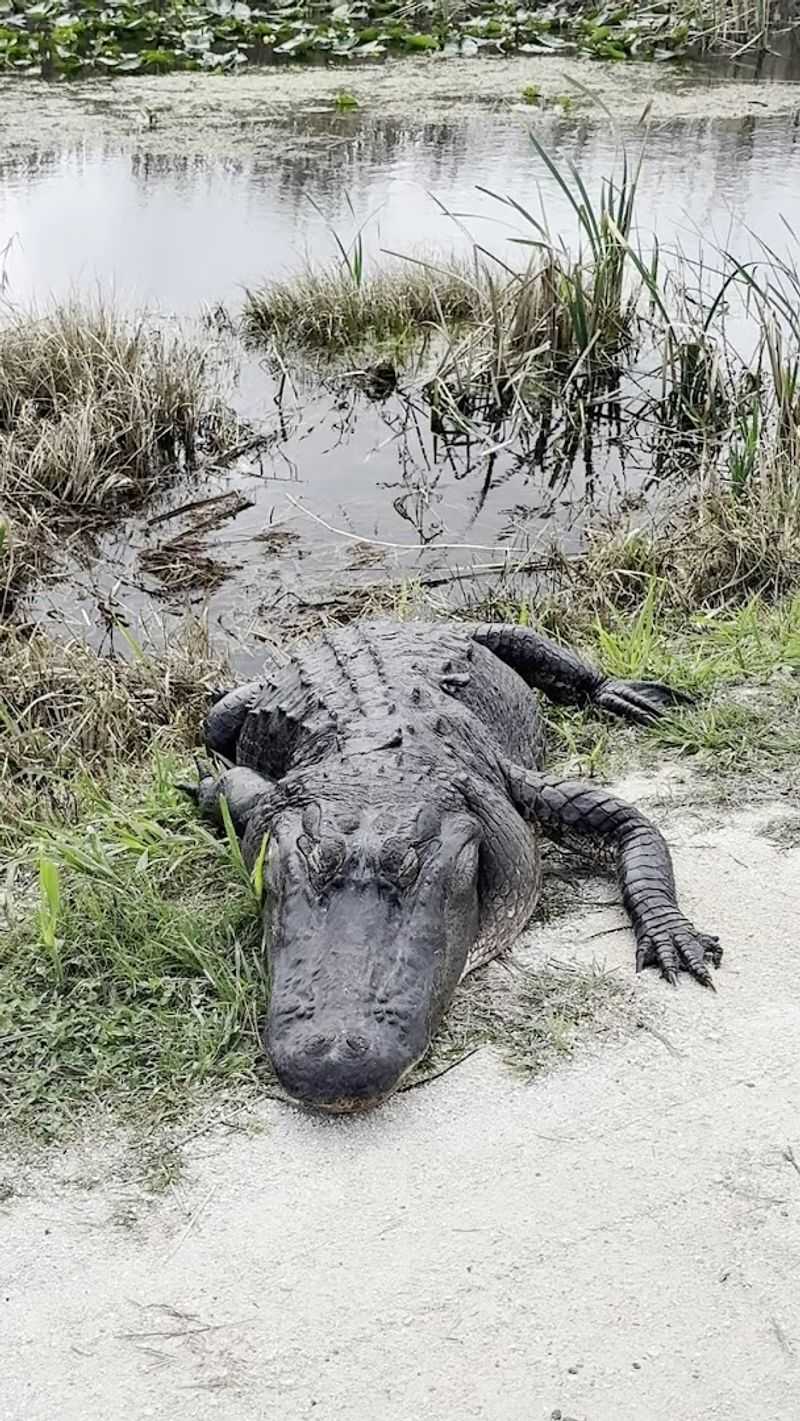
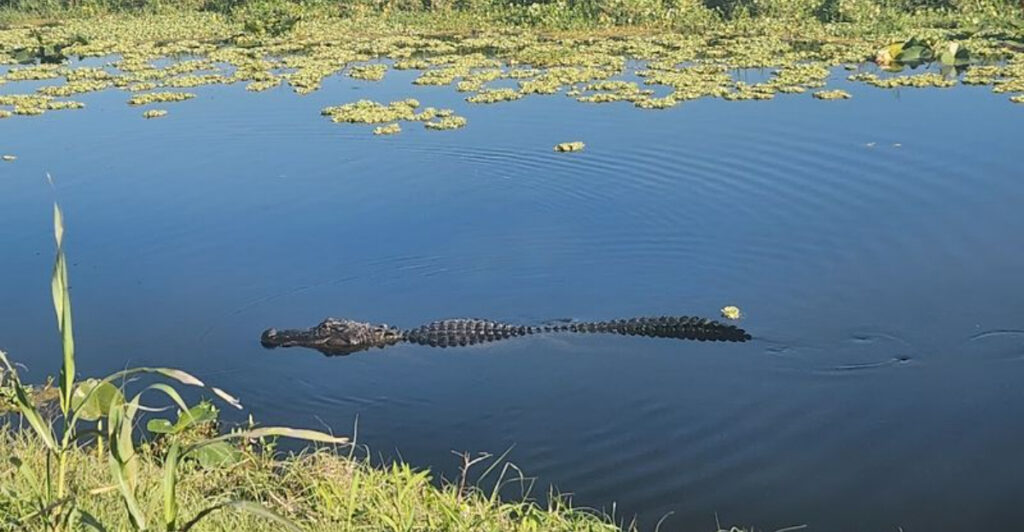
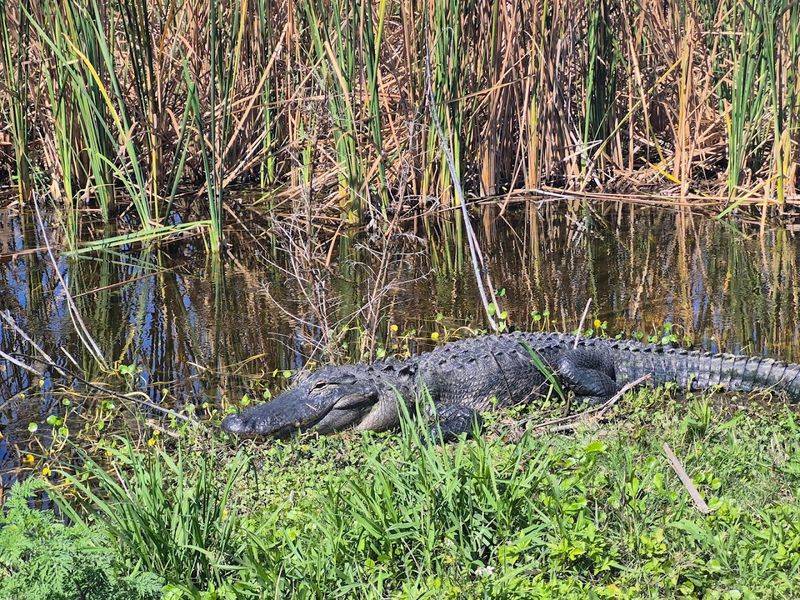
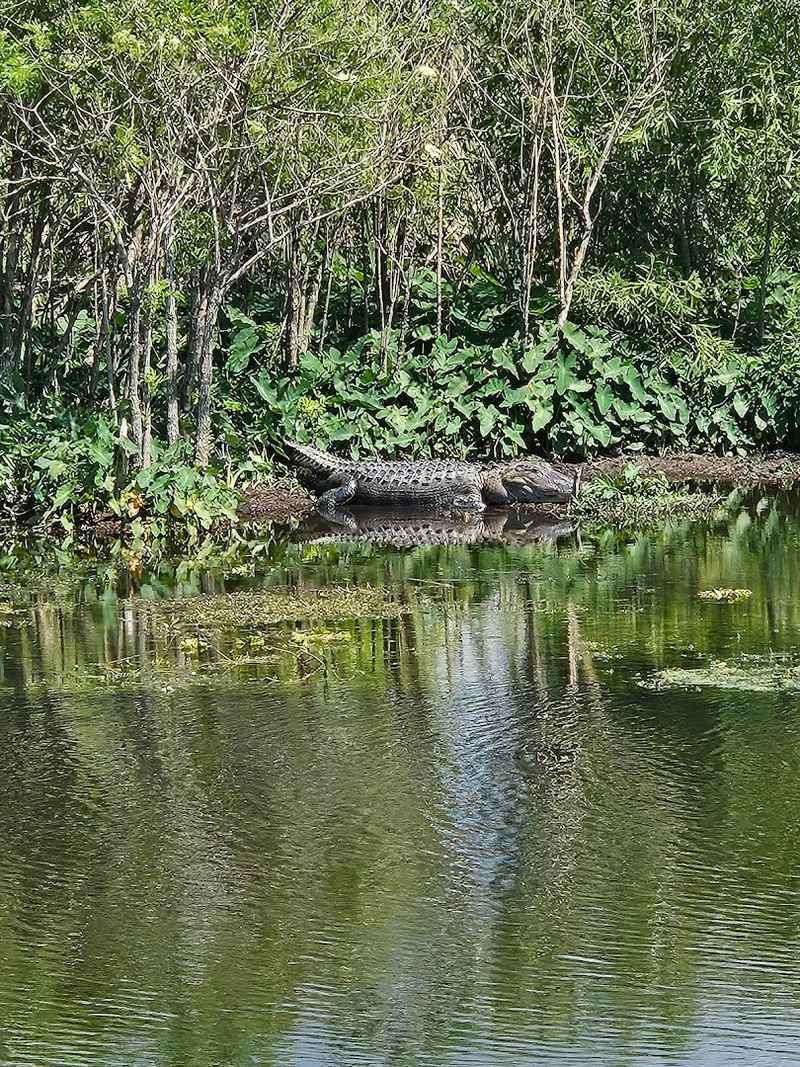
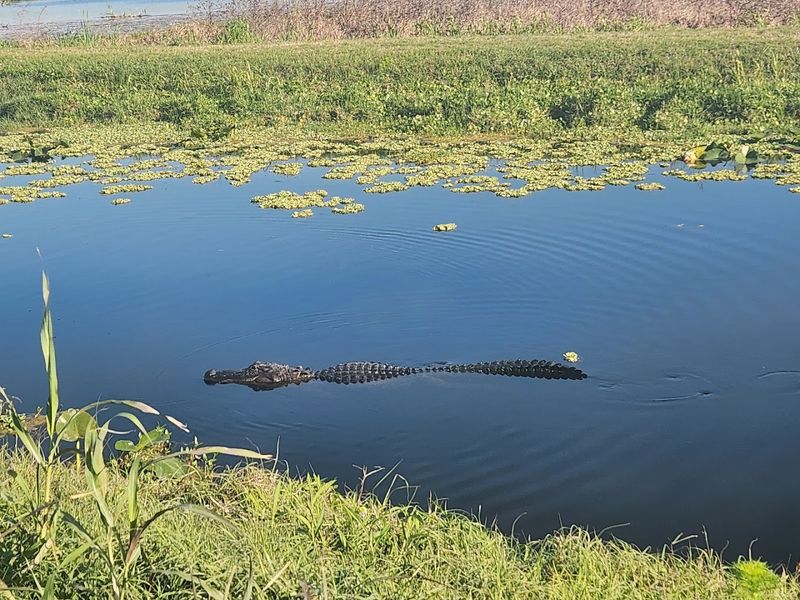
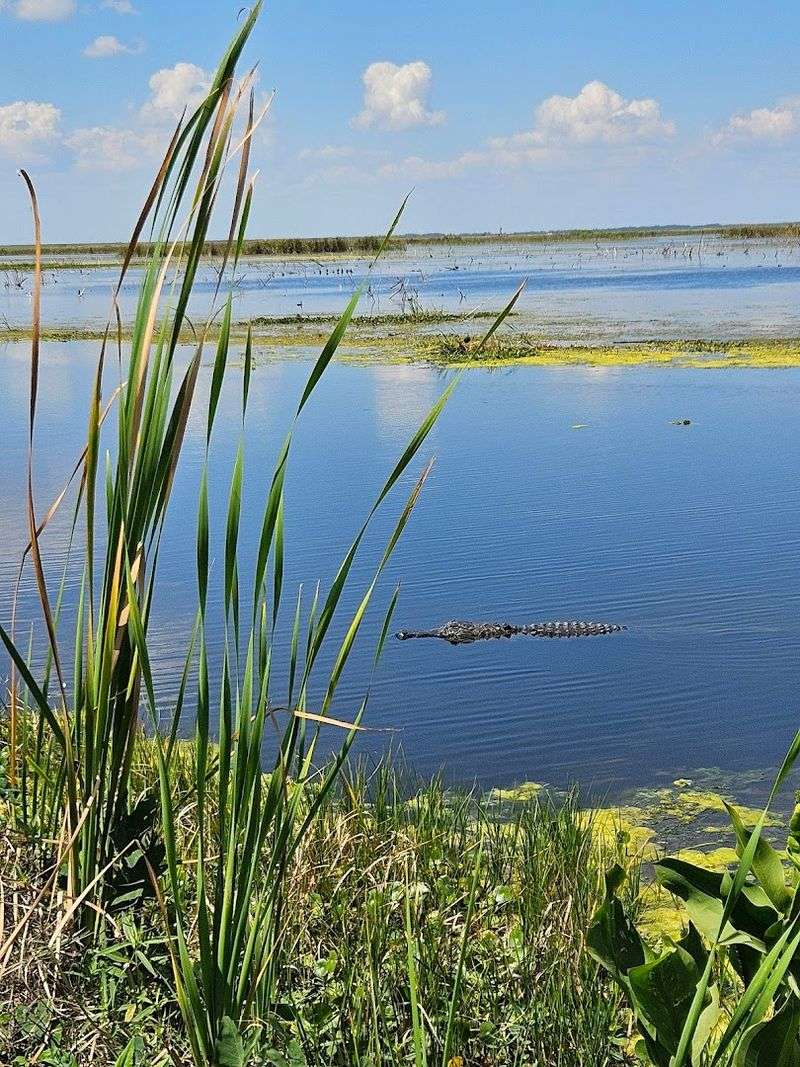
Nothing quite prepares you for the sheer number of alligators you will encounter here. On a warm, sunny day, they line the banks in impressive numbers, some stretching out lazily within just a few feet of the road.
Visitors regularly count 60, 80, even over 100 individual alligators during a single drive. The sizes range from smaller juveniles to genuinely massive adults pushing ten or eleven feet in length.
Seeing one that size up close, through a car window, is a moment that sticks with you.
A few important reminders: do not feed the alligators, as it is illegal and genuinely dangerous for the animals. Keep children and pets securely inside the vehicle at all times.
These are wild animals in their natural habitat, not zoo exhibits, and they deserve both your respect and a healthy amount of caution.
A Birdwatcher’s Dream Destination
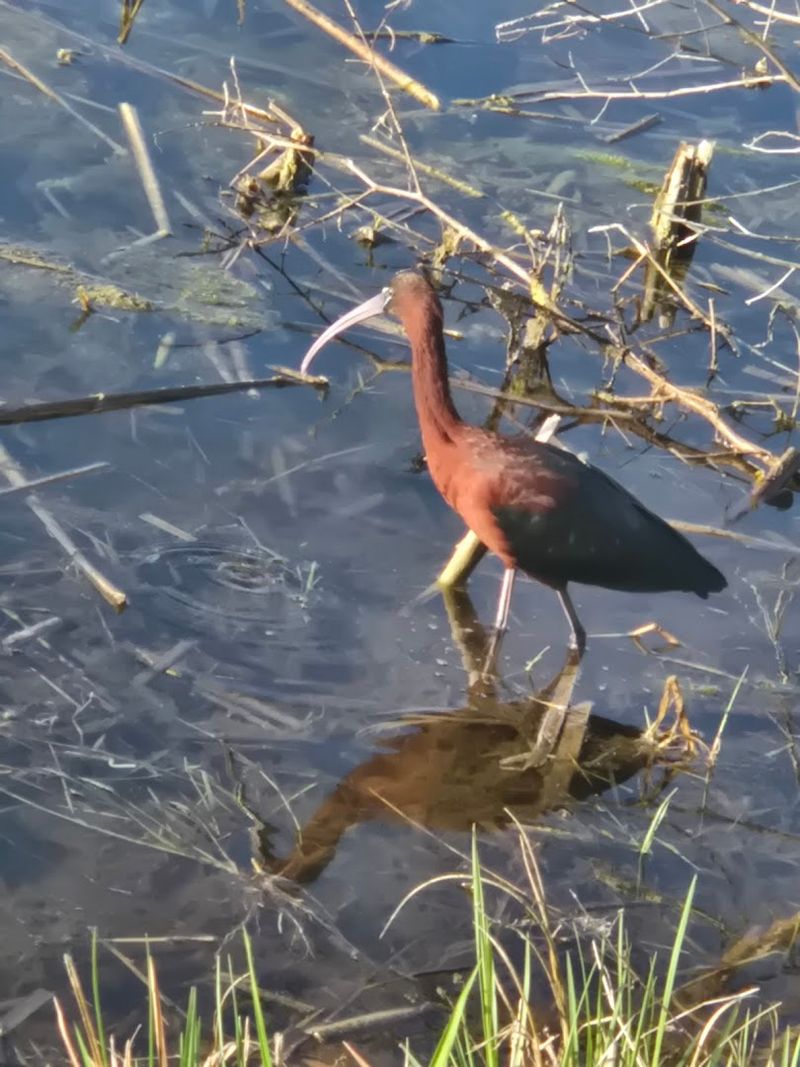
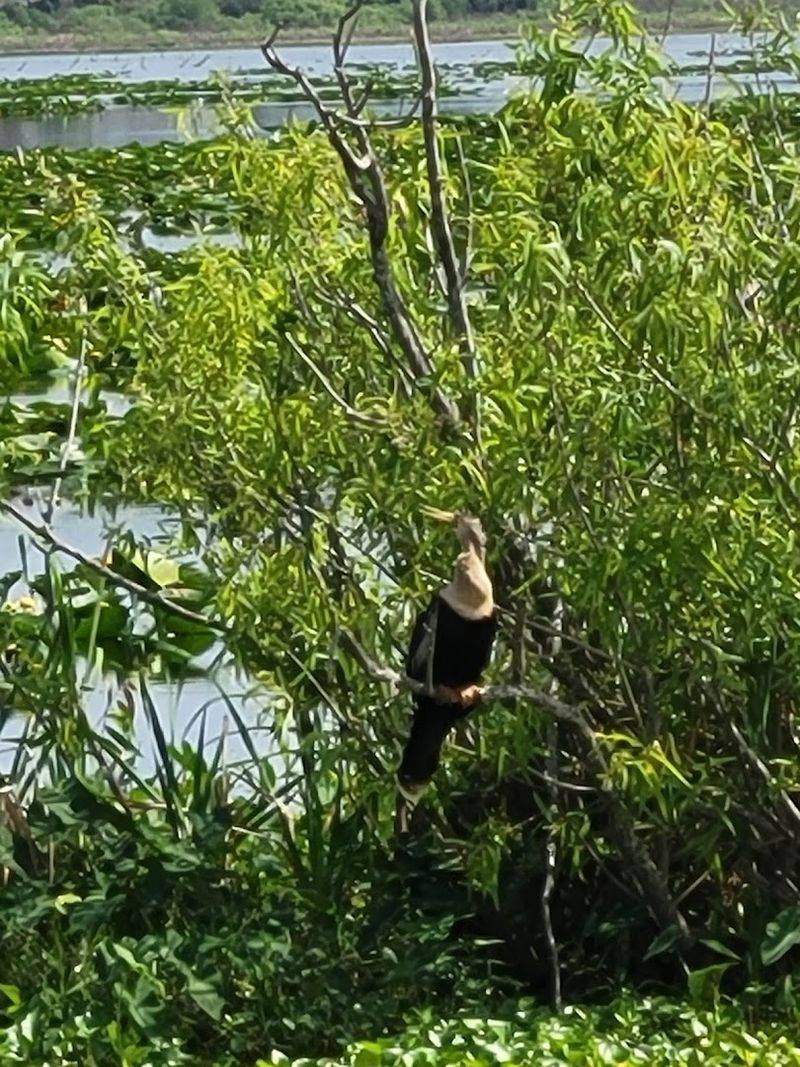
Roughly 369 species of birds have been documented at Lake Apopka Wildlife Drive, a number that makes serious birders genuinely giddy. On any given visit, you might spot great blue herons, snowy egrets, roseate spoonbills, ospreys, anhingas, ibis, and dozens of duck species, sometimes all within the first mile.
During winter months, migratory ducks flock here in huge numbers, turning sections of the water into a dense, noisy carpet of feathers. The ospreys are particularly fun to watch as they dive sharply into the water after fish with serious precision.
Bringing binoculars makes a real difference here. Some of the more colorful or rare birds sit far back in the marsh, and a good zoom lens or a pair of binoculars lets you catch details that would otherwise be invisible.
A bird identification app like Merlin ID adds another layer of fun to the experience.
The Free Audio Tour Along the Route
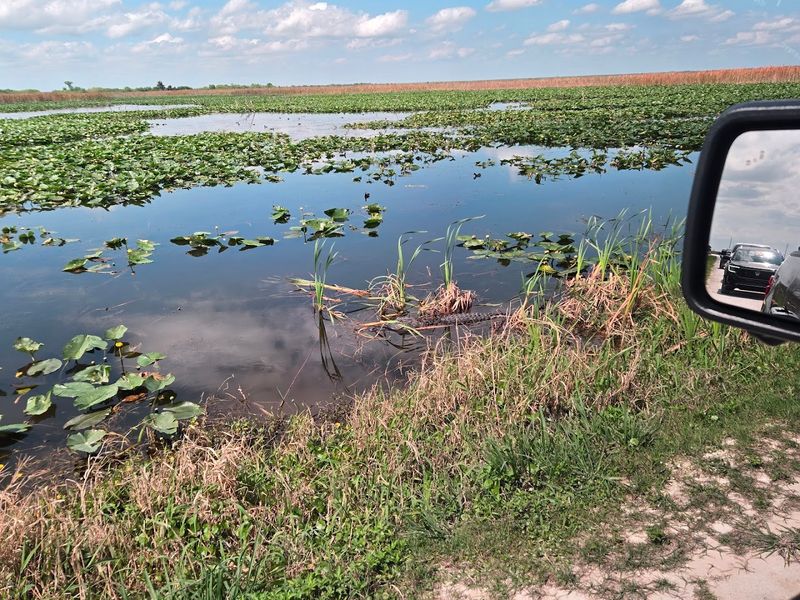
One of the most underrated features of this drive is the free audio tour available through QR codes posted at various checkpoints along the route. Scanning the code connects you to narration that explains the different ecosystems, the history of the lake, and the wildlife you are likely to encounter in each section.
You can also download the audio content before your trip to avoid relying on cell service inside the preserve, which can be spotty in certain stretches. The narration adds real depth to the experience without making it feel like a lecture.
The checkpoints are spaced thoughtfully throughout the drive, giving you natural stopping points where you can absorb the surroundings and learn something new at the same time. First-time visitors consistently mention that the audio tour transformed what could have been a simple drive into something genuinely educational and memorable.
Turtles, Otters, and Other Surprises
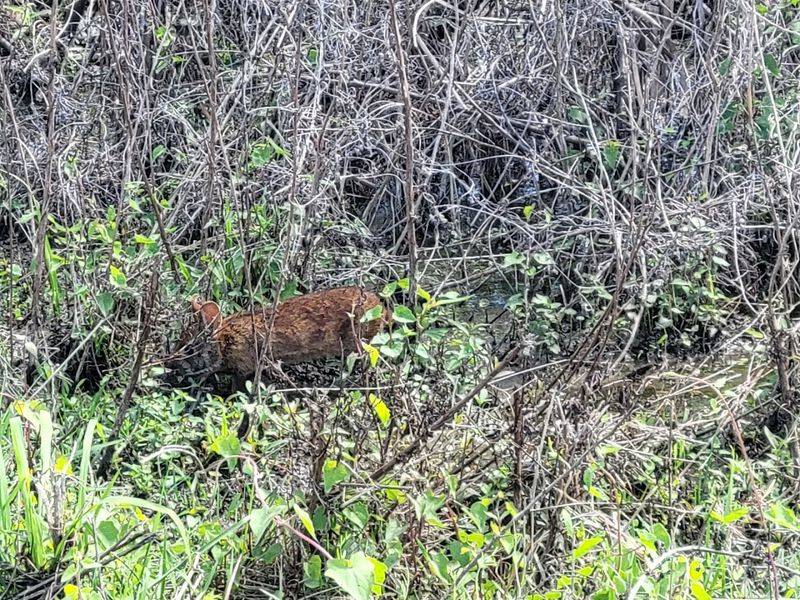
The alligators and birds get most of the attention, but Lake Apopka Wildlife Drive has a few other residents worth keeping an eye out for. Turtles are a fairly common sight, often spotted perched on logs or gliding just below the water’s surface near the road.
On luckier visits, some people have reported spotting river otters darting along the water’s edge, though they are quick and shy, so you have to be paying close attention. Raccoons occasionally make an appearance too, usually near the tree lines at the edge of the marsh.
The variety of wildlife here goes well beyond the headline attractions, which is part of what makes each visit feel a little different. No two drives through are exactly the same, and that unpredictability is a big part of the charm that keeps people coming back season after season.
Best Times to Visit for Maximum Wildlife
Timing your visit can make a significant difference in what you see and how crowded the drive feels. Early morning arrivals, right around the 7 AM opening, tend to offer the best wildlife activity and the softest light for photography.
Warm, sunny days bring alligators out of the water in large numbers to bask on the banks, so clear weather is your friend if gators are your priority. Winter months, roughly November through February, bring migrating ducks and other waterfowl that are not present during summer visits, making the lake feel almost magically alive with movement.
Weekday visits are not possible for car access since the drive is only open Friday through Sunday and on federal holidays. Arriving closer to opening rather than the 3 PM cutoff gives you more time to linger at pull-offs without feeling rushed toward the exit.
Practical Tips for a Smooth Visit
A few practical details can make the difference between a frustrating trip and a fantastic one. Bring water and snacks, since there are no food vendors anywhere on the route and two to three hours in the Florida sun can wear you out faster than expected.
Portable restrooms are available at a couple of points along the drive, including one near the entrance, so you are not completely without options. Cell service can be unreliable in sections, so downloading the audio tour in advance and saving the map offline is a smart move.
Keep your camera or phone charged and ready, because wildlife appears without warning and waits for no one. A zoom lens or a camera with good optical zoom dramatically improves your photos compared to relying solely on a phone camera at standard distance.
Patience is genuinely your most valuable tool out here.
The History and Restoration of Lake Apopka
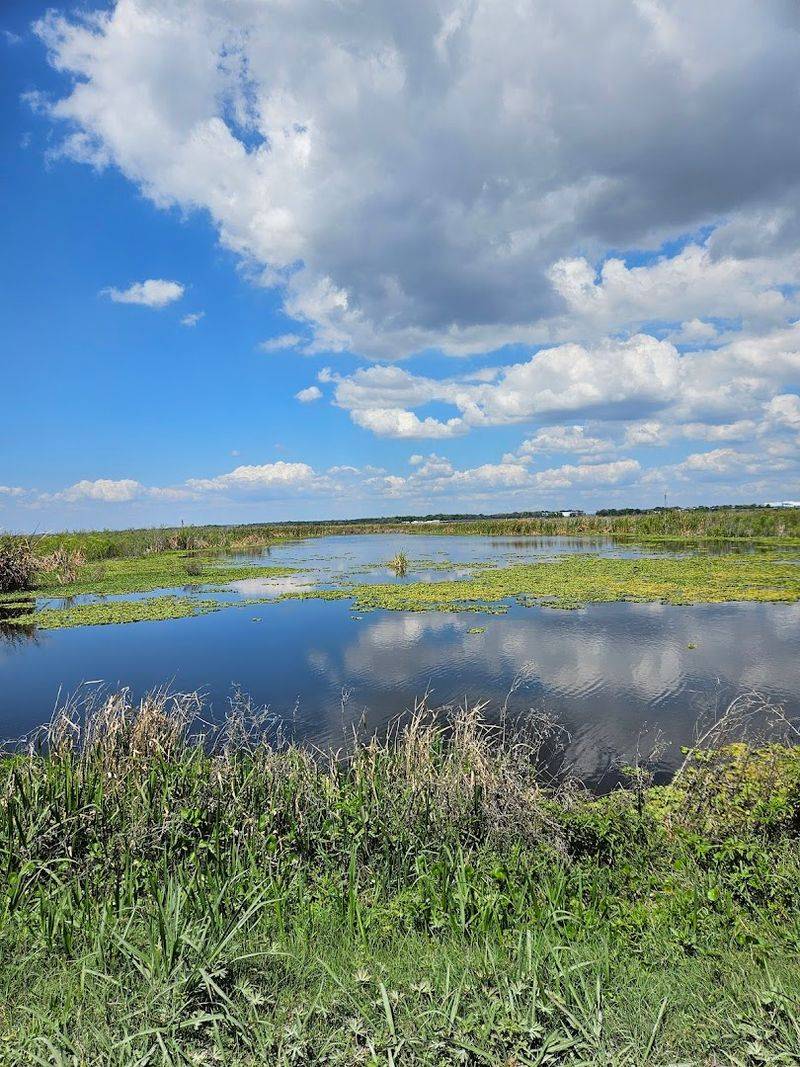
Lake Apopka has a complicated past that makes its current state as a thriving wildlife habitat feel like a genuine success story. For decades, the lake suffered from severe pollution caused by agricultural runoff from surrounding farms, which devastated water quality and native wildlife populations.
Beginning in the 1990s, the St. Johns River Water Management District began acquiring farmland around the lake and converting it back into natural marsh habitat. The old pump house visible during the drive stands as a physical reminder of that agricultural era.
Today, the restoration work has paid off in remarkable ways. The wetlands now support an extraordinary range of wildlife, and the lake’s water quality continues to improve year over year.
The drive itself exists as both a recreational opportunity and a living demonstration of what dedicated environmental restoration can accomplish over time.
Photography Opportunities Around Every Bend
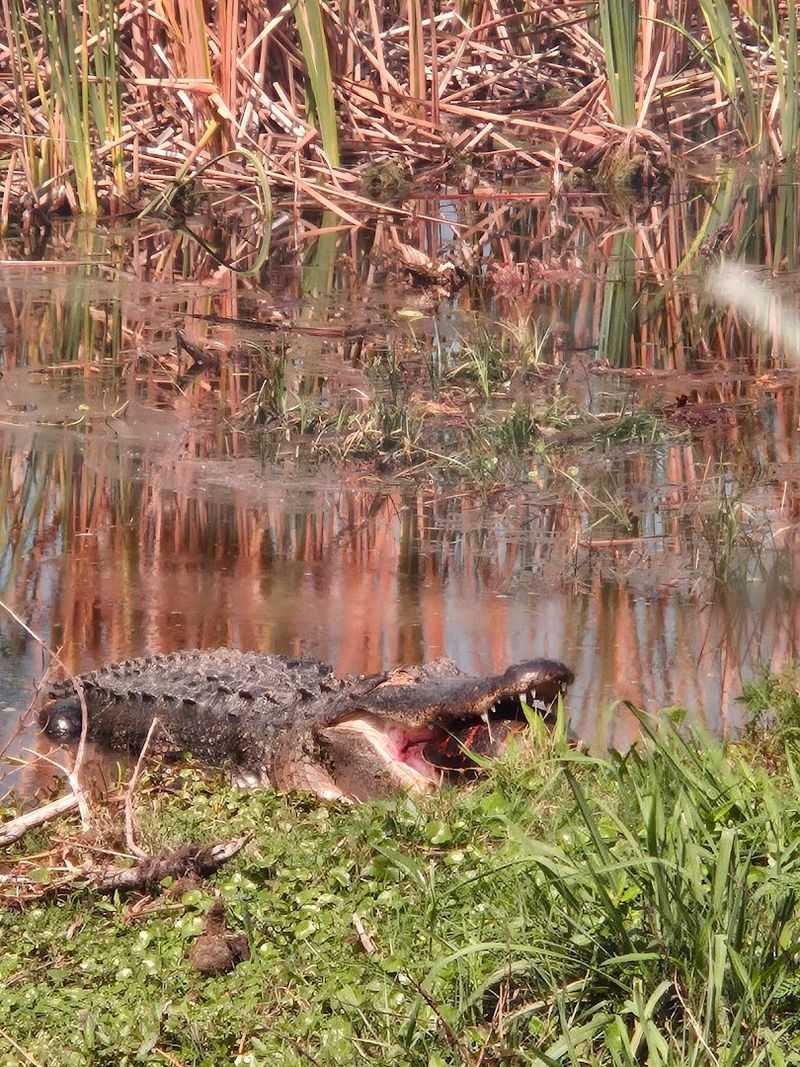
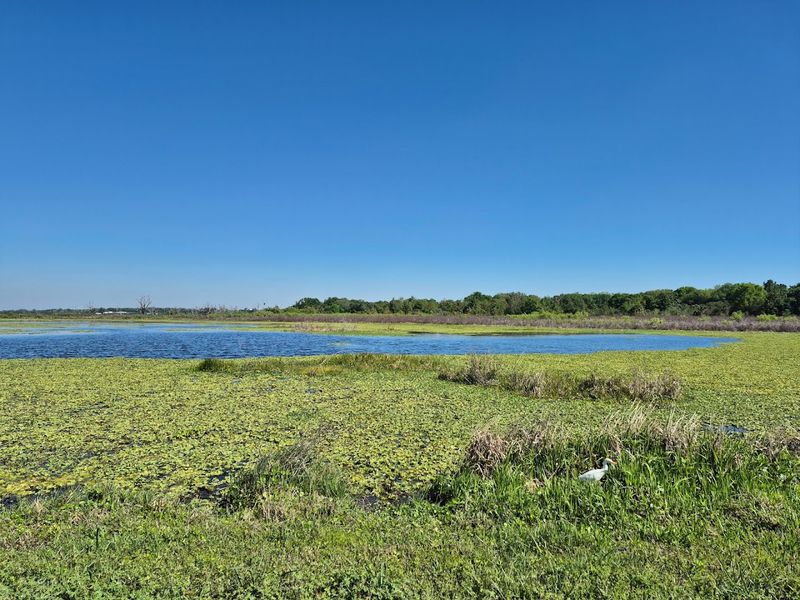
Few places within an hour of Orlando offer the kind of photography opportunities that this drive delivers so consistently. The combination of open water, low road elevation, and abundant wildlife creates natural compositions that practically frame themselves.
Alligators resting just feet from the road make for dramatic close-up shots, while the expansive marsh views reward wide-angle photography with layers of color and texture. The golden hour light at opening time bounces off the water in ways that make even a phone camera produce genuinely impressive results.
Pulling off at designated spots rather than stopping in the lane keeps traffic moving and gives you the time to wait for the perfect moment. Some of the best shots come from simply sitting quietly at a pull-off for five minutes and letting the wildlife settle back into its natural rhythm after your car arrives.
Hiking and Biking Options Beyond the Car Drive
The wildlife drive is not exclusively a car experience. Hiking and biking are permitted on the trails throughout the week, even on days when the road is closed to vehicles, making this a genuinely versatile outdoor destination.
On foot or by bike, the experience shifts noticeably. You hear more, you notice smaller details, and the wildlife encounters feel more immediate without the buffer of a car window.
Ospreys diving for fish, frogs calling from the reeds, and the crunch of gravel underfoot all become part of the experience.
Hikers on weekdays should be aware that construction vehicles may be using the road in both directions on certain days, so staying alert and giving those vehicles plenty of space is important. For anyone who wants a more active engagement with the landscape rather than a passive drive-through, the trail options here are genuinely worth exploring.
Visiting with Kids and Families
Bringing kids to a place where alligators are practically roadside attractions sounds like a recipe for chaos, but with the right preparation it is actually one of the most memorable family outings you can do near Orlando. The excitement on a child’s face when they spot their first massive gator is genuinely priceless.
The car-based format works well for families with younger children since everyone stays safely inside the vehicle throughout the drive. Turning the trip into a counting game, how many gators, how many herons, how many turtles, keeps kids engaged across the full 11 miles.
A few firm rules apply: children should never lean out of windows or open doors near the wildlife, and dogs must remain inside the vehicle at all times. The animals along this route are wild, not tame, and maintaining that boundary is non-negotiable for everyone’s safety.
What to Pack Before You Head Out
The drive is free to enter, but a little preparation goes a long way toward making the experience comfortable and rewarding. Water is the most important thing to bring, especially during warmer months when even a breezy day in the car can leave you surprisingly dehydrated.
Snacks for the road are a smart addition, particularly if you have kids or if you plan to take your time at pull-off spots. Binoculars are highly recommended for spotting birds that sit further back in the marsh, and a zoom-capable camera beats a standard phone camera for capturing wildlife at a safe distance.
Sunscreen matters more than people expect, since open windows and sunroof time add up quickly. A bird identification app downloaded before arrival adds an educational layer that turns the drive into something more than just sightseeing.
Bug spray is worth tucking in during warmer seasons as well.
The Old Pump House and Historical Landmarks
Tucked along the route, the old pump house is one of those details that many first-time visitors drive past without realizing its significance. The structure is a physical remnant of the agricultural era when farms actively pumped water across the land that is now restored wetland habitat.
On return visits, making a point to stop near the pump house adds a layer of historical context that deepens your appreciation for the landscape around it. What looks like an unremarkable old building is actually a marker of an enormous environmental transformation that took decades of effort and investment.
The contrast between that industrial past and the thriving bird colonies and alligator populations visible today is genuinely striking when you stop to think about it. The pump house is worth a photo and a moment of reflection on how dramatically a landscape can recover when given the right conditions and sustained attention.
Why This Drive Keeps Pulling People Back
There is something about this place that makes people want to return, and it is not just the alligators or the birds. The combination of total immersion in nature, zero cost, and a route that rewards patience over speed creates an experience that feels genuinely restorative.
Regular visitors describe coming back seasonally, noting that each visit brings something different depending on the weather, the time of year, and what the wildlife happens to be doing that day. Migratory birds in winter, gators in full summer bask mode, or a foggy early morning that turns the marsh into something almost otherworldly, every visit has its own character.
For anyone based near Orlando or passing through Central Florida, skipping this drive would be a missed opportunity of the highest order. It is the kind of place that reminds you Florida has always been extraordinary, long before anyone built a theme park here.
Share this story