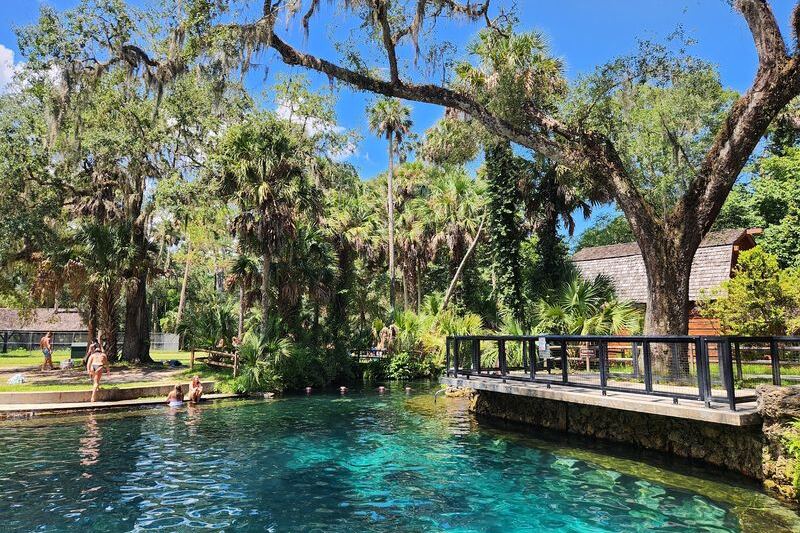
Two of the most influential minds in American history once called the same riverside neighborhood their winter retreat, and today you can walk the very grounds they called home. Fort Myers, Florida holds a treasure that most people only stumble upon by accident, yet leave completely captivated.
The estate spans 21 acres of botanical beauty, preserved laboratories, historic homes, and fascinating museum exhibits that paint a vivid portrait of innovation at its peak. Whether you are a history enthusiast, a science lover, or simply someone who appreciates a beautifully maintained outdoor space, this place delivers something genuinely memorable at every turn.
A Historic Address on McGregor Boulevard
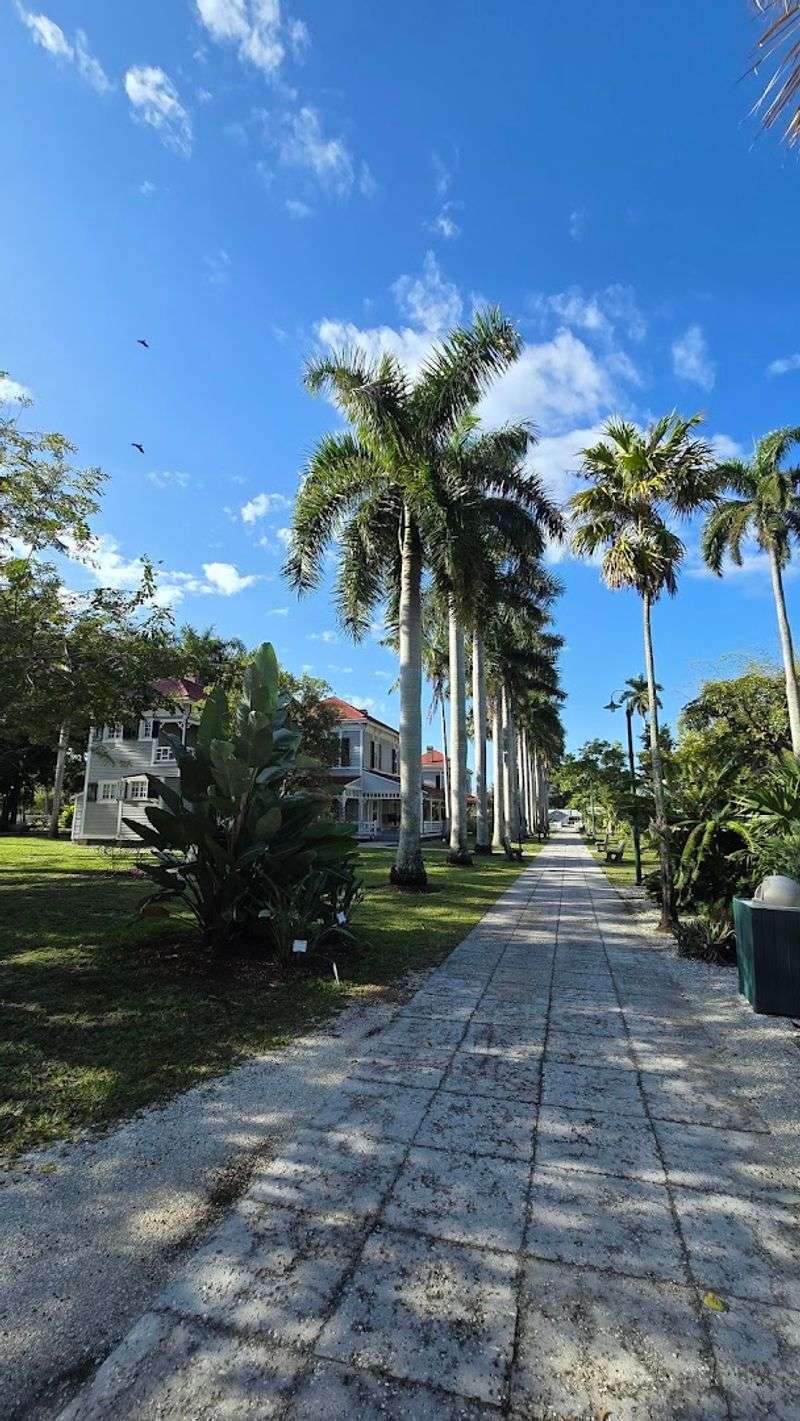
Right at 2350 McGregor Blvd, Fort Myers, the Edison and Ford Winter Estates sits tucked along a tree-lined boulevard that already feels like a step back in time. The moment you arrive, the towering canopy of tropical plants and the quiet riverside atmosphere signal that this is no ordinary museum stop.
The estate is open every day from 9 AM to 5:30 PM, making it easy to plan a morning visit before the crowds build up. Parking fills quickly during peak season, so arriving right at opening is a smart move.
The 21-acre property stretches along the Caloosahatchee River, offering a setting that feels as much like a botanical retreat as a history lesson.
The Friendship That Changed the World
Most people know Thomas Edison and Henry Ford as individual giants of American industry, but fewer realize just how deep and lasting their personal friendship truly was. Learning about this bond is honestly one of the most surprising and moving parts of the entire visit.
The two men were neighbors here in Fort Myers, and their connection stretched across decades of shared curiosity, mutual respect, and collaborative thinking. Ford credited Edison as one of his greatest inspirations, and Edison clearly valued Ford’s company and practical brilliance in return.
The estate does a wonderful job of telling this story through artifacts, photographs, and exhibit panels that humanize both figures in a way that feels genuine rather than staged. By the time you finish touring the grounds, their friendship feels less like a historical footnote and more like the fascinating centerpiece of the whole experience.
Edison’s Winter Home and Its Preserved Interiors
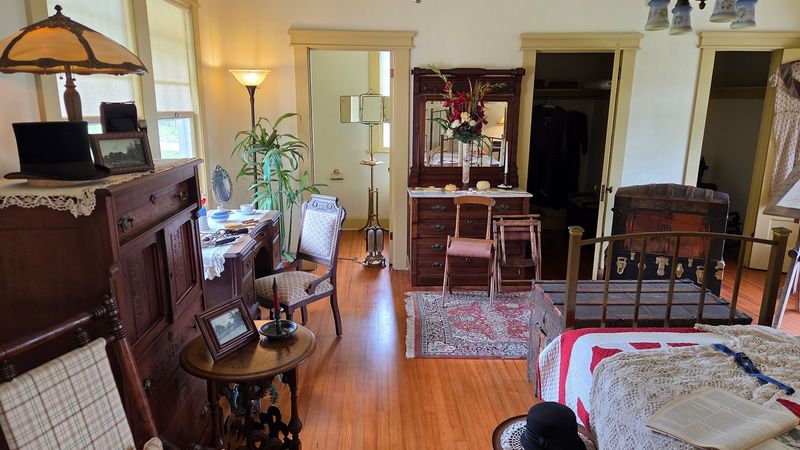
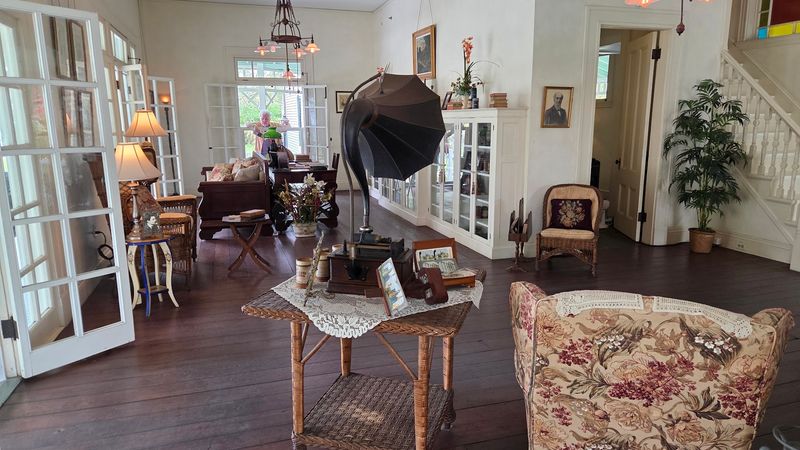
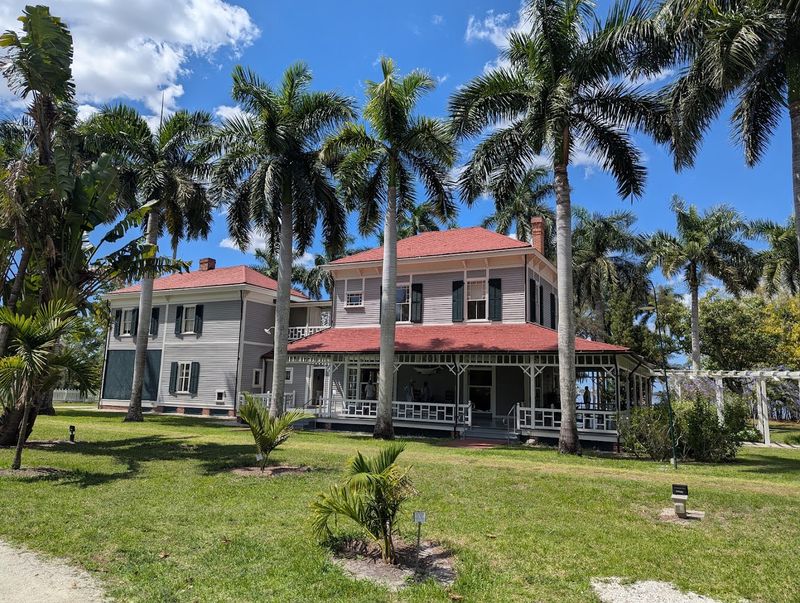
Thomas Edison’s winter home is a charming, modest structure that surprises most visitors with its understated simplicity. These are not lavish mansions dripping with gold fixtures; they are comfortable, livable homes that reflect how a brilliant man actually relaxed and recharged during the Florida winters.
The furnishings inside are beautifully preserved, and while you view the interiors through open windows and doorways rather than walking directly through the rooms, the glimpses you get are remarkably detailed and evocative. Original furniture, personal objects, and period-appropriate decor fill each room with quiet authenticity.
The home was built in the 1880s, making it one of the oldest surviving structures in the Fort Myers area. Standing outside and peering through those open windows, you get a strong sense of Edison the man rather than Edison the legend, and that shift in perspective is genuinely refreshing.
Henry Ford’s Mangoes Cottage Next Door
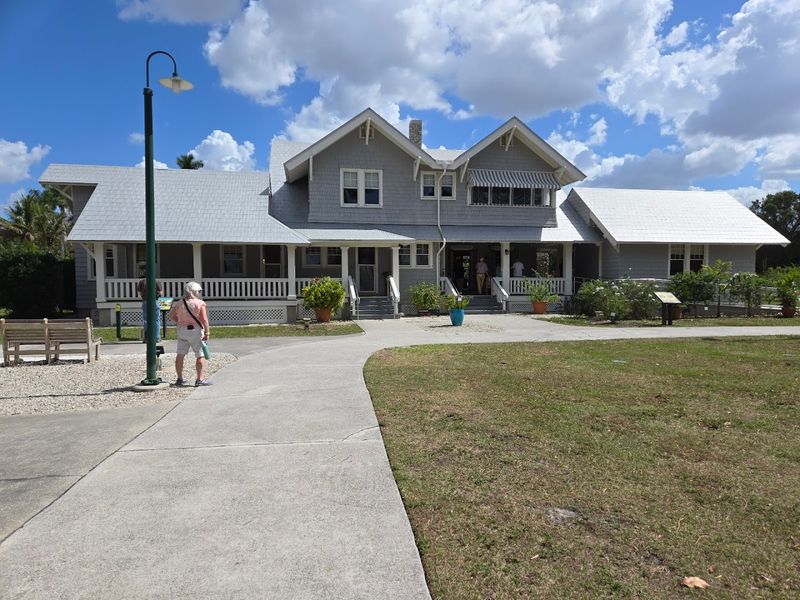
Henry Ford’s winter residence, known as The Mangoes, sits right next door to Edison’s home, and the proximity of the two properties makes their friendship feel wonderfully tangible. Ford purchased the estate specifically to be near his admired friend, and that detail alone adds a layer of warmth to the whole visit.
The cottage reflects Ford’s personality in its own way, practical and grounded rather than showy, with a comfortable layout suited to a man who valued function above all else. Ford and his wife Clara typically visited in February, which means the house carries a slightly different seasonal energy than Edison’s home just a few steps away.
The grounds between the two properties flow seamlessly into each other, creating a unified sense of place that makes it easy to wander back and forth and absorb the full story of both families and their shared winters on the river.
The Research Laboratory That Still Sparks Curiosity
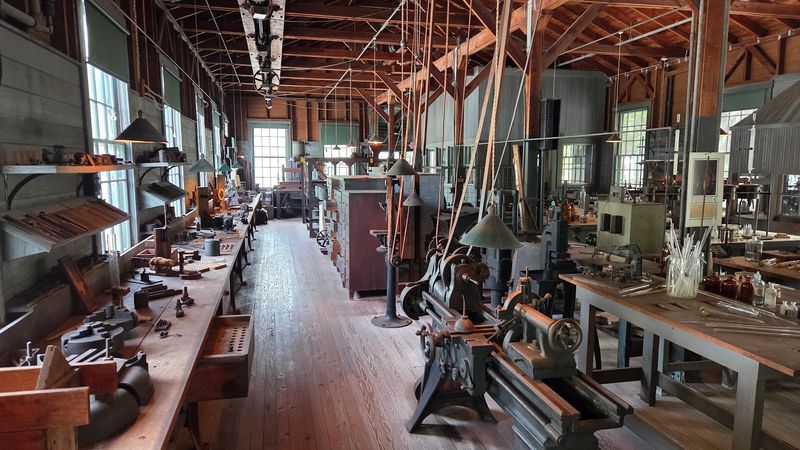
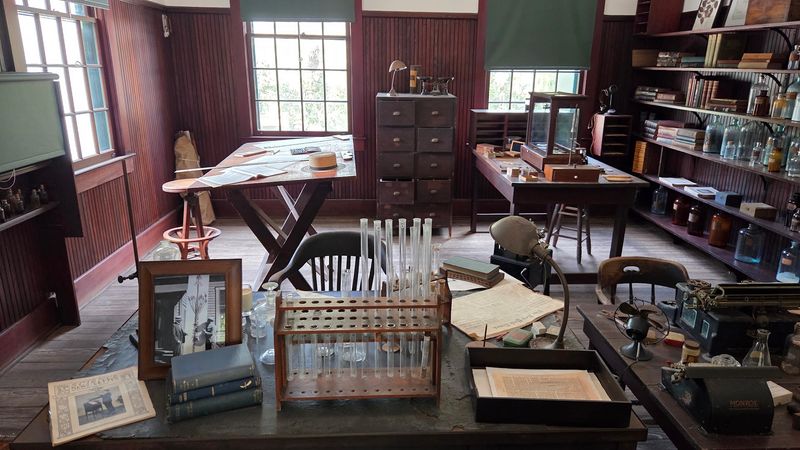
If there is one single space on the entire property that commands the most awe, it is Edison’s research laboratory. The building has been preserved with extraordinary care, and every workstation inside still carries the quiet energy of a place where real discoveries happened.
Each workbench is equipped with an adjustable electric light, a detail that feels both practical and poetic given that Edison’s work with electricity literally changed how the world functioned after dark. The lab feels less like a museum display and more like a workspace that someone simply stepped away from a century ago.
Visitors who have a background in science or engineering tend to linger here the longest, and it is easy to understand why. The combination of original equipment, informative signage, and the sheer history embedded in those wooden floors and glass bottles creates an atmosphere that no replica exhibit could ever fully replicate.
The Museum and Its Remarkable Invention Exhibits
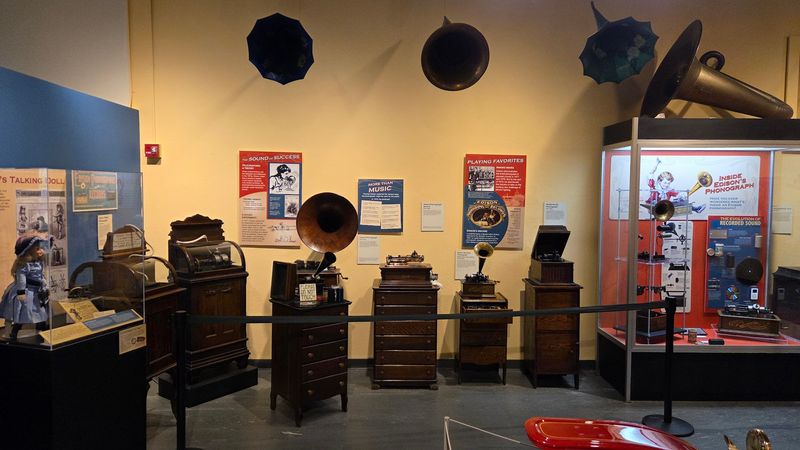
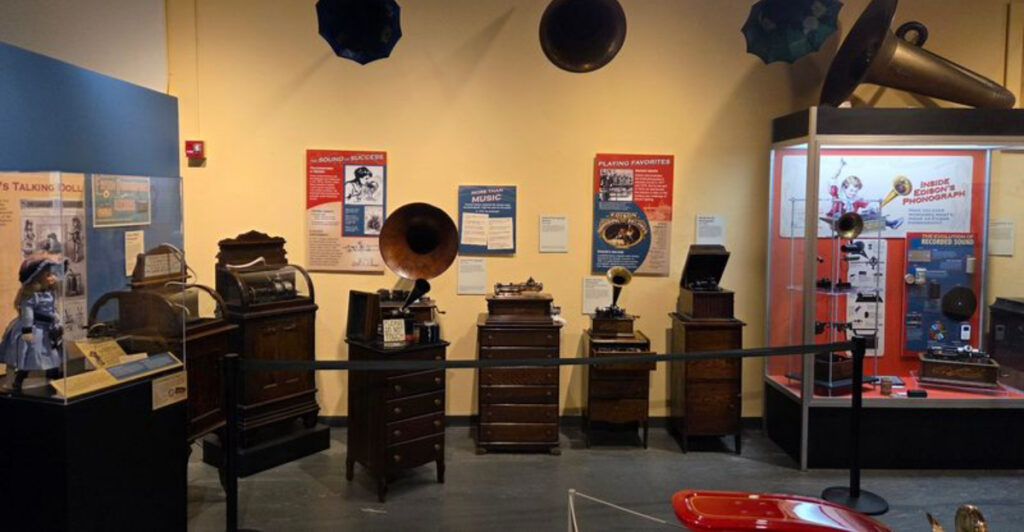
The on-site museum is where the broader story of Edison and Ford’s combined legacy gets told with real depth and context. Organized and clearly laid out, the exhibits cover everything from early electrical systems and the phonograph to Ford’s early automobiles and the industrial revolution they helped spark.
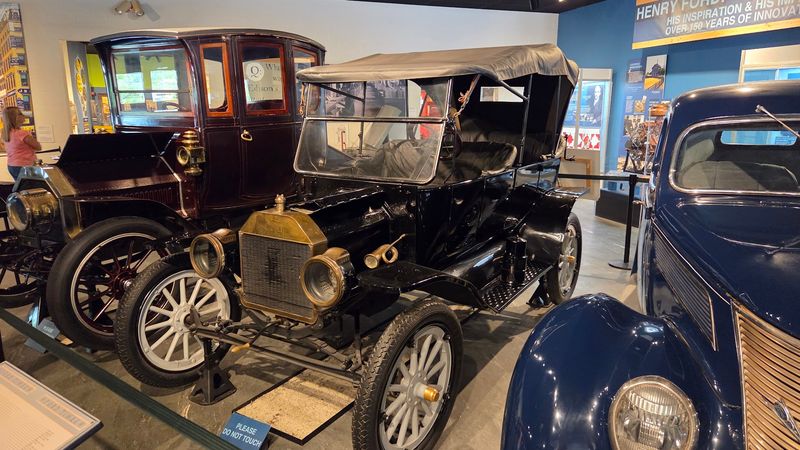
A working car from 1907 sits among the displays, and it is the kind of object that stops you in your tracks. The sheer mechanical elegance of early automotive design, combined with the knowledge that these machines genuinely changed human mobility, gives the exhibit a weight that goes beyond simple nostalgia.
The museum also features a detailed miniature model of the laboratory, which pairs beautifully with a visit to the actual lab building outside. Together, they give you a complete picture of how Edison approached his research process, from concept to experiment to finished invention.
The Botanical Gardens and Their Tropical Splendor
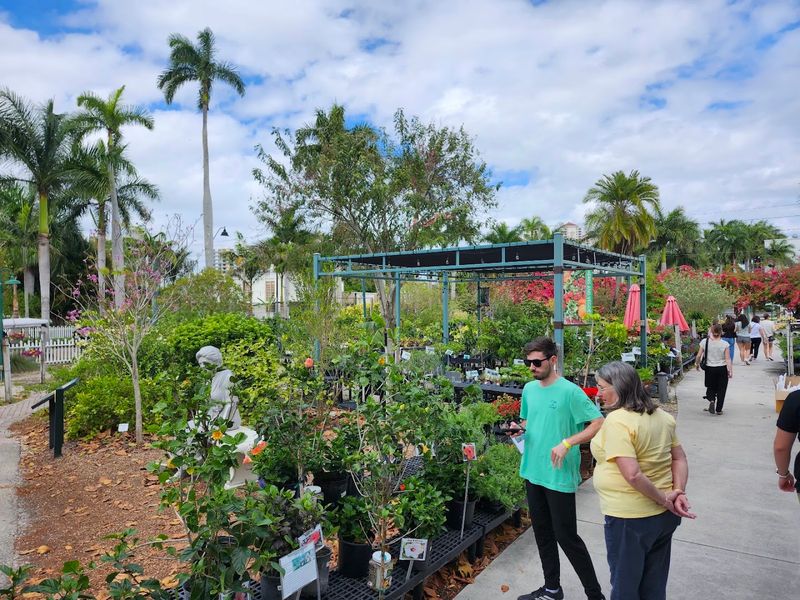
Edison was not just an inventor; he was a dedicated plant enthusiast whose interest in botany drove him to collect and cultivate hundreds of tropical species on these very grounds. The botanical gardens that exist today are a direct result of that passion, and they are genuinely breathtaking in their variety and scale.
Edison’s original motivation for many of the plantings was scientific rather than purely decorative. He was researching goldenrod and other plants as potential domestic sources of rubber, hoping to reduce American dependence on imported materials.
That context transforms a simple garden walk into something far more intellectually engaging.
The grounds are meticulously maintained, and the riverfront backdrop adds a peaceful, unhurried quality to the experience. Spring visits are especially rewarding, when tropical arrangements burst into color and the air carries the kind of lush fragrance that makes you briefly consider relocating to Southwest Florida permanently.
The Legendary Banyan Tree
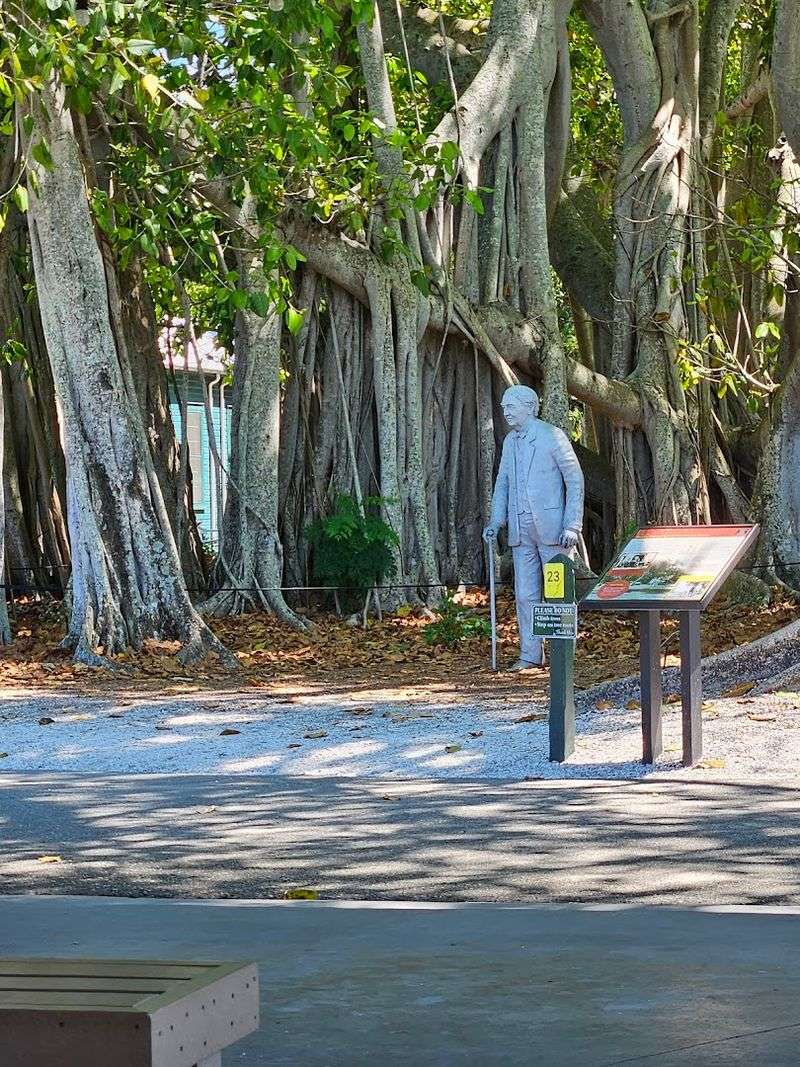
Few natural features on the property generate as much genuine astonishment as the enormous banyan tree that spreads across a significant portion of the estate grounds. This tree has become one of the most photographed landmarks in all of Fort Myers, and once you see it in person, the reason is immediately obvious.
Banyan trees grow by sending aerial roots down from their branches, which then thicken into additional trunks, creating a single tree that can span a remarkable horizontal distance. The one at the estate is one of the largest in the continental United States, and its sheer scale gives it an almost cathedral-like presence.
Edison reportedly received the banyan as a small gift plant, and watching it grow into this extraordinary organism over the decades became one of the estate’s most quietly remarkable stories. Standing beneath its canopy is one of those experiences that genuinely earns the word unforgettable.
The Self-Guided Tour Experience
The self-guided tour option is one of the smartest ways to experience the estate, especially if you prefer setting your own pace rather than keeping up with a group. The estate provides a companion app that delivers narrated audio content at each stop, turning every location into its own mini history lesson.
The app works well and allows you to pause, rewind, and linger as long as you like at each point of interest. Some areas deserve far more time than a guided group tour would naturally allow, particularly the lab and the museum, so the freedom to stay put is genuinely valuable.
For those who prefer a more social experience, guided tours are also available for an additional fee, and the guides bring real enthusiasm and knowledge to the material. Either way, plan to spend at least two to two and a half hours to feel like you have done the estate proper justice.
The Riverfront Setting Along the Caloosahatchee

The Caloosahatchee River runs along the southern edge of the estate, and its presence gives the entire property a calm, unhurried quality that most indoor museums simply cannot replicate. The riverfront adds a natural beauty to the visit that complements the historical content in a deeply satisfying way.
Sitting near the water and looking out across the river, it becomes easy to understand why Edison chose this specific location for his winter retreat. The combination of warm weather, tropical scenery, and the gentle rhythm of river life clearly provided the mental reset he needed between bursts of intense creative work.
The grounds are designed so that the river is visible from several points along your walk, giving you repeated moments of quiet appreciation between the more information-heavy parts of the tour. It is the kind of setting that makes even a brief rest on a bench feel like a genuine pleasure.
Seasonal Events and Holiday Decorations
The estate takes seasonal celebrations seriously, and the results are visually impressive in a way that catches many first-time visitors off guard. During the winter holiday season, Christmas trees and decorations appear throughout the grounds and interiors, creating a festive atmosphere that layers on top of the already rich historical experience.
The holiday lighting events in particular draw large crowds, and the combination of Edison’s legacy with an estate full of glowing lights carries a certain poetic irony that is hard to miss. Outdoor movie screenings after 6 PM are also offered during certain seasons, adding a relaxed, community-oriented dimension to the estate’s programming.
Spring events bring their own rewards, with tropical flower arrangements and plant sales near the entrance that appeal to garden lovers. The estate clearly invests in keeping the calendar varied and engaging, which gives repeat visitors a genuine reason to come back and discover something new each time.
The Gift Shop and Plant Nursery
A visit to the estate wraps up naturally with a stop at the gift shop, which carries a solid selection of Edison and Ford themed souvenirs, books, and memorabilia that go well beyond the typical tourist trinket. The quality of the items feels thoughtfully curated rather than mass-produced, which makes browsing genuinely enjoyable.
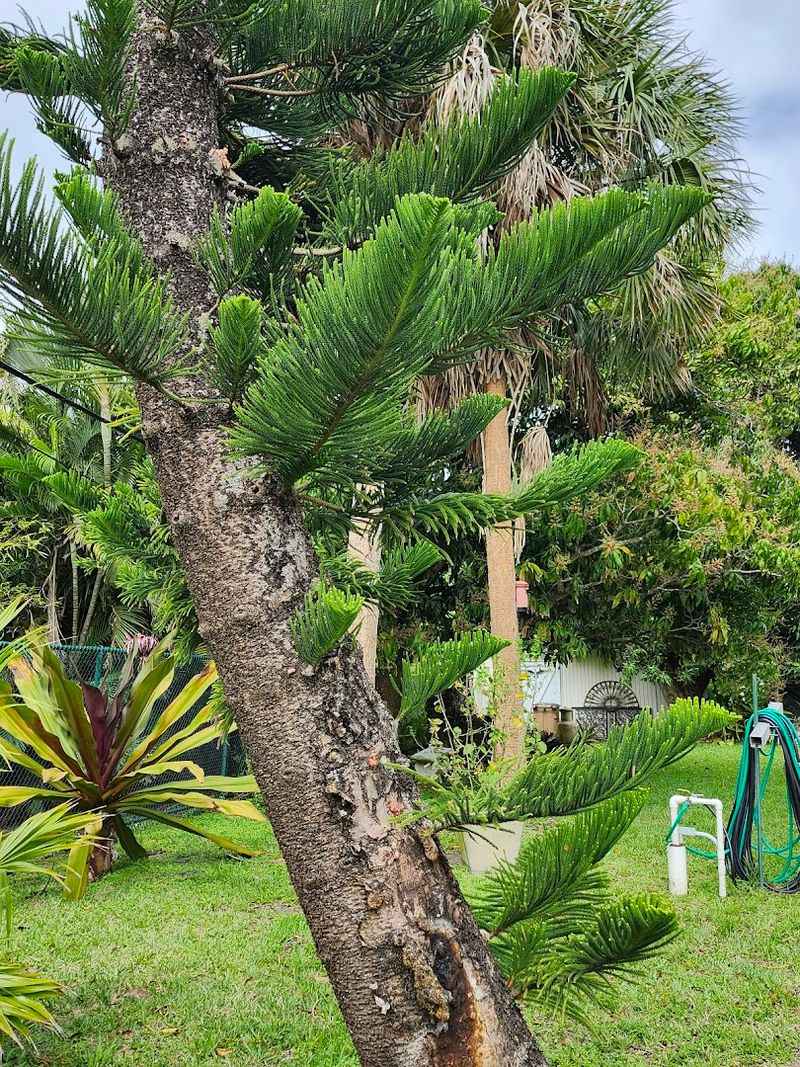
Near the entrance, a plant nursery sells specimens grown directly from the estate’s botanical collection, including some of the unusual tropical varieties that Edison himself introduced to the property. Taking home a plant with that kind of provenance is a souvenir that no gift shop shelf item can quite match.
The staff throughout the estate, including at the ticketing desk and in the shops, consistently earn praise for their friendliness and helpfulness. That kind of warm, professional service makes a real difference in how a visit feels from start to finish, especially for first-time guests navigating a large property.
Practical Tips for Planning Your Visit
A few practical details can make the difference between a smooth visit and a frustrating one. Admission is currently priced at around $28 per person, and the estate does not offer senior discounts, so factor that into your budget before you go.
The value for what you receive is strong, but it helps to know the cost in advance.
Arriving right at the 9 AM opening is consistently recommended by experienced visitors, both to avoid crowds and to secure parking before the lot fills up. Weekday mornings tend to be quieter than weekends, which allows for a more reflective and unhurried experience throughout the grounds.
Comfortable walking shoes are a must, since the 21-acre property involves a fair amount of ground to cover, especially if you explore the full botanical gardens and both home properties. Bringing water and sun protection is equally smart, given Fort Myers’s reliably warm and sunny climate year-round.
Share this story