There is a small town in central Florida where time seems to have slowed down on purpose, and the park at its heart holds onto stories most people never get to hear. Old wooden buildings stand side by side on a shaded lawn, each one hauled from a different corner of Polk County to be saved from disappearing forever.
The park is free, unhurried, and genuinely surprising in the best way. I visited on a quiet Tuesday morning, and by the time I left, I had walked through a one-room schoolhouse, peeked inside a hand-built log cabin from the 1800s, and stood in a church so peaceful it made the rest of the world feel very far away.
If you are curious about what Florida looked like before the theme parks and toll roads, this place has answers worth finding.
Where the Park Calls Home
Tucked along a quiet stretch of Church Avenue in Homeland, Florida, Homeland Heritage Park sits at 249 Church Ave, Homeland, right in the heart of a small town that most people drive through without stopping.
Homeland itself is a tiny community in Polk County, about halfway between Tampa and Orlando, where the pace of life still feels refreshingly slow.
The park is managed by Polk County Parks and Recreation, and it opens Monday through Friday from 8 AM to 5 PM. It is closed on weekends, so planning your visit on a weekday is essential.
The grounds are well-kept and easy to navigate, with clear pathways connecting each historic structure. First-time visitors often expect something small and forgettable, but the collection of preserved buildings and the calm atmosphere make it far more memorable than its modest size suggests.
A Living Museum Without the Ticket Price
One of the best things about this park is that it costs absolutely nothing to visit, which makes it one of Polk County’s most underrated cultural offerings.
The layout is designed for self-guided exploration, so you can move at your own pace, stop as long as you like in front of each building, and read the informational signs posted throughout the grounds.
That option adds a whole new layer of context to what you are seeing.
Walking the grounds solo still feels rewarding, though, because the signs are detailed enough to paint a clear picture of each structure’s origin. The park manages to teach Florida history without feeling like a classroom, and that balance is honestly harder to pull off than it looks.
The Log Cabin That Started It All
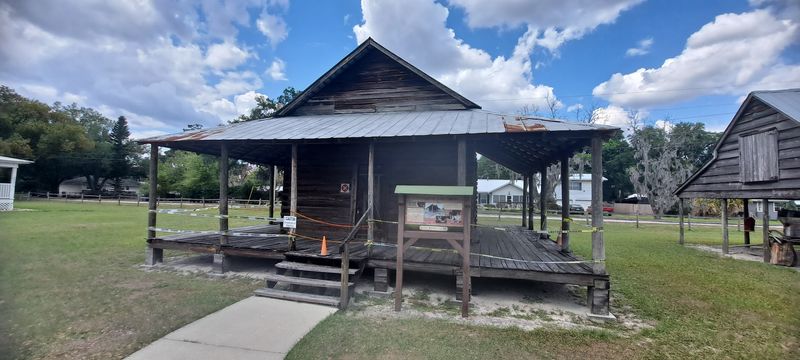
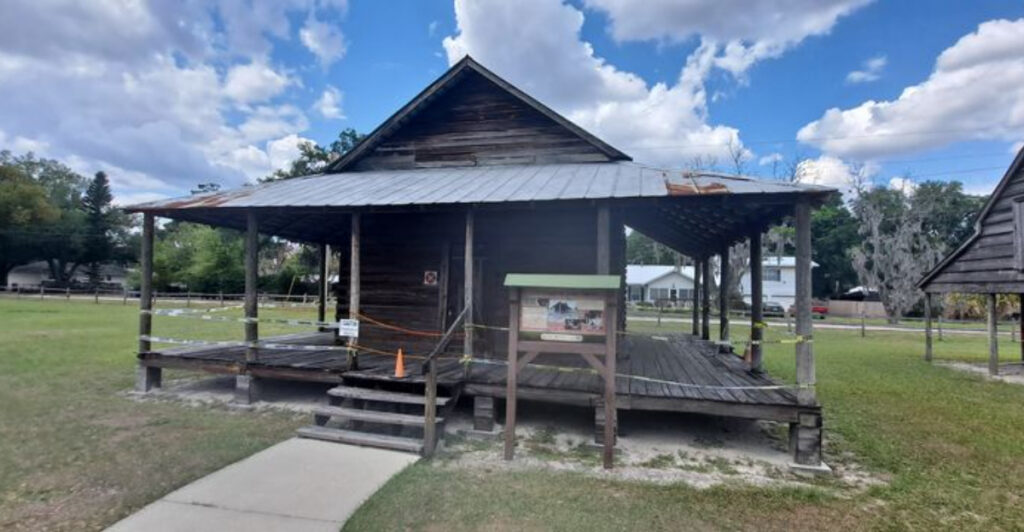
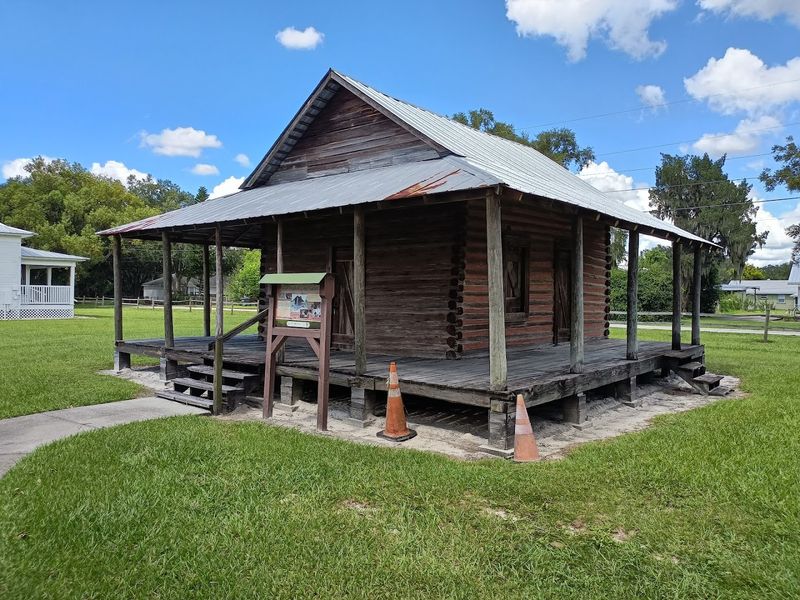
The log cabin on the property is the kind of structure that stops you mid-step the moment you spot it. Built by a man named Mr. English back in the 1800s in Winston, Florida, it was carefully relocated to the heritage park so future generations could see what early settler life actually looked like.
The logs are rough and uneven, fitted together without the benefit of modern tools, and the whole thing leans just slightly in the way that very old buildings do when they have been standing through decades of Florida heat and humidity.
Standing next to it, you start doing the math in your head and realizing that this structure is older than most American institutions you can name. It is not polished or perfectly restored, and that rawness is exactly what makes it feel so real and worth the trip.
The Schoolhouse Frozen in Time
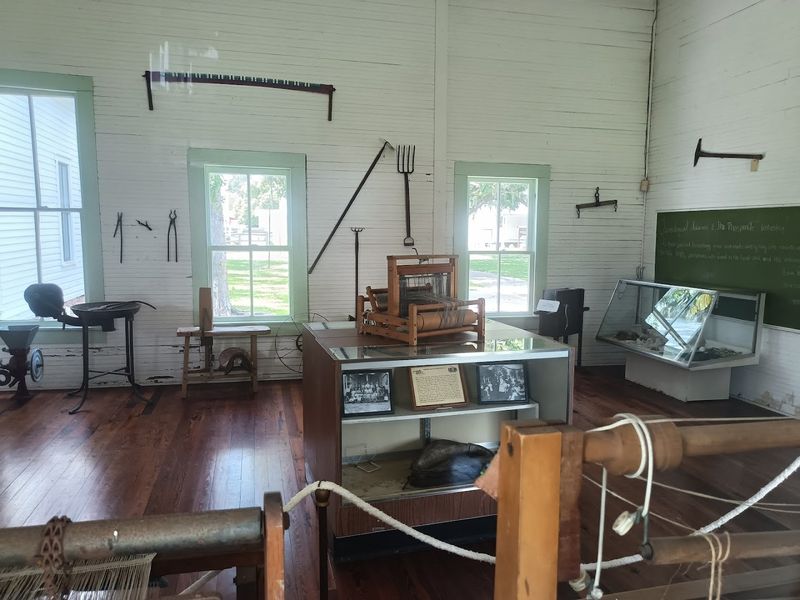
The one-room schoolhouse on the property is a genuine showstopper for anyone who has ever tried to imagine what education looked like in rural Florida more than a century ago.
Inside, old desks are arranged just as they would have been, and various items from the era are displayed in ways that make the space feel occupied rather than abandoned. The details are specific enough that you can almost hear chalk scratching across a board.
Children who visit tend to get very quiet inside this building, which is either a sign of deep reflection or pure confusion about how anyone survived without air conditioning. Probably both.
The schoolhouse gives a concrete sense of how small and tight-knit the early Homeland community was, where one teacher handled every grade level under a single roof and every student likely knew every other student by first name.
The Church That Has Seen It All
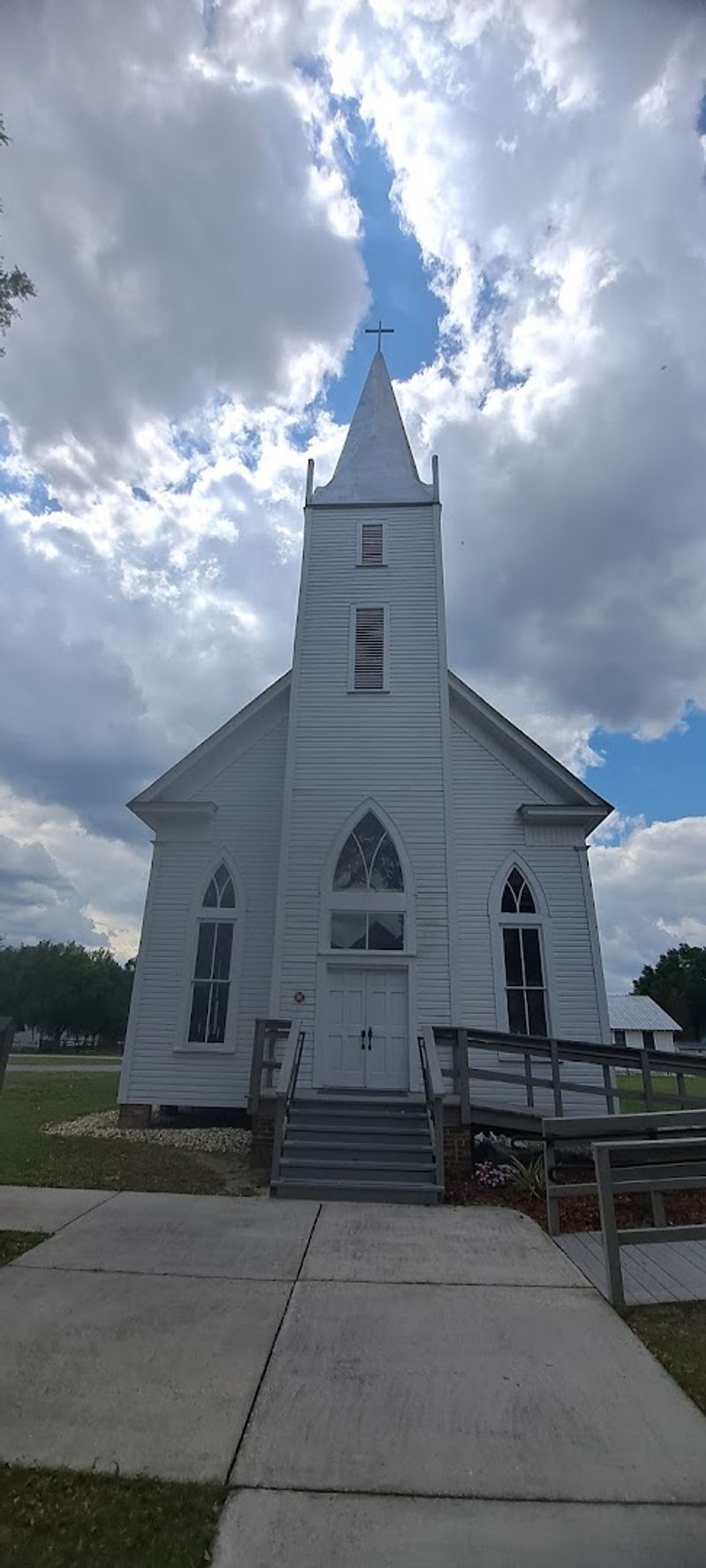
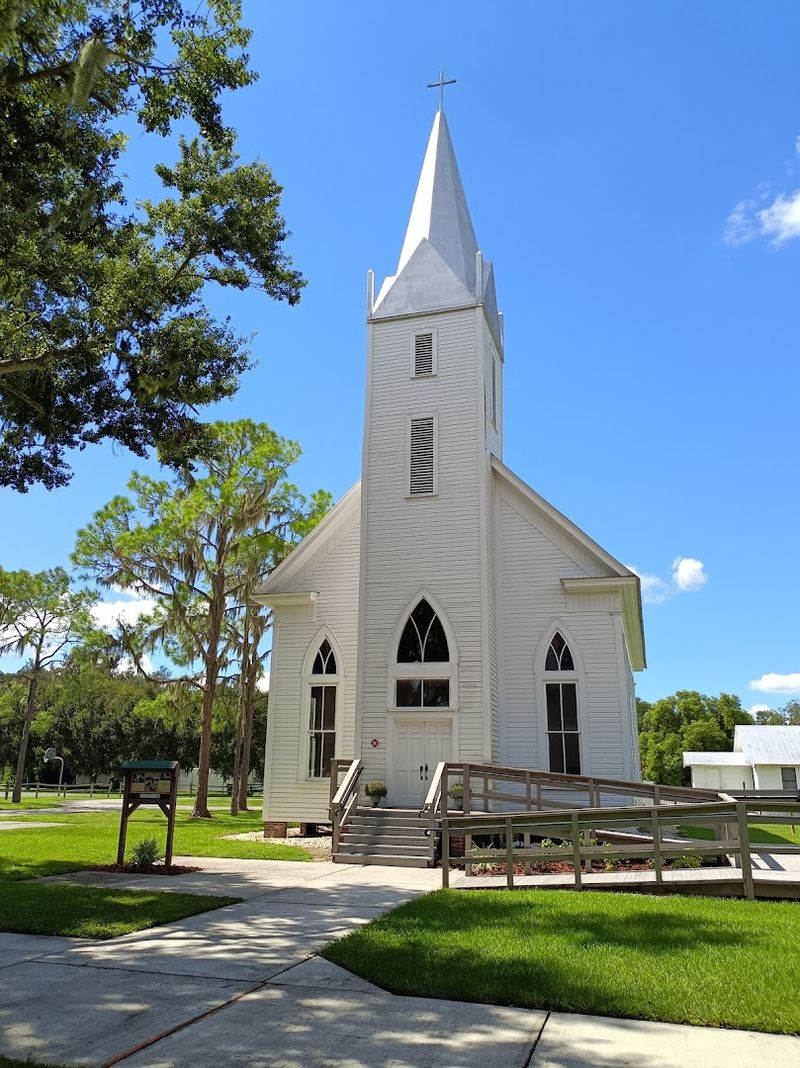
The historic church at Homeland Heritage Park is the kind of building that earns its reputation through atmosphere alone. The moment you step inside, the air feels different, quieter and more settled, as if the walls have absorbed a hundred years of Sunday mornings.
The church has no microphone setup or sound system, and services held there rely entirely on the natural acoustics of the room. One visitor who attended a ceremony inside noted that the preacher’s voice carried clearly without any amplification, which says something about how thoughtfully the building was constructed.
The church is also available for wedding rentals, and couples who have exchanged vows there describe the experience as genuinely moving. The simple wooden pews and tall windows let in just enough light to make every moment feel considered.
For photographers, the church exterior is one of the most photogenic spots on the entire property, especially in the early morning hours.
The Cracker Storytelling Festival Connection
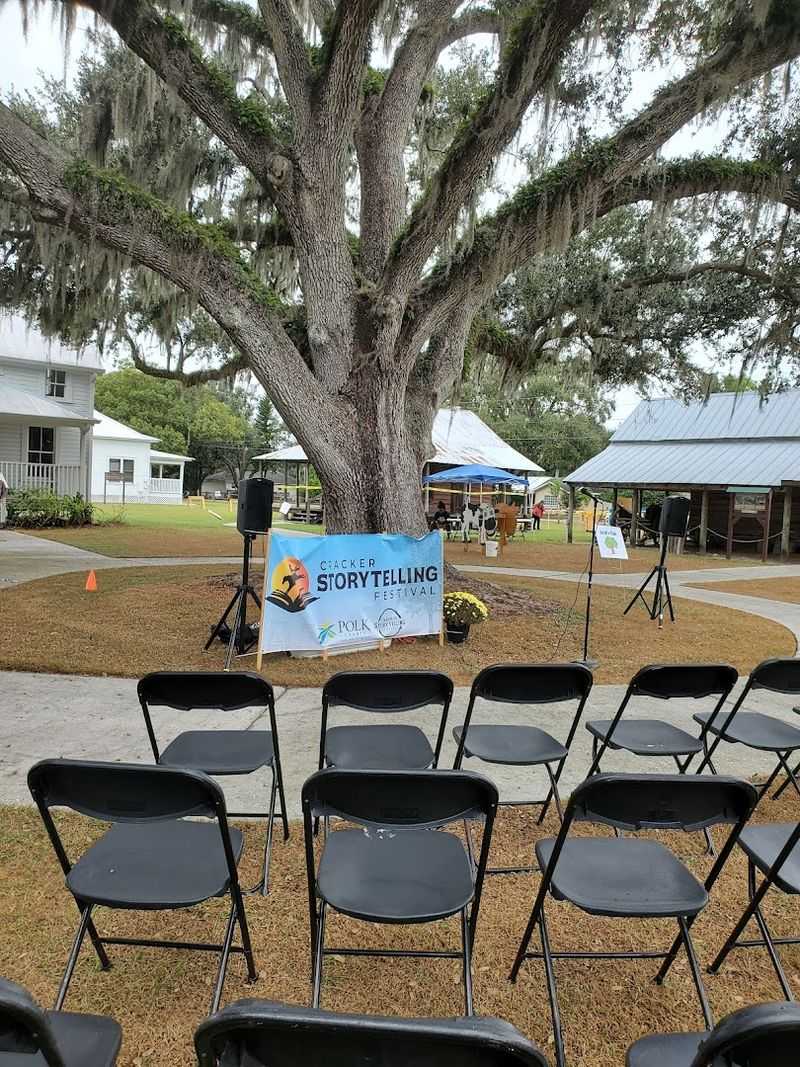
Every year, Homeland Heritage Park serves as the host site for the Cracker Storytelling Festival, an event that draws students, families, and folklore enthusiasts from across the region.
The festival uses the park’s layout in a clever way, separating participants into smaller groups that rotate between different storytellers, each sharing tales connected to Florida’s development and early settler culture.
The term “Florida Cracker” refers to the early pioneers and cattle ranchers who shaped the state’s rural identity long before it became a tourist destination, and the festival keeps that tradition alive in a format that feels engaging rather than stuffy.
The park’s collection of historic buildings provides a perfect backdrop for these stories, turning the whole experience into something more immersive than a typical classroom lesson. If the festival lines up with your schedule, it is absolutely worth building a trip around it.
Holiday Events That Bring the Community Together
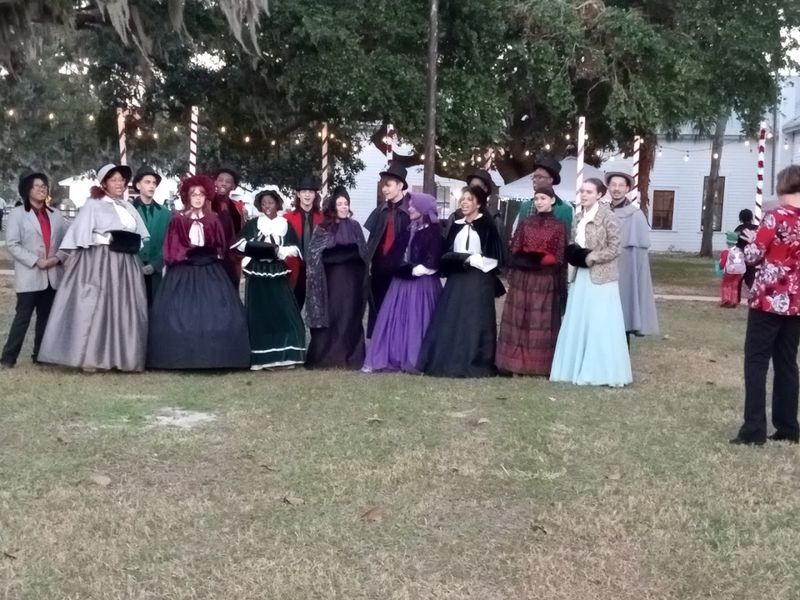
The park comes alive in a completely different way during its seasonal events, and the Christmas celebration is one of the most warmly received.
During the holiday event, the grounds are transformed with a gingerbread village candy walkway, craft stations, and games for kids. A Victorian Christmas caroling choir from Lakeland Senior High School has performed at the event, filling the outdoor space with traditional holiday music that pairs surprisingly well with the historic setting.
The crafts offered during the Christmas event have included a cowboy snowman, Santa figures, and gingerbread men, along with a do-it-yourself reindeer food station made from oatmeal and glitter. There is also a meet-and-greet with Santa Claus, which younger visitors tend to find very exciting.
Vendors and food trucks round out the experience, making it feel like a proper small-town celebration rather than a corporate holiday production.
Photography Opportunities Around Every Corner
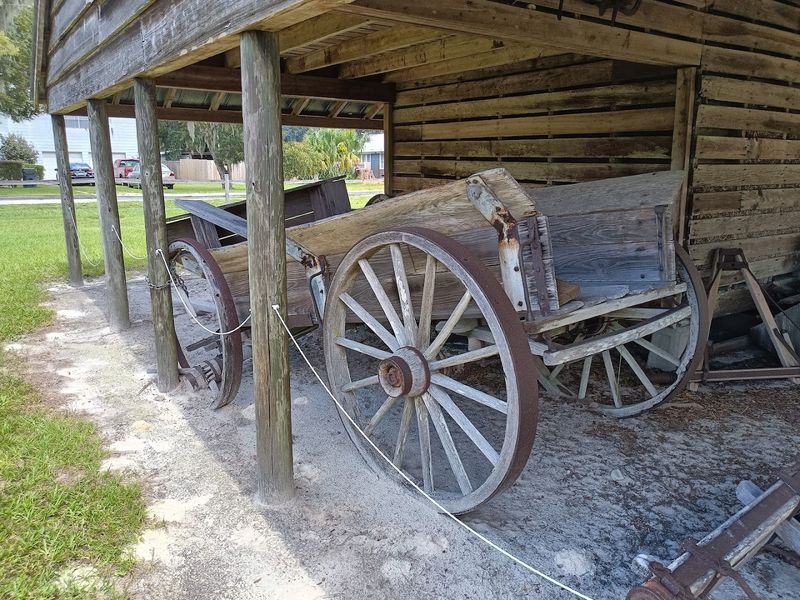
Photographers of every skill level tend to leave Homeland Heritage Park very happy with their memory cards.
The combination of aged wood, natural light filtering through old window frames, and manicured green lawns creates a setting that is genuinely difficult to replicate anywhere else in Polk County. The textures alone, weathered planks, hand-cut logs, and peeling paint on window sills, give photos a character that no filter can fully fake.
Families regularly use the park as a backdrop for portraits, and the variety of structures means you can get completely different looks within a short walk of each other. The church exterior, the log cabin, and the open lawn all offer distinct visual settings.
Early morning visits tend to produce the best light, and since the park opens at 8 AM on weekdays, arriving right at opening gives you the grounds almost entirely to yourself, which is a rare luxury at any Florida attraction.
The Geocaching Adventure Hiding in Plain Sight
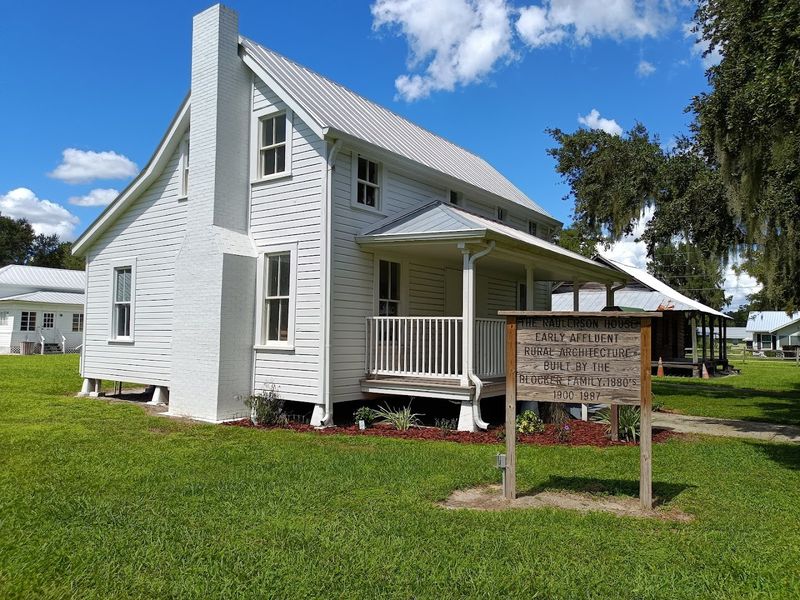
Here is something that most casual visitors do not know: Homeland Heritage Park is part of an Adventure Lab geocaching experience, which adds a whole extra layer of fun for anyone familiar with the hobby.
Geocaching is essentially a real-world treasure hunt where participants use GPS coordinates to find hidden items or complete location-based challenges. The Adventure Lab format takes that concept and ties it to specific points of interest, making the park’s historic structures part of an interactive exploration game.
For families with older kids or teenagers who might otherwise find a history park a bit slow, the geocaching angle changes everything. Suddenly, every building becomes a clue, and the informational signs take on new importance.
The park’s compact layout works perfectly for this format, since all the stops are within easy walking distance of each other. Download the Adventure Lab app before you arrive and come ready to explore with fresh eyes.
The Atmosphere That Slows You Down
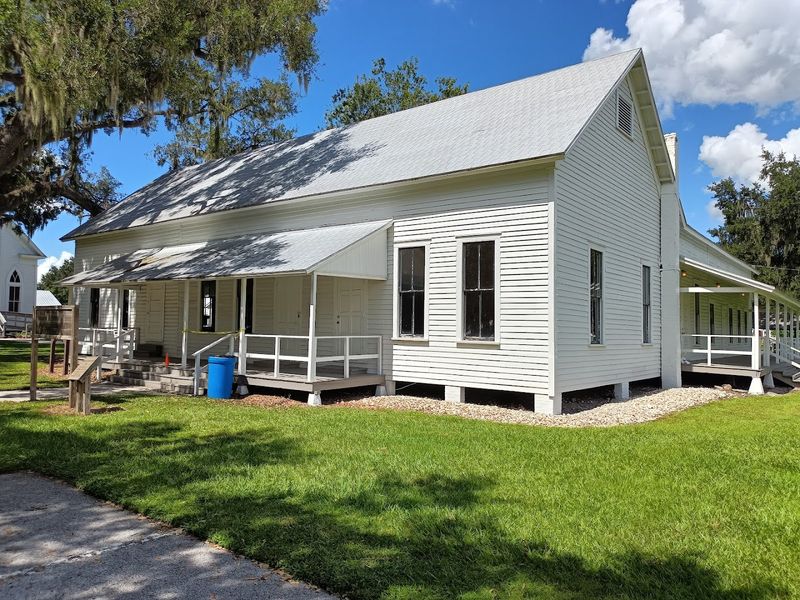
There is something specific about the pace of Homeland Heritage Park that is hard to describe without sounding like you are overselling it, but the quietness here is genuinely restorative.
No loud crowds, no ticket lines, no gift shop pushing you toward the exit. Just shaded pathways, old buildings, and the occasional sound of wind moving through the oak trees that frame the property.
On the morning I visited, I had the entire grounds to myself for the first half hour, and I spent most of that time just standing in different spots, looking at the structures from different angles and trying to wrap my head around how much Florida has changed since these buildings were first constructed.
That kind of unhurried reflection is increasingly rare in a state that tends to move at full speed, and finding it in a small Polk County town feels like a genuinely worthwhile discovery.
Sports Fields and Open Space Next Door
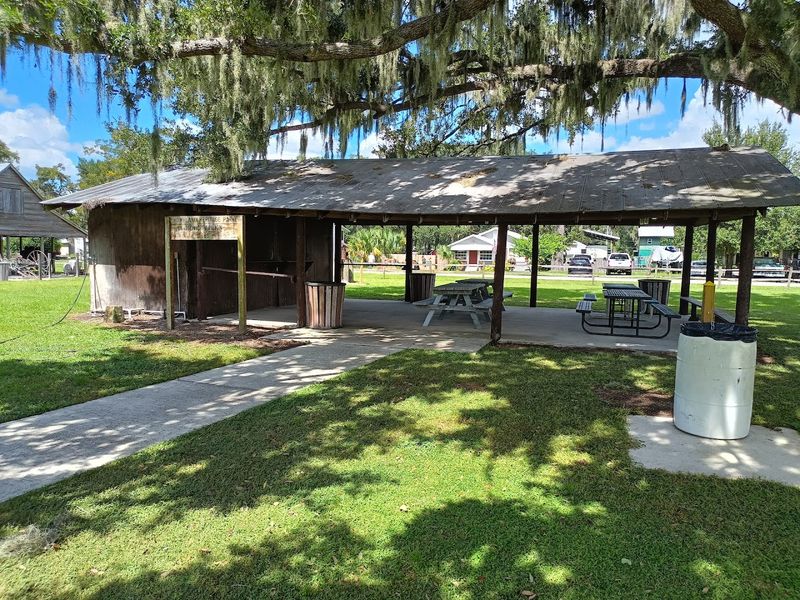
Not every visitor comes to Homeland Heritage Park purely for the history lesson, and the park has thought about that.
Adjacent to the historic district, there are baseball fields, a basketball court, and a football field, giving families a practical reason to extend their visit well beyond the self-guided tour. Kids who have reached their limit of old buildings can burn off energy while parents take a few more minutes to wander the grounds.
Across Highway 60, there is also a nature walk that adds an outdoor element to the day for those who want to stretch their legs in a different direction.
The combination of history and recreational space makes the park work for a wider range of visitors than a purely museum-style attraction would. A family with very different interests can still find common ground here, which is a practical kind of magic that not many parks manage to pull off.
A Spot With Genuine Wedding History
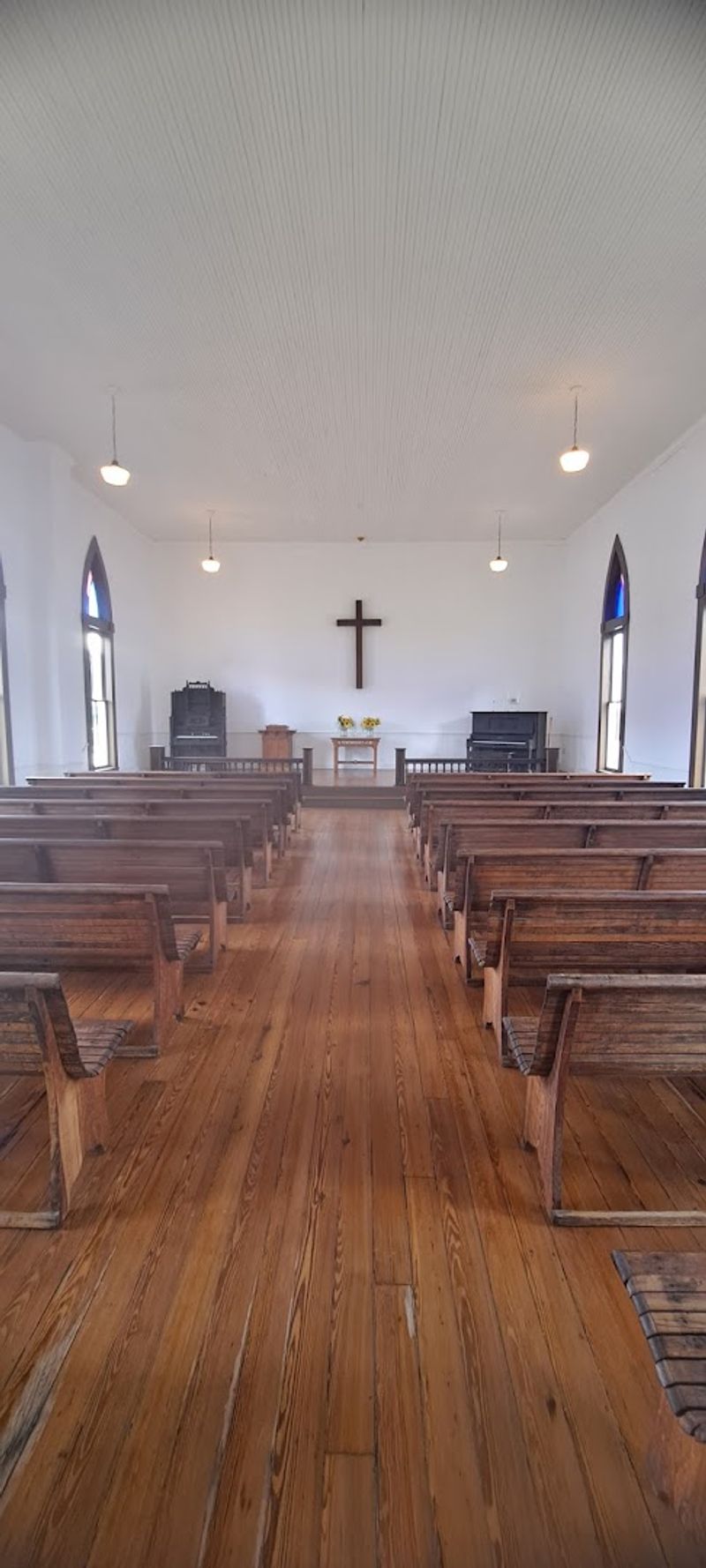
The church at Homeland Heritage Park has hosted real weddings, and the stories that come out of those ceremonies are the kind that stick with you.
Couples who have chosen this venue describe the experience as deeply personal and unlike anything a conventional event space could offer. The building’s age and character give even the simplest ceremony a sense of weight and meaning that newer venues simply cannot manufacture.
One account from a family who celebrated a wedding here described arriving just after a rain shower, with the grounds still glistening and the air smelling clean and green. The ceremony inside the church felt warm and intimate, the kind of moment that photographs beautifully and lives long in memory.
For anyone considering an unconventional wedding venue in central Florida, this church is worth a serious look. Contact the park at 863-534-3766 to ask about availability and rental arrangements before making any plans.
The Buildings Rescued From Disappearing
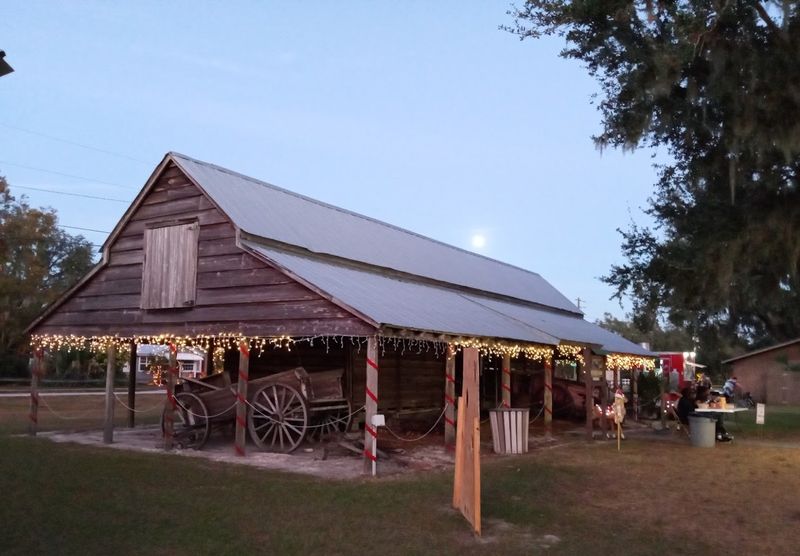
What makes Homeland Heritage Park genuinely different from a typical history exhibit is the fact that these buildings were not built here originally. They were rescued.
Polk County made a deliberate effort to identify historic structures across the region that were at risk of being torn down and relocated them to this central site where they could be preserved and interpreted together. That kind of institutional commitment to local history is not as common as it should be.
The result is a collection that feels curated rather than random, with each building representing a different thread of the same regional story. A log cabin, a schoolhouse, a church, and other structures all share the same lawn, which creates an almost surreal sense of compressed history.
Counties that let these buildings disappear lose something that cannot be rebuilt later, and Homeland Heritage Park stands as proof that the effort to save them is absolutely worth making.
Practical Tips Before You Go
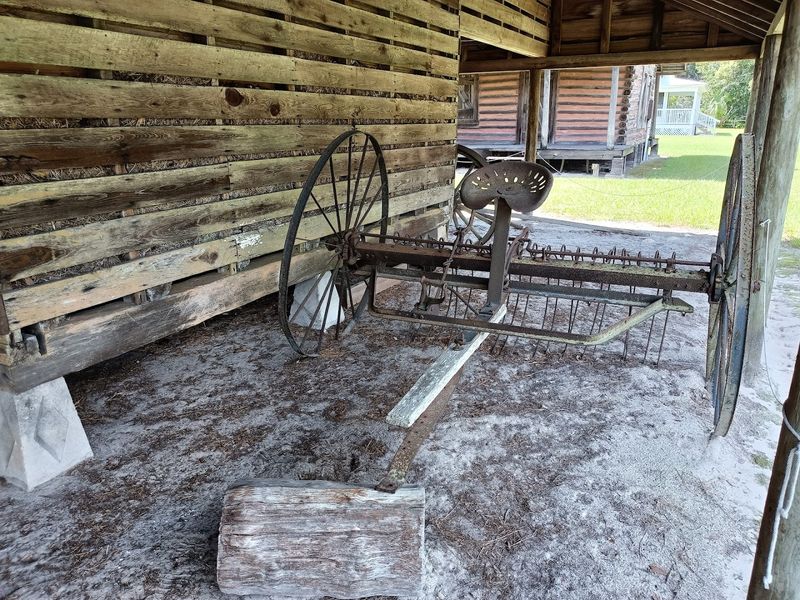
A few details can make the difference between a great visit and a frustrating one, so here is what you actually need to know before heading out.
The park is open Monday through Friday from 8 AM to 5 PM and is closed on Saturdays and Sundays, which surprises a lot of people who assume parks are weekend destinations. Plan accordingly and aim for a weekday morning if your schedule allows.
Wear comfortable shoes, because the grounds involve a fair amount of walking on uneven terrain. Bringing water is also a smart move, since some of the buildings are not air-conditioned and Florida heat is no joke even on mild days.
The park’s Facebook page at facebook.com/HomelandHeritagePark is the best place to check for upcoming events, closures, or special programming before your visit. Guided tours require advance scheduling, so call ahead if that is part of your plan.
Share this story