Most aquariums give you fish tanks and gift shops. This one gives you something far more personal: a working marine hospital where injured dolphins, sea turtles, and otters receive real medical care, and you get to watch it happen.
Every animal here arrived with a story, a setback, and a second chance. I visited Clearwater Marine Aquarium on a warm Florida morning, and by the time I left, I had learned more about marine rescue work than I ever expected.
The place pulls you in with its mission first and its spectacle second, which honestly makes it more memorable than any flashy display ever could. If you have ever wanted to feel like you are actually doing something good just by showing up somewhere, keep reading, because this aquarium makes that feeling very real.
Where the Aquarium Calls Home
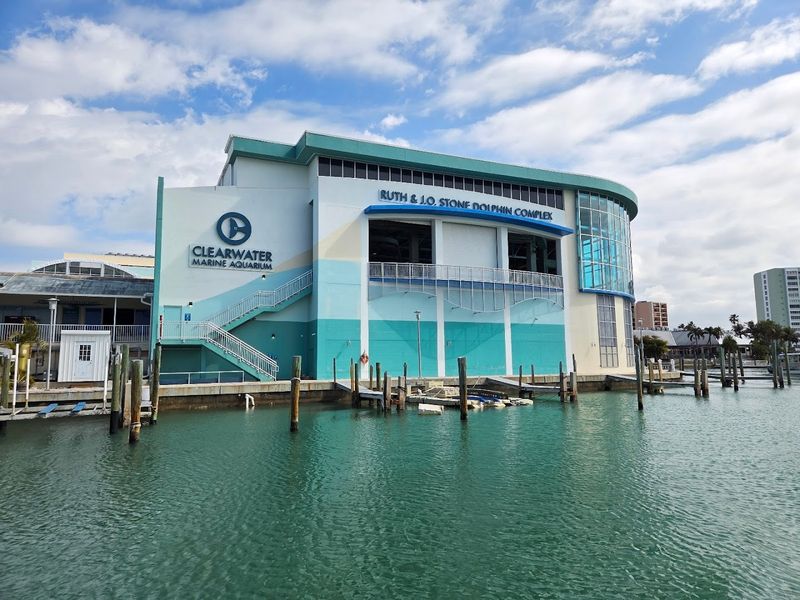
Right on the water at 249 Windward Passage, Clearwater, this aquarium sits along the Intracoastal Waterway with views that make the whole visit feel even more connected to the ocean environment it works so hard to protect.
The location is not accidental. Being so close to open water allows the team to respond quickly to marine rescues along the Gulf Coast.
The building itself has grown considerably over the years, expanding from a modest wildlife rescue center into a multi-level facility with dedicated hospital areas, exhibit spaces, and an on-site parking garage.
A fourth-floor balcony offers sweeping views of the waterway that are genuinely worth pausing for.
The Mission That Sets This Place Apart
Most aquariums are built around entertainment. This one was built around a purpose, and you feel that difference the moment you walk through the door.
Clearwater Marine Aquarium operates first and foremost as a rescue and rehabilitation center, not a traditional display facility.
Animals arrive here because they need help. Some have been struck by boats, some have been tangled in fishing gear, and others have washed ashore too weak to survive on their own.
The staff assesses each one, provides treatment, and works toward releasing them back into the wild whenever possible.
That mission shapes everything about the visit. The tanks are functional, not decorative.
The staff talk about the animals like colleagues, not performers. When you realize that your admission fee directly supports this work, the whole experience shifts from sightseeing into something that actually feels meaningful.
Winter the Dolphin and Her Lasting Legacy
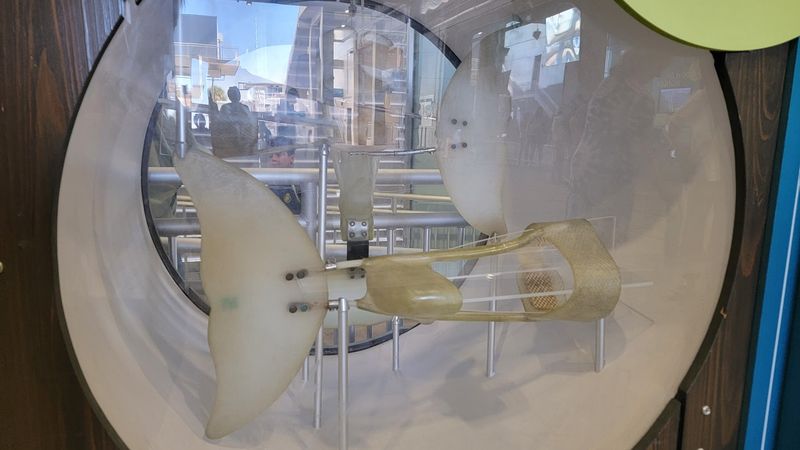
The name Winter carries enormous weight inside these walls. The bottlenose dolphin who inspired the film Dolphin Tale arrived at the aquarium in 2005 after losing her tail fluke in a crab trap line.
What happened next became one of the most well-known marine rescue stories in the world.
A custom prosthetic tail was developed for her, a breakthrough that also helped advance prosthetic technology for human patients. Winter passed away in 2021, but her presence is still felt throughout the building through a beautiful honor walk, her original prosthetic tail on display, and movie props from both films.
Visitors who grew up watching Dolphin Tale will find the tribute genuinely moving. The aquarium treats her memory with real care, not just as a marketing tool but as a reminder of what thoughtful, patient rehabilitation can accomplish.
Hope the Dolphin: Winter’s Companion and Successor
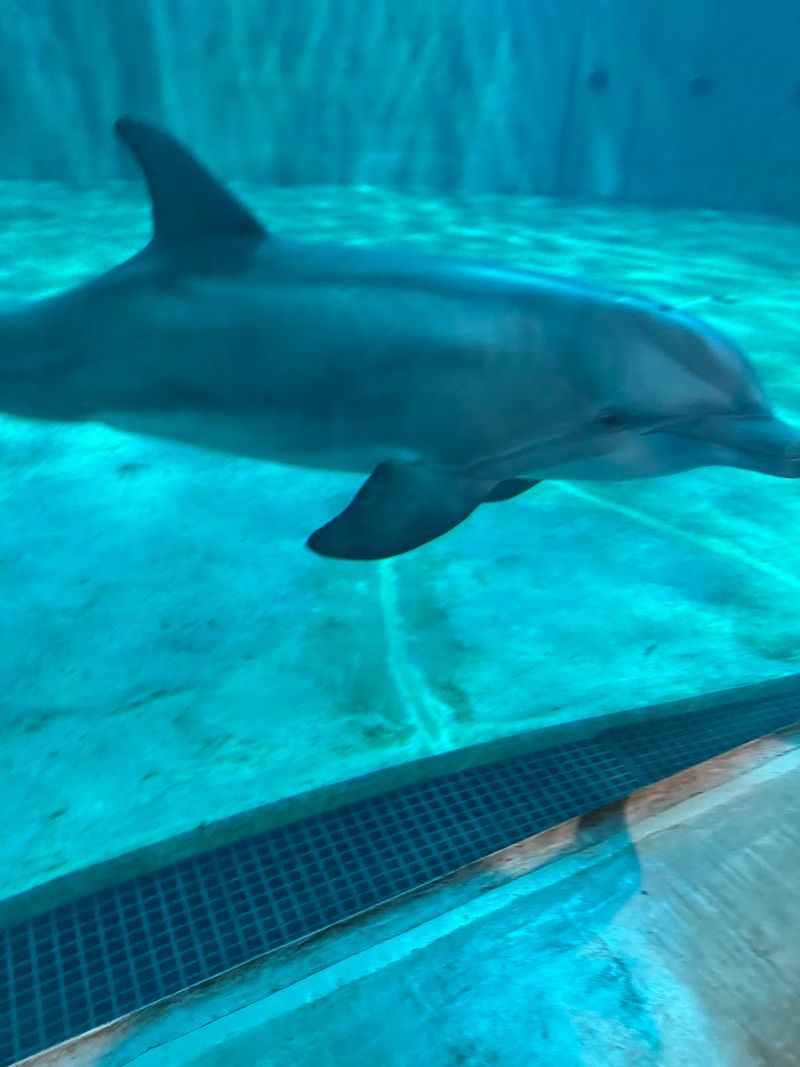
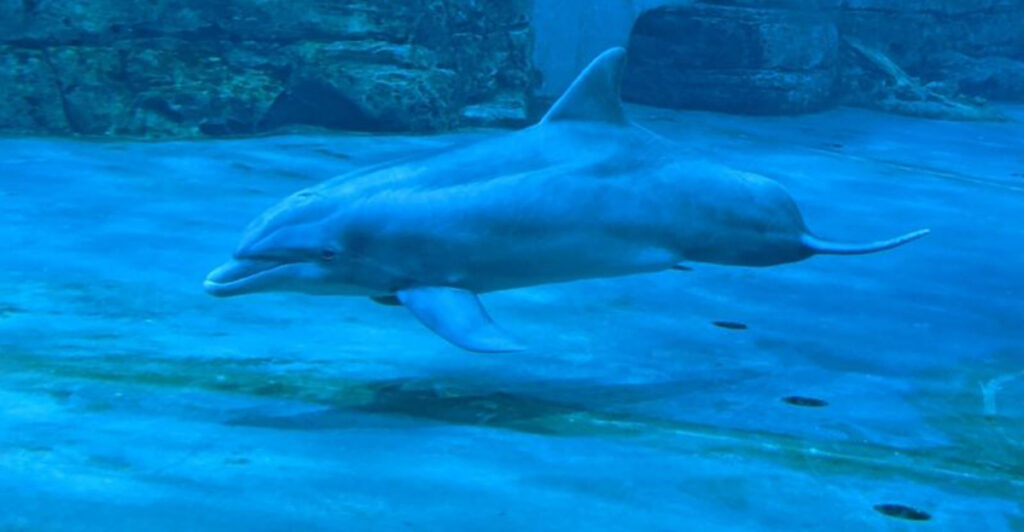
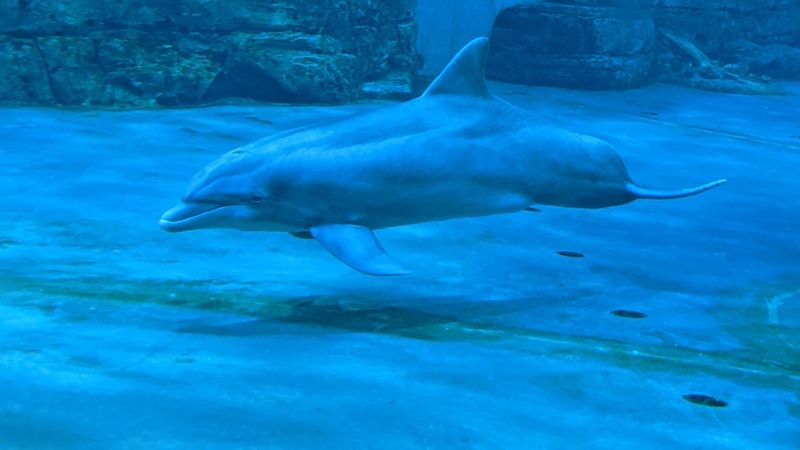
After Winter’s passing, a young dolphin named Hope stepped naturally into the role of resident ambassador. Hope arrived at the aquarium as an orphaned calf and has been a permanent resident ever since, sharing her pool with other dolphins including Rosie, Izzy, Rudy, and Nicholas.
The dolphin habitat is one of the most impressive upgrades the facility has made in recent years. Multiple viewing levels allow you to watch the dolphins from above, at eye level, and even from below through underwater windows.
Each angle reveals something different about how they move, communicate, and interact with each other.
The staff stationed near the dolphin area are notably knowledgeable, often sharing individual personality quirks and background stories for each dolphin without being prompted. Watching them speak about Hope and her tank mates with obvious affection makes the whole exhibit feel like a genuine family introduction rather than a scripted presentation.
The Dolphin Presentation Worth Catching
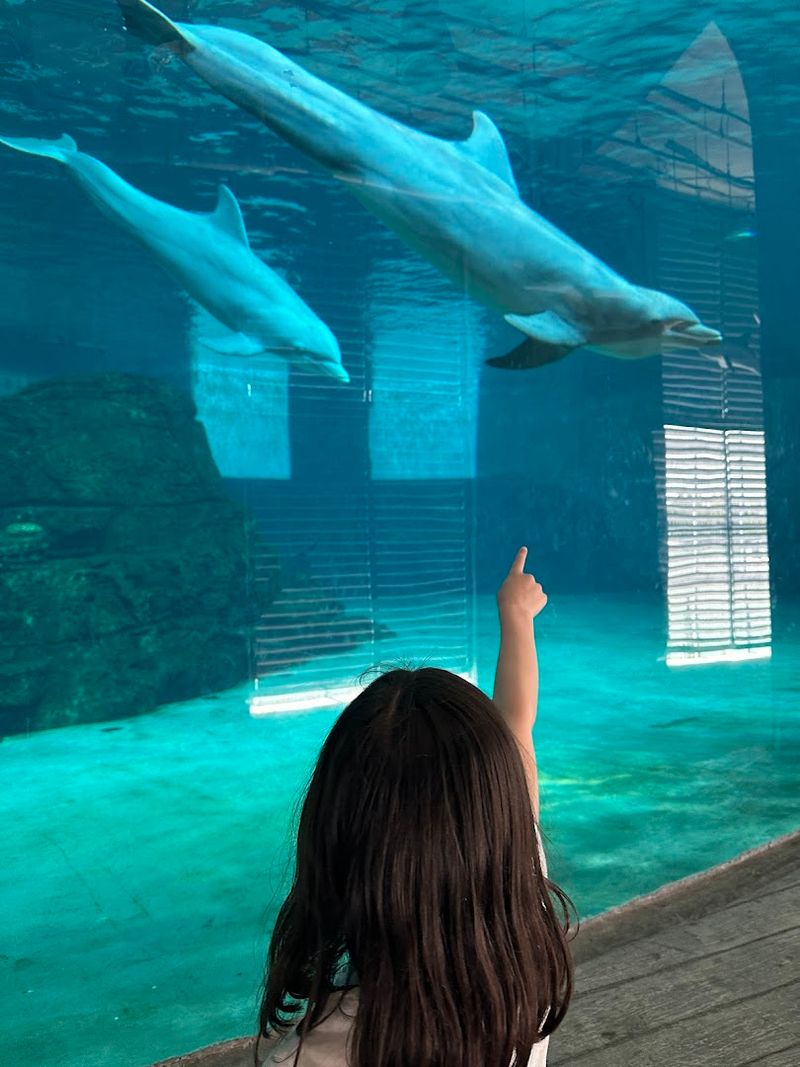
The daily dolphin presentation draws a crowd for good reason. Trainers work with the resident dolphins to demonstrate natural behaviors, and the session is structured more like an education talk than a performance.
The focus stays on communication, health checks, and the training methods used during rehabilitation.
Trainers explain why each behavior matters medically, how positive reinforcement builds trust with rescued animals, and what the team looks for during routine assessments. The presentation runs close enough to the water that you can see the dolphins clearly without binoculars or a zoom lens.
The energy in the space during this session is noticeably warm. Trainers clearly enjoy what they do, and that enthusiasm is contagious.
Even visitors who came in skeptical about the admission price tend to walk away feeling like the presentation alone justified the cost, and that says a lot about how well it is put together.
The Marine Hospital: A Behind-the-Scenes Look
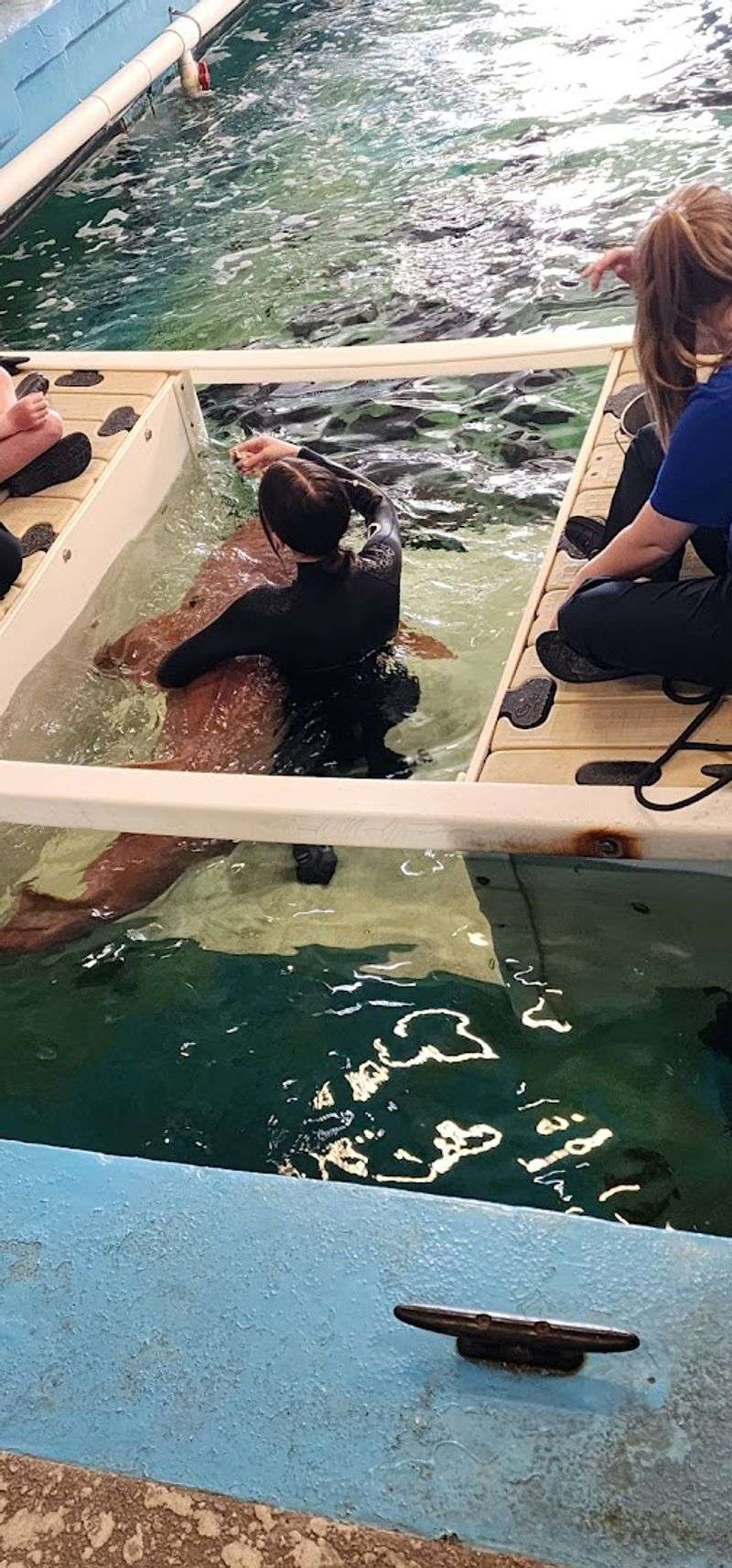
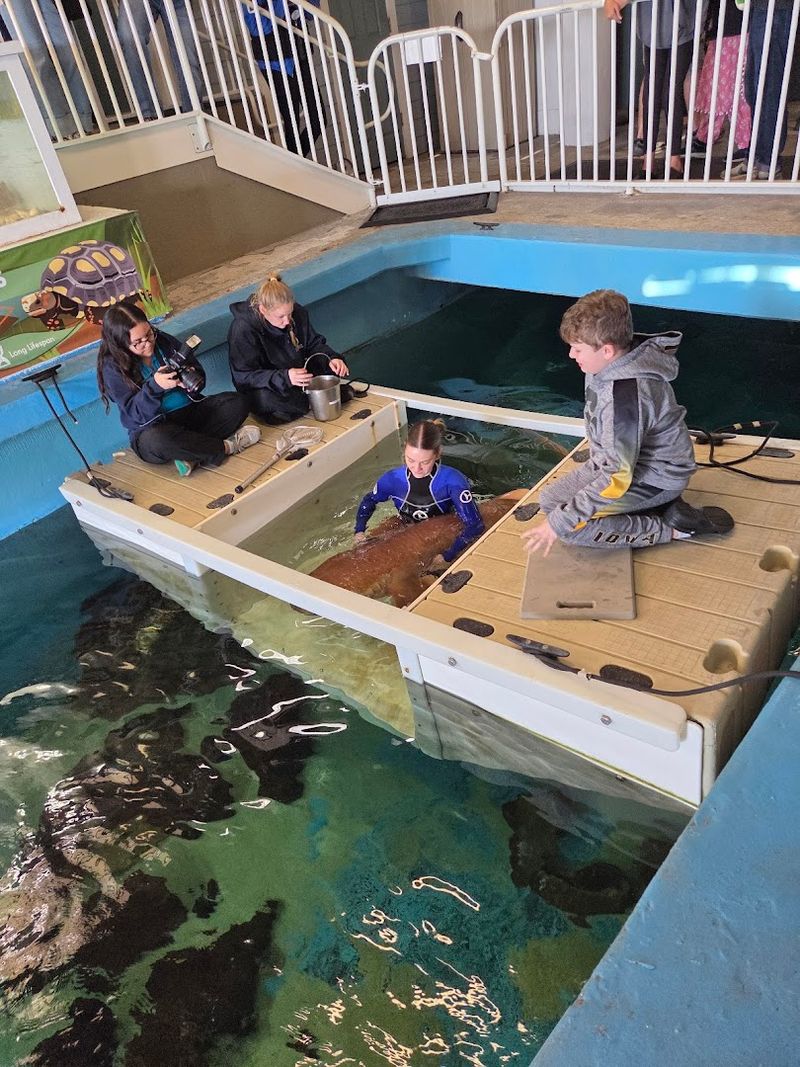
One of the most unusual things about visiting this aquarium is that you can actually walk through active hospital and rehabilitation areas. This is not a staged behind-the-scenes tour.
It is the real working space where animals receive treatment, and the public is invited to observe it firsthand.
Seeing rows of tanks in a clinical setting, with medical notes and monitoring equipment visible, makes the rescue mission feel tangible in a way that no sign or video could replicate. The layout can feel a little maze-like in places, which actually adds to the sense that you are wandering through a real facility rather than a curated experience.
Some visitors get turned around and end up looping back through the same corridors, but most find that accidental second look reveals details they missed the first time. The hospital area is genuinely one of the most distinctive things you will find at any aquarium in Florida.
River Otters: The Aquarium’s Playful Residents
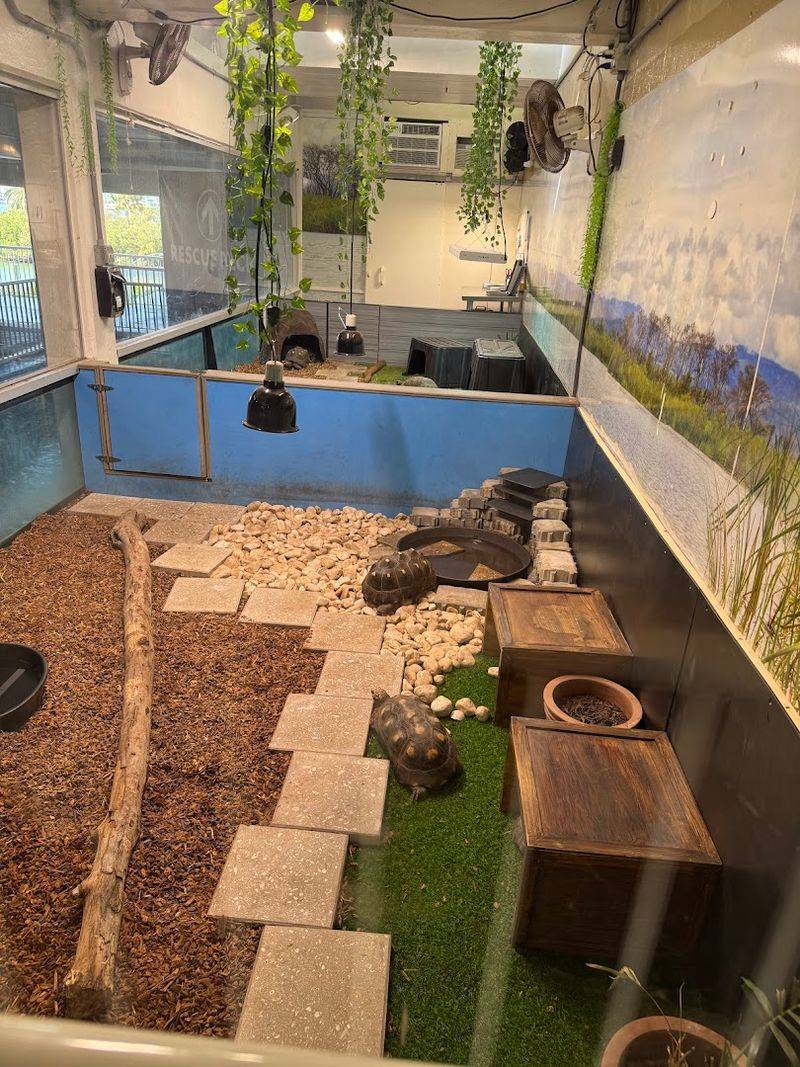
Ask almost anyone who has visited what surprised them most, and there is a solid chance they mention the otters. The North American river otters at the aquarium have a charisma that punches well above their size.
They tumble, chase each other, and investigate their environment with an energy that makes their habitat one of the liveliest spots in the whole facility.
These otters were rescued and are permanent residents due to their inability to survive independently in the wild. Their playful behavior is natural, not trained for performance, which makes watching them feel like catching something candid rather than attending a show.
The otter habitat tends to draw clusters of visitors who simply refuse to move on. Children and adults alike press close to the glass with big grins, and it is genuinely hard to blame them.
If the dolphins are the stars, the otters are absolutely the scene-stealers nobody expected to love quite so much.
Stingray Touch Tank: Hands-On Marine Education
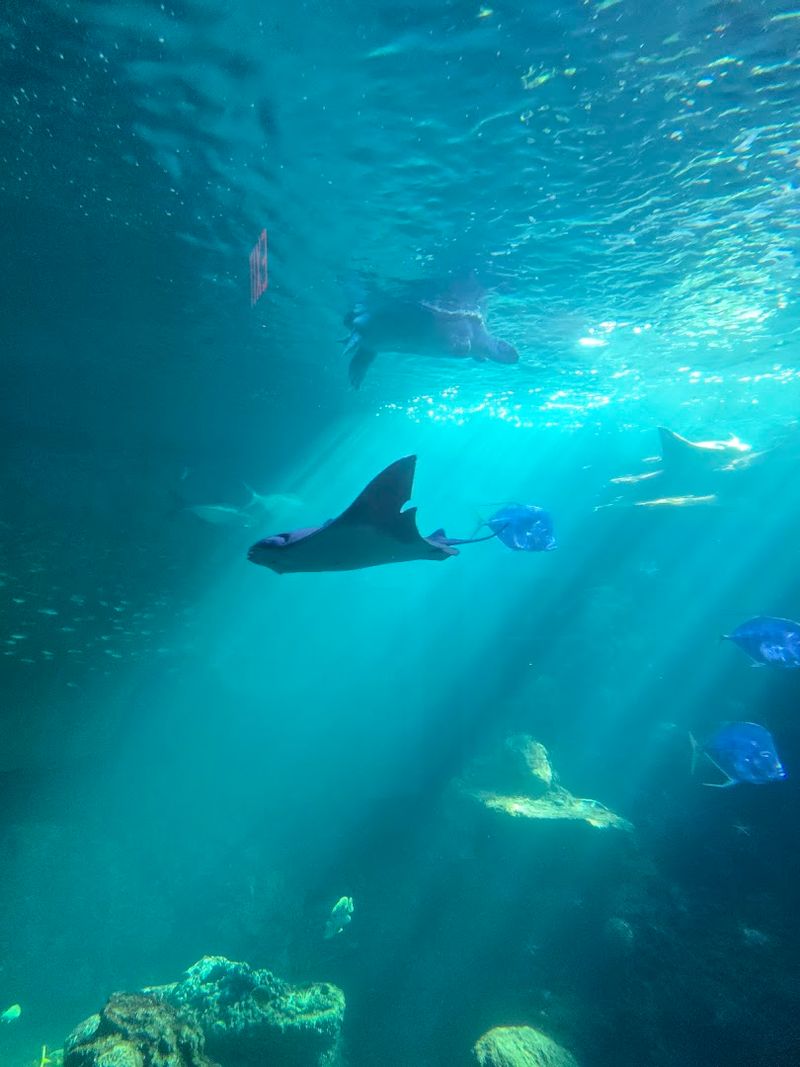
The stingray touch tank is one of those experiences that sounds simple but lands with unexpected impact. Running your hand across the smooth, wing-like surface of a stingray gliding past is a tactile moment that connects you to marine life in a way that glass-and-water exhibits simply cannot replicate.
The staff member stationed at the ray exhibit brings considerable energy to the interaction. He walks visitors through proper touch technique, explains how stingrays sense the world around them, and shares details about the species with the kind of enthusiasm that makes the whole station feel like a personal lesson rather than a crowd management exercise.
Feeding the stingrays is available for an additional fee, and most people who try it find it worth the extra cost. The combination of the tactile experience and the knowledgeable guidance makes this one of the most talked-about stops during a visit to the aquarium.
The Boat Tour: Getting on the Water
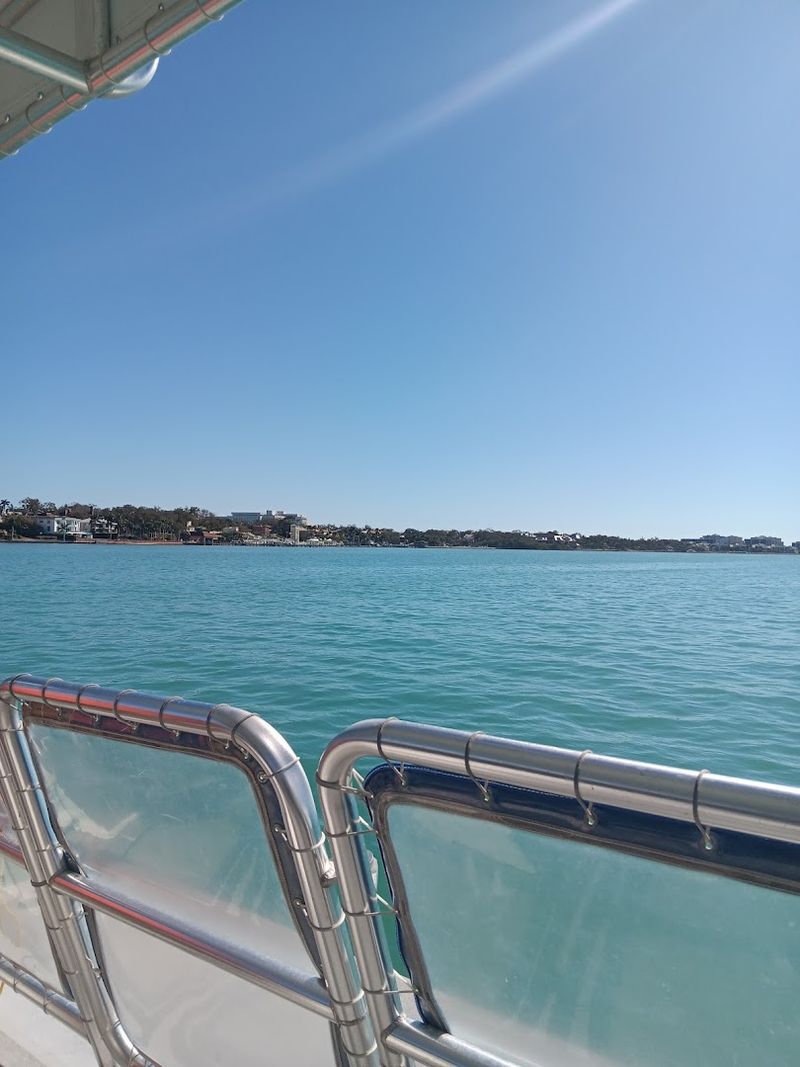
The experience does not have to end at the building’s edge. The aquarium offers boat tours that take guests out onto the Intracoastal Waterway for a chance to spot marine life in its natural habitat.
The one-hour cruise covers the surrounding waters with a naturalist guide who points out wildlife along the route.
Dolphins are frequently spotted on these tours, and the contrast between seeing them in the wild versus in a rehabilitation tank adds a layer of perspective that enriches the whole visit. The open water also tends to be noticeably cooler than the shore, so bringing a light layer is genuinely useful advice, not just a formality.
The boat tour is one of the add-ons that visitors consistently call a highlight of their day. It reframes the aquarium’s mission by showing you the very environment the team works to protect, and that context makes everything inside the building feel more connected and purposeful.
Animal Interactions and Add-On Experiences
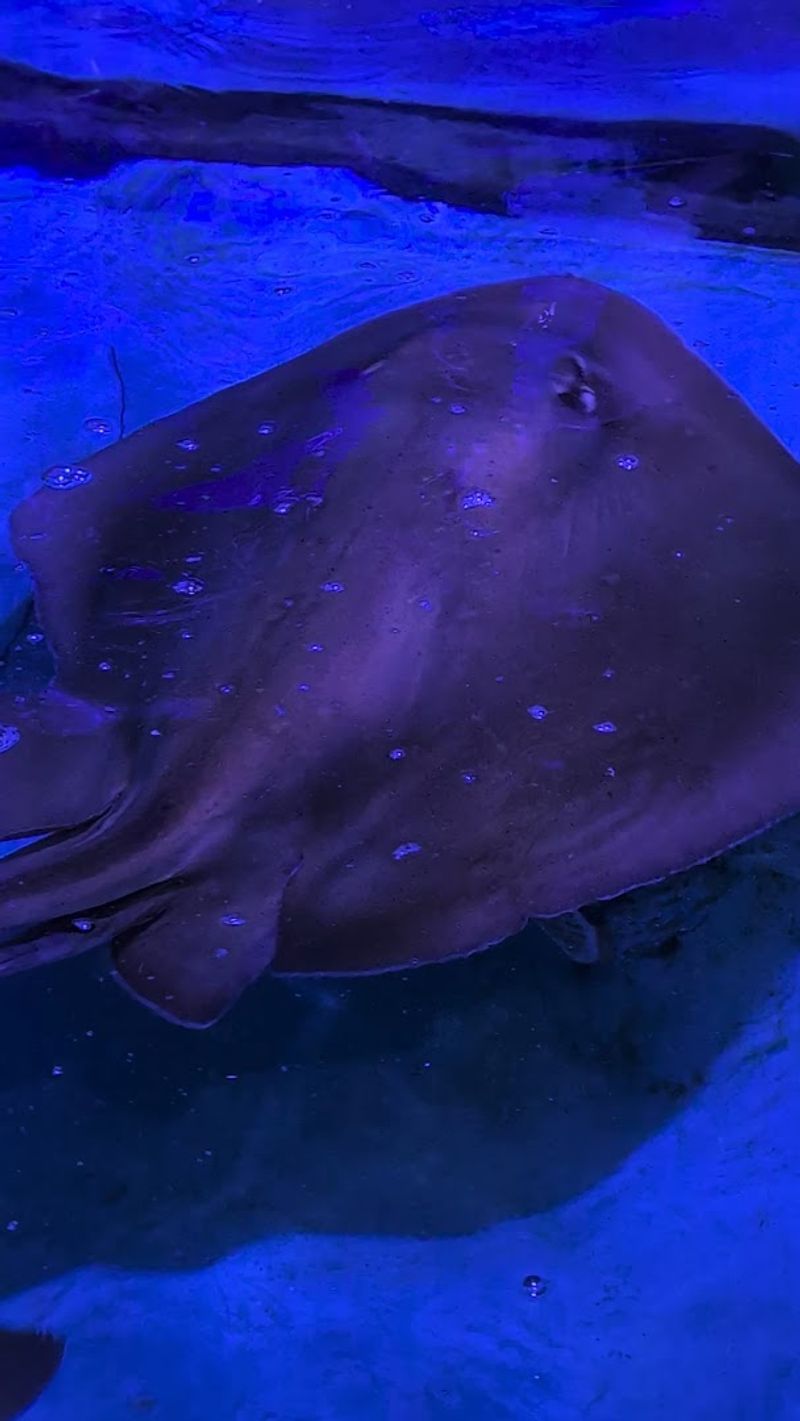
Beyond the standard admission, the aquarium offers a range of animal interaction opportunities that genuinely elevate the visit. Touching a starfish, feeding a stingray, and watching dolphins respond to trainer cues up close are experiences that go beyond passive observation and make the day feel participatory.
Some of these interactions carry an additional fee, which surprises a few visitors who expect them to be included. However, the quality of each interaction tends to justify the cost once you are in the moment.
The staff facilitating these experiences are consistently attentive and informative, making sure participants understand what they are engaging with and why it matters.
For families with younger children especially, these hands-on moments tend to become the most-talked-about parts of the day. There is something about physically connecting with a marine animal, however briefly, that leaves a stronger impression than any exhibit display or film screening ever could.
Practical Tips for Planning Your Visit
A few practical details can make a real difference to how smoothly your visit goes. The aquarium is open Monday through Friday from 10 AM to 5 PM, and on weekends from 9 AM to 5 PM, giving Saturday and Sunday visitors an extra hour to explore before the crowds build.
Parking is available in the on-site garage but comes with a separate fee of around fifteen dollars, paid inside before you exit. Factoring that into your budget upfront avoids any surprise at the end of the day.
Admission for adults runs around forty-one dollars, so planning for add-on experiences like boat tours or animal feedings in advance helps keep costs manageable.
Most visitors find that two to three hours covers the full facility comfortably, though those who want to linger near the dolphin or manatee habitats often find themselves stretching that to a full half-day without any regret whatsoever.
The Membership Option: A Reason to Return
For Florida residents or anyone planning a return trip, the membership program at the aquarium is genuinely worth considering. Annual memberships are priced affordably and include perks that make repeat visits feel like a completely different experience each time, especially as new animals arrive and others progress through rehabilitation.
Supporting the aquarium through membership also contributes directly to the rescue and rehabilitation work that makes the facility unique. Knowing that your ongoing contribution helps fund medical care for injured marine animals adds a layer of purpose to what would otherwise be a straightforward family outing.
Members also tend to approach their visits with less time pressure, which completely changes the pace of the experience. Without the urgency of getting full value from a single-day ticket, you can spend an hour watching the manatees, circle back to the otters twice, and still feel like the day was exactly as long as it needed to be.
Share this story