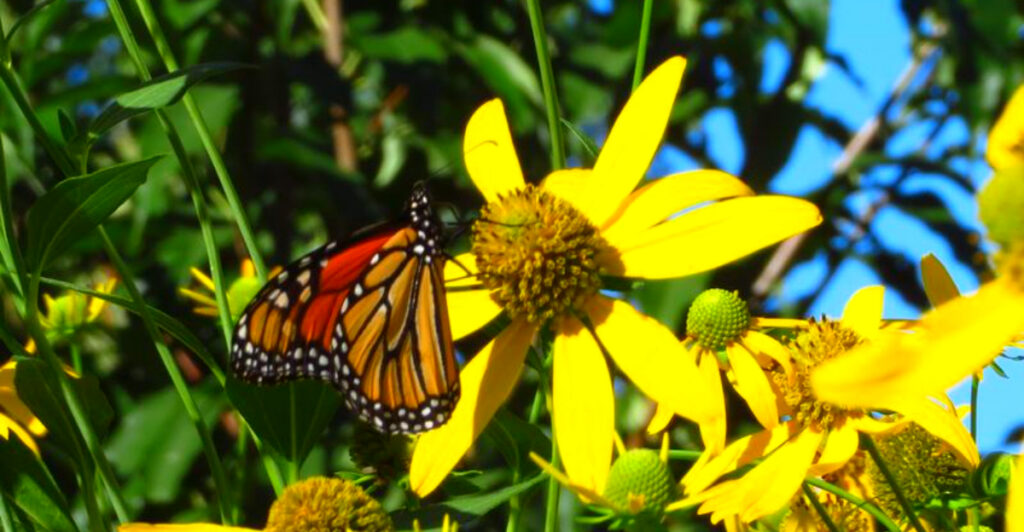
In Clinton Township, there’s a volunteer-run native botanical garden that many people overlook but locals return to often. It focuses entirely on native plants, with restored prairie areas, shaded seating, and a small creek running through the property.
What makes it stand out is how much care goes into it. Volunteers maintain the grounds year-round, creating a space that supports pollinators and highlights Michigan’s natural landscape in a way most parks don’t.
It’s free to visit, easy to miss, and surprisingly easy to spend an hour or more exploring once you’re there.
Where the Garden Actually Lives
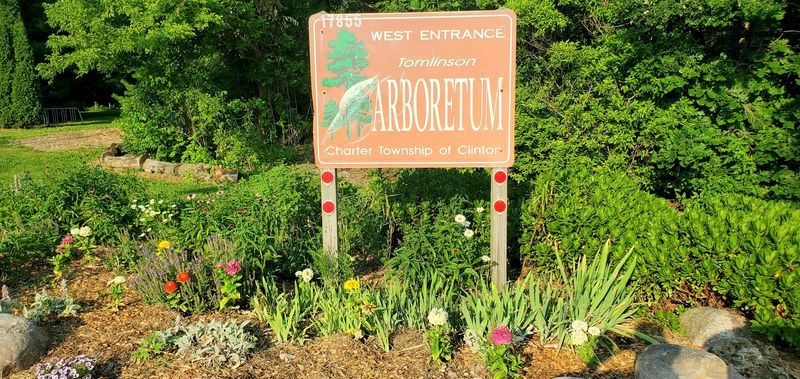
The first thing that surprises most first-time visitors is how easy it is to miss the entrance. Tomlinson Arboretum is located at 17798 18 Mile Rd, Clinton Township, MI 48038, sitting quietly at the dead end of a residential stretch of road where parking is informal but manageable.
There is no grand parking lot or welcome center, just a modest sign, a porta potty, and the beginning of a trail that quickly makes you forget you are surrounded by suburbia. Clinton Township sits in Macomb County, northeast of Detroit, and this arboretum is one of its most underappreciated public spaces.
The garden is open seven days a week from 7 AM to 8 PM, which means early risers and evening walkers both get a fair shot at enjoying it. The address is worth saving in your phone now, because it is genuinely the kind of spot that takes a second visit to fully appreciate.
The All-Volunteer Force Behind the Flowers
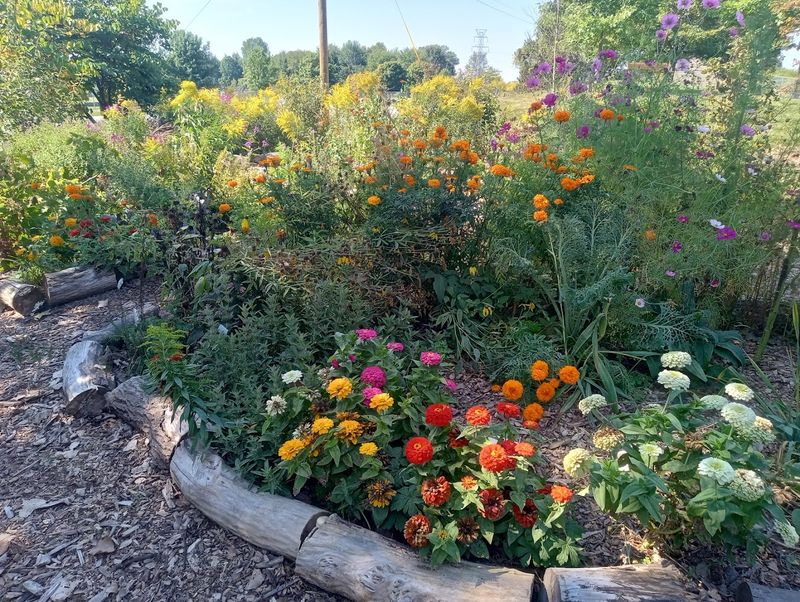
Not many public parks can say they exist entirely because of unpaid enthusiasm, but Tomlinson Arboretum is exactly that kind of place. Every plant you see, every labeled bed, and every maintained trail is the result of a dedicated volunteer group that keeps showing up regardless of the season.
The arboretum has received personalized tours for curious visitors, attracted retirees who donate their weekends, and even inspired some guests to sign up as volunteers on the spot after their first walk through. That kind of grassroots energy is rare, and it shows in the care taken with each planting.
The owner responses to reviews consistently highlight pride in the volunteer effort, and that pride is visible in the details: neat labels on plants, tidy pathways, and thoughtfully arranged beds. When a park runs entirely on community goodwill, every visit feels a little more personal, like you are a guest in someone’s very large and very beautiful backyard.
A Prairie Reconstructed from Scratch
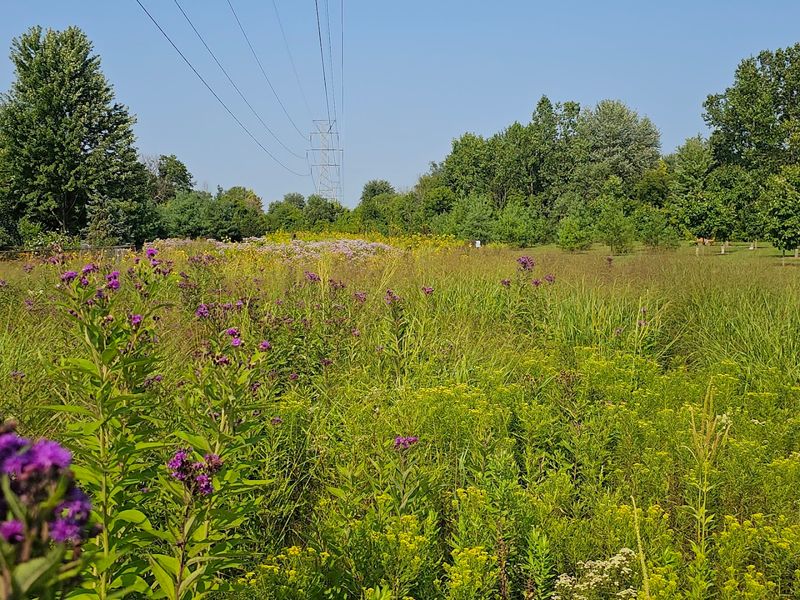
One of the most striking features of the arboretum is its reconstructed prairie, a section of the garden that mimics the wild grassland ecosystems that once covered large portions of Michigan before European settlement changed the landscape dramatically.
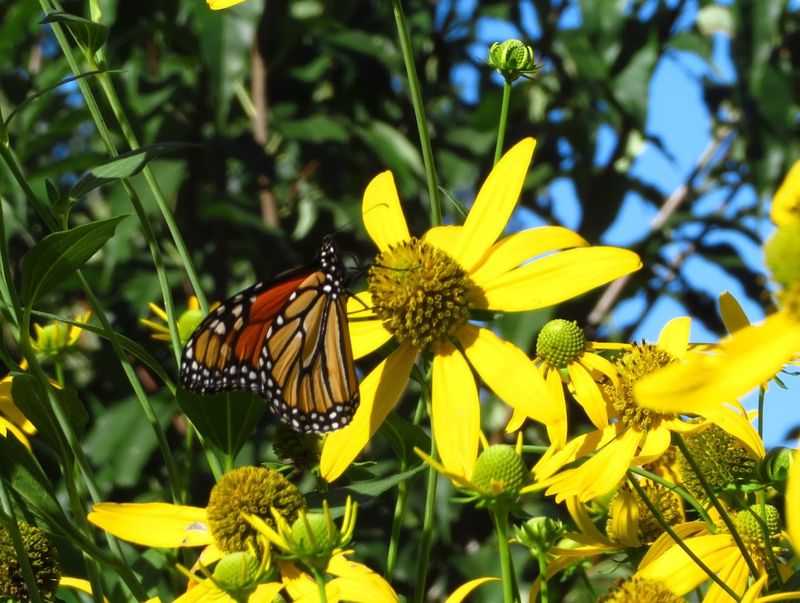
The prairie section bursts with color during summer and early fall, attracting an impressive number of pollinators including monarch butterflies, native bees, and goldfinches that hop from plant to plant hunting for seeds. Watching a monarch pause on a native milkweed here feels like witnessing something genuinely rare, even though this is technically a suburban park off a busy county road.
The ecological thinking behind the prairie planting is intentional. Native plants support specific insects and birds in ways that ornamental plants simply cannot replicate.
The arboretum’s volunteer team clearly understands this, and the reconstructed prairie stands as the most visible proof of their long-term commitment to ecological restoration in an unexpected setting.
The Trees That Carry the Most Weight
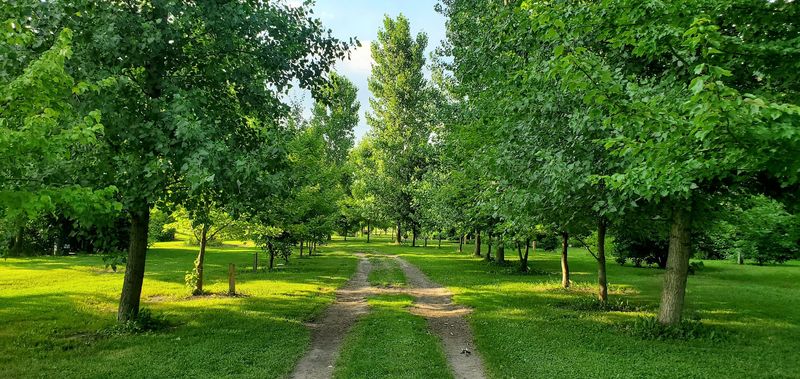
Oak trees are quiet overachievers in the native plant world, and the arboretum’s volunteer team knows it. The park’s response to a visitor review once cited Douglas Tallamy’s research identifying oaks as the top supporters of lepidoptera species, meaning moths and butterflies depend on them more than almost any other tree.
The arboretum features native Michigan trees including oaks, willows, cherries, and plums, all chosen because they provide real ecological value rather than just looking attractive. Walking beneath the canopy on a warm afternoon, the shade feels earned, like the trees have been doing serious work all season long.
Willows support 456 species, cherries and plums support 448, according to the same research the arboretum references in its outreach. That kind of data-driven planting philosophy makes this more than a pretty park.
It makes it a functioning habitat, and the birdsong overhead on any given morning is the most convincing evidence that the approach is working beautifully.
Pollinators That Practically Own the Place
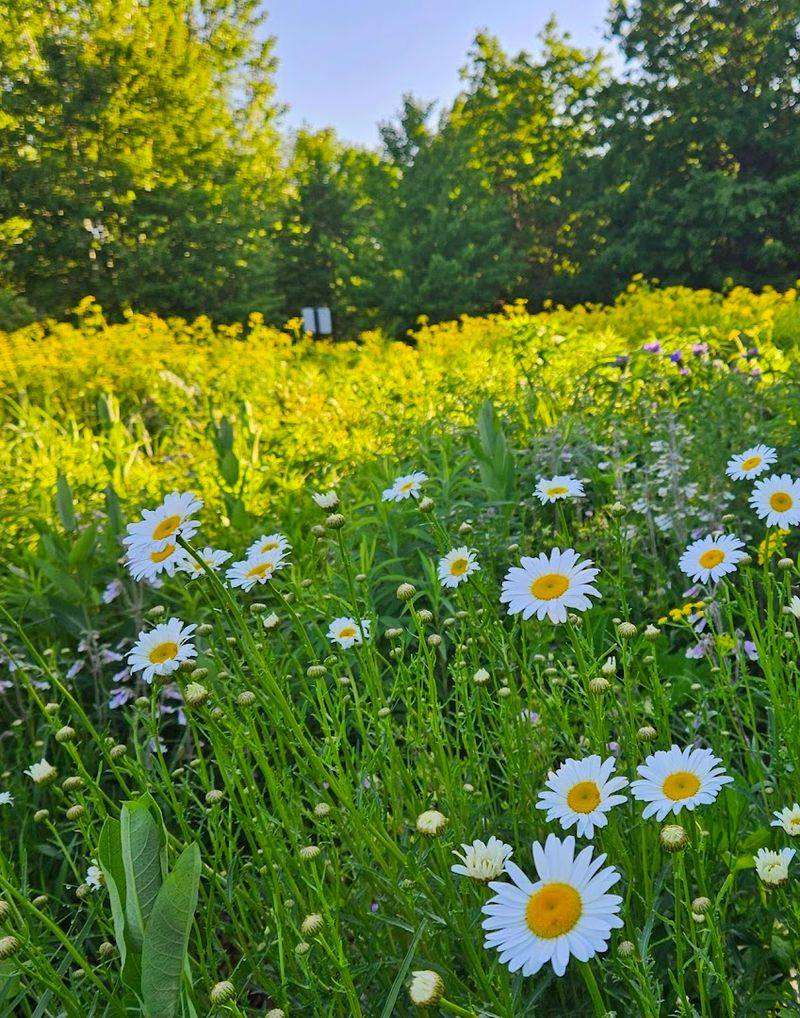
Bees, butterflies, and birds have collectively decided that this arboretum belongs to them, and honestly, it is hard to argue. The density of pollinators visible on a warm summer afternoon here is genuinely impressive for a park of this size.
Monarch butterflies gather nectar from the native plantings during their migration season, goldfinches work the seed heads methodically, and native bees move through the flower beds with a focused energy that feels almost businesslike. The variety of pollinator species spotted here reflects how well the plant selection supports local wildlife.
This is not accidental. Every plant in the arboretum was chosen with ecological function in mind, which means the garden actively feeds and shelters creatures that struggle to survive in typical suburban landscapes filled with lawns and ornamental shrubs.
A short, quiet visit here is enough to understand why native plant advocates argue so passionately for replacing non-native landscaping with species that actually feed the ecosystem.
Memorial Trees and the Stories They Hold
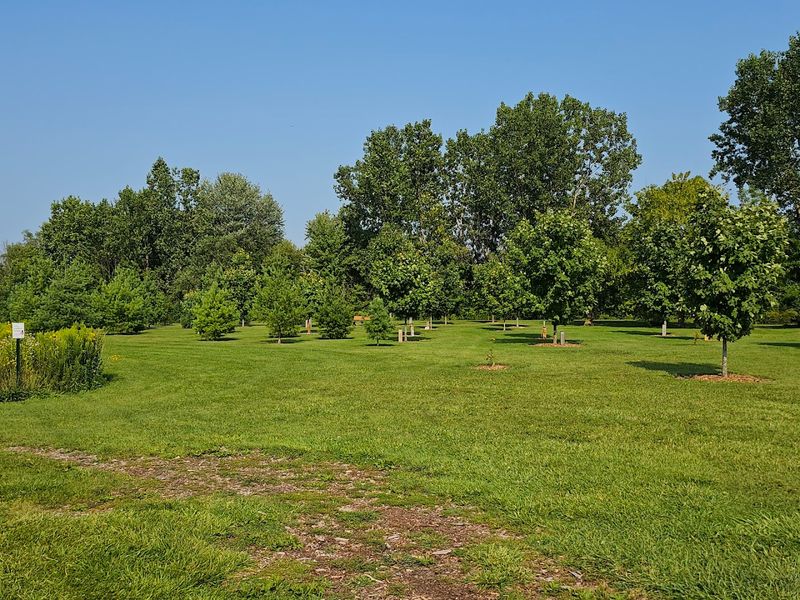
There is something quietly moving about the memorial section of the arboretum, where native trees have been planted to honor people who have passed. The idea of choosing a living, ecologically valuable tree as a tribute feels more meaningful than a traditional marker, and the arboretum offers this option to the community.
Visitors who walk through the memorial plantings often slow down instinctively, reading the small markers and pausing in a way they might not in other parts of the garden. The trees grow taller each year, and with them, so does whatever memory they were planted to hold.
One reviewer specifically mentioned visiting to memorialize loved ones with a native tree, and the sentiment is easy to understand once you see how the garden treats each planting with such visible care. A memorial tree here is not just symbolic.
It feeds birds, shelters insects, and contributes to a living ecosystem that will outlast any stone marker by decades.
The Creek That Completes the Scene
Near the back of the arboretum, a small creek winds through the landscape and adds a layer of sensory richness that no garden bed can replicate. The sound of water running over rocks is simple but effective, and it has a way of making the surrounding suburban noise feel very far away.
Visitors who make the short walk down to the creek tend to linger longer than they planned. Children are particularly drawn to it, and families have noted that younger visitors light up when they hear the water before they can even see it through the trees.
The creek also plays an ecological role, supporting moisture-loving native plants along its banks and providing a water source for the birds and small animals that use the arboretum as a corridor through an otherwise developed landscape. It is one of those small natural features that anchors the whole experience, turning a pleasant walk into something that genuinely feels like a visit to wild Michigan.
Benches, Shade, and the Art of Slowing Down
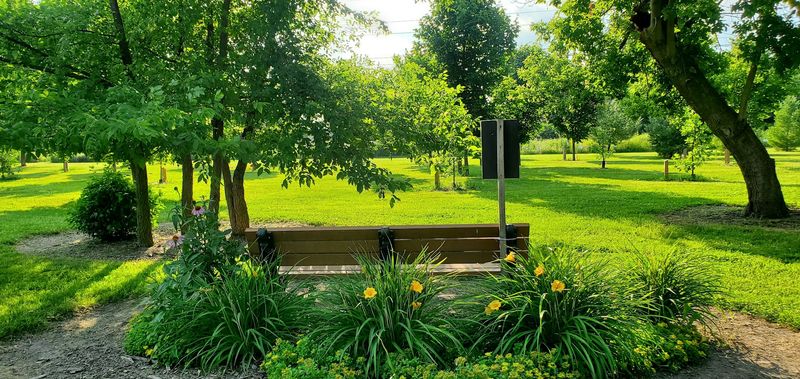
The arboretum is not a place built for speed. Benches are scattered throughout the trails at thoughtful intervals, positioned under shade trees or beside particularly lush flower beds, and they are clearly meant to be used rather than walked past.
One visitor described sitting on a shaded bench eating lunch while watching birds and butterflies move through the plants nearby, and that image captures the pace this garden naturally encourages. There is no pressure to cover ground quickly, no loop that demands completion, just a series of pleasant discoveries at whatever tempo feels right.
The combination of seating, shade, and sensory variety makes the arboretum unusually accessible for people who want nature without a strenuous hike. Older visitors, people recovering from illness, and anyone who simply needs a quiet hour away from screens and schedules will find the bench-to-trail ratio here is one of the garden’s most thoughtful design choices.
Sometimes the best feature of a park is permission to stop.
Wildlife Encounters You Cannot Schedule
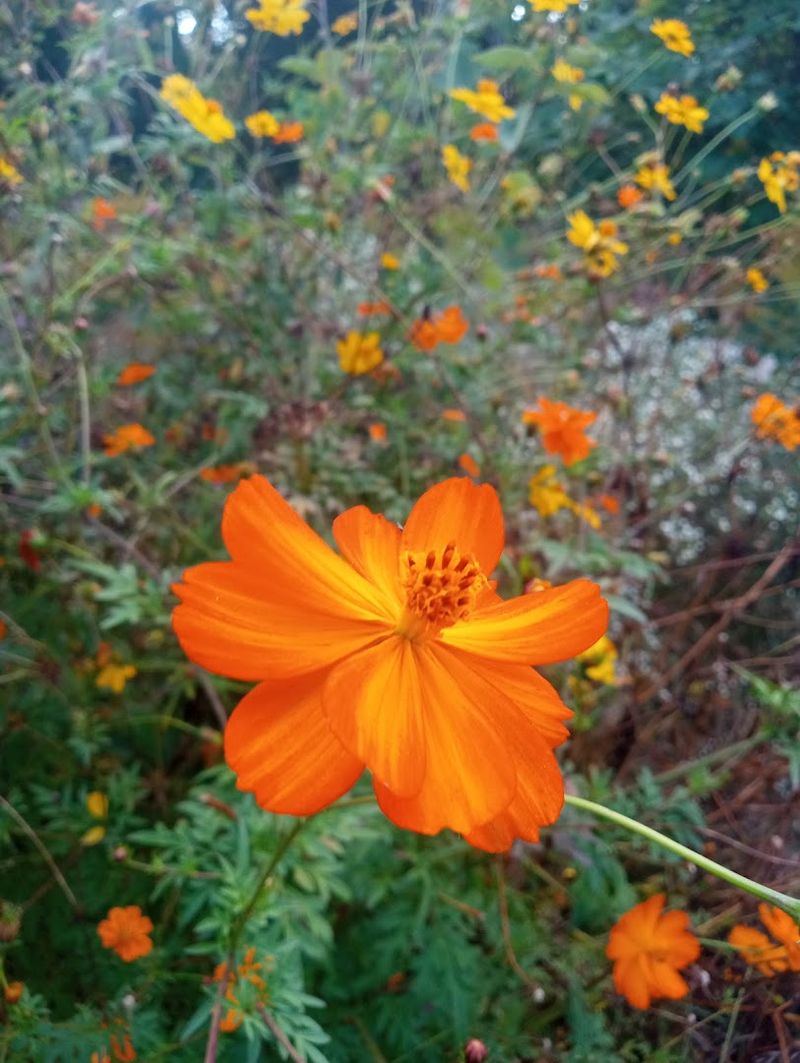
A deer sunning itself in the middle of a flower bed, watching visitors with calm curiosity rather than bolting at the first footstep, is exactly the kind of encounter that makes a park feel genuinely wild. That specific scene has been reported by more than one visitor to the arboretum, and it perfectly captures the relaxed energy of the place.
Because the native plantings provide real food and shelter, the arboretum attracts a range of wildlife that typical suburban parks simply cannot support. Birds, butterflies, bees, deer, and small mammals all find reasons to be here regularly, and their presence is not incidental.
It is a direct result of the planting philosophy.
The unpredictability of wildlife sightings is part of what keeps regular visitors coming back. You never quite know what you will find on a given morning, and that mild sense of anticipation transforms an ordinary walk into something closer to a field trip.
The next section reveals another reason repeat visits never feel redundant.
Seasonal Changes That Rewrite the Garden
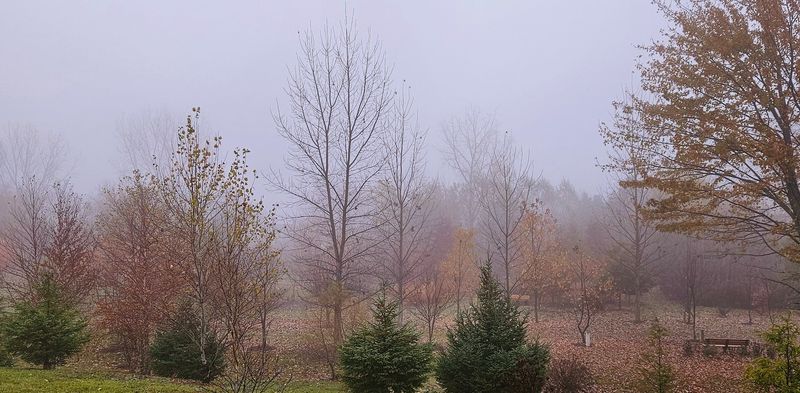
A native plant garden does not stay still, and the arboretum looks genuinely different in spring, summer, fall, and even the quiet of late winter when seed heads stand frosted against bare soil. Each season brings a completely different palette, which is one reason so many visitors return on a near-weekly basis rather than treating it as a one-time stop.
Spring brings the first tentative blooms and the return of migratory birds scanning the new growth. Summer is the loudest season, full of color, insect activity, and the reconstructed prairie at its peak.
Fall slows things down beautifully, with native grasses turning amber and seed-eating birds working the dried flower heads industriously.
Even in the colder months, the structural interest of the trees and the quiet of the trails offers something worth experiencing. Gardens that change with the seasons reward patience and attention in a way that static landscapes never can, and this arboretum has four completely different personalities waiting across the calendar year.
How to Make the Most of Your Visit
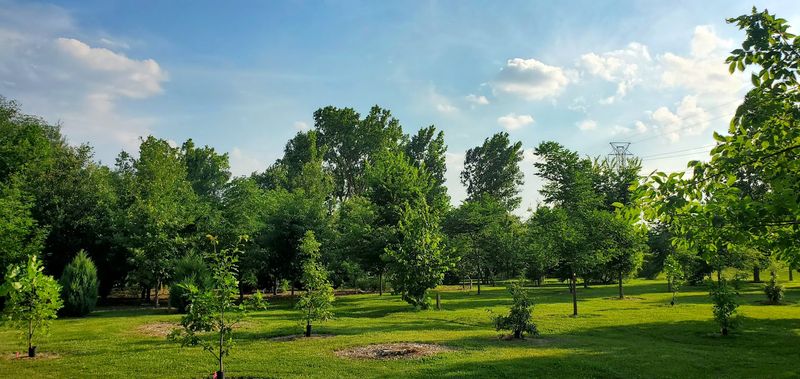
A few practical notes make the difference between a good visit and a great one. The arboretum opens at 7 AM every day of the week, which means early morning visits during summer offer the best wildlife activity and the coolest temperatures for walking the trails comfortably.
Parking is informal near the dead-end section of 18 Mile Road, so arriving in a smaller vehicle makes things easier. There is a porta potty available at the entrance, which is a small but appreciated detail for longer visits.
The trails are well-maintained but natural, so comfortable walking shoes are a better choice than sandals.
Bringing a field guide to Michigan native plants or a bird identification app will add a surprising amount of depth to even a short visit. The plant beds are labeled, which helps, but having a reference to cross-check what you are seeing turns a casual stroll into something more like an outdoor classroom.
The arboretum rewards curiosity at every turn.
Share this story