Cranbrook House and Gardens spans 40 acres in Bloomfield Hills, featuring formal gardens, marble fountains, and a historic estate rooted in the Arts and Crafts movement. It is one of the most detailed and carefully preserved historic properties in Michigan, yet many visitors are surprised they had never heard of it before.
Beyond the main house, the grounds include a Japanese garden and smaller features that keep people exploring longer than expected. The estate consistently draws strong reviews for its design, history, and layout, making it a go-to spot for photographers and anyone interested in architecture.
It is the kind of place that feels different every time you visit.
A Grand Address Hidden in Plain Sight
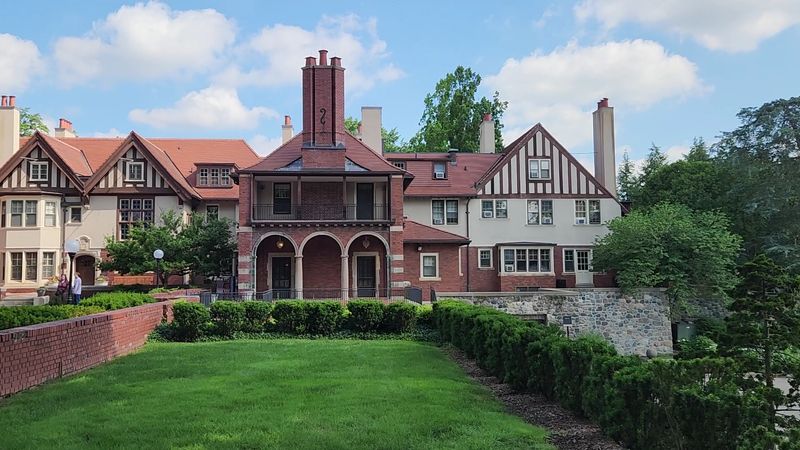
Most people drive past Bloomfield Hills without realizing that one of Michigan’s most breathtaking historic estates sits just off the road at 380 Lone Pine Rd, Bloomfield Hills, MI 48304. Cranbrook House and Gardens is an Arts and Crafts estate built in 1908, and the moment you pass through its entrance, the suburban world outside fades completely.
The property spans 40 acres and is open Monday through Sunday from 8 AM to 5 PM, making it easy to fit into almost any schedule. Parking is free, and the gardens themselves can be explored without any admission fee, which feels almost too good to be true for a place this beautiful.
You can reach the estate by phone at 248-645-3147 or visit housegardens.cranbrook.edu for tour schedules and seasonal event details. First-timers often admit they cannot believe a place this grand exists right in their own backyard.
The 1908 Mansion That Feels Like a Living Museum
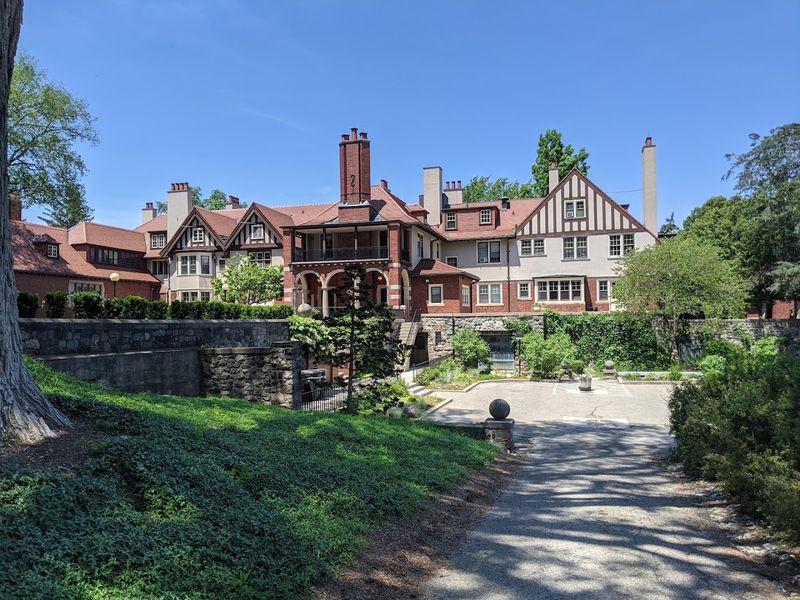
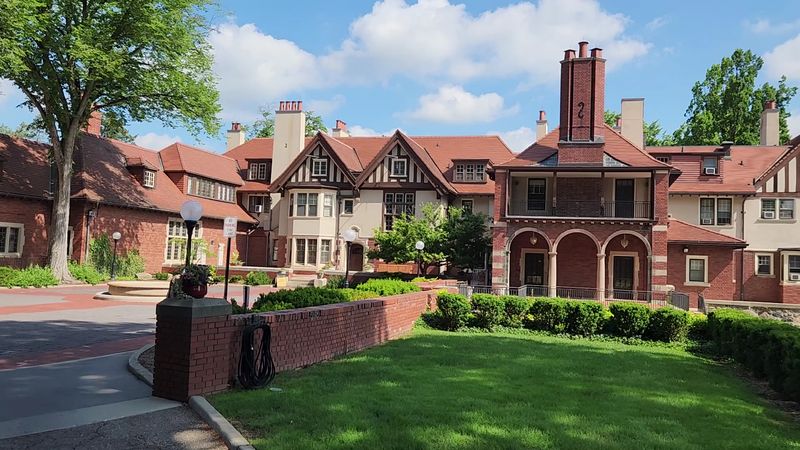
George Booth, a prominent newspaper publisher, commissioned Cranbrook House in 1908, and the building reflects the ideals of the Arts and Crafts movement with remarkable precision. Every room was designed with an eye for handcrafted detail, from the carved woodwork to the decorative plasterwork on the ceilings that visitors spend far longer staring at than they expect.
Guided house tours run between May and October, and the price is kept intentionally affordable so that history is accessible to everyone. The rooms feel less like a preserved museum and more like a home where someone simply stepped out for the afternoon, leaving behind their finest furniture and artwork.
Visitors who peek through the windows on days when tours are closed still come away impressed by the interior’s elegance. The house is not just a backdrop to the gardens; it is a destination in its own right, and the two together create an experience that is genuinely hard to match anywhere else in the Midwest.
Forty Acres of Garden That Reward Slow Walkers
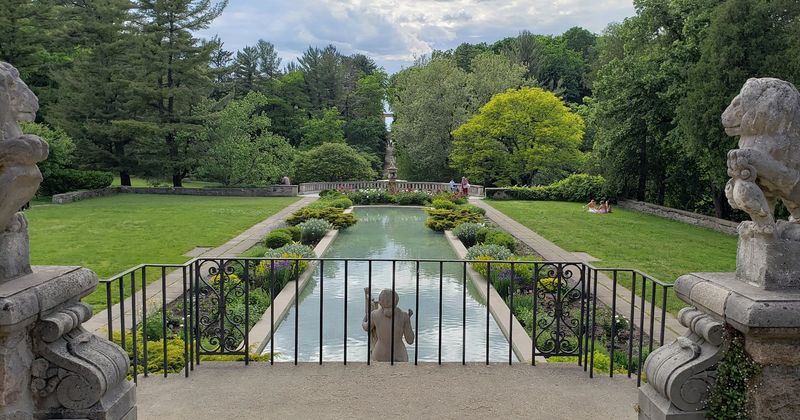
Forty acres sounds like a number until you are actually walking it, and then it becomes an adventure. The gardens at Cranbrook are structured yet never feel rigid, with pathways that wind past perennial borders, open lawns, and tucked-away corners that seem designed specifically for quiet reflection.
Comfortable shoes are an honest necessity here because some paths are uneven, and you will want to keep walking long after your feet suggest otherwise. Benches are thoughtfully placed throughout the grounds, offering spots to sit and absorb the views without feeling like you are interrupting the flow of the garden.
The best time to visit for peak color and fragrance is late summer through early fall, when the flowers are at their fullest and the light turns golden in the late afternoon. Every season brings a different mood to these grounds, and seasoned visitors often return three or four times a year just to see how the landscape shifts and surprises them.
The Sunken Garden’s Quiet Drama
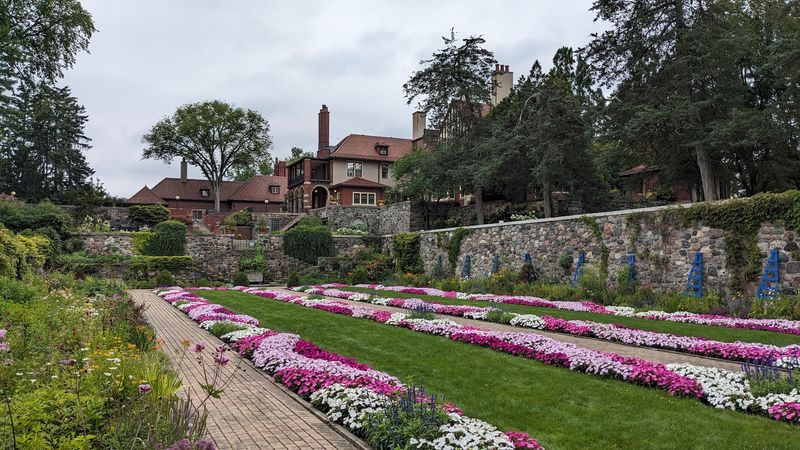
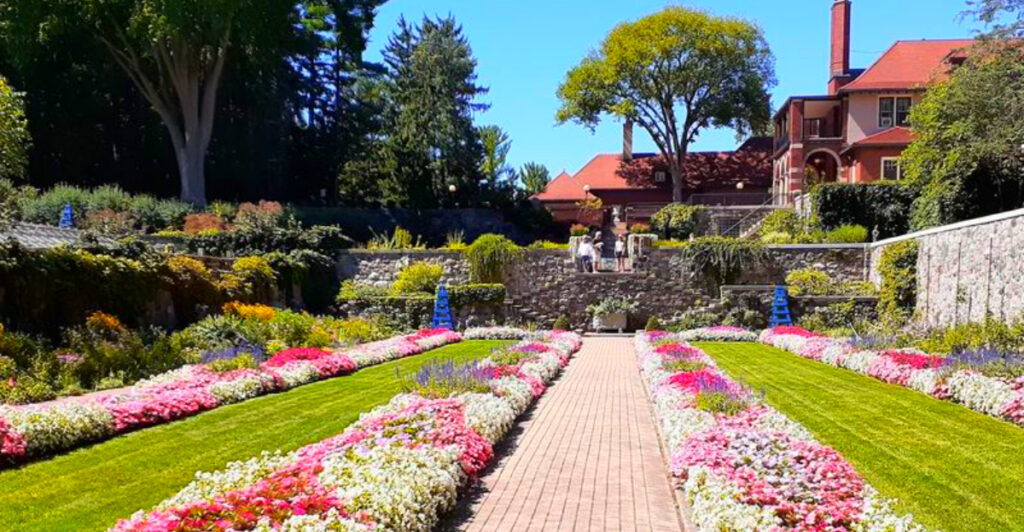
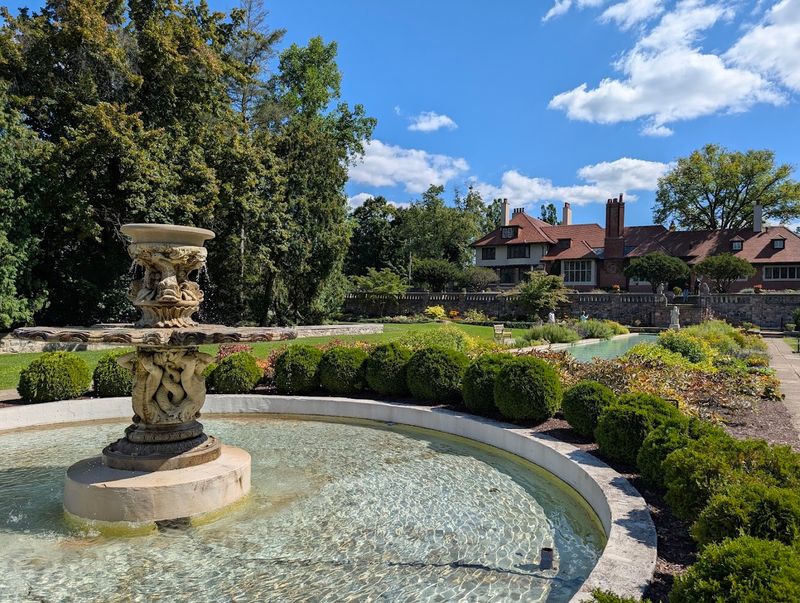
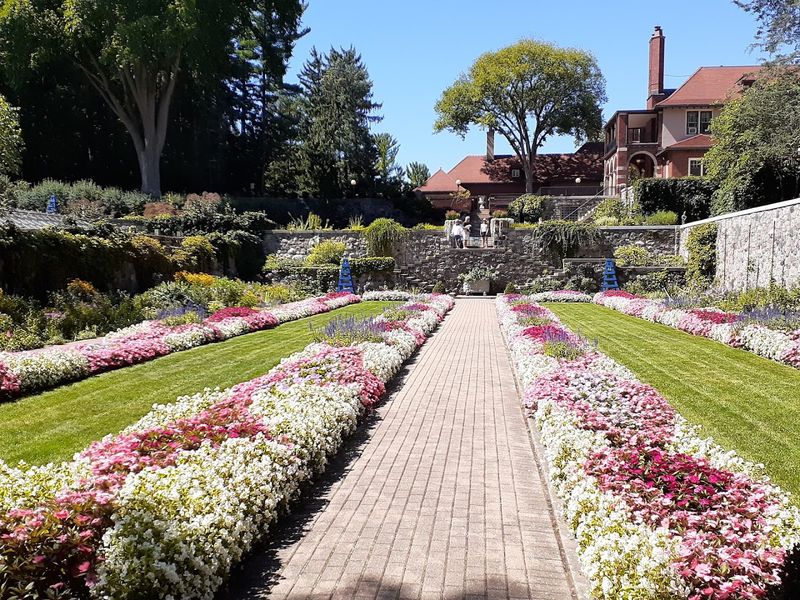
The Sunken Garden is the kind of place that stops you mid-step. Designed with a formal symmetry that feels genuinely European, it features a central fountain surrounded by vibrant flower beds arranged in precise geometric patterns that shift in color through the growing season.
The garden sits slightly below the surrounding lawn level, which gives it a sheltered, intimate atmosphere even on busy visiting days. Photographers are especially fond of this spot because the natural framing of the surrounding greenery creates a composition that almost works itself out.
Butterflies are a regular presence here in summer, and the sound of the fountain creates a background hum that makes the whole space feel peacefully removed from the rest of the world. Many visitors admit they spend far more time in the Sunken Garden than they planned, and it is easy to understand why once you are standing at its center looking back at the mansion rising above the garden walls.
Sculptures and Fountains Around Every Corner
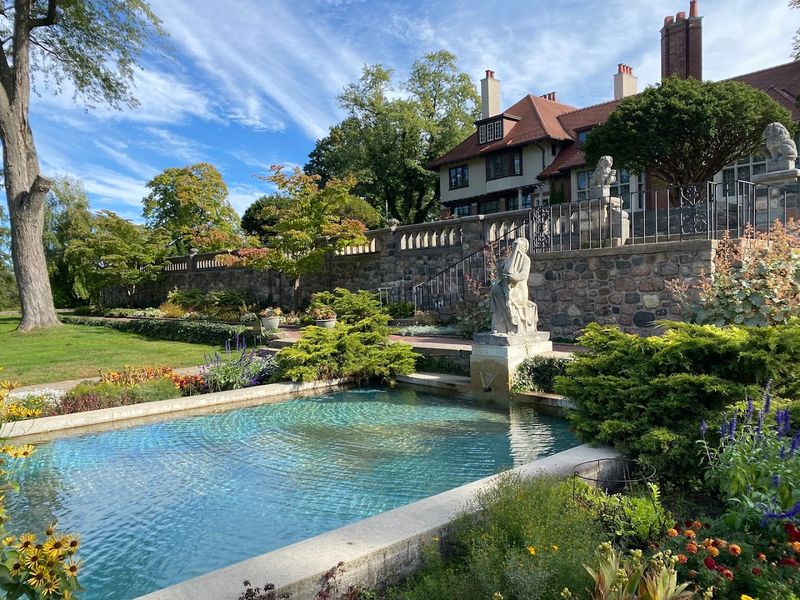
One of the quiet pleasures of wandering Cranbrook’s grounds is the way sculptures appear without announcement. A figure emerges from behind a hedge, a carved stone basin catches rainwater beside a bench, and a bronze form stands at the end of a long grass pathway as if it has always belonged exactly there.
The estate’s collection of outdoor art blends seamlessly with the landscape rather than competing with it, which is a harder design achievement than it sounds. Each piece has a story connected either to the Booth family’s artistic vision or to the broader Cranbrook educational and artistic community that grew around the estate over the decades.
Visitors are asked not to touch or climb the sculptures, and that request is worth honoring because these works are genuinely irreplaceable. The fountains, which are covered during winter months, are particularly dramatic when they are running, sending arcs of water into the air above beds of blooming flowers that frame them on all sides.
The Japanese Garden and Its Peaceful Bridge
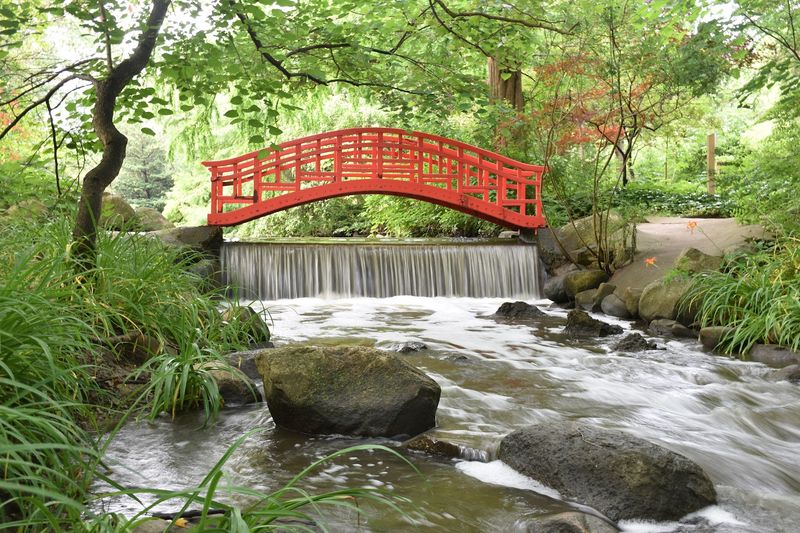
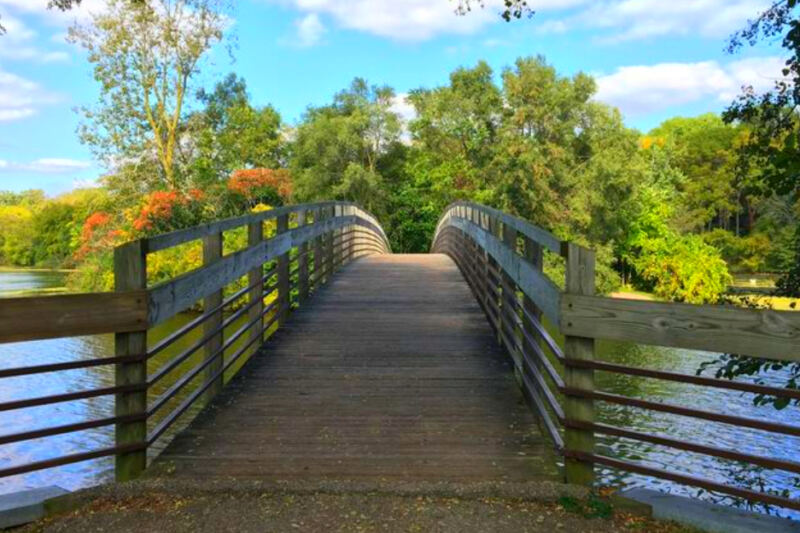
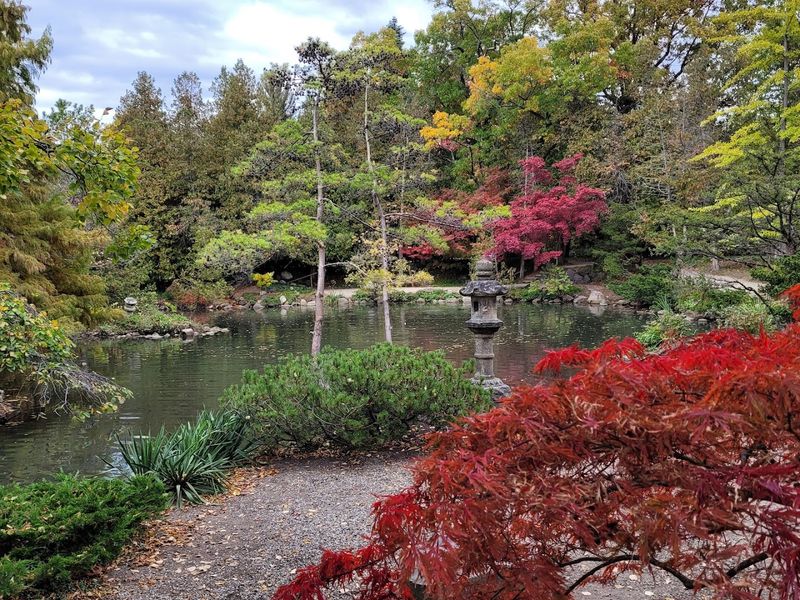
A short walk north from the main garden area leads to one of Cranbrook’s most beloved features: the Japanese garden, a carefully composed space with a bridge, water features, and plantings that create a mood entirely different from the formal European-style gardens closer to the house.
The Japanese garden has been undergoing renovation, so some elements may be temporarily altered depending on when you visit, but even in its transitional state, the space retains a calming beauty that draws visitors back repeatedly. The bridge over the water is a natural focal point and a favorite spot for photographs, particularly in spring when the surrounding plantings are at their freshest.
The contrast between this garden and the formal beds near the mansion is part of what makes Cranbrook feel so layered and interesting as a destination. Just when you think you have figured out the estate’s personality, a new section reveals itself with a completely different character, and that sense of discovery is one of the estate’s most enduring charms.
Kingswood Lake and the Winter Surprise
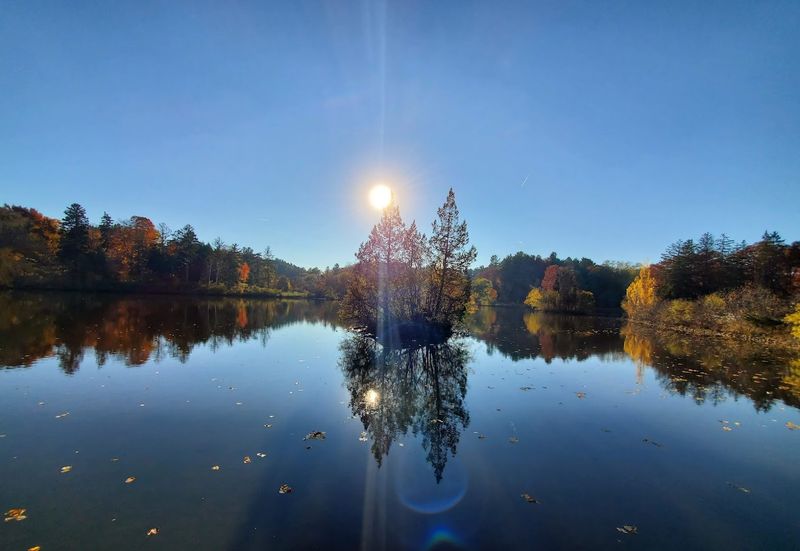
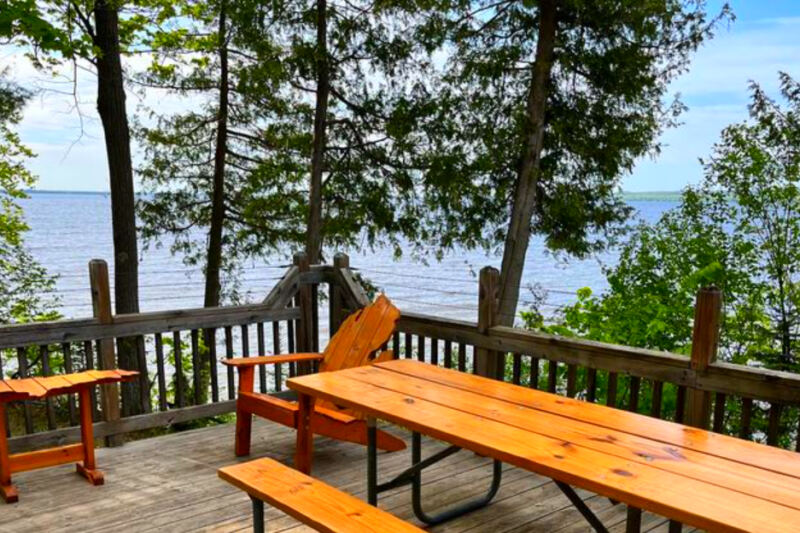
Most people assume a garden estate is best visited in full bloom, and while that is certainly true, Cranbrook in winter is a genuinely different and underrated experience. The frozen views of Kingswood Lake, framed by bare trees and snow-covered grounds, create a stillness that the warmer months simply cannot replicate.
The mansion’s architecture stands out even more dramatically against a white winter backdrop, with the stone and brick details sharply defined without the softening effect of summer foliage. Visitor crowds thin considerably in the colder months, making it a peaceful choice for anyone who prefers exploring without company.
The fountains and statues are covered for winter protection, so the landscape takes on a slightly spare quality that has its own quiet appeal. A morning walk around Kingswood Lake in January feels more like a private estate stroll than a public garden visit, and that kind of solitude is increasingly rare and genuinely worth seeking out before the spring crowds return.
The Hollow Tree That Stops Kids in Their Tracks
Among all the grand fountains and sculpted beds, one of the most talked-about features at Cranbrook is surprisingly humble: a large tree with a hollow interior that visitors can actually step inside. Children are particularly captivated by it, but adults tend to linger just as long, perhaps because there is something universally appealing about a tree old enough to become a room.
The hollow tree sits within the broader garden landscape, and finding it adds a small treasure-hunt quality to the visit. It is one of those details that transforms a garden walk into something more memorable than a simple stroll through pretty scenery.
Cranbrook is genuinely family-friendly, and this kind of unexpected feature is part of why it works so well for visitors of all ages. Pets are also welcome on the grounds, making it a practical outing for families who want to bring everyone along, and the wide pathways give plenty of room for everyone to spread out comfortably.
Photography Permits and the Golden Hour Advantage
Cranbrook House and Gardens has become a well-regarded destination for photographers, from professionals booking portrait sessions to amateurs who simply want to practice in a beautiful setting. The grounds are free to enter for personal visits, but a photography permit is required for professional or commercial shoots, and time slots can be reserved in advance through the estate’s website.
The variety of backdrops available within a single property is genuinely impressive. In one afternoon you can photograph the formal Sunken Garden, the mansion facade, the wooded pathways, the lake, and the Japanese garden, each one offering a completely different mood and composition.
Late afternoon light on the mansion’s brick exterior is particularly flattering, and the garden’s structured geometry works beautifully in that warm, directional light. Engagement sessions and family portraits are popular here, and it is easy to see why: the estate provides a level of visual elegance that usually requires a transatlantic flight to find, and it is available right here in suburban Michigan.
Events, Festivals, and the Living Campus Around It
Cranbrook is not simply a historic house with a pretty garden attached; it is part of a living educational and cultural campus that hosts events throughout the year. The annual Japanese Festival is a highlight, offering a traditional celebration of Japanese culture that draws visitors from across the region and pairs beautifully with the estate’s own Japanese garden nearby.
The campus also includes a world-class art museum, a science museum, two private schools, and studios where artists in residence work throughout the year. Periodic open-studio events allow visitors to meet these artists and see their process firsthand, which adds a creative dimension to the estate that goes well beyond garden-gazing.
The art museum is within easy walking distance of the house and gardens, making it simple to combine both into a single outing without needing to move your car. Checking the estate’s event calendar before visiting is always a good idea because the programming changes seasonally and there is almost always something worth timing your trip around.
Practical Tips for Getting the Most From Your Visit
A few practical details can make the difference between a good visit and a great one at Cranbrook. Arriving early, especially on weekends in summer, gives you the quietest and most atmospheric experience before the grounds fill up with other visitors.
The gardens open at 8 AM every day of the week, and that first hour has a particular calm that is hard to find later in the day.
Bring a water bottle, wear comfortable shoes with decent grip, and consider a light jacket even in summer because the shaded pathways near the lake can feel cooler than expected. The gift shop on-site is worth a browse, and the visitor center staff are consistently described as warm and genuinely helpful.
House tours run May through October and book up on popular weekends, so checking availability ahead of time is a smart move. Self-guided garden visits are always free, which makes Cranbrook one of the most generous and rewarding free outdoor experiences anywhere in the Detroit metropolitan area.
Share this story