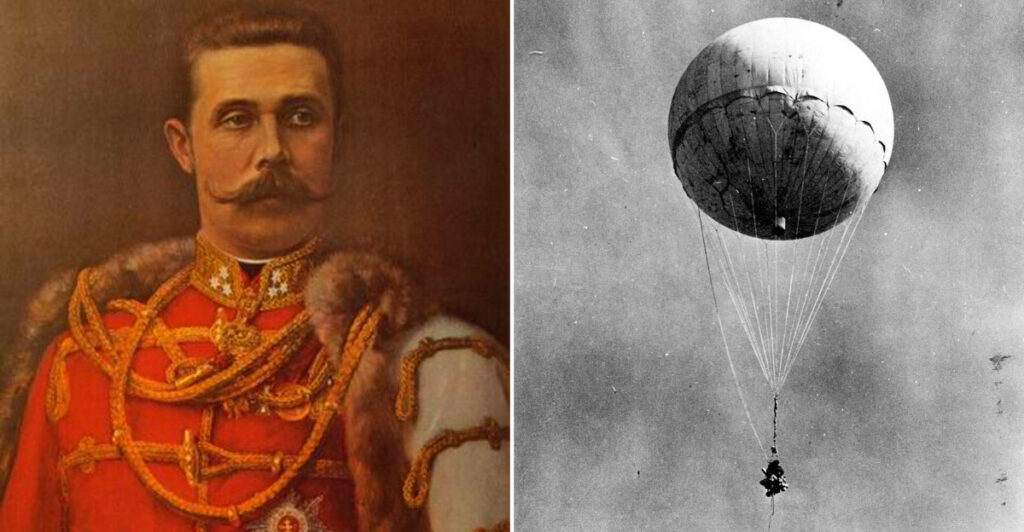
History has a talent for turning small missteps into enormous consequences, and that pattern shows up everywhere from medieval rivalries to modern stock apps. A stolen object, a driver missing a turn, a flock of oversized birds, and a fizzy drink company making a strange deal can all end up reshaping public memory far beyond their starting point.
What makes these stories so gripping is not just the scale of what followed, but how clearly they reveal the habits, fears, technologies, and political tensions of their time, whether the setting is fourteenth century Italy, Cold War boardrooms, or an internet forum packed with retail traders using memes as fuel. Keep going, and you will get twelve sharp reminders that history does not always move through grand strategy or careful planning – sometimes it lurches forward because somebody grabbed the wrong thing, said the wrong thing, dug in the wrong place, or underestimated just how quickly a ridiculous situation could become part of the historical record.
1. The War Started by a Bucket
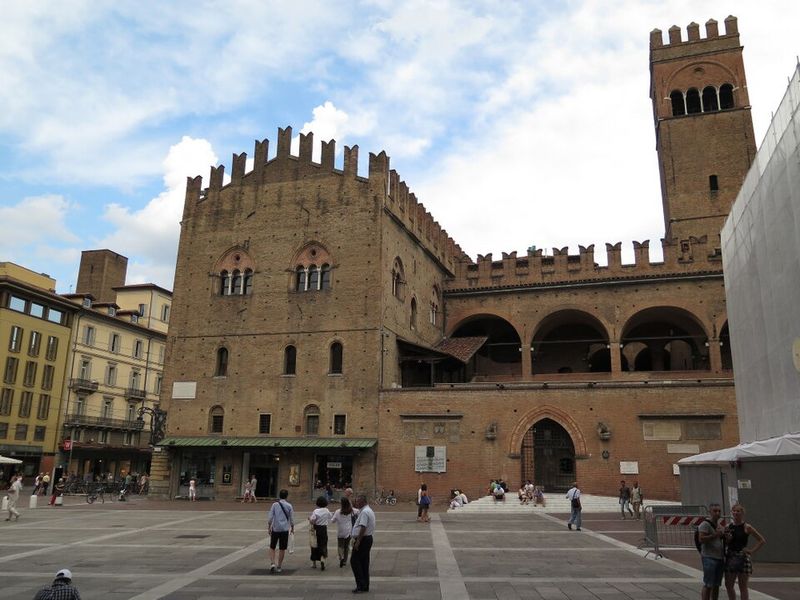
Nothing says medieval priorities quite like a wooden bucket becoming a diplomatic disaster. In 1325, the rival Italian city-states of Bologna and Modena were already tense, and the bucket became a perfect symbol for a feud waiting for an excuse.
According to tradition, Modenese troops took a bucket from a Bolognese well after raiding territory near the border. The theft did not create the rivalry, but it gave chroniclers an irresistible detail, and soon the dispute fed into the larger clash between Guelph and Ghibelline factions.
The confrontation peaked at the Battle of Zappolino, where Modena defeated the larger Bolognese force. The bucket itself was less important than civic pride, factional politics, and a local culture that treated insults like formal invitations to escalate.
Centuries later, the tale still survives because it sounds absurd while remaining completely believable. If you ever doubt that symbolism can outrun common sense, this episode keeps the bucket firmly on display.
2. A Wrong Turn That Sparked World War I
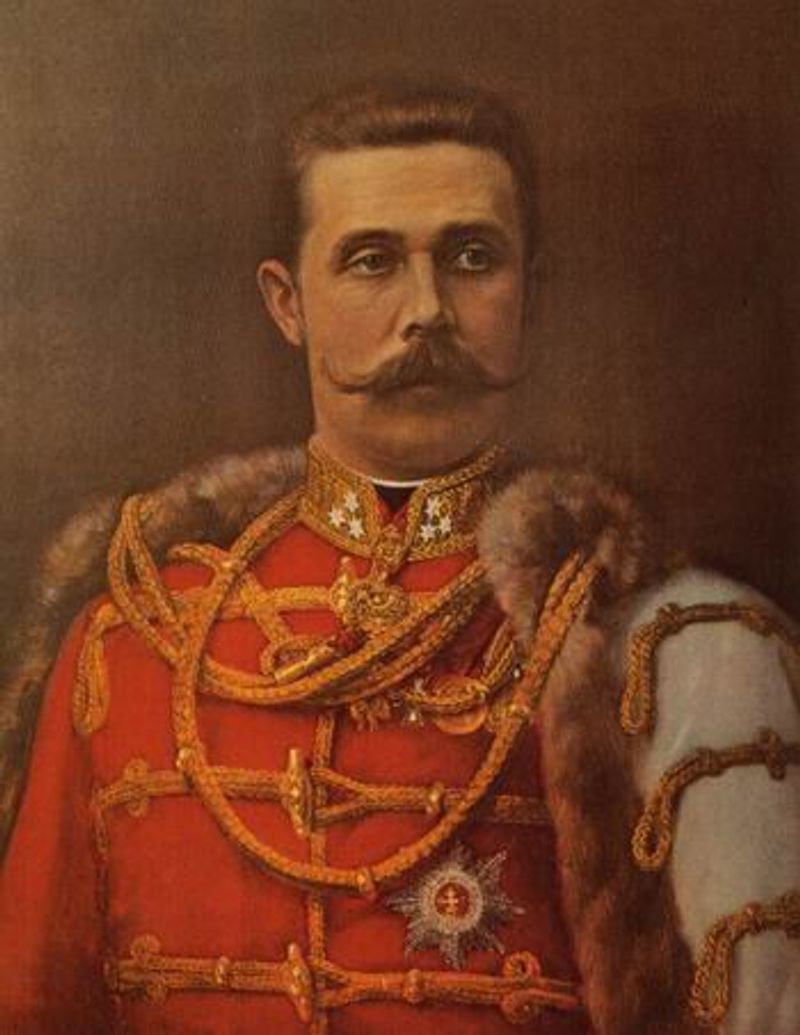
One missed turn changed the twentieth century with almost absurd efficiency. On June 28, 1914, Archduke Franz Ferdinand visited Sarajevo during a tense political moment in the Balkans, where several young nationalists were waiting for a chance to act.
Earlier attempts against his motorcade had failed, and it seemed the visit might continue without another incident. Then the driver took a wrong turn near the Latin Bridge, stopped to correct course, and placed the car directly near Gavrilo Princip, who suddenly had the opportunity he thought was gone.
The assassination itself was one event, but the machinery around it was far larger. Austria-Hungary issued demands to Serbia, alliances activated, mobilizations followed, and Europe moved from regional tension to general war with astonishing speed.
That is what makes the wrong turn so memorable in cultural memory. It did not create imperial rivalries, military planning, or nationalism, yet it became the tiny hinge on which an already overloaded system swung wide open.
3. The Great Emu War (Yes, It Happened)
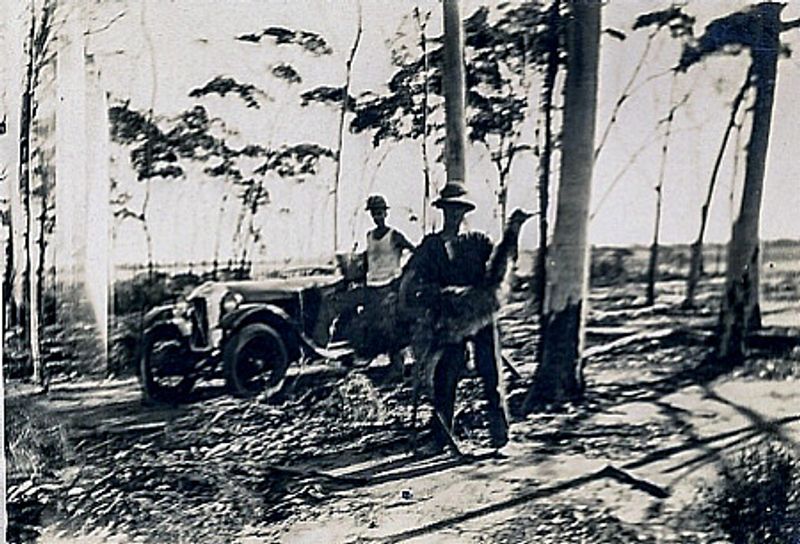
Few government plans have looked less impressive on paper with hindsight than deploying soldiers against emus. In 1932, Western Australian farmers faced serious crop damage after thousands of emus moved inland, trampling fences and helping rabbits enter cultivated land.
The federal government sent troops with Lewis guns, expecting a quick solution. Instead, the birds scattered in small groups, ran unpredictably, and proved difficult targets across rough terrain, turning the operation into an administrative embarrassment almost immediately.
Press coverage loved every minute of it, and the emus gained a reputation as tactical geniuses by default. Reports noted jammed weapons, limited ammunition efficiency, and the awkward reality that military hardware was not especially useful against fast wildlife spread over huge areas.
The campaign ended without the decisive result officials wanted, and bounty systems returned as the more practical approach. The lasting appeal of the Emu War comes from its perfect mix of bureaucracy, agriculture, and comic defeat, all backed by official records that refuse to become less funny.
4. A Football Match That Became a War
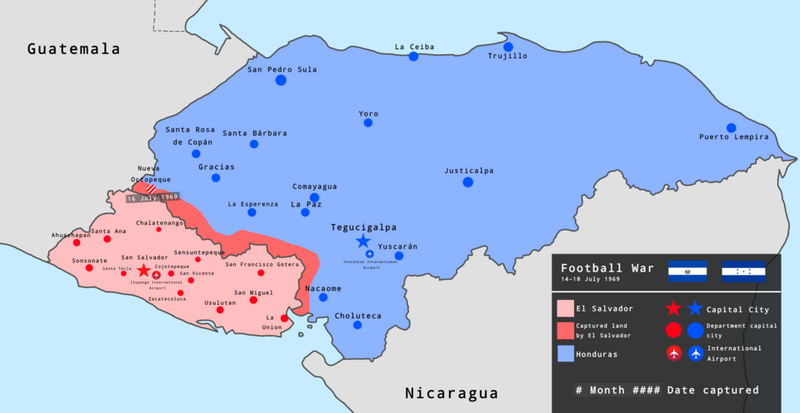
Sports rivalries can get heated, but this one spilled far beyond the stadium. In 1969, El Salvador and Honduras met in World Cup qualifying matches while both countries were already dealing with land disputes, migration tensions, and intense media nationalism.
The games did not create those problems, yet they became a public stage for them. Newspapers, radio coverage, and crowd behavior sharpened emotions, and each match seemed to confirm every grievance people already held about borders, identity, and economic pressure.
After the qualifiers, relations deteriorated rapidly and military action followed in what became known as the Football War, or Soccer War. The conflict was brief, but the nickname stuck because it captured how a familiar event could act as a spark when governments and publics were already primed for confrontation.
The label is slightly misleading, and historians often point that out. Football was the accelerant in public memory, while the real fuel came from long standing structural disputes that had been waiting, rather impatiently, for a final push.
5. The Dancing Plague of 1518
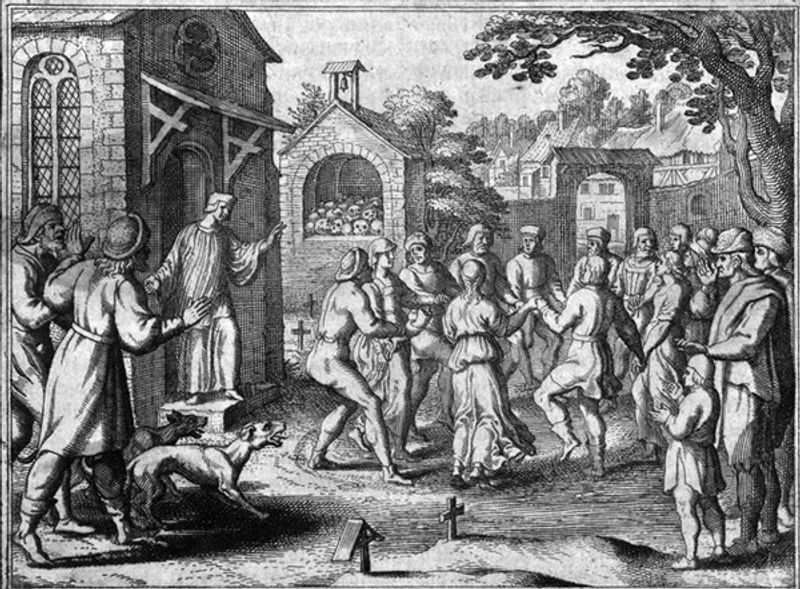
Few historical mysteries are stranger than a crowd that simply would not stop dancing. In July 1518, a woman in Strasbourg began dancing in the street, and over the following days more people joined her in a phenomenon that baffled officials and still puzzles historians.
Contemporary accounts describe dozens, then many more, moving for extended periods despite obvious physical strain. Authorities first treated the behavior as a medical or spiritual problem, and some responses may have unintentionally encouraged the spread by providing spaces and musicians.
Explanations remain debated, which is part of the story’s staying power. Scholars have suggested mass psychogenic illness, intense social stress, religious belief, and other contributing factors, though no single theory has settled the question completely.
What is certain is that Strasbourg’s episode revealed how communities interpreted unusual behavior before modern psychology or public health systems existed. The event escalated because uncertainty itself can become contagious, especially when officials, neighbors, and observers all start treating an extraordinary act as something larger than one person’s distress.
6. Balloon Bombs That Sparked Fear
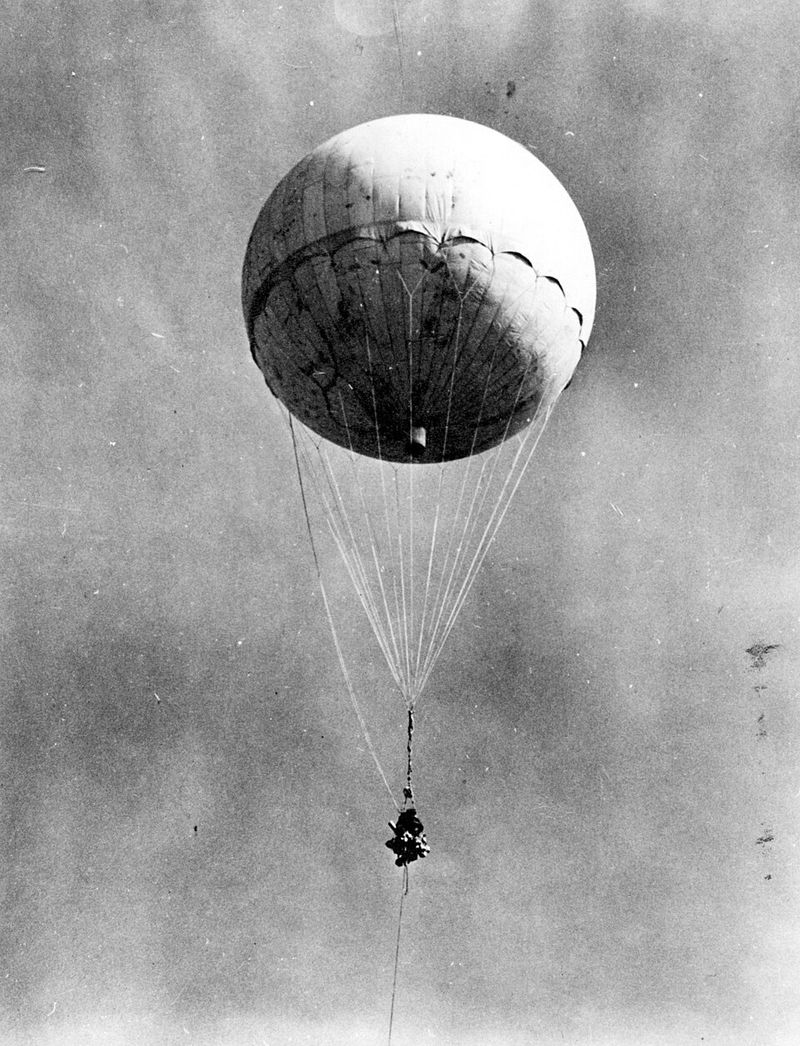
A paper balloon crossing an ocean sounds like a prank until wartime engineering enters the chat. During World War II, Japan launched thousands of Fu-Go balloon bombs, using high altitude air currents to send incendiary devices toward North America in an unusual long distance campaign.
The idea relied on the jet stream, which scientists had studied but most civilians barely understood. Balloons that survived the Pacific could descend unpredictably across forests, fields, or remote communities, creating a form of psychological pressure as much as a physical threat.
American and Canadian authorities kept many incidents quiet to avoid giving Japan useful feedback. That censorship worked strategically, yet it also helped the balloons acquire a strange afterlife in public memory, because the danger felt invisible, scattered, and hard to map in real time.
What escalated here was not constant destruction but the unsettling possibility that ordinary skies were part of the battlefield. The campaign showed how even limited results could produce outsized fear when distance, technology, and uncertainty were bundled together so neatly.
7. The Boston Molasses Disaster
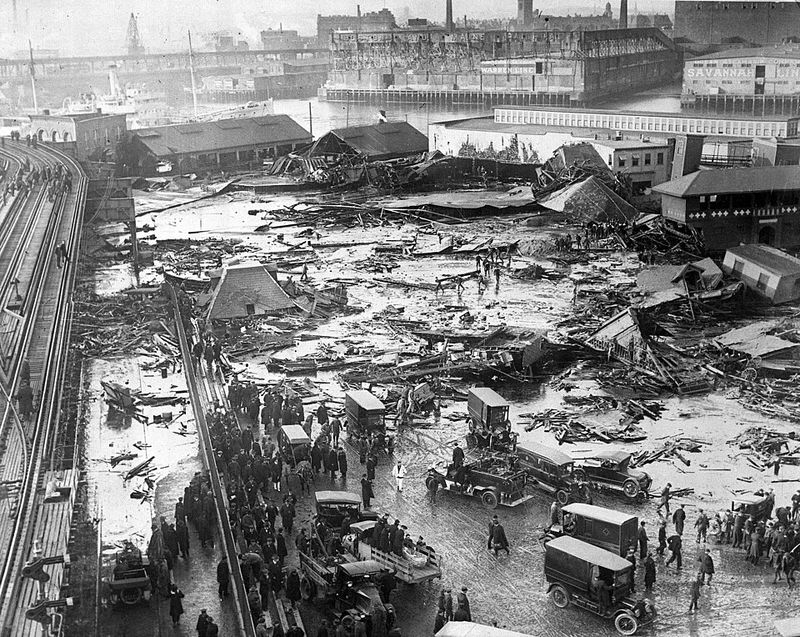
An industrial storage tank turned into one of Boston’s strangest disasters with almost no warning. On January 15, 1919, a huge tank owned by the Purity Distilling Company burst in the North End, sending a massive surge of molasses through nearby streets.
The tank had reportedly leaked before, and residents had noticed structural concerns that seem obvious in hindsight. Once it failed, the moving molasses damaged buildings, disrupted rail infrastructure, and left rescuers dealing with a cleanup problem so unusual that it still feels invented.
Investigations and lawsuits followed, drawing attention to weak oversight, rushed construction, and the importance of engineering standards. The case became a landmark in corporate accountability, showing that industrial expansion in a crowded city required more than optimism and a large container.
The story endures because the material involved sounds comic until you read the details. Then it becomes a clear example of how modern urban life, booming industry, and inadequate safeguards could combine into a very real public crisis in a matter of seconds.
8. The Pig War That Almost Escalated
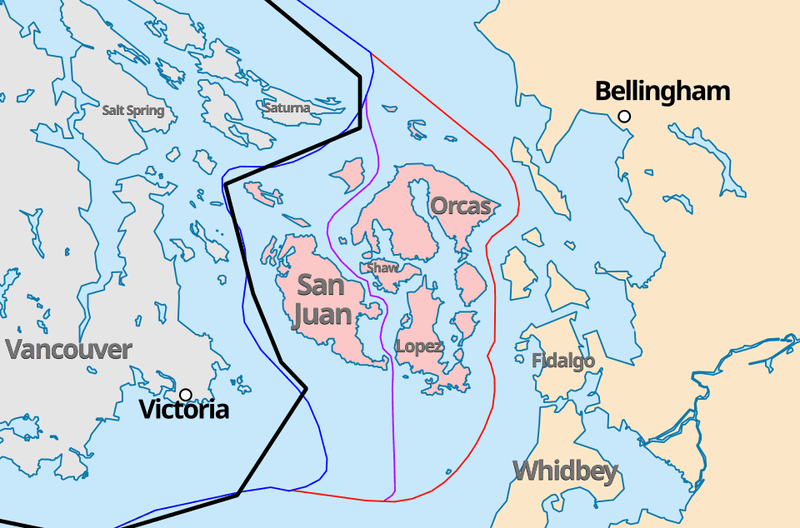
International diplomacy has rarely looked more fragile than when a pig wandered into the wrong garden. In 1859, on San Juan Island between Vancouver Island and the Washington Territory, an American settler shot a British pig that had repeatedly rooted through his potatoes.
The pig belonged to the Hudson’s Bay Company, and the argument quickly outgrew livestock etiquette. The island sat in a poorly defined border zone after the Oregon Treaty, so what could have remained a local compensation dispute turned into a sovereignty question between Britain and the United States.
Both sides sent military forces, officers exchanged formal complaints, and the standoff became absurdly serious for something that started with produce protection. Cooler heads eventually prevailed, and the episode settled into a prolonged but mostly restrained occupation rather than open conflict.
The Pig War remains a favorite historical anecdote because it captures the danger of vague borders and touchy national pride. It also proves that sometimes the difference between diplomacy and chaos is a negotiator willing to admit the pig probably deserved better paperwork.
9. The Discovery of Pompeii—By Accident
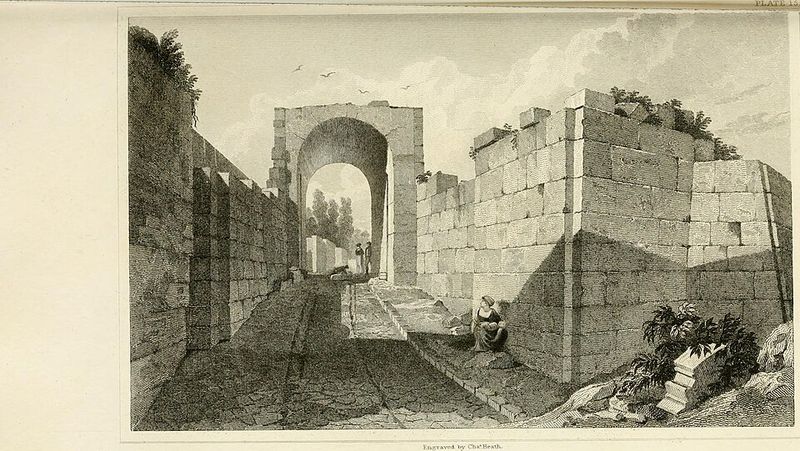
Some of history’s biggest rediscoveries begin with workers trying to finish an ordinary job. In 1599, engineer Domenico Fontana was digging an underground canal near what is now Pompeii when inscriptions and painted walls from an ancient Roman site appeared unexpectedly.
Fontana recorded what he found, but the ruins were not fully investigated at the time and were reburied as the project continued. That decision delayed wider recognition, yet it also preserved the site until eighteenth century excavations turned Pompeii into one of archaeology’s most famous names.
Once systematic digging began under the Bourbon rulers, the findings transformed European understanding of Roman urban life. Streets, houses, wall paintings, everyday objects, and public buildings offered a rare snapshot of antiquity that scholars, artists, and tourists could all interpret in their own way.
The escalation here happened slowly rather than all at once. An accidental glimpse during infrastructure work grew into a major archaeological enterprise, reshaping museums, classical studies, and popular imagination with the strange power of a city paused in place for centuries.
10. When Pepsi Owned Warships
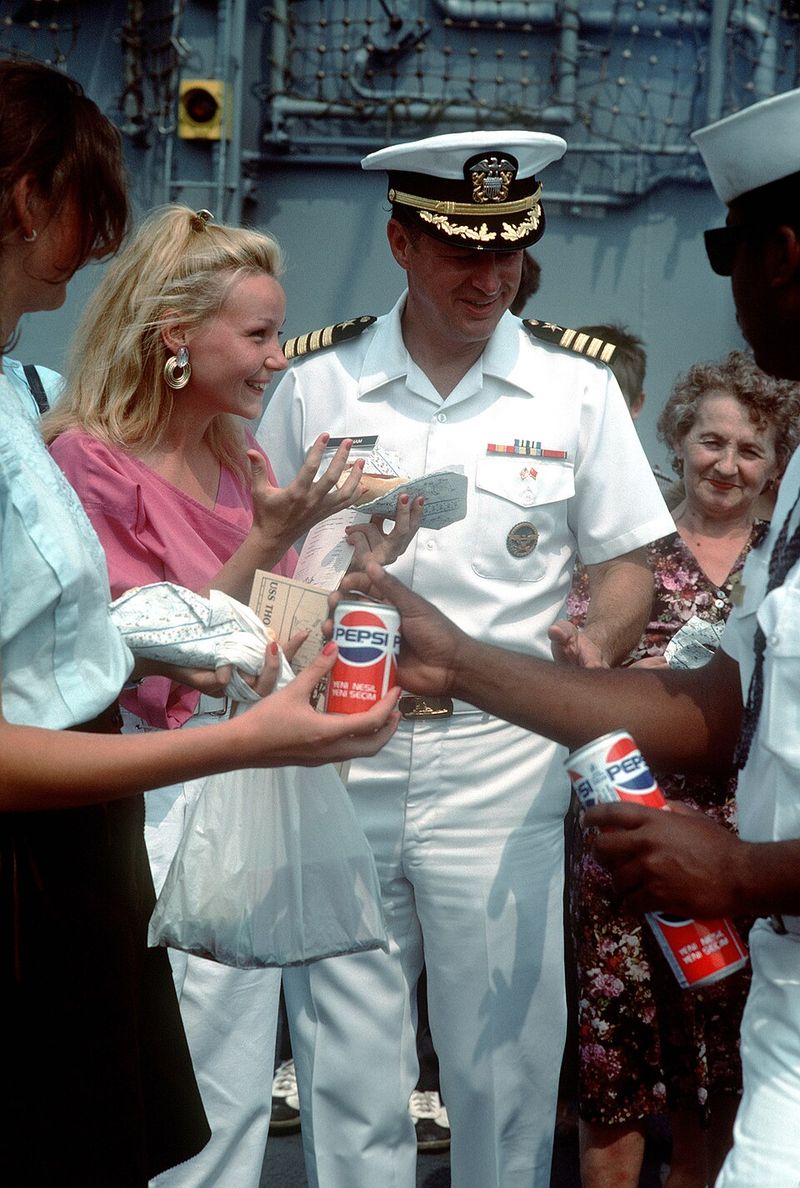
Cold War trade occasionally produced sentences that sound like typing errors, and this is one of the best. In the late 1980s, the Soviet Union expanded a barter arrangement with Pepsi because rubles were not freely convertible on international markets, making cash based deals awkward.
Pepsi had already built a strong Soviet presence by exchanging concentrate for Stolichnaya distribution rights in the United States. As the agreement evolved, reports noted that the Soviets transferred ships and other assets as part of the broader package, briefly giving Pepsi control over an improbable fleet on paper.
No, the company was not about to patrol oceans with a cola logo on the hull. The ships were intended for resale or scrapping, but the symbolism was irresistible, especially during a period when consumer brands and geopolitics were colliding in increasingly public ways.
The story escalated because it compressed global economics into a headline nobody could resist repeating. For one moment, trade imbalance, soft power, and naval hardware all sat awkwardly in the same sentence, and history politely refused to clarify the joke.
11. The Coca-Cola Recipe Buzz
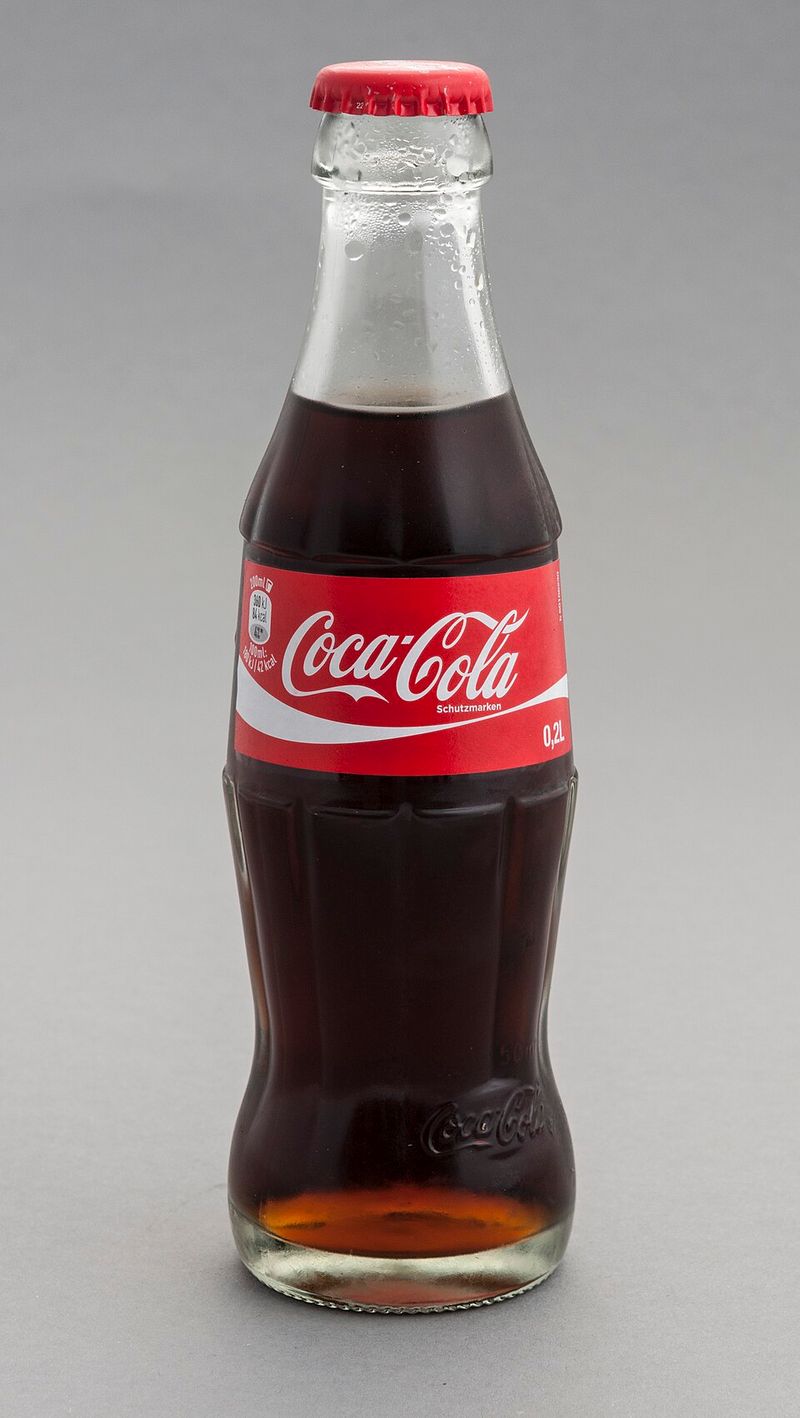
A secret formula rumor can still dominate headlines in the age of search engines. In 2011, the public radio program This American Life suggested that a 1979 newspaper photograph might reveal Coca-Cola’s closely guarded recipe, instantly reviving one of the most durable myths in brand history.
The claim spread quickly because the company had spent decades turning confidentiality into part of its identity. Coca-Cola responded calmly, saying the discovered formula was not the real one, and the whole episode became less a corporate crisis than a master class in how legends help products stay culturally alive.
People were not just curious about ingredients. They were curious about whether modern media could puncture an old business mystery that had survived advertising campaigns, museum displays, and generations of consumers repeating the same question.
That is why the moment escalated so neatly without becoming chaotic. A radio segment, a blurry clipping, and a famous brand created a feedback loop of skepticism, publicity, and nostalgia, proving that sometimes the best marketing asset is a rumor you can neither fully confirm nor completely retire.
12. The GameStop Stock Frenzy

A struggling mall retailer suddenly became the center of a financial culture war conducted through apps and memes. In early 2021, retail traders on Reddit’s WallStreetBets forum began buying GameStop shares and options, partly to challenge hedge funds that had heavily shorted the stock.
The setup was technical, but the energy was cultural. Commission free trading, stimulus era attention, social media momentum, and open distrust of institutional finance combined to turn a niche market play into a global spectacle that even people who avoided business news could not ignore.
As the price surged, short sellers faced mounting pressure and the story intensified across television, podcasts, and group chats. Trading restrictions by some brokerages then added another layer, shifting the narrative from speculative mania to a broader argument about fairness, access, and who really gets to play the market.
The frenzy did not just move a ticker symbol. It exposed how finance had become entertainment, identity, and internet performance all at once, which is precisely why a joke trade escalated into congressional hearings and a permanent place in cultural memory.
Share this story