Tucked behind a quiet residential street in Montclair, New Jersey, there is a place that most people drive past without a second glance. But once those gates open, a whole different world unfolds.
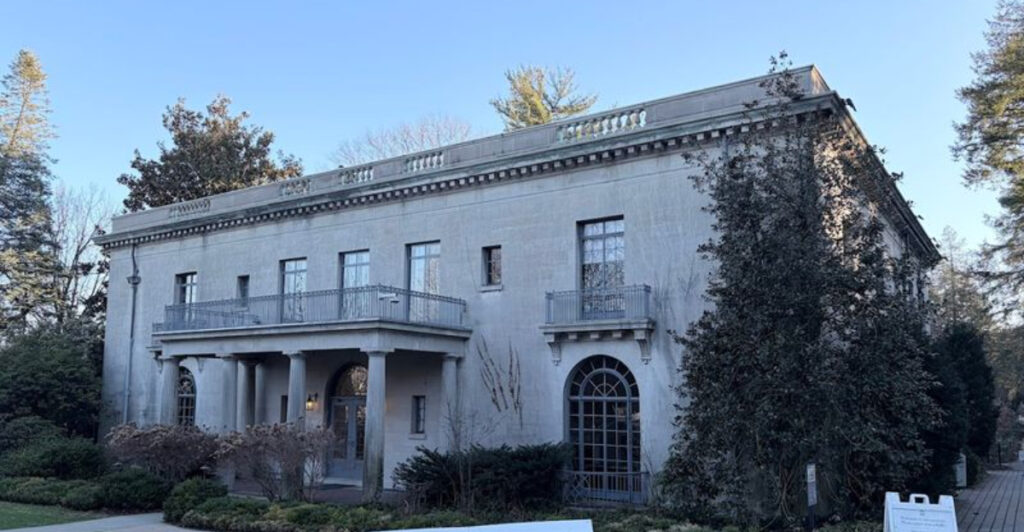
A historic Italianate villa built in 1868 stands at the center of lush, carefully tended gardens that change with every season. The grounds are free to enter, open daily, and full of surprises that reward anyone curious enough to explore.
Whether it is a 100-year-old wisteria vine framing the front portico or a fairy trail that delights children and adults alike, this spot has a quiet kind of magic that keeps people coming back. This article takes a closer look at what makes this Montclair botanical treasure so worth visiting, from its rich history and seasonal blooms to its educational programs and photography-worthy corners.
The Story Behind the Villa
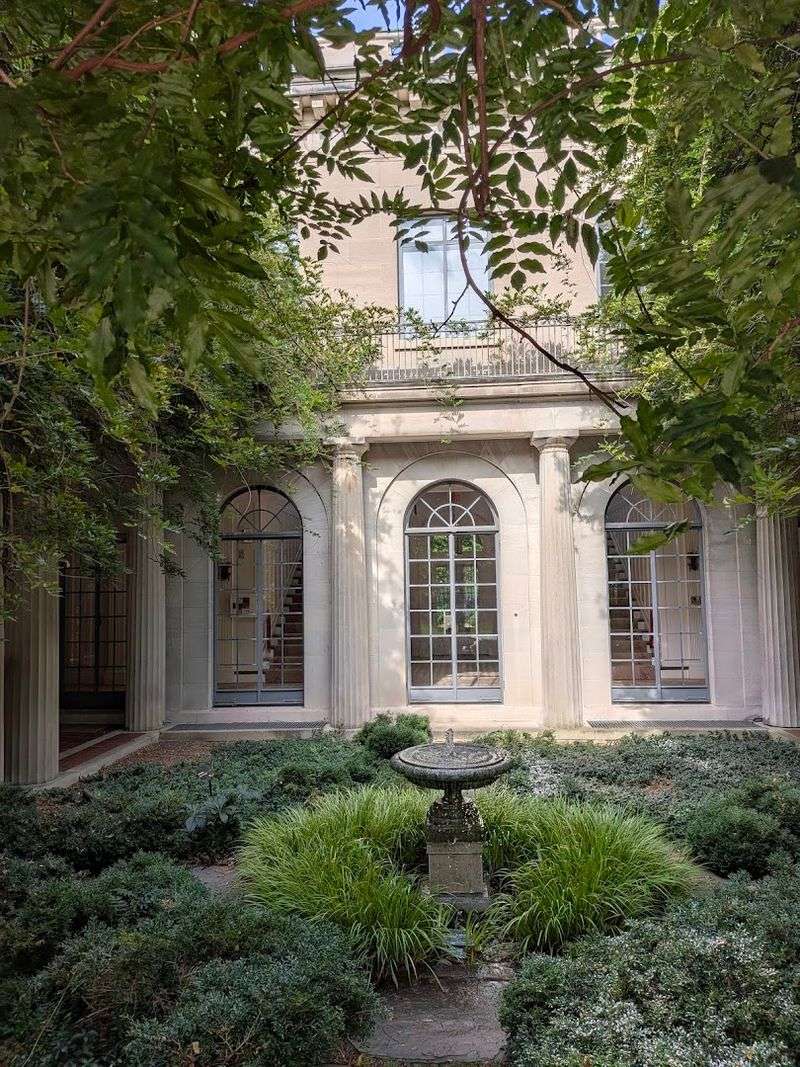
The Van Vleck family built this estate in the late 19th century, and the property has carried their name ever since. The Italianate style was popular during that era, known for its tall arched windows, decorative brackets, and symmetrical facades that gave homes a grand, almost European character.
Over the decades, the family cultivated the gardens with serious dedication. They introduced rare plant varieties, planted flowering trees, and developed a landscape that grew more layered and complex with each passing generation.
The wisteria vines that now frame the front portico of the house are believed to be over 100 years old, which means they were planted when the 20th century was still young.
The property eventually transitioned into a nonprofit organization, ensuring that the gardens and villa would remain accessible to the public. That decision is what makes this place feel like a gift to the entire community rather than a private retreat.
What the Grounds Look Like Beyond Spring
Spring gets most of the attention, but the gardens at this estate have something to offer in every season. Summer brings lush greenery and active pollinators moving through the butterfly garden.
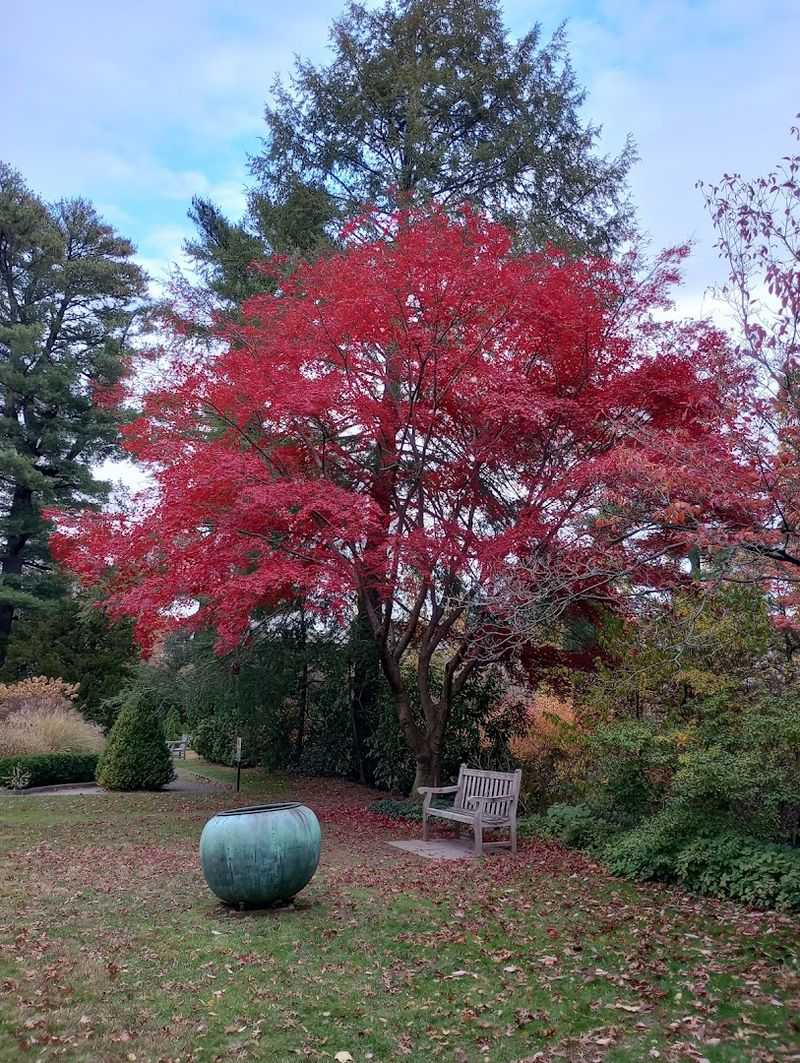
Fall delivers a different kind of visual reward, with the surrounding trees shifting into warm reds and oranges that frame the villa in a completely different way.
Even in winter, the structure of the garden remains interesting. The bones of a well-designed landscape are visible when the foliage is gone, and the historic architecture of the house takes on a more prominent role.
The garden paths stay accessible, and the property maintains its calm, unhurried quality throughout the colder months.
The grounds cover a modest area, which means a visit rarely takes more than one to two hours. That compact scale actually works in the garden’s favor, making it easy to explore thoroughly rather than feeling like you have only scratched the surface.
The Fairy Trail Kids Actually Love
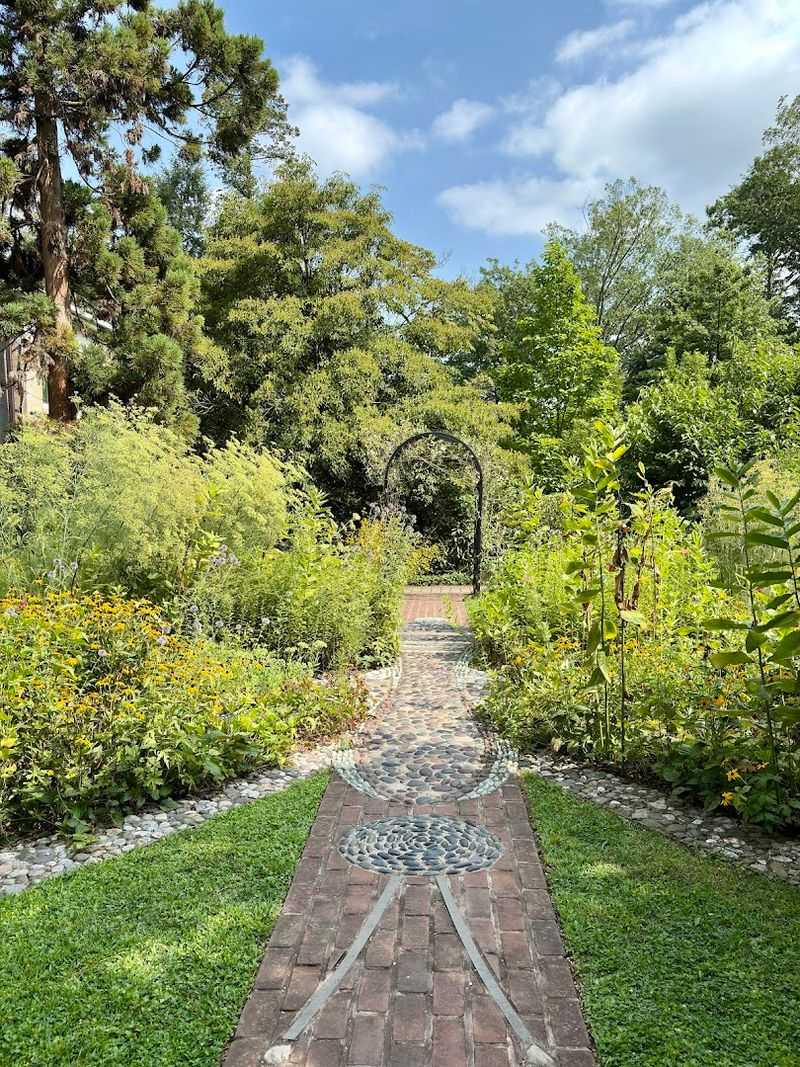
Tucked within the garden is a feature that has become a genuine favorite among younger visitors: the fairy trail. Along this path, children are encouraged to build tiny fairy houses using natural materials they find on the ground, like twigs, leaves, pebbles, and bark.
The results are creative, charming, and completely biodegradable.
This kind of hands-on activity works well because it does not require any equipment or preparation. Kids simply pick up what they find and start building, which keeps the experience spontaneous and genuinely fun.
Parents appreciate that it holds attention for a good stretch of time without any screens involved.
The fairy trail is one of several child-friendly elements woven into the garden’s design. The estate also hosts family events throughout the year, including animal shows, arts and crafts sessions in partnership with local cultural organizations, and seasonal programming that gives families a reason to return more than once.
It is a thoughtful touch in an already welcoming space.
A Butterfly Garden Worth Seeking Out
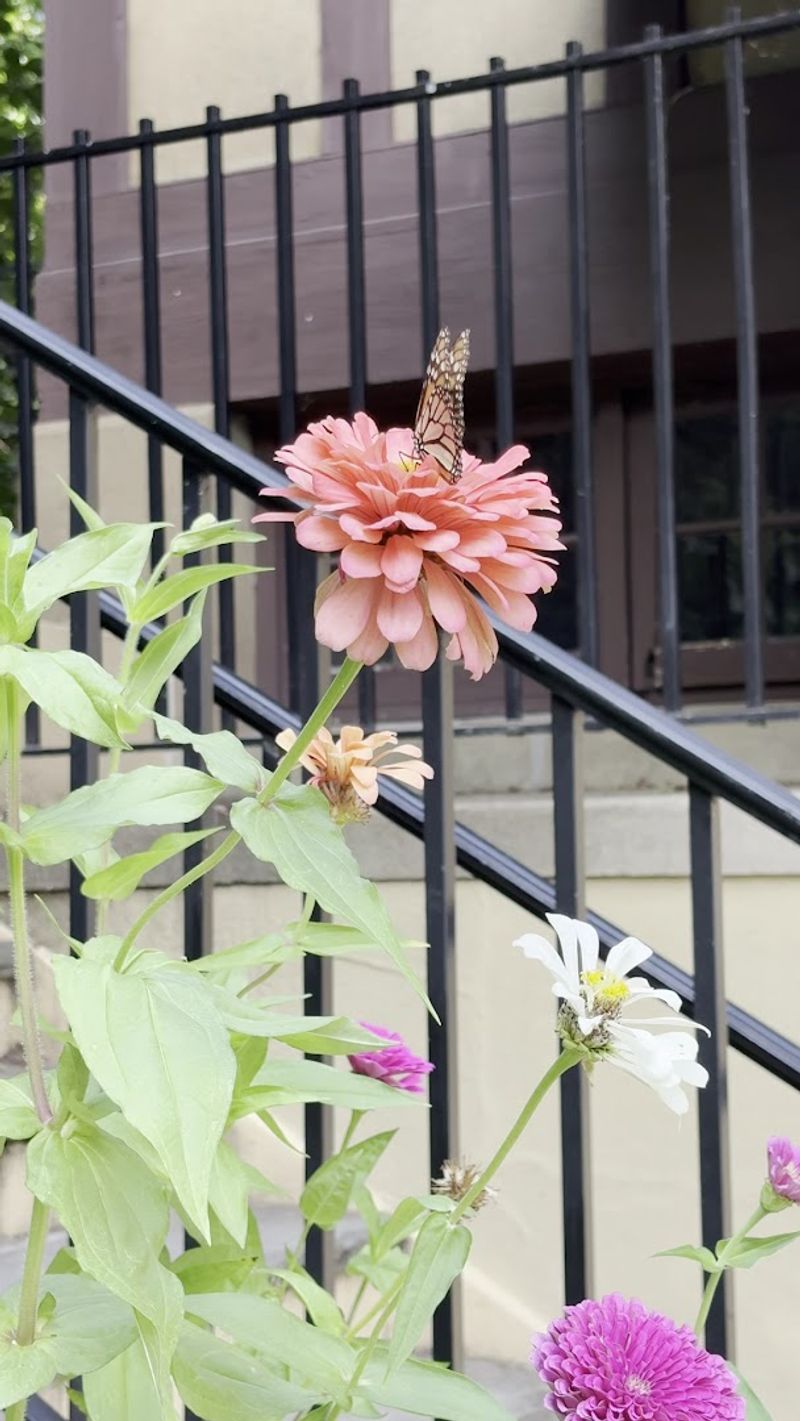
The butterfly garden is one of those spots in the estate that rewards visitors who take the time to wander rather than sticking to the main paths. It is specifically planted to attract pollinators, and during the warmer months, the activity level in this section of the garden is noticeably higher than elsewhere on the grounds.
Designing a garden for butterflies requires a specific mix of plants that serve both as nectar sources for adults and as host plants for caterpillars. The selection at this estate reflects that knowledge, and the result is a corner of the property that feels genuinely alive with movement during peak season.
For anyone interested in nature observation or photography, this area offers reliable opportunities throughout the summer. The plantings are maintained with the same care applied to the rest of the garden, and the butterfly garden sits within easy walking distance of the other main features, making it a natural stop on any visit to the estate.
Two Fountains and Plenty of Places to Sit
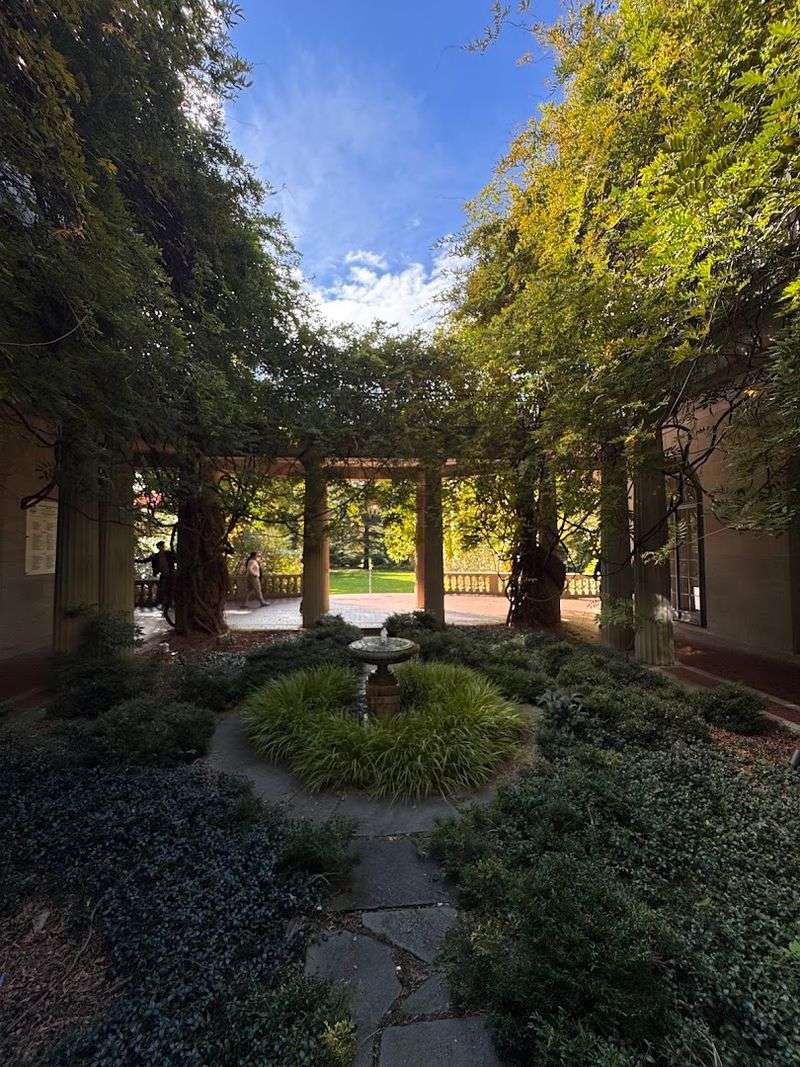
The garden features two fountains that anchor different sections of the grounds. Both are well-maintained and add a visual focal point to the areas around them.
Benches are positioned throughout the property in spots that make it easy to pause, look around, and simply take in the surroundings without feeling rushed.
The layout of the garden encourages a slow pace. Paths wind through different planting areas, and the variety of seating options means that a visit can be as active or as restful as the visitor wants it to be.
For anyone looking for a quiet hour away from a busy schedule, the benches near the fountains tend to be particularly well-placed for that purpose.
The overall atmosphere of the grounds is calm and unhurried, which is part of what makes it appealing for solo visits, dates, and family outings alike. The combination of moving water, mature plantings, and available seating gives the garden a layered quality that holds up across multiple visits.
Photography Opportunities Around Every Corner
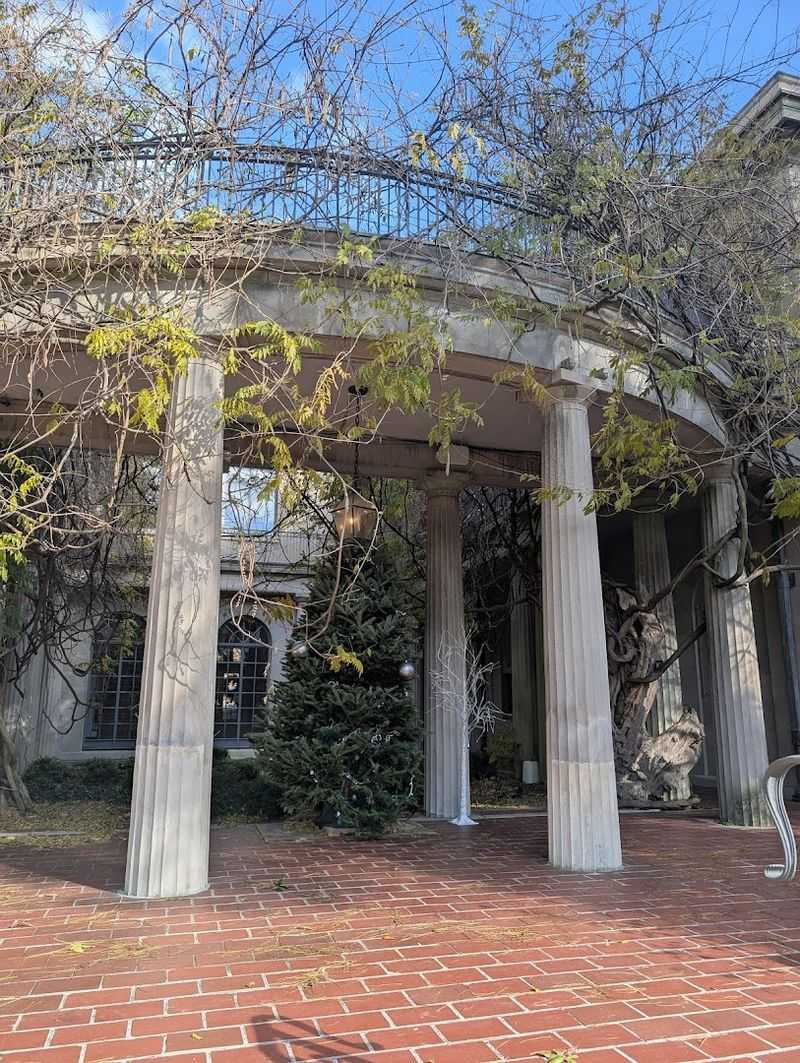
The estate has developed a strong reputation among photographers, both amateur and professional. The combination of historic architecture, mature plantings, seasonal blooms, and varied garden rooms creates a range of compositions that are difficult to find in a single location elsewhere in the region.
Spring is the most popular season for photography here, particularly when the wisteria and azaleas are at peak bloom. The front portico draped in wisteria has become one of the most recognizable images associated with Montclair’s green spaces.
Engagement sessions and wedding portraits are frequently held on the grounds, and the estate’s historic character adds a timeless quality to those images.
Professional photographers are required to obtain permission before shooting on the property, which is a reasonable policy that helps manage the grounds and ensures the experience remains pleasant for all guests. The garden’s website has details on how to request that permission, and the process is straightforward for those planning ahead.
Educational Programs That Go Beyond the Garden
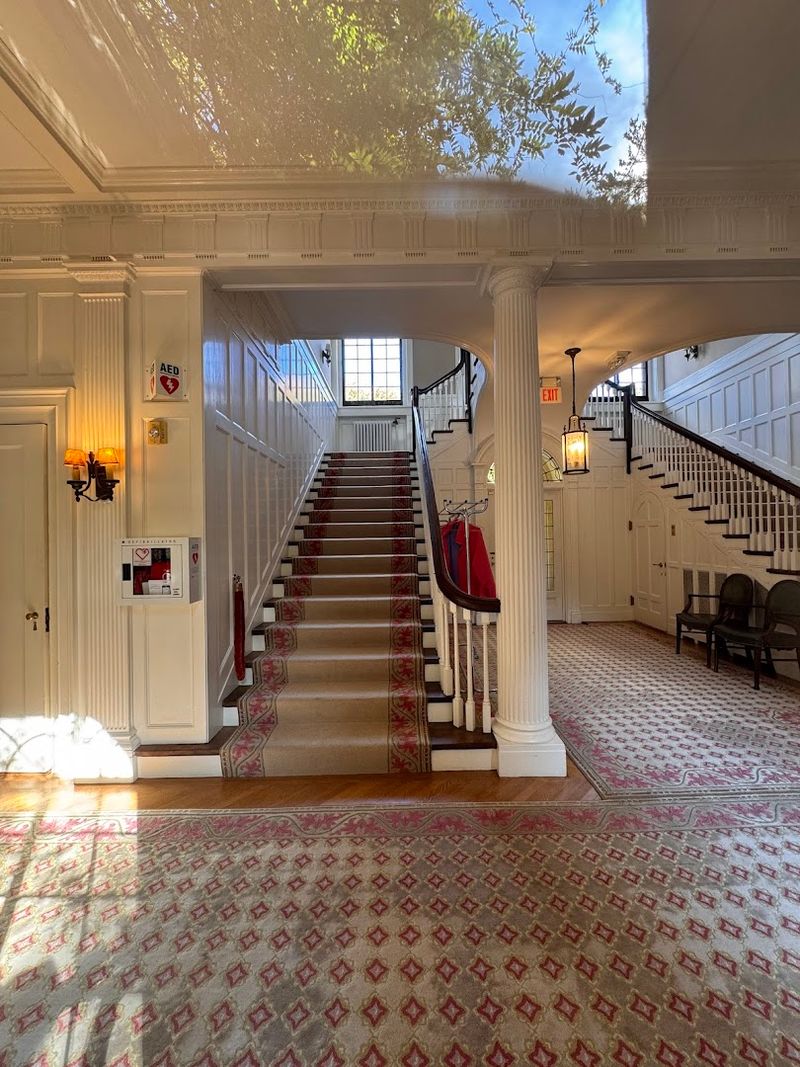
The Van Vleck estate is more than a garden to walk through. It functions as an active educational center, offering programs that span a wide range of interests and age groups.
Workshops, guided tours, meditation sessions, and family events are scheduled throughout the year, giving the property a community role that goes well beyond passive recreation.
The education center on the grounds includes restroom facilities and serves as a hub for programming. Events have included arts and crafts partnerships with the Montclair Art Museum, nature-focused activities for children, and wellness programming for adults.
The variety reflects a deliberate effort to make the garden relevant to as many people as possible.
Guided tours of the villa are available for those who want a more structured experience. The tour provides context about the house’s architecture, the family’s history, and the development of the garden over more than a century.
It adds a layer of meaning to what might otherwise feel like a pleasant but straightforward garden visit.
Free to Visit, Easy to Support
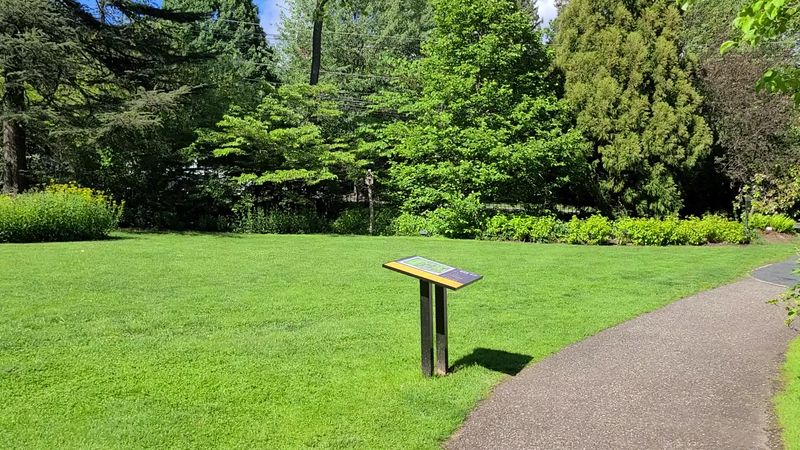
One of the most appealing facts about this estate is that general admission is free. There is no ticket booth, no timed entry, and no requirement to book in advance for a standard visit.
The grounds are simply open, and anyone who shows up during operating hours is welcome to explore at their own pace.
A donation box is located in the visitor center near the restrooms, and contributions help fund the maintenance and programming that keep the garden in its current condition. For a property of this scale and quality, the suggested donation model is genuinely generous, and regular visitors often find it easy to contribute as a way of giving back to a place they enjoy.
Local honey is also available for purchase on the grounds, which is a small but satisfying detail that connects the garden’s pollinator-friendly plantings to something tangible visitors can take home. It is a minor touch that adds to the overall character of the place without feeling forced or commercial.
Stroller-Friendly and Accessible for Families
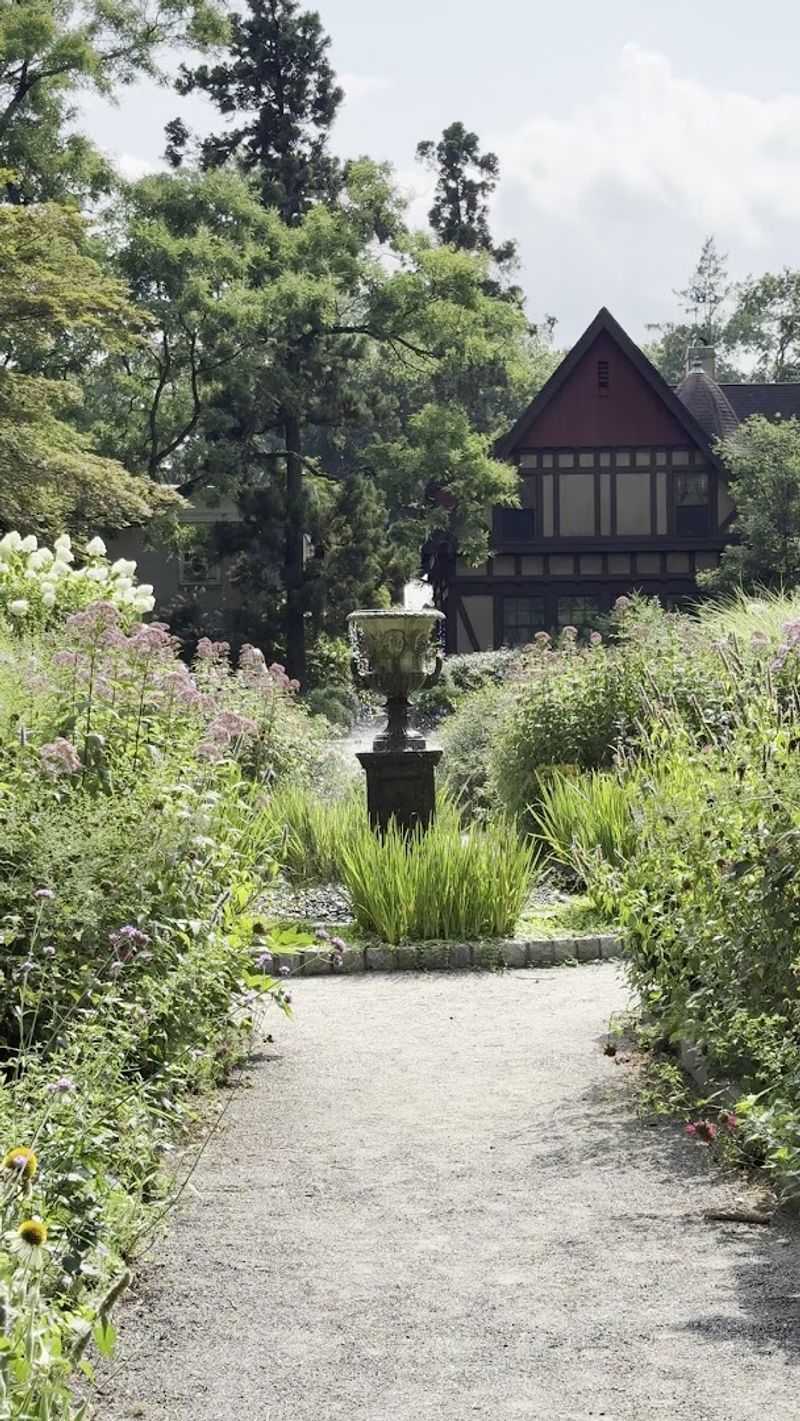
Families with young children will find the garden navigable, though a few sections involve stairs that serve as shortcuts between levels. The main paths are wide enough for strollers and manageable for wheelchairs, even if the surfaces are not perfectly smooth in every area.
Most of the garden is accessible without needing to use the stair shortcuts.
The compact size of the grounds actually works in favor of families with small children. A visit typically runs between one and two hours, which fits comfortably within the attention span of young kids.
There is enough variety in the plantings and features to keep children engaged without the property feeling overwhelming or exhausting.
Restrooms are available in the education center, which is a practical detail that matters more than it might seem during a family outing. The combination of free admission, on-site parking, accessible paths, and child-friendly programming makes this garden one of the more family-welcoming outdoor destinations in Essex County.
Why This Garden Keeps Pulling People Back
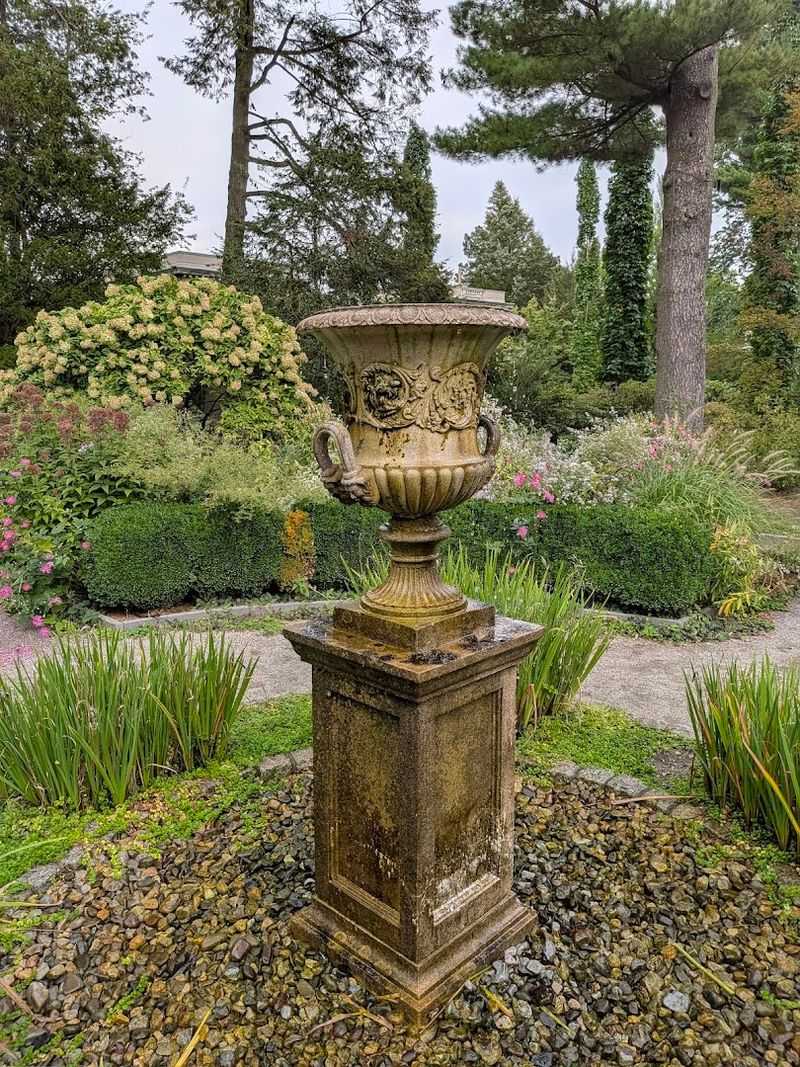
There is something about this estate that makes people want to return. Part of it is the seasonal change: the garden looks genuinely different in March than it does in June or October, and each visit reveals something that was not visible the last time.
The shifting palette of blooms and foliage gives regulars a reason to keep showing up throughout the year.
Another part of the appeal is the scale. Because the grounds are compact, a visit never feels like a commitment.
It is the kind of place that fits into a free afternoon without requiring a full day’s planning, which lowers the barrier to returning again and again.
The garden also benefits from being embedded in a residential neighborhood, which gives it a grounded, community-rooted quality. It does not feel like a tourist attraction designed for outsiders.
It feels like a neighborhood treasure that happens to be open to everyone, and that distinction makes all the difference.
A Historic Address Worth Finding
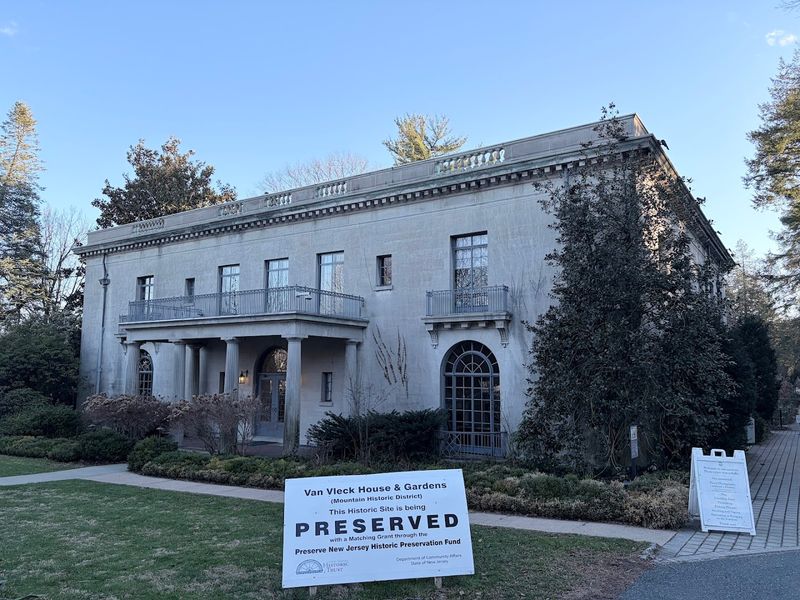
Van Vleck House & Gardens sits at 21 Van Vleck Street, Montclair, NJ 07042, and it sits in one of the most charming residential neighborhoods in Essex County. The house itself is an Italianate villa built in 1868, which means it has been standing for over 150 years and has outlasted countless trends in architecture and garden design.
What makes the location even more interesting is how unexpected it feels. A historic estate of this scale tucked into a walkable neighborhood is not something most people expect to find.
The grounds are open every day of the week from 9 AM to 7 PM, making it easy to plan a visit at almost any time.
There is on-site parking available, and the gate opens when you pull up. Overflow parking is available on the surrounding streets, which are calm and easy to navigate.
More information is available at vanvleck.org.
Share this story