Europe is full of places that never make it onto the highlight reel, and honestly, that is where the good stuff hides. I once skipped a famous capital city in favor of a tiny hilltop village, and it turned out to be the best travel decision I ever made.
These 15 destinations are proof that the standard itinerary is overrated. Pack light, ditch the tourist trail, and get ready for something genuinely different.
Albarracín, Spain: The Hilltop Medieval Town That Feels Suspended in Time
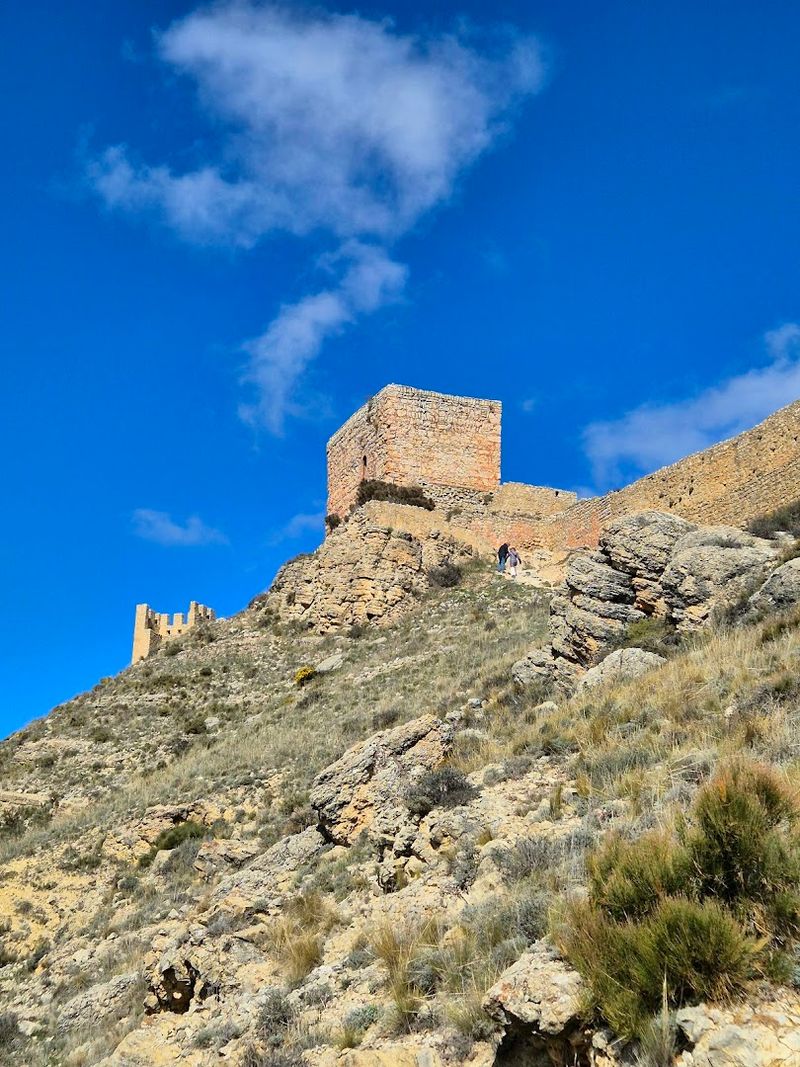
Albarracín looks like someone hit pause on the Middle Ages and forgot to press play again. The entire town sits on a rocky outcrop in Aragon, wrapped in pink-tinged stone walls that have stood since the 11th century.
You half-expect a knight to trot past on a horse.
The steep, narrow lanes twist uphill in ways that make maps feel pointless. Most streets are too narrow for cars, which means the only traffic is foot traffic.
That alone makes it feel like a completely different planet from Spain’s busy coastal cities.
The town’s historic core is remarkably well-preserved, with painted wooden balconies and overhanging houses that lean over the lanes. Viewpoints around the walls offer sweeping gorge views that reward the uphill climb.
Stay overnight if you can. Once the day visitors leave, Albarracín becomes incredibly quiet, and that stillness is the real attraction.
Vipava Valley, Slovenia: The Wine Region for Travelers Who Want Quiet Instead of Crowds
Slovenia keeps winning travel awards, but most visitors head straight to Lake Bled and call it done. The Vipava Valley sits just west of Ljubljana, and it is criminally undervisited for a wine region this good.
Local winemakers here pour with the kind of pride that makes every glass feel like a story.
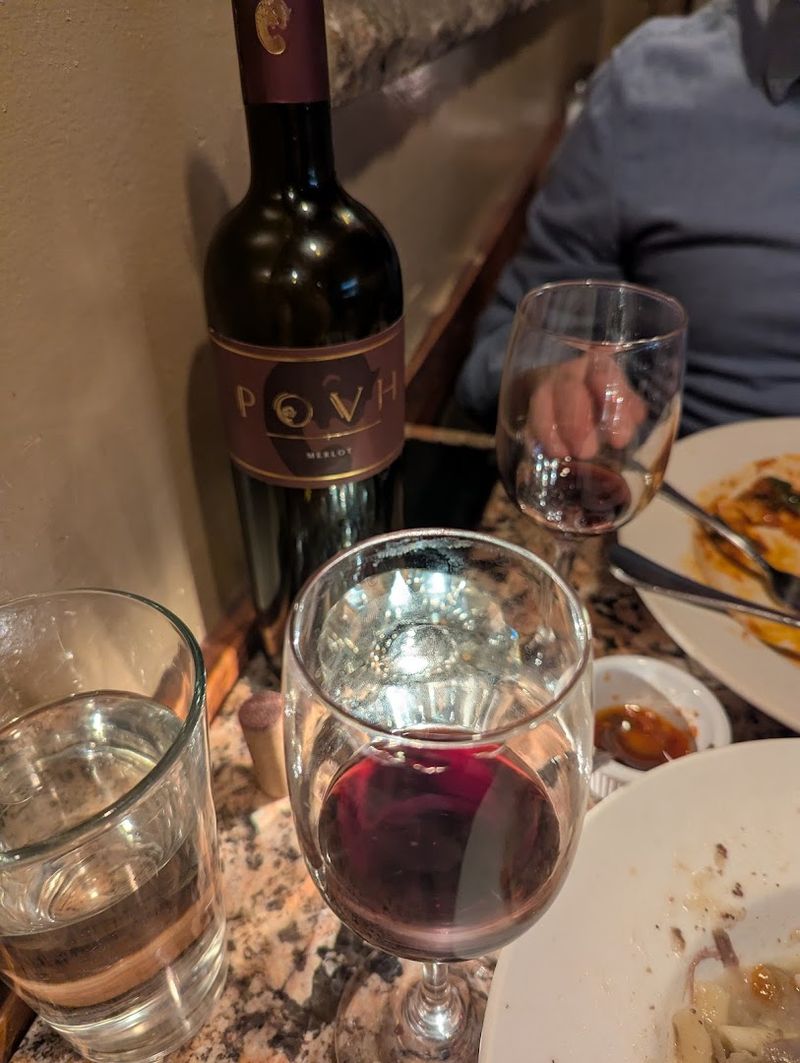
The valley grows indigenous grape varieties you will not find anywhere else in Europe, including Zelen and Pinela. These are wines with personality, produced in small batches by families who have farmed this land for generations.
No massive wine estates, no tour buses, just good bottles and honest conversation.
Hiking trails wind through the valley between villages, and the pace of life is genuinely unhurried. The official tourism portal actively promotes outdoor trails and local hospitality, so infrastructure for visitors exists without the place feeling overrun.
Go in autumn when the vines turn gold and the harvest energy is real.
Perast, Montenegro: The Bay of Kotor Escape That Feels Slower and More Intimate
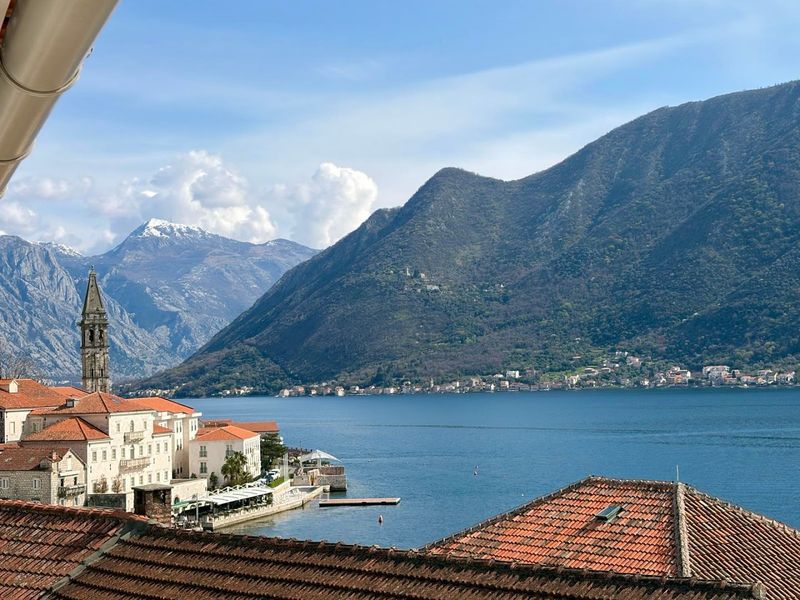
Perast has exactly one main street, and it runs along the water. That is not a complaint.
The Bay of Kotor frames everything here in a way that makes every glance feel like a postcard you did not buy at a gift shop.
The town is known for its Venetian-era palaces and a strong maritime history. Boat captains from Perast once trained Russian sailors under Peter the Great, which is a fun fact to drop at dinner.
Two small islands sit just offshore, and a short boat ride takes you to the Church of Our Lady of the Rocks, built on an artificial island that locals have been adding stones to for centuries.
Unlike nearby Kotor, Perast does not get swamped by cruise ship crowds. Montenegro’s official tourism sources describe it as quieter and more intimate, and that description holds up.
Come for a slow lunch and stay until the light on the water turns orange.
Civita di Bagnoregio, Italy: The Dramatic Cliffside Village Reached by a Footbridge
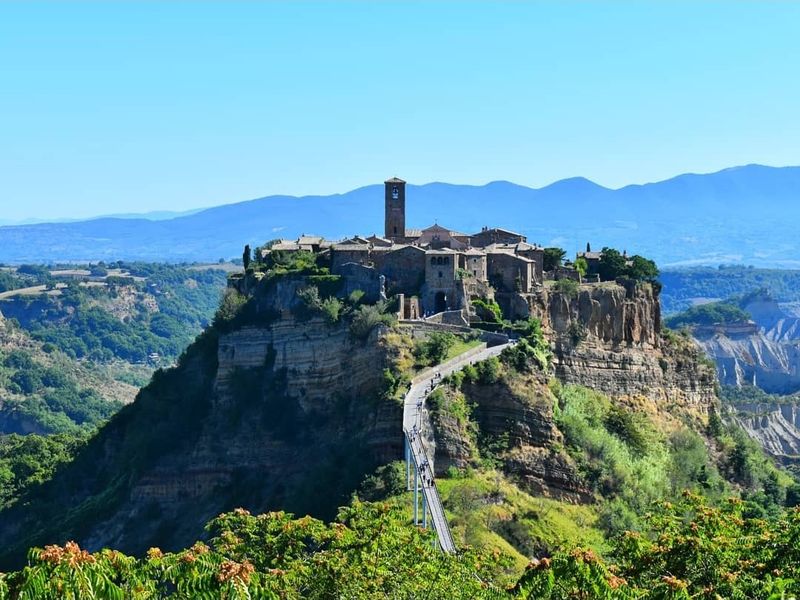
There is a village in central Italy that is slowly falling off a cliff, and people keep visiting anyway. Civita di Bagnoregio earns the nickname “the dying city” because the volcanic tufa rock it sits on erodes a little more every year.
That geological drama is part of what makes it so compelling.
The only way in is a long pedestrian footbridge that stretches over the valley below. Once you cross, you enter a village of cobbled lanes, stone arches, and flower-filled doorways.
Only a handful of permanent residents remain, but the place feels alive rather than abandoned.
Tickets are required to enter, which helps control visitor numbers and keeps the experience from feeling chaotic. The views from the village edge are extraordinary, looking out over a deeply eroded valley of ridges and ravines.
Go early in the morning before tour groups arrive. The quiet version of Civita di Bagnoregio is worth every bit of effort.
Piódão, Portugal: The Schist-Stone Mountain Village That Barely Looks Real
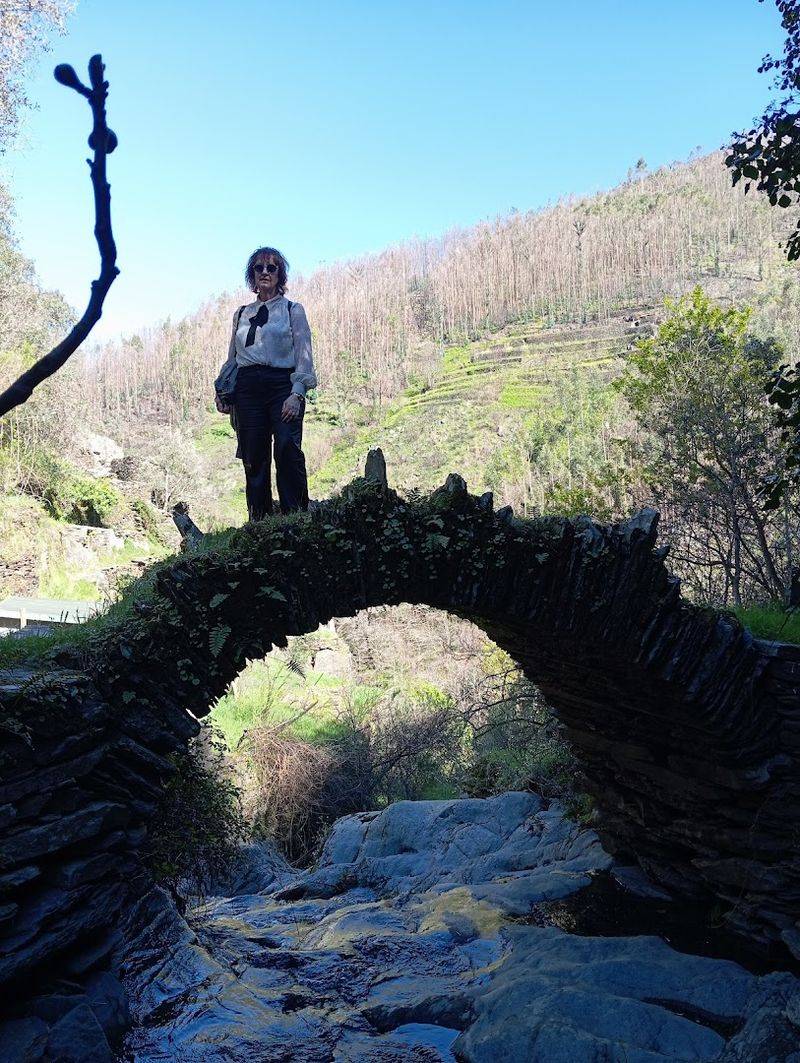
Piódão looks like it was built for a fantasy film set, then someone forgot to dismantle it. Every house is made from dark schist stone, stacked up a steep hillside in the Serra do Açor mountains.
The blue-painted window frames pop against all that grey, giving the whole village a strangely graphic quality.
Getting there requires a winding mountain road that will test your confidence as a driver, but the payoff is worth every hairpin bend. The village sits in a valley so enclosed that it feels cut off from the rest of Portugal in the best possible way.
Portugal’s official tourism materials list Piódão as a scenic historical village, and the local tourism office confirms visitor services are active. There is a small guesthouse, a few cafes, and walking trails through the surrounding hills.
The village is part of the Aldeias Históricas de Portugal network, which protects and promotes traditional mountain communities like this one.
Saaremaa, Estonia: The Baltic Island Getaway for Windmills, Spas, and Empty Space
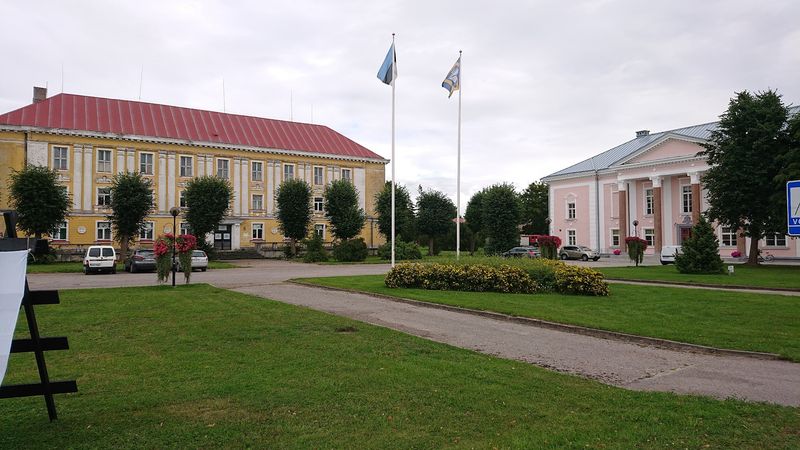
Estonia’s largest island runs at a frequency most of Europe has forgotten. Saaremaa is the kind of place where the wind is always doing something interesting and the roads are lined with juniper bushes for kilometers at a stretch.
It is deeply, wonderfully unhurried.
The island has a strong spa culture rooted in its natural mud and mineral springs, so booking a treatment feels less like a luxury and more like doing as the locals do. Traditional wooden windmills dot the landscape, and the Kaali meteorite crater adds a properly dramatic geological footnote to any visit.
Official Estonian tourism sources describe Saaremaa as rich in folklore, nature, and beaches, and that covers it well without capturing how genuinely restorative the place feels. The island’s medieval bishop’s castle in Kuressaare is one of the best-preserved in the Baltics.
Ferry access from mainland Estonia is easy and affordable, making this one of the region’s most accessible underrated escapes.
Valbona Valley, Albania: The Alpine Escape That Still Feels Wild
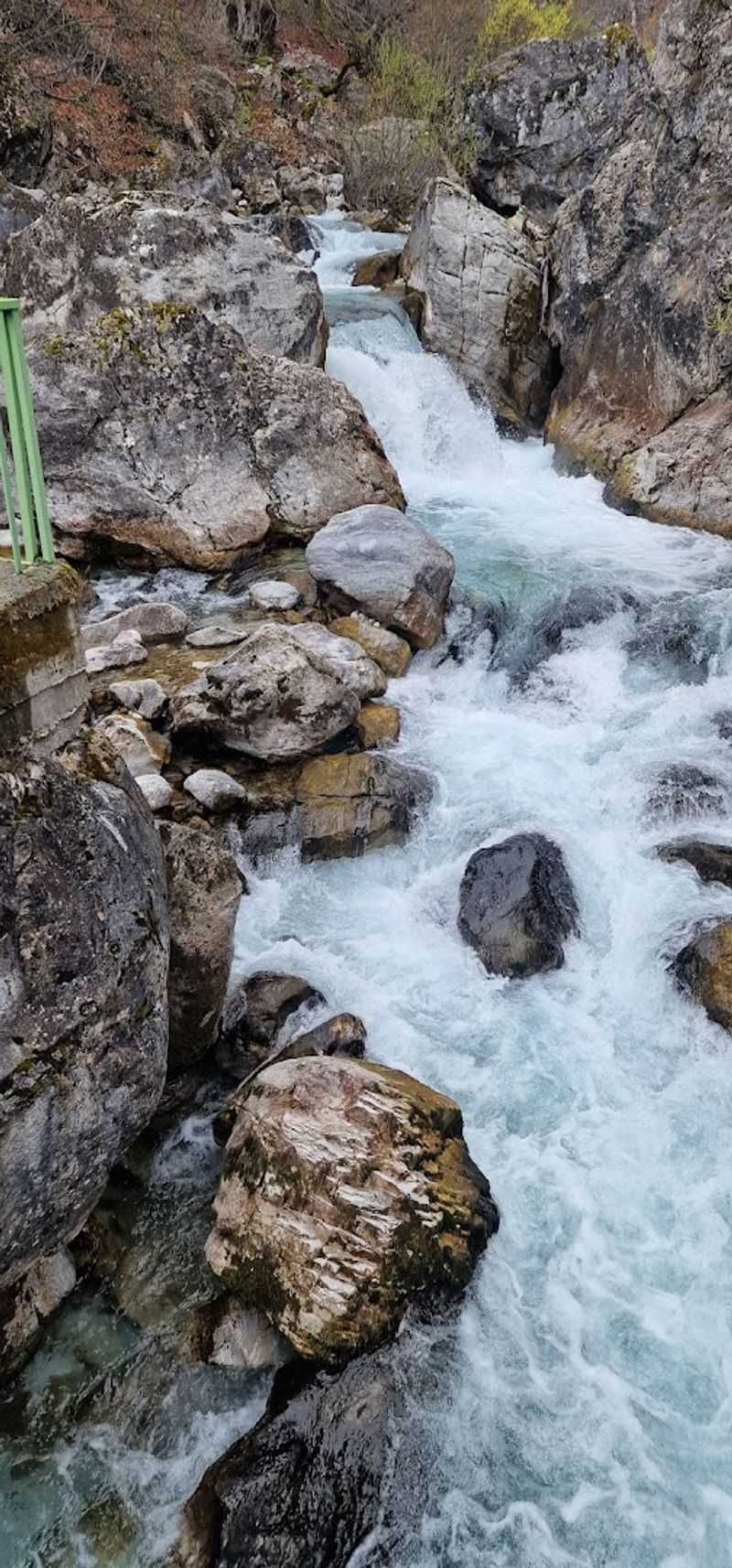
Albania’s Valbona Valley does not do polished. The peaks are jagged, the river runs turquoise, and the trails are the kind that remind you hiking is supposed to be an adventure.
This is not a destination that has been smoothed out for comfort-seekers, and that is precisely the appeal.
The valley sits in the Albanian Alps, part of the Peaks of the Balkans trail network that crosses into Kosovo and Montenegro. Day hikes range from manageable to properly challenging, and the scenery rewards effort at every level.
Bears and wolves still roam these mountains, which adds a layer of wildness that most European hiking destinations lost decades ago.
Accommodation is mostly family-run guesthouses where meals are home-cooked and the host will probably sit with you after dinner. Current Albania travel sources position Valbona as a remote mountain destination built around genuine hospitality rather than mass tourism infrastructure.
Book ahead in summer, because word is getting out fast.
Frigiliana, Spain: The Whitewashed Andalusian Village That Feels More Local Than Resorty
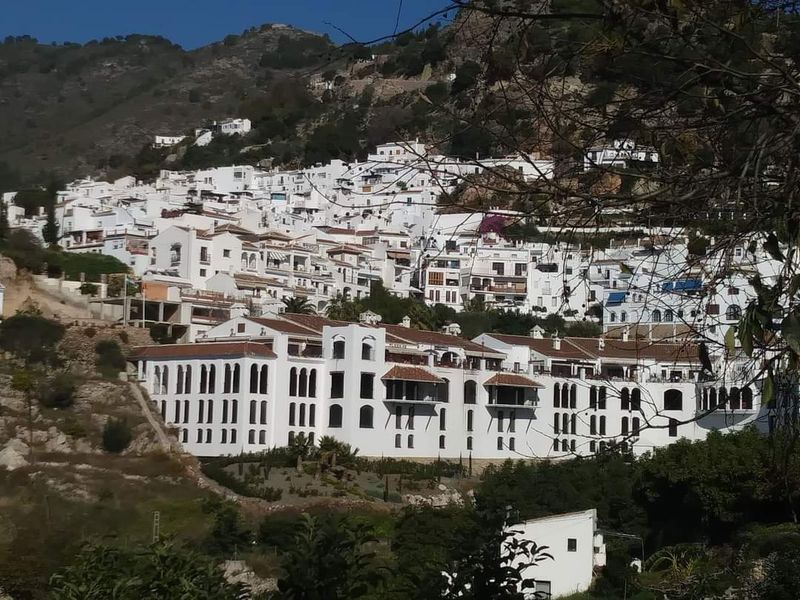
Most people visiting the Costa del Sol spend their time at beach resorts without realizing that one of Andalusia’s most charming villages is a short drive inland. Frigiliana sits above the coast in the foothills of the Sierra Almijara, and it has held onto its character in a way that the seafront towns below it largely have not.
The old Moorish quarter, known as the Barribarto, is a tangle of steep whitewashed lanes decorated with ceramic tile panels that tell the history of the area. Flower pots overflow from every wall and windowsill, which sounds like a cliche until you are actually standing in it.
The place genuinely earns that description.
Frigiliana’s tourism office highlights the old quarter, local traditions, and surrounding countryside as its main draws. The weekly market and local festivals keep the town feeling lived-in rather than themed.
A day trip from Nerja works well, but staying a night changes the experience completely.
Ares del Maestrat, Spain: The High-Altitude Stone Village Most Travelers Skip
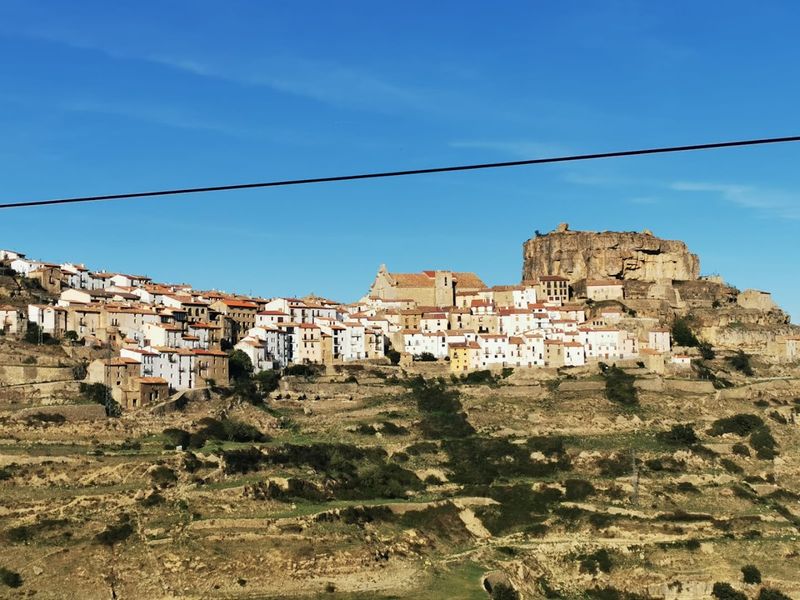
Sitting at over 1,000 meters above sea level in the Castellon province, Ares del Maestrat is the kind of village that rewards travelers who bother to look at a map beyond the obvious stops. Most people driving through the Valencia region head straight to the coast.
Their loss, frankly.
The village clusters around a rocky crag topped by castle ruins, and the views from up there stretch across a landscape of gorges and mountain ridges that goes on forever. The streets are narrow, the stone is old, and the population is small enough that a stranger walking through still gets a curious look or a friendly nod.
Official local tourism information confirms guided visits and active visitor services, so the infrastructure is there even if the crowds are not. The Els Ports Natural Park surrounds the area and offers serious hiking for anyone who wants to extend the visit.
This is inland Spain at its most quietly dramatic.
Kihnu Island, Estonia: The Small Island Where Traditional Culture Still Feels Daily, Not Staged
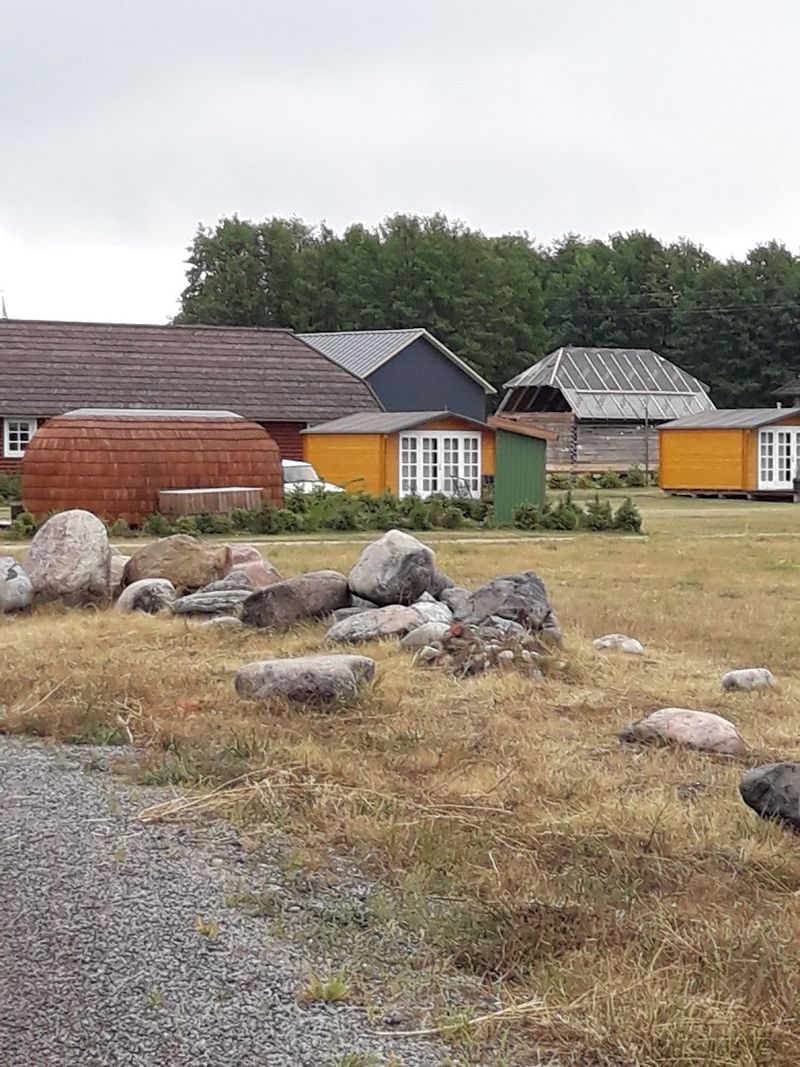
Kihnu Island is listed as a UNESCO Intangible Cultural Heritage site, which sounds impressive until you realize it basically means the women here kept an entire culture alive while the men were out at sea for months at a time. That is not a museum exhibit.
That is just history playing out in real time.
The island is tiny, just a few kilometers across, and most people get around by bicycle or moped. Women on Kihnu still wear traditional striped skirts as everyday clothing, not for tourists but because that is how it has always been.
Music, crafts, and seasonal customs remain part of daily life in a way that feels completely unselfconscious.
Visit Estonia describes Kihnu as a close-knit community where traditions are lived rather than performed. A ferry runs from Parnu on the mainland, and the crossing takes about an hour.
Go during a local festival if you can, but honestly, a quiet weekday visit is just as revealing.
Blagaj, Bosnia and Herzegovina: The River-Spring Getaway That Feels Mystical and Low-Key
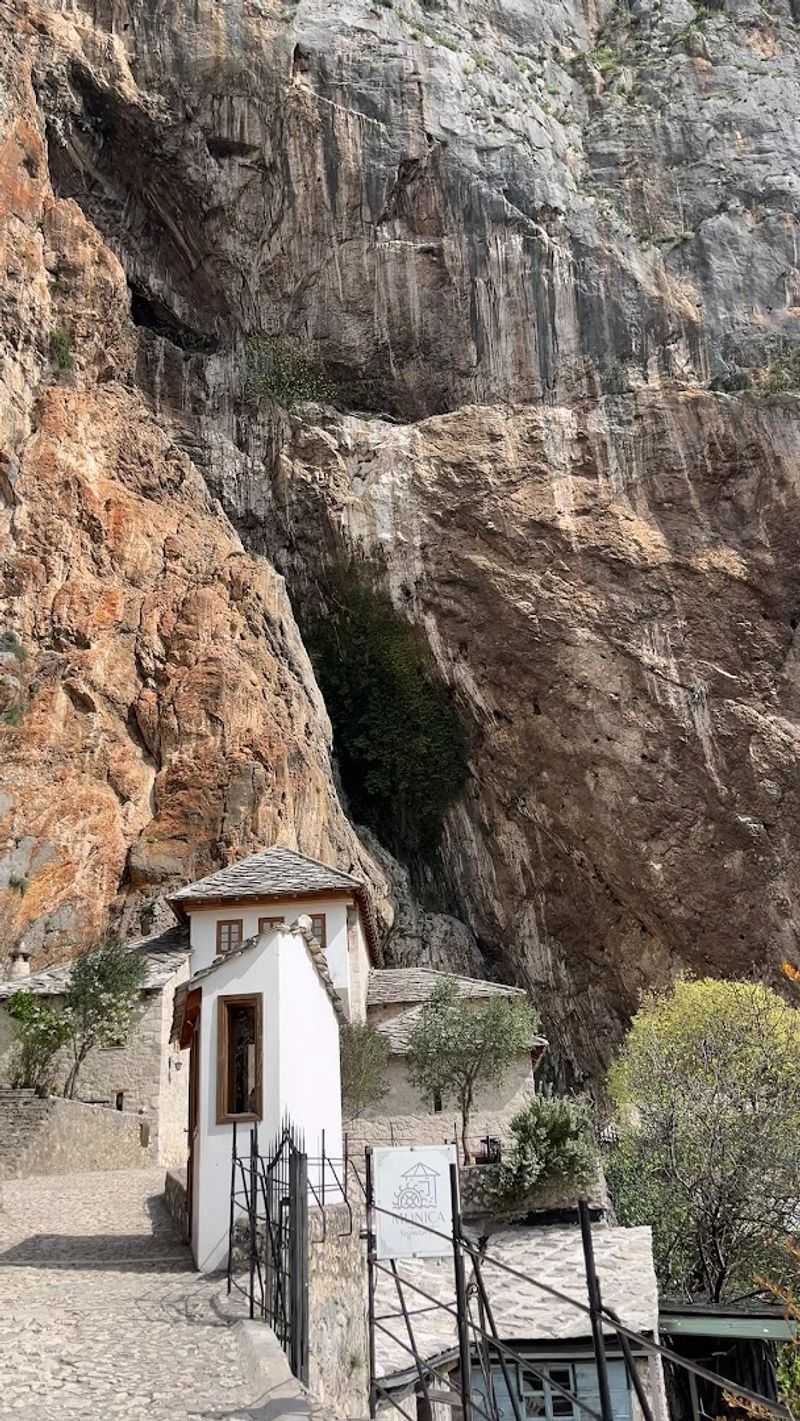
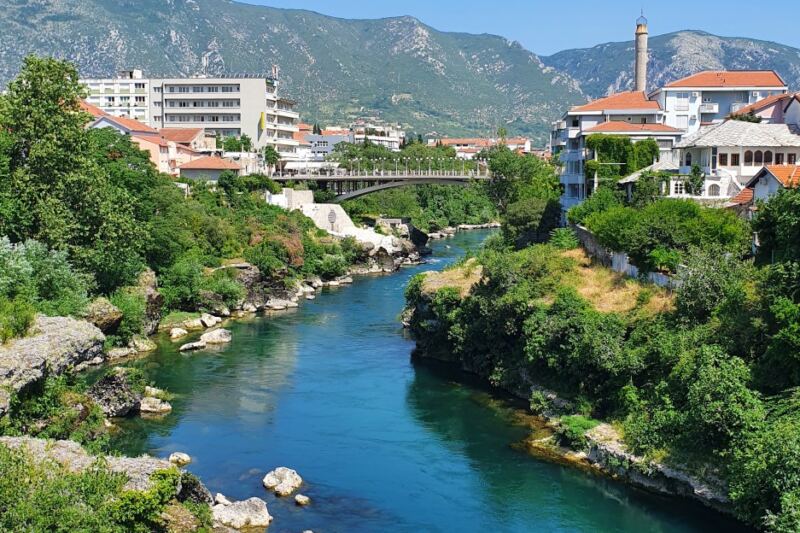
At the base of a sheer limestone cliff, a river appears from nowhere. The Buna River springs fully formed from a cave at Blagaj, and right at the water’s edge sits a 16th-century Dervish monastery that has been there since the Ottoman era.
It is one of those places that stops you mid-sentence.
Most visitors to the region make a day trip from Mostar, which is only about 12 kilometers away. The combination of the cliff, the cave, the emerald water, and the old stone building creates a scene that feels genuinely otherworldly without any marketing effort required.
Local restaurants by the water serve grilled trout and Bosnian coffee, which makes lingering very easy.
Mostar’s official tourism portal actively promotes Blagaj as a nearby nature-and-culture escape. Entry to the tekke costs very little, and the site remains active as a place of worship.
Dress modestly if you go inside. The whole visit takes a few hours, but the impression lasts considerably longer.
Gozo, Malta: The Mediterranean Island That Moves at Its Own Pace
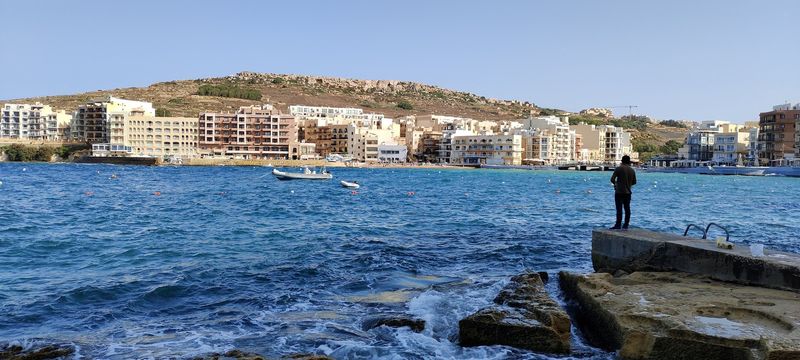
Malta gets the tourists, and Gozo gets the people who did their research. The smaller sister island sits just a short ferry ride from Malta, but it operates at an entirely different speed.
Gozo has no cruise ship port, no casino strip, and no all-inclusive megahotels fighting for coastline.
The island is built from golden limestone, and that warm colour runs through everything: the farmhouses, the churches, the old walls. Village life here revolves around the parish church, the local festa, and the rhythm of farming and fishing.
The Citadella in Victoria, the island’s capital, is a fortified hilltop complex with jaw-dropping views across the island.
Official Malta and Gozo tourism sites present Gozo as a rustic, smaller-scale alternative to the mainland, and that framing is accurate. The coastal scenery is dramatic in places, especially around the salt pans at Xwejni Bay.
Renting a car for a day and just driving without a plan works surprisingly well here.
Setenil de las Bodegas, Spain: The Cave Village Built Into the Rock
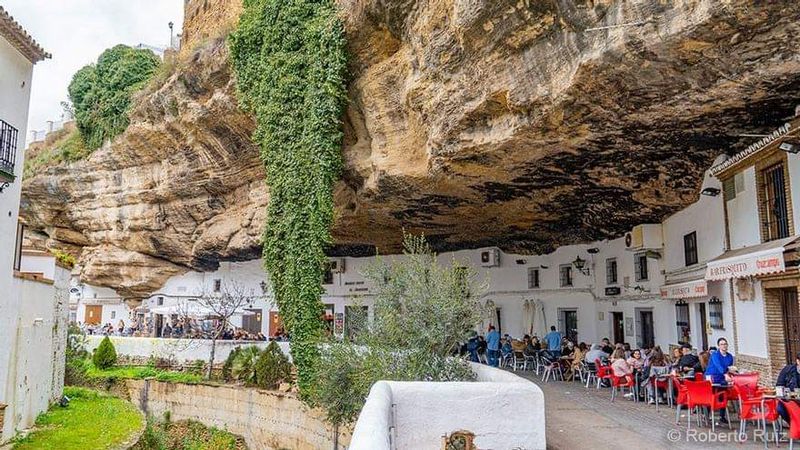
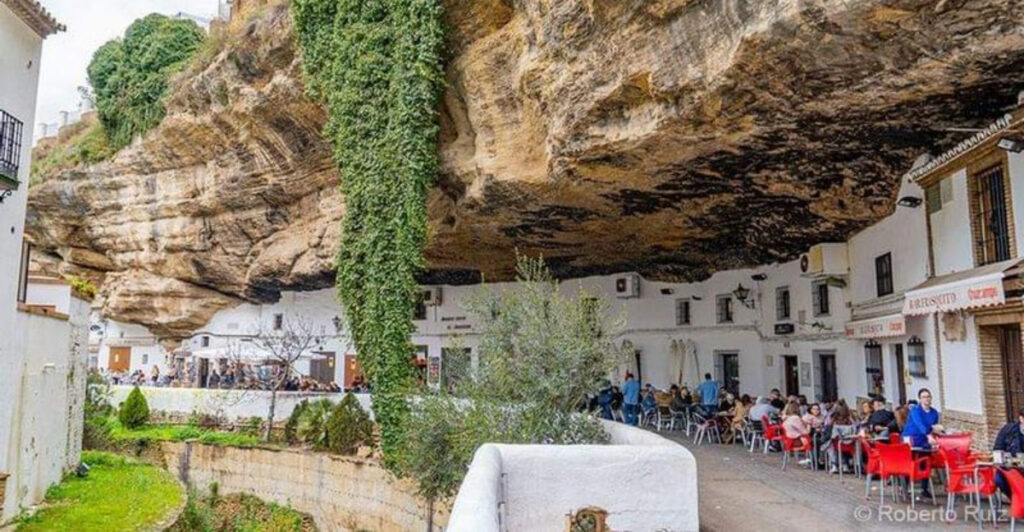
Setenil de las Bodegas is what happens when a village decides that building under a giant rock overhang is a perfectly reasonable architectural strategy. And honestly, it works.
The streets here run beneath massive slabs of granite that form the actual roofs of the buildings below. Some residents have lived their entire lives under the same rock their great-grandparents built under.
The town sits in the Cadiz province of Andalusia and is part of the famous White Towns route, though it gets far fewer visitors than nearby Ronda. That gap in foot traffic is baffling given how visually extraordinary the place is.
The cave-lined streets have restaurants and tapas bars built into the rock face, which makes lunch feel like a geology field trip with better food.
Setenil’s official tourism site remains active, and the village is easy to reach by car from Ronda in under an hour. Go on a weekday to avoid the weekend crowds from Seville and Malaga.
The upper part of the village offers good views over the gorge.
Gjirokastër, Albania: The Stone City That Feels More Atmospheric Than Polished
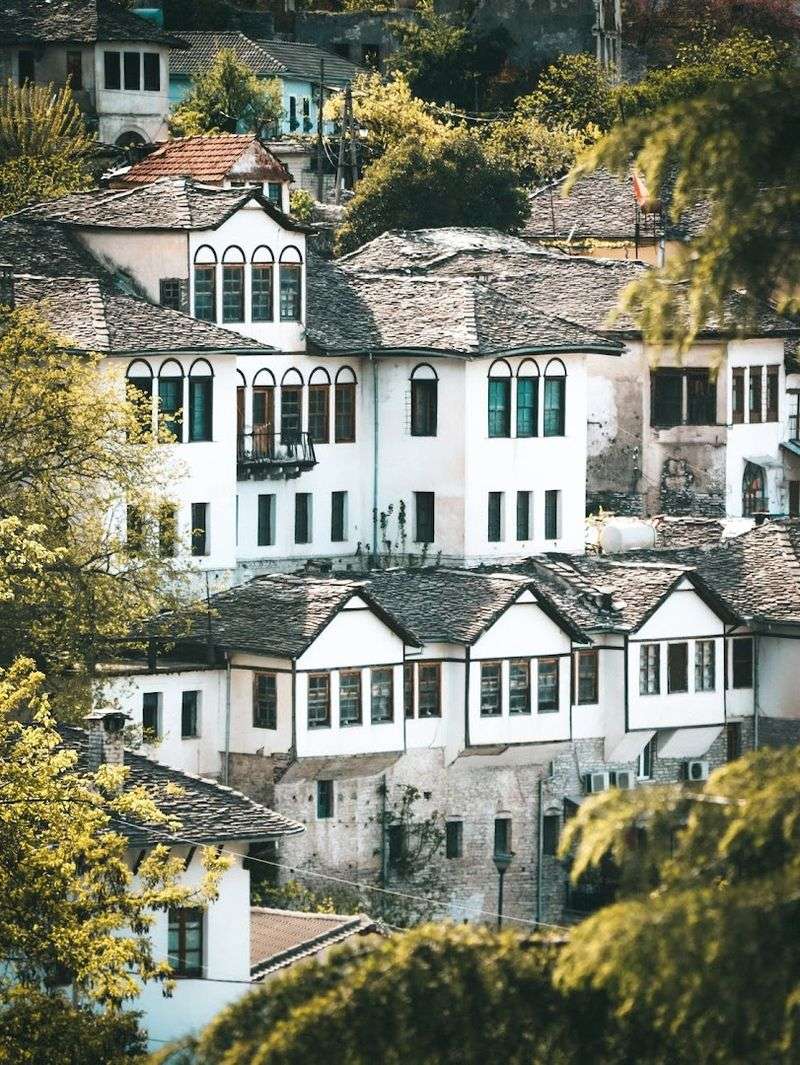
Gjirokastër is the kind of city that architectural historians lose sleep over in a good way. The old town is a UNESCO World Heritage Site made up of Ottoman-era tower houses built from grey stone and slate, climbing a hillside so steep that the rooftops of one house are level with the doorstep of the next.
The castle looming over the city is enormous and contains a surprisingly eclectic collection including a captured American military aircraft from the Cold War era. That detail alone tells you Gjirokastër has layers.
The bazaar area at the base of the hill has been gradually coming back to life with small restaurants and craft shops.
Current official tourism pages for Gjirokastër emphasize its cobblestone streets, castle area, and active visitor information services. Albania’s improving road connections mean Gjirokastër is now a realistic stop on a Balkan road trip.
The city is also the birthplace of former communist dictator Enver Hoxha, a fact locals discuss with admirable candor.
Share this story