Northern Michigan’s Keweenaw Peninsula once produced some of the richest copper deposits in the world, powering a mining boom that helped electrify the United States. Today, that same area is home to a national park where you can explore preserved mining towns, tour underground shafts, and see how an entire industry shaped the region.
What makes this place stand out is the scale and access. You are not just looking at exhibits.
You can walk through historic districts, visit original buildings, and go inside former mines that tell the full story of the people who worked here.
It is a stop most travelers overlook, but for anyone interested in history, industry, or lesser-known destinations, it offers far more than you would expect at first glance.
Where the Copper Boom Actually Happened
The park’s official address is 25970 Red Jacket Rd, Calumet, MI 49913, tucked into Michigan’s remote Upper Peninsula, roughly five hours north of Detroit and closer to Canada than to most Michigan cities most people have ever visited.
Calumet was once one of the most important industrial towns in the entire country. At the peak of the copper boom in the late 1800s, this small community had opera houses, grand hotels, and a population that spoke over two dozen languages.
Today the town still carries that grand, slightly faded character. The brick buildings downtown are enormous for a community this size, built with the confidence of people who believed the boom would never end.
Established by Congress in 1992, the park preserves both the Calumet Unit and the Quincy Unit, along with dozens of cooperating heritage sites spread across the peninsula. You can reach the visitor center easily from US-41, and the park phone is +1 906-337-3168.
Seven Thousand Years Before the Mining Companies Arrived
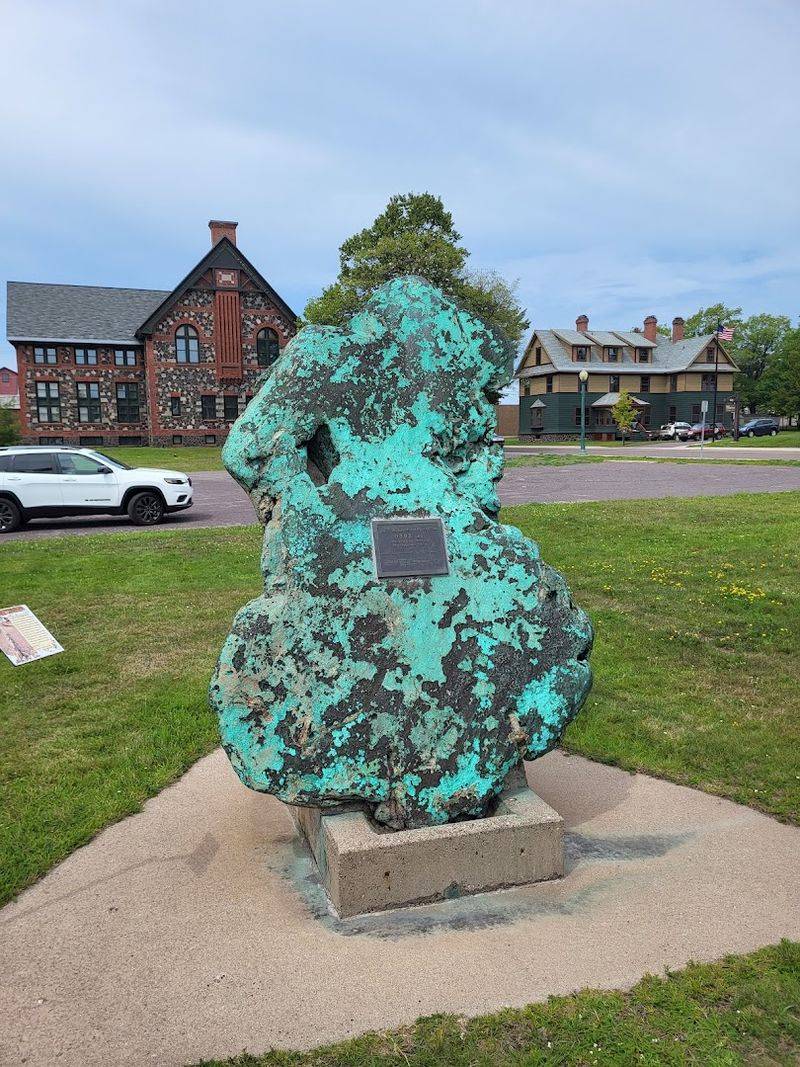
Most people assume copper mining in the Keweenaw started with 19th-century industrialists, but the real story begins roughly 7,000 years ago, which makes it one of the oldest known metal-working traditions in the entire world.
Indigenous peoples of the Great Lakes region discovered that the Keweenaw Peninsula held something extraordinary: pure, native copper that could be hammered directly into tools, weapons, and trade goods without smelting.
That is genuinely rare. Most copper ore requires complex processing before it becomes usable metal, but the copper here appeared in nearly pure form, sometimes in massive chunks weighing thousands of pounds.
These ancient mining traditions created trade networks that stretched across the continent. Copper from this peninsula has been found in archaeological sites as far away as the Gulf of Mexico and the Atlantic coast.
The park’s interpretive exhibits connect this deep Indigenous history to the later industrial era, making it clear that the 19th-century boom was actually chapter two of a very long story.
The Year America Ran on Keweenaw Copper
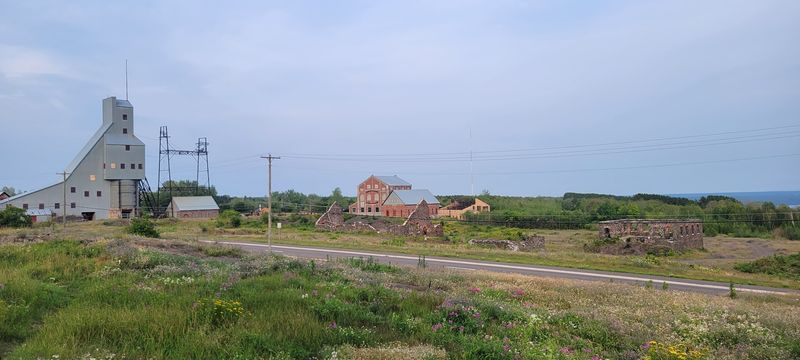
By 1849, the Keweenaw Peninsula was supplying 96 percent of all the copper produced in the United States. That single statistic puts the scale of what happened here into sharp focus.
The nation’s telegraph lines, early electrical systems, ammunition casings during the Civil War, and the plumbing in thousands of buildings all depended on copper that came out of this stretch of Michigan wilderness.
Mining companies flooded the region with capital and workers. The Calumet and Hecla Mining Company alone became one of the most profitable corporations in American history during the 1870s and 1880s, paying dividends that made its Boston investors extraordinarily wealthy.
Meanwhile, the workers living in company towns on the Keweenaw saw a very different side of that prosperity. The contrast between management wealth and worker conditions created tensions that would eventually boil over in ways the park’s exhibits describe in careful, honest detail.
And that tension leads directly to one of the most sobering chapters in the park’s story, which we will get to shortly.
The Architecture That Refused to Stay Modest
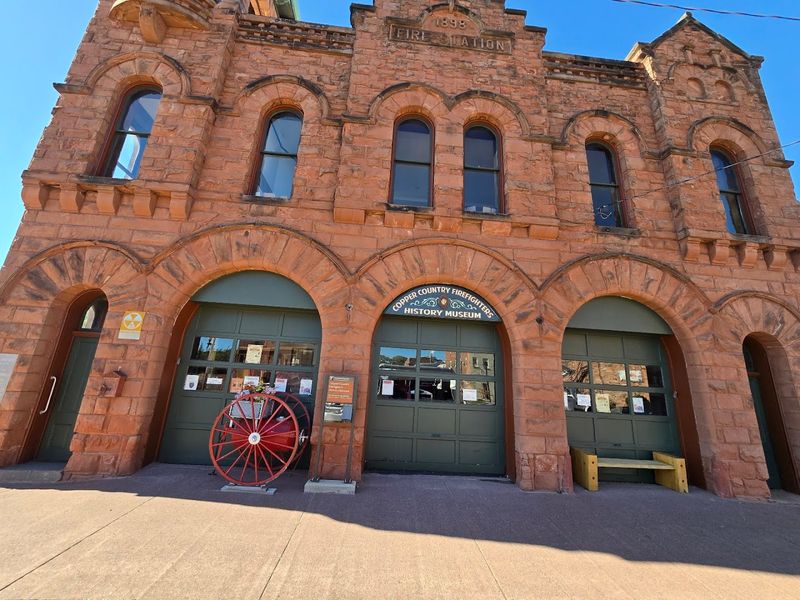
One of the first things that stops visitors cold in Calumet is the sheer ambition of the architecture. These are not small frontier buildings.
These are the kinds of structures you expect to find in Chicago or Detroit, not in a town of a few thousand people surrounded by forest.
The Calumet and Hecla Mining Company built an entire civic infrastructure, including libraries, bathhouses, a hospital, and worker housing, all constructed in a confident, imposing style that announced permanence and prosperity.
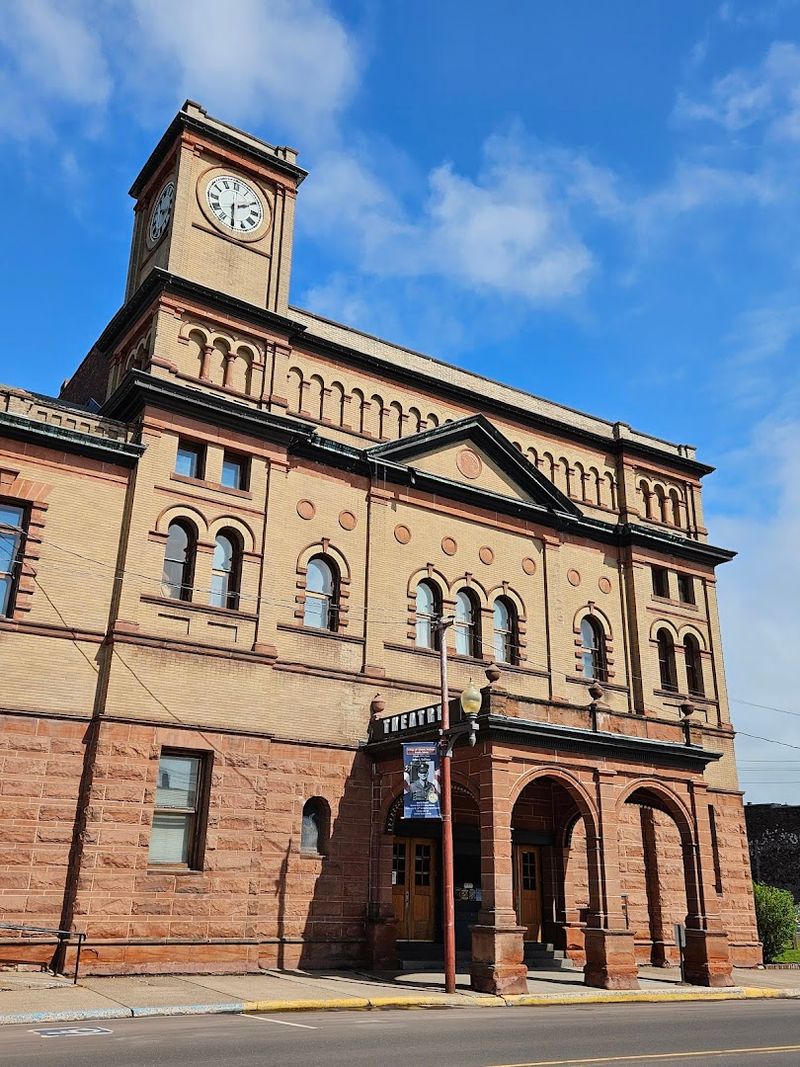
Downtown Calumet still features the Calumet Theatre, a 1900-era opera house that hosted performers including Sarah Bernhardt and John Philip Sousa. The theatre is still in operation today, which is remarkable for a building of its age in a town this remote.
The Red Jacket Town Hall and Fire Station, both now preserved as part of the park, show the same architectural ambition. Walking these streets genuinely feels like a time warp, in the best possible way.
The scale of what was built here hints at how much wealth flowed through this community at its peak.
Going Underground at the Quincy Mine
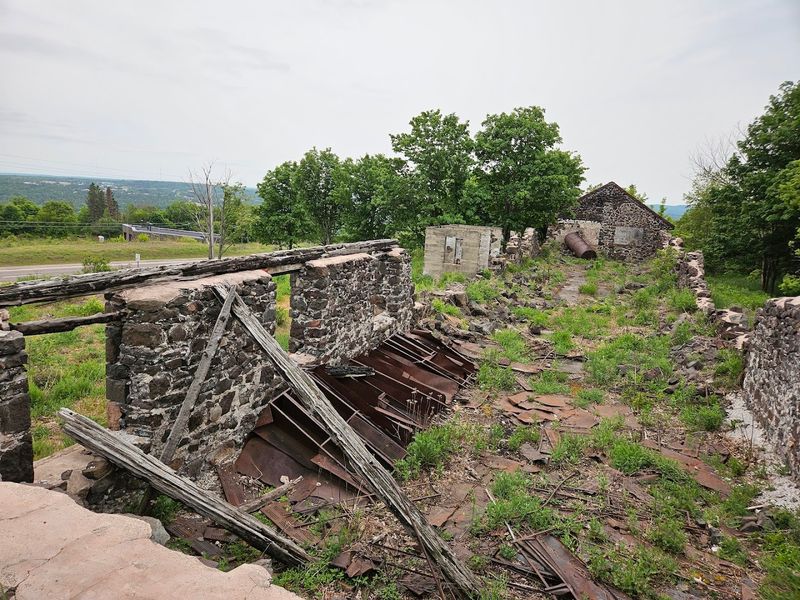
The underground mine tour at the Quincy Unit is the kind of experience that stays with you long after you have driven home and unpacked your bags. Visitors board a tram that descends into an actual mine tunnel, giving a firsthand sense of the environment miners worked in every single day.
The tunnel entrance is large enough that claustrophobia is not a serious concern for most visitors, but the weight of the rock overhead and the drop in temperature make the experience feel genuinely immersive rather than theatrical.
Guides explain the mining process with real equipment still in place, and the details they share about daily working conditions are both fascinating and sobering. Twelve-hour shifts, dangerous machinery, poor ventilation, and the constant risk of cave-ins were simply the reality of the job.
The Quincy Mine Hoist, a massive steam-powered engine that once raised ore from over a mile underground, is one of the largest surviving mine hoists in the world and is now a National Historic Landmark.
Plan at least two hours for this stop alone.
The Immigrant Communities Who Built This Place
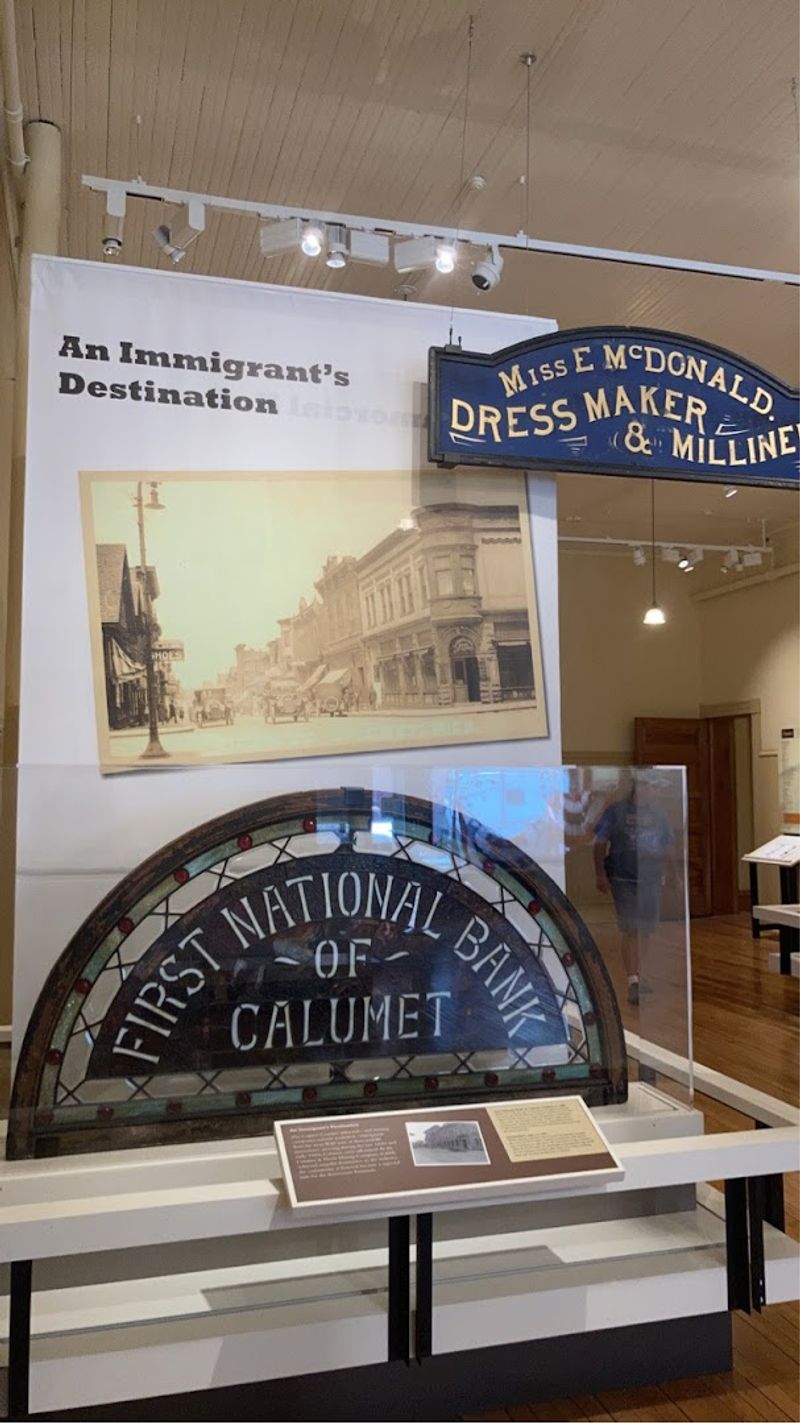
The copper boom did not just attract American workers. It pulled in tens of thousands of immigrants from Finland, Croatia, Slovenia, Italy, Cornwall in England, and dozens of other places, creating one of the most ethnically diverse communities in the entire Midwest.
Each group brought its own traditions, foods, languages, and social organizations. Finnish workers, who made up a particularly large share of the workforce, built saunas, cooperative stores, and cultural halls that still stand in the area today.
Cornish miners, who came from a long tradition of hard-rock mining in England, brought technical expertise that shaped how the local mines were operated. Their pasty, a meat-filled pastry designed as a portable lunch, became so embedded in Upper Peninsula culture that it is still the region’s unofficial signature food.
The park’s exhibits honor this diversity with genuine care, presenting the immigrant experience not as a footnote but as the central human story of the copper era. The cultural mix that formed here was extraordinary for its time and place.
The 1913 Strike and the Weight of That Winter
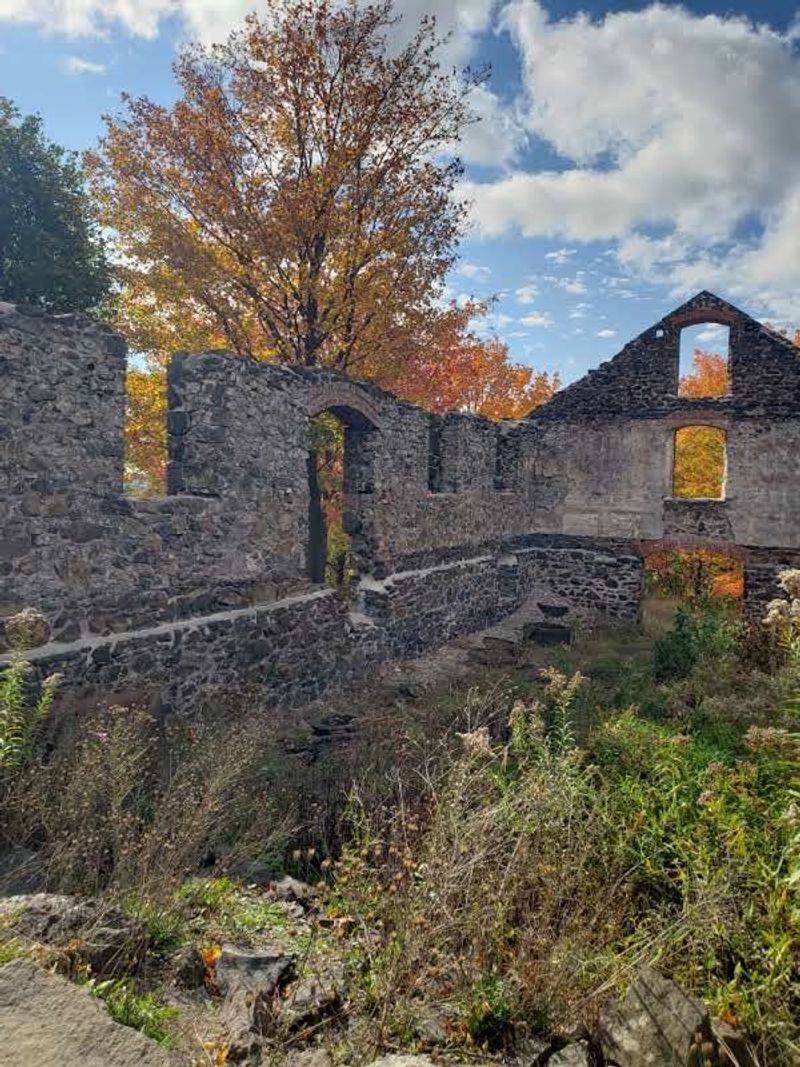
The Italian Hall disaster of December 1913 is the darkest chapter in Calumet’s history, and the park addresses it with appropriate gravity. During a Christmas party for striking miners and their families, someone shouted a false alarm that caused a panic on the staircase, resulting in the loss of 73 lives, most of them children.
The disaster occurred during the copper strike of 1913 to 1914, when workers walked off the job demanding better pay, safer conditions, and recognition of their union. The strike ultimately failed, but it marked a turning point in how the mining companies related to their workforce.
The site of the Italian Hall, now a small park with a memorial arch, is one of the most emotionally powerful stops in the entire park system. The arch, which is the only surviving piece of the original building, frames a quiet space that invites reflection.
Folk singer Woody Guthrie wrote a song about the event called “1913 Massacre,” which brought some national attention to the story, though the full history remains little known outside the region.
The Visitor Center and How to Start Your Trip Right
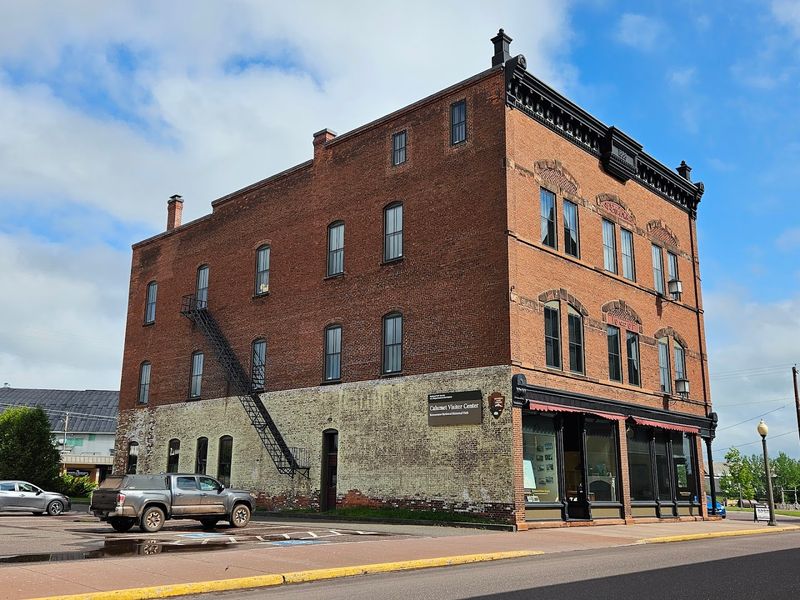
The visitor center on Red Jacket Road is the smartest first stop for anyone new to the park, and it is completely free to enter. Rangers there are genuinely enthusiastic about the history and will help you build an itinerary based on your interests and how much time you have available.
The center houses well-designed exhibits that walk through the full arc of copper country history, from Indigenous copper use to the industrial boom to the eventual decline of mining in the 20th century. The storytelling is clear and engaging enough for kids to follow along without losing the adults in the room.
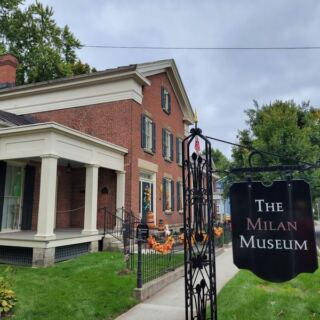
Park headquarters occupies a beautifully restored historic building nearby, and the visitor center itself carries the same sense of care and preservation that defines the park as a whole.
Pick up a map before you leave, because the park’s sites are spread across the peninsula and some are easy to miss without guidance. The rangers can also tell you which sites are currently open, as hours vary by season.
Brockway Mountain and the View That Earns the Drive
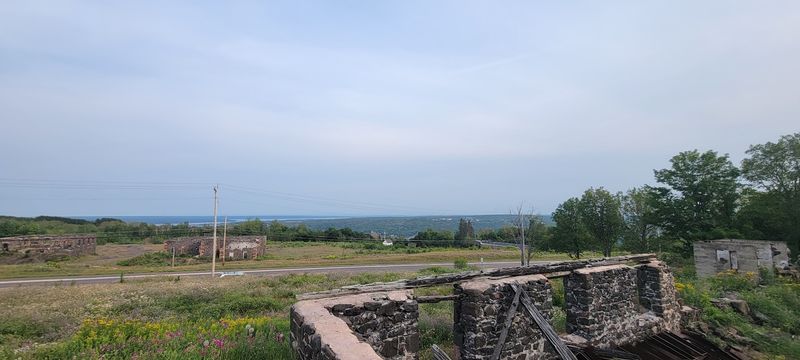
Brockway Mountain Drive is not technically inside the park boundaries, but it is so close and so spectacular that skipping it would be a genuine mistake. The road climbs to 735 feet above Lake Superior, offering one of the most dramatic views in all of Michigan.
On a clear day you can see the Keweenaw Waterway, stretches of Lake Superior, and seemingly endless forest rolling out in every direction. In late September and early October, the fall colors turn the entire hillside into something that looks almost too vivid to be real.
Wildlife is a regular feature along the drive. Raptors ride the thermals above the ridge during migration season, and it is not unusual to spot deer, foxes, or even black bears in the surrounding woods.
The drive itself is only about ten miles long but takes much longer than expected because every overlook demands a stop. Carry a camera with a decent zoom lens if birdwatching interests you, because the hawk migration here is genuinely impressive.
When to Go and What to Expect Each Season
Summer is the most popular time to visit, with longer operating hours at most sites and the best weather for outdoor exploration. July and August bring warm temperatures and long daylight hours, which gives you plenty of time to cover the park’s many scattered sites in a single trip.
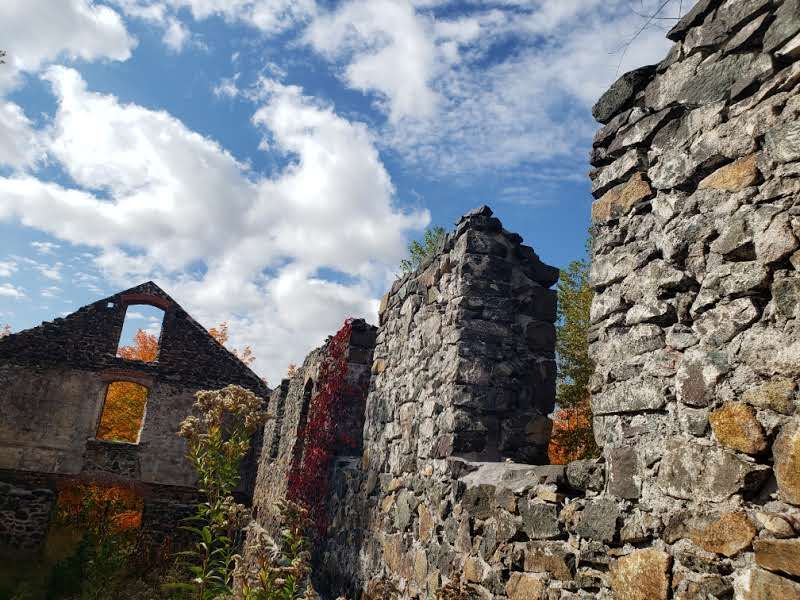
Fall is arguably the most beautiful season in the Keweenaw. The foliage peaks in late September, and the combination of colored leaves against the old brick buildings and copper-stained rock formations creates a visual experience that photographers absolutely love.
Winter on the Keweenaw Peninsula is serious business. The region receives some of the heaviest snowfall in the continental United States, with annual totals that regularly exceed 200 inches.
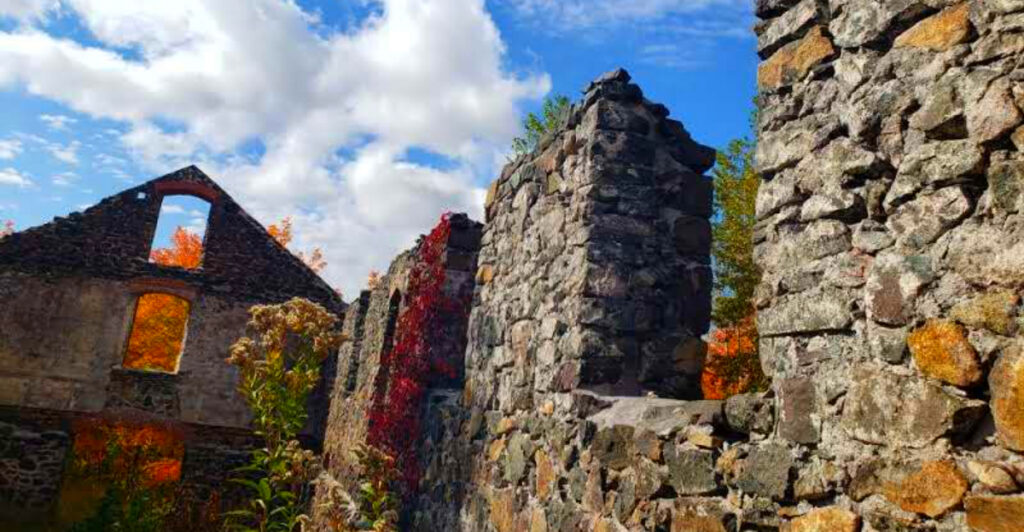
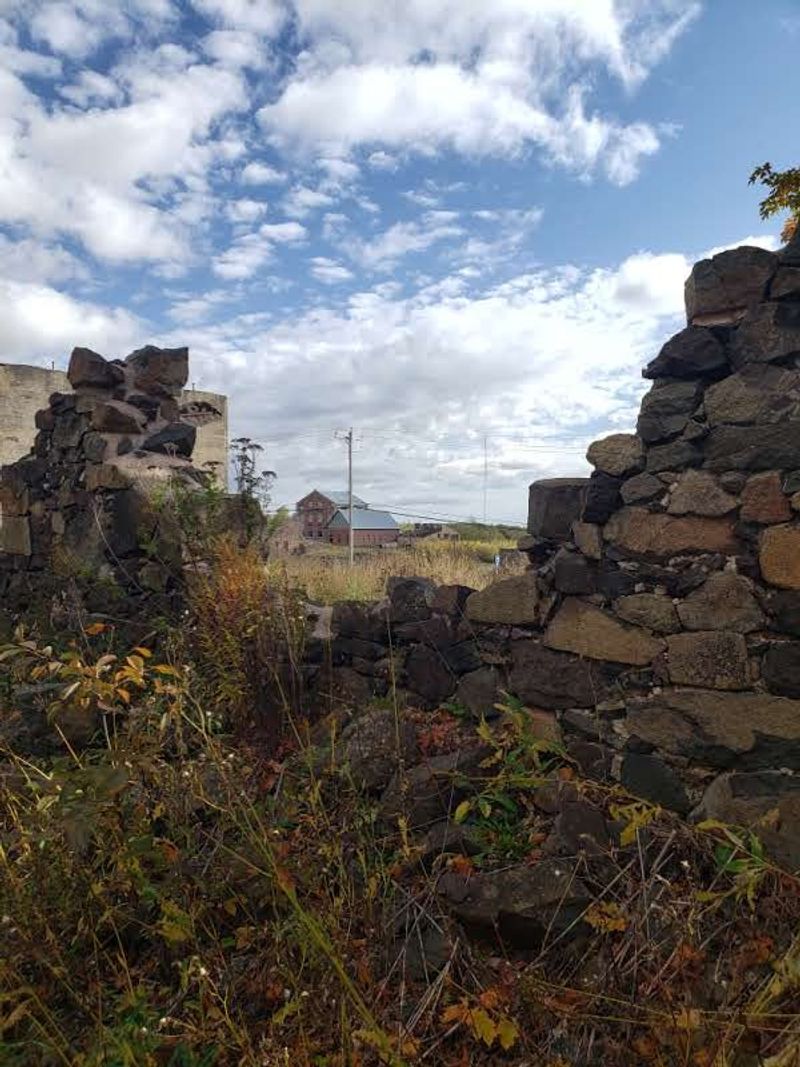
Some park sites close or reduce hours significantly, but the snow-covered mining ruins have their own stark, dramatic beauty.
Spring brings mud season and unpredictable weather, but also the return of migratory birds and the reopening of sites that closed for winter. Plan for at least two full days to see the park properly in any season.
Why This Park Deserves a Spot on Your Radar
National parks that tell industrial and labor history occupy a different space than the canyon-and-glacier parks most people picture when they think of the National Park Service. Keweenaw National Historical Park is honest, layered, and surprisingly moving in ways that outdoor scenery alone rarely achieves.
The park carries a 4.7-star rating from over 1,400 reviews, which is remarkable for a site this remote and this specialized in its subject matter. Families with kids, history enthusiasts, architecture lovers, and outdoor explorers all seem to find something here that connects with them personally.
The park is also genuinely dog-friendly, which is a practical detail worth knowing if you travel with pets. Most of the outdoor sites and walking areas welcome leashed dogs, making it easier to bring the whole family along.
The Keweenaw copper story is an American story, one about ambition, immigration, labor, wealth, and the cost of industrial progress. A place this significant, this beautiful, and this overlooked deserves far more visitors than it currently gets.
Share this story