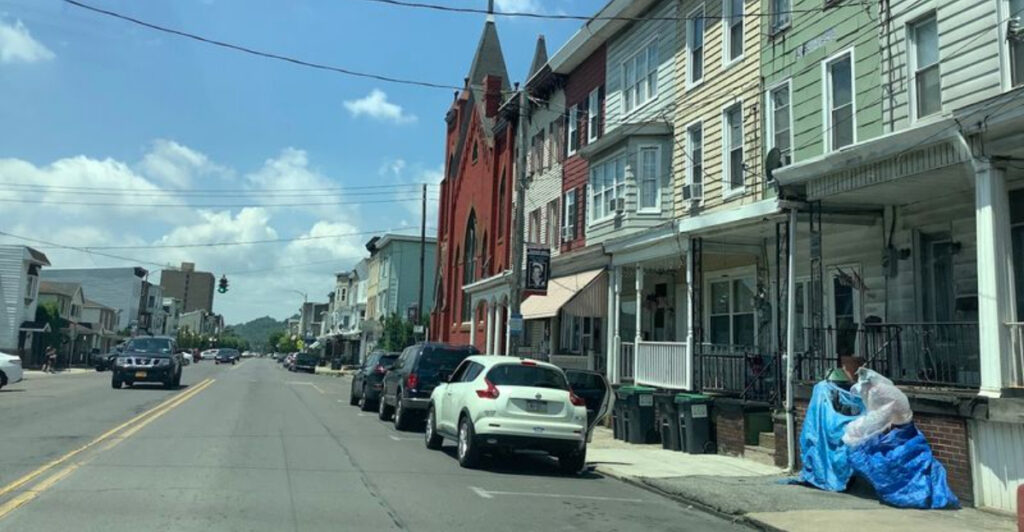
America is full of towns with names that look nothing like they sound. Whether you grew up nearby or just spotted one on a road sign, these place names have a sneaky way of tripping people up.
From New England to the Deep South, locals have their own rules, and outsiders rarely get the memo. Here are 15 U.S. town names that most people mispronounce, along with the correct way to say them.
1. Worcester, Massachusetts
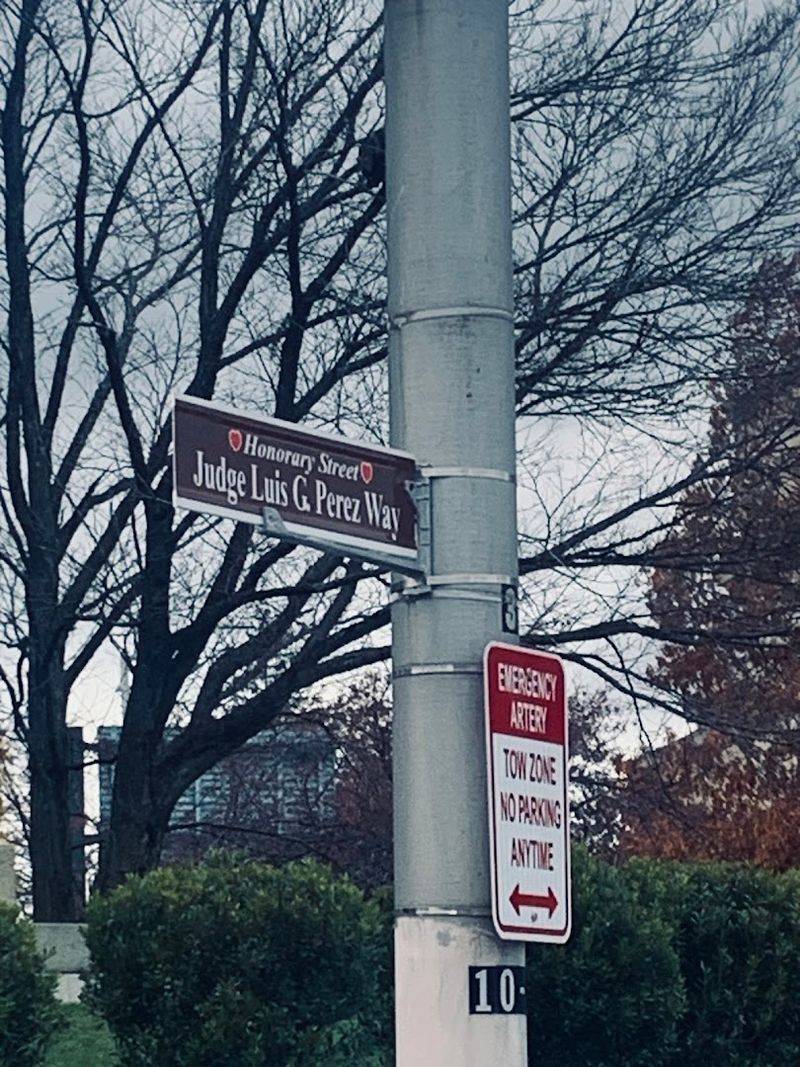
Visitors glancing at a map often take a confident stab at “Wor-ces-ter” and immediately earn a side-eye from any local within earshot. The correct pronunciation is “WUSS-ter,” and yes, it really is that different from how it looks.
Worcester is the second-largest city in New England, so getting this one right actually matters if you plan to visit.
The name comes from Worcester, England, and the British have been squishing those syllables together for centuries. Americans in Massachusetts simply kept that tradition alive.
Many newcomers to the state go through a small but memorable moment of embarrassment before learning the local way.
Once you hear a Massachusetts native say it confidently, the sound sticks with you. Think of it as a rite of passage for anyone exploring the Bay State beyond Boston.
2. Boise, Idaho
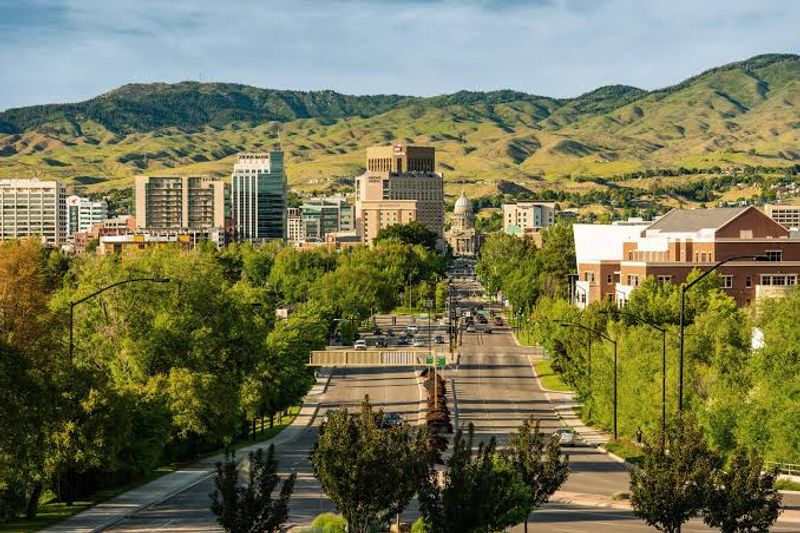
Most people outside of Idaho confidently say “Boy-zee,” rhyming it with something noisy. But locals will politely correct you: it is “BOY-see,” with a soft “s” sound at the end.
This small difference is a big deal to residents who hear the wrong version constantly from news anchors and tourists alike.
Boise is the state capital and the largest city in Idaho, so the mispronunciation spreads fast through media coverage. The name is believed to come from a French word meaning “wooded” or “forested,” referring to the trees along the river that early travelers were thrilled to find.
Locals have even launched friendly campaigns to set the record straight online. If you want to blend in during your next trip to Idaho, just remember: it ends with a soft “see,” not a buzzing “zee.”
3. Des Moines, Iowa
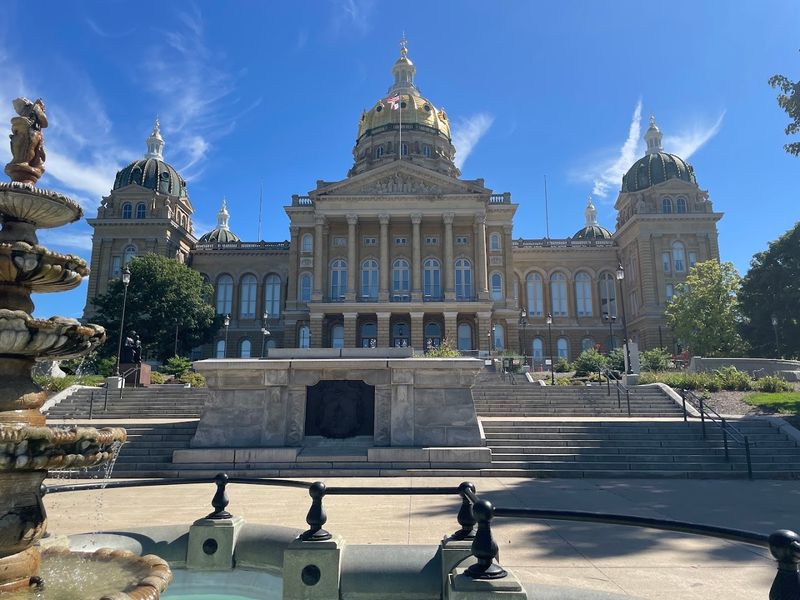
That final “s” in Des Moines is completely silent, and French-language rules are to blame. Locals say “duh-MOIN,” dropping the “s” at the end entirely.
For anyone who grew up reading the name before hearing it spoken, this comes as a genuine surprise.
Des Moines is the capital and largest city in Iowa, making it one of the most frequently mispronounced capitals in the country. The name traces back to French explorers and missionaries who traveled the region in the 1600s, and French pronunciation rules have stuck around ever since.
Interestingly, even the spelling is debated among historians, with several theories about what the original French phrase actually meant. Some believe it referred to a local Native American group.
Either way, the pronunciation is settled: skip that trailing “s” and you will sound like a true Iowan.
4. Cairo, Illinois
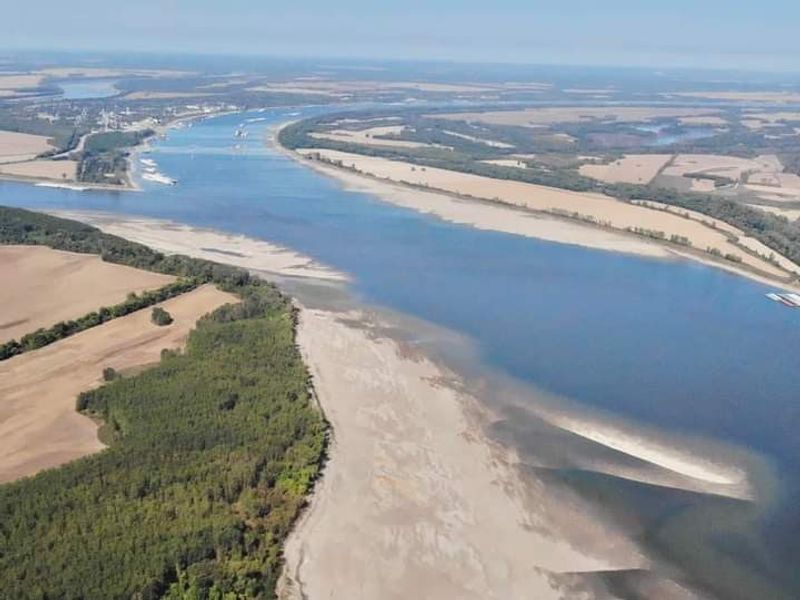
Anyone who has visited Egypt might confidently say “KYE-ro” when reading Cairo on an Illinois map. That would be a mistake.
In southern Illinois, this small city goes by “KAY-ro,” rhyming with the syrup brand rather than the Egyptian capital. Locals are used to the confusion but still prefer you get it right.
Cairo, Illinois sits at the dramatic meeting point of the Ohio and Mississippi Rivers, giving it a historically significant location. The city was named after the Egyptian capital during a period when American towns frequently borrowed names from famous places around the world.
Despite sharing a name with one of the world’s most famous cities, Cairo, Illinois developed its own unique identity rooted in river trade and Civil War history. The pronunciation shift is just one more thing that makes this small Midwestern town quietly fascinating to explore.
5. Versailles, Kentucky
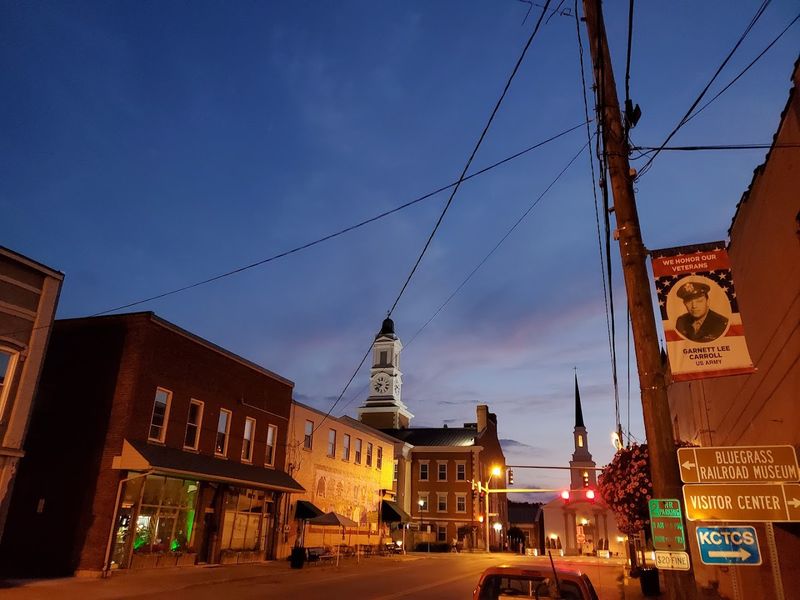
Say “ver-SIGH” and you will instantly mark yourself as someone who has never been to Kentucky. Versailles, Kentucky is pronounced “ver-SALES,” plain and simple.
Forget everything you learned about the famous French palace, because Kentuckians have their own rules and they are not budging.
Named after the royal palace outside Paris, this small town in Woodford County sits deep in the heart of Kentucky’s Bluegrass Region. It is surrounded by rolling horse farms and bourbon distilleries, which makes it a popular destination despite its small size.
The Americanized pronunciation is not laziness; it is a regional identity. Many Kentucky towns have European names that locals have deliberately reshaped over generations.
Versailles is perhaps the most famous example, and residents wear the unique pronunciation like a badge of honor. Get it right, and you will earn an approving nod from any local you meet.
6. Nevada, Missouri
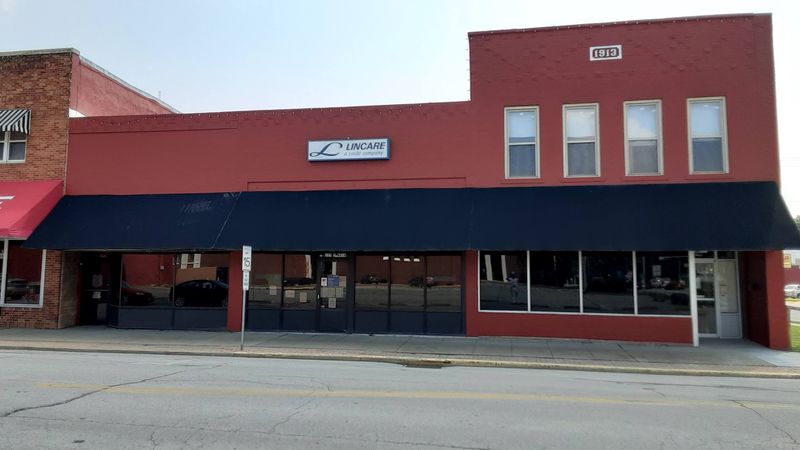
Here is one that regularly confuses people who have only ever heard of the western state. In Missouri, Nevada is pronounced “nuh-VAY-duh,” with a long “a” in the middle.
Say “Neh-VAH-duh” like the state out west and locals will know immediately that you are not from around there.
This small city in western Missouri has a population of around 8,000 people and a proud independent streak. Residents have been saying the name their own way for generations, and they have no interest in conforming to the western state’s pronunciation just because it is more famous.
It is a surprisingly common pattern in the U.S., where the same name gets pronounced differently depending on which state you are in. Nevada, Missouri is one of the best examples of that regional stubbornness.
When in doubt, follow the locals, not the atlas.
7. Lafayette, Louisiana
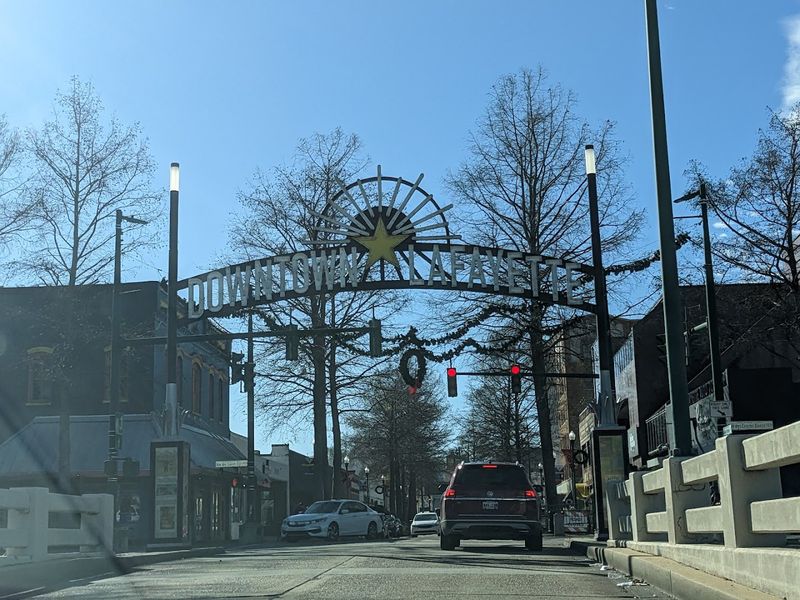
Louisiana has a way of making familiar names feel completely new. Lafayette is no exception.
While many people stress the last syllable and say “la-fay-ET,” locals in Louisiana prefer “LAH-fee-yet,” putting the emphasis squarely at the beginning and letting the rest roll out casually. It sounds relaxed because Cajun culture tends to be.
Lafayette is the fourth-largest city in Louisiana and the unofficial capital of Cajun and Creole culture. It sits in the heart of Acadiana, a region known for its food, music, and deep French heritage.
That French background is part of why pronunciation here can feel like a whole separate language lesson.
The city was named after the Marquis de Lafayette, the French general who helped America during the Revolutionary War. But Louisianans gave the name their own regional flavor, just like they do with most everything else.
That is part of what makes the place so memorable.
8. Helena, Montana
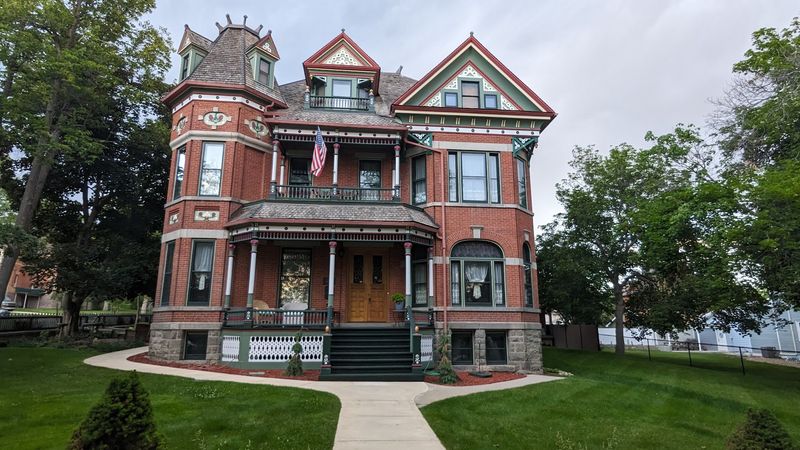
Say “hel-AY-nuh” and you will hear a quiet correction from any Montanan nearby. The proper local pronunciation is “HEL-uh-nuh,” with the accent on the first syllable and everything else kept short and simple.
It is an easy fix once you know, but a surprisingly common mistake for first-time visitors.
Helena is the state capital of Montana and sits at an elevation of about 4,000 feet, surrounded by the Rocky Mountains. The city has a rich history tied to the gold rush of the 1860s, when a strike in Last Chance Gulch turned a small camp into a booming town almost overnight.
Despite its relatively small population, Helena punches above its weight in history and charm. The capitol building is stunning, and the surrounding landscape is breathtaking.
Getting the name right is a small but meaningful way to show respect for a city with a genuinely fascinating past.
9. Mobile, Alabama
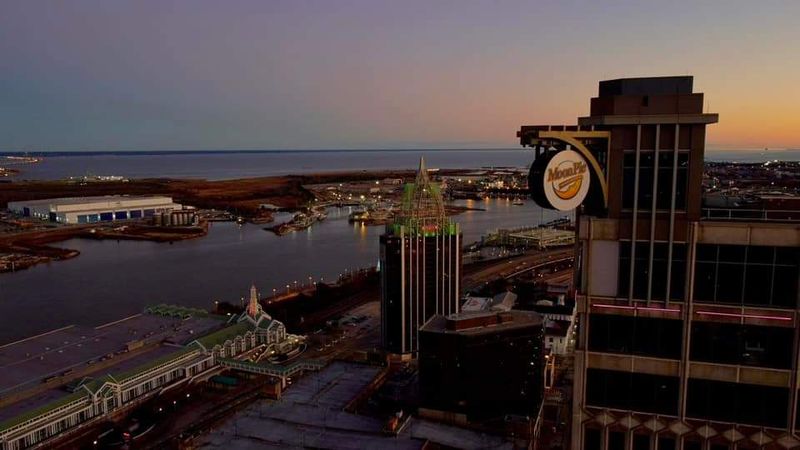
Mobile looks like it should rhyme with “automobile,” but that is not how Alabama does it. Locals say “moh-BEEL,” placing a firm stress on the second syllable and stretching the vowel out.
Say “MO-bile” and you will get a patient but unmistakable correction from anyone who calls the city home.
Mobile is Alabama’s only saltwater port and one of the oldest cities in the southeastern United States. Founded by French colonists in 1702, it served as the capital of French Louisiana before New Orleans took that role.
That deep history gives the city a layered, cosmopolitan character that sets it apart from many Southern cities of similar size.
Mobile also claims to have hosted America’s first Mardi Gras celebration, predating the famous New Orleans version by several years. With that kind of historical swagger, it only makes sense that locals care deeply about how their city’s name is said.
10. Louisville, Kentucky
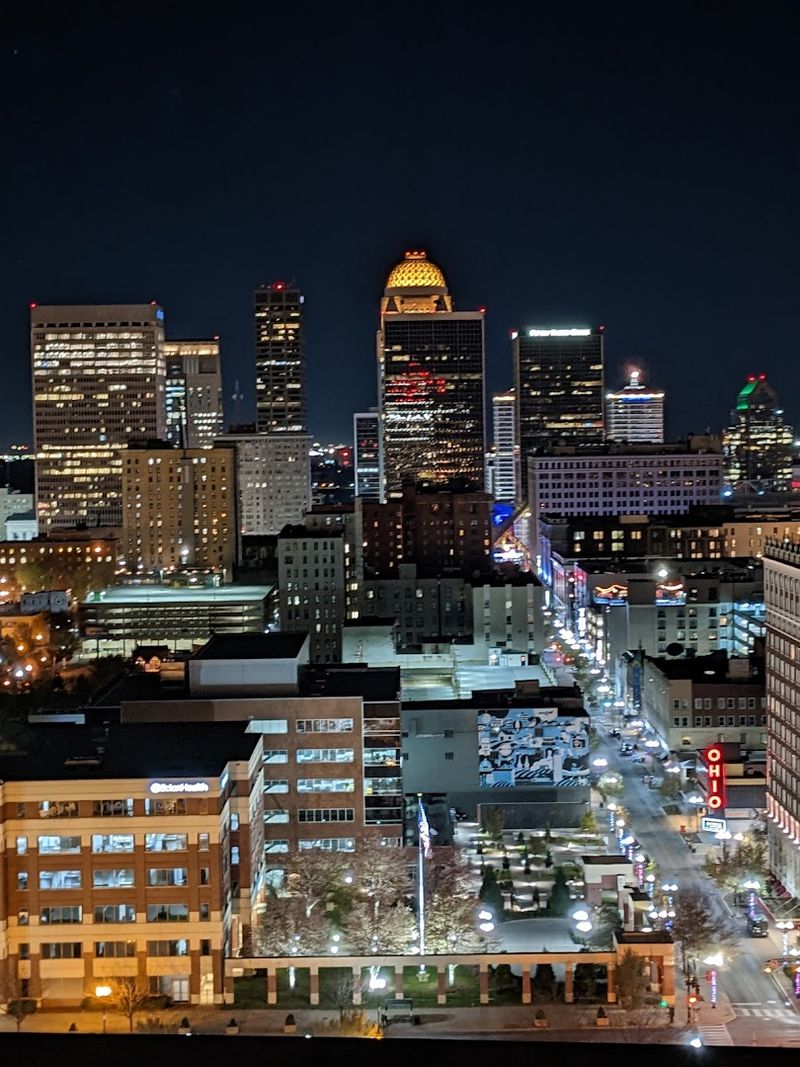
Louisville might be the most debated city name pronunciation in the entire country. Outsiders often say “Lewis-ville,” which is technically logical but completely wrong by local standards.
Most Kentuckians say something closer to “LOO-uh-vul” or even “LUH-vul,” compressing the syllables in a way that sounds almost like a different word entirely.
The city was named after King Louis XVI of France in 1780, honoring French support during the American Revolution. Over time, the name got reshaped by Southern speech patterns until it became the compact, distinctive sound locals use today.
Linguists actually find Louisville fascinating as a case study in how regional accents reshape borrowed names.
Home to the Kentucky Derby, Louisville Slugger bats, and some of the finest bourbon in the world, Louisville has plenty of reasons to be known. Getting the name right is just a matter of respecting the place before you arrive.
11. Spokane, Washington
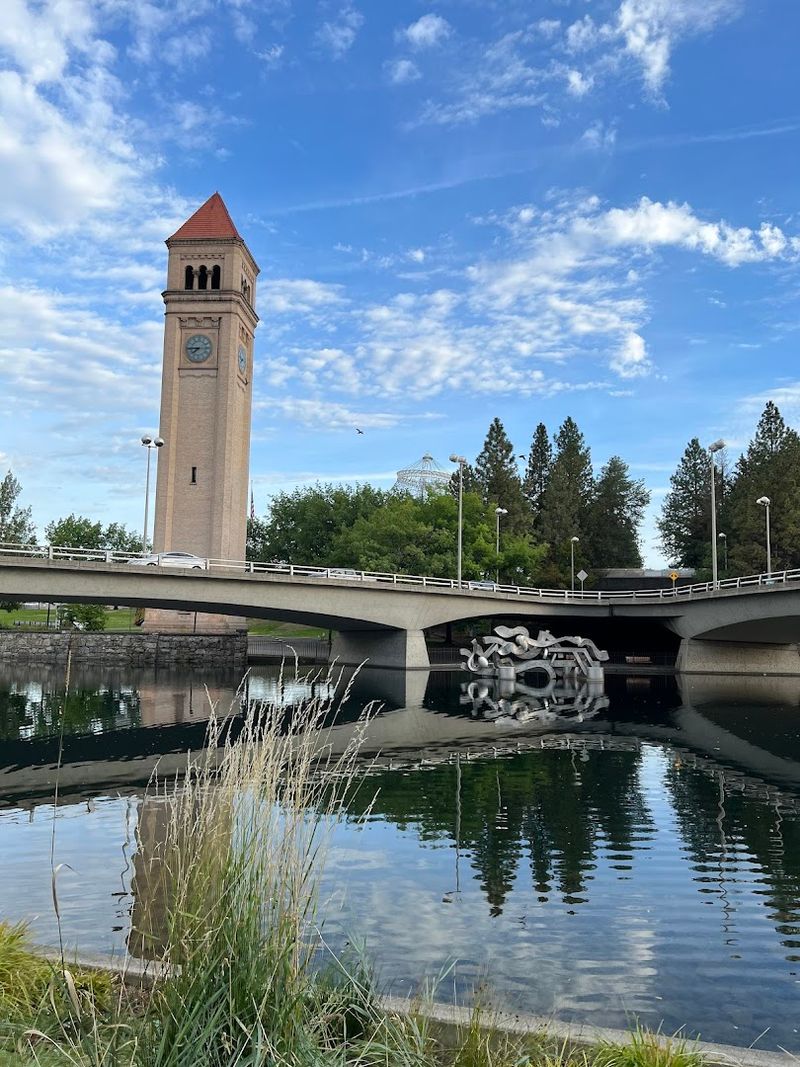
Spokane looks like it should end with a long “a” sound, the way words like “cane” or “lane” do. But locals say “spoh-KAN,” cutting the final vowel short and sharp.
The silent “e” at the end trips up nearly every first-time visitor, and the mispronunciation is so common that locals have learned to simply smile and correct it gently.
Spokane is the second-largest city in Washington State and the largest in the Inland Northwest region. It sits along the Spokane River and is surrounded by pine forests and dramatic basalt cliffs, giving it a rugged, outdoorsy character that is very different from Seattle.
The name comes from the Spokane people, a Native American tribe whose name roughly translates to “Children of the Sun.” Honoring that origin by saying the name correctly feels like a small but meaningful act of respect every time you visit.
12. Tucson, Arizona
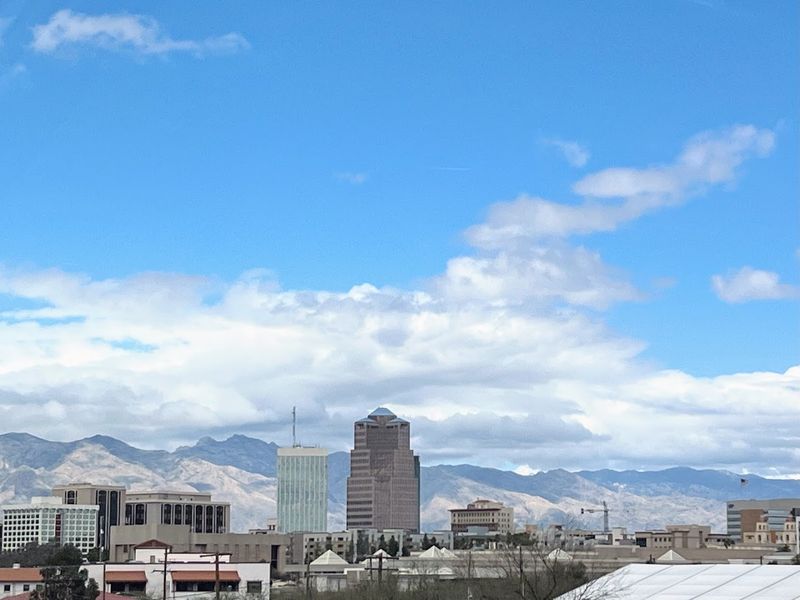
Tucson has a silent “c” that catches nearly everyone off guard the first time. The correct pronunciation is “TOO-sahn,” not “TUCK-son” or “TOO-con.” That quiet middle letter just sits there looking important while contributing absolutely nothing to the sound, which is a very Arizona thing to do.
Arizona’s second-largest city, Tucson is surrounded by five mountain ranges and sits at an elevation of about 2,400 feet. The desert landscape is dramatic, with towering saguaro cacti stretching across the hillsides in every direction.
It is a city that looks and feels unlike anywhere else in the country.
The name comes from the O’odham word “Cuk Son,” meaning something like “at the base of the black mountain.” Spanish missionaries adapted the name over time, and English speakers eventually dropped the “c” sound without dropping the letter. That quirky history is baked right into every correct pronunciation.
13. Schuylkill, Pennsylvania
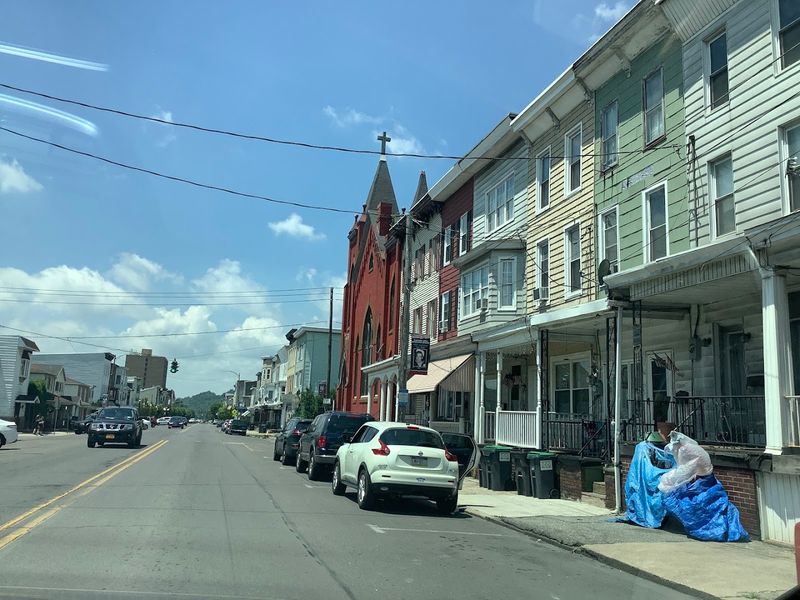
Few place names in America cause as much visible panic as Schuylkill. Looking at it on paper, most people freeze completely.
The correct pronunciation is “SKOO-kill,” which sounds almost nothing like the spelling suggests. It is widely regarded as one of the most notoriously difficult place names in the entire country, and Pennsylvania residents know it.
The Schuylkill River runs through Philadelphia and is famous for its rowing culture, with Boathouse Row being one of the most photographed spots in the city. The name comes from Dutch settlers who called it “Schuyl Kill,” meaning “hidden creek,” because the river’s mouth was hard to spot from the Delaware River.
Dutch influence on Pennsylvania place names is significant, and Schuylkill is the crown jewel of that linguistic legacy. Once you know how to say it, you will want to drop it into conversation just to impress people.
It is absolutely worth practicing.
14. Biloxi, Mississippi
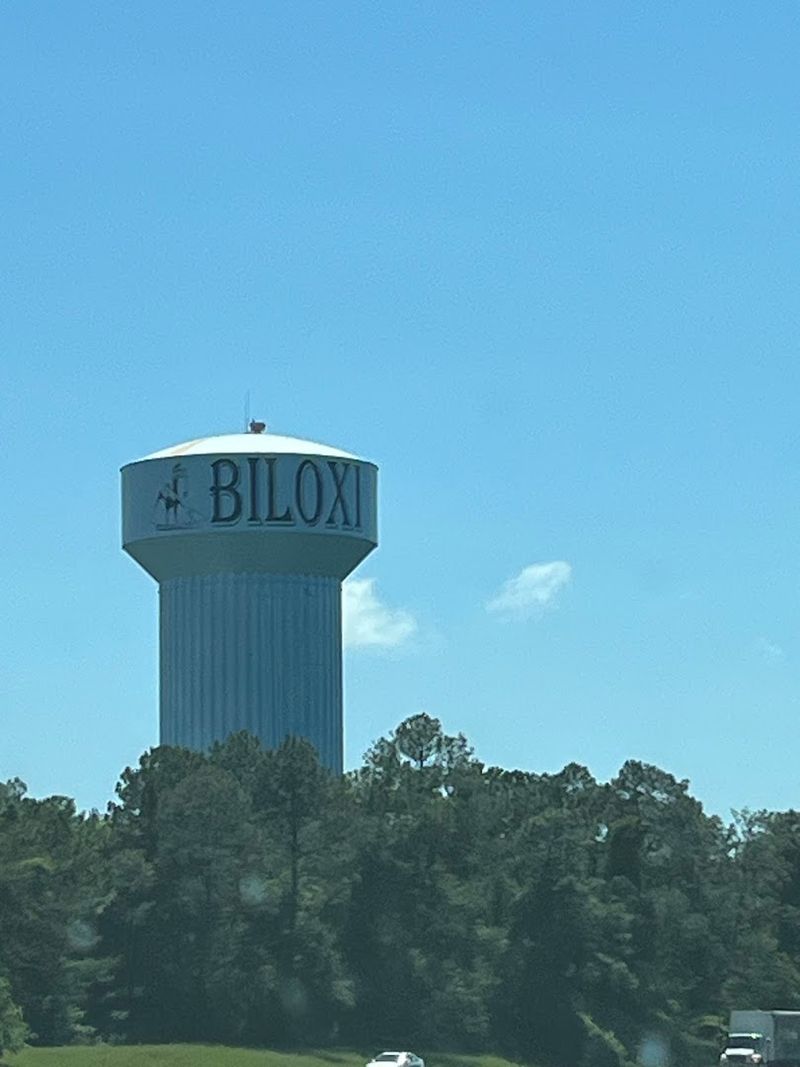
Biloxi looks straightforward enough until you say it out loud and realize you have been saying it wrong. Most outsiders say “bi-LOX-ee,” which sounds perfectly reasonable but is not how locals do it.
The correct pronunciation is “bih-LUCK-see,” and that middle syllable is the part that surprises everyone. The “x” makes a “ks” sound that shifts the whole rhythm of the word.
Biloxi is a Gulf Coast city in Mississippi with a long history as a resort destination, stretching back to the 1800s when wealthy Southerners would come to enjoy the breezes off the Gulf of Mexico. Today it is known for its casinos, fresh seafood, and beautiful white-sand beaches.
The name comes from a Native American tribe called the Biloxi people. Their language gave the Gulf Coast many of its place names, and Biloxi is the most well-known example.
Saying it correctly honors that history in a small but genuine way.
15. Oconomowoc, Wisconsin
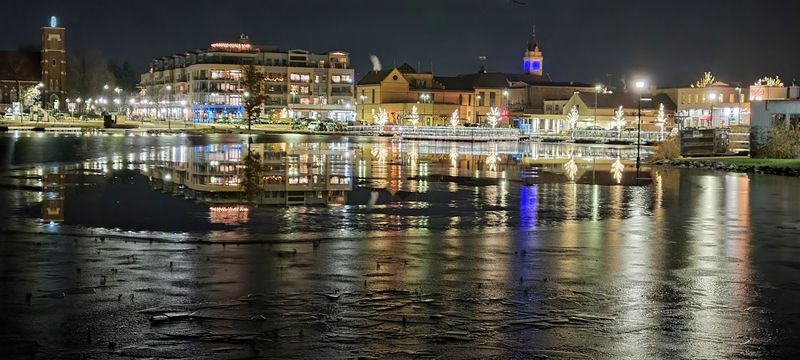
Oconomowoc is the kind of word that makes people stop mid-sentence and second-guess themselves completely. Spelled out, it looks like a puzzle with no solution.
But once you hear it broken down, it clicks: “oh-CON-oh-muh-wok.” Say it a few times and it actually becomes fun, which is probably why Wisconsin locals enjoy watching visitors attempt it for the first time.
This small city in Waukesha County sits on a chain of lakes and has been a popular vacation spot for Midwesterners since the 1800s. Wealthy Chicago families used to spend their summers here, and the area still has a relaxed, lakeside charm that makes it easy to understand why.
The downtown area is walkable and full of local restaurants and shops.
The name comes from an Ojibwe phrase that roughly means “where the waters fall” or “beaver dam,” referring to the many lakes and waterways in the area. It is a tongue-twister with a beautiful meaning.
Share this story