Our planet is packed with jaw-dropping scenery that can leave even the most seasoned traveler completely speechless. From towering mountain peaks to crystal-clear tropical lagoons, nature has truly outdone itself in every corner of the globe.
Whether you’re an adventure seeker, a beach lover, or someone who simply appreciates stunning views, there’s a destination out there that will take your breath away. Get ready to explore 15 of the most beautiful places on Earth — each one more spectacular than the last.
Ha Long Bay, Vietnam
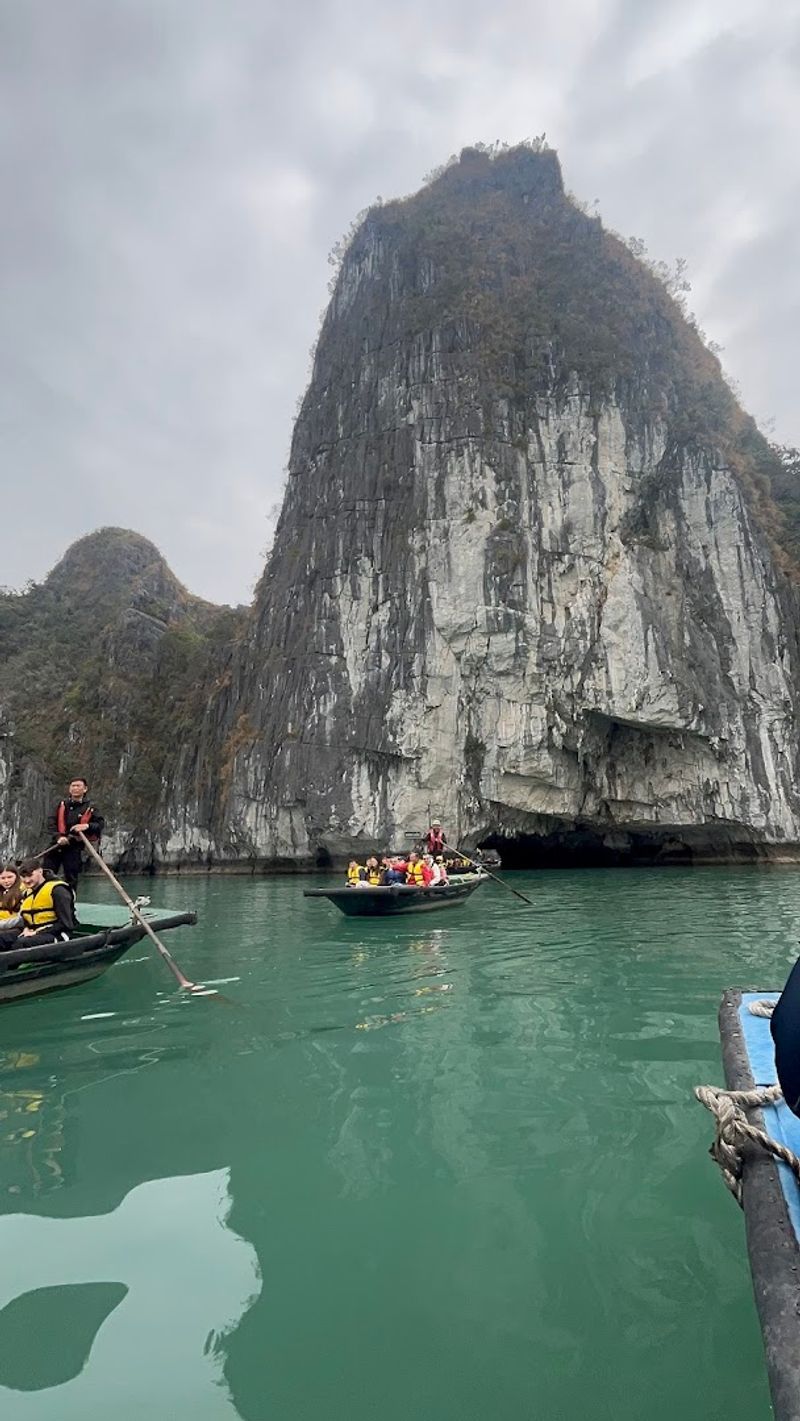
Imagine sailing through a landscape that looks like it was painted by a dreaming artist — that’s Ha Long Bay in a nutshell. Thousands of towering limestone islands shoot straight up from glassy emerald waters, creating a scene so dramatic it barely feels real.
The bay stretches across nearly 1,500 square kilometers in northeastern Vietnam, earning its spot as a UNESCO World Heritage Site.
Exploring Ha Long Bay by boat is the classic way to experience it. You can weave through hidden lagoons, duck into glowing caves, and stumble upon secluded beaches that feel completely untouched.
Some caves are massive enough to hold entire cathedrals inside — seriously.
The misty mornings here are something special. A low fog often rolls across the water at dawn, softening the jagged peaks and making everything feel mysterious and calm.
Kayaking through the narrow passageways between islands gives you a close-up look at the moss-covered cliffs and the wildlife that calls them home. Ha Long Bay is proof that sometimes reality is more stunning than any fantasy.
Santorini, Greece
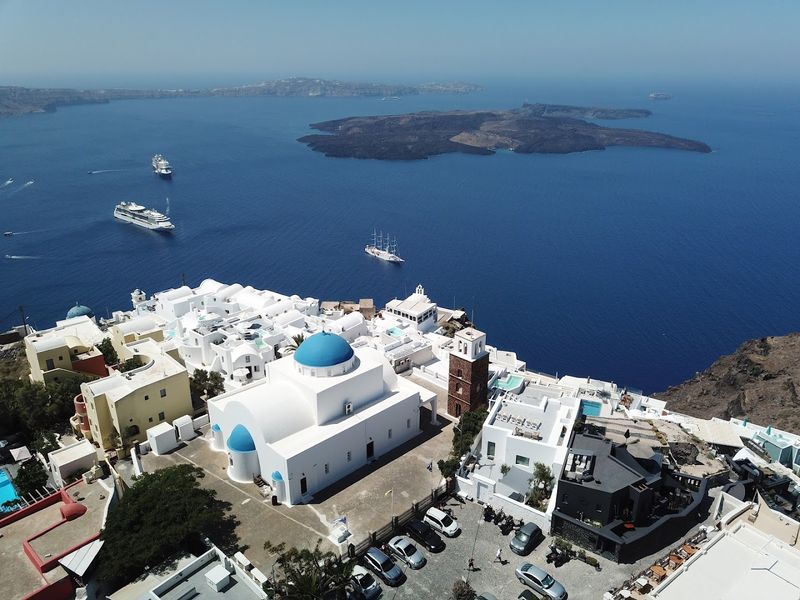
There’s a reason Santorini appears on practically every travel bucket list ever written — the place is almost unfairly beautiful. Brilliant white buildings cascade down volcanic cliffs, their blue-domed rooftops contrasting against the deep sapphire of the Aegean Sea below.
The whole island looks like a postcard that forgot to stop existing.
Santorini was shaped by one of the largest volcanic eruptions in recorded history, which happened around 3,600 years ago. That explosive past is actually what created the island’s dramatic caldera and the steep cliffs that make the views so breathtaking today.
So in a way, you can thank an ancient volcano for all those gorgeous Instagram photos.
The sunsets here are genuinely legendary. Crowds gather in the village of Oia every evening to watch the sun sink below the horizon in a blaze of orange and pink.
Beyond the views, Santorini offers excellent local wine, fresh seafood, and charming cobblestone streets to wander. Whether you’re watching the sea from a cliffside terrace or exploring a quiet village, Santorini delivers beauty at every turn.
Grand Canyon, USA
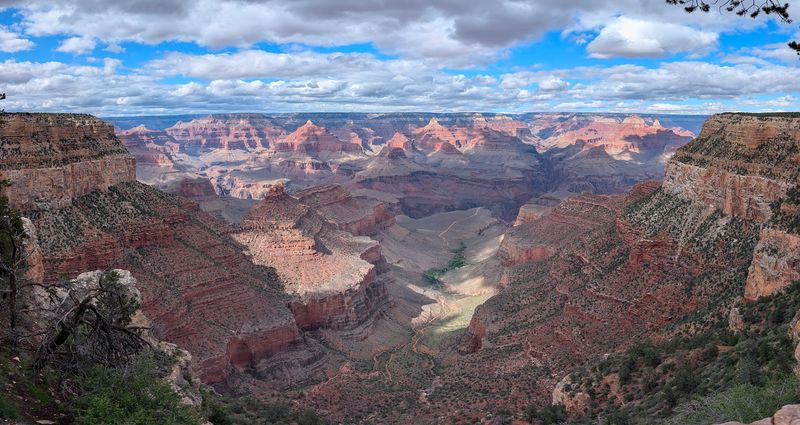
Standing at the rim of the Grand Canyon for the first time tends to make people go completely silent — which is saying something. The canyon plunges over a mile deep and stretches 277 miles long, carved patiently by the Colorado River over millions of years.
The layered rock walls read like a textbook of Earth’s history, with each stripe of color representing a different geological era.
Sunrise and sunset are the canyon’s showstopper moments. The shifting light transforms the rock from deep purple to blazing orange to soft gold within minutes, making it feel like a living painting.
Photographers camp out at the rim for hours just to catch these fleeting color changes.
Hiking down into the canyon is a completely different experience from standing above it. The trails reveal hidden waterfalls, ancient fossils, and ecosystems that change dramatically with altitude.
The Bright Angel Trail is a popular route, though rangers always remind hikers to bring far more water than they think they need — the canyon has a way of humbling even experienced outdoors people. The Grand Canyon doesn’t just impress; it genuinely puts life in perspective.
Great Barrier Reef, Australia
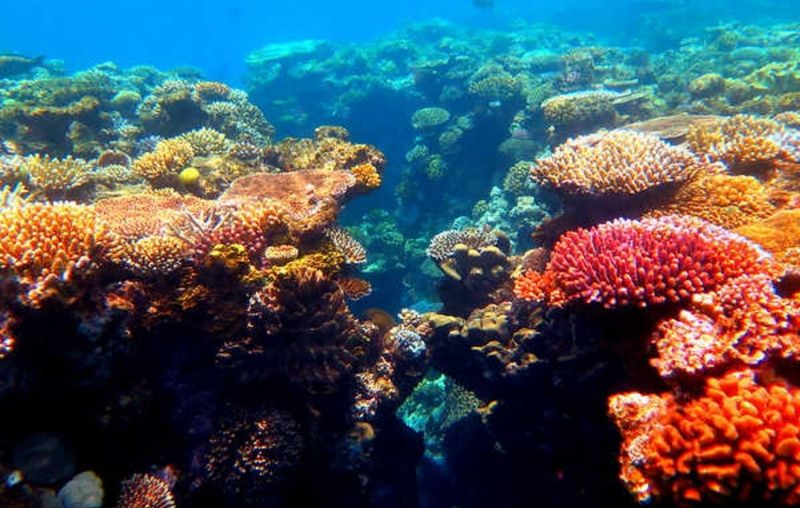
Stretching over 2,300 kilometers along the Queensland coastline, the Great Barrier Reef is so massive it can actually be seen from space. It’s the largest living structure on Earth, built by billions of tiny coral polyps over thousands of years.
Calling it just a reef feels like calling the Eiffel Tower just a tower.
Snorkeling or scuba diving here puts you inside one of the most biodiverse ecosystems on the planet. Over 1,500 species of fish, 4,000 types of mollusk, and six of the world’s seven sea turtle species all call this reef home.
The colors underwater are absolutely electric — neon corals, striped fish, and rays gliding silently overhead.
The reef faces real threats from climate change and rising ocean temperatures, which cause coral bleaching events. Many conservation organizations are working hard to protect this natural wonder before it’s too late.
Visiting responsibly — choosing eco-certified tour operators and avoiding touching the coral — makes a real difference. The Great Barrier Reef is not just beautiful; it’s a living, breathing reminder of how extraordinary and fragile our natural world truly is.
Every visit feels like a privilege.
Machu Picchu, Peru
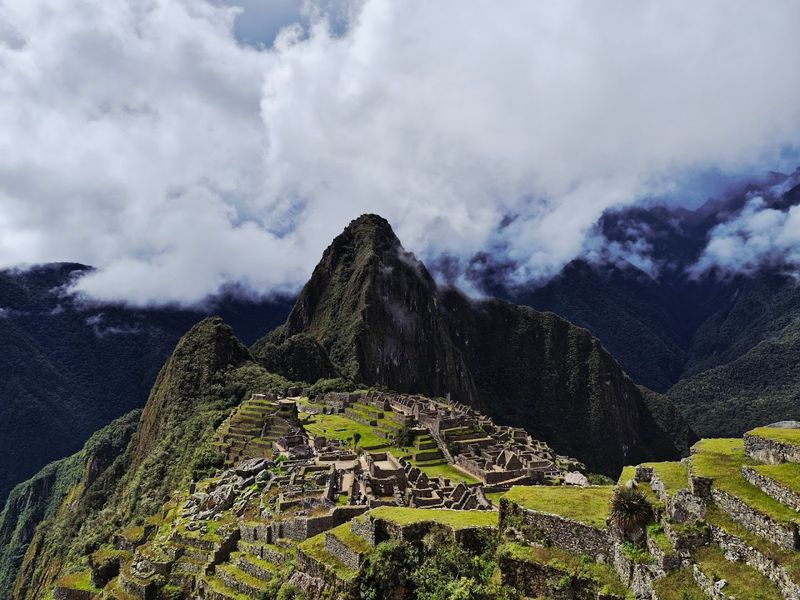
Perched 2,430 meters above sea level in the Peruvian Andes, Machu Picchu is one of those rare places that genuinely exceeds the hype. The ancient Incan city was built in the 15th century and then abandoned just over 100 years later — and yet its stone walls, temples, and terraces have survived remarkably intact.
How the Incas built this with no wheels or iron tools remains one of archaeology’s most fascinating puzzles.
The setting is almost theatrically dramatic. Steep mountain peaks draped in cloud forest surround the ruins on all sides, with mist rolling through the valleys below at dawn.
The famous view of the citadel from the Sun Gate trail — after a long morning hike — is one of the most rewarding sights a traveler can experience.
Wildlife adds to the magic here. Llamas wander casually among the ruins, seemingly unimpressed by the centuries of history beneath their hooves.
Rare Andean spectacled bears occasionally roam the surrounding cloud forest. Machu Picchu is a place where history, nature, and sheer human ingenuity collide in the most spectacular way possible.
Arriving by train through the Sacred Valley is an unforgettable journey in itself.
Plitvice Lakes National Park, Croatia
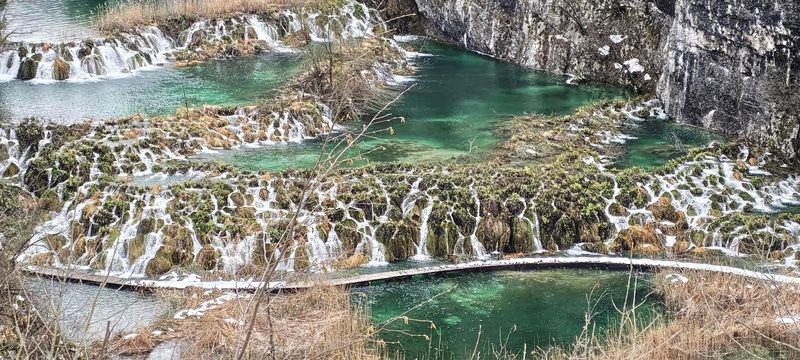
Croatia’s Plitvice Lakes National Park looks less like a real place and more like a fantasy realm where the water decided to show off. Sixteen terraced lakes cascade into one another through a series of waterfalls, all glowing in shades of turquoise, teal, and aquamarine.
The colors shift depending on the season, the light, and the mineral content of the water — making every visit a slightly different experience.
Wooden boardwalks wind through the park right at water level, putting visitors inches above the crystal-clear streams. Looking down, you can see fish darting through the water below your feet.
The park covers over 296 square kilometers and is home to bears, wolves, and lynxes living quietly in the surrounding forest.
Autumn is arguably the best time to visit. The surrounding beech and fir trees explode into fiery reds and oranges, framing the turquoise water in a color combination that seems almost too vivid to be natural.
Plitvice earned UNESCO World Heritage status back in 1979, and it’s easy to understand why. The park doesn’t need any filters or enhancements — it arrives perfect, straight from nature’s own creative studio.
Salar de Uyuni, Bolivia
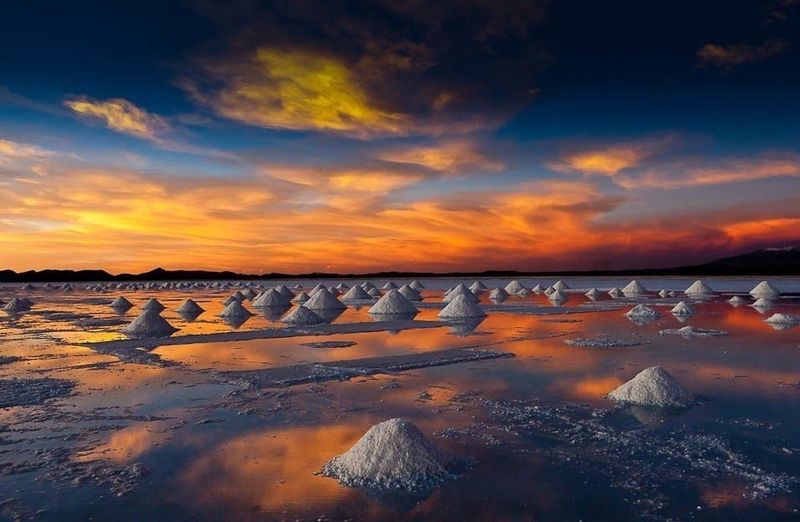
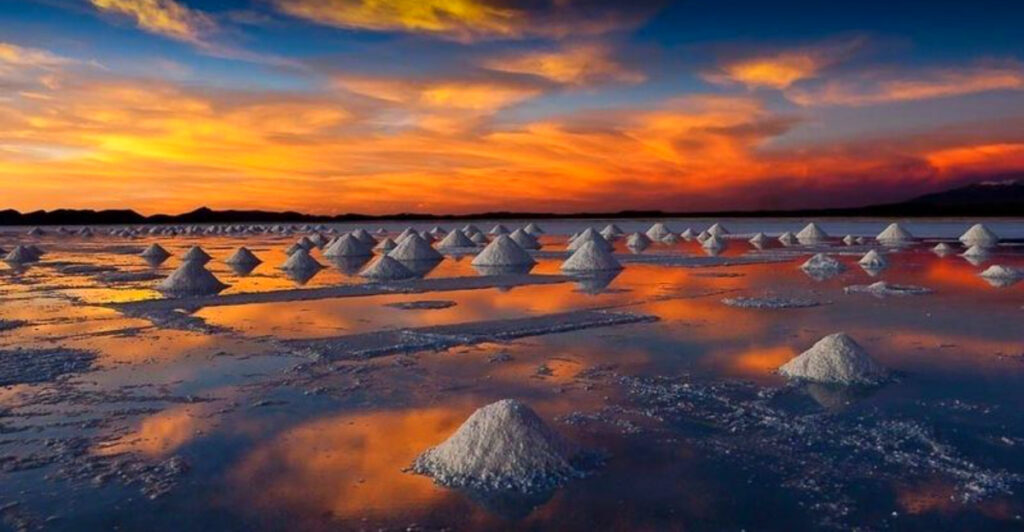
At over 10,000 square kilometers, Salar de Uyuni is the world’s largest salt flat — and during the rainy season, it becomes something even more extraordinary. A thin layer of water transforms the entire surface into a perfect mirror, reflecting the sky so flawlessly that the horizon disappears completely.
Standing on it feels like floating in mid-air between two identical skies.
The salt crust here is up to 10 meters thick in some places and contains roughly half of the world’s known lithium reserves. But forget the geology for a moment — the visual experience is what pulls travelers from every corner of the globe.
The total silence, the blinding white expanse, and the surreal reflections create a sensory experience unlike anything else on Earth.
During the dry season, the flat’s cracked hexagonal salt patterns stretch endlessly in every direction, offering a completely different but equally mesmerizing landscape. The area is also home to pink flamingos, geysers, and colorful lagoons nearby, making it far more than just one attraction.
Salar de Uyuni rewards patience — the best light for photography hits during golden hour when the sky turns shades of pink and violet over that endless mirror below.
Banff National Park, Canada
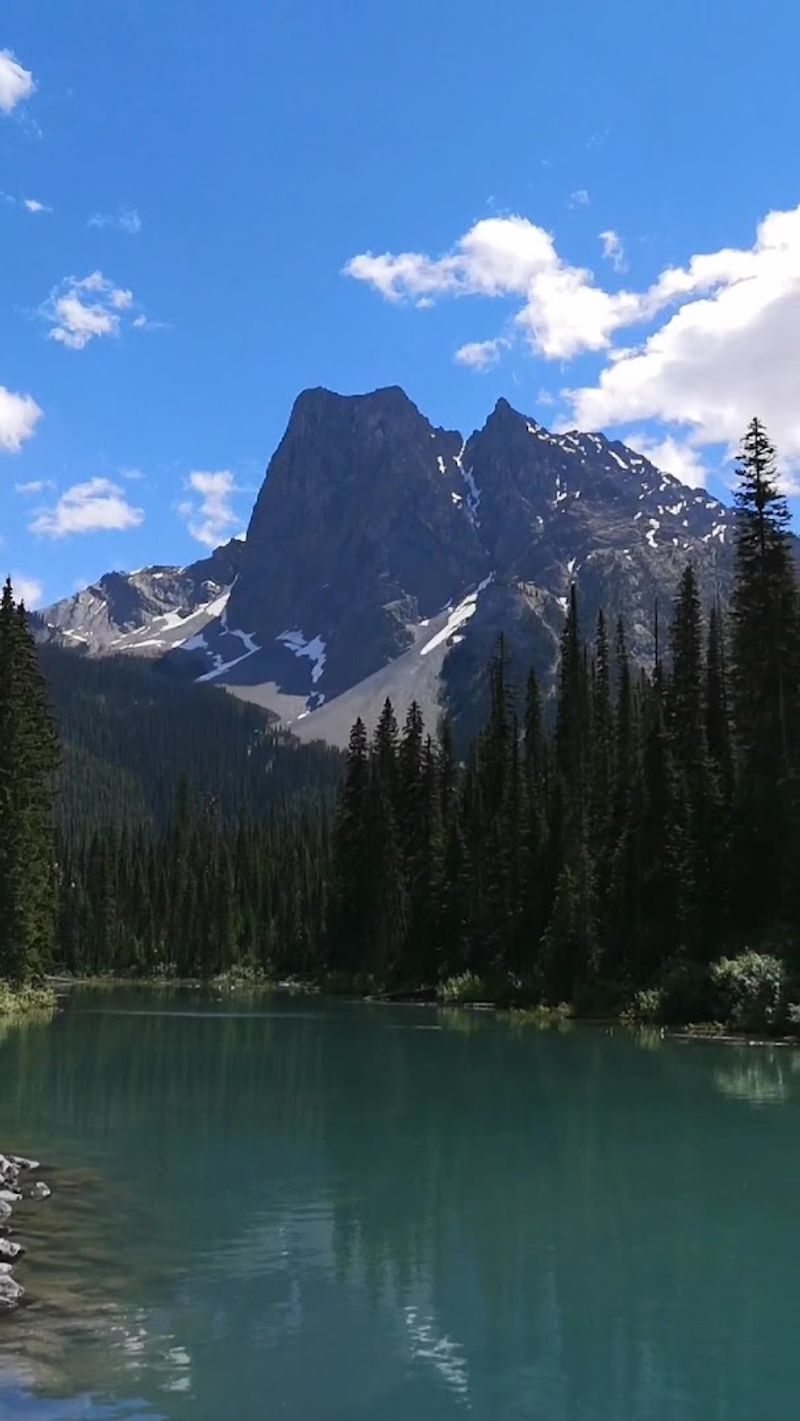
Canada’s oldest national park has been leaving visitors speechless since 1885, and frankly, it hasn’t slowed down since. Banff National Park sits deep in the Canadian Rockies and packs an almost unfair amount of natural beauty into one place — turquoise glacial lakes, jagged snow-capped peaks, sweeping valleys, and forests thick with wildlife.
It covers over 6,600 square kilometers of pure mountain splendor.
Lake Louise is probably the park’s most photographed spot, and the hype is completely justified. The lake’s vivid turquoise color comes from rock flour — finely ground particles carried into the water by melting glaciers.
Standing at the shoreline with the Victoria Glacier rising behind it, the whole scene looks almost digitally enhanced, but it’s completely real.
Moraine Lake nearby is equally stunning and tends to attract slightly smaller crowds, making it a favorite among photographers who want that iconic shot without the elbow-to-elbow competition. In winter, the park transforms into a snow-covered wonderland perfect for skiing and ice skating on frozen lakes.
Wildlife sightings are common year-round — elk, grizzly bears, and mountain goats roam freely throughout the park. Banff is one of those rare destinations that delivers on every single promise it makes.
Iceland’s Vatnajökull National Park
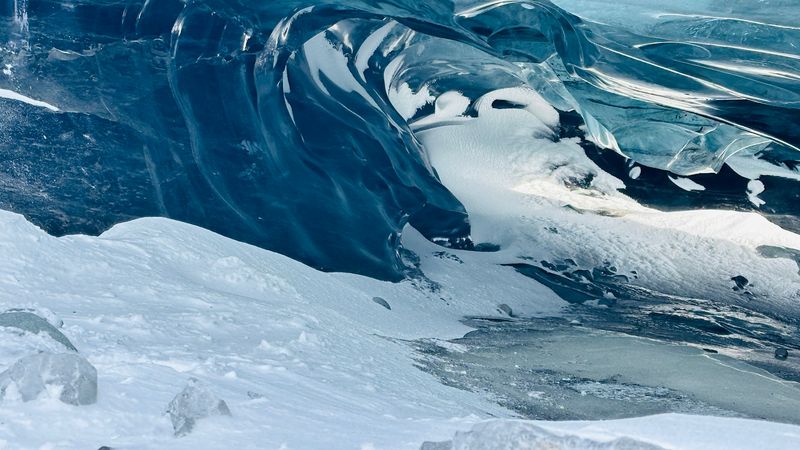
Iceland already has a reputation for being otherworldly, but Vatnajökull National Park turns that reputation up to eleven. This single park covers roughly 14% of Iceland’s entire landmass and contains Europe’s largest glacier — the Vatnajökull ice cap — which sits on top of several active volcanoes.
The result is a landscape where fire and ice have been locked in a dramatic standoff for thousands of years.
The ice caves found beneath the glacier are genuinely mind-bending. Natural tunnels carved by meltwater glow electric blue from within, their walls smooth and translucent like frosted glass.
Guided tours into these caves run during winter months when the ice is stable enough to walk through safely.
Outside the ice, the park delivers equally dramatic scenery. Skaftafell’s Svartifoss waterfall drops over perfectly hexagonal basalt columns — a geological pattern so precise it looks almost man-made.
Black sand beaches stretch along the park’s southern edge, where massive glacial icebergs drift into the sea at Jökulsárlón lagoon. Catching the Northern Lights dancing above the glacier on a clear winter night is the kind of moment that makes a person forget every stress they’ve ever had.
Vatnajökull is simply extraordinary.
Bora Bora, French Polynesia
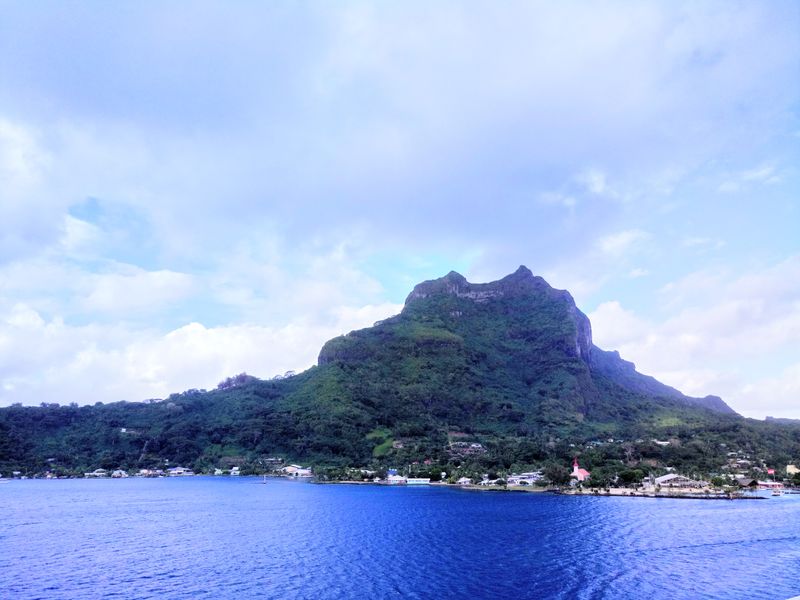
Few places on Earth carry as much tropical fantasy in their name as Bora Bora. This small volcanic island in French Polynesia sits at the center of a stunning turquoise lagoon, ringed by a coral reef that keeps the water impossibly calm and clear.
The iconic overwater bungalows perched above the lagoon have become one of the most recognizable images in luxury travel — and yes, they’re even better in person.
The island’s twin volcanic peaks, Mount Pahia and Mount Otemanu, rise dramatically from the jungle interior, giving Bora Bora a striking silhouette that’s visible from miles out at sea. Paddling a kayak across the lagoon toward those green peaks while the water glows beneath you is a genuinely surreal experience.
The marine life in the lagoon is spectacular. Blacktip reef sharks cruise the shallows with total nonchalance, rays glide along the sandy bottom, and colorful reef fish dart through the coral gardens.
Snorkeling here feels like crashing a very exclusive underwater party. Bora Bora isn’t a budget destination — but for those who make the journey, the combination of volcanic scenery, crystal water, and pure Pacific tranquility creates an experience that stays with you long after you’ve left the island behind.
Zhangjiajie National Forest Park, China
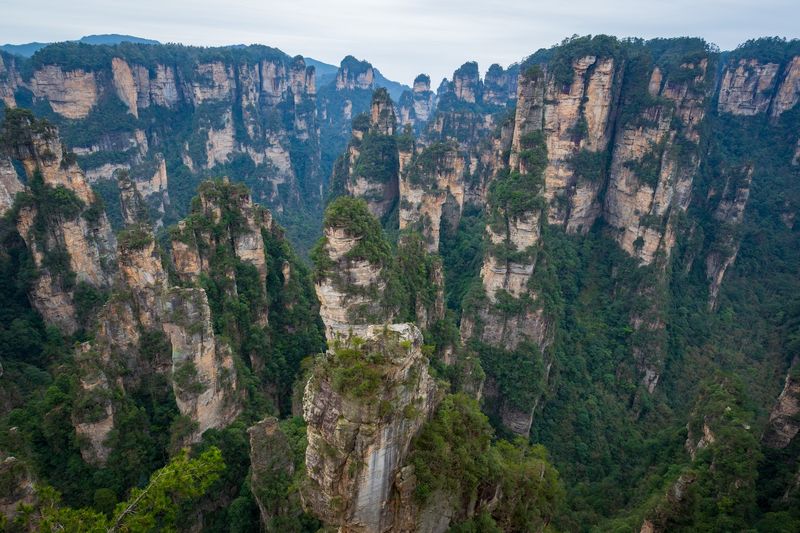
If you’ve ever wondered what inspired the floating Hallelujah Mountains in the movie Avatar, wonder no more — it was this place. Zhangjiajie National Forest Park in Hunan Province, China, is home to over 3,000 towering sandstone pillars that shoot vertically from the forest floor, some reaching heights of over 200 meters.
The mist that frequently wraps around these columns makes the whole landscape feel genuinely suspended in another dimension.
The park was established in 1982 as China’s first national forest park, and it’s been astounding visitors ever since. Cable cars carry you above the pillars for a bird’s-eye view that makes it look even more unreal than it does from the ground — which is already saying something considerable.
For the thrill-seekers, the Zhangjiajie Grand Canyon Glass Bridge stretches 430 meters across a valley, offering transparent floor panels that let you look straight down hundreds of meters. It’s terrifying and magnificent in equal measure.
The park also features ancient subtropical forests, rare wildlife, and hiking trails that wind between the stone pillars at ground level. Zhangjiajie is the kind of place that makes you question whether you’ve wandered into a film set — except the scenery here is completely, wonderfully real.
Patagonia (Chile/Argentina)
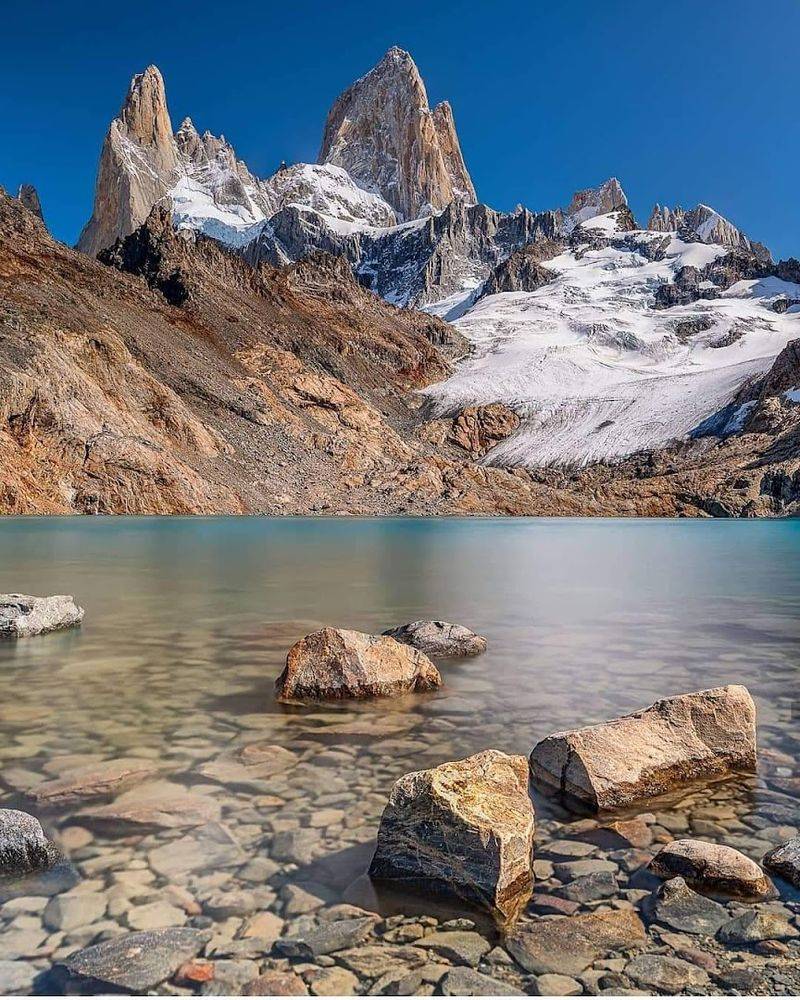
Patagonia doesn’t do subtle. This wild, wind-battered region at the southern tip of South America throws glaciers, granite spires, roaring rivers, and endless open plains at you all at once.
Shared between Chile and Argentina, Patagonia covers over one million square kilometers and contains some of the most raw, untouched wilderness left anywhere on the planet.
The granite towers of Torres del Paine in Chile are Patagonia’s most iconic image — three jagged peaks that glow pink and gold at sunrise, reflected in the lakes below. The W Trek through Torres del Paine National Park is one of the world’s most celebrated hiking routes, drawing adventurers who want their scenery served with a generous side of challenge.
Argentina’s side offers the Perito Moreno Glacier, one of the few glaciers in the world that is actually advancing rather than retreating. Watching massive chunks of ice calve into the turquoise water below with a thunderous crack is a moment that stays lodged in your memory permanently.
The region’s wildlife roster includes pumas, condors, guanacos, and penguins. Patagonia rewards those who make the long journey here with landscapes so dramatic and vast they seem to recalibrate your entire sense of scale.
Maldives
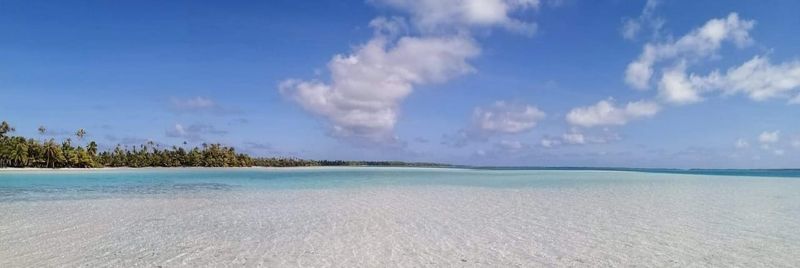
The Maldives sits so low in the Indian Ocean that its highest natural point is only about 2.4 meters above sea level — making it the world’s lowest-lying country. What it lacks in elevation, it more than makes up for in horizontal beauty.
Over 1,000 coral islands are scattered across 90,000 square kilometers of ocean, each one rimmed with powdery white sand and surrounded by water in shades of blue that seem almost digitally enhanced.
The underwater world here is extraordinary. The coral reefs surrounding the islands are teeming with manta rays, whale sharks, hammerhead sharks, and thousands of reef fish species.
Visibility underwater often exceeds 30 meters, making every snorkel or dive session feel like swimming inside an aquarium designed by someone with exceptional taste.
Staying in an overwater villa — those iconic thatched-roof bungalows built directly above the lagoon — is the signature Maldives experience. You can literally step off your private deck straight into clear, warm water.
Sunrises and sunsets paint the sky in colors that make every other sunrise you’ve ever seen feel slightly inadequate. The Maldives is a place where doing absolutely nothing feels like the most productive decision you’ve ever made in your life.
Norwegian Fjords, Norway
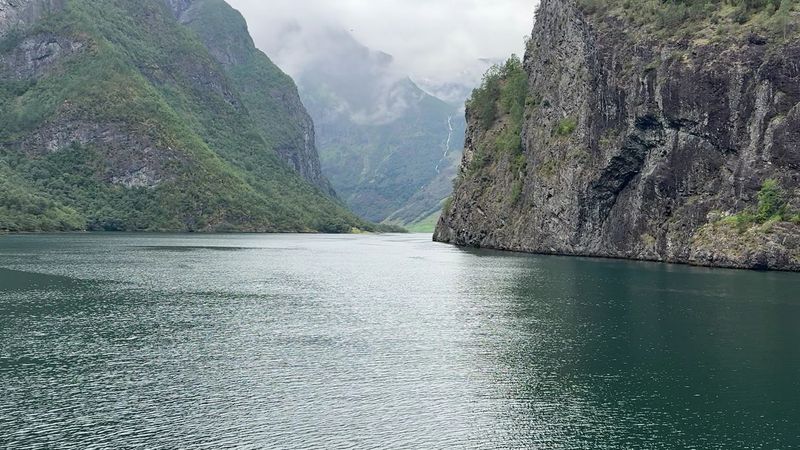
Norway’s fjords were carved by glaciers during the last Ice Age, and honestly, those glaciers deserve a round of applause for their work. The result is a series of deep, narrow inlets flanked by cliffs that rise hundreds of meters straight out of the water, with waterfalls threading down the rock faces like silver ribbons.
The scale is so immense that everything else — boats, villages, even bridges — looks like a child’s toy by comparison.
Geirangerfjord and Nærøyfjord are the two most celebrated fjords, both holding UNESCO World Heritage status. The Seven Sisters waterfall at Geirangerfjord sends seven separate streams plunging side by side down a sheer cliff face — a sight that stops every boat in its tracks.
Taking a cruise through these fjords is the most popular way to experience them, though kayaking at water level offers an entirely different and more intimate perspective.
The fjords look stunning year-round, but summer brings long daylight hours that illuminate the cliffs in warm, golden light well past midnight. In winter, snow caps the peaks and Northern Lights occasionally shimmer above the dark water.
Small villages like Flåm sit tucked at fjord edges, offering warm food and a sense of cozy calm that perfectly balances the wild drama surrounding them.
Mount Fuji, Japan
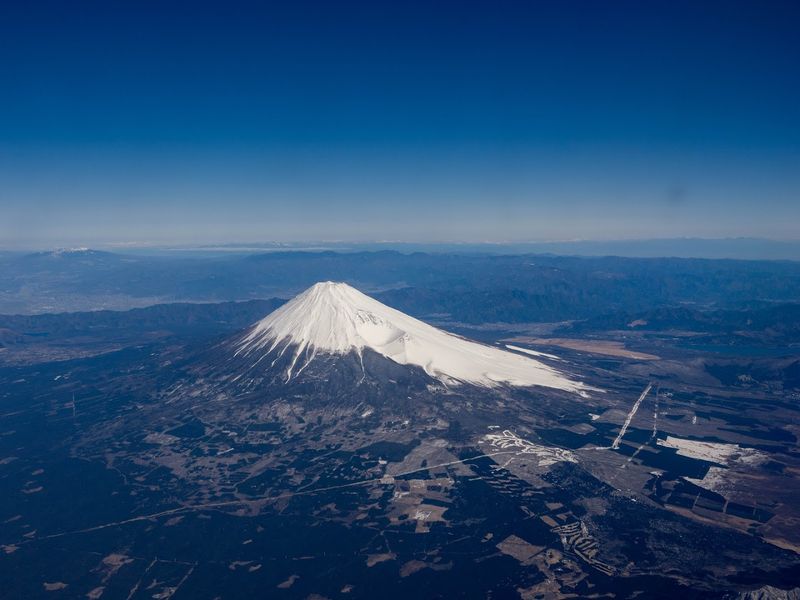
Mount Fuji has been inspiring awe for so long that it has its own entire genre of Japanese art dedicated to it. The volcano’s near-perfect cone shape — symmetrical, snow-capped, and rising 3,776 meters above sea level — has made it Japan’s most iconic symbol for centuries.
Katsushika Hokusai’s famous woodblock print series Thirty-six Views of Mount Fuji, created in the 1830s, helped spread Fuji’s image around the world long before photography existed.
Seeing Mount Fuji reflected in one of the Fuji Five Lakes on a clear morning is a genuinely moving experience. The mountain seems to float above the mist, doubled in the still water below, with cherry blossoms framing the scene in spring.
It’s a combination of natural beauty and cultural symbolism that hits differently than almost anywhere else.
Around 200,000 people climb Mount Fuji each year during the official summer season between July and September. The climb typically takes between five and eight hours each way, rewarding those who reach the summit with sunrise views over a sea of clouds.
The mountain is an active volcano — its last eruption was in 1707 — which adds a quiet, humbling reminder that this beautiful landmark is very much alive beneath the surface.
Share this story