Somewhere beneath mountains, fjords, and bustling cities, engineers have carved out some of the most jaw-dropping passages on the planet. Road tunnels make the impossible possible, turning treacherous mountain crossings into smooth, safe drives.
The world’s longest ones are not just holes in the ground — they are massive feats of human creativity and determination. Get ready to travel through the most extraordinary tunnels ever built.
Lærdal Tunnel, Norway
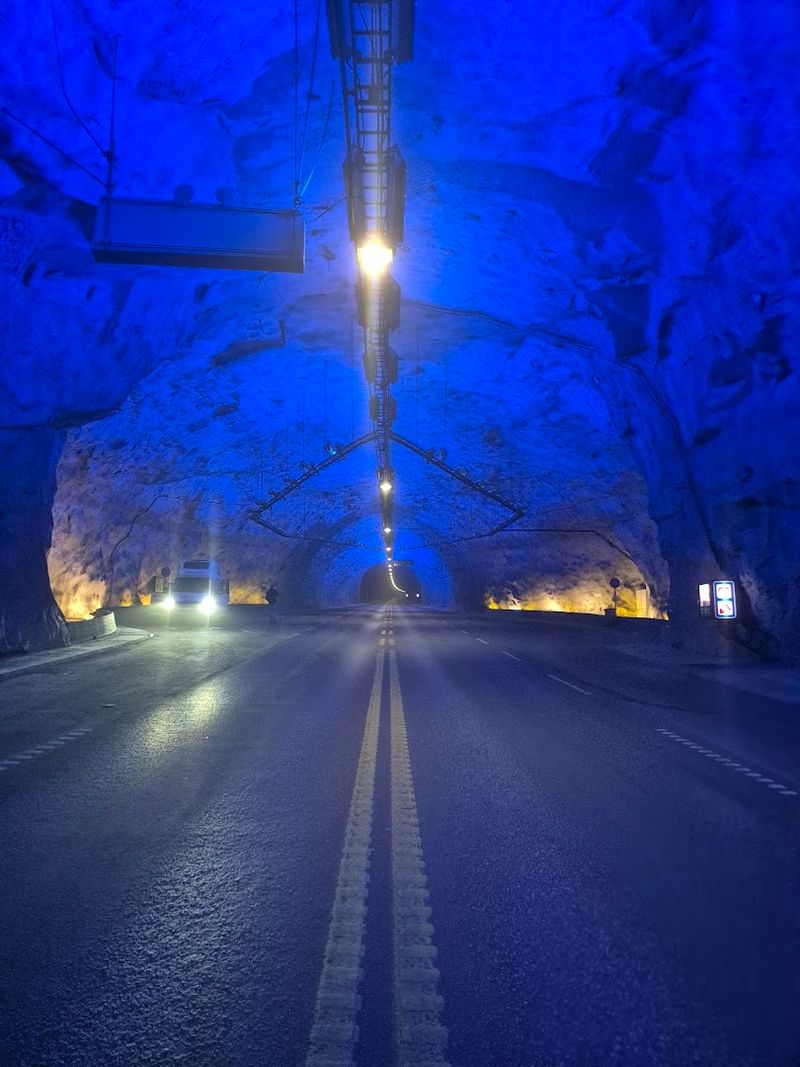
Twenty minutes of driving through solid rock — that is what awaits anyone who enters the Lærdal Tunnel in Norway. Stretching an incredible 24.51 kilometers (15.2 miles), it holds the title of the longest road tunnel on Earth.
No other road tunnel comes close to matching its sheer scale.
Built to connect Oslo and Bergen, the tunnel solves a very real problem: Norway’s mountains make winter travel brutally difficult. Before the tunnel opened in 2000, drivers faced dangerous mountain roads during snowstorms.
Now, they cruise safely underneath those same peaks.
Engineers were clever about the design. They added three large cave-like chambers inside the tunnel, each lit with warm yellow and blue lighting to help drivers feel less claustrophobic.
Without these breaks, the 20-minute drive could feel overwhelming. The lighting shifts subtly, almost like watching a slow sunset underground.
Ventilation was another major challenge. Fresh air systems run continuously to keep exhaust fumes at safe levels.
Emergency exits and safety bays are spaced throughout. Norway truly built this tunnel to last, and it remains one of the most thoughtfully engineered road passages anywhere in the world today.
WestConnex Tunnel System, Australia
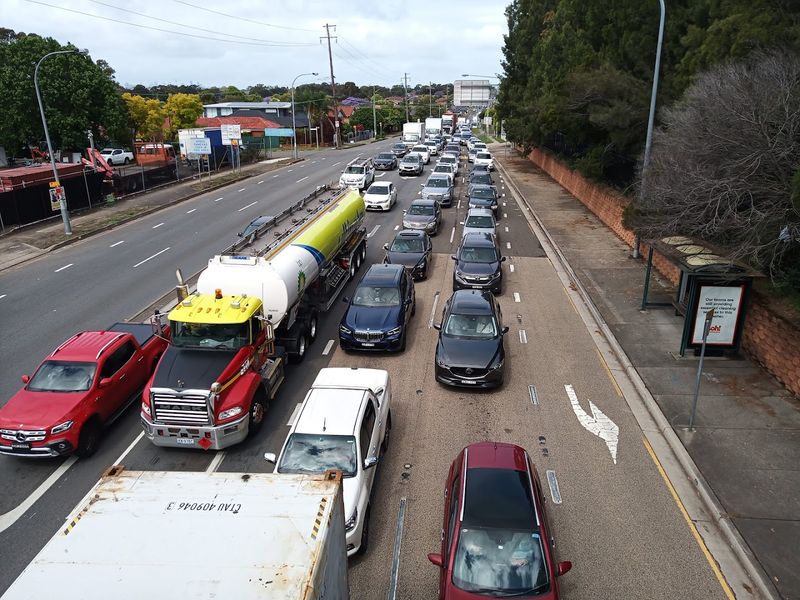
Sydney is a city that never stops moving, and the WestConnex Tunnel System was built to keep it that way. Stretching roughly 22.4 kilometers through the underground maze beneath Australia’s largest city, it ranks among the longest urban tunnel networks on the planet.
The project is as ambitious as the city itself.
Traffic congestion in Sydney had become a serious problem. Millions of people commute daily, and surface roads were struggling to cope.
WestConnex was the answer — a bold underground highway linking major expressways and cutting travel times dramatically for everyday commuters.
The engineering challenges were enormous. Workers had to dig beneath existing buildings, utility lines, and other underground infrastructure without causing disruptions above ground.
Sensors, cameras, and ventilation systems were installed throughout to keep everything running smoothly and safely.
What makes WestConnex stand out is that it is not just one tunnel but a connected system of tunnels working together. Think of it as an underground highway network rather than a single passage.
Future stages are still being planned and built, meaning Sydney’s underground road system will likely grow even larger in the coming years. It is urban engineering on a spectacular scale.
Tianshan Shengli Tunnel, China
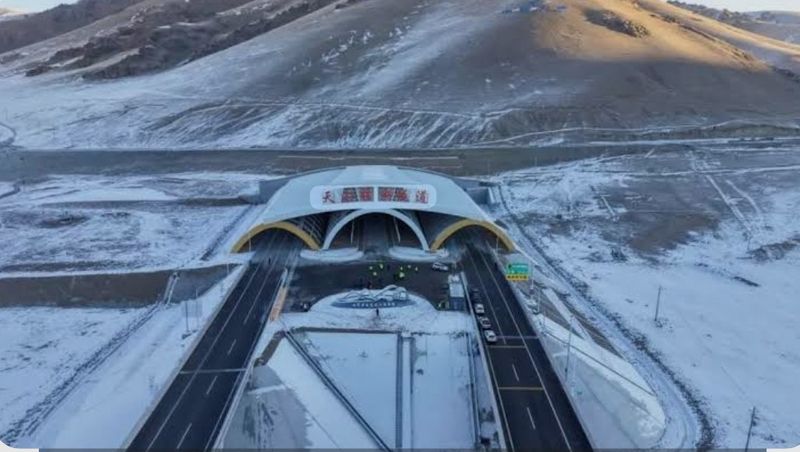
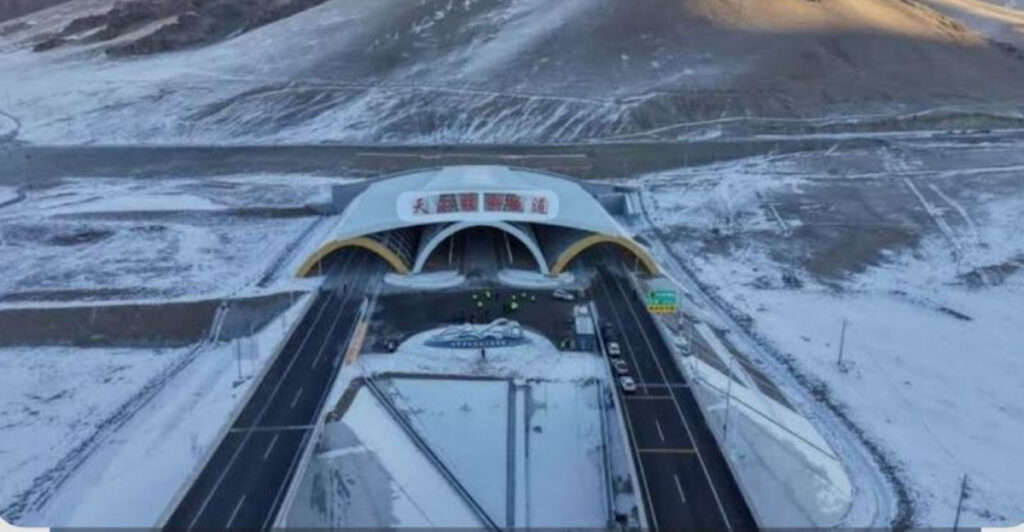
Carving a road through glaciers and earthquake-prone fault zones sounds like something out of a movie, but China made it reality with the Tianshan Shengli Tunnel. Opened in 2025, this 22-kilometer passage cuts through the heart of the Tianshan Mountains in Xinjiang.
It is one of the most technically demanding tunnels ever constructed.
Before this tunnel existed, crossing the Tianshan Mountains meant hours of winding mountain roads that were often closed during harsh winters. The new tunnel slashes travel time dramatically, making year-round travel possible in a region where weather used to call all the shots.
Building here was no ordinary job. Engineers dealt with permafrost, unstable rock, and freezing temperatures throughout construction.
Special concrete mixtures and insulation systems had to be developed just to handle the extreme cold inside the mountain. Every kilometer was a battle against nature.
The tunnel also features advanced ventilation, fire safety systems, and emergency response infrastructure. China has invested heavily in mountain tunnel technology over the past two decades, and the Tianshan Shengli Tunnel represents the peak of that expertise.
For the communities on both sides of the mountains, this tunnel is genuinely life-changing infrastructure that connects them to the wider world.
Yamate Tunnel, Japan
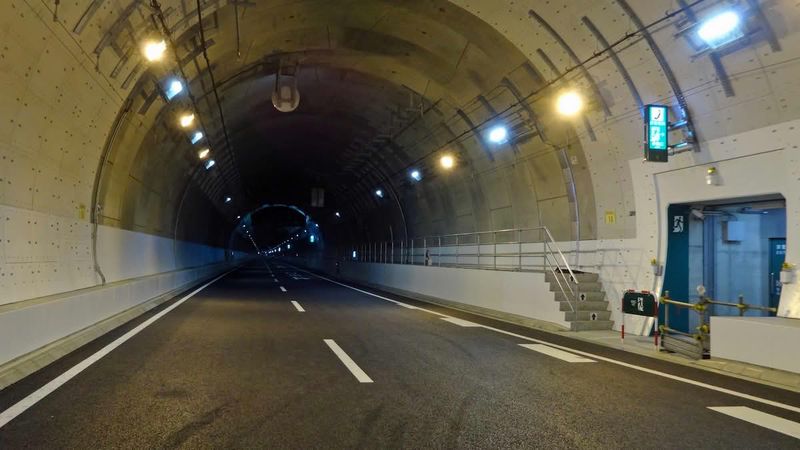
Tokyo is a city of 14 million people packed into one of the world’s most complex urban environments, and the Yamate Tunnel is one of the secret weapons keeping it all moving. At approximately 18.2 kilometers, it is Japan’s longest urban road tunnel and a critical part of the Shuto Expressway system.
Drivers zip beneath the city without ever seeing a traffic light.
The tunnel was built to pull traffic off Tokyo’s notoriously congested surface streets. By routing vehicles underground, the city freed up space above for pedestrians, cyclists, and public transport.
It is the kind of smart urban planning that Tokyo has become famous for worldwide.
Construction was a logistical puzzle of the highest order. Workers had to tunnel beneath subway lines, water pipes, gas lines, and the foundations of buildings in one of the most densely built cities on Earth.
Engineers used precision boring machines and constant monitoring to avoid disturbing anything above.
Inside the tunnel, everything is carefully managed. Ventilation shafts pull out exhaust fumes while fresh air is pumped in.
Speed cameras and electronic signs guide drivers safely through. Emergency exits are positioned at regular intervals.
The Yamate Tunnel is essentially a high-tech underground expressway, and it works brilliantly every single day.
Zhongnanshan Tunnel, China
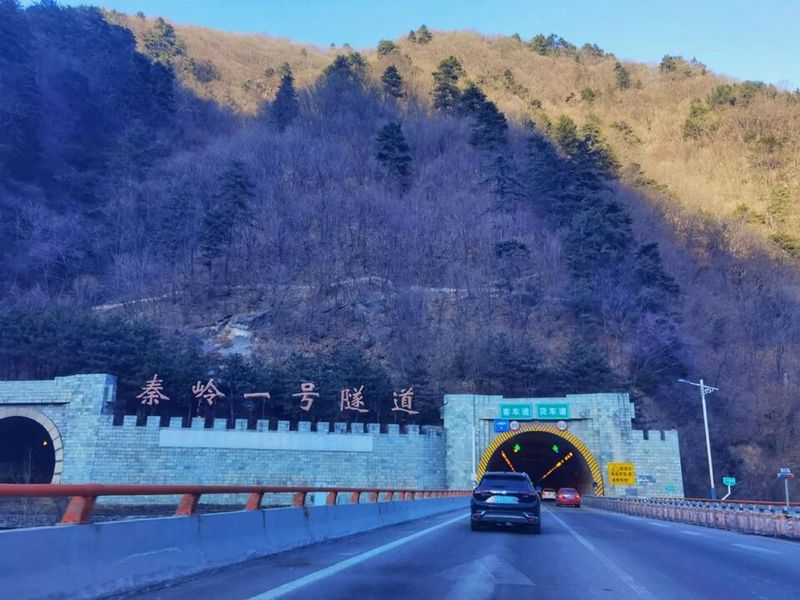
Hidden beneath the ancient Qinling Mountains, the Zhongnanshan Tunnel stretches nearly 18.04 kilometers and quietly does one of the most important jobs in central China. It connects Xi’an to the south of the country through terrain that was once a serious barrier to travel.
Before this tunnel, crossing the Qinling range was slow, dangerous, and exhausting.
The Qinling Mountains hold deep cultural significance in China — they are considered a natural dividing line between northern and southern China. Punching a tunnel through them was both an engineering challenge and a symbolic achievement.
The project took years of careful planning and construction to complete safely.
Inside, the tunnel runs parallel tubes for each direction of traffic, improving safety significantly. Ventilation shafts are located at key points along the route, drawing out vehicle exhaust before it can build up.
Emergency rescue stations and fire suppression systems are also built in throughout the entire length.
Travel time through the Qinling Mountains dropped from several hours to just minutes after the tunnel opened. Local economies on both sides of the mountains benefited enormously.
Goods move faster, people travel more easily, and the region became far more connected. The Zhongnanshan Tunnel is a quiet giant that changed everyday life for millions of people.
Jinpingshan Tunnel, China
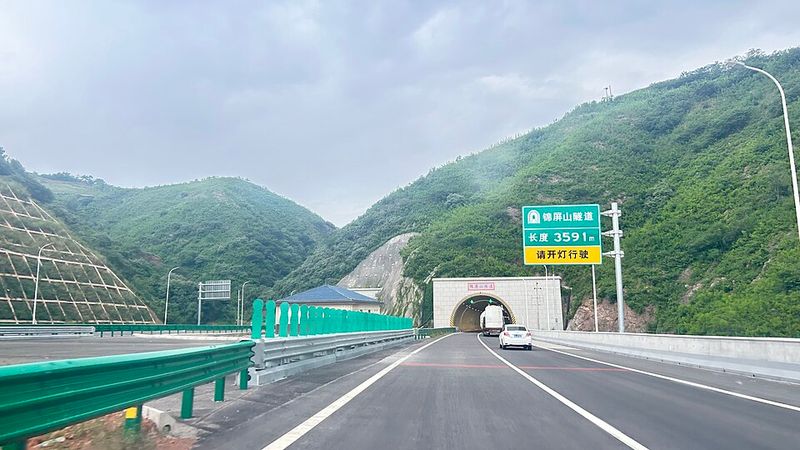
Not every great tunnel was built for commuters. The Jinpingshan Tunnel system, measuring around 17.5 kilometers, was carved deep into the earth as part of one of China’s most ambitious hydropower projects.
It exists in a world most people will never see, running through some of the deepest and most geologically complex rock on the planet.
The tunnels were designed to divert water for power generation, but they are large enough for vehicles to travel through during construction and maintenance. That vehicle-accessibility alone puts them in the conversation for some of the longest driveable tunnels ever built.
The sheer scale of the underground network is staggering.
At certain points, the tunnels run nearly 2,500 meters below the mountain surface above. That kind of depth creates extreme pressure on the rock walls, which caused engineers enormous headaches during construction.
Rock bursts — sudden explosive fractures in the stone — were a real danger that workers had to manage constantly.
Special reinforcement techniques, rock bolts, and concrete linings were used throughout to stabilize the tunnels. The Jinpingshan project pushed the boundaries of what underground engineering could achieve.
It is proof that tunnels are not always about moving cars — sometimes they are about powering entire regions with clean, renewable energy.
Gotthard Road Tunnel, Switzerland
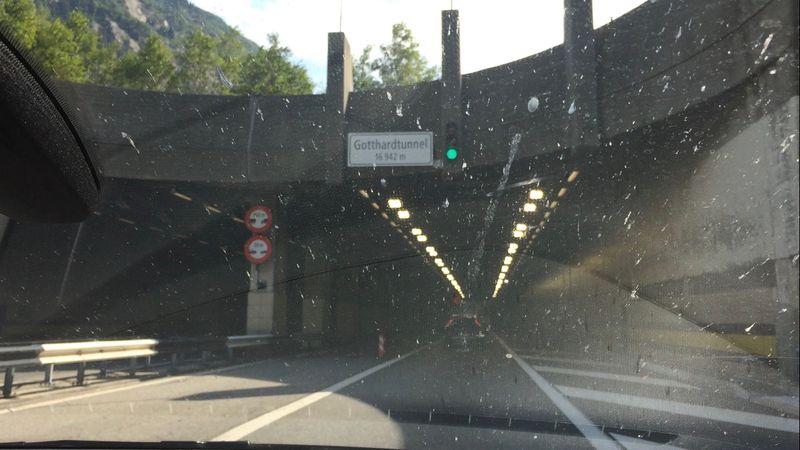
For a tunnel that opened back in 1980, the Gotthard Road Tunnel has aged remarkably well. Stretching about 16.9 kilometers through the Swiss Alps, it was the longest road tunnel in the world for over two decades.
Even today, it remains one of the most important mountain crossings in all of Europe.
Switzerland sits right in the middle of the Alps, which has always made north-south travel tricky. Mountain passes get buried under snow for months each year, cutting off communities and slowing down trade.
The Gotthard tunnel solved that problem by offering a reliable, year-round route connecting northern and southern Switzerland regardless of the weather above.
The tunnel carries an enormous volume of traffic every single day — trucks, cars, and coaches all share its two lanes. A devastating fire in 2001 killed 11 people and led to major upgrades in safety systems.
Since then, traffic management has been tightened significantly, with strict controls on how vehicles travel through.
A full renovation project began in 2020, with one tube being completely refurbished while the other stays open. This careful approach keeps traffic flowing while bringing the tunnel up to modern safety standards.
After more than 40 years of service, the Gotthard Road Tunnel is still earning its place among the world’s greatest road tunnels.
Micangshan Tunnel, China
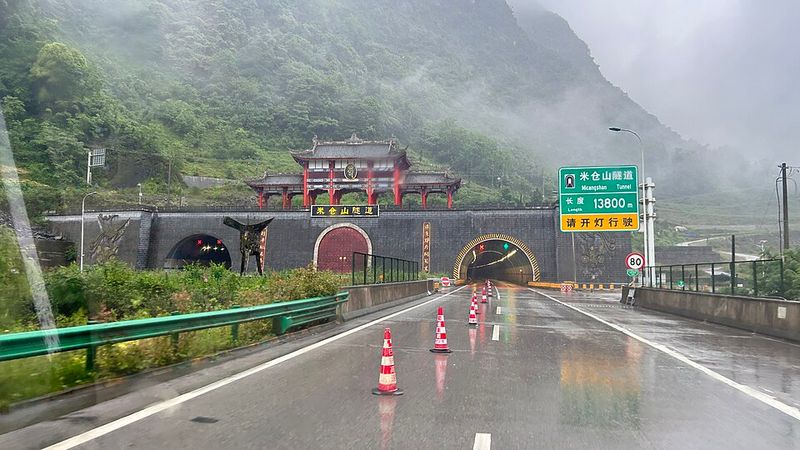
Deep in the rugged mountains straddling Sichuan and Shaanxi provinces, the Micangshan Tunnel punches through more than 15.5 kilometers of solid rock. It forms a key link in a major expressway network that has transformed transportation across one of China’s most mountainous regions.
Before it opened, this stretch of terrain was a genuine headache for drivers and freight operators alike.
The Micangshan mountains are steep, heavily forested, and prone to landslides. Building a surface road through them was always risky and slow.
A tunnel was the smarter, safer solution — and the results speak for themselves. Travel times through the area dropped significantly the moment the tunnel opened to traffic.
Construction crews dealt with difficult geology throughout the project. Soft rock, groundwater seepage, and narrow working spaces all created complications underground.
Engineers had to adapt their methods regularly to keep the project on track and the workers safe. It was a grinding, patient process that took years to complete.
Today, the Micangshan Tunnel supports both passenger vehicles and freight trucks, making it a vital economic artery. Goods flow more efficiently between provinces, and people who once avoided the mountain route now use it daily.
It may not have the global fame of the Gotthard or Lærdal, but its impact on the region is just as significant.
Zigana Tunnel, Turkey
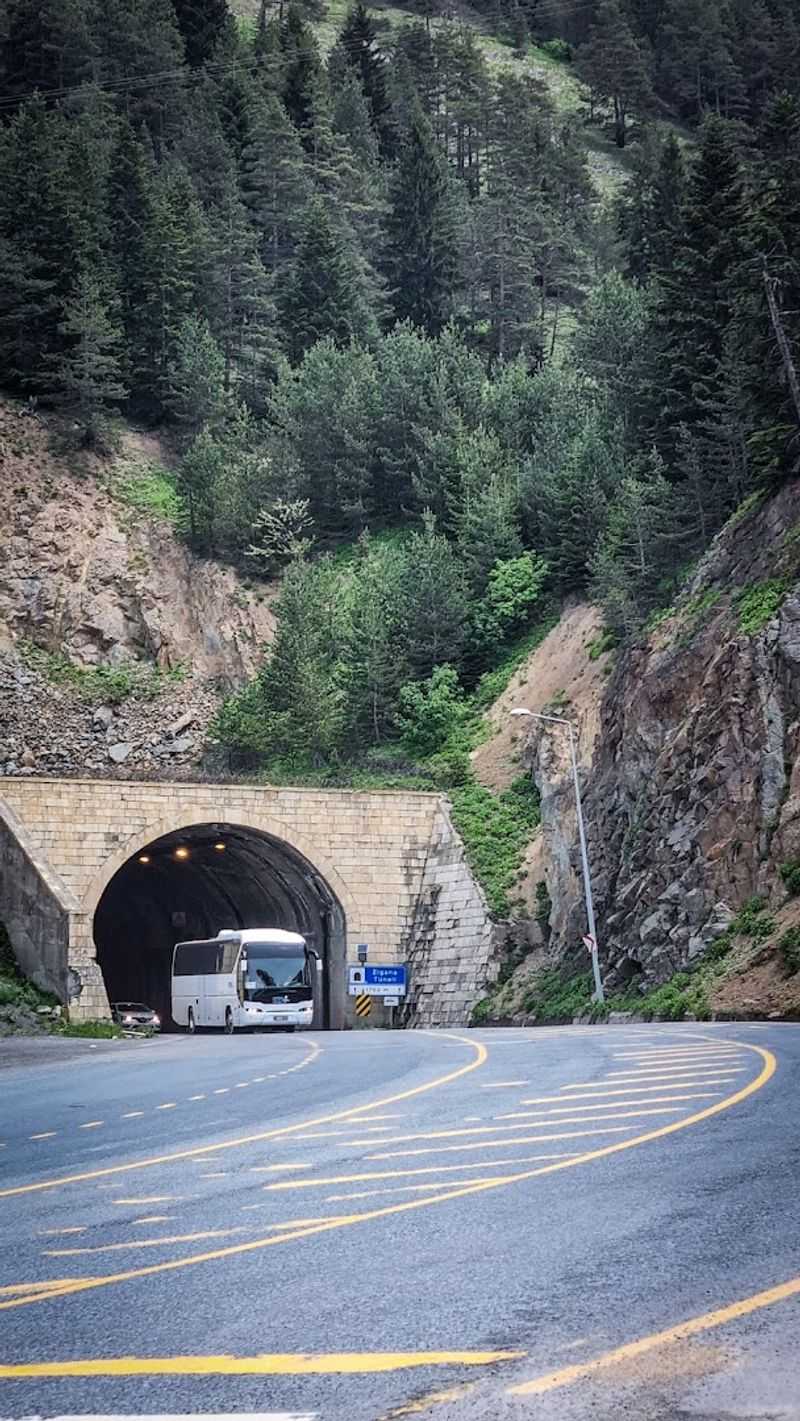
High in the mountains of northeastern Turkey, the old Zigana Pass had a well-earned reputation for being treacherous. Icy roads, steep drop-offs, and winter storms made it genuinely dangerous for drivers year after year.
When the 14.5-kilometer Zigana Tunnel opened in 2023, that era of white-knuckle mountain driving finally came to an end.
The tunnel replaced one of Turkey’s most notorious mountain roads, slashing travel time and — more importantly — dramatically improving safety. What used to be an anxiety-inducing drive through snow and fog is now a smooth, straight passage through solid rock.
Locals celebrated the opening as a long-overdue improvement to daily life in the region.
Northeastern Turkey is a lush, mountainous area with a wet climate, which means the old pass was frequently covered in ice or blocked by avalanches. The tunnel sits safely beneath all of that weather, completely unaffected by whatever the sky decides to throw at the mountains above.
That reliability alone makes it invaluable.
The Zigana Tunnel is also a significant economic win for the Black Sea region. Faster, safer connections between Trabzon on the coast and the interior of Turkey mean goods move more efficiently and tourism can grow more easily.
Turkey has been investing heavily in modern tunnel infrastructure, and Zigana is one of its finest recent achievements.
Ovit Tunnel, Turkey
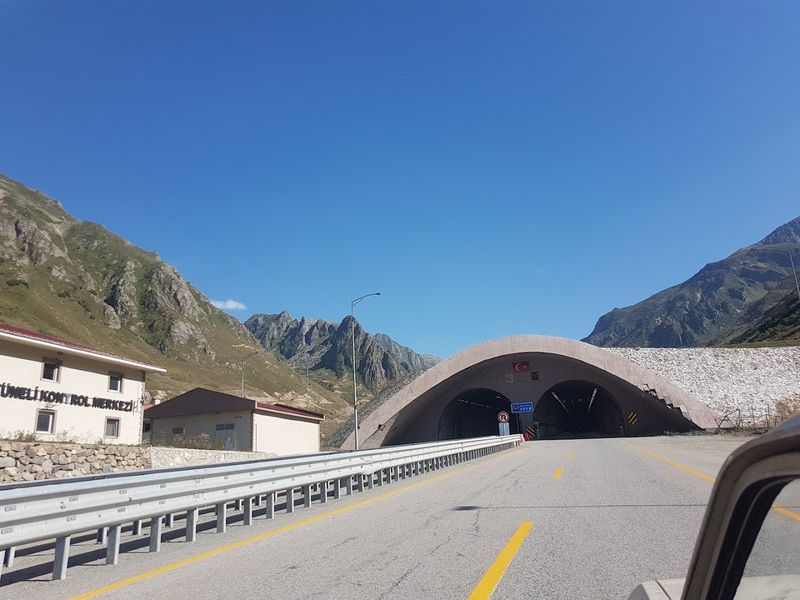
Snow used to own the Ovit Pass. For months each year, the high-altitude route through the mountains of eastern Turkey became impassable, cutting off communities and frustrating drivers who had no other option.
The 14.3-kilometer Ovit Tunnel changed everything, punching straight through the mountain and making seasonal road closures a thing of the past.
Located near Rize in Turkey’s Black Sea region, the Ovit Tunnel connects areas that were previously isolated during winter. Families, farmers, and businesses on both sides of the mountain now have reliable, year-round access to each other and to the wider road network.
That kind of connectivity is genuinely transformative for rural communities.
The tunnel runs at high elevation, which created unique engineering challenges. Temperature differences between the outside air and the tunnel interior required careful management to prevent condensation and ice formation near the portals.
Ventilation design also had to account for the thin air at altitude. Every detail mattered.
Opened in 2018, the Ovit Tunnel was celebrated as one of Turkey’s proudest infrastructure achievements at the time. It proved that even the most challenging mountain terrain could be conquered with enough engineering skill and determination.
Today it handles thousands of vehicles daily, quietly doing a job that once seemed nearly impossible in this part of the world.
Ryfylke Tunnel, Norway
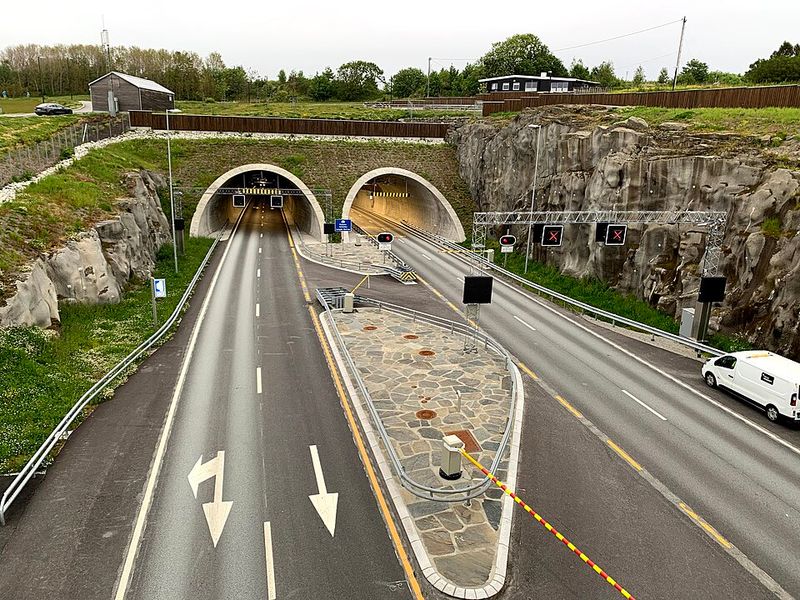
Going underwater in a car sounds like the setup for a disaster movie, but the Ryfylke Tunnel makes it completely routine. At approximately 14.3 kilometers, it is the longest undersea road tunnel on the planet, plunging nearly 300 meters below the surface of a Norwegian fjord.
That depth makes it a genuine engineering marvel by any measure.
The tunnel connects Stavanger with the Ryfylke region on the other side of the fjord, replacing a ferry service that was slower and weather-dependent. Ferries are charming, but they cannot run on tight schedules during storms.
The tunnel gives drivers something ferries never could — reliability, regardless of what the weather is doing above the water.
Driving through the Ryfylke Tunnel is an unusual experience. The road drops steeply as it descends toward the seafloor, with gradients that drivers need to manage carefully.
Warning signs and speed limits help, but the sensation of driving deep beneath a fjord is genuinely unlike anything most people experience on a normal commute.
Norway has a long history of building impressive undersea tunnels, thanks to its unique geography of fjords and islands. The Ryfylke Tunnel, which opened in 2019, is the crown jewel of that tradition.
It combines extraordinary depth, impressive length, and genuine practical value for the communities it serves every single day.
Arlberg Road Tunnel, Austria
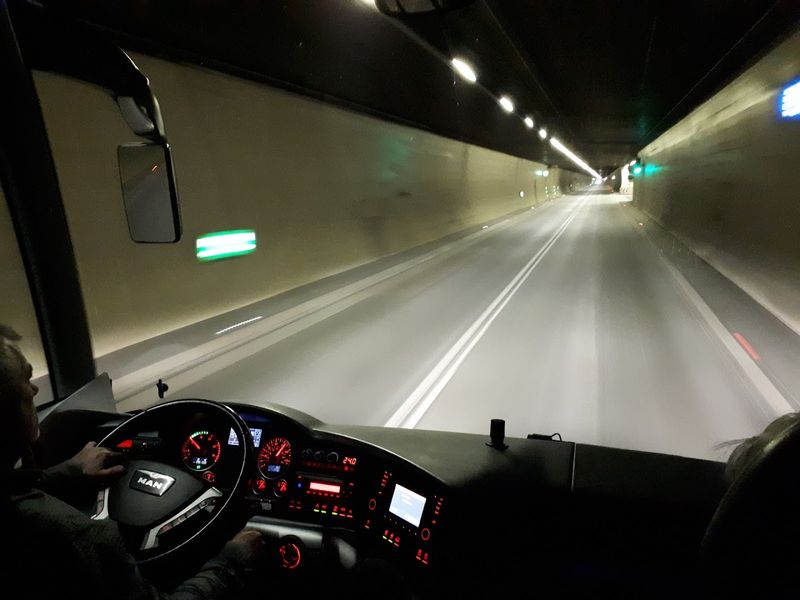
Long before the Gotthard stole the spotlight, the Arlberg Road Tunnel was already making headlines as one of Europe’s most impressive Alpine crossings. Measuring nearly 14 kilometers and opened in 1978, it briefly held the title of the world’s longest road tunnel.
That record may be long gone, but the tunnel’s importance to western Austria has never faded.
The Arlberg Pass, which the tunnel bypasses, is one of the most famous mountain routes in the Alps. In summer it draws tourists; in winter it becomes dangerous and often impassable.
The tunnel eliminates that seasonal problem entirely, keeping the Vorarlberg region connected to the rest of Austria throughout the year without weather-related interruptions.
A serious fire in 1978 — just months after opening — led to immediate safety upgrades and a rethinking of how tunnel safety should work across Europe. In a grim way, the Arlberg fire helped shape modern tunnel safety standards that protect drivers in tunnels worldwide today.
Hard lessons, but important ones.
Renovations over the decades have kept the tunnel modern and safe. Improved ventilation, updated fire suppression systems, and better traffic management have all been added since the original opening.
The Arlberg Road Tunnel carries a rich history alongside its daily traffic load, and it continues to be an essential link in the heart of the Austrian Alps.
Hsuehshan Tunnel, Taiwan
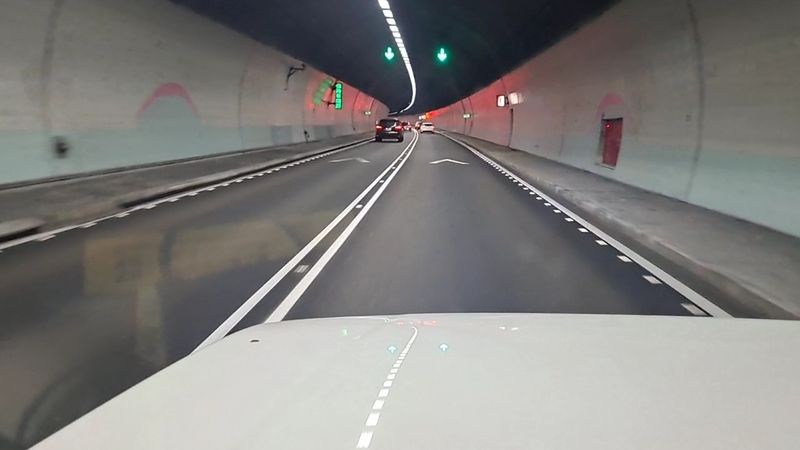
Ask anyone who traveled between Taipei and eastern Taiwan before 2006, and they will tell you about the drive — hours of winding mountain roads through the Hsuehshan range that left passengers carsick and drivers exhausted. The 12.9-kilometer Hsuehshan Tunnel ended all of that, cutting the journey from over two hours to under 40 minutes.
It was, quite simply, life-changing for the people of Yilan County.
Building the tunnel was anything but simple. Construction began in 1991 and ran into extraordinary geological challenges, including unexpected water inflows and extremely hard quartzite rock that chewed through drill bits at an alarming rate.
The project took 15 years to complete and tested engineers in ways they had never anticipated when work first began.
At one point, water gushed into the tunnel at a rate of 20,000 liters per minute, threatening to flood the entire construction site. Workers pumped it out around the clock for months.
That kind of persistence is what separates great engineering projects from abandoned ones, and the Hsuehshan team refused to give up no matter how difficult things got.
Today the tunnel handles millions of vehicles annually, with particularly heavy traffic on weekends and holidays. Advanced ventilation and traffic management systems keep things running smoothly even during peak periods.
The Hsuehshan Tunnel stands as Taiwan’s proudest infrastructure achievement and a reminder that the hardest projects often deliver the greatest rewards.
Share this story