Most travelers rush to Paris, Rome, or Bali, and honestly, I get it. But after spending two weeks in a place where I barely saw another tourist, I realized the real magic happens off the beaten path.
The world is full of breathtaking corners that most people scroll right past. These 15 destinations are the ones worth slowing down for in 2026.
Isle of Eigg, Scotland
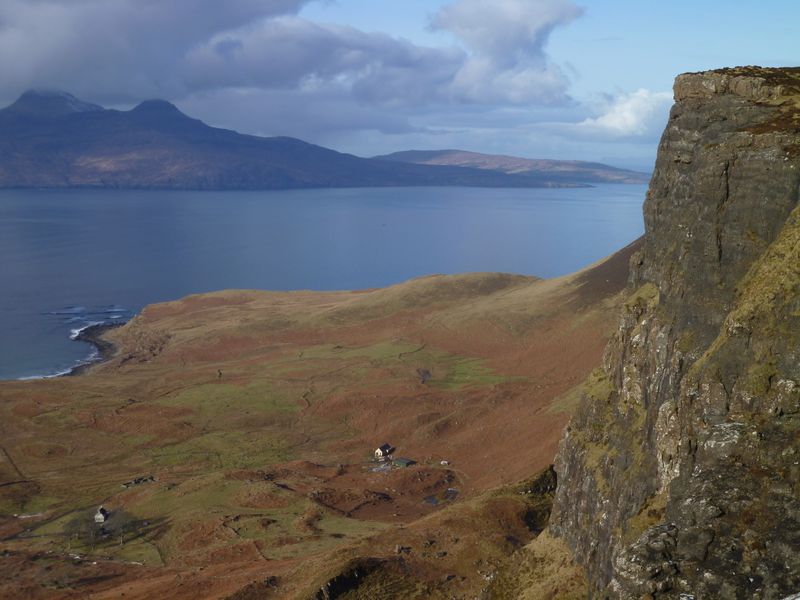
Only about 100 people live on this tiny Scottish island, and somehow that feels like exactly the right number. The Isle of Eigg runs entirely on renewable energy, making it one of the greenest communities in the UK.
That alone earns it a spot on this list.
Getting here requires a ferry from Mallaig, and yes, the boat rocks a bit. Once you arrive, the pace of life drops to almost zero.
No traffic lights, no chain restaurants, just hills, sea, and sky.
The An Sgurr ridge is a volcanic landmark that rewards hikers with ridiculous views over the Inner Hebrides. Local accommodation is basic but genuinely warm.
Eigg is not for those chasing luxury. It is for those chasing something real.
If you want to feel like you have stumbled onto a secret that the rest of the world forgot to notice, this island delivers every single time.
Alentejo Coast, Portugal
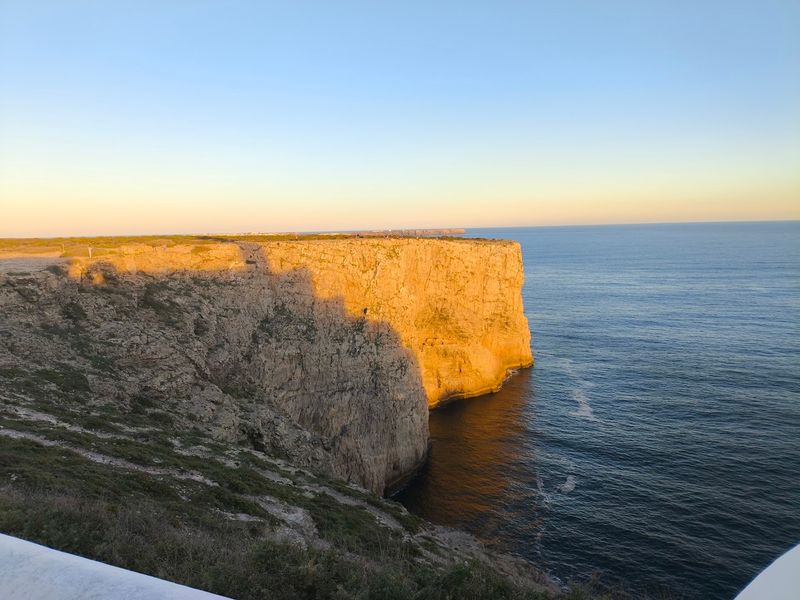
While everyone fights for a sunbed in the Algarve, the Alentejo coast sits just north, blissfully unbothered. The cliffs here are dramatic, the beaches are wide, and the crowds are practically nonexistent.
I once had an entire stretch of golden sand completely to myself on a Tuesday afternoon in July.
Towns like Vila Nova de Milfontes and Zambujeira do Mar have kept their charm without turning into tourist factories. Local seafood restaurants serve fresh catches at prices that feel almost illegal compared to Lisbon.
The Rota Vicentina trail runs through this region, offering some of the best coastal walking in all of Europe. You can hike for hours without seeing a souvenir shop.
The landscape switches between rugged Atlantic cliffs and rolling cork oak forests. Alentejo moves slowly, eats well, and asks nothing of you.
That is either deeply relaxing or slightly terrifying, depending on your personality.
Flores, Azores, Portugal
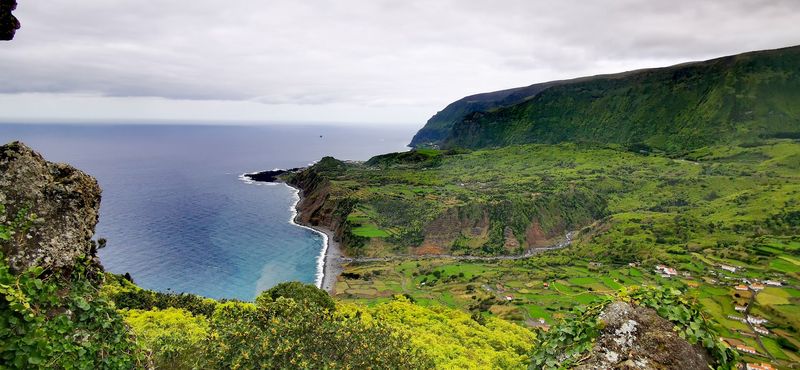
Flores is the westernmost island in the entire European Union, which means it is basically Europe’s last stop before the Atlantic takes over completely. It rains here often, and that is exactly why it looks the way it does.
Every road is lined with blue hydrangeas and the green is almost unreasonably vivid.
The island has around 3,500 residents and very few tourists, which makes any visit feel wonderfully private. Crater lakes, waterfalls tumbling into the sea, and volcanic rock pools fill the landscape at every turn.
Hiking here requires no trail map expertise, just decent shoes and a willingness to get slightly muddy. The village of Fajazinha sits dramatically at the base of a cliff and looks like it was painted by someone who really loved their job.
Flores does not shout for attention. It just sits there being extraordinary and waits for the right kind of traveler to notice.
North Pennines, England
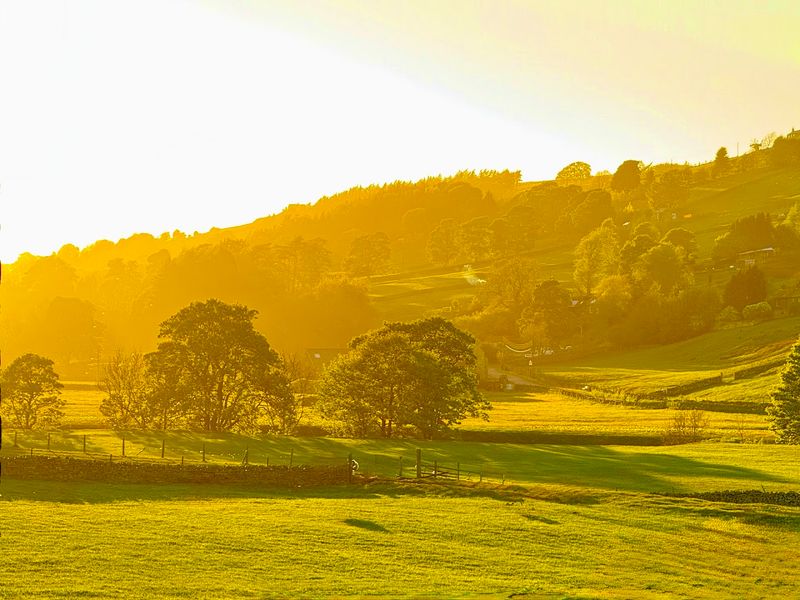
England’s largest Area of Outstanding Natural Beauty is also one of its least visited, which is frankly baffling. The North Pennines stretch across County Durham and Cumbria, covering wild moorland, deep valleys, and some seriously dramatic skies.
Dark sky status here means stargazing that will make your jaw drop.
The market town of Alston claims the title of England’s highest market town and takes that honor very seriously. Teesdale and Weardale offer walking routes that feel genuinely remote without requiring a helicopter to reach.
High Force waterfall is one of England’s most powerful, and on a rainy autumn day it is absolutely thunderous. Local pubs serve real ales next to real fires, which is exactly the combination you want after a long walk on the moors.
The North Pennines rewards patience and proper waterproof gear in equal measure. Skip the Lake District crowds and come here instead.
You will not regret it.
Ruka-Kuusamo, Finland
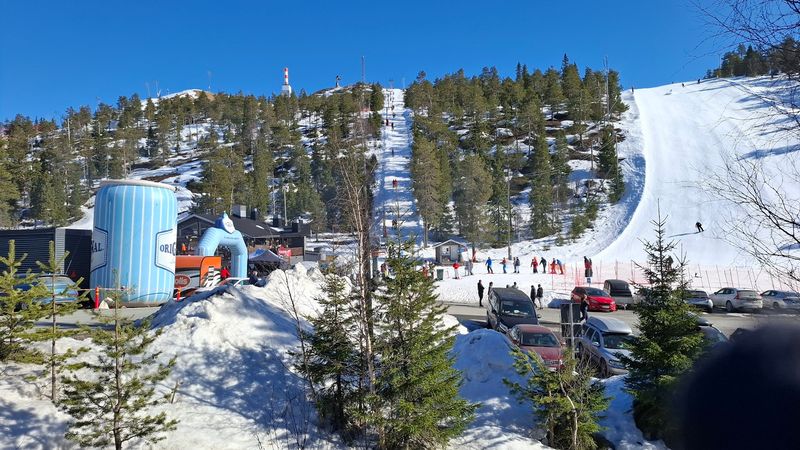
Finland has a habit of hiding its best places just far enough north to keep the casual traveler away. Ruka-Kuusamo sits near the Arctic Circle and rewards those who make the journey with landscapes that look digitally enhanced but are completely real.
In winter, the region offers cross-country skiing, snowshoeing, and the very real possibility of catching the Northern Lights on a clear night. In summer, the midnight sun turns the sky into something painters spend careers trying to recreate.
Oulanka National Park is nearby and features the famous Bear’s Ring trail, a 93-kilometer loop through ancient forests and rushing rapids. Wildlife sightings here include brown bears, wolverines, and reindeer.
Actual reindeer, not the decorative kind. Local husky safaris are a cliche for good reason: they are brilliant.
Ruka itself is a small ski resort with none of the Alps attitude and all of the charm. Finland keeps this place quiet.
Smart move, Finland.
Soča Valley, Slovenia
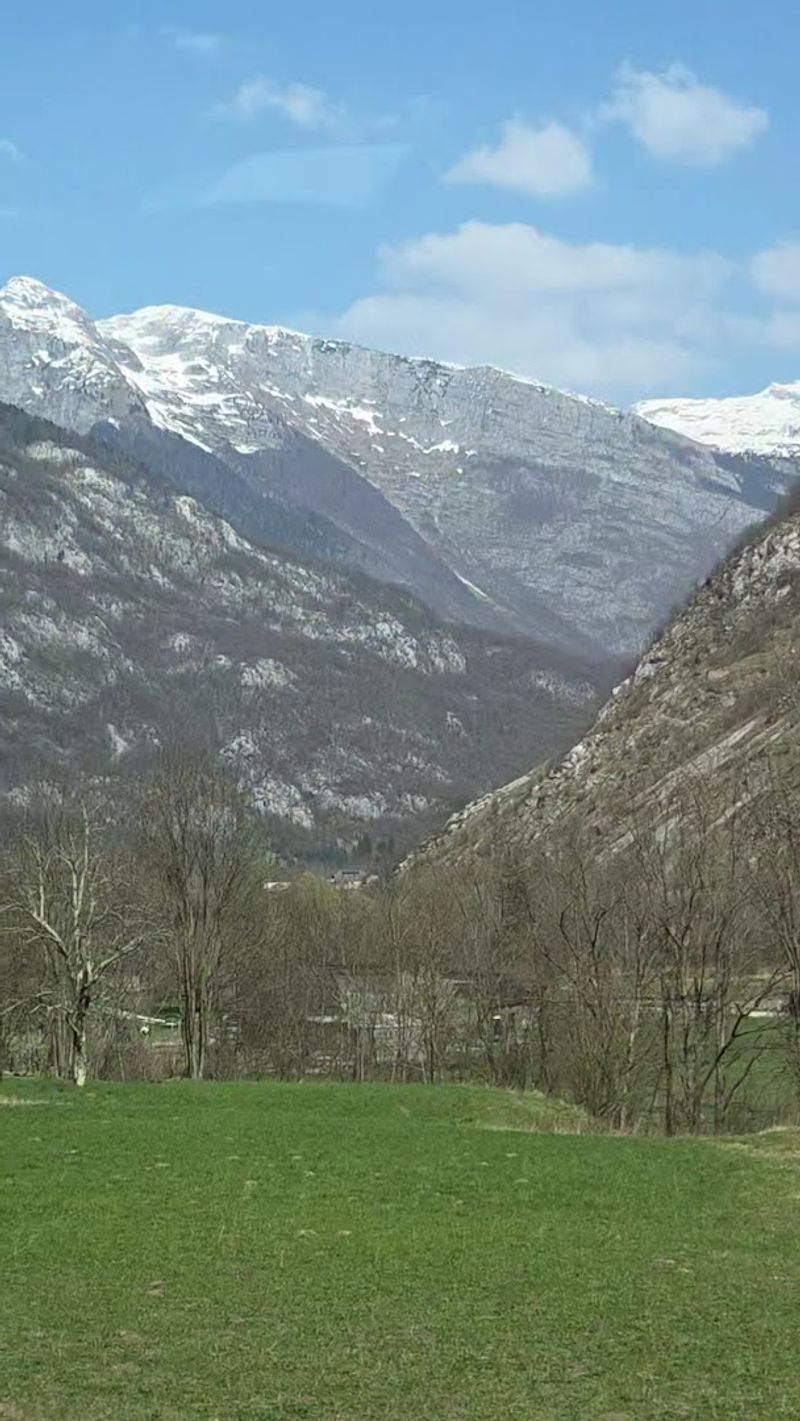
The Soča River is a color that should not exist in nature. It runs through northwestern Slovenia in a shade of turquoise-green so vivid that first-time visitors genuinely stop and stare.
I stopped and stared for a solid five minutes before remembering I had other things to do.
The valley stretches from Bovec down toward Kobarid, offering rafting, kayaking, hiking, and cycling along routes that border on unfair in their beauty. Kobarid itself has a fascinating World War One museum that provides real historical depth to the region.
Triglav National Park, Slovenia’s only national park, covers much of the surrounding area and is home to chamois, golden eagles, and trails that reward every level of hiker. Accommodation is affordable compared to most Alpine destinations, which makes the Soča Valley an overachiever in the value department.
Slovenia keeps punching above its weight as a travel destination. The Soča Valley is its knockout punch.
Eastfjords, Iceland
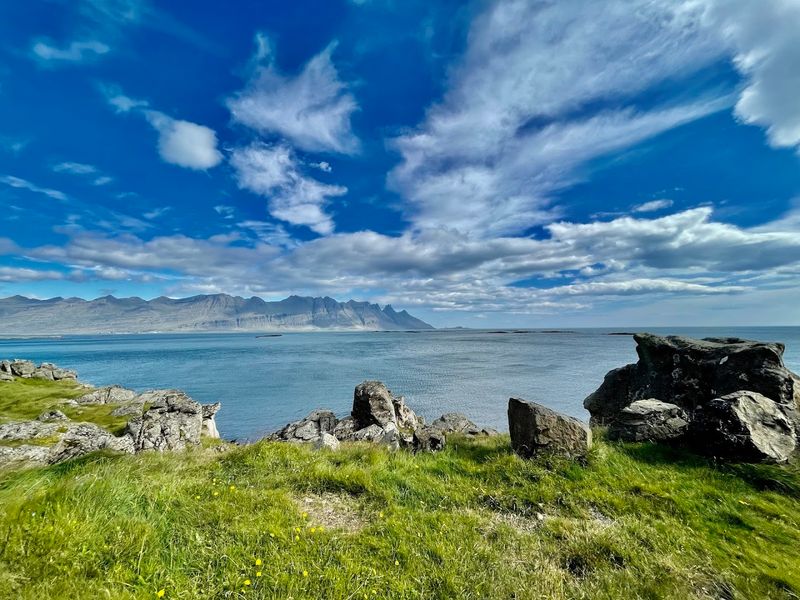
Most Iceland itineraries stick to the Golden Circle and the south coast, leaving the Eastfjords almost entirely to the locals. That is a spectacular mistake made by a lot of well-meaning tourists.
The eastfjords are quieter, wilder, and arguably more Icelandic than anywhere else on the island.
The drive along Route 1 through this region is one of the most dramatic road trips in Europe. Fjords cut deep into the land, mountains drop straight into the sea, and tiny fishing villages appear around corners with no warning whatsoever.
Egilsstadir is the main hub and makes a solid base for exploring. The Lagarfljot lake nearby is home to Iceland’s very own lake monster, the Lagarfljots worm, which has been reported since 1345.
Sightings continue to this day, officially or not. Reindeer roam freely in this part of Iceland, which adds a surreal bonus to any drive.
The Eastfjords feel like Iceland before Instagram found it.
Matsu Islands, Taiwan
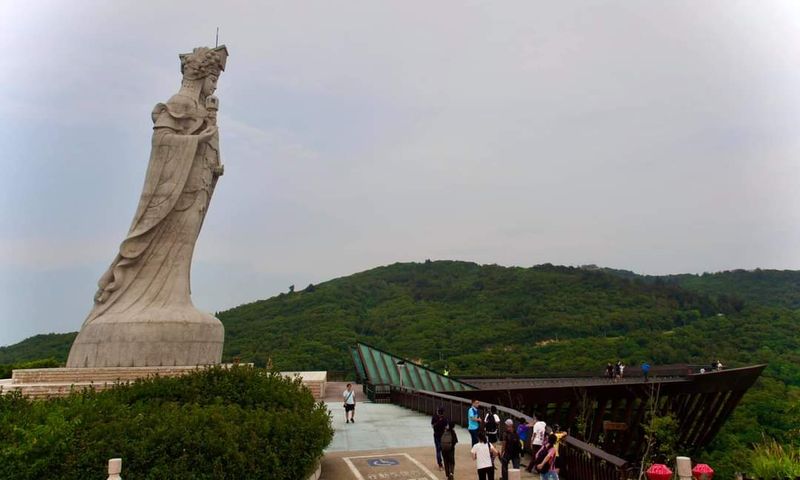
Only 90 minutes by ferry from Fuzhou in China yet technically part of Taiwan, the Matsu Islands exist in a fascinating geopolitical and geographical in-between. That alone makes them worth a visit.
The islands are named after the sea goddess Mazu, and the locals take that spiritual connection seriously.
The architecture here is distinct Fujianese style, featuring stone houses built into hillsides with red tile roofs that look nothing like mainland Taiwan. Nangan and Beigan are the two main islands, both small enough to explore comfortably by scooter in a day.
Blue tears, a bioluminescent phenomenon caused by tiny marine organisms, light up the sea around Matsu in summer. Watching the water glow blue at night requires zero equipment and produces maximum awe.
The food scene leans heavily on fresh seafood and locally brewed Kaoliang liquor, which is extremely strong and not at all subtle. Matsu rewards the curious traveler generously.
Aysén, Chile
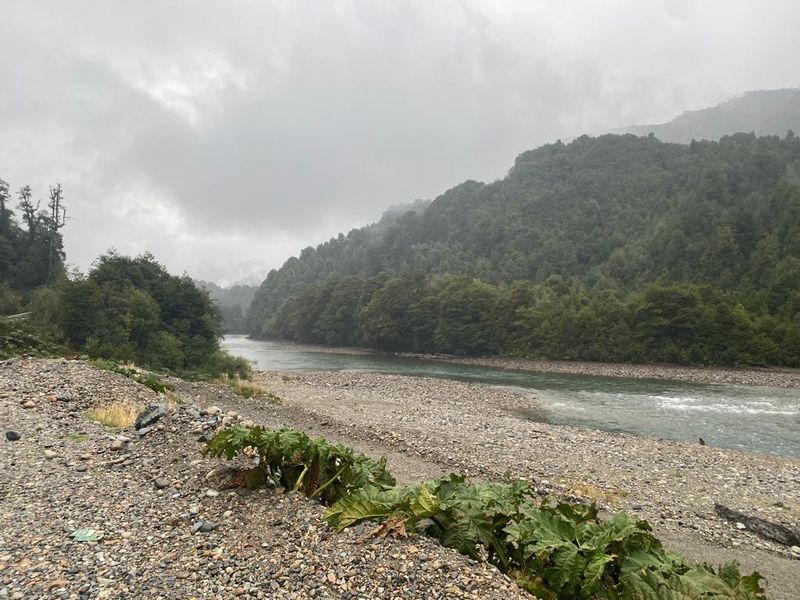
Aysén is the second largest region in Chile and one of the least populated places on Earth. It covers an area roughly the size of England but has fewer residents than a mid-sized city.
Nature here is not just scenery. It is the entire point.
The Carretera Austral, a legendary road stretching over 1,200 kilometers, runs through Aysén and is one of South America’s great road trip routes. Gravel roads, hanging glaciers, and thermal hot springs appear at regular intervals like the land is showing off.
Cerro Castillo National Park is often called Patagonia’s best-kept secret, which is saying something given how dramatic the competition is. The trekking here rivals Torres del Paine but without the queues at the entrance gate.
Fishing, kayaking, and horseback riding fill the days for those who stay longer than a weekend. Aysén is remote, raw, and completely unapologetic about it.
Pack accordingly.
Gaspésie, Québec, Canada
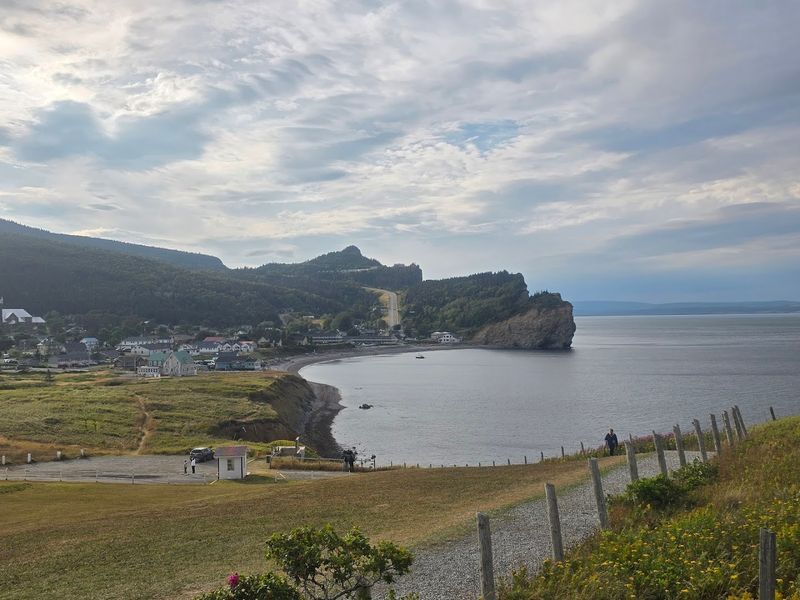
Gaspésie is the kind of place that makes Canadians wonder why they ever left Canada for a holiday. The Gaspé Peninsula juts out into the Gulf of St. Lawrence like it has something to prove, and the scenery backs that attitude up completely.
Forillon National Park sits at the very tip of the peninsula and offers whale watching, sea kayaking, and hiking trails that reward hikers with views across the open Atlantic. Beluga whales, minke whales, and blue whales all pass through these waters seasonally.
The Percé Rock is Gaspésie’s most iconic landmark, a massive limestone monolith rising from the sea with a natural arch worn through its base. It is one of the largest natural arches in the world and genuinely stops traffic.
Fall colors in Gaspésie are extraordinary, turning the boreal forest into a riot of red and orange. French-speaking locals are warm, the seafood is fresh, and the region still feels like a genuine discovery.
Kangaroo Island, South Australia, Australia
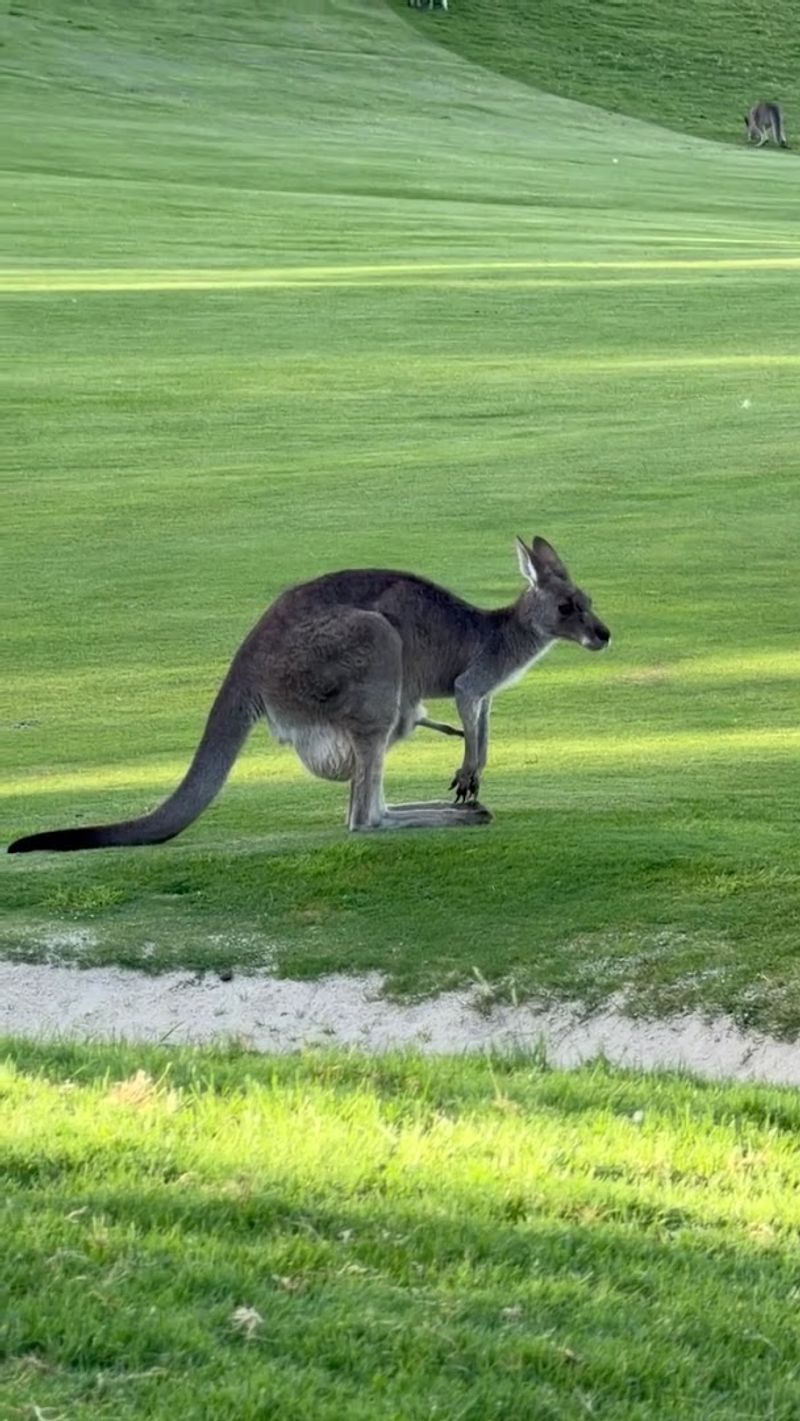
Kangaroo Island sits off the coast of South Australia and operates on its own slightly chaotic schedule. Wildlife here has no fear of humans, which means a koala might fall asleep directly above your head while you eat lunch.
That actually happened to a friend of mine, and she described it as the greatest day of her life.
The island is home to Australian sea lions, New Zealand fur seals, echidnas, wallabies, and of course, kangaroos. Flinders Chase National Park covers the western end and contains the Remarkable Rocks, a collection of granite boulders sculpted by wind and sea into shapes that look architecturally deliberate.
Local food and wine production has grown significantly in recent years. Kangaroo Island Spirits, local honey, and fresh marron are highlights worth seeking out.
The island recovered remarkably from devastating 2019 bushfires. Visiting now supports local communities and rewards travelers with a destination that feels both wild and quietly triumphant.
Inland Istria, Croatia
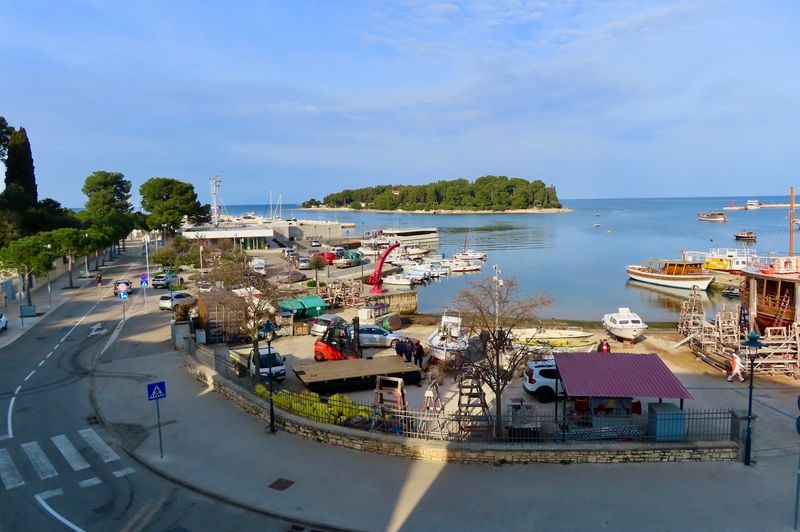
Croatia’s coastline gets all the postcards, but Inland Istria is where the country keeps its actual soul. The hilltop villages here look like they were designed by someone who had never heard the word impractical.
Motovun, Groznjan, and Oprtalj sit on ridgelines with views that stretch for miles in every direction.
Truffles are Istria’s greatest claim to culinary fame, and the region takes them very seriously. White truffles found here are among the most prized in the world, and local restaurants serve them shaved over pasta, eggs, and practically anything that holds still long enough.
The wine scene is equally impressive. Malvazija and Teran are the local grape varieties, and small family wineries offer tastings without the formality or the eye-watering price tags of more famous wine regions.
Cycling through vineyard-covered hills between village stops is a genuinely excellent way to spend three days. Inland Istria is Croatia’s quiet overachiever, and it knows it.
Somiedo Natural Park, Asturias, Spain
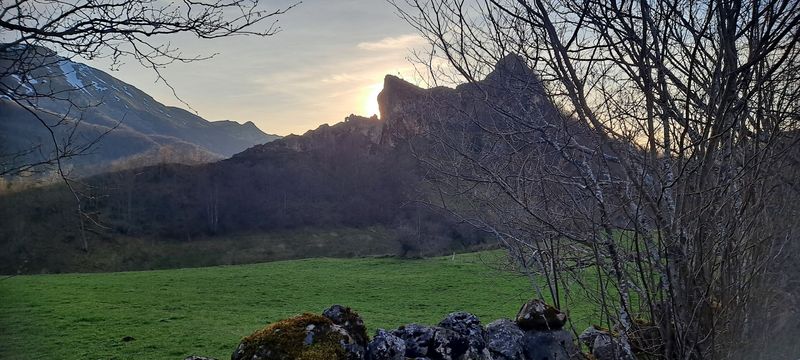
Somiedo is proof that Spain has a completely different personality hiding behind the sangria and sunshine stereotype. This natural park in the Cantabrian Mountains of Asturias receives far more rainfall than the rest of Spain and uses every drop of it to spectacular effect.
The park is one of the most important brown bear habitats in Western Europe. Spotting one in the wild requires patience, binoculars, and a willingness to get up before dawn, but the possibility alone adds a certain electricity to every mountain walk.
Traditional stone huts called teitos, thatched with broom, dot the landscape and are still used by local cattle herders during summer. They look ancient because they are.
Lakes Valle and Calabazosa reflect the surrounding mountains on calm days with the kind of clarity that makes photography feel effortless. Cider bars in nearby Oviedo provide the perfect post-hike reward.
Asturian cider is poured from height for aeration, and the technique is half the entertainment.
West Cork, Ireland
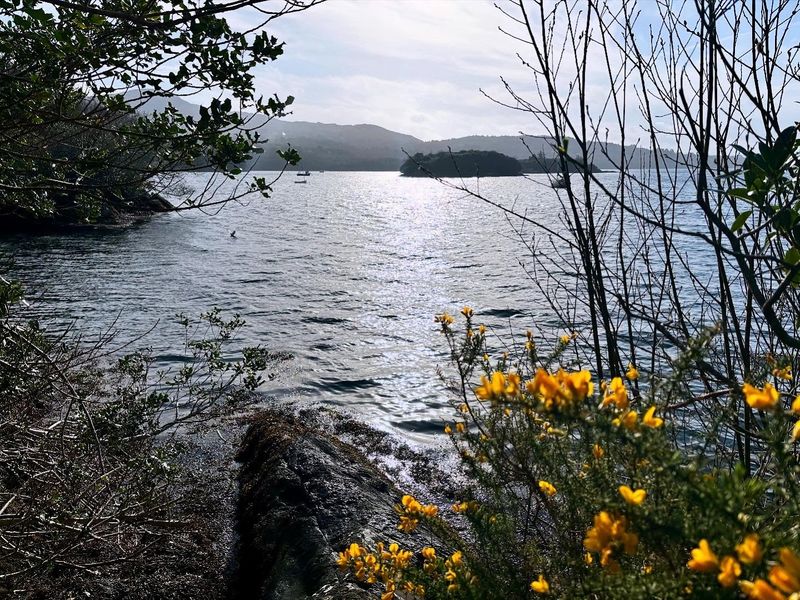
West Cork has a reputation among those who know Ireland well, and that reputation can be summarized as follows: extraordinary food, spectacular scenery, and absolutely unpredictable weather. Two of those three things are consistent, and the third keeps life interesting.
The Mizen Head Peninsula, the Sheep’s Head, and the Beara Peninsula offer some of the most dramatic coastal walking in the entire country. Villages like Schull, Ballydehob, and Skibbereen punch well above their size in terms of food quality and local character.
The Fastnet Rock lighthouse, visible from the coast on clear days, marks the southernmost point of Ireland and has guided sailors since 1904. Local farmers markets, artisan cheese producers, and seafood shacks operating from converted fishing sheds make West Cork a genuine food destination.
The pace here is deliberately slow. Locals will chat with you at length about nothing in particular, and somehow that conversation will be the highlight of your week.
Faroe Islands, North Atlantic
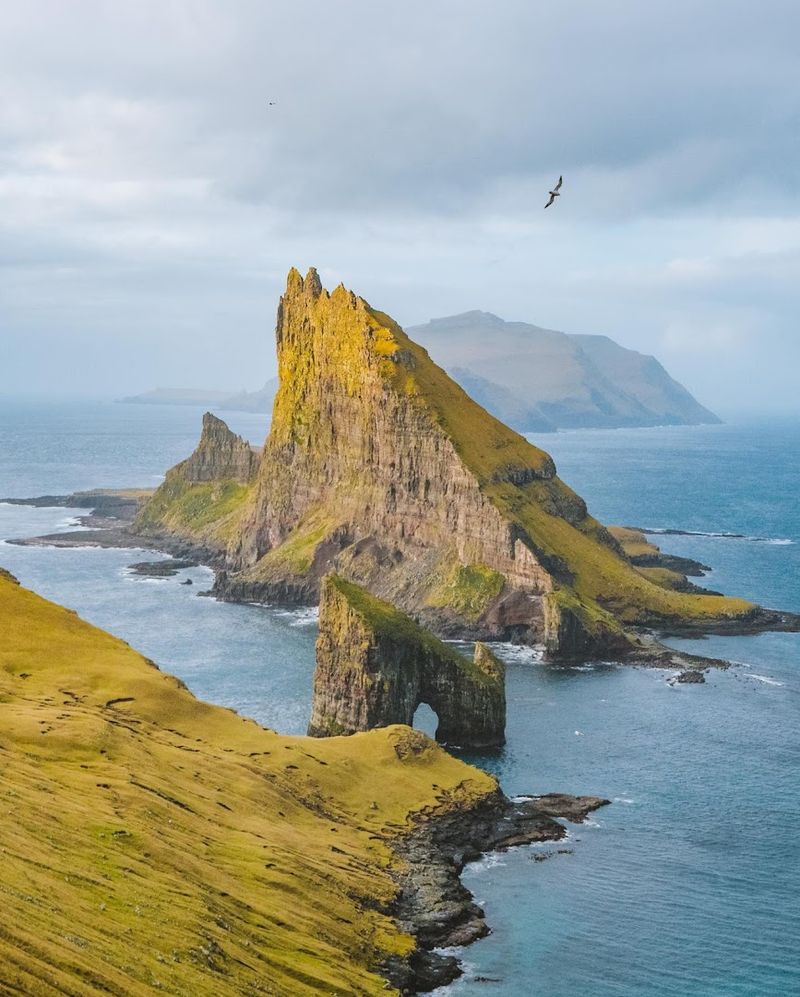
The Faroe Islands are 18 volcanic islands wedged between Norway and Iceland, and they operate with a confidence completely disproportionate to their size. The population is around 55,000.
The dramatic landscape is enough for a country ten times larger.
Waterfalls fall directly into the sea from cliff edges. Villages of grass-roofed houses cling to hillsides above fjords.
Puffins nest in clifftop burrows and stare at hikers with an expression that suggests mild irritation at the intrusion.
The village of Gasadalur is accessible by a mountain tunnel that opened only in 2004, before which residents had to hike over a mountain pass to reach civilization. That tunnel changed everything and nothing at the same time.
Faroese cuisine has developed a serious international reputation, led by the restaurant Koks, which relocated to Greenland but spawned a generation of ambitious local chefs. The Faroes are not easy to get to, but they reward every traveler who makes the effort with something genuinely unforgettable.
Share this story