Some places on Earth carry so much history and meaning that just standing in them can give you chills. Religious sites around the world have been drawing pilgrims, travelers, and curious visitors for thousands of years.
They hold the stories of entire civilizations, beliefs, and moments that changed history forever. From towering temples to ancient walls, these ten sacred spots each have a tale worth knowing.
Mecca (Kaaba), Saudi Arabia
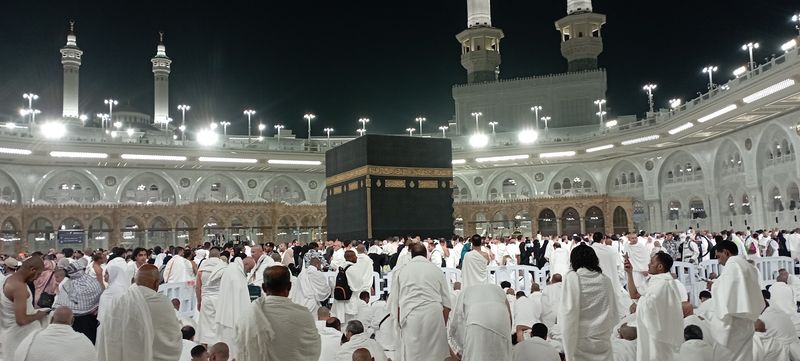
Every single day, over a billion people around the world pause, face the same direction, and pray toward one specific black cube in Saudi Arabia. That cube is the Kaaba, and it sits at the very center of the Masjid al-Haram — the largest mosque on the planet.
No other structure on Earth is prayed toward by so many people simultaneously.
The Kaaba’s story stretches back thousands of years. Islamic tradition holds that it was originally built by the Prophet Ibrahim and his son Ismail as a house of worship dedicated to one God.
Its black cloth covering, called the Kiswah, is replaced every year in a ceremony rich with reverence and craftsmanship.
During Hajj, the annual pilgrimage that Muslims are required to make at least once in their lifetime, up to three million people gather here within just a few days. Watching footage of that crowd moving in unified circles around the Kaaba is genuinely breathtaking.
The site represents not just faith, but the remarkable power of shared belief to unite people across every culture, language, and background on the planet.
Vatican City (St. Peter’s Basilica), Italy
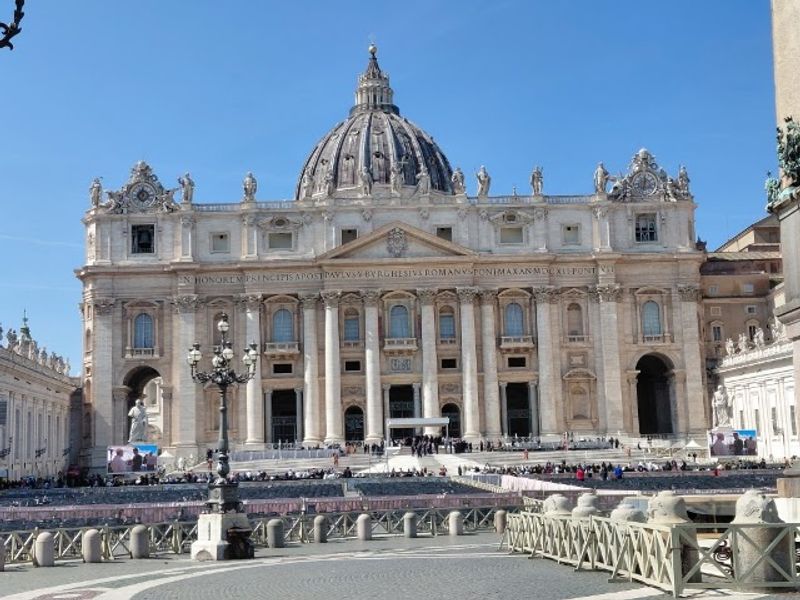
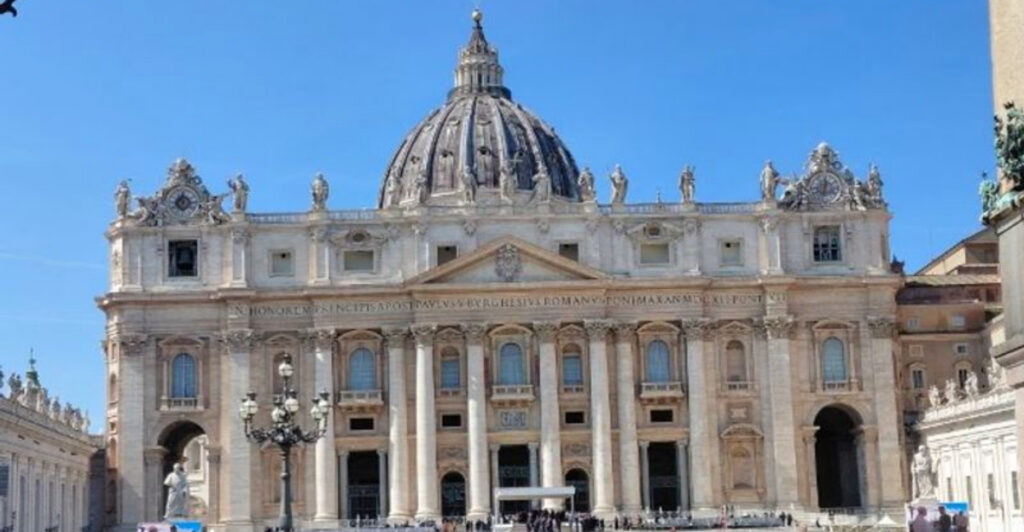
Standing in St. Peter’s Square and looking up at that enormous dome, it is almost impossible to wrap your brain around the sheer scale of what humans built here centuries ago. St. Peter’s Basilica in Vatican City is one of the largest churches ever constructed, and it took over 120 years to complete.
Michelangelo himself helped design that iconic dome.
The basilica was built over the believed burial site of Saint Peter, one of Jesus Christ’s closest apostles and the first Pope of the Catholic Church. That connection between history and faith makes every stone feel significant.
Inside, you will find Michelangelo’s famous Pieta sculpture — a marble masterpiece so delicate it barely looks real.
Vatican City is also the world’s smallest country by size, yet it carries enormous spiritual influence over more than 1.3 billion Catholics worldwide. The Pope delivers speeches and blessings from this very square to crowds that can number in the hundreds of thousands.
Whether you are religious or not, the artistry, history, and atmosphere packed into this tiny city-state make it one of the most extraordinary places on Earth to visit.
Western Wall, Jerusalem, Israel
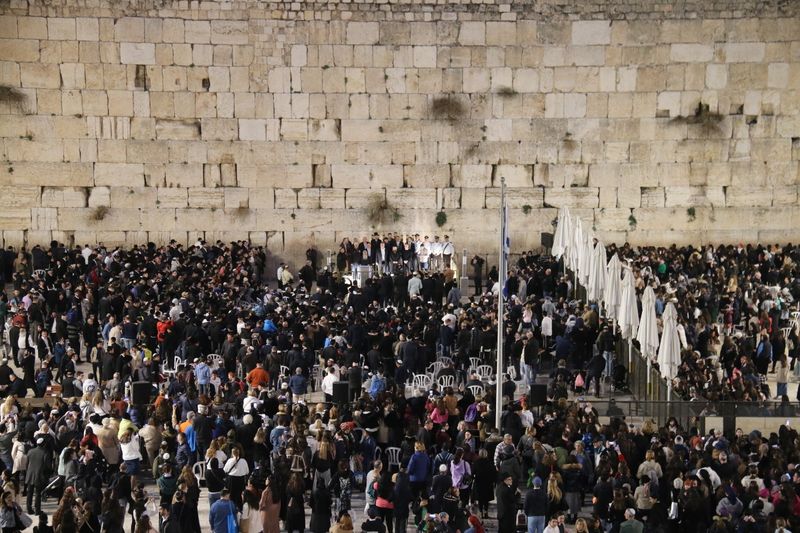
Tucked into the cracks of this ancient limestone wall are millions of tiny folded pieces of paper, each one carrying a handwritten prayer from someone who traveled far just to leave it there. The Western Wall in Jerusalem is the holiest place where Jewish people can pray, and it has been drawing visitors for over two thousand years.
This wall is the last remaining section of the retaining wall that surrounded the Second Temple, a sacred Jewish site destroyed by the Romans in 70 CE. Losing the Temple was one of the most devastating events in Jewish history, and the wall became a place of mourning, memory, and hope.
That emotional weight is still palpable the moment you approach it.
Today, the Western Wall plaza buzzes with activity at all hours. Bar mitzvahs are celebrated here, soldiers come after completing military training, and tourists stand quietly alongside devoted worshippers.
Men and women pray at separate sections, and anyone — regardless of religion — is welcome to approach and leave a prayer. It is a place where ancient grief and living faith exist side by side, making it unlike almost anywhere else in the world.
Church of the Holy Sepulchre, Jerusalem
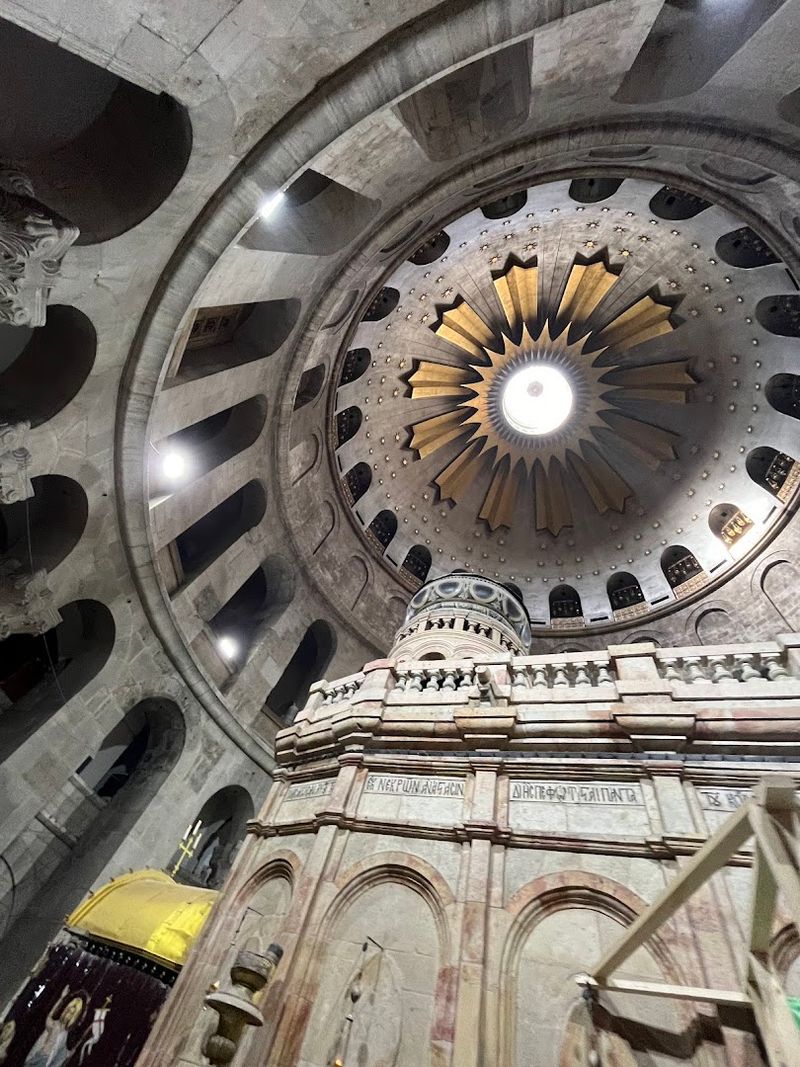
Pilgrims sometimes weep before they even get through the door. The Church of the Holy Sepulchre in Jerusalem is believed by millions of Christians to be the exact location where Jesus was crucified, buried, and rose from the dead — making it arguably the most emotionally significant building in all of Christianity.
The church has been standing in various forms since the 4th century, first commissioned by Emperor Constantine. Inside, it is a fascinating and sometimes chaotic maze of chapels, candles, and ancient stone corridors.
Six different Christian denominations — including Greek Orthodox, Roman Catholic, and Armenian Apostolic — share control of different sections of the building, which has occasionally led to some famously awkward disagreements over who sweeps which staircase.
Visitors walk the Stone of Anointing, believed to be where Jesus’s body was prepared for burial, and can enter the small Edicule — the marble shrine built over the tomb. The air inside is thick with incense, whispered prayers, and centuries of accumulated meaning.
Whatever your personal beliefs, the sheer weight of history embedded in these walls makes the Church of the Holy Sepulchre an unforgettable and deeply moving experience.
Golden Temple (Harmandir Sahib), India
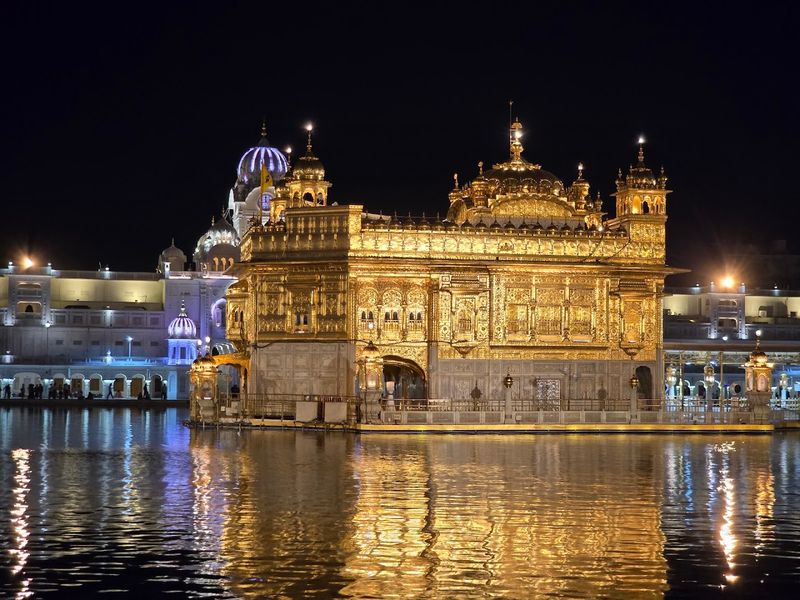
Imagine a building so covered in gold that it literally shimmers across a still pool of water at night — that is the Golden Temple in Amritsar, and no photograph fully does it justice. Officially called Harmandir Sahib, it is the holiest shrine in Sikhism and one of the most visited religious sites anywhere on Earth.
What makes this place truly special goes beyond its stunning appearance. Every single day, the temple runs a free community kitchen called the langar, which feeds around 100,000 people daily — no questions asked, no matter who you are or where you come from.
Volunteers chop vegetables, stir enormous pots of dal, and wash dishes in an operation that runs around the clock. It is one of the most impressive acts of organized generosity you will ever witness.
The temple was built in the 16th century by Guru Arjan Dev Ji, the fifth Sikh Guru, who intentionally designed it with entrances on all four sides to symbolize openness to people from every direction and background. The marble walkway surrounding the sacred pool is always busy with pilgrims, families, and curious visitors.
Shoes come off at the entrance, feet are washed, and heads are covered — small gestures that immediately create a sense of shared respect.
Angkor Wat, Cambodia
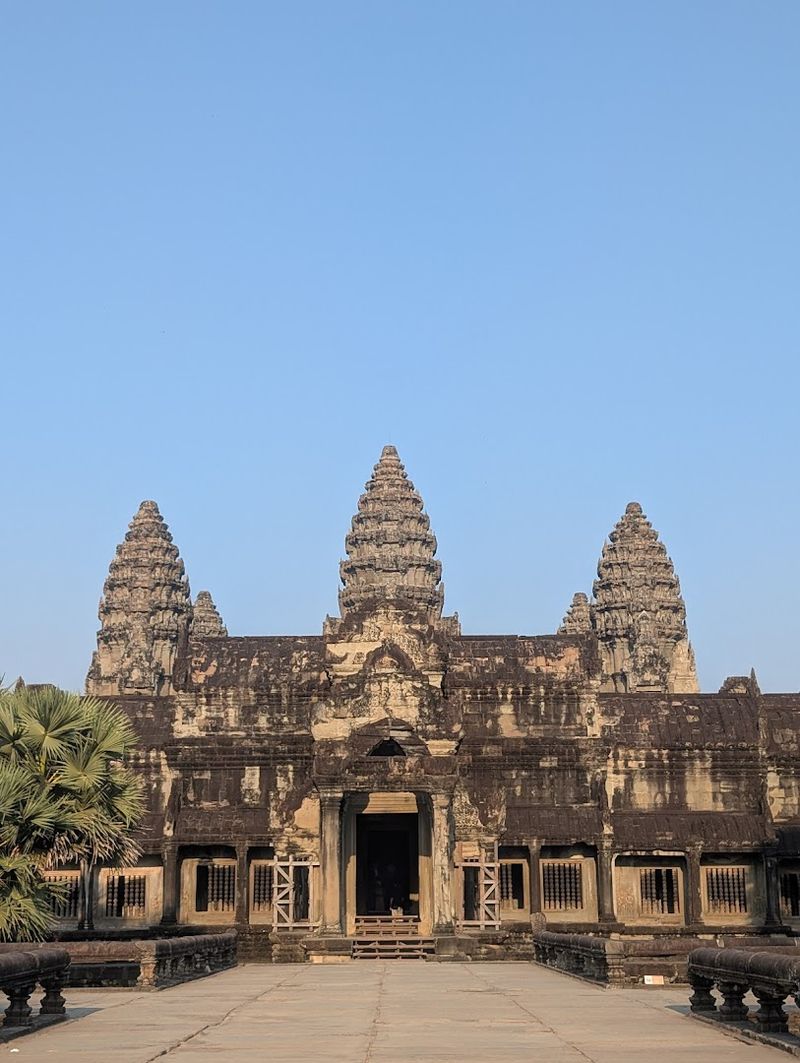
Built in the 12th century by King Suryavarman II, Angkor Wat covers an area so massive that archaeologists are still mapping its full extent using laser technology from helicopters. At over 400 acres, it holds the title of the world’s largest religious monument — and that record has never come close to being broken.
Originally constructed as a Hindu temple dedicated to the god Vishnu, Angkor Wat gradually transformed into a Buddhist site over the following centuries. That religious evolution is written directly into its walls.
The bas-relief carvings that stretch for nearly half a mile around the outer gallery tell stories from Hindu mythology, royal battles, and scenes of heaven and hell in breathtaking detail.
Watching the sunrise over Angkor Wat’s five iconic towers, with their reflections rippling across the rectangular moat, is one of those bucket-list moments that people describe for the rest of their lives. The surrounding jungle adds an almost mysterious quality — roots from ancient trees have crept into nearby temple walls, blending nature and human ambition in a way that feels both haunting and beautiful.
It is a place that makes you feel genuinely small in the best possible way.
Kashi Vishwanath Temple, India
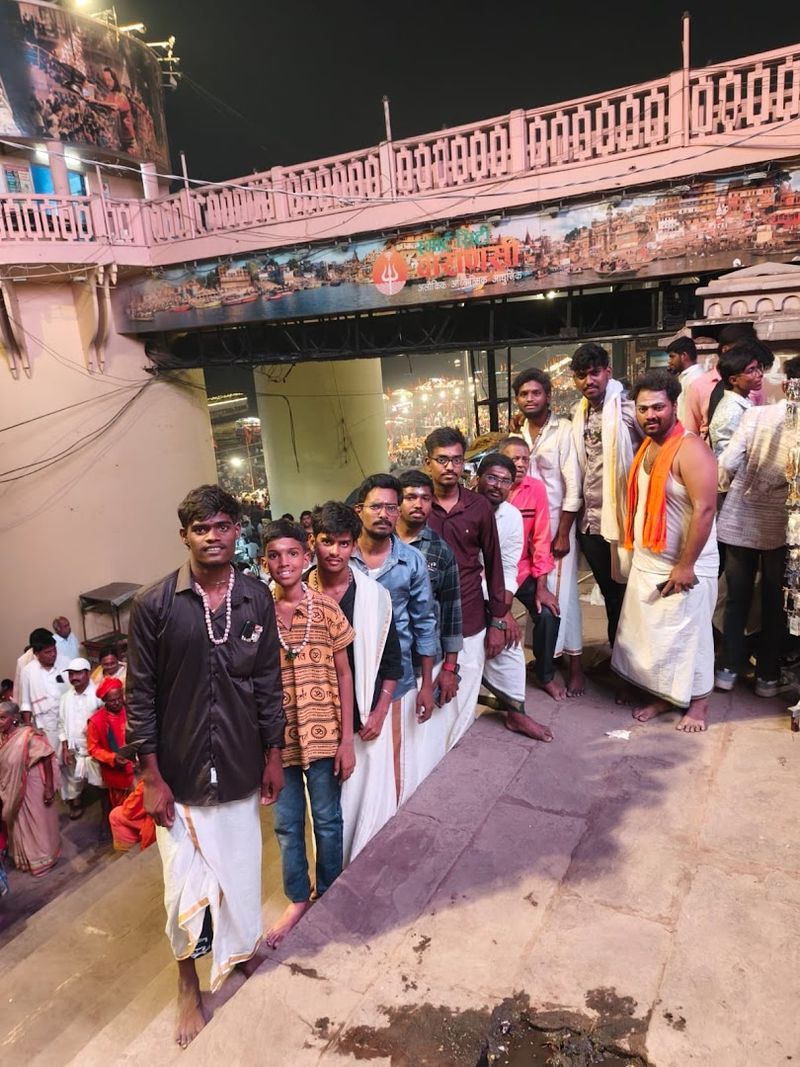
Varanasi is said to be one of the oldest continuously inhabited cities on the planet, and at its spiritual core stands the Kashi Vishwanath Temple — a site so sacred in Hinduism that simply visiting it is believed to bring moksha, or liberation from the cycle of rebirth. That is a pretty bold promise, and millions of devoted pilgrims take it seriously every year.
Dedicated to Lord Shiva, one of Hinduism’s most powerful deities, the temple sits just steps away from the banks of the Ganges River. Its twin gold-plated spires are instantly recognizable on the Varanasi skyline.
The current structure was largely built in the 18th century by Maharani Ahilyabai Holkar, though the site’s sacred history runs far deeper than that.
The ghats along the Ganges near the temple are alive with ritual at every hour — priests chanting, lamps flickering during evening aarti ceremonies, and pilgrims wading into the river at dawn. The atmosphere is intense, fragrant with incense and marigold garlands, and genuinely unlike anything else in the world.
Even visitors with no connection to Hinduism often describe feeling profoundly moved by the raw, unfiltered devotion on display here every single day.
Hagia Sophia, Turkey
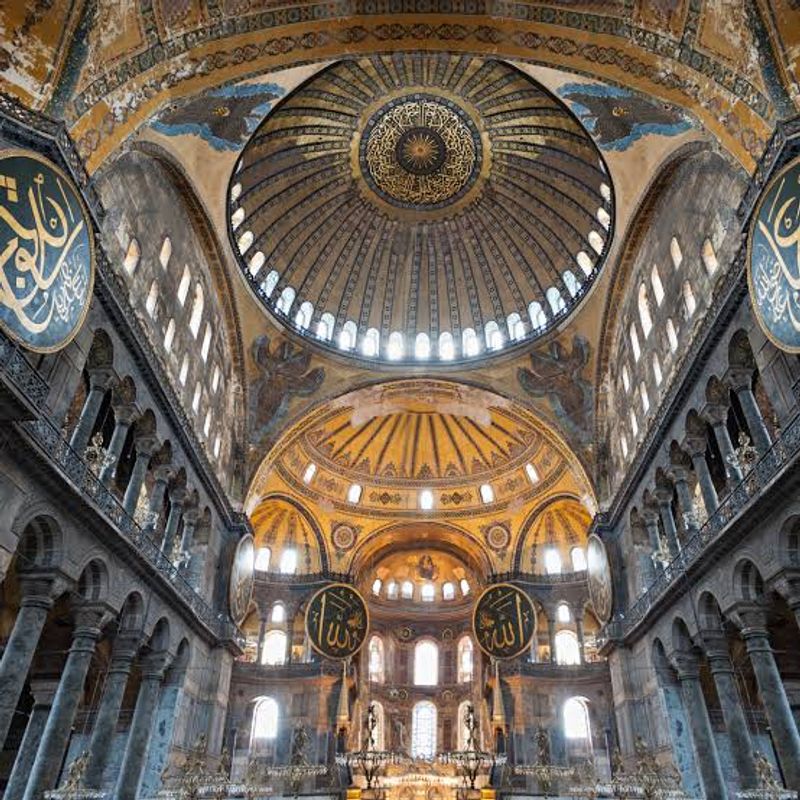
Few buildings on Earth have had as many identity changes as Hagia Sophia — and somehow, each chapter of its story made it more fascinating than the last. Built in 537 CE by the Byzantine Emperor Justinian I, it was once the largest cathedral in the world and remained so for nearly a thousand years.
That alone is a staggering fact.
When the Ottoman Empire conquered Constantinople in 1453, Sultan Mehmed II converted it into a mosque, and Islamic calligraphy and minarets were added alongside the existing Byzantine mosaics. Then in 1934, Turkish leader Mustafa Kemal Ataturk transformed it into a secular museum, allowing both Christian and Islamic art to coexist openly.
In 2020, it was converted back into an active mosque, reigniting global debate about heritage, religion, and identity.
Walking inside today, you experience that layered history physically. Giant golden Arabic calligraphy medallions hang near walls that still hold ancient Christian mosaics of emperors and saints.
The central dome soars 55 meters above the floor and seems to float, thanks to a ring of windows that floods the space with light. Hagia Sophia does not belong neatly to any one religion or era — and that complicated, rich identity is exactly what makes it so compelling.
Temple of Heaven, China
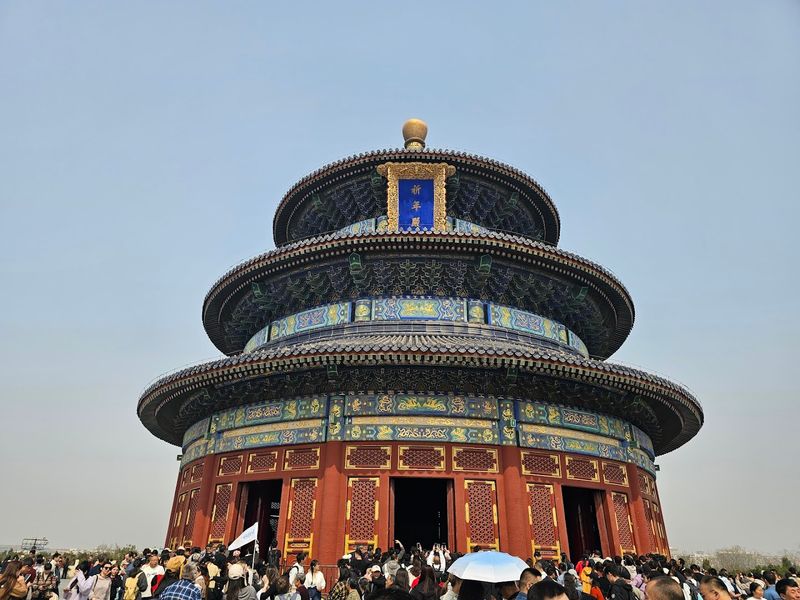
For nearly five centuries, the emperors of China believed that their power came directly from Heaven — and once a year, they would come to this exact spot to prove it. The Temple of Heaven in Beijing was built in 1420 and served as the stage for elaborate imperial ceremonies where the Son of Heaven would pray for a good harvest and beg forgiveness for the sins of his people.
No ordinary citizen was allowed to watch.
The site’s design is a masterclass in ancient Chinese cosmology. Circular shapes represent Heaven, while square shapes represent Earth — and the entire complex uses these forms deliberately to symbolize the connection between the two.
The Hall of Prayer for Good Harvests, with its stunning triple-tiered blue roof, sits on a circular marble terrace and has become one of the most photographed structures in all of Asia.
Today the surrounding park is a lively gathering place for Beijing residents who practice tai chi, play cards, and sing opera among the ancient cypress trees — a charming contrast to the site’s deeply ceremonial past. The acoustics at the Echo Wall are famously strange and fun to test.
History and daily life blend together here in a way that feels uniquely, wonderfully Chinese.
Borobudur, Indonesia
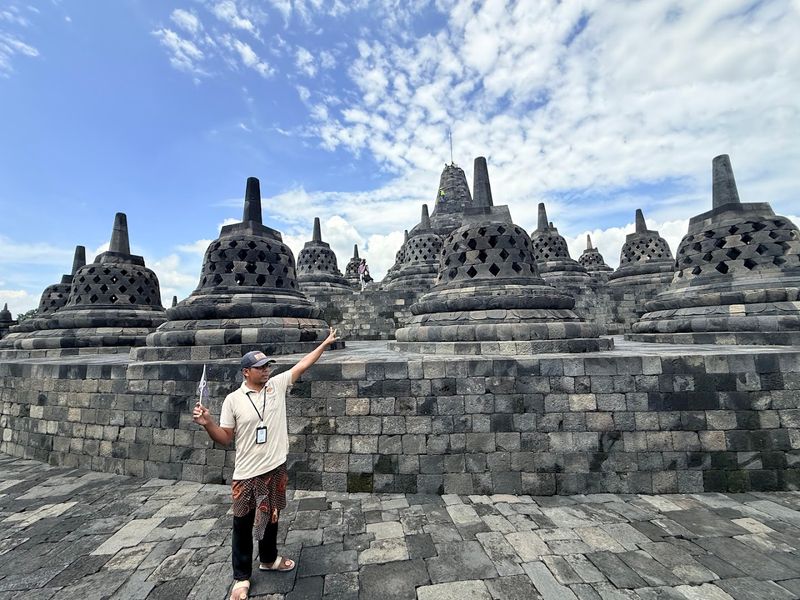
Somewhere in the jungles of Java, a mountain made entirely by human hands rises from the earth — and every single stone of it tells a story. Borobudur is the world’s largest Buddhist temple, built in the 9th century during the Sailendra dynasty, and it sat hidden under volcanic ash and jungle for centuries before being rediscovered in 1814.
The structure is designed as a three-dimensional mandala, meant to represent the Buddhist universe. Pilgrims are supposed to walk clockwise around each of its nine stacked terraces, moving upward through levels that symbolize the journey from desire and confusion toward full enlightenment.
The walls are carved with over 2,600 relief panels that tell stories from the life of Buddha and ancient Javanese life — essentially a stone comic book stretching for nearly three miles.
At the very top, 72 bell-shaped stone stupas each contain a seated Buddha statue, many of them visible through the latticed stone. On a clear morning, with mist rising from the surrounding jungle and the silhouettes of nearby volcanoes glowing in the distance, Borobudur looks almost surreal.
UNESCO recognized it as a World Heritage Site, and it remains an active place of Buddhist pilgrimage — proof that something built over 1,200 years ago can still speak clearly to the present.
Share this story