Some bands don’t just make music, they rewrite the rules of what music can be. From the British Invasion to the grunge era, certain rock bands left marks so deep that the entire industry had to shift around them.
Their songs still play on the radio, their styles still show up in new artists, and their stories still inspire musicians everywhere. Here are 13 rock bands that genuinely changed music forever and continue to shape it today.
1. The Beatles
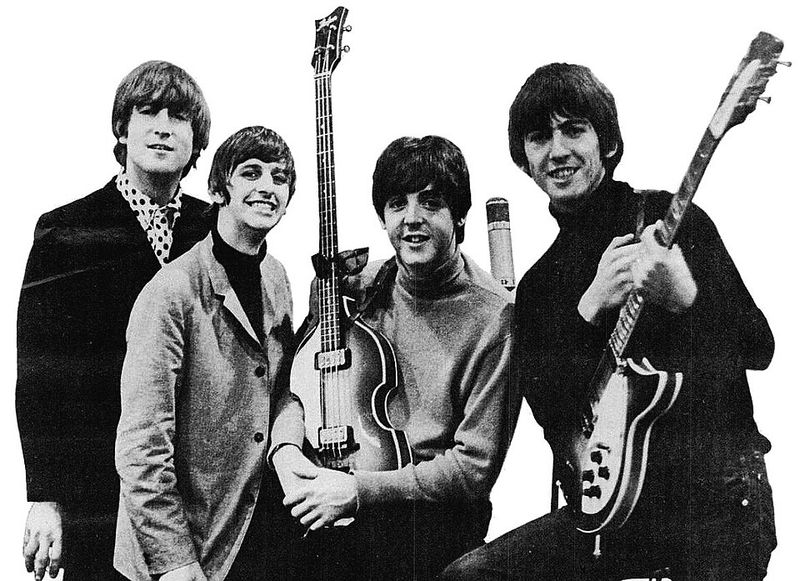
Before The Beatles, rock and roll was fun but fairly simple. After them, it became an art form that could explore any emotion, topic, or sonic landscape imaginable.
John, Paul, George, and Ringo didn’t just write catchy songs, they reinvented the recording studio itself.
They were among the first artists to treat the studio as an instrument, layering sounds and experimenting with techniques producers still copy today. Sgt.
Pepper’s Lonely Hearts Club Band alone changed how albums were conceived and recorded. Their influence stretches across every genre, from pop to progressive rock to hip-hop.
What makes The Beatles so remarkable is that their music never feels dated. Kids discovering them for the first time today react the same way audiences did in 1964.
That kind of timelessness is extraordinarily rare, and it explains why nearly every working musician names them as a foundational influence.
2. The Rolling Stones
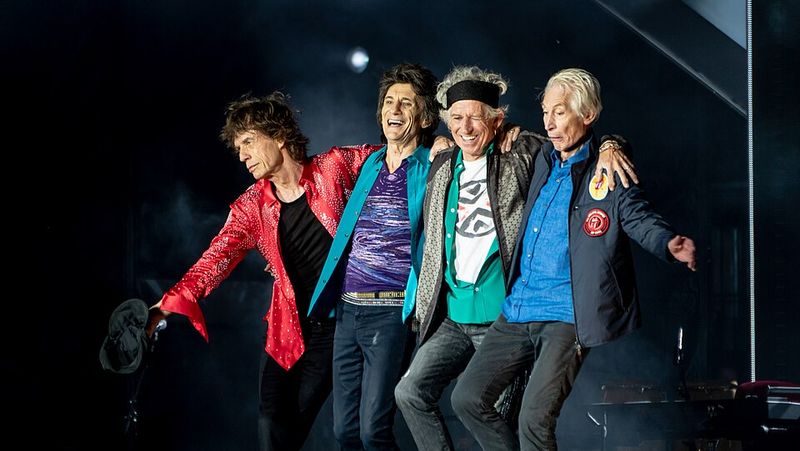
There’s a reason The Rolling Stones have been selling out arenas for over six decades, and it has nothing to do with nostalgia. Their music carries a raw, blues-soaked energy that most bands spend entire careers trying to capture.
From the moment they hit the scene in 1962, they represented something untamed and unapologetic.
While The Beatles were charming the world, The Stones were giving rock its rebellious backbone. Songs like “Gimme Shelter” and “Paint It Black” weren’t just hits, they were attitude statements.
Their deep love of American blues gave British rock an authenticity that resonated globally.
Punk, alternative, and indie rock all owe the Stones a massive debt. The idea that a band could be raw, guitar-driven, and lyrically honest traces directly back to their early records.
Keith Richards’ open-tuned guitar style alone reshaped how countless players approach the instrument.
3. Led Zeppelin
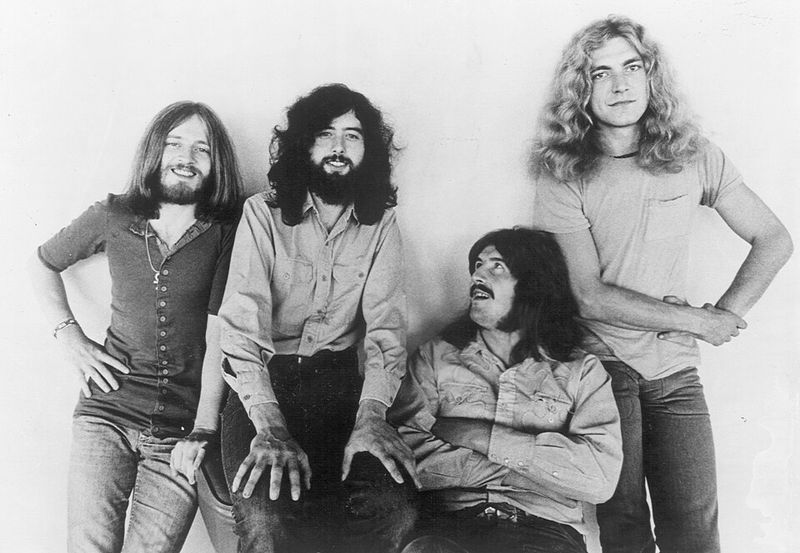
Jimmy Page once said that Led Zeppelin wanted to create music that felt like a rollercoaster, something that could shift from quiet and delicate to earth-shaking in a matter of seconds. They absolutely delivered on that promise.
No band before them had combined blues, folk, and hard rock with such ferocious intensity.
“Stairway to Heaven” remains one of the most recognized songs ever recorded, but their catalog runs much deeper. Albums like Physical Graffiti and Led Zeppelin IV showcase a band willing to experiment wildly while never losing their thunderous core.
John Bonham’s drumming alone influenced generations of rock and metal drummers.
Heavy metal, hard rock, and even alternative grunge all carry Zeppelin’s DNA. Bands like Soundgarden, Jack White, and Royal Blood have openly credited them as a primary source.
Their music doesn’t feel like a museum piece, it feels alive, powerful, and completely relevant.
4. Pink Floyd
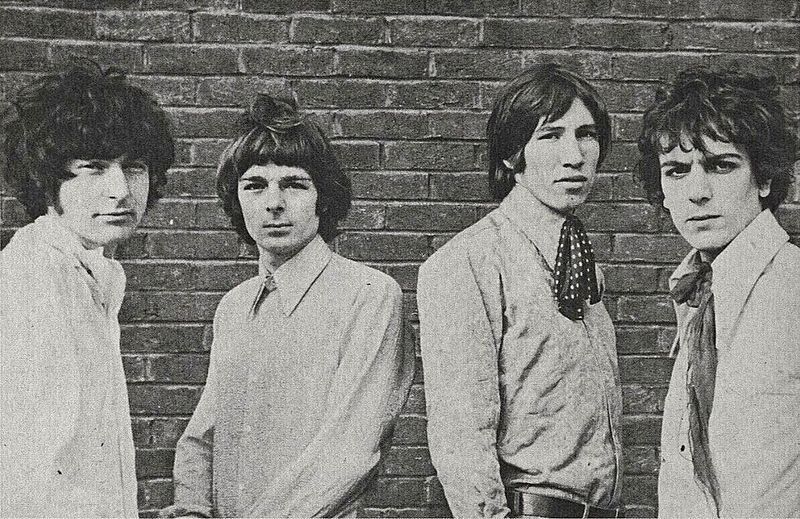
Pink Floyd turned rock music into something you could get lost inside. Their albums weren’t just collections of songs, they were fully realized emotional journeys with themes, textures, and sounds that rewarded careful listening.
The Dark Side of the Moon spent 937 weeks on the Billboard charts, a record that still stands today.
David Gilmour’s guitar work is instantly recognizable, favoring feel and atmosphere over speed or flash. Roger Waters brought lyrical depth that tackled mental health, war, and human disconnection long before those topics were common in rock.
Together, they created a sound that felt genuinely cinematic.
Modern artists from Radiohead to Tame Impala have cited Pink Floyd as a blueprint for creating immersive, emotionally complex music. Their influence on progressive rock and psychedelic music is unmatched.
Even their album artwork, created with the design group Hipgnosis, changed how visual presentation in music was approached.
5. Queen
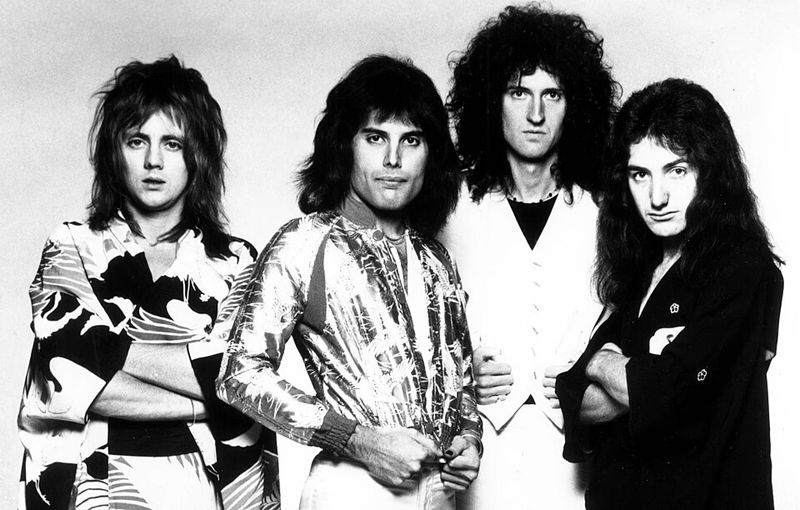
Freddie Mercury walked onto a stage like he owned the entire planet, and somehow the planet agreed. Queen’s 1985 Live Aid performance is still regularly voted the greatest live concert moment in rock history, and for good reason.
They had a showmanship and musical range that no other band could match.
Brian May’s layered guitar harmonies, Roger Taylor’s explosive drumming, and John Deacon’s melodic bass lines created a sound that was simultaneously rock, opera, pop, and disco. “Bohemian Rhapsody” alone broke every rule about what a hit single could be, and it worked spectacularly.
Queen’s influence can be felt wherever bold, theatrical creativity exists in music. Artists like Lady Gaga, Muse, and Adam Lambert have all pointed to Queen as a defining inspiration.
Their catalog spans so many styles that virtually every listener finds something that speaks directly to them, which is the mark of a truly great band.
6. Nirvana
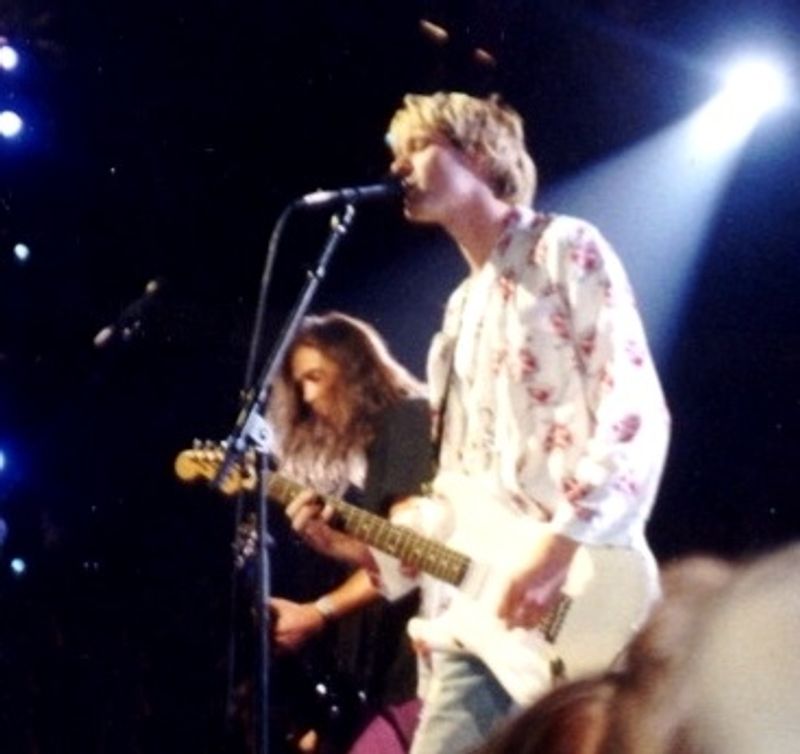
In September 1991, Nevermind arrived and knocked Michael Jackson off the top of the Billboard charts. That moment wasn’t just a chart statistic, it was a cultural earthquake.
Nirvana made it clear that authenticity and raw emotion could compete with, and defeat, the most polished pop machine in the world.
Kurt Cobain had a gift for writing melodies that were instantly memorable while wrapping them in distorted, aggressive guitar noise. That combination of catchiness and chaos became the defining sound of an entire generation.
Songs like “Smells Like Teen Spirit” and “Come As You Are” still sound urgent and alive decades later.
Grunge, post-grunge, and much of modern alternative rock trace their roots directly to Nirvana’s three-year mainstream run. Beyond music, they shifted fashion, attitude, and what it meant to be a rock star.
Cobain rejected the rockstar ego, and that humility became just as influential as his guitar playing.
7. The Who
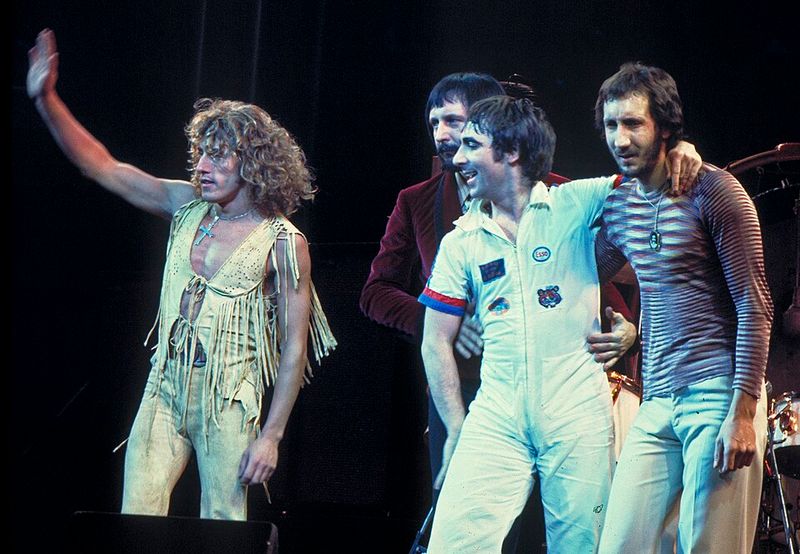
Pete Townshend’s windmill guitar moves and Roger Daltrey’s microphone swings weren’t just showmanship, they were physical expressions of a band that played like their lives depended on it. The Who were notorious for ending shows by destroying their instruments, and that energy translated directly into their recordings.
They pioneered the rock opera with Tommy in 1969, proving that rock could tell a sustained, complex narrative across an entire album. That concept directly inspired everything from Pink Floyd’s The Wall to Green Day’s American Idiot.
Their influence on the album as a storytelling format is enormous.
Keith Moon’s drumming style, chaotic and explosive yet perfectly musical, influenced nearly every hard rock drummer who came after him. John Entwistle’s bass playing was so technically advanced it essentially redefined the bass guitar’s role in rock.
The Who showed that every instrument in a rock band could be a lead instrument simultaneously.
8. Jimi Hendrix Experience
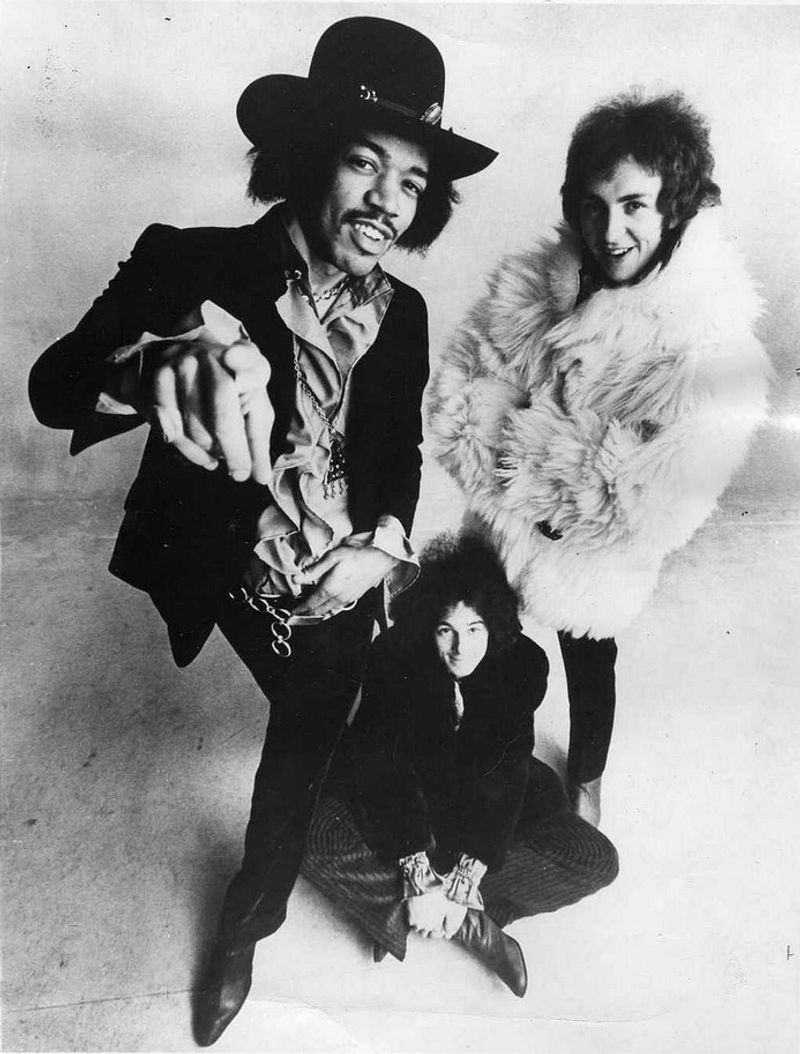
Before Jimi Hendrix, the electric guitar was an instrument. After him, it was a voice.
He could make a guitar cry, scream, whisper, and explode in ways that nobody had ever imagined, and he did it all with a natural, effortless feel that still amazes professional musicians today.
His 1969 Woodstock performance of “The Star-Spangled Banner” is one of the most discussed moments in American music history. Using feedback and distortion to evoke the chaos of war, he turned a patriotic anthem into a political statement without saying a single word.
That kind of musical communication was genuinely revolutionary.
Every rock guitarist working today, from Slash to John Mayer to St. Vincent, has studied Hendrix carefully. He made distortion, the wah pedal, and feedback into expressive tools rather than accidents.
His three-year peak produced music so advanced that musicians are still unpacking its lessons more than fifty years later.
9. The Clash
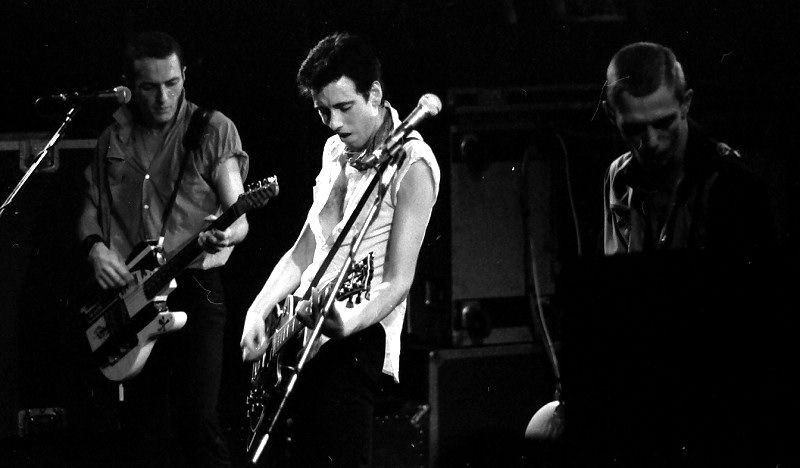
Most punk bands were angry. The Clash were angry and curious, and that combination made all the difference.
While other punk acts stuck to three-chord fury, The Clash were absorbing reggae from Jamaican immigrants in London, studying American rockabilly, and weaving political awareness into every song they wrote.
London Calling, released in 1979, is regularly ranked among the greatest albums ever made. It blended punk, ska, reggae, jazz, and rockabilly into a seamless statement that proved rock music had no real boundaries.
The title track alone addressed nuclear threats, unemployment, and social collapse with more clarity than most political speeches.
Their legacy lives in every band that believes rock music should mean something beyond entertainment. Artists like Green Day, Rage Against the Machine, and Arcade Fire all carry threads of The Clash’s belief that music and social consciousness belong together.
Joe Strummer once said, “The future is unwritten,” and The Clash helped write a better one.
10. Black Sabbath
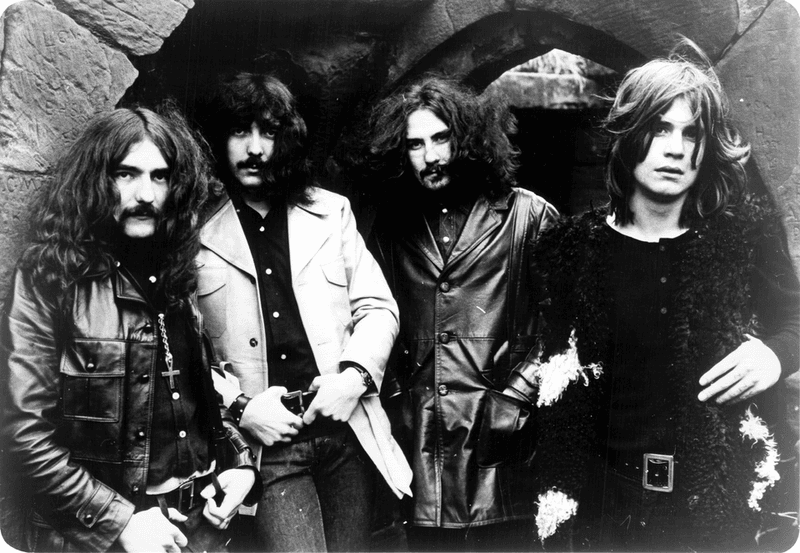
Tony Iommi lost the tips of two fingers in a factory accident as a teenager and almost gave up guitar entirely. Instead, he tuned his strings down to reduce tension, creating a darker, heavier sound that accidentally birthed heavy metal.
That industrial accident in Birmingham, England, changed the entire trajectory of rock music.
Black Sabbath’s first four albums, released between 1970 and 1972, laid out the entire heavy metal blueprint in just two years. The slow, crushing riffs, the occult imagery, the minor-key melodies, and Ozzy Osbourne’s eerie vocals created a template that thousands of bands have followed ever since.
Metallica, Soundgarden, Tool, and virtually every metal subgenre trace their origins back to Black Sabbath’s early work. Even modern rock bands borrow their technique of using heaviness as an emotional tool rather than simple aggression.
Few bands have had their influence copied so completely while still sounding utterly unique.
11. U2
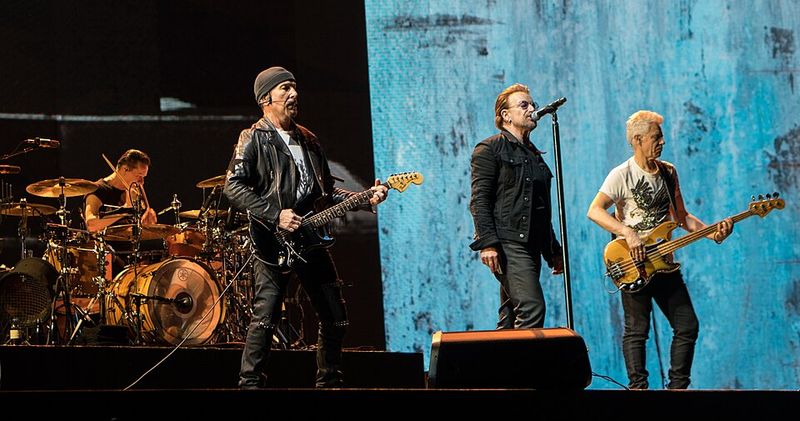
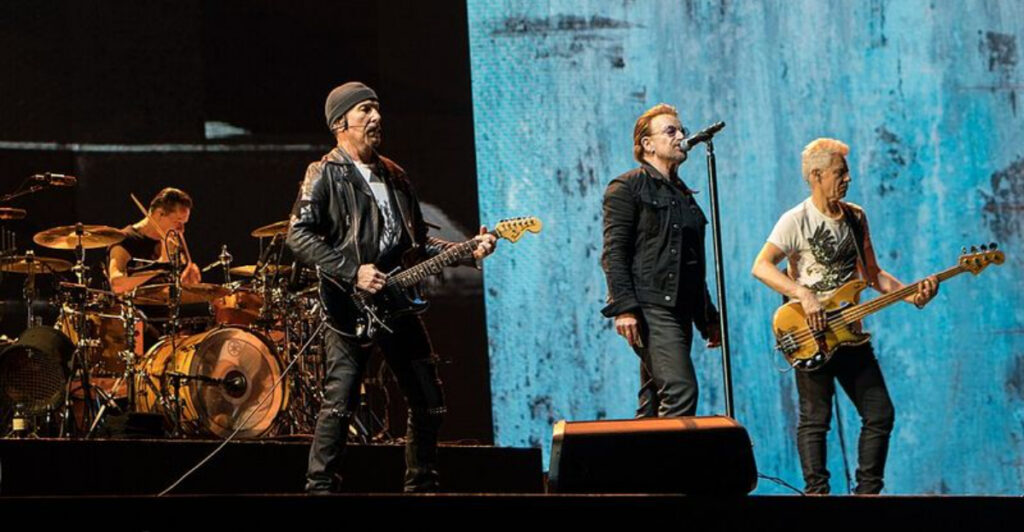
When U2 released The Joshua Tree in 1987, they didn’t just release an album, they became the biggest band on the planet almost overnight. The combination of Bono’s soaring vocals, The Edge’s chiming, delay-drenched guitar, and deeply felt lyrics about faith, justice, and human longing created something that connected with millions of people across very different cultures.
They were also pioneers of the rock concert as a large-scale theatrical event. Their ZooTV and Vertigo tours raised the bar for what a live show could look and feel like.
Arena and stadium rock owes a great deal to U2’s vision of spectacle combined with genuine emotional substance.
Their willingness to speak on global issues, from African debt relief to human rights, also changed expectations for what rock musicians could do with their platform. Bands like Coldplay, Arcade Fire, and Imagine Dragons all reflect U2’s model of combining ambitious sound with meaningful lyrical content.
12. Radiohead

OK Computer arrived in 1997 sounding like nothing rock music had produced before. Thom Yorke’s anxious lyrics about technology and alienation, combined with Jonny Greenwood’s unconventional guitar work and the band’s growing interest in electronic textures, created an album that felt like a warning about the digital future, delivered a decade early.
Radiohead never stayed comfortable. After OK Computer, they released Kid A, which abandoned guitar rock almost entirely in favor of electronic soundscapes and jazz-influenced rhythms.
Critics were baffled at first, but musicians understood immediately that something important had happened. Kid A essentially gave permission for rock bands to evolve without limits.
Their influence on modern alternative music is enormous and ongoing. Artists like James Blake, Frank Ocean, and Bon Iver have all cited Radiohead as proof that emotional honesty and sonic experimentation belong together.
They remain genuinely unpredictable, which is perhaps the most inspiring thing any long-running band can be.
13. The Ramones
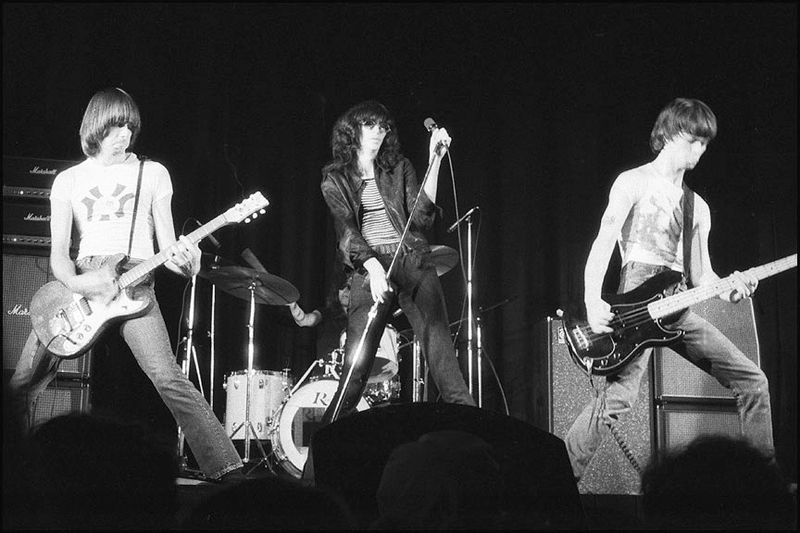
Four guys from Queens, New York, walked onto the stage of CBGB in 1974 wearing matching leather jackets and ripped jeans, counted to four, and played songs that lasted barely two minutes each. The Ramones didn’t invent punk, but they absolutely lit the fuse.
Their deliberate simplicity was a radical act at a time when rock had grown bloated with excess.
Songs like “Blitzkrieg Bop” and “I Wanna Be Sedated” proved that energy and attitude mattered more than technical complexity. They influenced the British punk explosion almost single-handedly, with bands like the Sex Pistols and The Clash crediting early Ramones shows as the spark that changed everything for them.
Their legacy runs through every garage band that ever formed in a basement with three chords and a dream. Green Day, Blink-182, and The Offspring all carry the Ramones’ spirit of keeping rock fast, fun, and genuinely accessible.
Hey ho, let’s go, indeed.
Share this story